
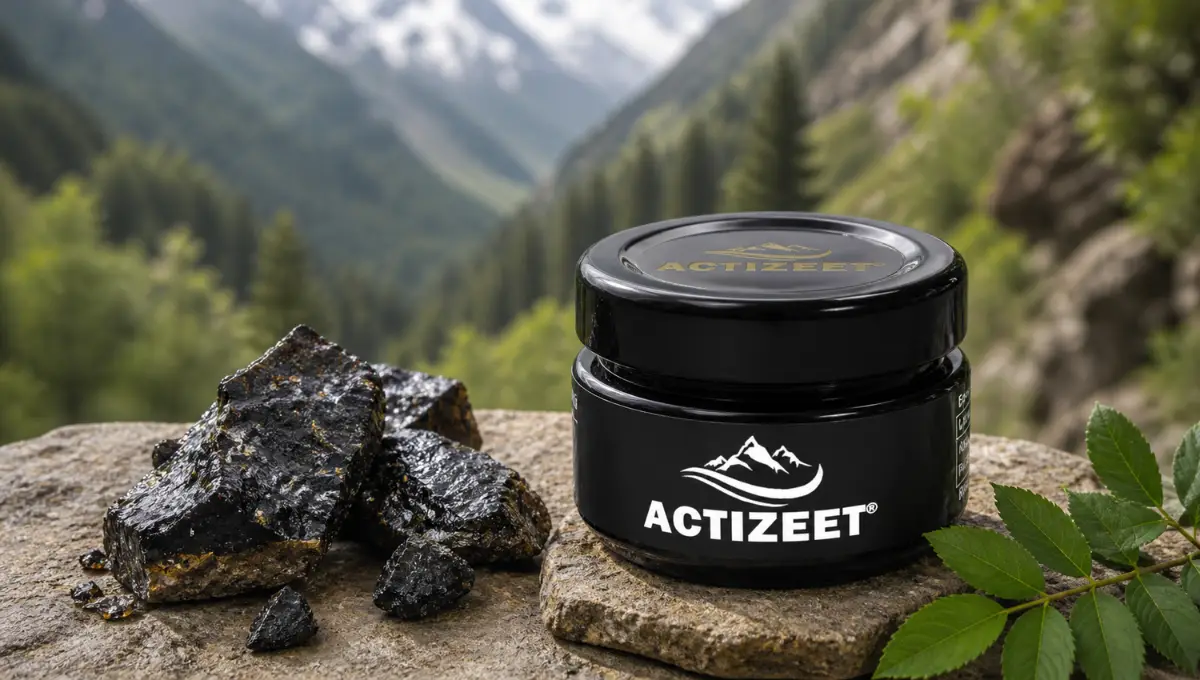
Asphaltum Punjabianum: The Complete Scientific and Therapeutic Guide to Nature's Most Complex Healing Resin
Asphaltum Punjabianum is the official scientific name in pharmacopoeial literature for what millions of people across South Asia, Central Asia, and increasingly the world simply call Shilajit. This guide covers everything from its geological origins and precise chemical composition to clinical research, therapeutic applications, and how to identify genuine quality.
If you have been researching Shilajit and suddenly encountered the term "Asphaltum Punjabianum," you have arrived at the same substance from a different angle. Asphaltum Punjabianum is the pharmacopoeial scientific designation used in the Ayurvedic Pharmacopoeia of India and in formal botanical and pharmaceutical literature to classify what traditional Ayurvedic texts call Shilajatu and what most people today simply call Shilajit.
The word "Asphaltum" comes from the Latin term for natural bitumen or mineral pitch, which accurately describes the tar-like, sticky, resinous quality of the substance. "Punjabianum" refers to the Punjab region of northern India and Pakistan, which was historically one of the primary collection areas documented in early botanical literature, though today the Himalayan range more broadly, extending through Uttarakhand, Himachal Pradesh, Ladakh, Nepal, and Tibet, is recognized as the primary geographical source of the highest quality material.
Understanding Asphaltum Punjabianum properly means understanding both its traditional Ayurvedic positioning and its contemporary pharmacological research. In Ayurveda, it is classified as a Rasayana, a category of rejuvenating tonics that enhance longevity, vitality, and systemic health. In modern pharmacology, it is being studied for its testosterone-supporting, cognitive-protective, anti-inflammatory, antidiabetic, antioxidant, and adaptogenic activities. The convergence of these two knowledge traditions, ancient and modern, around the same substance's therapeutic value is exactly what makes Asphaltum Punjabianum one of the most compelling subjects in contemporary natural medicine research.
Pharmacopoeial name: Asphaltum Punjabianum | Common names: Shilajit, Shilajatu, Mumijo, Moomiyo, Mineral Pitch | Regulatory classification: Ayurvedic Pharmacopoeia of India (API), Part I, Vol. IV | Ayurvedic classification: Rasayana (rejuvenating compound), Yogavahi (catalytic enhancer) | Nature: Blackish-brown, sticky mineral-organic exudate | Geographical origin: Himalayan, Altai, Caucasus, and Tibetan mountain ranges; altitude 1,000 to 5,000m | Formation: Centuries-long decomposition of plant matter and microbial activity under geological compression
Geological Origin and Formation Process
Asphaltum Punjabianum is not a plant extract, a root, or a mineral in the conventional sense. It is a uniquely complex phytomineral substance that forms at the intersection of geological and biological processes operating over centuries. Understanding its formation explains why it contains such an unusual combination of organic compounds alongside such rich mineral content.
The substance is formed over hundreds of years when specific vegetation, particularly mosses, bryophytes, coniferous plants, and the microbial communities associated with them, is buried between rock layers in high-altitude mountain terrain. Under geological compression, temperature cycling between extreme cold and summer warmth, high-altitude UV radiation, and the metabolic action of specialized decomposing microorganisms, this organic matter undergoes a process called humification, the transformation of complex organic material into humic substances.
This organic exudate is formed by gradual decomposition of certain plants by the microorganisms for centuries. It is mainly composed of humus, organic plant material that was compressed by layers of rock in mountains, minerals and fulvic acid. During the warmer months, as rocks expand with heat, this semi-fluid resin is literally squeezed out of rock fissures, where it can be collected from the rock face by hand.
The specific altitude, the plant species in the geological layer, the mineral composition of the surrounding rock, and the duration of the geological process all influence the compound profile of the resulting Asphaltum Punjabianum. Himalayan material from formations above 3,000 to 5,000 meters is consistently the most phytochemically rich and is the variety recognized as highest quality in both Ayurvedic pharmacopoeia and contemporary research contexts.
Chemical Composition of Asphaltum Punjabianum
The chemical complexity of Asphaltum Punjabianum is one of its most defining characteristics. It is not a single-compound supplement but a genuinely complex phytomineral substance containing organic compounds, humic substances, and ionic minerals in combinations found almost nowhere else in nature.
A comprehensive peer-reviewed review titled "Chemical Characteristics and Therapeutic Potential of Asphaltum Punjabianum (Shilajit)" confirmed that Asphaltum Punjabianum contains two primary compounds, fulvic acid and dibenzo-alpha-pyrones (DBPs), which are primarily responsible for its diverse therapeutic activities. The review confirmed Asphaltum can be used as antioxidant, anti-inflammatory, anti-stress, energy enhancer, anti-ulcer, anti-viral, anti-fungal, anti-diabetic, and many more. It also contains basic elements such as calcium, magnesium, iron, potassium, selenium, and sodium, which are essential for body strength. The review noted that fulvic acid independently stimulates mitochondrial energy metabolism, while DBPs act as electron carriers enhancing cellular energy production. It also contains about 80 bio-active components including benzoic acid, hippuric acid, fatty acids, resin, waxy materials, gums, albuminoids, and vegetable matter.
Fulvic Acid
Constitutes 60 to 80% of the organic fraction. The chief properties of fulvic acid make it an excellent memory enhancer, antioxidant, and anti-inflammatory agent. It also possesses potential anti-Alzheimer's molecules. Acts as the primary carrier for delivering other compounds and minerals into cells.
Dibenzo-Alpha-Pyrones (DBPs)
Unique energy-modulating compounds found at meaningful concentrations almost exclusively in Asphaltum Punjabianum. DBPs act as electron carriers that preserve and activate CoQ10, dramatically enhancing mitochondrial ATP production. Present as monomers, dimers, and tetramers.
Humic Acid and Humins
Higher molecular weight humic substances with documented antiviral, antimicrobial, hepatoprotective, and immunomodulatory properties. Together with fulvic acid they constitute the humic substances that are the major organic fraction of Asphaltum Punjabianum.
84+ Ionic Minerals
Iron, zinc, copper, magnesium, calcium, potassium, selenium, sodium, and over 80 additional trace minerals in highly bioavailable ionic form. The fulvic acid carrier significantly enhances their cellular absorption compared to conventional mineral supplements.
Benzoic Acid, Hippuric Acid
Present at 3 to 12% (benzoic acid). Hippuric acid supports detoxification pathways. Both contribute antimicrobial and metabolic functions. Their presence alongside fulvic acid creates a comprehensive metabolic support matrix.
Triterpenes, Sterols, Amino Acids
Triterpenes and sterols with anti-inflammatory, adaptogenic, and hormone-modulating properties. Amino acids providing structural support for protein synthesis. Phenolic lipids with antioxidant activity documented in multiple research contexts.
Ayurvedic Classification and 5,000 Years of Traditional Use
In the Ayurvedic system of medicine, Asphaltum Punjabianum occupies a position of extraordinary importance. It is classified as a Rasayana, the category of rejuvenating tonics that specifically target longevity, vitality restoration, and the prevention and treatment of age-related decline. Alongside Ashwagandha, Amalaki, and Brahmi, Shilajit is considered one of the most powerful Rasayana medicines in the Ayurvedic pharmacopeia.
The name Shilajit itself reflects Ayurvedic understanding of the substance: "Shila" means rock, and "Jit" means conqueror. Asphaltum Punjabianum is often referred to as the "conqueror of mountains and destroyer of weakness" due to its reputed ability to enhance physical performance and restore vitality. The substance is traditionally used to treat a wide range of ailments, from chronic fatigue and sexual dysfunction to cognitive decline and digestive issues.
In Ayurvedic pharmacology, Shilajit is also classified as Yogavahi, meaning it acts as a catalyst that enhances the bioavailability and therapeutic activity of whatever other herbs or nutrients it is combined with. This property, now understood mechanistically through fulvic acid's chelation and cellular transport functions, was recognized through empirical observation by Ayurvedic physicians thousands of years before the biochemistry existed to explain it. North Indians and Nepalese have always used this substance as part of their daily diet, with children traditionally drinking it with milk for breakfast, reflecting the deep integration of Asphaltum Punjabianum into the daily health practices of Himalayan-region populations.
Documented Health Benefits and Clinical Research
Energy Production and Physical Performance
Asphaltum Punjabianum has been studied for its effects on physical performance with results published in respected journals. In one study, 63 men with active lifestyles consented to see how it affected their physical performance. During the 8-week test period, half of the individuals received a 500mg dose of Asphaltum Punjabianum while the other group received placebo. At the end of the test session, the group that took Asphaltum Punjabianum demonstrated greater muscular strength retention, resulting in a lower loss in strength due to exhaustion. The mechanism behind this is dual: fulvic acid independently stimulates mitochondrial energy metabolism, while DBPs act as electron carriers enhancing ATP production at the cellular level. This creates more efficient energy generation without stimulant compounds and without the crash that follows caffeine-based energy enhancement.
Testosterone and Male Reproductive Health
Testosterone support is one of the most clinically well-documented benefits of Asphaltum Punjabianum in published research. Shilajit contains a rich array of bioactive compounds including fulvic acid, dibenzo-alpha-pyrones, and trace minerals, which are believed to influence the hypothalamic-pituitary-gonadal (HPG) axis, a critical hormonal pathway that regulates testosterone production. By modulating this pathway, Shilajit helps to increase the levels of luteinizing hormone (LH) and follicle-stimulating hormone (FSH), which in turn stimulate the testes to produce more testosterone.
A randomized controlled study published in the Indian Journal of Physiology and Pharmacology, titled "Effect of purified Shilajit (Asphaltum punjabianum) on oxidative stress, arterial stiffness and endothelial function in elderly with hypertension," confirmed that purified Asphaltum Punjabianum has significant effects on oxidative stress markers and vascular health parameters in elderly hypertensive patients. The study specifically noted that the organic exudate is formed by gradual decomposition of certain plants by microorganisms for centuries and is mainly composed of humus, organic plant material compressed by rock layers, minerals, and fulvic acid. The cardiovascular and antioxidant findings of this RCT establish Asphaltum Punjabianum's evidence base for conditions beyond simple fatigue or testosterone support, extending into clinical geriatric and cardiovascular medicine applications.
Energy and ATP
DBPs and fulvic acid enhance mitochondrial efficiency, producing more cellular energy without stimulant compounds. Reduces chronic fatigue at the cellular level.
Testosterone Support
HPG axis modulation increases LH and FSH, stimulating natural testosterone production. Clinical trial confirmed significant increases in 90 days.
Cognitive Function
Fulvic acid inhibits tau protein aggregation and amyloid-beta formation, mechanisms directly relevant to Alzheimer's prevention research.
Physical Recovery
Anti-inflammatory and antioxidant compounds reduce exercise-induced muscle damage, enabling faster recovery between training sessions.
Antioxidant Protection
Fulvic acid scavenges multiple ROS classes and enhances endogenous antioxidant enzymes including catalase, SOD, and glutathione peroxidase.
Blood Sugar Balance
Anti-diabetic properties confirmed in published research. Improves insulin receptor sensitivity and protects pancreatic beta-cells from oxidative damage.
Fertility Support
Improves sperm count, sperm motility, and sperm morphology. Antioxidant protection reduces oxidative DNA damage in sperm cells.
Cardiovascular Health
Reduces oxidative stress, arterial stiffness, and endothelial dysfunction. Vascular protective effects confirmed in published RCT in elderly hypertensive patients.
Immune Modulation
Immunomodulatory, antiviral, and antifungal properties confirmed. Enhances natural killer cell and macrophage activity through multiple compound classes.
🏔 ACTIZEET® Himalayan Shilajit Resin: pure Asphaltum Punjabianum sourced from high-altitude Himalayan formations. Laboratory-tested for fulvic acid potency and heavy metal safety.
Explore ACTIZEET® →Dosage, Forms, and How to Use Asphaltum Punjabianum
About 300 to 500 milligrams per day is the standard recommended dosage for Shilajit. A pea-sized portion of this natural supplement may either be added to water, milk, or any other liquid for consumption and may be consumed once to three times per day as suggested by a qualified Ayurvedic practitioner or healthcare provider. The clinical trial demonstrating testosterone improvement used 250mg twice daily (500mg total). The physical performance study used 500mg daily.
| Health Goal | Recommended Dose | Best Timing | Duration |
|---|---|---|---|
| General vitality and adaptogenic support | 250–300 mg/day | Morning with warm milk or water | Ongoing |
| Testosterone and male health | 250 mg twice daily (500 mg total) | Morning and evening | 90 days minimum |
| Physical performance and strength | 500 mg/day | 30-45 min pre-workout or morning | 8+ weeks |
| Cognitive support | 300–500 mg/day | Morning on empty stomach | 90 days minimum |
| Blood sugar support (complementary) | 300 mg/day | Before meals | 6+ weeks with medical supervision |
| Cardiovascular and antioxidant support | 300–500 mg/day | Morning | Long term |
Traditional Preparation Method
In Ayurvedic tradition and in clinical research studies, Asphaltum Punjabianum resin is dissolved in warm milk or warm water. A pea-sized amount of resin (approximately 250 to 300 mg) is dissolved in a cup of warm liquid, producing an amber-golden colored liquid with a characteristic earthy aroma. Warm milk is the traditional preference because the fats in milk enhance the absorption of lipid-soluble compounds in the resin, and this is consistent with the Ayurvedic principle of using appropriate food vehicles (anupana) to optimize therapeutic delivery.
Quality Markers and Purity Standards
- Purification is non-negotiable. Raw Asphaltum Punjabianum collected directly from rock formations contains heavy metals, fungal toxins, and polymeric quinones that make it unsafe for consumption. Only purified preparations that have undergone proper processing (Ayurvedic Shodhana or pharmaceutical purification) are safe and effective.
- Verified fulvic acid content. Fulvic acid is the primary quality marker for Asphaltum Punjabianum. Quality preparations contain 60 to 80% fulvic acid in the organic fraction, with appropriate molecular weight (low to medium, Mn 700 to 2,000) for optimal bioavailability and cellular transport.
- Heavy metal testing is essential. Every batch of genuine quality Asphaltum Punjabianum should be independently tested for lead, arsenic, mercury, and cadmium to meet international safety standards. This testing should be documented and transparent.
- Authentic resin form for maximum potency. The resin is the most traditional and most bioavailable form of Asphaltum Punjabianum, preserving the synergistic relationship between fulvic acid and DBPs. Resin should be slightly pliable at room temperature and dissolve in warm water to produce an amber liquid.
- High-altitude Himalayan origin for compound richness. Asphaltum Punjabianum from formations above 3,000 to 5,000 meters consistently shows higher concentrations of fulvic acid and DBPs compared to lower altitude sources.
- Transparent sourcing and brand accountability. Genuine quality producers provide clear information about collection region, purification method, and testing results. Opacity about any of these is a meaningful quality risk signal.
Safety, Precautions, and Contraindications
When properly purified, Asphaltum Punjabianum has a favorable safety profile that has been confirmed across multiple clinical trials and thousands of years of traditional use. However, important precautions apply.
- Never use raw, unpurified Asphaltum Punjabianum. Raw material can contain dangerous heavy metal concentrations and fungal toxins. Only purified, laboratory-tested preparations from verified brands should be consumed.
- Pregnancy contraindication. Asphaltum Punjabianum is not recommended during pregnancy due to insufficient safety data for this population. Women who are pregnant or trying to conceive should consult their healthcare provider before use.
- Blood sugar medication interaction. The anti-diabetic properties of Asphaltum Punjabianum may interact with antidiabetic medications. People on insulin or oral hypoglycemic agents should monitor blood sugar closely and inform their prescribing physician.
- Iron overload conditions. The significant iron content of Asphaltum Punjabianum makes it inappropriate for people with haemochromatosis or other iron accumulation disorders without medical supervision.
- Autoimmune conditions. The immunomodulatory properties require monitoring in people with autoimmune conditions, particularly if on immunosuppressive therapy.
- Always begin with lower doses. Start with 100 to 150mg daily for the first week and increase gradually to assess individual tolerance before reaching the standard therapeutic dose range.
ACTIZEET® Himalayan Shilajit Resin delivers authentic Asphaltum Punjabianum sourced from verified high-altitude Himalayan rock formations, purified to pharmaceutical safety standards, and laboratory-tested for fulvic acid potency, DBP presence, and heavy metal safety. Every batch reflects the quality that makes the research findings on Asphaltum Punjabianum genuinely accessible to those who seek them.
🏔 Shop ACTIZEET® Himalayan Shilajit Resin →ACTIZEET® and Asphaltum Punjabianum Quality
The ACTIZEET® approach to Asphaltum Punjabianum reflects the quality standards that the pharmacological research on this substance makes necessary for genuine therapeutic value.
- Verified high-altitude Himalayan sourcing. Collected from rock formations above 16,000 feet, where geological conditions produce the highest concentrations of fulvic acid and DBPs documented in comparative Asphaltum Punjabianum quality research.
- Pharmaceutical-grade purification. Traditional Ayurvedic Shodhana combined with modern safety processing removes heavy metals (lead, arsenic, mercury, cadmium) and biological contaminants that make raw Asphaltum Punjabianum unsafe for consumption.
- Verified fulvic acid content per batch. Each production batch is tested for actual fulvic acid percentage, ensuring consistency of the primary quality marker across every unit sold.
- Third-party heavy metal certification. Independent testing confirms compliance with international food supplement safety standards for all four critical heavy metals.
- Authentic resin form. Delivered as traditional resin rather than diluted capsule preparations, preserving the fulvic acid-DBP synergistic relationship that defines the substance's therapeutic quality.
Frequently Asked Questions
Understanding Asphaltum Punjabianum: Ancient Wisdom Meets Modern Science
Asphaltum Punjabianum is one of those rare subjects where the depth of traditional therapeutic wisdom and the breadth of contemporary pharmacological research mutually validate and enrich each other. The Ayurvedic tradition that classified it as a Rasayana and a Yogavahi over 5,000 years ago was operating on empirical observation of effects that modern biochemistry is now explaining through mechanisms: fulvic acid's cellular transport and mitochondrial enhancement, DBPs' CoQ10 preservation and ATP amplification, the HPG axis modulation behind testosterone support, and the NF-kappaB inhibition behind anti-inflammatory activity.
The clinical research trail is compelling: a randomized controlled trial on elderly hypertensive patients confirming cardiovascular and antioxidant benefits. An 8-week double-blind study confirming muscular strength retention. A 90-day clinical evaluation confirming significant testosterone increases. A growing body of preclinical and clinical research on cognitive protection, anti-diabetic activity, fertility support, and immune modulation. These are not anecdotes. They are published clinical findings in peer-reviewed journals specifically about Asphaltum Punjabianum.
The key to accessing these documented benefits is quality. Purified, high-altitude Himalayan sourced, verified fulvic acid content, third-party heavy metal tested. ACTIZEET® Himalayan Shilajit Resin delivers Asphaltum Punjabianum that meets all of these standards, giving you access to the genuine therapeutic potential of this extraordinary substance.
Latest From Our Blog

Original Shilajit: What It Is, What It Does, How to Identify It, and Why Most Products on the Market Are Not the Real Thing
Everything about original Shilajit: what it is, how it forms,...

Shilajit and Diabetes: What the Ancient Resin Can Do for Blood Sugar Health
Discover how shilajit may support blood sugar control, insulin sensitivity,...

Shilajit and Ayurveda: How the Oldest Healing System on Earth Discovered the Most Extraordinary Mineral Medicine Known to Human Medicine
Explore the deep connection between Shilajit and Ayurveda. From Charaka...

Shilajit Supplement: Benefits, Uses and More
Discover the benefits of Shilajit Supplement for energy, stamina, and...