
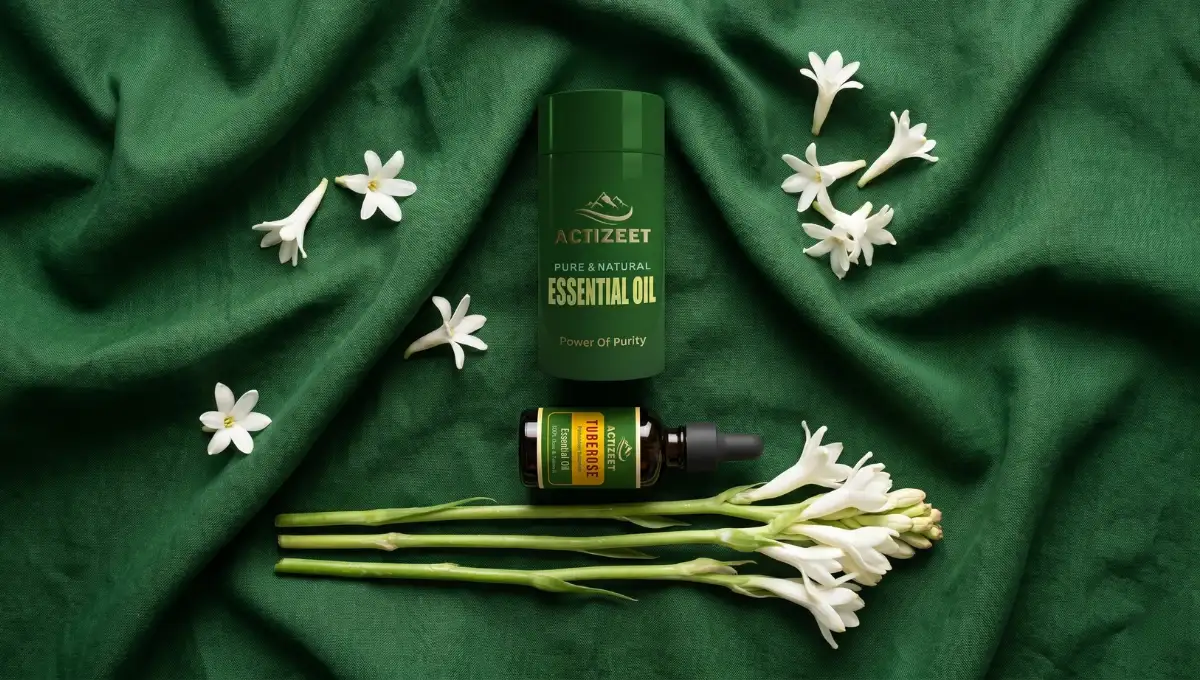
15 Tuberose Essential Oil Benefits That Make This "Queen of the Night" Worth Every Drop
Long cherished by perfumers, Ayurvedic practitioners, and ancient healers from the Aztec world to the courts of Louis XIV, tuberose essential oil brings far more than a captivating fragrance. Its therapeutic range spans stress relief, skin care, pain management, and beyond.
In India, it is called Rajnigandha or Raat Ki Rani. In the Victorian era, it earned the dramatic title "Harlot of Perfumery." The Aztec healers who first documented its medicinal use named it Omyxohilt, meaning "bone plant," referencing its distinctive waxy white flowers. Across every culture that has encountered it, tuberose (Polianthes tuberosa) has provoked the same reaction: a combination of sensory captivation and genuine healing utility.
Today, tuberose essential oil remains one of the most precious and least adulterated botanical oils available, which is also why quality matters so much when choosing a product. Extracted from the delicate white flowers of the tuberose plant through careful solvent extraction or the traditional enfleurage method, this oil carries a rich, heady, floral-sweet aroma that perfumers have prized for centuries. But its value extends well beyond fragrance.
In this guide, we explore 15 specific tuberose essential oil benefits, supported by research and traditional use documentation, and show you exactly how to incorporate this remarkable oil into your daily wellness practice.
Polianthes tuberosa is a perennial plant native to Central America and Mexico, now widely cultivated in India, Egypt, China, France, and Morocco. The flowers are harvested before the petals open to preserve the fullest aromatic and therapeutic profile. The essential oil contains key active compounds including eugenol (antiseptic, analgesic), nerol (antiseptic, calming), farnesol (antibacterial, skin-conditioning), and geraniol (anti-inflammatory, antifungal). India is among the largest producers of tuberose, making ACTIZEET®'s access to authentic, fresh-sourced flowers a significant quality advantage.
Active Compounds That Drive Tuberose Essential Oil Benefits
Understanding what is inside tuberose essential oil helps explain why it works across so many different applications. The therapeutic profile is driven by a combination of terpene alcohols, esters, and phenolic compounds that each contribute distinct biological activity.
| Compound | Type | Key Therapeutic Action |
|---|---|---|
| Eugenol | Phenylpropanoid | Antiseptic, analgesic, anti-inflammatory, antifungal |
| Nerol | Monoterpene alcohol | Antiseptic, calming, antibacterial |
| Farnesol | Sesquiterpene alcohol | Antibacterial, skin-conditioning, antifungal |
| Geraniol | Monoterpene alcohol | Anti-inflammatory, antifungal, insect-repellent |
| Methyl benzoate | Ester | Sedative, antispasmodic, calming |
| Benzyl benzoate | Ester | Antispasmodic, antimicrobial, warming |
| Linalool | Terpene alcohol | Anxiolytic, sedative, analgesic |
| Methyl anthranilate | Ester | Floral aroma compound, mood-elevating |
15 Tuberose Essential Oil Benefits
At the top of any list of tuberose essential oil benefits sits its remarkable ability to relieve stress and induce a state of genuine relaxation. This is not simply about pleasant fragrance. The oil contains linalool, methyl benzoate, and nerol, compounds that act on the central nervous system to promote parasympathetic activity, the body's "rest and digest" state that counteracts the fight-or-flight response triggered by stress.
Tuberose's rich, warming scent is described in aromatherapy literature as "relaxing, balancing, and strengthening," three properties that together make it one of the most complete stress-management oils available. When diffused in a living or working space, it creates an atmosphere of calm without drowsiness. Its ability to soothe the brain, calm the nervous system, and relax tense muscles simultaneously addresses the physical and psychological dimensions of stress at once.
For people who carry their stress in their shoulders, jaw, or abdomen, massaging diluted tuberose essential oil into these tension-prone areas after a long day can provide relief that is both immediate and cumulative with regular use.
Anxiety is one of the most widespread health challenges of modern life, and the search for natural, non-habit-forming approaches to managing it is greater than ever. Tuberose essential oil has been studied specifically for its anxiolytic properties, with results that are genuinely encouraging.
A randomized clinical trial published in PubMed Central examined the effect of inhaling Polianthes tuberosa essential oil on test anxiety in students. Fifty-four students with confirmed anxiety were divided into intervention and control groups. The intervention group inhaled tuberose oil on handkerchiefs for 15 to 20 minutes during an exam. The study found a meaningful reduction in anxiety scores among the tuberose oil group compared to the control group, supporting the traditional Iranian medicine use of aromatic substances for anxiety and emotional regulation.
The anxiolytic mechanism appears to involve tuberose oil's stimulation of the vagus nerve, which is part of the parasympathetic nervous system and plays a direct role in reducing the physiological symptoms of anxiety, including elevated heart rate, shallow breathing, and muscle tension. For those dealing with situational anxiety, performance nerves, or general restlessness, inhalation of tuberose oil provides a safe, drug-free option worth exploring.
Beyond anxiety, tuberose essential oil has recognized antidepressant properties that make it valuable for emotional wellbeing more broadly. Low mood, persistent emotional heaviness, and mild depression often involve disrupted neurotransmitter activity, and aromatic compounds in tuberose oil appear to influence these pathways through olfactory stimulation of the limbic system, the brain's emotional processing center.
Tuberose absolute is a strong antidepressant that has a calming effect and brings relief in stressful situations. It increases emotional strength and resilience, which is particularly valuable for those going through difficult periods of change, grief, or burnout. The oil does not just mask negative emotions with a pleasant smell. It appears to actively shift the neurological environment toward a more balanced emotional state.
Using tuberose oil in a morning diffusion routine can help establish a more positive emotional baseline for the day, particularly when combined with breathwork or a brief mindfulness practice.
🌷 Experience genuine tuberose aromatherapy with ACTIZEET® pure tuberose essential oil, sourced directly from Indian tuberose flowers.
Shop ACTIZEET® →Tuberose's reputation as a powerful aphrodisiac spans centuries and cultures. In India, it was traditionally believed that young women should not inhale the scent of tuberose after dark because of its potent effects on desire. In Victorian England, it earned the nickname "Mistress of the Night" for similar reasons. The Aztec healers of Central America used it in ceremonial and medicinal contexts where it was prized for its effect on mood and sensuality.
The science behind this is rooted in the oil's effect on the limbic system. Specific compounds in tuberose essential oil stimulate the regions of the brain responsible for libido and sexual arousal. Modern aromatherapy uses tuberose oil to assist with loss of libido in both men and women, and to create an atmosphere of warmth and intimacy. The oil is particularly valued when blended with ylang ylang, which creates an especially rich, romantic aromatic composition.
Poor sleep is a modern epidemic, and tuberose essential oil's sedative properties make it one of the most practically useful oils for improving sleep quality without pharmaceutical intervention. The oil's sedative action works through multiple pathways: it calms the nervous system, relaxes tense muscles, reduces anxiety that prevents sleep onset, and creates a sensory environment that signals to the brain that it is time to rest.
Tuberose's primary action is as a relaxant, with its exotic fragrance soothing nerves, the brain, and muscles, providing relief from tension, anger, and low moods. Its sedative qualities also make tuberose helpful in promoting sleep. Diffusing tuberose oil in the bedroom 30 minutes before sleep, or applying a diluted blend to the pulse points on the wrists and temples, can meaningfully improve both sleep onset time and the depth of sleep experienced throughout the night.
For those whose sleep is disrupted by racing thoughts, physical restlessness, or anxiety, tuberose oil addresses all three contributing factors simultaneously, making it a more comprehensive sleep aid than oils that simply induce drowsiness.
Tuberose essential oil has demonstrated meaningful antibacterial activity in laboratory research, making it a useful natural option for addressing bacterial concerns on the skin and in the environment.
A study published in PubMed Central tested the antibacterial activity of essential oils from tuberose (Polianthes tuberosa), palmarosa, evening primrose, and lavender against both gram-positive and gram-negative bacteria at concentrations ranging from 10% to 100%. The research found that all tested flower essential oils showed dose-dependent inhibitory effects on bacteria. The steam-distilled extract of tuberose flowers showed marked activity against both gram-positive and gram-negative bacterial strains, establishing a scientific basis for its traditional use as an antimicrobial agent.
The key compounds responsible for this antibacterial activity include eugenol, nerol, and farnesol, all of which are present in authentic tuberose essential oil. For skin application, this translates to meaningful protection against bacteria that cause acne, wound infection, and skin irritation. Adding a few drops of tuberose oil to a carrier oil for topical use creates a gentle, naturally antibacterial skin treatment.
Alongside its antibacterial action, tuberose essential oil has recognized antifungal properties that extend its utility in skin and scalp care. Geraniol and farnesol, two of the oil's major active compounds, have well-documented antifungal effects in scientific literature. Eugenol, another key component, has been studied specifically for antifungal activity against Candida species and dermatophytes, the fungi responsible for common skin and nail infections.
Tuberose essential oil is thought to have antibacterial and antifungal properties, and helps treat skin problems like acne. For those dealing with fungal skin issues, dandruff caused by scalp fungal overgrowth, or persistent scalp irritation, incorporating tuberose oil into a carrier oil massage blend addresses the microbial root cause while also nourishing the skin or scalp.
Tuberose essential oil possesses mild anti-inflammatory properties that make it beneficial for calming inflamed, reactive, or irritated skin. Eugenol, one of its primary active compounds, has been extensively studied for anti-inflammatory activity. It works partly by inhibiting the enzyme cyclooxygenase (COX), the same enzyme targeted by common non-steroidal anti-inflammatory medications, though through a gentler, topical action when applied as a diluted essential oil.
For skin that is prone to redness, sensitivity, eczema flares, or general irritation, tuberose oil blended into a gentle carrier like jojoba or calendula oil can reduce the visible and sensory signs of inflammation while also providing antimicrobial protection. Its benefits for controlling joint inflammation and general discomfort caused by conditions such as arthritis and rheumatism are also noted in therapeutic aromatherapy literature when applied as a warming massage oil.
🌷 ACTIZEET® Tuberose Essential Oil: pure, authentic, and ready to transform your skin and wellness routine.
Buy Now →Tuberose essential oil is particularly well-suited to addressing muscular pain, spasms, and cramps. Its antispasmodic properties help relax involuntary muscle contractions that cause cramping, whether from physical exertion, menstrual cycles, or chronic tension. This is one of the reasons it has become a valued oil in massage therapy, specifically for treating muscular aches, pains, and cramps.
The warming effect of tuberose oil increases local blood circulation when massaged into affected areas, which helps deliver oxygen and nutrients to stressed muscle tissue while removing metabolic waste products that contribute to soreness. Its analgesic compounds, particularly eugenol, also reduce the perception of pain at the application site. For athletes, people with sedentary desk-based jobs, or anyone prone to tension headaches or menstrual cramping, a tuberose oil massage blend is a practical and pleasant natural remedy.
Healthy circulation is fundamental to nearly every aspect of physical wellbeing. It delivers oxygen and nutrients to cells, supports immune function, promotes tissue repair, and helps the body eliminate metabolic waste. Tuberose essential oil's warming properties make it a natural circulation enhancer when applied topically as a massage blend.
Having a warming effect, tuberose promotes the circulation of blood, helping to eliminate toxins and ensures an adequate supply of oxygen. This helps treat debility and bring warmth into joints and muscles. The warming effect also benefits the respiratory system as a decongestant.
People with chronically cold hands and feet, poor peripheral circulation, or conditions like Raynaud's phenomenon may find that regular tuberose oil massage to the affected extremities provides meaningful warming and circulatory benefit. The oil also promotes lymphatic circulation, which supports the body's immune and detoxification functions.
Tuberose essential oil brings a multi-faceted approach to skin health that makes it genuinely valuable in a natural skincare routine. Its combination of antibacterial action (targeting acne-causing bacteria), anti-inflammatory properties (reducing redness), antifungal protection (addressing scalp and skin fungal issues), and moisture-locking compounds creates a skin treatment that works at several levels simultaneously.
Tuberose essential oil helps lock in the skin's moisture and prevent infection. It smooths fine lines and wrinkles and augments the moisture-binding capability of the skin, making it look younger and more supple. In skincare formulations, the microcirculation-stimulating effect of the oil is also relevant, as it encourages a healthier supply of blood to skin tissue, contributing to the characteristic "glow" that good circulation produces.
Farnesol, one of the oil's key terpene alcohols, is specifically used in cosmetic formulations for its skin-conditioning, antimicrobial, and deodorizing properties. Its presence in natural tuberose oil means users benefit from this compound in its most bioavailable, synergistic form, alongside the other active compounds in the oil.
Hair health is closely linked to scalp health, and tuberose essential oil addresses both through overlapping mechanisms. Its antifungal and antibacterial properties help control the scalp microbiome, reducing the overgrowth of fungi and bacteria that contribute to dandruff, flaking, and scalp inflammation. Its circulation-boosting properties, when delivered through a scalp massage, help improve blood flow to hair follicles, which is directly linked to follicle health and hair growth rate.
Tuberose oil helps repair damaged hair and split ends. It is used for hair fall, dandruff, and hair lice due to its anti-dandruff and sebum-controlling properties. The sebum-controlling aspect is particularly useful for those with oily scalps where excess oil production contributes to buildup and follicle congestion. By normalizing sebum production, tuberose oil helps maintain a cleaner, healthier scalp environment that supports stronger hair growth.
For a practical at-home hair treatment, blend 5 drops of tuberose essential oil into two tablespoons of warm coconut or argan oil, massage thoroughly into the scalp, and leave for at least 30 minutes before washing out with a gentle shampoo.
Tuberose essential oil has strong, long-lasting deodorizing properties that make it an effective natural alternative to synthetic air fresheners and personal deodorants. Its primary active compounds, especially farnesol, are recognized in the fragrance industry precisely because of their stability and long-lasting scent throw. Farnesol is also bacteriostatic, meaning it inhibits bacterial growth, which is the direct cause of body odor.
Tuberose oil has aphrodisiac, deodorant, relaxing, sedative, and warming properties. Unlike synthetic air fresheners that often contain naphthalene and other compounds associated with respiratory irritation, diffusing tuberose oil cleans the air naturally while simultaneously reducing bacteria on surfaces and creating a calming, pleasant atmosphere. It is an especially good choice for yoga rooms, meditation spaces, and bedrooms where air quality and sensory environment both matter.
Tuberose essential oil's warming and circulatory properties extend to the respiratory system, where it acts as a mild decongestant that can help ease nasal congestion and support clearer breathing. Tuberose essential oil is considered an effective remedy for nasal congestion. It is good for sedative inflammations connected to the nervous system and respiratory system.
The oil's antispasmodic properties are also relevant here: it can help ease spasmodic coughs and reduce the bronchial spasms that make coughs persistent and exhausting. When used as a steam inhalation, a few drops of tuberose oil added to a bowl of hot water can help decongest the sinuses, soothe irritated respiratory tissue, and calm cough reflex activity. Its antibacterial compounds may also provide mild protective benefit against respiratory pathogens during the colder months.
The fifteenth and perhaps most holistic of all tuberose essential oil benefits is its capacity for emotional grounding and balancing. In a world where emotional dysregulation, chronic overwhelm, and a sense of disconnection from the self are increasingly common, tuberose oil offers something quietly powerful: a return to center.
Tuberose absolute is an excellent aphrodisiac with sedative, antispasmodic, and antidepressant properties. It increases one's emotional strength and is mentioned in Ayurveda for its excellent health benefits. Grounding and stabilizing properties help ease mental exhaustion and provide support for individuals facing anxiety and negativity, making it ideal for promoting positive change.
In chakra-based aromatherapy traditions, tuberose is associated with the Heart Chakra, which governs emotional openness, self-love, and the capacity for genuine connection with others. Whether or not you work within that framework, the practical effect of using tuberose oil during challenging emotional periods is well-reported: greater stability, a softer response to stress, and a renewed sense of personal resilience. This makes it one of the most genuinely supportive oils for anyone navigating periods of change, grief, or transition.
ACTIZEET® Tuberose Essential Oil is extracted from authentic Indian Polianthes tuberosa flowers at peak aromatic potency. No synthetic additives, no dilution with cheaper floral substitutes. What you receive is pure, unadulterated tuberose oil that carries the full therapeutic and aromatic profile this remarkable flower is known for.
🌷 Shop ACTIZEET® Tuberose Essential Oil →How to Use Tuberose Essential Oil
Tuberose essential oil is highly concentrated and aromatic. It should always be diluted before skin contact and used in moderation due to its potent nature. Here are the most practical methods for incorporating it into your routine.
Aromatherapy Diffusion
Add 3 to 5 drops to a water-based diffuser. Use in the evening for stress relief and sleep, or in a small space to create a calming, romantic atmosphere. Diffuse for 30 to 60 minutes at a time.
Topical Massage Blend
Dilute 2 to 3 drops in one teaspoon of carrier oil (sweet almond, jojoba, or coconut). Apply to sore muscles, pulse points, or areas of tension. Never apply undiluted to skin.
Relaxing Bath Soak
Add 5 to 7 drops to one tablespoon of carrier oil or unscented bath salts. Dissolve fully in warm bathwater. Soak for 20 minutes to ease muscular tension and promote deep relaxation.
Scalp and Hair Massage
Blend 4 drops into one tablespoon of warm coconut or argan oil. Massage into the scalp for 10 minutes. Leave for 30 to 45 minutes then wash out. Use 2 times weekly for best results.
Steam Inhalation
Add 2 to 3 drops to a bowl of hot (not boiling) water. Drape a towel over your head and inhale the steam for 5 to 10 minutes. Ideal for congestion, stress, or emotional reset.
Skincare Addition
Add 1 drop to your regular moisturizer, facial oil, or night cream. Mix well before applying. Contributes antibacterial, anti-inflammatory, and moisture-sealing benefits to existing skincare.
What Tuberose Essential Oil Blends Well With
Tuberose essential oil is a powerful aromatic and blends beautifully with a range of other therapeutic oils. These pairings enhance both the fragrance profile and the therapeutic benefit.
Safety Guidelines and Precautions
Tuberose essential oil is potent and precious. Using it thoughtfully ensures you get the full benefit safely and consistently.
- Always dilute before skin application. A 1 to 2% dilution (approximately 2 to 4 drops per teaspoon of carrier oil) is appropriate for adults. Higher concentrations increase the risk of skin sensitization.
- Perform a patch test before first use. Apply a small amount of diluted oil to the inner wrist and wait 24 hours to check for any reaction, especially if you have sensitive skin.
- Not for use during pregnancy. Tuberose essential oil should not be used by pregnant or nursing women due to insufficient safety data on fetal effects.
- Keep away from eyes and mucous membranes. If accidental contact occurs, flush with a carrier oil first, then rinse with clean water.
- Do not ingest. Tuberose essential oil is for external and aromatic use only.
- Avoid overuse in enclosed spaces. Being a strong aromatic oil, it can cause headaches in sensitive individuals if over-diffused. Use short diffusion cycles of 30 to 60 minutes with adequate ventilation.
- Store properly. Keep in a dark amber glass bottle, tightly sealed, away from heat and direct sunlight. Shelf life is approximately 8 years when stored correctly.
Frequently Asked Questions
Final Thoughts: A Rare Oil That Earns Its Reputation
The 15 tuberose essential oil benefits covered in this guide collectively explain why this oil has captivated healers, perfumers, and wellness seekers across cultures and centuries. It is one of those rare botanicals where the traditional reputation and the scientific evidence are genuinely in alignment.
From its clinically studied anxiety-reducing effect to its laboratory-confirmed antibacterial activity, from its deeply nourishing impact on skin and hair to its unique capacity for emotional grounding and intimate wellbeing, tuberose essential oil earns a place in any serious aromatherapy or natural wellness collection.
The key, as with all essential oils, is quality. Tuberose is one of the most frequently adulterated oils on the market precisely because genuine extraction is costly and time-intensive. Choosing a brand that sources honestly, extracts carefully, and delivers the authentic product without dilution or synthetic additions makes all the difference between an oil that works and one that merely smells nice.
ACTIZEET® Tuberose Essential Oil is that authentic choice, sourced from Indian tuberose flowers at peak potency and delivered to you without compromise.
Latest From Our Blog

15 Cajeput Essential Oil Benefits: How Melaleuca cajuputi 1,8-Cineole, Alpha-Terpineol, and Beta-Caryophyllene Deliver Pain Relief, Respiratory Power, Skin Clarity, and Deep Wellness
Discover 15 proven cajeput essential oil benefits — from pain...

15 Vetiver Essential Oil Benefits: How India’s “Oil of Tranquility” Uses Over 300 Bioactive Compounds to Calm the Mind, Heal the Skin, and Ground the Spirit
Discover 15 vetiver essential oil benefits from anti-inflammatory and antimicrobial...

Best Mogra Oil in India 2026: A Complete Buyer’s Guide to Pure, Authentic Jasminum sambac Essential Oil
Looking for the best mogra oil in India in 2026?...

15 Clary Sage Essential Oil Benefits: How Salvia sclarea Linalool and Sclareol Deliver Hormonal Balance, Anxiety Relief, Skin Care, Antimicrobial Power, and Complete Wellness
Discover 15 proven clary sage essential oil benefits—from hormonal balance...