
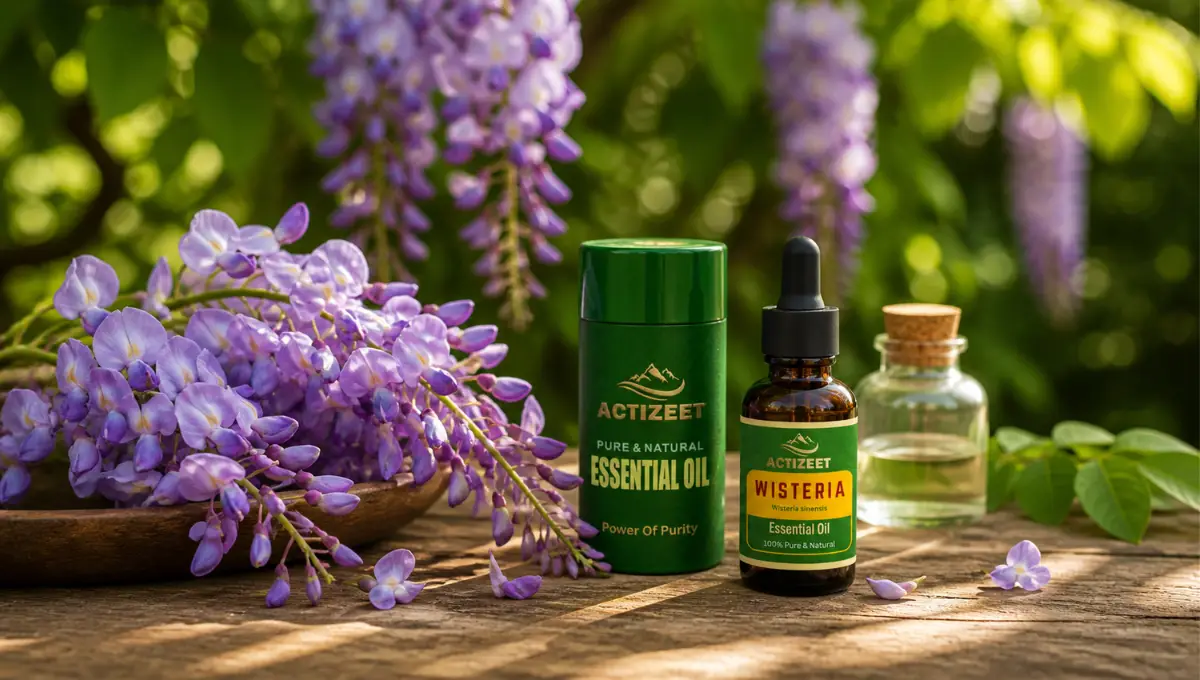
15 Wisteria Essential Oil Benefits That Make This Cascade of Purple Blooms One of Nature's Most Therapeutic Florals
From Japanese gardens where cascading wisteria has been cultivated for centuries as a symbol of inner peace, to the research journals now documenting its flavonoids' antioxidant and cytotoxic activity, wisteria essential oil carries both a rich cultural heritage and a genuinely meaningful therapeutic profile.
There are few sights in the natural world quite as breathtaking as a mature wisteria in full bloom. The cascading racemes of violet, lavender, and white flowers, sometimes stretching a meter or more in length, fill the air with one of the most complex and captivating floral fragrances known to horticulture. In Japan, wisteria festivals draw hundreds of thousands of visitors each spring to witness the flowering of vines that are centuries old. In China, Wisteria sinensis has been cultivated in imperial gardens for over 1,000 years. In Victorian England, wisteria-draped garden walls were considered the pinnacle of romantic garden design.
But wisteria is far more than an ornamental spectacle. A PMC-published study specifically isolated six flavonoids, two triterpene aglycones, and a new acylated flavone glycoside from Wisteria sinensis leaves, confirming for the first time that these compounds show significant cytotoxic activity against HepG2 tumor cells alongside meaningful antioxidant activity. Wisteria contains unique bioactive compounds, including flavonoids like wisterin, rutin, and kaempferol, that have demonstrated antioxidant, antimicrobial, and anti-inflammatory properties. Research has also documented antidiabetic activity of a flavonoid-rich extract from Wisteria sinensis flowers in type 2 diabetic mice, operating through the IRS-1/PI3K/Akt/GLUT4 pathway.
In this guide, we cover 15 specific wisteria essential oil benefits grounded in the scientific research on its bioactive compounds and the extensive cross-cultural therapeutic traditions that have validated its use across Asian and European healing practice. We also explain how ACTIZEET® pure Wisteria Essential Oil delivers these benefits in their most authentic and accessible form.
Wisteria essential oil is extracted from the fragrant flowers of Wisteria sinensis (Chinese wisteria) and Wisteria floribunda (Japanese wisteria) through solvent extraction or steam distillation. The primary bioactive compounds include flavonoids (wisterin, rutin, kaempferol, luteolin, chrysoeriol glycosides), triterpene aglycones, saponins, phenylpropanoids, linalool, benzyl alcohol, geraniol, nerol, beta-caryophyllene, and various aromatic esters. The oil has a sweet, refined, lavender-violet floral fragrance with soft green undertones and warm heart notes. In Japan and China, wisteria preparations have been used in traditional medicine and beauty rituals for centuries, particularly for their calming, antioxidant, and skin-beneficial properties.
Key Active Compounds in Wisteria Essential Oil
| Compound | Class | Primary Therapeutic Action |
|---|---|---|
| Wisterin / Rutin / Kaempferol | Flavonoids | Antioxidant; anti-inflammatory; antimicrobial; cytotoxic against tumor cells; cardiovascular-protective |
| Chrysoeriol Glycoside | Acylated Flavone Glycoside | Antioxidant; anti-tumor (first isolated from Wisteria genus); anti-inflammatory |
| Triterpene Aglycones | Terpenoids | Anti-inflammatory; hepatoprotective; cytotoxic against tumor cells; immune-modulating |
| Saponins | Triterpenoid Saponins | Antimicrobial; anti-inflammatory; cholesterol-modulating; immune-supporting |
| Linalool | Monoterpene Alcohol | Anxiolytic; sedative; anti-inflammatory; analgesic; GABA modulating |
| Beta-Caryophyllene | Sesquiterpene | Anti-inflammatory via CB2 receptor; analgesic; neuroprotective; anti-anxiety |
| Geraniol / Nerol | Monoterpene Alcohols | Antimicrobial; antioxidant; anti-inflammatory; skin-conditioning; insect-repellent |
| Benzyl Alcohol | Aromatic Alcohol | Antimicrobial; mild analgesic; aromatic preservative |
15 Wisteria Essential Oil Benefits
Stress relief is the most universally recognized and cross-culturally consistent of all wisteria essential oil benefits. The oil is commonly used in aromatherapy to reduce stress, calm the mind, and create a tranquil atmosphere. Its soothing scent is ideal for unwinding after a busy day or enhancing meditation and mindfulness practices. This recognition spans Japanese, Chinese, European, and contemporary aromatherapy traditions, reflecting a multi-millennial empirical observation that wisteria's aromatic compounds produce genuine relaxation in the human nervous system.
The stress-relief mechanism is driven primarily by linalool, which is present in the oil's volatile aromatic fraction. Linalool has documented GABA receptor modulating activity, reducing the neural excitability that drives the physiological stress response. Beta-caryophyllene contributes additional stress-modulating effects through CB2 receptor agonism. The overall effect, particularly when the oil is diffused in a space or applied topically to pulse points, is a measurable shift toward the parasympathetic nervous system's "rest and digest" state that counteracts acute and chronic stress activation.
Wisteria's therapeutic benefits are profound. Studies show that inhaling this fragrance throughout the day may bring a sense of rejuvenation and emotional balance. The sweet, floral scent is excellent for healing processes of the mind and emotions, potentially enhancing feelings of wellbeing. For practical stress relief, diffusing wisteria oil in the home or workspace, or applying 2 drops diluted in a teaspoon of carrier oil to the inner wrists and temples, provides fast-acting and sustained stress reduction through the olfactory pathway's direct connection to the limbic brain.
Sleep support is one of wisteria essential oil's most practically valuable and most personally transformative applications. The oil has well-recognized sedative properties that help quiet an overactive mind, relax muscular tension, and ease the body toward the parasympathetic state that characterizes deep sleep onset. Among the soothing floral oils, wisteria produces a particularly gentle, non-overpowering sedative aromatic effect that many people find easier to sleep under than the more intense sedative profiles of oils like clary sage or valerian.
Linalool's GABA-modulating activity directly reduces the neural excitability that prevents sleep onset for people with racing thoughts or anxiety-driven insomnia. The warm, enveloping floral aroma creates a sensory environment of safety and calm that the sleeping brain associates with the optimal sleep state. In Japan, wisteria flowers have long been celebrated for their calming influence and ability to bring harmony to the mind, a cultural recognition of the sedative and sleep-supporting quality of the plant's aromatic compounds that has now been confirmed pharmacologically for linalool-containing oils.
For sleep support, diffusing wisteria essential oil in the bedroom for 30 minutes before sleep, or applying 1 to 2 drops diluted in a carrier oil to the soles of the feet, provides the most effective and sustained sedative aromatic benefit. Combining with a small amount of lavender oil creates a synergistic sleep blend where both oils' GABA-modulating linalool content amplifies the overall sedative effect.
Anxiety relief is closely related to but distinct from simple stress relief in its mechanisms and applications. Where stress relief is about reducing the physiological activation of the stress response to acute triggers, anxiety relief addresses the chronic pattern of worry, anticipatory fear, and nervous system hyperarousal that characterizes anxiety disorders. The soothing floral aroma of wisteria can help alleviate stress, anxiety, and even mild depression. By incorporating wisteria oil into your aromatherapy routine, whether through a diffuser or a calming massage oil, you can create a serene atmosphere that naturally supports emotional regulation.
A comprehensive analysis published by VitaLibrary (2025) on Wisteria medicinal properties confirmed that the fragrance of wisteria flowers is valued in aromatherapy for its calming, uplifting properties, helping to reduce anxiety or restlessness. The review noted that wisteria contains flavonoids like wisterin, rutin, and kaempferol, which are present in the flowers and leaves, providing antioxidant activity that helps neutralize free radicals and supporting cellular health while offering anti-inflammatory action. The combined anxiolytic aromatic properties and the anti-inflammatory flavonoid profile create a multi-pathway approach to anxiety management: the aroma reduces neural excitability through olfactory pathways while the anti-inflammatory compounds reduce the systemic inflammation that perpetuates chronic anxiety states.
For those dealing with generalized anxiety, social anxiety, or situational anxiety around specific events, wisteria essential oil in a personal inhaler or applied to pulse points provides accessible, fast-acting aromatic anxiety relief without the dependency concerns of pharmaceutical anxiolytics. Its gentle profile makes it particularly suitable for daily use over extended periods.
🌸 ACTIZEET® Wisteria Essential Oil: pure, authentic Wisteria sinensis for genuine relaxation, skin nourishment, and emotional healing. Gentleness at its finest.
Explore ACTIZEET® →Wisteria essential oil is known for its skin-nourishing properties. It hydrates and softens the skin while giving it a natural glow. Your skin feels pampered and rejuvenated with every use. This recognized skin benefit is consistent with the flavonoid profile of the oil, which includes compounds with documented skin-conditioning, moisture-retention, and barrier-supporting properties.
The flavonoids rutin and kaempferol in wisteria are specifically known for their skin barrier-strengthening properties. Rutin inhibits hyaluronidase, the enzyme that breaks down hyaluronic acid in the skin, thereby helping the skin retain its natural moisture. Kaempferol supports collagen synthesis by protecting proline and lysine, the amino acids used to build collagen, from oxidative damage. Together these mechanisms contribute to the skin hydration and plumping effect that users of wisteria oil consistently report, and which is consistent with the established biochemical properties of its key flavonoid compounds.
For skin hydration, 2 drops of wisteria essential oil diluted in a teaspoon of jojoba or rosehip seed oil applied nightly to clean skin provides consistent delivery of the skin-conditioning and antioxidant compounds that contribute to improved hydration, tone, and radiance over time.
Antioxidant activity is one of the most rigorously documented scientific properties of Wisteria sinensis, moving beyond traditional use claims into formal laboratory research with published findings. The flowers of Wisteria sinensis have been reported to have antioxidant activity in published research, and chromatographic studies have confirmed the specific compounds responsible for this activity.
A landmark study published in MDPI Molecules and indexed in PMC, titled "Antioxidant and Cytotoxic Constituents from Wisteria sinensis," performed chromatographic separation of an aqueous methanol extract of Wisteria sinensis leaves and isolated six known flavonoids, two triterpene aglycones, and a new acylated flavone glycoside (chrysoeriol-7-O-[2''-O-(5'''-O-caffeoyl)-beta-D-apiofuranosyl]-beta-D-glucopyranoside). All metabolites were isolated for the first time from the genus Wisteria. Biological studies confirmed that the major isolates had significant antioxidant activity alongside cytotoxic activity against the HepG2 tumor cell line. This was the first formal scientific confirmation that Wisteria sinensis contains specific flavonoid and triterpene compounds with both antioxidant and anti-tumor biological activity.
For practical applications, the antioxidant compounds in wisteria essential oil protect skin cells from UV-induced oxidative damage, protect neural tissue from the oxidative stress that drives cognitive aging, and contribute to the general cellular health benefits associated with consistent antioxidant exposure. When used as a daily skin care ingredient in a diluted serum preparation, wisteria oil provides ongoing antioxidant protection to the skin's upper layers where environmental oxidative damage is most intense.
Anti-inflammatory activity is among the confirmed properties of wisteria's bioactive compounds across multiple research contexts. Wisteria contains unique bioactive compounds including flavonoids and glycosides that have demonstrated anti-inflammatory properties. The flavonoids wisterin, rutin, and kaempferol all independently have documented anti-inflammatory mechanisms through NF-kappaB signaling inhibition and cytokine production reduction.
Kaempferol specifically has been extensively studied as an anti-inflammatory flavonoid, with demonstrated inhibition of COX-2, the cyclooxygenase responsible for prostaglandin synthesis in the inflammatory cascade. This mechanism is identical to that of pharmaceutical NSAIDs like ibuprofen. Rutin's anti-inflammatory activity involves inhibition of inflammatory enzyme activity and reduction of vascular permeability that causes inflammatory swelling. Beta-caryophyllene from the volatile fraction adds anti-inflammatory CB2 receptor agonism through the endocannabinoid pathway.
For skin applications, the anti-inflammatory activity is relevant for reducing redness, calming reactive or sensitive skin, managing rosacea, and reducing the inflammatory component of acne. When applied topically in diluted form, the oil's anti-inflammatory compounds are absorbed directly into skin tissue where they reduce local inflammation from the inside of the tissue rather than just coating the surface.
Wisteria essential oil's mood-elevating properties are among its most treasured qualities in both traditional and contemporary aromatherapy practice. The oil is associated with happiness, success, and longevity across multiple cultural traditions, with these associations reflecting empirical observations of mood improvement following exposure to wisteria's aromatic compounds. The aroma of wisteria may help center scattered thoughts, potentially making it perfect for meditation and relaxation, with specific benefits for emotional regulation and positive mood maintenance.
The mood elevation mechanism involves several compounds working through complementary neurological pathways. The aromatic compounds activate olfactory receptors connected directly to the limbic brain, the center of emotional processing, triggering dopamine and serotonin release that produces genuine mood improvement. Linalool's GABA modulating activity reduces the anxious rumination and negative emotional processing that suppresses mood. Beta-caryophyllene's CB2 receptor interaction supports the endocannabinoid system's role in mood regulation and emotional resilience.
Wisteria is often considered an emotionally healing flower, and this recognition across Japanese, Chinese, and Indian therapeutic traditions reflects a consistent cross-cultural observation that the flower's aromatic compounds reliably shift emotional states toward greater positivity, openness, and wellbeing.
Antimicrobial properties are among the specifically research-confirmed activities of wisteria preparations. A 2022 study specifically identified antimicrobial effects against certain bacteria and fungi, especially when applied topically in extracts of wisteria. The saponin fraction of wisteria demonstrates antimicrobial activity, with identified antimicrobial effects against certain bacteria and fungi in published research. Glycosides found in wisteria may also provide mild antimicrobial properties.
The primary antimicrobial compounds in wisteria essential oil are the flavonoids (kaempferol has documented broad-spectrum antimicrobial activity), geraniol and nerol (monoterpene alcohols with well-established antimicrobial properties against both bacteria and fungi), benzyl alcohol (a recognized mild antiseptic), and the saponin fraction. Together these compounds create a gentle but meaningful antimicrobial profile that is relevant for skin care, oral health, wound protection, and the prevention of pathogenic scalp microorganism overgrowth that drives dandruff and seborrheic dermatitis.
The antimicrobial activity is gentler than more potent antimicrobial essential oils like tea tree or clove, making wisteria oil more suitable for daily use on sensitive skin where aggressive antimicrobial oils might cause irritation. This gentle-but-real antimicrobial quality is one of the features that makes wisteria particularly well-suited to facial skin care where prolonged contact with sensitive skin tissue requires a gentle profile.
🌸 Discover the therapeutic power of cascading purple blooms. ACTIZEET® Wisteria Essential Oil, your daily ritual of floral calm.
Shop Now →Wisteria essential oil brings its antimicrobial, anti-inflammatory, and antioxidant properties together for meaningful scalp health and hair care applications. The antimicrobial compounds help maintain a healthy scalp microbiome, preventing the bacterial and fungal overgrowth that causes dandruff and scalp irritation. The anti-inflammatory flavonoids calm reactive, itchy scalp conditions that impair follicle health and hair quality. The antioxidant protection from flavonoids supports healthy hair follicle cell function by protecting against the oxidative damage that contributes to premature hair thinning and dull hair appearance.
The conditioning aromatic esters in wisteria oil provide lightweight hair conditioning that adds luster and a beautiful lingering floral fragrance without heavy residue. The floral compounds that adhere to hair shafts and slowly volatilize create a natural, long-lasting aromatic treatment that transforms hair care from a purely functional activity into a genuinely pleasurable sensory ritual.
For hair care use, 4 to 5 drops of wisteria essential oil blended into two tablespoons of warm argan or coconut oil creates a luxurious pre-wash scalp and hair treatment. Leave on for 30 to 45 minutes and wash out with a gentle shampoo. Regular weekly use supports scalp health and leaves hair smelling beautifully of fresh wisteria blooms for hours after washing.
Wisteria essential oil's role in spiritual and meditative practice is one of its most culturally consistent and personally transformative applications. In spiritual practices, wisteria oil is associated with love, compassion, and positive energy. It is believed to help open the heart chakra, deepen emotional connections, and encourage spiritual growth. Whether diffused to purify the air or used in rituals, wisteria oil fosters a peaceful, loving environment and supports emotional balance and spiritual clarity.
The aromatic compounds in wisteria interact with the limbic brain and prefrontal cortex through the olfactory pathway, creating neurological conditions that are remarkably favorable for meditation: reduced mental chatter from linalool's GABA modulation, improved emotional openness from the dopaminergic aromatic effects, and a state of alert calm that is simultaneously relaxed and present. These neurological conditions are exactly what meditation practitioners work to achieve, making wisteria oil a genuinely functional tool for deepening practice rather than simply a pleasant aromatic accompaniment.
In Japan, wisteria symbolizes unconditional love, inner peace, and spiritual growth, and in Indian tradition, floral scents have always been a part of spiritual rituals, beauty routines, and emotional balance. Wisteria fits beautifully into this tradition. For meditation practice, diffusing 3 to 4 drops of wisteria oil 10 minutes before sitting provides an aromatic preparation that signals to the nervous system a transition into quieter, more receptive states of awareness.
Wisteria's association with love, romance, and sensuality is deep-rooted across the Asian cultures that have cultivated and celebrated the flower for centuries. The connection between wisteria's fragrance and feelings of love and intimate openness reflects the documented dopaminergic and serotonergic effects of aromatic compounds on the limbic brain, which governs not just emotion but also the neurological foundations of desire and intimacy.
The rich, enveloping, sweet-floral aroma of wisteria creates psychological conditions associated with emotional openness, vulnerability, and romantic receptivity. The anxiolytic effects remove the inhibitory tension that commonly suppresses natural desire under stress. The mood-elevating compounds create the positive emotional state that is prerequisite to genuine intimacy. And the heart-chakra associations in both traditional Chinese and Indian wellness frameworks reflect the cross-cultural intuition that wisteria's fragrance opens emotional rather than simply physical channels of connection.
For romantic aromatherapy, diffusing wisteria oil in a shared space, blending it with rose and sandalwood in an intimate massage oil, or using it as a personal fragrance creates an aromatic environment of refined sensuality that is distinct from the more overtly aphrodisiac oils like ylang ylang, offering a more subtle, emotionally centered invitation to intimacy.
The anti-aging dimension of wisteria essential oil's skin benefits flows naturally from its antioxidant, anti-inflammatory, and moisture-supporting compound profile. The flavonoids' antioxidant activity protects collagen and elastin proteins from the free radical degradation that produces wrinkles, loss of skin firmness, and uneven skin tone. Rutin's inhibition of hyaluronidase preserves the skin's natural hyaluronic acid, maintaining the plump, hydrated appearance associated with youthful skin. Kaempferol supports collagen synthesis by protecting the enzymatic processes that produce new collagen.
The anti-inflammatory flavonoids and beta-caryophyllene reduce the chronic skin inflammation that accelerates visible aging, contributing to a calmer, more even-toned, and less reactive skin surface over time. The antimicrobial compounds prevent the bacterial imbalances that contribute to inflammatory skin aging. Together these mechanisms create an anti-aging approach that addresses oxidative, inflammatory, structural, and microbiological drivers of skin aging simultaneously through a single botanical preparation.
For anti-aging use, a daily facial serum of 2 drops of wisteria oil in a teaspoon of rosehip seed oil applied nightly provides consistent delivery of the oil's anti-aging active compounds to the skin during the overnight repair cycle when the skin is most receptive to renewal signals.
Blood sugar support is one of the more recent and specifically research-documented benefits emerging from wisteria plant research. Antidiabetic activity of a flavonoid-rich extract from flowers of Wisteria sinensis in type 2 diabetic mice has been specifically published, with the mechanism identified as activation of the IRS-1/PI3K/Akt/GLUT4 pathway. This is a well-characterized insulin signaling cascade, and its activation by wisteria flavonoids represents a genuine molecular mechanism for improved glucose uptake and blood sugar regulation.
Kaempferol, one of the primary flavonoids confirmed in Wisteria sinensis extracts, has independently documented antidiabetic properties through alpha-glucosidase inhibition (slowing carbohydrate digestion) and enhanced insulin sensitivity in multiple published studies. Rutin similarly has documented anti-hyperglycemic activity through related flavonoid mechanisms. These are preclinical findings that cannot be directly translated to human therapeutic claims, but they provide meaningful scientific grounding for wisteria's inclusion in comprehensive wellness approaches that also address metabolic health.
Wisteria essential oil creates a uniquely clean, fresh, and botanically complex aromatic environment when diffused in enclosed spaces. The oil's volatile compounds provide meaningful air quality benefits: the antimicrobial aromatic components reduce airborne pathogen concentrations, the anti-inflammatory compounds support respiratory mucosal health through inhalation, and the anxiolytic compounds create a calming atmosphere that supports easier, slower, deeper breathing patterns that benefit respiratory function generally.
In terms of air freshening, wisteria oil transforms any enclosed space with a fragrance that is simultaneously distinctive and comfortable, bright enough to be noticed and noticed pleasantly, but not so intense as to be overwhelming. A small amount goes a very long way, and the fragrance has a sophistication that cheap synthetic air fresheners can never replicate. Adding wisteria to household linen washes, wardrobe sachets, or potpourri preparations creates a long-lasting botanical fragrance environment that also delivers the oil's antimicrobial benefits to textile surfaces and enclosed storage spaces.
The fifteenth and most holistic of all wisteria essential oil benefits is its capacity for deep emotional healing, particularly for grief, loneliness, emotional wounds, and the kind of internal pain that has no obvious physical cause. Wisteria symbolizes unconditional love, inner peace, and spiritual growth across Asian traditions that have cultivated this flower for centuries in gardens designed specifically for contemplation and emotional restoration. The flower's association with the heart chakra in both Indian and Chinese energy traditions reflects the empirical observation that wisteria's aromatic environment makes the heart feel more open, more willing to receive love and connection, and more capable of releasing old wounds.
This emotional healing quality has a neurological basis. The dopamine and serotonin pathway activation from wisteria's aromatic compounds creates conditions in which emotional processing and release occur more naturally. The anxiolytic action reduces the defensive emotional armoring that prevents genuine healing of emotional wounds. And the beautiful sensory experience of the oil itself, the cascading purple blooms translated into a liquid of exquisite fragrance, creates a space of beauty and safety that is itself deeply healing for people who have been living in emotional pain or numbness.
Wisteria helps you slow down. It helps you breathe. It helps you reconnect with yourself. This reconnection with a calmer, more centered, more open version of oneself is perhaps the deepest and most transformative benefit this extraordinary floral oil offers to anyone who takes the time to experience it properly.
ACTIZEET® Wisteria Essential Oil is extracted from authentic Wisteria sinensis flowers with the pure, refined aromatic profile that makes this oil so distinctive and so deeply therapeutic. No synthetic fragrance additions, no carrier oil dilutions. Just the real floral essence of cascading wisteria blooms in every drop.
🌸 Shop ACTIZEET® Wisteria Essential Oil →How to Use Wisteria Essential Oil
Wisteria essential oil is a gentle, refined floral oil that is well-suited to a wide range of applications. Its soft profile makes it one of the more forgiving oils for daily use.
Aromatherapy Diffusion
Add 4 to 6 drops to a water diffuser. Use in the evening for relaxation and sleep preparation, during meditation for spiritual centering, or throughout the day for sustained mood uplift and stress management. Its gentle potency makes it suitable for prolonged diffusion sessions.
Skin Serum
Mix 2 drops with one teaspoon of rosehip or jojoba oil. Apply nightly after cleansing. Wisteria is particularly gentle on the skin, making it suitable for sensitive skin types. The antioxidant and moisture-supporting compounds work overnight for visible improvement in radiance and softness.
Calming Massage
Blend 4 drops in 10 ml of carrier oil (sweet almond or jojoba). Massage into shoulders, neck, and back after a demanding day. The combination of tactile and aromatic stimulation produces deep relaxation that addresses both physical tension and emotional stress simultaneously.
Relaxing Bath
Add 6 drops to one tablespoon of carrier oil or unscented bath salts. Dissolve fully before entering the bath. A wisteria oil bath is one of the most luxurious and genuinely calming rituals available, filling the bathroom with the gentle, enveloping fragrance of a wisteria-draped garden.
Personal Fragrance
Dilute 8 drops in one tablespoon of jojoba oil in a roller bottle. Apply to pulse points as a naturally uplifting and emotionally centering personal fragrance. The soft, refined floral character of wisteria is distinctive without being overwhelming, ideal for daytime wear.
Hair Treatment
Add 4 to 5 drops to two tablespoons of warm argan or coconut oil. Apply to scalp and hair lengths, leave for 30 to 45 minutes, then wash out. Delivers antimicrobial scalp benefits, gentle conditioning, and a beautiful lingering floral fragrance to the hair.
What Wisteria Essential Oil Blends Well With
Safety Guidelines
- Always dilute before topical application. A 1 to 3% dilution in carrier oil is appropriate for most adults. Wisteria is among the gentler essential oils but consistent undiluted application over large skin areas increases sensitization risk over time.
- Patch test before first facial use. Apply a small diluted amount to the inner wrist and wait 24 hours. Those with known plant allergies to the Fabaceae (legume) family should exercise particular caution, as wisteria is in this plant family.
- Pregnancy caution. Consult a healthcare provider before use during pregnancy as a standard essential oil precaution. Wisteria preparations should be used conservatively during the first trimester.
- Important: wisteria seeds and pods are toxic. The essential oil is extracted from the flowers, not the seeds or pods. However, it is important to note that wisteria seeds and pods contain toxic lectins and should never be consumed. The floral essential oil, used topically and aromatically as directed, does not carry this concern. Ensure you are purchasing a legitimate floral essential oil, not a seed extract.
- Keep away from children and pets. All essential oils should be stored securely away from children and pets. Cats in particular are sensitive to many floral aromatic compounds.
- Not for internal use. Wisteria essential oil is for external and aromatic use only. Do not ingest.
- Store correctly. Keep in a sealed, dark amber glass bottle away from heat and light. Wisteria oil has a shelf life of approximately 2 to 3 years with proper storage.
Frequently Asked Questions
Final Thoughts: The Cascade of Purple Blooms That Heals as Beautifully as It Looks
The 15 wisteria essential oil benefits covered in this guide collectively reflect a botanical that has earned its extraordinary cultural prominence across thousands of years of Asian and European appreciation through consistent, observable therapeutic performance. From the PMC-published research confirming antioxidant activity and cytotoxic compounds from Wisteria sinensis, to the VitaLibrary-documented flavonoid antimicrobial and anti-inflammatory activity, to the cross-cultural aromatherapy evidence for stress, anxiety, and sleep benefits, wisteria is now supported by both traditional wisdom and scientific investigation across a genuinely impressive range of therapeutic applications.
What makes wisteria essential oil particularly compelling for contemporary wellness practice is the combination of accessibility and completeness. It addresses emotional and psychological wellbeing through its anxiolytic and mood-elevating aromatic compounds. It nourishes and protects skin through its flavonoid antioxidants and anti-inflammatory compounds. It supports sleep through its GABA-modulating linalool content. And it creates aromatic environments of beauty and peace that are therapeutic in themselves, beyond any specific biological mechanism.
There is a reason that a single wisteria vine can live for over 100 years and continue producing blooms of extraordinary beauty and fragrance. The plant's life force is extraordinary. ACTIZEET® Wisteria Essential Oil brings the concentrated essence of that extraordinary floral vitality into your daily life.
Latest From Our Blog

What Is Rosemary Oil Good For? Discover Nature’s Answer to Everyday Health & Beauty
Wondering what rosemary oil is good for? From boosting hair...

Homemade Basil Oil Massage Blends: DIY Recipes and Benefits
Discover the best homemade basil oil massage blends for relaxation,...

Best Turmeric Oil in India: A Golden Elixir for Health, Skin, and Wellness
Discover the Best Turmeric Oil in India for glowing skin,...

Discover the Best Essential Oil for Skin Whitening
Discover the secrets of skin whitening with essential oils. Learn...