Authentic Shilajit: The Definitive Guide to Identifying, Sourcing, and Trusting Real Himalayan Mineral Resin in a Market Full of Fakes
The global Shilajit market grew by over 130% in search interest between 2022 and 2024, and is projected to exceed $105 million by 2029. With that growth has come a serious adulteration crisis. Independent testing has repeatedly found that a significant proportion of commercial Shilajit products contain elevated heavy metals, undisclosed fillers, or insufficient concentrations of the active compounds that define genuine Shilajit. This guide gives you everything you need to find the real thing.
Authentic Shilajit is one of the most therapeutically extraordinary natural substances on Earth, and also one of the most counterfeited. Formed over millions of years from the decomposition of ancient organic matter compressed under Himalayan rock formations at extreme altitude, genuine Shilajit contains a compound profile that no laboratory can fully replicate: fulvic acid, humic acid, dibenzo-alpha-pyrones (DBPs), over 80 trace minerals in ionic bioavailable form, and rare metabolites from ancient medicinal plant matter. The combination of these compounds, working synergistically in the way that only time, pressure, and geological complexity can produce, is what drives the documented clinical benefits across testosterone, mitochondrial function, cognitive performance, and systemic health.
The problem is that real Shilajit is expensive to source, difficult to process correctly, and produces a complex dark resin that is easy to imitate using coal tar derivatives, synthetic fulvic acid, humus, asphalt, or mineral powder mixed with binders. These imitations can look exactly like authentic resin in a jar. They can smell similar. They can even dissolve in water and produce a brownish color. But they contain none of the active therapeutic compounds, may contain genuinely harmful contaminants, and represent a complete waste of the buyer's investment and trust.
This guide covers what authentic Shilajit actually is and how it forms, the specific compounds that define genuine quality, the laboratory and home tests that separate real from fake, the red flags that identify fraudulent products, and how to choose an authentic Shilajit source you can genuinely trust in India in 2026.
What Authentic Shilajit Actually Is and How It Forms
Understanding what authentic Shilajit is at a fundamental level is the first step toward being able to identify it reliably. Shilajit is not a plant, mineral, or herb in the conventional sense. It is a humic substance, a category of complex organic material formed through the biological decomposition of plant and microbial matter over geological timescales, further transformed by compression, heat, and mineral interactions within Himalayan rock formations over millions of years.
The formation process begins with organic plant matter, including ancient Himalayan medicinal herbs, mosses, algae, and forest floor material, accumulating in rock crevices at extreme altitude. Over millions of years, the combination of pressure from overlying rock, temperature cycling from seasonal freeze-thaw, interaction with the mineral-rich geological environment, and the biological activity of microorganisms transforms this organic material into a complex biochemical matrix. During hot summer months, the sun's warmth causes this semi-solid resinous material to exude from rock crevices, where it has been collected by traditional medicine practitioners for thousands of years.
The geological origin at altitudes between 3,000 and 5,000 meters (roughly 10,000 to 16,500 feet) is critically important for understanding authentic Shilajit's therapeutic potency. The specific mineral environment, temperature extremes, altitude-related UV exposure, and unique Himalayan biodiversity of the plant matter that formed the original organic substrate all contribute to the compound profile of genuine Shilajit. Shilajit formed in this specific high-altitude Himalayan environment contains higher concentrations of beneficial compounds compared to lower-altitude or geologically different sources. This is why "Himalayan Shilajit" is a meaningful quality designation and not merely a marketing claim when it reflects genuine altitude sourcing.
The Active Compounds That Define Authentic Shilajit Quality
An extensive 2026 analysis published by The Laboratory Outsourcing Network / Contract Laboratory specifically documenting Shilajit purity testing confirmed that the global Shilajit market is projected to exceed $105 million by 2029, with search interest growing by over 130% between 2022 and 2024. The analysis confirmed that independent testing has repeatedly found that a significant proportion of commercially available Shilajit products contain elevated heavy metals, undisclosed fillers, or insufficient concentrations of the active compounds that define authentic Shilajit. The analysis documented the complete battery of laboratory methods used for Shilajit authentication: HPLC for quantifying fulvic acid, humic acid, and dibenzo-alpha-pyrones (DBPs); ICP-MS for comprehensive heavy metal screening; NMR for structural characterization and sophisticated adulteration detection; GC-MS for volatile organic compound profiling and residual solvent testing; and LC-MS for comprehensive metabolomics profiling enabling detection of a broader range of bioactive compounds and adulterants than HPLC alone.
| Compound | Authentic Content | Role in Therapeutic Activity | Adulteration Concern |
|---|---|---|---|
| Fulvic Acid | 15 to 22% by mass in genuine purified resin (Lamar method / USP guidance) | Primary bioactive; cellular nutrient transport; Yogavahi bio-enhancer; ionic mineral delivery; testosterone and mitochondrial support | Synthetic coal-derived fulvic acid mimics the appearance without therapeutic efficacy |
| Humic Acid | Present alongside fulvic acid in authentic preparations | Antiviral; antibacterial; gut health; detoxification support; synergistic with fulvic acid | Can be produced synthetically; alone does not represent authentic Shilajit quality |
| Dibenzo-Alpha-Pyrones (DBPs) | Minimum 0.3% in clinically validated preparations (Andrologia trial standard) | Mitochondrial energy; CoQ10 preservation in active form; unique to authentic Shilajit; cannot be synthetically created | DBPs are the single compound most exclusively diagnostic of genuine Shilajit — their absence definitively identifies a fake or inferior product |
| Trace Minerals (ionic form) | Over 80 minerals including iron, copper, zinc, manganese, magnesium | Enzymatic cofactors; hormone synthesis support; immune function; bone health | Mineral powders can be added but lack the ionic bioavailability of genuine Shilajit minerals |
| Fulvic Acid Chromoproteins | Present in authentic preparations alongside DBPs | Protein-bound fulvic complexes with enhanced cellular activity; part of the complete authentic Shilajit compound profile | Absent from synthetic fulvic acid preparations and most adulterants |
The most important compound-level authenticity marker is the presence of dibenzo-alpha-pyrones. DBPs are organic compounds formed specifically through the geological transformation processes that produce authentic Shilajit, and they are not found in any other natural or synthetic material. Their presence in a Shilajit product is the single most reliable chemical confirmation of authenticity, which is why the landmark clinical trial that confirmed 20% testosterone increases in men (the Andrologia 2016 randomized controlled trial) used Shilajit specifically standardized to contain at least 0.3% DBPs alongside the fulvic acid minimum. Authentic Shilajit that lacks documented DBP content may still be genuine, but without DBP confirmation, no buyer has pharmacological certainty of authenticity.
The fulvic acid content range in genuine purified Himalayan resin is also a critical authenticity indicator. Genuine purified Himalayan resin typically lands between 15% and 22% fulvic acid by mass when measured against the Lamar method or USP guidance. Products claiming 60%, 75%, or 85% fulvic acid content are either using a different (non-standard) test method that produces artificially inflated numbers, or are selling synthetic coal-derived fulvic acid rather than genuine Shilajit resin. Understanding this specific range is one of the most practically useful pieces of information any Shilajit buyer can have in 2026.
The Scale of the Fake Shilajit Problem in 2026
A 2025 practitioner-focused analysis published by Clean Shilajit specifically addressed the most commonly misrepresented quality claim in the Shilajit market. The analysis confirmed that genuine purified Himalayan resin typically lands between 15% and 22% fulvic acid by mass when measured against the Lamar method or USP guidance. The rest of genuine Shilajit's mass consists of humic acid, dibenzo-alpha-pyrones, minerals, and a small water fraction. The analysis explicitly stated: "If you have seen a label claiming 75% or 85% fulvic acid, you are looking at either a different test method or a different substance," identifying high percentage fulvic acid claims as a primary authenticity red flag that identifies either non-standard testing or outright synthetic fulvic acid substitution rather than genuine Shilajit resin.
The adulteration problem in the Shilajit market is more severe than in most other supplement categories for a specific reason: the raw appearance of genuine Shilajit resin (dark brown to black, semi-solid, slightly sticky, with a characteristic bitter-smoky odor) is relatively easy to approximate with completely different materials. Common adulterants and fake preparations include coal tar derivatives (which are genuinely dangerous), synthetic fulvic acid produced from coal, leonardite, or humate (which lacks DBPs and the authentic mineral profile), ozokerite (a petroleum wax that resembles genuine resin), lower-altitude asphalt or bitumen, humus mixed with mineral powders, and plant extracts darkened with colouring agents. All of these can pass a visual inspection. Some can even pass simple home tests. None provide the therapeutic benefits of authentic Shilajit, and some pose genuine health risks.
5 Home Tests That Help Identify Authentic Shilajit
While laboratory testing is the definitive standard for Shilajit authenticity, several practical home tests provide meaningful initial screening that protects buyers from the most obvious adulteration types. These tests are meaningful, not foolproof, and should be considered confirmation tools rather than substitutes for laboratory certification.
🏔 ACTIZEET® Himalayan Shilajit Resin: third-party tested, heavy metal verified, high-altitude sourced. Every batch tested so you never have to guess about authenticity.
Explore ACTIZEET® →Laboratory Testing: The Only Definitive Authenticity Standard
Home tests provide meaningful screening for obvious fakes but cannot confirm authenticity with certainty. The only definitive authenticity confirmation is laboratory testing. The Complete Guide to Lab Testing from a major nutrition brand confirms that professional laboratory testing provides the most accurate assessment of Shilajit purity and composition, with fulvic acid concentration testing serving as a primary indicator of quality.
A comprehensive guide specifically covering the laboratory standards for authentic Shilajit confirmed that fulvic acid concentration testing serves as a primary indicator of quality, with authentic products containing 15 to 20% fulvic acid content measured by standard methods. Heavy metal contamination screening is crucial for safety verification: pure Shilajit should contain minimal levels of potentially harmful metals like lead, mercury, and cadmium, and reputable manufacturers provide certificates of analysis showing heavy metal content well below safety thresholds. Microbial testing ensures the absence of harmful bacteria, yeast, and mold. Pesticide residue analysis confirms freedom from contamination during processing or storage. Authentic Shilajit certification requires verification of fulvic acid content through spectroscopic analysis confirming the product contains sufficient active compounds to provide therapeutic benefits. Authentic Shilajit also contains humic acid, dibenzo-alpha-pyrones, and various trace minerals that work synergistically, and the exact mineral profile varies based on geographic origin, but consistent ratios indicate proper processing and purity.
When evaluating a Certificate of Analysis (COA) from any Shilajit brand, look specifically for the following laboratory confirmations. Fulvic acid percentage measured by HPLC or spectroscopic method (genuine resin: 15 to 22%). Heavy metal results with specific values for lead, mercury, cadmium, and arsenic below international safety thresholds (the Ayurvedic Shodhana purification requirement exists specifically because raw Shilajit contains these contaminants at unsafe levels). Microbial testing results confirming absence of pathogenic bacteria, yeast, and mold. And ideally, DBP presence confirmation by HPLC analysis, which provides the most distinctive marker of genuine Shilajit beyond what any adulterant can replicate.
Red Flags That Identify Fake or Poor-Quality Shilajit in 2026
- Fulvic acid claims of 60%, 75%, or 85%. Genuine purified Himalayan resin contains 15 to 22% fulvic acid by standard measurement methods. Claims above 30% indicate either non-standard testing that produces inflated figures or synthetic coal-derived fulvic acid rather than genuine Shilajit resin. This is the single most common and most diagnostic red flag in the entire Shilajit market.
- No Certificate of Analysis (COA) available. Any Shilajit brand that cannot or will not provide a third-party laboratory COA on request is either not testing their product or testing it and concealing results that fail quality standards. In 2026, COA provision is a baseline expectation for any legitimate Shilajit brand, not an exceptional quality statement.
- Very low prices for "pure Himalayan" product. The production economics of authentic Shilajit, including high-altitude collection (above 16,000 feet), traditional or laboratory purification, heavy metal testing, and quality verification, create a genuine minimum price that mass-market pricing cannot meet without corners being cut on sourcing, purification, or authentication. Dramatic underpricing is not a bargain: it is a reliable indicator of product quality failure.
- Products labeled as "raw Shilajit." Raw unpurified Shilajit collected directly from rock formations contains dangerous levels of heavy metals, mycotoxins, and polymeric quinones that generate free radicals. Ancient Ayurvedic texts mandated Shodhana purification before any therapeutic use for exactly this reason, which modern analytical chemistry now confirms was completely appropriate. Any brand marketing "raw Shilajit" as a quality advantage is either uninformed or deliberately misleading.
- Very uniform, perfectly smooth appearance without any natural variation. Authentic Shilajit resin varies naturally in color (dark brown to black), texture (semi-solid to solid depending on temperature), and surface appearance. Perfectly uniform, commercially manufactured-looking products may be processed from synthetic sources. Natural variation is a quality characteristic, not a defect.
- No information about collection altitude, purification method, or geographic origin. Legitimate Shilajit brands understand that altitude, origin, and purification are the most important quality variables, and they provide this information because it differentiates their product. Brands that provide none of this information are hiding quality compromises in exactly these dimensions.
Quality Markers of Authentic Shilajit: What to Look For
High-Altitude Origin
Genuine Himalayan Shilajit is collected above 16,000 feet (approximately 5,000 meters). Collection altitude is specified by the brand. The unique geological and biological environment at this altitude is what produces the authentic compound profile.
Verified Fulvic Acid
15 to 22% by standard HPLC or spectroscopic method. Not claimed at inflated percentages. Third-party COA confirming this range is provided. The specific percentage range is your single most important compound-level quality verification.
DBP Presence Confirmed
Dibenzo-alpha-pyrones confirmed by HPLC analysis at minimum 0.3%. DBPs are the most uniquely diagnostic compound in authentic Shilajit, absent from all synthetic alternatives and most adulterants.
Third-Party COA
Certificate of Analysis from an independent (not in-house) laboratory showing heavy metal levels, microbial testing, fulvic acid percentage, and DBP content. Per-batch testing rather than a single historical test is the stronger quality standard.
Proper Purification
Pharmaceutical-grade Shodhana purification removing heavy metals, mycotoxins, and polymeric quinones to international safety thresholds. The purification method should be explicitly described, not vague.
Authentic Resin Form
Resin form preserves the synergistic compound matrix of authentic Shilajit that standardized extracts and powder forms may partially compromise. Correct temperature-dependent behavior (hard when cold, pliable at room temperature) confirms genuine resin composition.
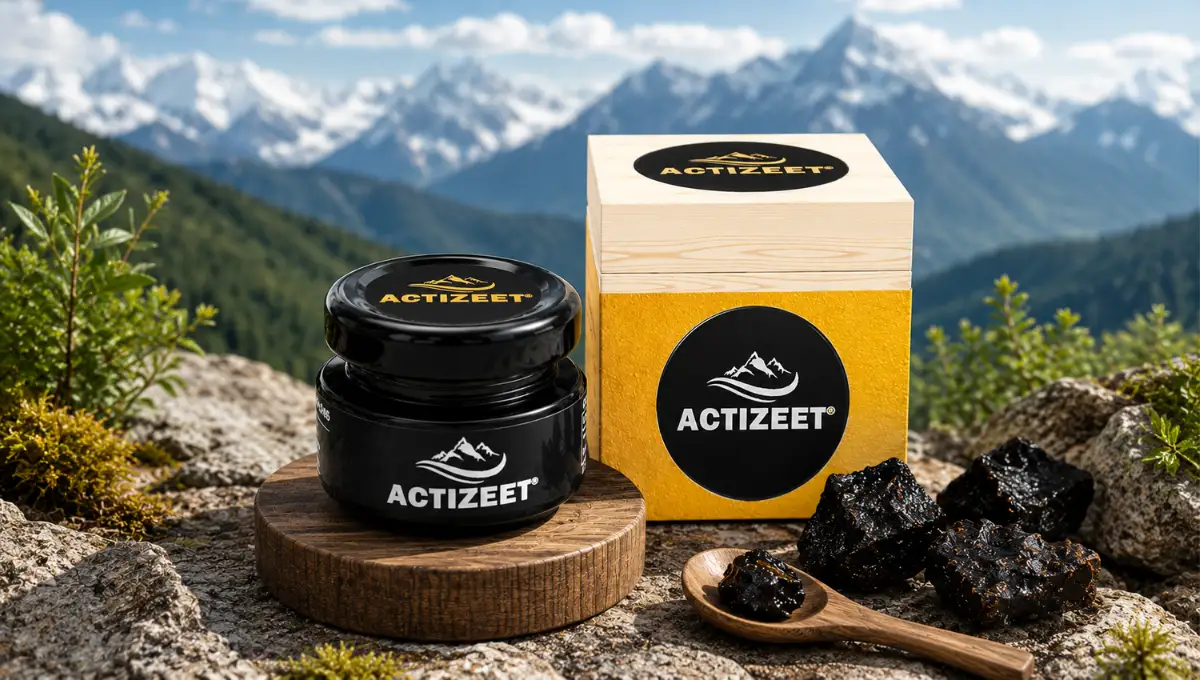
ACTIZEET® Himalayan Shilajit Resin is sourced from verified high-altitude Himalayan formations above 16,000 feet, purified to pharmaceutical safety standards through documented processes, independently tested every batch for heavy metals (lead, mercury, cadmium, arsenic) and fulvic acid content, and confirmed to contain the complete compound profile including DBPs that defines authentic Himalayan Shilajit resin. The transparency and accountability that genuine authenticity demands.
🏔 Shop ACTIZEET® Himalayan Shilajit Resin →Why ACTIZEET® Is India's Most Trusted Authentic Shilajit
- High-altitude Himalayan sourcing above 16,000 feet, verified and specified. ACTIZEET® sources from the specific altitude range where the geological conditions, temperature cycling, and ancient organic substrate produce the authentic fulvic acid, DBP, and mineral profile that defines genuine Himalayan Shilajit. Altitude is not a marketing claim but a verified sourcing specification
- Pharmaceutical-grade purification with documented Shodhana process. The ancient Ayurvedic Shodhana mandate for Shilajit purification exists because raw Shilajit contains dangerous heavy metals. ACTIZEET® applies modern pharmaceutical-grade purification that honors this ancient clinical wisdom with contemporary analytical chemistry verification
- Third-party heavy metal and fulvic acid testing every batch. Per-batch independent testing provides the ongoing quality accountability that matters to buyers who track health outcomes and expect consistent compound concentrations in every jar. Not a single historical test, but per-batch verification
- Fulvic acid content in the genuine 15 to 22% range, not inflated synthetic claims. ACTIZEET® provides accurate fulvic acid content information that falls within the range confirmed by independent research for genuine purified Himalayan resin, rather than the inflated claims that indicate synthetic fulvic acid substitution
- Authentic resin form that passes all five home tests described above. ACTIZEET® Himalayan Shilajit Resin displays the temperature-dependent behavior, complete water dissolution, distinctive geological aroma, and flame behavior characteristics of genuine Himalayan resin, providing practical home verifiable confirmation of authenticity alongside the laboratory COA
- Transparent Indian brand with accountable quality information. Actizeet.in provides accessible quality documentation, clear sourcing specifications, and customer service accountability that builds the trust genuine therapeutic quality requires and deserves
Frequently Asked Questions About Authentic Shilajit
Authentic Shilajit Exists — But Finding It Requires Knowledge and Accountability
The extraordinary therapeutic reality of genuine Shilajit, the millions of years of geological formation, the specific Himalayan environment and ancient organic substrate, the unique compound matrix of fulvic acid, humic acid, DBPs, and over 80 ionic trace minerals, the published clinical evidence for testosterone, mitochondrial function, fertility, and adaptogenic health benefits, is entirely real. But it exists in a market where a significant proportion of commercial products fail to deliver any of this reality, some because of genuine fraud, some because of inadequate sourcing and purification, and some because of the difficulty of maintaining quality standards in a rapidly growing global market where demand has far outpaced the supply of genuine high-altitude Himalayan material.
The Contract Laboratory analysis confirming a significant proportion of commercial products contain elevated heavy metals, undisclosed fillers, or insufficient active compound concentrations. The Clean Shilajit research confirming that claims of 60 to 85% fulvic acid indicate synthetic substitution rather than genuine resin. The Wellbeing Nutrition guide confirming that third-party COA with specific heavy metal values and fulvic acid percentages is the only reliable authenticity standard. These are not alarmist warnings but accurate descriptions of a market that requires informed buyers.
Genuine authenticity is achievable. The home tests, red flag awareness, quality markers, and COA evaluation guidance in this guide give any buyer the tools to find it. ACTIZEET® Himalayan Shilajit Resin meets the complete authenticity standard: high-altitude sourcing, pharmaceutical purification, per-batch independent testing, genuine fulvic acid percentages, and the resin-form compound integrity that delivers what 5,000 years of Ayurvedic clinical tradition and 21st-century clinical research both confirm is genuinely, extraordinarily therapeutic.
Latest From Our Blog

Best Shilajit in India: Discover the Secret of Pure Himalayan Energy
Looking for the Best Shilajit in India? Discover how ACTIZEET...

15 Shilajit Benefits Backed by Science: How Himalayan Resin Delivers Testosterone, Energy, Brain Health, Immunity, and Deep Wellness for India
Discover 15 proven shilajit benefits — from testosterone and energy...

How to Identify Real Shilajit: 7 Tests That Reveal the Truth About Any Product Before You Buy
Learn exactly how to identify real Shilajit from fakes using...

Can Shilajit Be Taken with Water? Yes — And Here Is the Complete Guide to Getting It Right Every Time
Can shilajit be taken with water? Yes—it is safe, effective,...