Free shipping all over india
can essential oil be consumed

Can Essential Oil be Consumed? Unveiling the Truth

Have you ever wondered if essential oils are more than just pleasant-smelling potions? These aromatic extracts have gained immense popularity in recent years, with people using them for various purposes. From relaxation and stress relief to skincare and cleaning, essential oils seem to have an endless array of applications.

But can they be consumed? In this article, we delve into the intriguing world of essential oils to determine whether ingesting them is a safe and effective practice.

Definition of Essential Oils

Before we proceed further, let’s establish what exactly essential oils are. Contrary to what the name might imply, they are not oils in the traditional sense.

Essential oils are highly concentrated plant extracts derived from leaves, flowers, stems, or roots through processes such as steam distillation or cold pressing. These extracts capture the essence of the plant’s fragrance and contain its active compounds.

The resulting liquids possess unique aromatic profiles that can vary widely from one plant species to another. They are called “essential” because they were once thought to embody the very essence or “spirit” of the plants from which they were extracted.

Popular Uses of Essential Oils

For centuries, essential oils have been utilized for their therapeutic properties in traditional medicine practices across cultures worldwide. They have found their way into numerous modern-day applications due to their potential benefits.

Aromatherapy is perhaps one of the most well-known uses for essential oils. Inhaling these aromatic substances is believed to stimulate brain areas involved in emotions and memory, promote relaxation, and reduce stress levels.

In addition to their mood-altering effects, essential oils also find utility in personal care products such as perfumes, lotions, and soaps due to their pleasant scents. Furthermore, many people incorporate these oils into their skincare routines, believing they may offer skin-enhancing benefits.

Beyond personal use, essential oils have even made their way into household cleaning products. Their natural antibacterial and antimicrobial properties are often harnessed to create eco-friendly alternatives to chemical-laden cleaners.

While these applications of essential oils are well-established, the concept of consuming them internally has sparked considerable interest and debate. Which brings us to the next question: Can essential oils be consumed safely and effectively?

Can Essential Oils be Consumed?

Concept of Ingesting Essential Oils

When it comes to essential oils, one question that often arises is whether they can be consumed. The idea of ingesting plant extracts is not a new concept.

In fact, the consumption of plant extracts dates back centuries, with civilizations like the Ancient Egyptians and Greeks using them for medicinal and culinary purposes. Today, there is a growing interest in using essential oils internally due to their potential benefits and versatility.
Historical Background on the Consumption of Plant Extracts

Throughout history, various cultures around the world have recognized the value of consuming plant extracts for therapeutic purposes. Ancient Egyptian papyrus mention aromatic substances being used in food preparation and medicinal remedies. The Greeks also embraced this practice, employing herbs and plant extracts in cooking as well as for treating ailments.

Fast forward to recent centuries, where traditional practices like Ayurveda and Traditional Chinese Medicine continued to advocate for the internal use of herbs and oils. While modern medicine has evolved significantly since then, many individuals are revisiting these ancient practices by incorporating essential oils into their dietary routines.

Modern-day Interest in Using Essential Oils Internally

In recent years, there has been a resurgence of interest in using essential oils internally due to their potential health benefits. Advocates suggest that consuming certain oil varieties can promote digestive health, boost immunity, aid relaxation or focus, and support overall well-being.

However, it’s important to note that this interest should be approached with caution. The safe consumption of essential oils requires careful consideration of several factors.

Factors to Consider Before Consuming Essential Oils

  1. Quality and Purity of the Oil: It is crucial to ensure that you are using high-quality essential oils sourced from reputable manufacturers who prioritize purity and proper extraction methods. Look for oils that are 100% pure and have undergone rigorous testing to guarantee their safety for internal use.
  2. Safety Guidelines and Precautions: When considering ingesting essential oils, it’s essential to follow recommended safety guidelines.

Dilution ratios are particularly important to prevent adverse reactions or potential harm. Some oils should never be consumed undiluted, while others may require dilution depending on individual tolerance.

  • Dilution Ratios for Internal Use: It is generally advised to dilute essential oils in a suitable carrier oil or water before ingestion. The specific dilution ratio varies depending on the oil and the purpose of consumption. Consulting reliable resources or certified aromatherapists can help determine the appropriate ratios.
  • Allergies and Sensitivities: Every individual’s body chemistry is unique, and some people may have allergies or sensitivities to certain plants or compounds found in essential oils. Before consuming an oil, consider performing a patch test on your skin or consulting with a healthcare professional if you have any known allergies. By taking these factors into account, individuals can make informed decisions regarding the consumption of essential oils, ensuring safety while potentially experiencing their intended benefits.

Essential Oils are safe for Internal Consumption

Commonly Used Edible Essential Oils

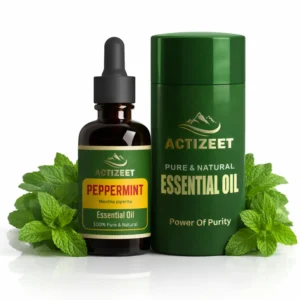
When it comes to essential oils that are safe for internal consumption, several popular options stand out. Peppermint oil is one such versatile oil that offers a wide range of benefits.

Its invigorating aroma and cooling sensation make it a favourite addition to various culinary creations. Not only does it lend a refreshing taste to dishes and beverages, but it also aids in digestion and soothes indigestion or upset stomachs.

However, caution must be exercised with peppermint oil, as its potency requires proper dilution to avoid any potential irritation. Lemon oil, with its vibrant citrus scent, is another commonly used edible essential oil.

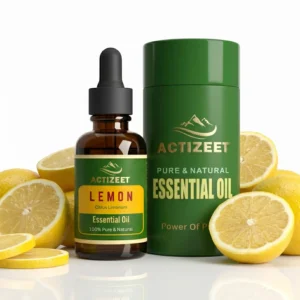
Beyond its culinary appeal, lemon oil can offer numerous health benefits as well. Packed with vitamin C and antioxidants, consuming lemon oil can support immune health and promote detoxification processes in the body.
Its zesty flavour pairs perfectly with seafood dishes, salads, or homemade salad dressings. However, since lemon oil is highly concentrated, using just a few drops is sufficient for most recipes.
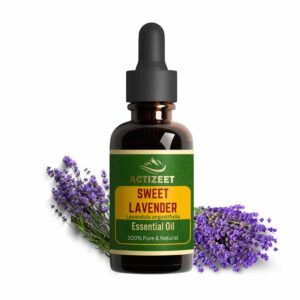
Lavender oil’s enchanting floral aroma has made it a staple in the world of aromatherapy. However, this versatile essential oil also finds its place in the kitchen due to its calming effects and unique flavour profile.

Lavender-infused recipes can provide an element of relaxation while adding a subtly floral touch to both sweet and savoury dishes alike. From lavender-infused honey for drizzling on desserts to lavender-infused butter for enhancing the flavours of roasted vegetables or grilled meats – there are endless possibilities with this edible essential oil.

Less-Known Edible Essential Oils

While some edible essential oils have gained widespread recognition, others often fly under the radar despite their remarkable properties. Basil oil falls into this category as it boasts a distinctive flavour profile that can elevate various culinary creations.

From adding depth to pasta sauces and pesto to infusing it into olive oil for a unique salad dressing, basil oil offers a delightful herbal punch. Additionally, it may also have potential health benefits, such as reducing inflammation and promoting digestion.

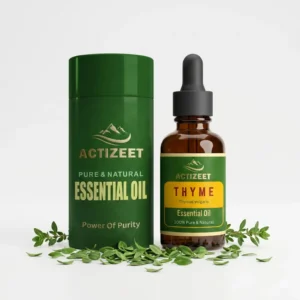
Thyme oil is not only a fragrant addition to the kitchen but also possesses powerful antimicrobial properties. This edible essential oil can be used in cooking as a natural preservative due to its ability to inhibit the growth of bacteria and fungi.

Thyme oil pairs well with roasted vegetables, tomato-based dishes, and even marinades for grilled meats. Moreover, its antibacterial effects make it an excellent choice for balancing oral health when added to homemade mouthwash or toothpaste recipes.

These less-known edible essential oils provide exciting alternatives for culinary experimentation while potentially offering additional health benefits. However, it is crucial to remember that moderation and proper dilution are key when incorporating any essential oil into your diet or daily routine.

Methods to consume essential oils internally

Adding to food and beverages:

Adding essential oils to food and beverages is a popular method of consuming them internally. However, it is crucial to follow proper dilution techniques to ensure safety and effectiveness. Essential oils are highly concentrated, so using them undiluted can be harmful.

To dilute the oil, mix a few drops with a carrier substance such as olive oil, coconut oil, or honey. This helps distribute the potent essential oil throughout the mixture and reduces the risk of irritation or adverse reactions.

When incorporating essential oils into recipes, it’s important to consider their flavour profiles and potency. Some essential oils have strong flavours that can easily overpower a dish if not used sparingly.

Citrus oils like lemon or orange can add a refreshing zest to salad dressings or desserts, while herbs such as basil or rosemary lend an aromatic touch to savoury dishes. It’s best to start with just one drop of edible essential oil in your recipe and adjust accordingly based on your taste preferences.

Capsule or pill form:

Another method for consuming essential oils internally is by encapsulating them in vegetable-based capsules or pills. This format offers convenience and precise dosing control for those who prefer not to taste the strong flavours of certain oils.

Encapsulation allows for easier ingestion without compromising on the therapeutic benefits. One key benefit of encapsulated essential oils is their extended shelf life compared to liquid forms.

The capsules protect the oil from exposure to air and sunlight, ensuring its potency remains intact over time. Moreover, capsules provide a discreet option for taking essential oils on the go without drawing attention.

However, precautions should be taken when using capsules containing essential oils internally. It’s crucial to only use high-quality capsules specifically designed for ingesting oils and avoid using gelatin-based ones that may contain animal by-products.

Additionally, it is recommended to consult with a healthcare professional or an aromatherapist to determine appropriate dosages and ensure compatibility with any existing medical conditions or medications. Remember, whether adding essential oils to food and beverages or taking them in capsule form, always prioritize safety and moderation.

Potential Risks and Side Effects

Overconsumption Concerns

When it comes to consuming essential oils, one must exercise caution to avoid overconsumption. While essential oils have numerous benefits, they are highly concentrated plant extracts that can have adverse effects if used incorrectly.

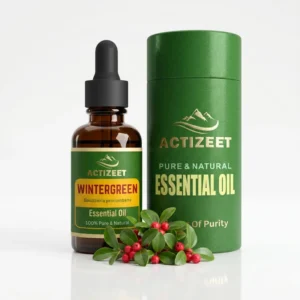
One major concern is the toxicity risks associated with certain types of essential oils. Some oils, such as wintergreen or eucalyptus, contain compounds that can be harmful in large quantities.

Ingesting excessive amounts of these oils may lead to symptoms such as digestive issues, respiratory problems, or even organ damage. It is crucial to research and understand the potential risks before incorporating any essential oil into your diet.

To mitigate the risks of overconsumption, it is important to adhere to recommended dosage limits for each specific oil. Every essential oil has different strengths and potency; therefore, the safe dosage may vary accordingly.

It is advisable to consult reliable sources, such as reputable aromatherapy books, or seek guidance from certified aromatherapists who can provide accurate information on dosage recommendations for each oil. Remember that a little goes a long way when it comes to essential oils – start with low doses and gradually increase only if necessary.

Interactions with Medications or Medical Conditions

Another aspect of consuming essential oils internally that requires attention is their potential interactions with medications or existing medical conditions. Essential oils contain various chemical compounds that can interact with certain medications, either enhancing or inhibiting their effects.

To ensure your safety and prevent any unwanted consequences, it is crucial to consult healthcare professionals before incorporating edible essential oils into your routine if you are taking any medications regularly. Moreover, individuals with specific medical conditions should also exercise caution when considering the internal use of essential oils.

For instance, people suffering from liver or kidney disorders may need to avoid certain oils due to their impact on these organs’ functioning. Pregnant or breastfeeding women, children, and the elderly should also seek expert advice before consuming essential oils internally to ensure they do not put themselves at risk.

Conclusion

While the idea of consuming essential oils may be appealing due to their potential benefits, it is essential to approach this practice with knowledge and caution. Overconsumption of certain oils can lead to harmful effects, so it is crucial to research potential toxicity risks and adhere to recommended dosage limits.

Additionally, interactions with medications or medical conditions should be carefully considered by consulting healthcare professionals. By being informed and responsible consumers of essential oils, we can unlock their potential benefits while minimizing any risks involved.

Remember that when used correctly and in moderation, edible essential oils can be a delightful addition to culinary creations and bring various health benefits. So go ahead, and enjoy the flavours and aromas provided by these natural extracts – just remember to do so wisely!

RECOMANDED PRODUCTS

Leave a Reply
Unlock the Power of Nature

Your source of holistic well-being

Revitalize Your Life with Actizeet

Pure. Potent. Powerful.

Elevate Your Wellness Journey

Experience the Power of Purity.

Download ACTIZEET App
actizeet app download