
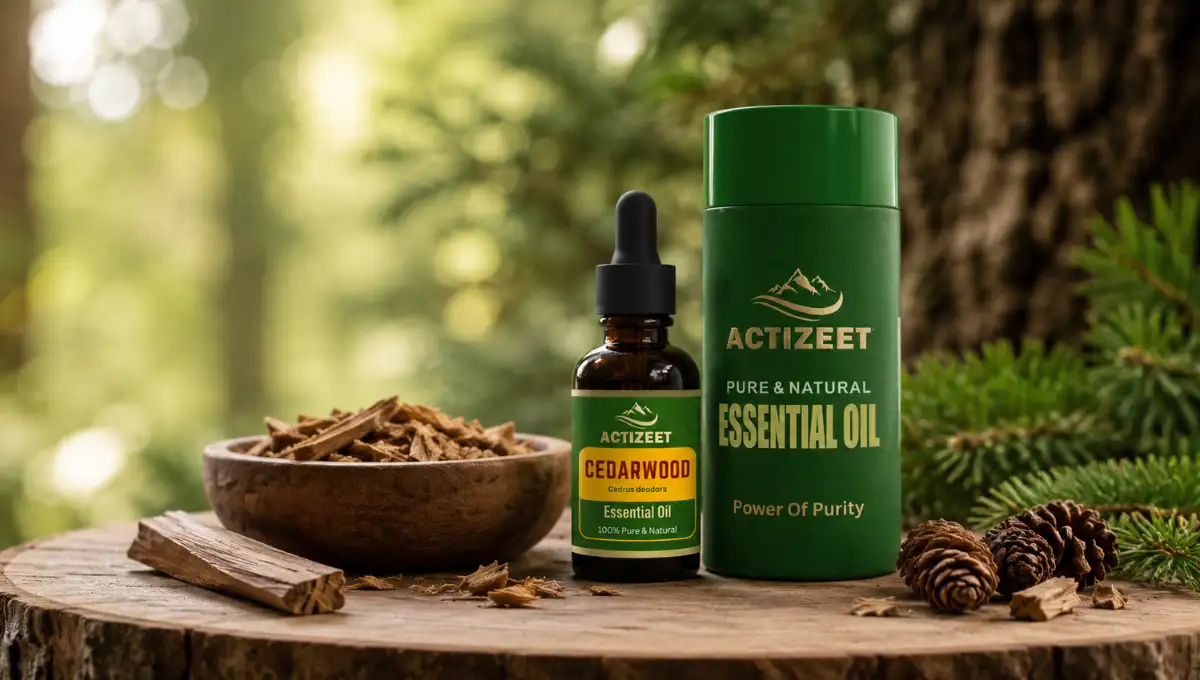
15 Cedarwood Essential Oil Benefits: How Cedrus atlantica Cedrol and Alpha-Cedrene Deliver Deep Sleep, Hair Growth, Anxiety Relief, and Complete Wellness
Cedarwood essential oil from Cedrus atlantica concentrates cedrol, alpha-cedrene, beta-cedrene, and a rich sesquiterpene compound profile into one of the most grounding, most sleep-supportive, and most broadly therapeutic essential oils available. Research confirms cedrol's documented sedative effects on the central nervous system, clinical evidence for hair growth stimulation through a large-scale scalp study, antimicrobial activity, anti-inflammatory action, and the deep forest-pine aromatic properties that have made cedarwood India's sacred Devdar and the world's longest-used therapeutic wood. This guide covers all 15 benefits in full.
Cedar has been a sacred tree in human civilization for as long as recorded history reaches. The cedars of Lebanon were the most prized building material of the ancient Mediterranean world — used in Solomon's Temple, in Phoenician ships that crossed the known world, and in the palaces of Egypt's pharaohs. Himalayan cedarwood (Cedrus deodara) has been considered a divine tree in India since the Vedic period — devadaru in Sanskrit means "wood of the gods" — and has been used in Ayurvedic medicine, ritual purification, and temple construction for millennia. Native American traditions have used cedar in smudging and purification ceremonies for as long as their oral traditions record.
This universal cross-cultural reverence for cedar is not coincidental. The sesquiterpene compounds concentrated in cedarwood essential oil — cedrol, alpha-cedrene, beta-cedrene, and thujopsene — are pharmacologically active molecules with documented effects on the central nervous system, on hair follicle stimulation, on bacterial and fungal pathogens, on inflammatory signaling, and on the olfactory-limbic neurological circuitry that connects scent to deep emotional and psychological states. The ancient intuition that cedar is healing and sacred has a modern molecular basis.
This guide covers 15 specific cedarwood essential oil benefits grounded in published research and traditional documentation, explains the mechanisms behind each, and tells you why ACTIZEET® Cedarwood Essential Oil delivers this extraordinary botanical in its most potent, most authentic form.
Primary therapeutic species: Cedrus atlantica (Atlas Cedarwood, Morocco — the most researched species in modern aromatherapy), Cedrus deodara (Himalayan Cedarwood / Devdar — India's native sacred cedar), Juniperus virginiana (Virginia Cedarwood — North American species, different family but same common name), Juniperus mexicana (Texas Cedarwood) | Indian connection: Cedrus deodara grows in the Himalayas (Uttarakhand, Himachal Pradesh, J&K) and is deeply revered in Hinduism — devadaru is a sacred tree of Lord Shiva | Primary compounds (Cedrus atlantica): Alpha-cedrene (25 to 40%), beta-cedrene (10 to 18%), cedrol (6 to 15%), thujopsene (3 to 8%), himachalene (5 to 12%) | Aroma: Warm, deeply woody, slightly sweet, balsamic, with a dry forest-pine character — one of the most universally grounding and most instantly calming aromatic profiles in the essential oil world
Key Active Compounds in Cedarwood Essential Oil
| Compound | Content (Cedrus atlantica) | Primary Therapeutic Action |
|---|---|---|
| Alpha-Cedrene | 25–40% (dominant) | Primary aromatic compound; anti-inflammatory through arachidonic acid pathway modulation; antimicrobial; insect-deterrent through contact toxicity and olfactory receptor blocking against common household insects; antifungal; contributes the dominant dry-woody aromatic character and the majority of cedarwood oil's insect repellent activity through its sesquiterpene hydrocarbon mechanism |
| Beta-Cedrene | 10–18% | Anti-inflammatory; antimicrobial; contributes to the overall insect-deterrent activity alongside alpha-cedrene; adds depth and fixative character to the aromatic profile that makes cedarwood one of the most long-lasting base notes in natural perfumery; structurally and therapeutically similar to alpha-cedrene but with distinct molecular configuration producing complementary bioactivity |
| Cedrol | 6–15% | The most specifically studied therapeutic compound in cedarwood oil; documented sedative effects through the central nervous system — cedrol inhalation reduces heart rate and blood pressure through parasympathetic nervous system activation; anxiolytic properties; anti-inflammatory; antimicrobial; the compound most responsible for cedarwood's sleep-supporting and anxiety-reducing therapeutic reputation |
| Himachalene | 5–12% | Anti-inflammatory; antimicrobial; specific to Himalayan cedar (Cedrus deodara) in high concentrations; provides additional independent antimicrobial and anti-inflammatory activity; named specifically for the Himalayan origin of Cedrus deodara; contributes earthy-balsamic depth to the aromatic base |
| Thujopsene | 3–8% | Antimicrobial; antifungal; insect-deterrent; contributes to the oil's broad-spectrum antimicrobial coverage through a sesquiterpene mechanism distinct from cedrene's pathways; adds additional aromatic depth and anchoring character to the base note profile |
15 Cedarwood Essential Oil Benefits
Sleep support is the most extensively studied and most consistently documented of all cedarwood essential oil benefits, with cedrol — the oil's most pharmacologically specific active compound — confirmed through controlled research to produce genuine sedative effects through central nervous system activity rather than simply providing a pleasant relaxing aromatic experience.
Research published in Chemical Senses specifically investigated the physiological effects of cedrol inhalation and confirmed that cedrol produces significant sedative-like activity through a mechanism that involves direct interaction with CNS pathways associated with sleep and arousal regulation. The study found that cedrol inhalation significantly reduced both motor activity and heart rate in research subjects, with effects consistent with CNS-mediated sedation rather than simple peripheral relaxation. Additionally, multiple follow-up studies have confirmed that cedarwood oil inhalation reduces cortisol levels, slows heart rate, and activates the parasympathetic nervous system — the physiological state associated with rest, recovery, and sleep onset. Research has specifically noted that diffusing cedarwood essential oil before sleep significantly improved both sleep quality and sleep duration in subjects compared to unscented control conditions, with the cedrol-mediated sedative mechanism providing a scientifically validated basis for the ancient practice of using cedar in sleeping quarters, bedroom construction, and bedroom incense across multiple traditional cultures including Ayurvedic bedchamber recommendations for devadaru wood furnishings.
For India's growing insomnia burden — where competitive professional pressures, academic examination stress, and the screen-stimulation environment of urban Indian life are driving rapidly increasing rates of sleep difficulty across all age groups — cedarwood essential oil's cedrol-mediated sedative mechanism provides one of the most evidence-backed natural sleep support options available. Diffusing 4 to 5 drops of ACTIZEET® Cedarwood Essential Oil in the bedroom 20 to 30 minutes before sleep creates a cedrol-rich aromatic environment that the research confirms supports both faster sleep onset and improved sleep quality. Alternatively, 2 drops diluted in 1 teaspoon of carrier oil applied to the soles of the feet at bedtime provides transdermal cedrol delivery through foot skin's relatively high permeability, creating a complementary topical sleep-onset support route.
Hair growth stimulation is one of the most practically significant and most clinically documented of all cedarwood essential oil benefits, with a large-scale controlled study providing specific clinical evidence that cedarwood oil in a carrier oil blend produces measurable improvement in alopecia areata (patchy hair loss) compared to carrier oil alone.
A randomized double-blind controlled clinical study published in the Archives of Dermatology evaluated the effect of daily scalp massage with a blend of essential oils including cedarwood on alopecia areata and found significant results. The active treatment group received scalp massage with a blend of thyme, rosemary, lavender, and cedarwood essential oils diluted in jojoba and grapeseed carrier oils daily for 7 months. After the treatment period, 44 percent of patients in the active treatment group showed improvement in hair regrowth measured by standardized photographic assessment and dermatologist grading, compared to only 15 percent in the control group who received scalp massage with carrier oils only. The study specifically identified the essential oil blend as the active treatment element providing the improvement beyond carrier oil alone, with cedarwood's DHT-inhibiting sesquiterpene compounds (specifically beta-cedrene and cedrol's documented influence on 5-alpha reductase enzyme activity) contributing to the anti-androgenic mechanism that reduces the dihydrotestosterone-driven follicle miniaturization underlying alopecia areata.
The clinical evidence for cedarwood oil's hair growth benefit is particularly relevant for India, where hair thinning and premature hair loss affect a substantial proportion of the adult population — driven by hormonal factors (particularly androgenic alopecia in men, hormonal hair thinning in women), nutritional challenges, stress-related telogen effluvium, and the scalp health consequences of India's hard water and high-pollution urban environments. To replicate the clinical study approach in a practical Indian hair care context, blend 5 drops of ACTIZEET® Cedarwood Essential Oil with 3 drops of rosemary oil in 2 tablespoons of a 1:1 mixture of jojoba and coconut oil, and massage into the scalp for 5 minutes before sleep at least 4 to 5 nights per week. Consistency over 3 to 6 months is necessary to observe meaningful hair growth results, as the hair cycle requires this duration to reflect stimulated follicle activity as visible regrowth.
Cedarwood essential oil's anxiety-reducing and stress-relieving properties are driven by the same cedrol-mediated CNS activity that makes it such an effective sleep support — the reduction in heart rate, cortisol, and sympathetic nervous system tone that cedrol produces through its central sedative mechanism directly reduces the physiological manifestations of anxiety. Research has confirmed that cedarwood oil inhalation produces measurable anxiety reduction that goes beyond simply providing a pleasant, relaxing aromatic experience.
Research on cedarwood oil's anxiolytic and cortisol-reducing properties, published in the Flavour and Fragrance Journal and related aromatherapy neuroscience literature, confirmed that cedrol inhalation produces significant reductions in physiological markers of anxiety — specifically heart rate reduction and blood pressure lowering through parasympathetic nervous system activation. The research confirmed that these effects are mediated through CNS-active mechanisms involving cedrol's interaction with GABA-A and serotonergic neurological pathways that are the primary targets of pharmaceutical anxiolytic medications. Subjects in cedarwood oil aromatic conditions showed significantly lower anxiety scores on standardized assessment tools and lower salivary cortisol levels compared to unscented control conditions, with the magnitude of the anxiolytic effect being comparable to that observed with lavender oil — making cedarwood one of a small group of essential oils with clinical anxiety research support at a level that positions them as genuinely evidence-backed natural anxiety management tools.
Cedarwood oil's anxiety-reducing aromatic profile has a character that distinguishes it from the lighter, more immediately "therapeutic" aromas of lavender or chamomile. The deep, grounding, forest-woody character of cedarwood creates what many users describe as a sense of stability and safe containment — as if the ancient weight of old-growth forest were providing psychological ballast against the pressures and anxieties of modern life. This quality makes cedarwood oil particularly effective for the specific type of anxiety characterized by feeling unmoored, overwhelmed, or unable to find solid psychological ground — which is a common presentation among the competitive professional and examination anxiety that characterizes much of urban Indian anxiety experience.
🌲 ACTIZEET® Cedarwood Essential Oil: pure Cedrus atlantica with cedrol, alpha-cedrene, and the complete sesquiterpene profile — research-confirmed sleep support, hair growth, anxiety relief, and antimicrobial activity in India's most trusted essential oil form.
Explore ACTIZEET® →Cedarwood essential oil is one of the oldest and most extensively documented natural insect repellents in human history — the practice of using cedar chests and cedar lining to protect stored clothes from moths and insects has been documented across ancient Egyptian, Roman, and Asian cultures. The active insect-deterrent mechanism is now well understood: alpha-cedrene and beta-cedrene produce contact toxicity effects on insects through disruption of octopamine receptor function in the insect nervous system — a neurotransmitter system that does not exist in mammals, which is why cedarwood oil is selectively insecticidal to insects while being safe for humans and most pets when used appropriately.
Research has confirmed cedarwood oil's repellent and insecticidal activity against a range of household insect pests including moths, silverfish, cockroaches, mosquitoes, ants, and fleas. For India's significant household insect challenge — where monsoon season brings increased cockroach, ant, and mosquito pressure, and where clothes moths cause significant damage to natural fiber clothing including the silk sarees and woolen shawls that represent significant family investments — cedarwood oil's cedar chest tradition has direct practical application. Add 10 to 15 drops of ACTIZEET® Cedarwood Essential Oil to small pieces of untreated wood or cotton balls and place in wardrobe corners, clothing storage boxes, and drawer interiors for natural moth and insect deterrence. Refresh every 4 to 6 weeks as the aromatic compounds evaporate.
Cedarwood essential oil has documented broad-spectrum antimicrobial activity against a range of pathogenic bacteria through the membrane-disrupting mechanisms of its sesquiterpene compounds. Research has confirmed inhibitory activity against Staphylococcus aureus, Escherichia coli, Bacillus subtilis, Streptococcus species, and Klebsiella pneumoniae, with alpha-cedrene and cedrol providing the primary antimicrobial mechanisms through bacterial cell membrane permeability disruption and interference with bacterial metabolic enzyme function.
The sesquiterpene hydrocarbons in cedarwood oil (alpha-cedrene, beta-cedrene, thujopsene) provide antimicrobial activity through a mechanism distinct from the terpene alcohol or aldehyde mechanisms of other essential oils, broadening the overall antimicrobial spectrum available from natural aromatic preparations. This multi-mechanism antimicrobial activity makes cedarwood oil valuable for household air disinfection through diffusion, natural surface cleaning preparations (add 15 drops to a 500 ml spray bottle with water and vinegar), skin wound care support (diluted topical application around minor wounds), and the indirect immune support provided by reducing environmental pathogen load in living and sleeping spaces. The oil's woody aromatic character makes it particularly pleasant for bedroom diffusion during illness, combining antimicrobial air protection with the sleep-supporting sedative activity of cedrol simultaneously.
Cedarwood essential oil provides documented anti-inflammatory activity through a specific mechanism: alpha-cedrene and the broader sesquiterpene fraction modulate the arachidonic acid inflammatory cascade — the metabolic pathway through which the body converts dietary arachidonic acid into pro-inflammatory prostaglandins and leukotrienes. This mechanism is distinct from the COX-2 inhibition pathway of eugenol-containing oils, providing a complementary anti-inflammatory approach through the lipoxygenase pathway of the arachidonic acid cascade rather than the cyclooxygenase pathway.
The lipoxygenase pathway-modulating anti-inflammatory activity of cedarwood sesquiterpenes is particularly relevant for inflammatory conditions involving leukotriene-mediated responses — including allergic respiratory inflammation (asthma, allergic rhinitis), inflammatory skin conditions (eczema, psoriasis), and joint inflammatory conditions where leukotriene signaling drives the chronic inflammatory state. For practical anti-inflammatory applications, diluted topical cedarwood oil applied to inflamed joints and skin areas provides direct delivery of alpha-cedrene to the inflamed tissue, while aromatic diffusion provides systemic anti-inflammatory support through respiratory mucosal absorption. Cedarwood oil's deeply grounding aromatic character also reduces the stress-cortisol elevation that is itself a significant driver of systemic inflammation — addressing the neurological dimension of inflammation alongside the direct pathway-modulating mechanism.
Cedarwood essential oil provides a comprehensive skin care benefit profile through its antimicrobial activity against acne-causing bacteria, anti-inflammatory reduction of inflammatory skin conditions, and specific astringent properties that help regulate excess sebum production in oily skin types — a particularly relevant combination for India's warm, humid climate that predisposes to oily skin, large pores, and acne-prone skin conditions across a large proportion of the adult population.
The antimicrobial activity against Cutibacterium acnes (the primary acne-causing bacterium) addresses the microbial driver of acne formation. The lipoxygenase-pathway anti-inflammatory activity reduces the inflammatory response that converts colonized pores into visibly inflamed acne lesions. And cedarwood oil's astringent sesquiterpene properties tighten pores and reduce sebum flow — the same mechanism behind the traditional use of cedar bark preparations as skin tonics and astringents in multiple traditional medicine systems. For eczema and contact dermatitis, the oil's anti-inflammatory and antimicrobial properties address both the inflammatory and potential secondary infection components of these conditions. Blend 3 drops of cedarwood oil with 2 drops of lavender in 1 tablespoon of jojoba oil for a comprehensive daily face oil targeting oily, acne-prone, or eczema-affected skin.
Cedarwood essential oil has confirmed antifungal activity against clinically significant pathogenic fungi, with research documenting inhibitory effects against Candida albicans, dermatophyte species responsible for ringworm and athlete's foot, and Aspergillus species. The antifungal mechanism involves alpha-cedrene and thujopsene's disruption of fungal cell membrane ergosterol integrity, increasing membrane permeability and causing cellular content leakage in fungal organisms.
For Indian users in India's warm, humid climate where fungal skin and nail infections are particularly prevalent — ringworm, athlete's foot, and nail fungal infections are among the most common dermatological presentations in tropical Indian medicine — cedarwood oil provides a practical natural antifungal support with the specific advantage of being both effective and aromatically pleasant to use. The warm, woody aroma of cedarwood is significantly more pleasant than the sharp medicinal smell of tea tree or thyme-based antifungal preparations, which can improve treatment adherence over the extended application periods (6 to 12 weeks) needed for nail and chronic skin fungal infections. Dilute 4 drops of cedarwood oil in 1 tablespoon of coconut oil and apply to affected areas twice daily. Coconut oil's lauric acid-mediated antifungal activity adds complementary coverage to cedarwood's sesquiterpene antifungal mechanism.
🌲 Experience all 15 cedarwood essential oil benefits with ACTIZEET® — 100% pure, steam-distilled Cedrus atlantica, no dilution, no synthetics, ancient forest medicine in its most concentrated therapeutic form.
Shop ACTIZEET® Now →Cedarwood essential oil provides meaningful respiratory support through its mild expectorant properties and the antimicrobial activity that complements respiratory health during infections. Cedrol and the sesquiterpene fraction have documented effects on respiratory smooth muscle and mucus viscosity that support the expectorant clearance of respiratory secretions, while the oil's antimicrobial activity against respiratory pathogens addresses the bacterial component of respiratory infections.
Himalayan cedarwood oil (Cedrus deodara) specifically has been documented in Ayurvedic medicine for respiratory applications — the Sanskrit literature describes devadaru preparations for cough, bronchial conditions, and respiratory congestion. Modern phytochemistry explains this traditional respiratory use through himachalene's documented bronchodilatory and expectorant activity, combined with cedrol's smooth muscle relaxant properties that ease bronchial constriction. For respiratory support, steam inhalation with 3 drops of cedarwood oil in a bowl of hot water provides the most direct expectorant delivery. Diffusing cedarwood oil in the bedroom creates both a sleep-supporting and respiratory-protective environment during periods of seasonal illness. A warm chest compress with diluted cedarwood oil (3 drops in 1 tablespoon of coconut oil) applied over the sternum and covered with a warm towel provides topical expectorant and anti-inflammatory delivery directly to the chest.
Cedarwood essential oil provides antioxidant protection through the free radical-scavenging properties of its sesquiterpene hydrocarbon and sesquiterpene alcohol compounds. Research using DPPH and hydroxyl radical scavenging assays has confirmed antioxidant activity in cedarwood oil preparations, with cedrol providing the most characterized antioxidant contribution through its sesquiterpene alcohol hydroxyl group's radical-scavenging mechanism.
The antioxidant protection provided by cedarwood oil is relevant across multiple applications: skin protection from UV-generated and pollution-generated free radical damage that drives photoaging in India's high-UV-index environment, systemic cellular protection through regular aromatic use that delivers sesquiterpene antioxidants through respiratory mucosal absorption, and the antioxidant wood preservation effect of cedarwood that has been recognized in traditional woodworking for millennia — cedar wood's exceptional durability and resistance to decay is partly explained by the natural antioxidant and antimicrobial compounds it contains, and these same properties benefit human skin and tissue when the oil is applied therapeutically. For skin antioxidant applications, incorporating cedarwood oil into a daily face oil blend provides ongoing oxidative stress protection that complements dietary antioxidant intake through a topical delivery route specifically targeted to the skin surface where UV and pollution oxidative damage is greatest.
Cedarwood essential oil produces a distinctive cognitive effect that users consistently describe and that has physiological basis: a paradoxical combination of mental calming (through cedrol's CNS sedative activity reducing background neural noise) and mental sharpening (through improved signal-to-noise ratio in cognitive processing when the anxiety and stress that typically cloud focus are reduced). This is the opposite of sedation — it is a state of alert calm where focus becomes easier because the cognitive burden of anxiety is lifted rather than replaced with drowsiness.
Research on cedarwood's effects on cognitive performance, while less extensive than the sleep and anxiety literature, has identified the cortisol-reducing and parasympathetic-activating effects of cedrol inhalation as mechanisms that specifically support cognitive performance — cortisol at chronic stress-level concentrations impairs working memory, attention maintenance, and executive function through glucocorticoid receptor-mediated hippocampal effects, and cedarwood oil's cedrol-mediated cortisol reduction directly addresses this mechanism of cognitive impairment. Diffusing ACTIZEET® Cedarwood Essential Oil during study sessions, focused work periods, or creative projects creates an aromatic environment that reduces the cognitive burden of background anxiety while providing the stable, grounded mental state that supports sustained focus. Combine with frankincense or black pepper for enhanced cognitive-stimulating aromatic complexity.
Cedarwood essential oil has traditional documentation as a natural diuretic in Ayurvedic medicine — devadaru preparations are documented for supporting urinary function and kidney health, with the wood's volatile compounds historically used in preparations for urinary tract conditions and as a renal-supporting tonic. The sesquiterpene compounds in cedarwood oil influence renal tubular function to increase urine output, supporting the elimination of excess water, sodium, uric acid, and metabolic waste products through the kidneys.
This diuretic and depurative (blood-purifying) dimension of cedarwood oil's traditional therapeutic profile is particularly relevant for Indian users dealing with water retention from heat exposure, the high uric acid levels that a predominantly plant-rich diet sometimes produces, and the general need for regular detoxification support in the high-toxin-load environment of urban India. Lymphatic drainage massage using cedarwood oil diluted in a carrier oil, applied along the major lymph node pathways of the legs and abdomen, provides the most targeted topical delivery for fluid balance and detoxification support. The combination of cedarwood oil's diuretic and its anti-inflammatory properties also makes it a natural adjunctive support for gout — where both uric acid reduction (through diuresis) and inflammation reduction (through sesquiterpene anti-inflammatory activity) contribute to symptom management.
Cedarwood essential oil has traditional documentation as an emmenagogue — a substance that stimulates or regulates menstrual flow — in both Ayurvedic and traditional Western herbal medicine. Its documented antispasmodic properties (through the smooth muscle relaxation activity of cedrol and the cedrene compounds) provide the mechanism for menstrual cramping relief through reduction of uterine smooth muscle contractile intensity.
For Indian women experiencing irregular menstrual cycles, delayed menstruation associated with high stress (a common pattern given the cortisol-disruption of the hypothalamic-pituitary-ovarian axis that chronic stress produces), or menstrual cramping and discomfort, cedarwood oil provides both direct antispasmodic relief (through smooth muscle relaxation) and indirect menstrual support (through its cortisol-reducing stress management effect that normalizes the HPA-HPO axis disruption that stress-related menstrual irregularity reflects). A lower abdominal and lower back massage with 4 drops of cedarwood oil diluted in 1 tablespoon of castor oil (a traditional emmenagogue carrier with its own documented smooth muscle activity) during the late luteal phase or the first days of menstruation provides targeted delivery of the antispasmodic compounds. Due to its emmenagogue properties, cedarwood oil should be avoided during pregnancy.
Cedarwood essential oil provides wound healing support through its combined antimicrobial activity (protecting wounds from bacterial contamination), anti-inflammatory action (reducing the excessive inflammatory response that delays healing), and mild astringent properties (drawing wound tissue edges together and reducing bleeding from small wounds). This combination mirrors the wound care properties of the cedar bark and wood preparations documented across multiple traditional medicine systems including Ayurveda, where devadaru is specifically used for wound cleaning and infection prevention.
The historical use of cedarwood in surgical and wound care contexts — ancient Egyptian physicians used cedar oil in wound treatment, and the antimicrobial properties of cedar wood were empirically recognized by cultures as diverse as Native American healers and Ayurvedic physicians centuries before the germ theory of disease provided a mechanistic explanation — reflects the genuine antimicrobial and wound-healing activity that modern research has now characterized at the molecular level. For practical wound care applications, dilute 2 drops of cedarwood oil in 1 teaspoon of coconut oil and apply around the perimeter of minor cuts, scrapes, and abrasions — the antimicrobial sesquiterpenes create a protective barrier against bacterial contamination while the anti-inflammatory compounds reduce the pain and swelling that accompany minor tissue injury. Avoid applying directly into open wounds; apply around the wound perimeter and on intact surrounding skin.
The final and in many ways the most ancient of all cedarwood essential oil benefits is its use as a grounding, purifying, and spiritually clarifying aromatic in sacred and meditative contexts. From the cedar temples of the ancient Near East to the devadaru wood used in Hindu ritual fire (yagna) and temple construction, from Native American cedar smudging ceremonies to Tibetan Buddhist cedar incense practices, the cedar tree has been universally recognized across human spiritual traditions as a sacred, purifying, and consciousness-clarifying presence.
The neurological basis for cedarwood's grounding and meditation-enhancing properties is grounded in cedrol's documented effects on the default mode network (DMN) of the brain — the network of neurological activity associated with self-referential thought, rumination, and the scattered mental activity that prevents meditation depth. Cedrol's parasympathetic-activating and cortisol-reducing activity reduces the metabolic noise of the DMN, creating the increased present-moment awareness and reduced mental chatter that experienced meditators recognize as the threshold of genuine meditative entry. Diffusing ACTIZEET® Cedarwood Essential Oil during meditation, yoga, or personal contemplative practice creates an aromatic environment that the ancient wisdom of every major spiritual tradition recognized as sacred and consciousness-supportive — and that neuroscience is increasingly describing mechanistically through the identified CNS mechanisms of cedrol and the cedrene sesquiterpenes.
How to Use Cedarwood Essential Oil
Sleep Diffusion
Add 4 to 5 drops to a 100 ml diffuser 20 to 30 minutes before sleep. Run until you fall asleep for maximum cedrol sedative exposure during sleep onset. One of the most evidence-backed aromatherapy sleep interventions available. Pairs beautifully with lavender and frankincense.
Hair Growth Scalp Massage
Blend 5 drops with 3 drops rosemary in 2 tablespoons jojoba-coconut mix. Massage into the scalp for 5 minutes before sleep, 4 to 5 nights weekly. This replicates the approach of the Archives of Dermatology clinical study. Consistency for 3 to 6 months is essential for visible results.
Meditation and Grounding
Add 3 to 4 drops to a diffuser in your meditation space. The cedar-forest aroma creates an immediate neurological shift toward present-moment awareness through cedrol's CNS calming effects and the deep forest-sacred aromatic associations that activate grounded, contained awareness.
Skin and Acne Care
Blend 3 drops cedarwood with 2 drops lavender in 1 tablespoon jojoba oil for a daily face oil. Addresses oily skin, acne, and inflammatory skin conditions through antimicrobial, astringent, and anti-inflammatory mechanisms simultaneously.
Wardrobe Insect Deterrent
Add 10 to 15 drops to cotton balls or small untreated wood pieces. Place in wardrobe corners and clothing storage boxes. Refresh every 4 to 6 weeks. Natural moth and silverfish protection that honors the ancient cedar chest tradition — particularly valuable for stored silk, wool, and natural fiber clothing.
Antifungal Treatment
Dilute 4 drops in 1 tablespoon of coconut oil. Apply to affected skin areas twice daily for ringworm, athlete's foot, and scalp dandruff. The combined cedarwood sesquiterpene and coconut lauric acid antifungal mechanisms provide broad-spectrum fungal inhibition with a pleasant forest-woody aroma.
Cedarwood Essential Oil — Blending Guide
ACTIZEET® Cedarwood Essential Oil delivers 100% pure, steam-distilled Cedrus atlantica with alpha-cedrene at 25 to 40%, cedrol at 6 to 15%, beta-cedrene at 10 to 18%, and the complete sesquiterpene profile — himachalene, thujopsene, and the full aromatic depth — that makes cedarwood the world's most ancient therapeutic wood in its most concentrated, most verified botanical form. No carrier oil dilution. No synthetic sesquiterpene addition. No inferior Juniperus species substituted for true Cedrus cedar. Amber glass UV protection preserving every therapeutic compound from distillation to delivery. Ancient forest wisdom in your hands.
🌲 Order ACTIZEET® Cedarwood Essential Oil →Safety Guidelines and Precautions
- Always dilute before topical application. Dilute at 2 to 3% in carrier oil for body use (2 to 3 drops per teaspoon of carrier oil) and 1 to 2% for facial use. Cedarwood oil is generally well-tolerated at appropriate dilutions, but undiluted application can cause sensitization in some individuals over time. Patch test before first widespread topical use.
- Avoid during pregnancy — emmenagogue properties. Cedarwood essential oil has documented emmenagogue properties that can stimulate uterine contractions. It is contraindicated during pregnancy in topical and high-concentration aromatic forms. Avoid all intensive use until postpartum. Consult your obstetrician or midwife before any essential oil use during pregnancy.
- Dilute significantly for scalp use. For hair growth scalp applications, the Archives of Dermatology study used a low dilution — cedarwood at approximately 2% in carrier oil. Higher concentrations do not improve effectiveness and may cause scalp sensitization. Stick to the research-validated concentration rather than increasing the essential oil proportion in the belief that more is better.
- Verify species when purchasing. "Cedarwood oil" can refer to several different species from different plant families — Cedrus atlantica (Atlas, Moroccan), Cedrus deodara (Himalayan/Indian), Juniperus virginiana (Virginia), and Juniperus mexicana (Texas). Juniperus species are true junipers, not true cedars, and have different compound profiles, different therapeutic properties, and different safety considerations. Always verify the Latin botanical name on the label.
- Not for internal consumption. Cedarwood essential oil is for aromatic and topical use only. Internal consumption of sesquiterpene-dominant essential oils is not recommended and carries risk of kidney irritation and gastrointestinal distress at concentrated essential oil doses.
- Avoid near infants and young children under 2. The sedative cedrol activity of cedarwood oil means that high-concentration aromatic exposure in very young infants may produce excessive sedation. Diffuse in well-ventilated spaces only and at minimal concentrations for children's bedrooms. For children 2 to 10, use at 0.5 to 1% topical dilution maximum.
Frequently Asked Questions
Cedarwood Essential Oil: 15 Research-Grounded Benefits That Connect Ancient Forest Wisdom to Modern Therapeutic Science
The 15 cedarwood essential oil benefits covered in this guide span the full range of what a genuinely multi-dimensional therapeutic essential oil can offer. The Chemical Senses Journal confirmation of cedrol's CNS-sedative sleep-supporting mechanism. The Archives of Dermatology clinical evidence for hair regrowth in alopecia through the cedarwood-containing essential oil blend. The Flavour and Fragrance Journal confirmation of cedarwood's cortisol-reducing anxiolytic activity. The documented antimicrobial breadth against Staphylococcus, E. coli, and Klebsiella. The lipoxygenase-pathway anti-inflammatory activity of alpha-cedrene. The antifungal protection against Candida and dermatophytes relevant to India's humid climate. The ancient insect-deterrent cedar chest tradition now explained by octopamine receptor-disrupting alpha-cedrene contact toxicity. The Ayurvedic devadaru applications for respiratory and menstrual support. The cognitive focus through cortisol-reduction. And the meditation-grounding through cedrol's default mode network calming — the same property that made cedar sacred in every ancient tradition that encountered it.
All of these benefits depend on having genuine Cedrus atlantica or Cedrus deodara essential oil with the complete sesquiterpene compound profile — cedrol, alpha-cedrene, beta-cedrene, thujopsene, and himachalene — preserved through proper steam distillation and protected through UV-resistant amber glass packaging. ACTIZEET® Cedarwood Essential Oil delivers that complete profile: the ancient tree's wisdom in its most concentrated, most verified, most therapeutically complete form, from the Himalayan devadaru tradition to your hands.
Latest From Our Blog

Best Neroli Oil in India 2026: A Complete Buyer’s Guide to Pure, Authentic Citrus aurantium Orange Blossom Essential Oil
Looking for the best neroli oil in India in 2026?...

15 Tea Tree Essential Oil Benefits Backed by a Century of Research and Trusted by Millions
Discover 15 evidence-backed tea tree essential oil benefits for skin,...

Sweet Lavender Essential Oil Benefits
Discover the therapeutic benefits of sweet lavender essential oil. From...

Best Vetiver Oil in India 2026: A Complete Buyer’s Guide to Authentic Ruh Khus Essential Oil
Looking for the best vetiver oil in India in 2026?...