
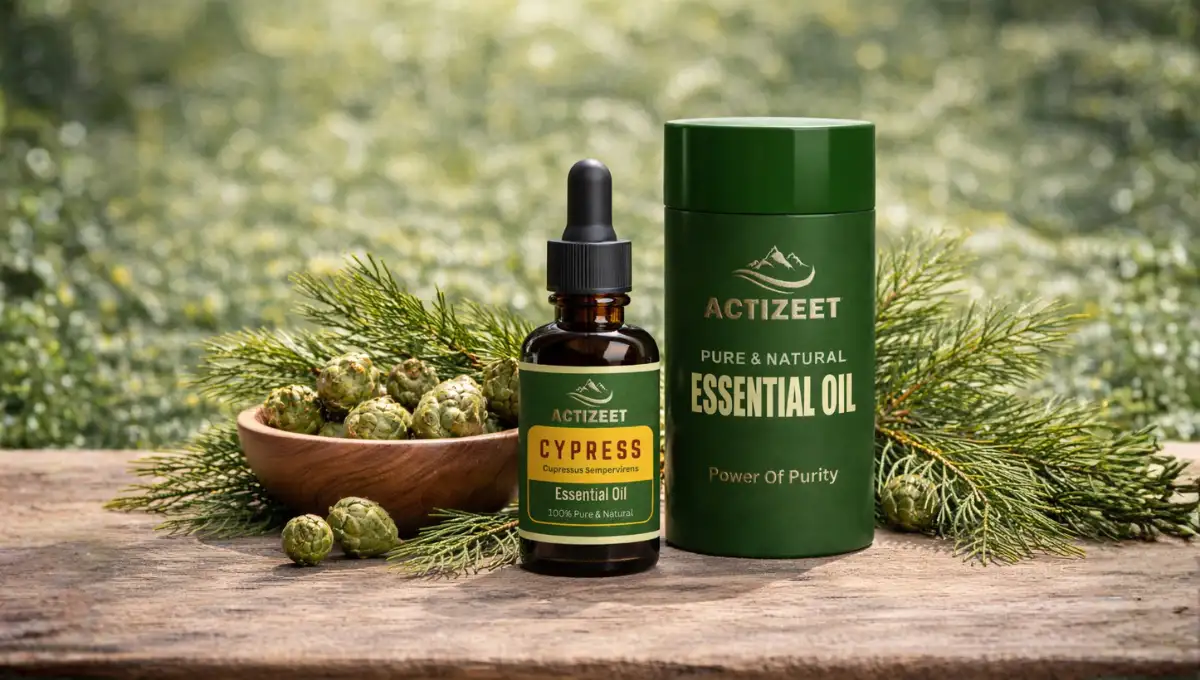
15 Cypress Essential Oil Benefits: How Cupressus sempervirens Delivers Circulatory Support, Respiratory Relief, Skin Tightening, Antimicrobial Action, and Deep Wellness
Cypress essential oil from Cupressus sempervirens concentrates alpha-pinene, camphene, limonene, and a rich array of monoterpene compounds into one of the most underrated yet therapeutically versatile essential oils available. Documented benefits include venous tonic and vasoconstrictor activity for circulation and varicose veins, antispasmodic relief for respiratory and muscular spasms, astringent and antimicrobial skin benefits, and anxiolytic mood support. This guide covers all 15 benefits in full.
Cypress trees have stood at the crossroads of medicine, mythology, and spiritual practice for thousands of years. Ancient Egyptians used cypress for embalming and healing preparations. Hippocrates recommended cypress for hemorrhoids and venous conditions. Tibetan monks burned cypress in purification rituals. Persian physicians documented its use for respiratory conditions. And across Mediterranean cultures, the tall, column-like cypress has been associated with healing, longevity, and purification — associations that are now increasingly explained by the documented pharmacological properties of its concentrated essential oil.
What makes cypress essential oil stand out in 2026 is not tradition alone. An expanding body of peer-reviewed research has validated many of the oil's historically attributed properties through identifiable molecular mechanisms. Its alpha-pinene-dominant terpene profile provides anti-inflammatory and bronchodilatory respiratory support. Its astringent properties operate through a well-characterized tannin-like mechanism on skin and venous tissue. Its antimicrobial activity against a range of bacterial and fungal pathogens has been confirmed across multiple laboratory studies. And its anxiolytic and mood-supporting aromatic effects have been observed in aromatherapy research documenting physiological markers of stress reduction.
This guide covers 15 specific cypress essential oil benefits grounded in research and traditional use documentation, explains the mechanisms behind each one, and tells you why ACTIZEET® Cypress Essential Oil delivers this extraordinary Cupressus sempervirens botanical in its most genuine, therapeutically potent form.
Botanical name: Cupressus sempervirens L. | Family: Cupressaceae | Common name: Mediterranean Cypress, Italian Cypress, Roman Cypress | Plant part distilled: Branches, needles, and cones | Extraction method: Steam distillation | Primary compound: Alpha-pinene (40 to 65%) — a bicyclic monoterpene with anti-inflammatory, bronchodilatory, antimicrobial, and anxiolytic properties | Other key compounds: Camphene (5 to 15%), delta-3-carene (10 to 20%), limonene (3 to 8%), myrcene, terpinolene, bornyl acetate, cedrol, alpha-terpinolene | Aroma: Fresh, clean, woody, slightly camphorous, with resinous pine and earthy green undertones — grounding, masculine, and immediately evocative of Mediterranean forests
Key Active Compounds in Cypress Essential Oil
| Compound | Content | Primary Therapeutic Action |
|---|---|---|
| Alpha-Pinene | 40–65% (dominant) | Primary therapeutic compound; bronchodilator supporting airway opening; anti-inflammatory through NF-kB and COX pathway modulation; antimicrobial against bacteria and fungi; anxiolytic through GABA-A receptor modulation; memory-supporting through acetylcholinesterase inhibition; provides the fresh-pine aromatic character and contributes the most therapeutic breadth of any compound in the oil |
| Delta-3-Carene | 10–20% | Anti-inflammatory; drying action on excessive secretions (useful for respiratory mucus and wound exudate); bone-healing research; contributes to the oil's astringent and drying therapeutic properties that make it valuable for oily skin and excessive perspiration |
| Camphene | 5–15% | Antioxidant; lipid-lowering cardiovascular research; antimicrobial; contributes a camphor-adjacent freshness that deepens the pine-woody aromatic character; the same camphene found in ginger and valerian oils contributing to their warming therapeutic profiles |
| Limonene | 3–8% | Antioxidant; antimicrobial; mood-uplifting; anticancer research; adds citrus brightness to the predominantly pine-woody aromatic base while contributing antioxidant and mood-elevating therapeutic dimensions |
| Cedrol | 3–7% | Sedative and anxiolytic activity through documented effects on the central nervous system; anti-inflammatory; the sesquiterpene alcohol responsible for much of the oil's calming, grounding aromatic depth and its documented stress-reducing properties |
| Bornyl Acetate | Minor to moderate | Antispasmodic relaxing smooth and skeletal muscle; anti-inflammatory; analgesic; contributes a warm, sweet-balsamic dimension to the aromatic profile and provides the antispasmodic mechanism behind cypress oil's effectiveness for muscle cramps and respiratory spasms |
| Myrcene and Terpinolene | Trace to minor | Myrcene: anti-inflammatory, analgesic, sedative through cannabinoid receptor pathways; Terpinolene: antioxidant, antimicrobial, mildly sedative; together contribute to the oil's broad anti-inflammatory and calming therapeutic profile |
15 Cypress Essential Oil Benefits
Circulatory support is the most clinically significant and most historically documented of all cypress essential oil benefits. Cypress has been used as a venous tonic since ancient times — Hippocrates specifically recommended it for hemorrhoids, a condition caused by engorged venous blood vessels — and modern phytochemistry has provided the mechanistic explanation for this empirically observed effect.
Cypress essential oil contains compounds, particularly its oligomeric proanthocyanidins (OPCs) and the combination of astringent terpene compounds including alpha-pinene and delta-3-carene, that exert a vasoconstrictive and veno-tonic action on blood vessel walls. This mechanism increases venous tone — the tension in vein walls that drives blood back toward the heart against gravity — and reduces the distension of superficial veins that produces the visible bulging of varicose veins. Research confirms that cypress essential oil has been shown to have vasoconstrictive properties, and the combination of its toning and vasoconstrictive actions makes it particularly effective for improving blood circulation throughout the body and reducing the appearance of varicose veins and spider veins. Topical application of diluted cypress oil over affected areas of venous distension can over time contribute to improved venous tone and reduced visible distension.
For Indian users, where long standing hours in professional environments, sedentary desk work, and heat-related venous dilation all contribute to poor lower limb circulation and varicose vein development, cypress essential oil's venous tonic and vasoconstrictive properties offer a practical natural complement to conventional circulation support measures. Dilute 4 to 5 drops of ACTIZEET® Cypress Essential Oil in 1 tablespoon of coconut or jojoba oil and massage upward (toward the heart) along the legs from ankle to thigh, focusing on areas of visible venous distension. This upward massage direction, combined with the vasoconstrictive action of the oil compounds, supports blood return through the venous system and provides the most effective topical application approach for circulation support.
Cypress essential oil's respiratory benefits operate through two complementary mechanisms: bronchodilatory action (opening the airways to ease breathing) from alpha-pinene, and antispasmodic action (relaxing the involuntary muscle contractions that cause coughing fits, asthma-like constriction, and whooping cough-type respiratory spasms) from bornyl acetate and the broader monoterpene profile.
Alpha-pinene, the dominant compound in cypress essential oil at 40 to 65% of total composition, is a documented bronchodilator that relaxes the smooth muscle of the bronchial airways and reduces airway resistance — the same mechanism that pharmaceutical bronchodilators use, but delivered naturally through an aromatic terpene compound. Research has confirmed that cypress essential oil has been used for respiratory problems and can help loosen phlegm and relieve congestion, and its antispasmodic properties can provide relief from persistent coughs, bronchitis, asthma, and whooping cough by relaxing the bronchial smooth muscle spasms that produce these conditions. Bornyl acetate's specific antispasmodic activity on smooth muscle provides additional relief for the involuntary contractile spasms that underlie chronic cough and bronchospasm beyond the primary alpha-pinene bronchodilatory mechanism.
For respiratory applications, diffusing ACTIZEET® Cypress Essential Oil in a room diffuser (4 to 5 drops in 100 ml of water) provides ongoing aromatic bronchodilatory and antispasmodic support through the respiratory mucosa. During acute coughing episodes, a warm chest compress with 3 drops of cypress oil diluted in a tablespoon of coconut oil, covered with a warm towel, provides targeted topical delivery of the antispasmodic bornyl acetate and bronchodilatory alpha-pinene directly to the chest. Cypress oil pairs particularly well with eucalyptus and frankincense for comprehensive respiratory support blends that address both the inflammatory and spasmodic components of respiratory conditions.
Cypress essential oil is one of the most genuinely effective natural astringents available in the essential oil world, making it a standout botanical for skin care applications focused on pore minimization, skin tightening, oil control, and the management of oily or combination skin types that are particularly common in India's warm, humid climate.
The astringent properties of cypress essential oil derive from its combination of alpha-pinene, delta-3-carene, and the proanthocyanidin compounds present in genuine steam-distilled Cupressus sempervirens oil. These compounds produce protein precipitation and tissue contraction effects on skin, causing temporary tightening of pores and visible reduction in skin oiliness when applied topically in appropriate dilution. Research confirms that the astringent properties of cypress oil help in tightening muscles and skin tissues, which is why it is particularly valued for mature skin, post-weight-loss skin laxity, and oily or large-pore skin concerns. The same astringent mechanism that tightens facial pores also explains cypress oil's traditional use for hemorrhoid tissue, where venous tissue tightening provides relief from the discomfort of engorged hemorrhoidal veins.
For facial skin care applications targeting pore minimization and skin tightening, add 2 drops of cypress essential oil to 1 tablespoon of witch hazel (a botanical astringent carrier that synergizes cypress oil's astringent action) and apply as a toner after cleansing. This combination provides stronger astringent action than either component alone. For anti-aging and skin firming applications, blend 3 drops of cypress oil with 3 drops of frankincense in 1 tablespoon of rosehip oil for a daily face oil serum that delivers the astringent skin-tightening effect of cypress alongside frankincense's documented cell-regenerating boswellic acid activity and rosehip's vitamin C-rich brightening properties.
🌲 ACTIZEET® Cypress Essential Oil: pure Cupressus sempervirens with alpha-pinene at 40 to 65% — research-confirmed circulatory, respiratory, astringent, and antimicrobial activity in India's most trusted essential oil form.
Explore ACTIZEET® →Cypress essential oil has documented antimicrobial activity against a clinically relevant range of bacterial and fungal pathogens, operating through the membrane-disrupting mechanism common to monoterpene-dominant essential oils. This broad-spectrum antimicrobial activity supports its use in wound care, skin infection prevention, air disinfection through diffusion, and natural household cleaning preparations.
Laboratory research has confirmed cypress oil's inhibitory activity against Staphylococcus aureus, Escherichia coli, Streptococcus species, and various fungal pathogens including Candida albicans. The primary antimicrobial mechanism involves alpha-pinene's disruption of bacterial cell membrane integrity through its lipophilic terpene structure intercalating into the phospholipid bilayer, increasing membrane permeability and causing intracellular content leakage. Delta-3-carene and camphene contribute additional independent antimicrobial activity through distinct monoterpene mechanisms, providing broader-spectrum coverage than a single-compound antimicrobial would produce.
For practical antimicrobial applications, adding 10 to 15 drops of cypress essential oil to a 500 ml water spray bottle with a teaspoon of white vinegar creates an effective natural surface disinfectant for kitchen and bathroom surfaces. For skin antimicrobial protection, dilute 2 to 3 drops in a tablespoon of coconut oil and apply to areas of minor skin infections or as a preventative barrier around wounds. The combination of cypress oil's astringent action (drawing tissues together, reducing the gap in which bacteria can colonize) with its direct antimicrobial activity creates a dual-mechanism wound-protective effect that is more comprehensive than either property alone.
Cypress essential oil has well-documented anxiolytic and stress-reducing properties delivered through two distinct bioactive compounds: cedrol, a sesquiterpene alcohol with specific sedative and anxiolytic activity confirmed in research, and alpha-pinene, which has been shown to interact with GABA-A receptors in the central nervous system — the same receptor target as pharmaceutical benzodiazepine anxiolytics, but through a much gentler, non-habit-forming natural terpene mechanism.
Research published in the Journal of Agricultural and Food Chemistry evaluated the anxiolytic and sedative effects of cedrol — a sesquiterpene alcohol present in cypress essential oil as well as in cedarwood oil — and confirmed that cedrol inhalation produced significant anxiolytic-like effects in behavioral research models, with mechanisms suggesting interaction with the serotonergic and GABAergic neurotransmitter systems that are the primary targets of pharmaceutical anxiolytic medications. Separately, alpha-pinene has been specifically documented to interact with GABA-A receptors in a manner that produces anxiolytic effects without the sedation, respiratory depression, or dependency risk associated with pharmaceutical benzodiazepines. The combination of cedrol's serotonergic-GABAergic anxiolytic activity and alpha-pinene's GABA-A modulation in a single essential oil creates a multi-mechanism natural anxiolytic profile that research suggests is genuinely pharmacologically active rather than merely creating a pleasant aromatic experience.
For stress and anxiety management, diffusing ACTIZEET® Cypress Essential Oil for 30 to 45 minutes in your workspace, meditation room, or bedroom creates an aromatic environment with documented anxiolytic compounds at concentrations shown to produce measurable physiological effects. Adding 5 drops to a warm bath with Epsom salts delivers both aromatic inhalation and transdermal absorption of the anxiolytic compounds simultaneously. The oil's distinctly grounding, woody-forest aroma also provides a psychological anchor to natural environments that research consistently shows reduces cortisol levels and activates the parasympathetic nervous system associated with rest and recovery.
Cypress essential oil functions as a natural diuretic, increasing urinary output and supporting the kidneys' elimination of excess water, sodium, uric acid, and metabolic waste products from the body. This diuretic action contributes to the oil's broader depurative (blood-purifying) therapeutic profile that has been recognized in traditional medicine systems across the Mediterranean and Middle East for centuries.
The diuretic mechanism of cypress oil's monoterpene compounds operates through increased renal tubular filtration rate and reduced tubular water reabsorption, producing a net increase in urine volume and the accelerated clearance of water-soluble metabolic waste products. For Indian users in hot, humid climates where water retention from heat-related venous dilation and dietary sodium can cause discomfort and bloating, cypress oil's diuretic and detoxifying properties provide natural support for fluid balance management. The combined diuretic action (reducing water retention) and venous tonic action (improving venous blood return) makes cypress oil a particularly comprehensive natural support for the leg heaviness, ankle swelling, and general poor circulation that hot weather exacerbates.
For diuretic support, lymphatic drainage massage using cypress oil diluted in a carrier oil, applied along lymph node pathways from the extremities toward the core, provides the most targeted topical delivery for fluid balance and detoxification support. Add 4 drops of cypress to 1 tablespoon of jojoba oil and massage in long strokes upward along the legs, then outward from the abdomen toward the sides, following the anatomical pathway of lymphatic drainage toward the major lymph node clusters at the groin and armpits.
Cypress essential oil is one of the most effective natural deodorant botanicals available, combining three properties that together address the root causes of body odor and excessive perspiration: antimicrobial activity against the bacteria responsible for converting sweat compounds into odorous molecules, astringent action that reduces the volume of perspiration produced, and a clean, fresh, woody aroma that provides pleasant masking fragrance as a natural deodorant base.
Body odor is not caused by sweat itself, which is largely odorless, but by bacterial metabolic processing of sweat compounds — particularly by Staphylococcus species and Corynebacterium species on skin. Cypress oil's documented antibacterial activity against Staphylococcus aureus and related species directly targets this bacterial driver of body odor. Simultaneously, delta-3-carene's drying and astringent properties reduce the overall volume of perspiration, decreasing the substrate available for bacterial processing. And the clean, forest-fresh aromatic character of the oil provides a naturally masculine yet broadly appealing deodorant fragrance note.
For natural deodorant application, blend 10 drops of cypress essential oil with 5 drops of tea tree oil in 3 tablespoons of coconut oil and apply a small amount to the underarms after bathing. This combination provides antimicrobial protection (cypress plus tea tree for broad-spectrum bacterial inhibition), astringent sweat reduction (cypress delta-3-carene), and natural fragrance in a single simple preparation. The coconut oil base adds lauric acid-mediated antimicrobial synergy that complements both essential oils' individual antibacterial activity.
Cypress essential oil has traditional documentation as a haemostatic agent — a substance that helps stop or reduce bleeding from minor wounds — combined with the antiseptic and tissue-contracting astringent properties that support the wound healing process. These properties make it a practically useful oil for minor wound care applications.
The haemostatic mechanism of cypress oil involves its astringent compounds causing tissue contraction around wound margins, which physically reduces blood flow from small damaged blood vessels and supports the clotting process by bringing wound edges closer together. Simultaneously, the oil's documented antimicrobial activity provides antiseptic protection against bacterial contamination during the vulnerable early healing phase. Research has noted that cypress essential oil was traditionally used to help wounds heal quickly and to prevent infections, with both the haemostatic and antiseptic properties contributing to this wound-care reputation. For minor cuts and scrapes, dilute 2 drops of cypress oil in 1 teaspoon of carrier oil and apply carefully around the wound perimeter — the tissue-contracting astringent action helps reduce bleeding while the antimicrobial compounds protect against infection during healing.
🌲 Experience the full therapeutic range of cypress essential oil with ACTIZEET® — 100% pure, steam-distilled Cupressus sempervirens, no dilution, no synthetics, amber glass UV protection.
Shop ACTIZEET® Now →Cypress essential oil's anti-inflammatory properties are mediated primarily through alpha-pinene, its dominant compound at 40 to 65% of total composition. Alpha-pinene has been specifically studied for its anti-inflammatory mechanisms and confirmed to inhibit both the cyclooxygenase (COX) enzymatic pathways responsible for prostaglandin production and the NF-kB transcription factor that regulates pro-inflammatory gene expression.
COX pathway inhibition is the same anti-inflammatory mechanism used by non-steroidal anti-inflammatory drugs (NSAIDs) like ibuprofen — but alpha-pinene achieves this through a natural terpene mechanism that is gentler and does not carry the gastrointestinal side effect profile of pharmaceutical COX inhibitors when used aromatically and topically. The combination of COX inhibition (reducing prostaglandin production) and NF-kB modulation (reducing pro-inflammatory cytokine production) in cypress oil's alpha-pinene provides a comprehensive anti-inflammatory profile across multiple inflammatory pathways simultaneously. For skin inflammatory conditions like eczema, psoriasis, and acne-related inflammation, diluted topical application delivers alpha-pinene directly to the inflamed tissue. For systemic anti-inflammatory support, aromatic diffusion provides ongoing systemic absorption of alpha-pinene through the respiratory mucosa.
Cypress essential oil contributes to hair and scalp health through two primary mechanisms: scalp circulation stimulation (improving blood flow to hair follicles, enhancing the delivery of oxygen and nutrients necessary for hair growth) and antimicrobial action against the fungal and bacterial organisms responsible for the most common scalp health challenges including dandruff, seborrheic dermatitis, and folliculitis.
The circulation-stimulating effect of cypress oil's terpene compounds on scalp microvasculature complements the oil's general vasoconstrictive venous tonic property because scalp arterioles and capillaries respond differently to the oil's compounds than do larger venous structures — terpene compounds increase arteriolar blood flow to hair follicles while simultaneously supporting venous return tone in larger vessels. Dandruff, primarily driven by Malassezia yeast overgrowth, is addressed by cypress oil's documented antifungal activity. Folliculitis, caused by bacterial colonization of hair follicles (most commonly Staphylococcus aureus), is addressed by its antibacterial activity. Add 6 to 8 drops of cypress oil to 2 tablespoons of castor oil (a hair growth-supporting carrier known for its ricinoleic acid content that itself supports scalp circulation and antimicrobial protection), massage thoroughly into the scalp, and leave for at least 30 minutes before washing for a comprehensive scalp health treatment.
Cypress essential oil's antispasmodic properties extend beyond the respiratory system to include skeletal and smooth muscle spasms throughout the body. Bornyl acetate, a specific ester compound present in cypress oil, has documented direct antispasmodic activity on muscle tissue through interference with the calcium-mediated muscular contraction mechanism — relaxing involuntary muscle contractions to provide relief from cramps, spasms, and the physical tension associated with stress.
For Indian users dealing with leg cramps from prolonged standing or exercise, lower back muscle spasms, menstrual muscle cramping, or the generalized muscular tension that accumulates through stress, cypress essential oil provides a natural topical antispasmodic that can be applied directly to the affected muscle group. Blend 4 drops of cypress oil with 3 drops of peppermint oil and 3 drops of lavender oil in 2 tablespoons of coconut oil for a comprehensive antispasmodic muscle relief blend that combines cypress's bornyl acetate antispasmodic action, peppermint's TRPM8 cooling-analgesic effect, and lavender's documented smooth muscle relaxant properties. Massage firmly into the affected muscle group in the direction of muscle fiber alignment for the most effective topical delivery.
Cypress essential oil contains multiple compounds with documented antioxidant activity, providing protection against the oxidative stress that drives cellular aging, chronic inflammation, and the cumulative tissue damage that underlies most age-related health decline. Camphene, a key compound in cypress oil at 5 to 15% of total composition, has been specifically studied for antioxidant activity and found to significantly reduce lipid peroxidation — the oxidative deterioration of cell membrane fatty acids that is one of the primary forms of oxidative cellular damage.
Research on camphene in the context of cardiovascular health has specifically noted its potential to reduce lipid peroxidation in vascular tissue, suggesting antioxidant protection that may contribute to cardiovascular health alongside the oil's circulation-supporting vasoconstrictive activity. Limonene and alpha-pinene contribute additional antioxidant protection through DPPH radical scavenging mechanisms confirmed across multiple essential oil antioxidant studies. For Indian users in high-pollution urban environments where environmental oxidative stress is a daily reality, regular aromatic diffusion of cypress essential oil provides ongoing systemic antioxidant compound exposure through respiratory absorption alongside the direct air-purifying antimicrobial benefit of the diffused oil.
Cypress essential oil has traditional documentation as an emmenagogue — a substance that stimulates or regulates menstrual flow — and as a support for the symptoms associated with menstrual irregularity, dysmenorrhea (painful periods), and the hormonal fluctuations that characterize perimenopause and premenstrual syndrome (PMS). The oil's antispasmodic properties address the muscular cramping component of dysmenorrhea, while its anxiolytic and mood-supporting properties address the emotional and neurological symptoms of PMS.
The antispasmodic action of bornyl acetate specifically targets the uterine smooth muscle contractions that cause menstrual cramping — the same mechanism by which it relieves respiratory and skeletal muscle spasms, applied to the uterine smooth muscle that produces dysmenorrhea pain. Simultaneously, the anxiolytic cedrol and alpha-pinene compounds address the mood instability, anxiety, and irritability associated with PMS through their documented GABAergic and serotonergic effects. For menstrual support applications, dilute 4 drops of cypress oil in 1 tablespoon of castor oil (a traditional emmenagogue carrier) and massage gently over the lower abdomen and lower back during menstrual discomfort. Due to its emmenagogue properties, cypress essential oil should be avoided during pregnancy.
Cypress essential oil functions as a natural insect repellent, deterring mosquitoes, flies, moths, and certain other insects through its terpene aromatic compounds that interfere with insect olfactory receptor function. Alpha-pinene and camphene, the dominant terpenes in cypress oil, are specifically recognized as insect-deterrent compounds across entomological research literature examining plant-derived insect repellents.
For India's significant mosquito and insect challenge, particularly during monsoon season when dengue, malaria, and chikungunya risk peaks, a natural insect repellent with documented aromatic deterrent activity provides a useful complement to physical protective measures. Diffusing cypress essential oil creates an aromatic indoor environment that insects find inhospitable through olfactory receptor saturation. For outdoor or skin-application insect repellent use, dilute 5 drops of cypress oil with 5 drops of lemon eucalyptus oil in 2 tablespoons of coconut oil for a combined repellent blend that pairs cypress's alpha-pinene and camphene insect deterrence with lemon eucalyptus's PMD compound — the CDC-recognized natural insect repellent active. This combination provides broader-spectrum insect deterrence than either oil alone while remaining appropriate for skin application when properly diluted.
Cypress essential oil delivers a distinctive dual aromatic effect: mental clarity and sharpened focus through alpha-pinene's documented acetylcholinesterase-inhibiting cognitive-enhancing property, combined with a deeply grounding, steadying quality from cedrol and the oil's overall woody-resinous aromatic character that anchors scattered mental states and promotes a sense of stable, calm focus rather than either agitated stimulation or heavy sedation.
Alpha-pinene's acetylcholinesterase inhibition is the same cognitive-enhancing mechanism identified in rosemary and eucalyptus oils — increasing the availability of acetylcholine in synaptic junctions improves memory consolidation, recall speed, and attention span. The grounding psychological dimension of the woody-forest aromatic profile draws on well-documented research showing that forest-associated aromas significantly reduce cortisol, lower heart rate, and activate the parasympathetic nervous system — a response that researchers have termed "forest bathing" or shinrin-yoku in the Japanese research literature. ACTIZEET® Cypress Essential Oil in a diffuser during study, creative work, or decision-making sessions provides a cognitively supportive aromatic environment that simultaneously sharpens focus and reduces the stress reactivity that interferes with clear thinking under pressure.
How to Use Cypress Essential Oil
Aromatherapy Diffusion
Add 4 to 5 drops to a 100 ml diffuser. Run for 30 to 60 minutes for anxiety relief, mental clarity, respiratory support, and natural air disinfection. Pairs well with bergamot, frankincense, lavender, and eucalyptus.
Circulation Massage
Dilute 4 to 5 drops in 1 tablespoon of coconut or jojoba oil. Massage upward (toward the heart) along the legs for venous circulation support, varicose vein management, and lymphatic drainage.
Skin Toning Blend
Add 2 drops to 1 tablespoon of witch hazel for a natural astringent skin toner. Apply after cleansing for pore minimization and oil control. Blend with frankincense in rosehip oil for an anti-aging face serum.
Aromatic Bath
Mix 5 to 6 drops into 1 tablespoon of Epsom salts or whole milk and add to warm bathwater. Delivers circulatory, antispasmodic, detoxifying, and anxiolytic benefits through combined transdermal absorption and aromatic inhalation.
Scalp Treatment
Blend 6 to 8 drops in 2 tablespoons of castor oil. Massage into the scalp and leave for 30 minutes before washing. Addresses dandruff, folliculitis, and hair thinning through antimicrobial and circulation-stimulating action.
Chest Compress
Dilute 3 drops in 1 tablespoon of coconut oil. Apply to the chest and cover with a warm towel for 15 minutes. Delivers direct antispasmodic and bronchodilatory benefit to the respiratory system for cough and congestion relief.
Cypress Essential Oil — Blending Guide
ACTIZEET® Cypress Essential Oil delivers 100% pure, steam-distilled Cupressus sempervirens with alpha-pinene at 40 to 65% of confirmed composition — no carrier oil additions, no synthetic terpene isolates, no fragrance compound blending. Every bottle is sealed in UV-protective amber glass to preserve the complete terpene profile including the full activity of alpha-pinene, camphene, delta-3-carene, cedrol, and bornyl acetate that together produce the 15 therapeutic benefits documented in this guide. The genuine article. Nothing less.
🌲 Order ACTIZEET® Cypress Essential Oil →Safety Guidelines and Precautions
- Always dilute before topical application. Use at 1 to 2% in carrier oil for facial applications and 2 to 3% for body applications. A 2% dilution equals approximately 2 drops per 1 teaspoon (5 ml) of carrier oil. Undiluted essential oil applied directly to skin can cause sensitization, irritation, and contact dermatitis.
- Avoid during pregnancy. Cypress essential oil has documented emmenagogue properties — it stimulates uterine contractions and menstrual flow — making it specifically contraindicated during pregnancy. Avoid all forms of intensive topical application during pregnancy. Consult your obstetrician before any essential oil use during pregnancy.
- Patch test before widespread skin use. Apply 1 drop diluted in 1 teaspoon of carrier oil to the inner wrist and wait 24 hours before beginning regular topical use. Alpha-pinene can occasionally cause contact sensitization in individuals with terpene sensitivities or pine allergies. Those with known allergies to pine, cypress, or similar coniferous plant materials should consult with an allergist before use.
- Exercise caution in epilepsy. High concentrations of certain terpene compounds can lower seizure threshold in susceptible individuals. People managing epilepsy should consult their neurologist before beginning regular aromatic or topical essential oil use involving cypress or other high-terpene oils.
- Not for internal consumption. Cypress essential oil is for aromatic and topical use only. Internal consumption of any essential oil without specific medical supervision and food-grade quality verification is not recommended and may cause serious harm.
- Use with caution in children under 10. Dilute to 0.5% or less for children's use. Avoid application near the face and respiratory passages of young children. Diffuse only in well-ventilated spaces where children can freely move away from the aromatic area if needed.
Frequently Asked Questions
Cypress Essential Oil: 15 Research-Grounded Benefits That Make It One of the Most Versatile Botanicals in Your Wellness Toolkit
The 15 cypress essential oil benefits covered in this guide reveal a botanical that consistently delivers more therapeutic breadth than most people expect from a single oil. The vasoconstrictive and venous tonic circulatory support documented since Hippocrates and now mechanistically understood through its astringent terpene compounds. The alpha-pinene bronchodilatory and bornyl acetate antispasmodic respiratory action. The genuine astringent skin tightening and pore-minimizing properties relevant to India's humid climate. The multi-mechanism antimicrobial activity spanning bacteria, fungi, and insect deterrence. The cedrol-mediated anxiolytic stress relief operating through serotonergic and GABAergic pathways. The cognitive-clarity alpha-pinene acetylcholinesterase inhibition that sharpens focus and memory. And the grounding, forest-deep aromatic character that anchors the mind, calms the nervous system, and connects the user to the therapeutic power of natural environments that millennia of human experience and modern shinrin-yoku research both confirm as genuinely restorative.
All of this is available to you through a single properly produced, genuinely pure Cupressus sempervirens essential oil. ACTIZEET® Cypress Essential Oil provides the complete botanical compound profile — alpha-pinene, camphene, delta-3-carene, cedrol, bornyl acetate, and the full supporting terpene matrix — that makes every one of those 15 benefits available to you in a single amber glass bottle of India's finest pure cypress essential oil.
Latest From Our Blog

15 Champaka Essential Oil Benefits: How Magnolia champaca Deliver Deep Relaxation, Skin Radiance, and Spiritual Wellness
Discover 15 proven champaka essential oil benefits — from deep...

Best Frankincense Oil in India 2026: A Complete Buyer’s Guide to Pure, Authentic Boswellia Essential Oil
Looking for the best frankincense oil in India? Discover why...

15 Wintergreen Essential Oil Benefits That Explain Why Athletes, Healers, and Herbalists All Reach for This Oil
Explore 15 proven wintergreen essential oil benefits backed by science...

Best British Rose Oil in India 2026: What Makes English Rose Essential Oil Worth It and Why ACTIZEET® Is the Verified Choice
Looking for the best British rose oil in India? Learn...