
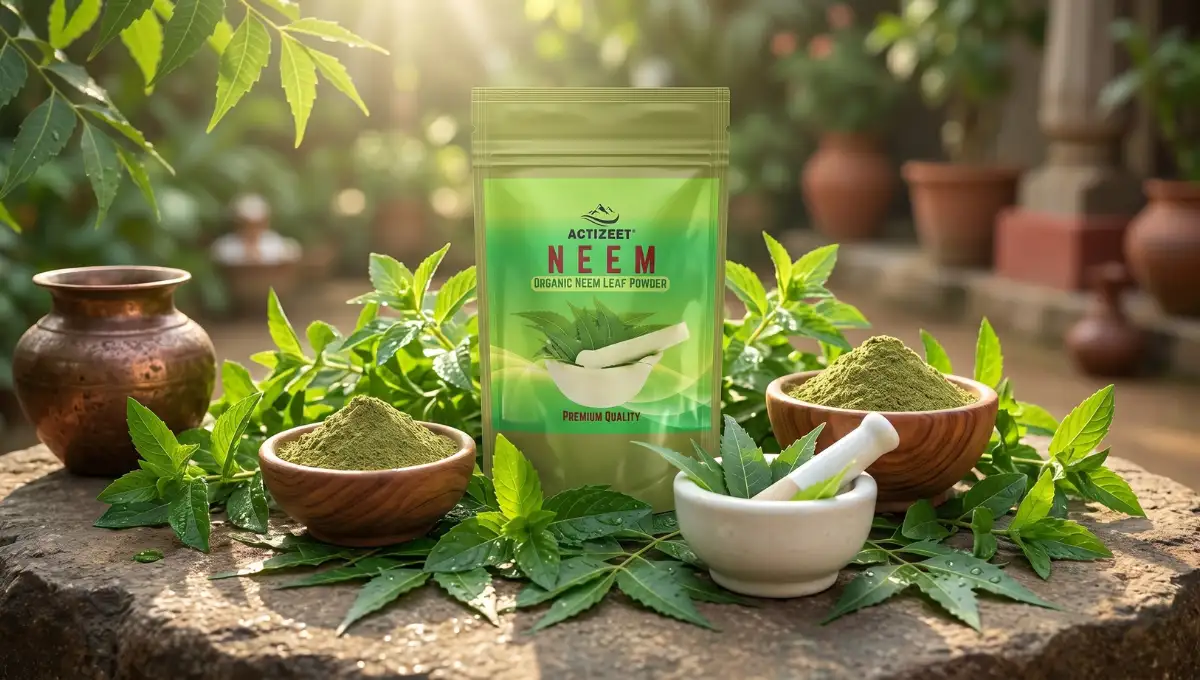
15 Neem Powder Benefits That Explain Why India Called This Tree the "Village Pharmacy"
With over 140 active compounds and a track record spanning 4,000 years across Ayurveda, Unani, and folk medicine, neem powder is one of the most pharmacologically diverse botanicals ever studied. Modern research is only beginning to catch up with what traditional healers knew all along.
In India, the neem tree (Azadirachta indica) has never needed rebranding. For thousands of years, village communities across the subcontinent have used every part of this tree, leaves, bark, seeds, flowers, twigs, and roots, as medicine. The twigs were the original toothbrush. The leaves were ground into paste for skin infections and applied to wounds. The seed oil was the household antiseptic. The leaf powder was mixed into water, food, and topical preparations for an enormous range of conditions.
Neem contains over 140 active compounds belonging to several chemical classes, including limonoids (azadirachtin, nimbin, nimbidin, nimbolide, gedunin), terpenes, flavonoids, tannins, and sulfur-containing compounds. This chemical diversity is why the tree earns its title as the "village pharmacy." Practically no single pharmaceutical drug comes close to offering as many mechanisms of action in one natural product.
In this guide, we cover 15 specific neem powder benefits supported by research, explain the biological mechanisms behind each one, and show you how to use ACTIZEET® pure Neem Powder to access these benefits safely and practically. Whether you are interested in neem for skin, blood sugar, immunity, digestion, oral health, or hair, there is genuine evidence for each application in this list.
Neem powder is made by drying and grinding the leaves of Azadirachta indica, also called Indian lilac or Margosa tree. It is the most accessible and versatile form of neem for internal and topical use. The primary bioactive compounds in neem leaf powder include nimbidin (anti-inflammatory, antibacterial), nimbin (anti-inflammatory, antiviral), azadirachtin (antiparasitic, insecticidal), nimbolide (antitumor, antimicrobial), gedunin (antifungal, antimalarial), quercetin (antioxidant, anti-inflammatory), and beta-sitosterol (immune-modulating, anti-inflammatory). Neem leaf powder has a distinctive bitter, earthy taste that reflects its high concentration of active limonoids, which drive much of its medicinal activity.
Key Active Compounds in Neem Powder
Neem leaf powder contains over 140 identified bioactive compounds. The table below covers the primary drivers of its therapeutic activity and the benefits they contribute.
| Compound | Class | Primary Therapeutic Action |
|---|---|---|
| Azadirachtin | Limonoid tetranortriterpenoid | Antiparasitic; insecticidal; antifungal; antibacterial |
| Nimbidin | Limonoid | Anti-inflammatory; antibacterial; antifungal; immunostimulant |
| Nimbin | Limonoid | Anti-inflammatory; antiviral; antifungal; spermicidal |
| Nimbolide | Limonoid | Antimicrobial; antitumor; anti-inflammatory; antioxidant |
| Gedunin | Limonoid | Antifungal; antimalarial; anti-inflammatory; neuroprotective |
| Quercetin | Flavonoid | Antioxidant; anti-inflammatory; antiallergic; cardioprotective |
| Beta-Sitosterol | Phytosterol | Anti-inflammatory; immune-modulating; lipid-lowering; anti-tumor |
| Gallic Acid | Polyphenol | Antioxidant; antimicrobial; antiviral; anti-inflammatory |
15 Neem Powder Benefits
Antimicrobial activity is the most extensively documented of all neem powder benefits and the foundation on which most of its other therapeutic applications rest. Neem's antimicrobial scope is genuinely extraordinary, covering gram-positive and gram-negative bacteria, multiple fungal species, viruses, and parasites through several distinct mechanisms that make resistance development significantly harder than with single-compound antibiotics.
A comprehensive review published in Frontiers in Pharmacology (PMC, 2022) titled "The Antimicrobial Potential of the Neem Tree Azadirachta indica" systematically reviewed neem's antimicrobial activity across dentistry, food safety, bacteriology, mycology, virology, and parasitology. The review specifically highlighted neem's capacity to act against drug-resistant and biofilm-forming organisms, both of which represent groups of pathogens for which conventional treatment options are severely limited. Ethanol extract of neem leaves showed in vitro antibacterial activity against both Staphylococcus aureus and MRSA. The compounds nimbidin, nimbin, nimbolide, gedunin, and cyclic trisulfide were identified as the primary antibacterial contributors, alongside gallic acid derivatives and other polyphenols.
The activity against MRSA (methicillin-resistant Staphylococcus aureus), one of the most clinically dangerous antibiotic-resistant bacteria, is particularly significant. Neem's disruption of bacterial cell membranes and biofilm formation through multiple compounds makes it much harder for bacteria to develop resistance compared to the single-target mechanism of most antibiotics. For everyday use, neem powder's antimicrobial action translates into practical benefits for skin, oral health, wound care, and digestive pathogen management.
Neem powder's anti-inflammatory activity is driven primarily by nimbidin and nimbin, two limonoid compounds that inhibit key inflammatory signaling pathways including COX enzymes and the production of pro-inflammatory cytokines. This makes neem powder relevant for a wide range of inflammatory conditions, from skin inflammation and joint pain to gut mucosal inflammation and systemic low-grade inflammation associated with chronic disease.
Neem packs over 140 active compounds that may give it numerous antioxidant and anti-inflammatory effects. It has long served as a treatment for ulcers, gastrointestinal troubles, and brain ailments. The multi-compound anti-inflammatory action of neem is broader than most single-molecule pharmaceutical anti-inflammatories because multiple active compounds target different points in the inflammatory cascade simultaneously, creating a more comprehensive suppression of inflammatory activity without the gastric or cardiovascular risks associated with chronic NSAID use.
In Ayurveda, neem is classified as a bitter herb that specifically reduces "Pitta" excess, which in pharmacological terms corresponds to the reduction of oxidative stress and inflammatory signaling in multiple tissue types. This tridosha-clearing property is why neem is recommended across such a wide range of conditions where inflammation is a common underlying factor.
Neem has remarkable antifungal activity that extends across multiple pathogenic fungal species. Gedunin, nimbin, and azadirachtin are the primary antifungal compounds in neem, with confirmed activity against Aspergillus flavus, Alternaria solani, Cladosporium, and numerous Candida species. Methanol and ethanol extracts of neem leaves specifically showed growth inhibition against these and other clinically significant fungi in published research.
For practical applications, neem powder's antifungal properties make it particularly useful for dandruff (caused by Malassezia fungal overgrowth on the scalp), fungal skin infections, nail fungal conditions, and the internal microbiome imbalances driven by Candida overgrowth. A 2024 study specifically examined the combined anti-dandruff and anti-hair loss efficacy of neem alongside rosemary, finding positive results for scalp fungal management, with the antifungal compounds in neem targeting the root cause of fungal dandruff at the scalp surface.
🌿 ACTIZEET® Neem Powder: pure, finely milled Azadirachta indica leaf powder with the full spectrum of bioactive compounds for real therapeutic results.
Explore ACTIZEET® →Blood sugar management is one of the most actively researched neem powder benefits in contemporary pharmacology. Neem has been advocated as a treatment for diabetes due to its proposed ability to regulate blood sugar control. Research shows it shows promise for several aspects of health, including blood sugar management.
Multiple mechanisms contribute to neem's antidiabetic activity. Studies using diabetic animal models found that Azadirachta indica chloroform extract showed good oral glucose tolerance and significantly reduced intestinal glucosidase activity, the enzyme that breaks down dietary carbohydrates into glucose. By slowing this enzyme, neem reduces the rate of glucose absorption after meals, moderating the post-meal blood sugar spike that drives insulin resistance over time. Neem leaf extracts have also been shown to have significant antidiabetic activity and could be a potential source for treatment of diabetes mellitus, according to published research.
Beyond glucose absorption modulation, neem's antioxidant compounds protect pancreatic beta cells (the insulin-producing cells) from oxidative damage, and its anti-inflammatory properties reduce the chronic inflammation that drives insulin resistance. These complementary mechanisms make it a genuinely multi-target approach to blood sugar management, relevant both as a preventive measure for those in pre-diabetes ranges and as a complementary support alongside appropriate medical management.
Skin health is perhaps the most popular and most practically accessible of all neem powder benefits. The combination of antibacterial, antifungal, anti-inflammatory, and antioxidant properties in neem powder addresses essentially every major driver of common skin problems, from acne and eczema to hyperpigmentation and premature aging.
For acne specifically, neem powder's antimicrobial compounds target Cutibacterium acnes (formerly Propionibacterium acnes) directly, while its anti-inflammatory compounds reduce the redness, swelling, and pain of existing lesions. A 2024 study found that neem leaf extract exhibits anti-aging and antioxidant effects from yeast to human cells, establishing a cellular basis for neem's recognized ability to reduce fine lines, improve skin texture, and counter the oxidative damage that accelerates skin aging.
Neem is great for treating a myriad of skin conditions. Neem in dermatology has been recognized for its role in managing acne, eczema, psoriasis, rosacea, and fungal skin infections through its combined antimicrobial, antifungal, and anti-inflammatory activity. The astringent properties of neem powder tighten pores, control excess sebum production, and improve overall skin tone with consistent topical application.
Oxidative stress, driven by an excess of free radicals relative to the body's antioxidant defenses, accelerates cellular aging, drives chronic inflammation, and contributes to the development of degenerative diseases. Neem powder is rich in antioxidant compounds, particularly quercetin, gallic acid, nimbidin, and beta-sitosterol, that neutralize free radicals across multiple tissue types.
A review published in the Journal of Functional Foods (ScienceDirect, 2020) titled "An Overview of Neem (Azadirachta indica) and Its Potential Impact on Health" confirmed that neem's free radicals or reactive oxygen species (ROS) are a major source of inflammation, as they act upon many biological molecules, exerting damage by taking out electrons and unleashing oxidative stress in cells. Neem's antioxidant compounds act upon many biological molecules to neutralize this oxidative cascade, with the study confirming broad-spectrum antioxidant, antimicrobial, and anti-inflammatory properties across multiple extraction methods and plant parts. The review highlighted neem's potential impact on multiple health domains through these interconnected antioxidant and anti-inflammatory mechanisms.
The 2024 PMC study confirming that neem leaf extract exhibits anti-aging effects in human cells provides specific cellular evidence for the anti-aging mechanisms documented at the organism level in traditional use. These findings support neem powder's growing popularity as an internal and topical anti-aging botanical in natural skincare and wellness formulations.
Neem's role in oral health is one of its most ancient, culturally consistent, and scientifically validated applications. Neem twigs have been used as toothbrushes across India, Africa, and the Arab world for millennia. The antimicrobial compounds in neem, particularly nimbidin and gallic acid derivatives, target the specific bacteria responsible for the two most prevalent dental diseases: Streptococcus mutans (the primary cause of dental caries) and the bacteria driving periodontal disease and gingivitis.
A double-blind, placebo-controlled clinical trial found that mouthwashes containing neem helped prevent plaque, gingivitis, and bad breath, providing formal clinical evidence for what traditional cultures demonstrated empirically for thousands of years. Petroleum ether and chloroform extracts of neem showed strong antimicrobial activity against S. mutans, Streptococcus salivarius, and Fusobacterium nucleatum, three key oral pathogens that contribute to tooth decay, gum inflammation, and bad breath respectively.
Neem's astringent and antibacterial properties reduce plaque, inhibit gingivitis-causing bacteria, and help prevent bad breath, explaining its long history in dental hygiene. For daily oral care, mixing neem powder into toothpaste, using it as a dry tooth powder, or preparing a neem powder mouth rinse provides consistent antimicrobial protection for the oral microbiome.
Neem powder addresses hair health from the scalp outward, targeting the root causes of common hair problems rather than simply improving surface appearance. Its antifungal compounds specifically target Malassezia fungi that cause dandruff and seborrheic dermatitis. Its antimicrobial properties keep the scalp microbiome balanced, preventing bacterial overgrowth that leads to itching and irritation. Its anti-inflammatory compounds calm scalp inflammation that contributes to follicle damage and hair thinning.
A 2024 study examined the combined anti-dandruff and anti-hair loss efficacy of neem, finding positive results for scalp health management. Azadirachtin in neem seed extract may fight parasites that affect hair and skin, such as lice, providing an additional antiparasitic dimension to neem's scalp benefits. The astringent properties of neem leaf powder help normalize sebum production, which benefits both oily scalps prone to buildup and follicle clogging, and dry scalps where imbalanced sebum contributes to flaking and irritation.
For practical scalp use, neem powder can be mixed with water to form a paste for a scalp mask, or blended with a carrier oil for a pre-wash scalp treatment. Regular weekly application consistently used produces meaningful improvements in dandruff severity, scalp irritation, and overall hair health within 4 to 6 weeks.
🌿 Pure, finely milled ACTIZEET® Neem Powder, the village pharmacy's best-kept secret in a convenient 300-gram pack.
Shop Now →Liver support is one of neem's most historically consistent traditional applications, used for millennia across both Ayurvedic and traditional Chinese medicine for hepatic protection and detoxification. The liver is the body's primary detoxification organ, and neem's ability to support its function has meaningful implications for overall health and the management of toxic load from environmental exposures, medications, and metabolic byproducts.
Neem supports phase II liver detox pathways and protects liver cells with its antioxidants against medication or toxin-induced damage. The nimbidin content specifically demonstrates hepatoprotective activity by reducing liver enzyme elevations associated with liver stress or damage. The antioxidant compounds in neem leaf powder, particularly quercetin and gallic acid, protect hepatocytes (liver cells) from the oxidative damage generated by toxin processing, pharmaceutical metabolism, and inflammatory liver conditions.
For those exposed to environmental pollutants, pharmaceutical medications, alcohol, or simply the demands of modern urban living, regular consumption of neem powder as part of a detoxification-supportive wellness routine provides meaningful hepatoprotective benefit that complements other liver-supporting practices like adequate hydration and a reduced dietary toxin load.
Neem's bitter compounds have a direct stimulating effect on digestive secretions, a well-recognized mechanism in both Ayurvedic medicine and modern pharmacology. Bitter compounds activate taste receptors on the tongue and throughout the gut that trigger the release of digestive enzymes, bile, and gastric acid, priming the entire digestive system for more effective food breakdown and nutrient absorption.
Beyond this enzyme-stimulating role, neem's antimicrobial properties help maintain a healthy gut microbiome by controlling pathogenic bacteria that cause digestive infections, gas, and inflammation. Its anti-inflammatory compounds reduce gut mucosal inflammation that underlies conditions like gastritis, peptic ulcers, and irritable bowel disorders. Neem has long served as a treatment for ulcers and gastrointestinal troubles, reflecting its recognized multi-mechanism digestive utility.
Neem's anti-parasitic properties add a further dimension for digestive health in regions where intestinal parasites are a concern, as azadirachtin and related compounds create an inhospitable gut environment for intestinal worms and protozoa. For digestive support, small amounts of neem powder taken with warm water before meals stimulate digestive enzyme production and provide ongoing antimicrobial protection to the gastrointestinal tract.
Neem is recognized as a powerful natural antimicrobial with immune-boosting properties. Its support of immune function operates through multiple complementary mechanisms that together create a more robust and responsive immune system capable of defending against a wider range of threats.
Nimbidin in neem leaf powder is specifically documented as an immunostimulant that enhances the activity of key immune cells including macrophages and natural killer cells. Beta-sitosterol provides additional immune-modulating activity, helping balance immune responses to be appropriately activated against real threats while avoiding the excessive immune activation that drives autoimmune and allergic conditions. The broad antimicrobial activity of neem's compounds directly reduces the pathogen load that the immune system must respond to, allowing immune resources to be allocated more efficiently.
Regular consumption of neem powder is particularly relevant during seasonal transitions when immune vulnerability rises, in urban environments with high pollution-related immune stress, and for those recovering from illness where immune restoration support is beneficial.
Neem may be beneficial in treating wounds and some skin infections due to its antimicrobial properties. This wound healing application has perhaps the longest continuous practical history of any neem benefit, rooted in traditions across South Asia, Africa, and Southeast Asia where neem leaf preparations have been applied to wounds for at least 4,000 years.
The wound healing mechanism involves multiple simultaneous activities: the antimicrobial compounds prevent infection at the wound site, the anti-inflammatory compounds reduce wound-site inflammation and swelling, and the astringent properties of neem tannins help tighten wound edges and reduce bleeding. Nimbidin specifically has demonstrated wound healing acceleration properties in documented research, and the antioxidant compounds protect healing tissue from the oxidative damage generated during the inflammatory phase of wound repair.
For topical wound care applications, neem powder can be made into a paste with a small amount of water or ghee and applied carefully to clean minor wounds or skin infections. It should not be applied to deep, open wounds or wounds showing signs of serious infection, which require medical evaluation.
Azadirachtin, neem's most studied limonoid compound, is recognized globally as one of the most potent natural antiparasitic and insecticidal compounds known to science. This is the compound that makes neem one of the world's most widely used natural pesticides in agriculture. The same properties that make it effective against agricultural pests make it relevant for human parasitic concerns, including intestinal parasites, skin parasites, and ectoparasites like lice.
Neem seed extract contains azadirachtin, an active compound that may fight parasites that affect hair and skin, such as lice. In the gut, azadirachtin and related neem compounds create an environment that is hostile to intestinal worms and protozoa, disrupting their feeding, reproduction, and survival without equivalent toxicity to human host cells. The anti-parasitic scope extends to its recognized applications in managing skin conditions driven by parasitic mites, including demodex-related skin problems.
Neem powder contributes to cardiovascular health through several overlapping mechanisms that collectively support healthy heart and vascular function. Quercetin, present in significant quantities in neem leaf powder, is one of the most studied cardiovascular-protective flavonoids, with documented abilities to reduce blood pressure, lower LDL cholesterol oxidation, reduce platelet aggregation (the clotting mechanism involved in heart attacks), and protect vascular endothelial cells from oxidative damage.
Beta-sitosterol, another key compound in neem, helps lower LDL cholesterol levels by competing with cholesterol absorption in the gut, a mechanism similar to that of plant sterol supplements specifically marketed for cardiovascular support. Neem's anti-inflammatory properties also directly benefit cardiovascular health, as atherosclerosis (the arterial hardening that drives most cardiovascular disease) is fundamentally an inflammatory process that neem's compounds help mitigate.
Research also highlights neem's potential antiplatelet activity, reducing the excessive platelet aggregation that contributes to clot formation in arterial disease. While neem powder is not a cardiovascular medication, its combination of cholesterol-supporting, antioxidant, anti-inflammatory, and antiplatelet compounds makes it a meaningful complementary botanical for heart health as part of a broader cardiovascular wellness approach.
The anti-cancer research on neem is one of the most active areas of contemporary neem pharmacology and one that requires careful, balanced discussion. Neem's anti-tumor properties are driven primarily by nimbolide and limonin, two limonoid compounds that have demonstrated selective cytotoxic activity against multiple cancer cell lines in laboratory research.
Ethanolic neem leaf extract induces apoptosis (programmed cell death) in cancer cells through several pathways, and neem has been explored specifically for its potential in prostate cancer management according to a 2022 PMC review that specifically examined neem for prostate cancer therapeutic potential. Beta-sitosterol's anti-tumor properties are independently documented across multiple cancer research contexts.
It is essential to note clearly that neem powder is not a cancer treatment. The research is at preclinical (laboratory and animal) stages for most cancer applications. However, the molecular mechanisms being identified in this research, particularly the selective induction of apoptosis in cancer cells while sparing normal cells, represent a scientifically meaningful direction that validates why neem has historically been considered one of Ayurveda's most powerful disease-prevention botanicals.
ACTIZEET® Neem Powder is made from authenticated Azadirachta indica leaves harvested at peak bioactive potency and finely milled to preserve the full spectrum of limonoids, flavonoids, and polyphenols that drive all 15 benefits in this guide. Pure, single-ingredient, no fillers. The village pharmacy, in a 300-gram pack.
🌿 Shop ACTIZEET® Neem Powder →How to Use Neem Powder
Neem powder is versatile and can be used both internally and topically. The method varies by the specific benefit you are targeting.
Internal Use (Oral)
Mix 1/4 to 1/2 teaspoon of neem powder in warm water. Add honey to offset the bitterness if needed. Take once daily, preferably in the morning on an empty stomach. Start with the smaller dose and build up over 1 to 2 weeks. Use consistently for at least 4 to 6 weeks to assess benefits.
Skin Face Mask
Mix 1 teaspoon of neem powder with rose water, honey, or plain water to form a smooth paste. Apply to cleansed skin, leave for 10 to 15 minutes, and rinse with cool water. Use 2 to 3 times weekly for acne, oily skin, or general skin health.
Scalp Treatment
Mix 2 teaspoons of neem powder with warm coconut or sesame oil. Apply to the scalp, massage in gently, and leave for 30 to 45 minutes before washing out. Use weekly for dandruff, scalp irritation, or hair loss management.
Oral Care
Use a small amount of neem powder directly on a wet toothbrush alongside regular toothpaste, or mix with salt water as a mouth rinse. Use daily for plaque control, gum health, and fresh breath. The bitter taste may take adjustment.
Wound Care Paste
Mix neem powder with a small amount of water, coconut oil, or ghee to form a paste. Apply carefully to clean minor wounds or skin irritations. Helps prevent infection and reduce inflammation while the wound heals.
Smoothie Addition
Add 1/4 teaspoon of neem powder to a green smoothie with strong-flavored ingredients like ginger, lemon, and spinach. The bitterness blends more acceptably into bold smoothie flavors for those who find the direct taste challenging.
Safety Guidelines and Important Precautions
- Start with a small dose when consuming internally. Begin with 1/4 teaspoon daily and increase gradually. Neem is potent and the bitter limonoids can cause nausea or digestive discomfort at high doses, particularly initially.
- Pregnant women must not take neem internally. Neem has historically been used as an abortifacient in some traditions and is contraindicated during pregnancy. This is a firm safety restriction.
- Not for infants or very young children. Cases of serious toxicity in young children from neem oil ingestion have been reported. Keep neem powder products safely away from children.
- People trying to conceive should exercise caution. Some research suggests neem compounds may affect fertility in both men and women at higher doses. Discuss with a healthcare provider before using if trying to conceive.
- Do not use long-term at high doses without medical guidance. Some animal studies have raised concerns about potential toxicity from sustained high-dose oral use. Cycled, moderate-dose use (4 to 6 weeks on, then a break) is the general recommendation for internal use.
- Patch test before topical use. Apply a small amount of neem paste to the inner wrist and wait 24 hours. Some individuals have skin sensitivity to neem compounds.
- People on diabetes medications must monitor blood sugar closely. Neem's blood sugar-lowering effect may interact with antidiabetic medications and potentially cause hypoglycemia if doses are not adjusted.
- Store in a cool, dry, dark place. Neem powder's active limonoids are sensitive to heat, moisture, and light. Proper storage in a sealed, dark container preserves potency significantly longer.
Frequently Asked Questions
Final Thoughts: The Village Pharmacy Earns Its Reputation
The 15 neem powder benefits covered in this guide collectively reflect a botanical that genuinely earns its remarkable historical reputation. From the comprehensive antimicrobial action documented in the 2022 Frontiers in Pharmacology review, to the antioxidant and anti-aging effects confirmed in 2024 human cell research, to the well-established oral health and blood sugar management evidence, neem powder delivers across a genuinely extraordinary range of health applications.
What makes neem particularly compelling in 2025 is the growing urgency around antimicrobial resistance. Neem's ability to act against drug-resistant organisms like MRSA, and its anti-biofilm activity that disrupts the protective structures bacteria use to resist antibiotics, makes it relevant not just as a traditional herb but as a genuinely novel source of antimicrobial potential that modern medicine is beginning to take seriously.
At the same time, neem requires appropriate respect for its potency. Used correctly, at appropriate doses, by appropriate users, and with the precautions outlined in this guide, it is one of the safest and most versatile natural health tools available. Used carelessly, particularly in pregnancy, in children, or at high doses indefinitely, it carries real risks that informed users must take seriously.
ACTIZEET® Neem Powder gives you access to this extraordinary botanical in its purest form, without fillers, with verified botanical identity, and in a practical 300-gram pack that supports both internal wellness use and the topical applications that have made neem the village pharmacy for 4,000 years.
Latest From Our Blog

Harnessing the Bountiful Benefits: Exploring the Potent Powers of Neem Giloy Powder
Uncover the myriad benefits of Neem Giloy powder - from...

15 Tulsi Powder Benefits That Explain Why Ayurveda Called This Plant the “Elixir of Life”
Discover 15 science-backed Tulsi powder benefits. From stress relief to...

Can Moringa Powder Reduce Belly Fat? The Truth You Need to Know Before You Begin
Can Moringa Powder Reduce Belly Fat? Discover how this powerful...

Unlocking the Benefits of Amla Powder for Cholesterol Management: A Natural Solution
Unlock the potential of Amla Powder for cholesterol management in...