
15 Tulsi Powder Benefits That Explain Why Ayurveda Called This Plant the "Elixir of Life"
Venerated in every Indian household for 5,000 years, Ocimum sanctum is no ordinary herb. Modern pharmacological research is now confirming what Ayurvedic practitioners always understood: Tulsi powder is one of the broadest-spectrum therapeutic botanicals on Earth.
There are very few plants that appear in every single dimension of a culture's life simultaneously. Tulsi grows in the courtyard of nearly every Hindu household in India. It is worshipped as a goddess, used as an offering in temples, chewed daily as preventive medicine, brewed into tea for the common cold, applied topically for skin conditions, and included in formulations for everything from blood sugar management to cancer prevention. In Ayurveda, it is revered as Vishnupriya ("beloved of Vishnu") and called the "Elixir of Life," the plant that enhances lifespan and fosters longevity.
This is not cultural mythology. A December 2024 PMC review titled "Harnessing the Antibacterial, Anti-Diabetic and Anti-Carcinogenic Properties of Ocimum sanctum Linn" comprehensively documented Tulsi's antibacterial, anti-diabetic, anti-carcinogenic, radioprotective, immunomodulatory, anti-inflammatory, cardioprotective, neurogenesis-promoting, and antidepressant properties, based on an exhaustive analysis of phytochemical and pharmacological evidence. Few single plants in the world can claim a pharmacological profile this broad with this level of scientific documentation.
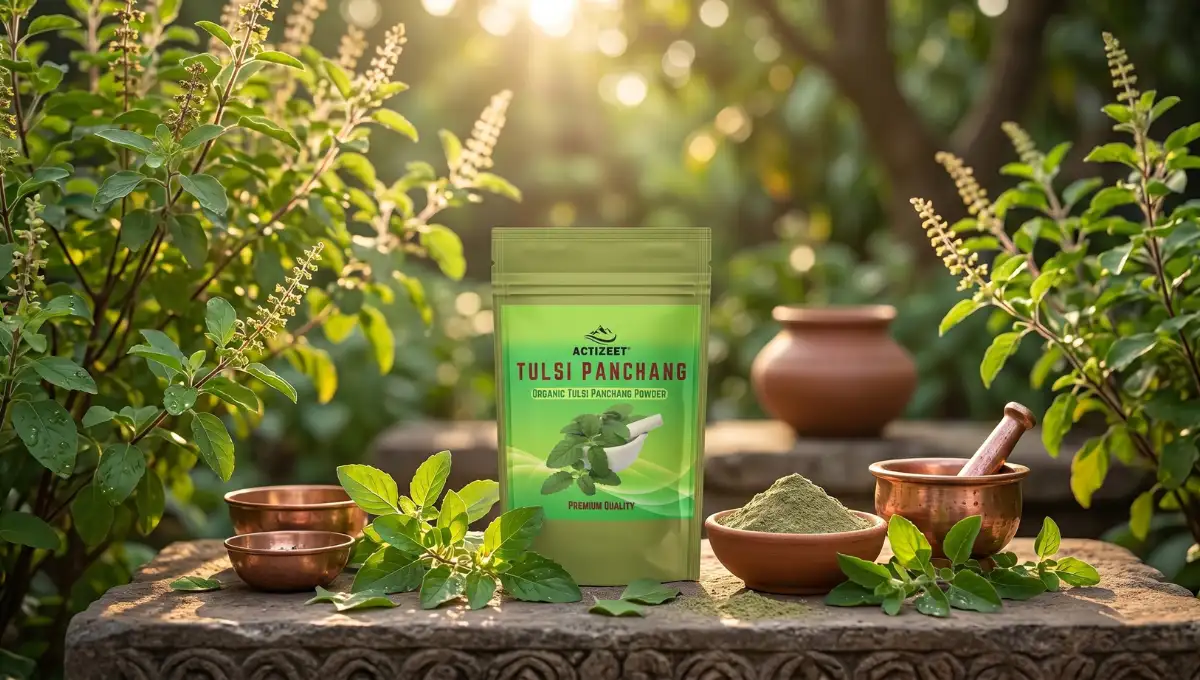
Tulsi powder, made from the dried leaves, stems, flowers, seeds, and roots of the entire plant (called Panchang, or "five-part" preparation), concentrates these therapeutic compounds into a convenient, accessible form for daily use. In this guide, we cover 15 specific Tulsi powder benefits grounded in published research, explain the biology behind each one, and show you how ACTIZEET® Tulsi Panchang Powder brings this ancient, comprehensive formulation into your daily wellness practice.
Tulsi Panchang powder is made from all five parts of the Ocimum sanctum plant: leaves (patra), roots (moola), stem (kanda), flowers (pushpa), and seeds (beeja). Each part contributes distinct phytochemical compounds, making Panchang preparation more comprehensive than leaf-only powders. The primary bioactive compounds include eugenol (the dominant active compound, 36–71% of the essential oil, with anti-inflammatory, analgesic, and antimicrobial activity), ursolic acid (anti-inflammatory, anti-cancer), rosmarinic acid (antioxidant, antimicrobial, neuroprotective), beta-caryophyllene (anti-inflammatory via CB2 receptor), linalool (anxiolytic, sedative), camphor (antimicrobial, analgesic), methyl eugenol, and a rich profile of flavonoids including orientin and vicenin. ACTIZEET® Tulsi Panchang Powder captures all five plant parts to deliver the complete phytochemical spectrum.
Key Active Compounds in Tulsi Powder
Tulsi powder's extraordinary therapeutic breadth is driven by a diverse phytochemical profile. The Panchang preparation captures compounds from all five plant parts that would be absent in leaf-only preparations.
| Compound | Primary Source | Key Therapeutic Action |
|---|---|---|
| Eugenol | Leaves, flowers (36–71% of essential oil) | Anti-inflammatory; analgesic; antimicrobial; antifungal; antioxidant; anticancer; cardioprotective |
| Ursolic Acid | Leaves, stem | Anti-inflammatory; anticancer; liver-protective; anti-obesity; anti-diabetic |
| Rosmarinic Acid | Leaves, stems | Potent antioxidant; anti-inflammatory; neuroprotective; antimicrobial; antiallergic |
| Beta-Caryophyllene | Leaves, seeds | Anti-inflammatory via CB2 receptor; analgesic; neuroprotective; anti-anxiety |
| Linalool | Leaves, flowers | Anxiolytic; sedative; anti-inflammatory; analgesic; GABA modulating |
| Camphor | Leaves | Antimicrobial; analgesic; antispasmodic; decongestant; rubefacient |
| Orientin and Vicenin | Leaves | Radioprotective; antioxidant; anti-inflammatory; cardioprotective |
| Ocimumosides A and B | Leaves | Adaptogenic; anti-stress; normalizes cortisol and neurotransmitters |
15 Tulsi Powder Benefits
Adaptogenic activity is the most foundational of all Tulsi powder benefits and the one that underpins its recognized effect across multiple body systems. Tulsi is known to be an adaptogen, aiding the body in adapting to stress by harmonizing various bodily systems. It is classified as an adaptogen because it helps the body maintain physiological equilibrium across physical, chemical, and biological stressors, producing more proportionate and sustainable stress responses rather than the chronic cortisol excess that drives so many modern health problems.
A landmark comprehensive review of Ocimum sanctum published in PMC (December 2024), titled "Harnessing the Antibacterial, Anti-Diabetic and Anti-Carcinogenic Properties of Ocimum sanctum Linn (Tulsi)," confirmed that Tulsi is known to be an adaptogen that aids the body in adapting to stress by harmonizing various bodily systems. The review documented specific adaptogenic compounds including Ocimumosides A and B, which normalize stress-induced changes in neurotransmitter levels in the brain and adrenal function. A separate randomized, double-blind, placebo-controlled trial (Lopresti et al., 2022, Frontiers in Nutrition) investigating Ocimum tenuiflorum extract found significant improvements in stress, mood, and sleep in adults experiencing stress.
The adaptogenic mechanism operates primarily through the HPA (hypothalamic-pituitary-adrenal) axis, with Ocimumosides A and B specifically normalizing cortisol production and the catecholamine stress response. Beta-caryophyllene contributes additional adaptogenic activity through CB2 receptor agonism. The result is a calmer, more resilient stress response that does not sacrifice the body's ability to respond to genuine threats while preventing the burnout and tissue damage associated with prolonged stress activation. For daily stress management, half a teaspoon of Tulsi powder in warm water morning and evening provides consistent adaptogenic support.
Tulsi's antimicrobial properties are among its most extensively researched pharmacological activities and among the most practically relevant to everyday health. Research tells us that Tulsi has benefits including fighting bacterial infections naturally, and the scientific basis for this encompasses gram-positive and gram-negative bacteria, multiple fungal species, and even some viral pathogens.
The 2024 PMC review specifically focused on Tulsi's antibacterial properties as a primary area of documented activity, confirming that phytochemicals found in Ocimum sanctum, such as eugenol, rosmarinic acid, and ursolic acid, exhibit immunomodulatory activities that influence immune cell functions and boost immune responses alongside direct antimicrobial activity. Eugenol, which constitutes the majority of Tulsi's essential oil fraction, disrupts bacterial cell membranes through a mechanism that makes resistance development significantly harder than with conventional single-target antibiotics.
Tulsi essential oil contains camphor, eucalyptol, eugenol, alpha-bisabolene, beta-bisabolene, and beta-caryophyllene, all of which are proposed to be responsible for the antimicrobial properties of the leaf extracts. This multi-compound antimicrobial profile is why Tulsi has been used across Ayurveda, folk medicine, and contemporary natural health practice as a broad-spectrum natural antiseptic for wounds, oral infections, skin conditions, and respiratory pathogen management.
Blood sugar management is one of the most clinically relevant and frequently studied Tulsi powder benefits. Research tells us that holy basil benefits include naturally decreasing symptoms caused by unbalanced blood sugar, and Tulsi's anti-diabetic activity is now one of the primary areas in which the 2024 PMC review specifically focused, titling the paper to highlight its antibacterial, anti-diabetic, and anti-carcinogenic properties.
The mechanisms behind Tulsi's blood sugar-lowering activity are multiple. Ursolic acid inhibits alpha-glucosidase, the enzyme that breaks down dietary carbohydrates into glucose, slowing postprandial blood sugar absorption. Eugenol enhances insulin receptor sensitivity at the cellular level, improving the cells' response to existing insulin. Rosmarinic acid reduces the oxidative stress in pancreatic beta cells that drives their dysfunction and death in type 2 diabetes. The combined result is a meaningful multi-pathway anti-diabetic effect documented across multiple animal studies and smaller human trials.
🌿 ACTIZEET® Tulsi Panchang Powder: all five plant parts for the most complete Tulsi therapeutic profile. Pure, no fillers, 300 grams.
Explore ACTIZEET® →Immune modulation is one of the most consistently documented Tulsi powder benefits across the pharmacological literature. Holy basil's therapeutic potential is astounding, with immunotherapeutic mechanisms reported across multiple dimensions: the phytochemicals found in O. sanctum including eugenol, rosmarinic acid, and ursolic acid exhibit immunomodulatory activities that can influence immune cell functions and boost immune responses.
The immunomodulatory activity operates through several pathways simultaneously. Administering O. sanctum leaf extract has been shown to stimulate both innate and adaptive immunity, enhancing natural killer cell activity, macrophage phagocytic capacity, and T-cell proliferation. Ursolic acid specifically upregulates the production of interferon-gamma, a critical signaling molecule in antiviral immune defense. The adaptogenic cortisol-normalizing effect also supports immune function indirectly, as chronic cortisol elevation is one of the most consistent causes of immune suppression across populations.
Traditional medical literature including the Indian Materia Medica mentioned Tulsi leaf preparations for the treatment of pyrexia (fever), rheumatism, and bronchitis, all of which reflect the immune-supporting and anti-infective applications of the plant that have been validated by modern research. For immune support, Tulsi powder taken consistently during seasonal transition periods, high-stress phases, and winter months provides comprehensive immune resilience support through multiple simultaneous immunological mechanisms.
Tulsi's anti-inflammatory activity is multi-compound and multi-pathway, addressing several of the most clinically significant inflammatory signaling cascades simultaneously. The extracts of O. sanctum have the ability to reduce chronic inflammation linked to neurological disorders such as Parkinson's and Alzheimer's disease, reflecting anti-inflammatory activity that extends from the peripheral tissues to the central nervous system.
The primary anti-inflammatory compounds are eugenol (which inhibits COX enzymes responsible for prostaglandin synthesis, the same mechanism as pharmaceutical NSAIDs), ursolic acid (which suppresses NF-kappaB signaling, the master inflammatory transcription factor), and beta-caryophyllene (which reduces inflammatory cytokine production through CB2 receptor agonism). Together these compounds provide a broad-spectrum anti-inflammatory effect that is relevant for joint inflammation, gut mucosal inflammation, skin inflammation, and neuroinflammation, covering the full range of inflammatory conditions that affect human health.
Respiratory support is one of Tulsi's oldest, most consistently documented, and most culturally universal traditional applications. In India, eating Tulsi leaves raw to fight off a cough or cold is a common practice that spans generations. The tradition is backed by the pharmacological profile of the plant's volatile compounds, particularly camphor, eucalyptol, and eugenol, which provide combined antimicrobial, anti-inflammatory, decongestant, and expectorant benefits.
Traditional medical literature specifically mentioned Tulsi preparations for the treatment of bronchitis, one of the most prevalent respiratory conditions globally. Camphor in Tulsi powder acts as a bronchodilator that helps open airways. Eugenol reduces the inflammatory response in respiratory mucosa that drives cough and airway narrowing. The combined antimicrobial compounds target respiratory pathogens including the bacteria and viruses responsible for upper respiratory tract infections, providing both preventive and therapeutic antimicrobial protection.
For respiratory use, Tulsi powder can be made into a tea with ginger and honey, the classic Ayurvedic cold remedy that addresses respiratory infection from multiple directions simultaneously. The aromatic compounds released in the steam of warm Tulsi tea also provide direct inhalation benefit to the respiratory mucosa during preparation and consumption.
Tulsi powder's combined antimicrobial, anti-inflammatory, and antioxidant properties make it one of the most effective natural treatments for skin conditions, particularly acne. Research tells us that holy basil benefits include naturally decreasing symptoms caused by acne, and the mechanism is well-understood: eugenol and the essential oil fraction target Cutibacterium acnes (the bacteria that colonize blocked follicles), while the anti-inflammatory compounds reduce the redness, swelling, and pain of inflammatory acne lesions.
Beyond acne, Tulsi's antioxidant compounds, particularly rosmarinic acid and the flavonoids orientin and vicenin, protect skin cells from the oxidative damage that drives premature aging, uneven pigmentation, and post-inflammatory hyperpigmentation. The astringent properties of the tannins in Tulsi powder help tighten pores and reduce excess sebum production that contributes to new acne formation. For both internal and topical skin benefit, Tulsi powder addresses the same skin problems from two complementary routes: internal use reduces the systemic inflammation and blood sugar imbalances that contribute to hormonal acne, while topical paste application provides direct antimicrobial and anti-inflammatory action at the skin surface.
Cardioprotective activity is confirmed as one of Tulsi's documented pharmacological properties. Tulsi appears to support heart function, including by maintaining healthy arteries and circulation. The cardioprotective mechanisms involve several of Tulsi's primary compounds working through complementary pathways.
Eugenol is specifically a calcium channel modulator, which means it relaxes the smooth muscle of artery walls, reducing peripheral vascular resistance and blood pressure. Ursolic acid reduces inflammation in vascular endothelium, protecting arteries from the inflammatory damage that underlies atherosclerosis. Orientin and vicenin provide antioxidant protection to cardiac tissue, reducing the oxidative stress that contributes to heart failure and arrhythmia. Rosmarinic acid helps prevent platelet aggregation, reducing the clot formation risk that drives most heart attacks and strokes.
In Ayurvedic classification, Tulsi is described as a herb that strengthens the heart and promotes circulation, a recognition of its cardiovascular benefits that predates modern pharmacology by thousands of years but is now supported by a growing body of molecular evidence for each of the specific mechanisms listed above.
🌿 Experience the Elixir of Life daily. ACTIZEET® Tulsi Panchang Powder, five plant parts, one complete formula.
Shop Now →Tulsi's oral health applications are among its most directly validated specific therapeutic uses, supported by formal comparative clinical research. A study found that Tulsi powder exhibited comparable effectiveness to chlorhexidine (CHX), the pharmaceutical gold standard for oral antimicrobial preparations, in clinical data for gingivitis treatment, while a separate study examining the effects of chewing Tulsi leaves on salivary acidogenicity showed meaningful reductions in the acid production that drives dental caries.
Tulsi may fight bacteria in your mouth that can lead to dental issues such as cavities, plaque, tartar, and bad breath. The specific oral bacteria targeted by Tulsi's eugenol and camphor content include Streptococcus mutans (cavity-causing), Porphyromonas gingivalis (gum disease-causing), and various halitosis-producing bacteria. Eugenol is actually used directly by dentists as a topical dental antiseptic and mild analgesic, making Tulsi powder's eugenol content directly relevant to both oral antimicrobial protection and tooth and gum pain relief. For oral care use, Tulsi powder mixed with a small amount of water as a tooth powder or used as a mouth rinse provides consistent antibacterial oral hygiene support.
Neuroprotective activity is one of the most clinically significant and cutting-edge areas of contemporary Tulsi research. The extracts of O. sanctum have the ability to reduce chronic inflammation linked to neurological disorders such as Parkinson's and Alzheimer's disease, and the 2024 PMC review confirmed neurogenesis-promoting properties as one of Tulsi's documented pharmacological activities.
The neuroprotective mechanisms are multi-layered. Rosmarinic acid crosses the blood-brain barrier and provides direct antioxidant protection to neural tissue, reducing the oxidative neuronal damage that drives neurodegenerative disease. Ursolic acid promotes the production of BDNF (brain-derived neurotrophic factor), the protein critical for neural plasticity, memory formation, and the growth of new neurons. Beta-caryophyllene's CB2 receptor agonism provides anti-neuroinflammatory effects through the endocannabinoid system. Neuroprotective potential of O. sanctum leaf extract has been specifically confirmed in preventing and attenuating stress-induced substantia nigral neuronal damage, the specific brain region damaged in Parkinson's disease.
Tulsi powder is exceptionally rich in antioxidant compounds, with free radical-scavenging activity confirmed across multiple experimental systems. Rosmarinic acid, one of Tulsi's primary phenolic compounds, is among the most potent natural antioxidants in the Lamiaceae family, with DPPH radical scavenging activity comparable to pharmaceutical antioxidants. Orientin and vicenin are glycosylated flavones in Tulsi that provide both lipid-soluble and water-soluble antioxidant protection, covering the full range of cellular environments where oxidative damage occurs.
The anticancer effects of tulsi have earned it the title of "queen of herbs" in Ayurvedic treatment, and the antioxidant activity is the foundational mechanism that protects against not just cancer but the full spectrum of oxidative aging, including cardiovascular disease, neurodegeneration, metabolic syndrome, and accelerated skin aging. For daily antioxidant support, consistent Tulsi powder intake provides a multi-compound, multi-environment antioxidant protection that supplements a healthy diet and lifestyle to reduce the cumulative oxidative burden that drives aging at the cellular level.
Digestive health is one of Tulsi's most consistently documented traditional applications across Ayurvedic, folk, and Chinese medicine traditions. Tulsi has been studied for its extracts' potential to treat a wide range of illnesses including gastrointestinal problems, and its anti-digestive pathogen properties have been specifically studied. The oil from Tulsi leaves has been found to inhibit bacteria from the gut including E. coli and others that are common causes of digestive infection and food poisoning.
The digestive benefits extend beyond antimicrobial protection. Tulsi's antispasmodic properties relieve the smooth muscle cramping that drives digestive discomfort. Its carminative compounds reduce bloating and flatulence by dispersing trapped gas. The anti-inflammatory eugenol and ursolic acid reduce gastric mucosal inflammation that underlies gastritis, peptic ulcers, and inflammatory bowel symptoms. The adaptogenic stress-regulation additionally supports digestive function indirectly by reducing the cortisol-driven gut motility disruptions that cause stress-related irritable bowel symptoms.
Antidepressant and mood-supporting properties are confirmed in the 2024 PMC review as documented pharmacological activities of Ocimum sanctum. A randomized, double-blind, placebo-controlled trial (Lopresti et al., 2022, Frontiers in Nutrition) specifically found significant improvements in stress and mood in adults experiencing stress following Holy Basil extract supplementation, providing formal clinical trial evidence for Tulsi's mood benefits.
The mood-supporting mechanisms involve multiple neurotransmitter systems. Linalool in Tulsi modulates GABA receptors, reducing neural excitability and anxiety. Beta-caryophyllene supports the endocannabinoid system's mood regulation pathways. Ocimumosides A and B normalize stress-induced changes in monoamine neurotransmitters including serotonin and dopamine. The adaptogenic cortisol regulation indirectly improves mood by reducing the sustained stress hormone elevation that drives anxiety and depression.
Research tells us that holy basil benefits include naturally decreasing anxiety and adrenal fatigue and dysfunction, reflecting the recognition of Tulsi's anxiolytic and mood-supporting properties across both clinical research and functional medicine practice.
Anti-carcinogenic activity is specifically highlighted in the title of the 2024 PMC review as one of Tulsi's primary documented properties. The anticancer effects of Tulsi have earned it the title of "queen of herbs" in Ayurvedic treatment. Tulsi leaves, which have high concentrations of eugenol, have been shown to have anticancer properties, and in various cancers, eugenol exerts its antitumor effects through a number of different mechanisms.
A PMC review titled "An Update on the Therapeutic Anticancer Potential of Ocimum sanctum L.: 'Elixir of Life'" (2023) specifically focused on documenting the anticancer and chemopreventive effects of Tulsi and its primary phytoconstituent eugenol against a wide range of cancer types. The review found that Tulsi has been studied for its potential to treat a wide range of illnesses from the common cold to heart disease to gastrointestinal problems, but specifically examined the anticancer pathways in detail. Ongoing clinical trials are evaluating Tulsi plant compounds for potential anticancer effects, and the review confirmed that eugenol exerts antitumor effects through multiple mechanisms including apoptosis induction, anti-angiogenesis, and cell cycle arrest.
It is critically important to clarify that Tulsi powder is not a cancer treatment. The research is primarily at preclinical stages, with clinical trials ongoing. However, the consistent identification of multiple anti-cancer mechanisms in Tulsi's compounds by independent research groups provides the scientific basis for understanding why this plant has been revered as a disease-prevention botanical across cultures for millennia.
One of the most unique and least commonly known Tulsi powder benefits is its radioprotective activity, which distinguishes it from virtually every other common culinary or medicinal herb. Radioprotective, immunomodulatory, and anti-inflammatory activities are all confirmed properties documented in the 2024 PMC review, with radioprotection specifically attributed to the flavone glycosides orientin and vicenin that are characteristic of Tulsi among culinary herbs.
Orientin and vicenin were found to protect cellular DNA and chromosomes from radiation-induced damage in research models, preserving cell integrity and reducing radiation-induced chromosomal aberrations. This radioprotective activity has implications not just for those undergoing medical radiation therapy (where Tulsi has been investigated as a complementary protectant) but for the general population experiencing continuous low-level radiation exposure from environmental sources, medical imaging, and modern electronic environments.
This radioprotective property, combined with Tulsi's comprehensive antioxidant activity that protects DNA from oxidative damage through multiple free radical mechanisms, makes Tulsi powder one of the most complete natural DNA-protective botanical preparations available for daily use.
ACTIZEET® Tulsi Panchang Powder harnesses all five parts of authentic Ocimum sanctum, leaves, roots, stems, flowers, and seeds, to deliver the most complete Tulsi therapeutic profile available. No single-part preparation comes close to the full phytochemical spectrum of a true Panchang preparation. Pure, 300 grams, no fillers, no additives.
🌿 Shop ACTIZEET® Tulsi Panchang Powder →How to Use Tulsi Panchang Powder
Tulsi Panchang powder is versatile and suitable for multiple forms of daily use. Here are the most effective and practical methods.
Tulsi Tea (Classic)
Add half a teaspoon to a cup of boiling water. Steep for 5 minutes, strain if preferred, and add honey and ginger. Drink once or twice daily. This is the most traditional and well-recognized preparation for immunity, stress, and respiratory health.
Warm Water Tonic
Dissolve half a teaspoon in warm water and drink on an empty stomach first thing in the morning. Ayurveda considers morning consumption on an empty stomach to maximize absorption of the active compounds and prime digestive and immune function for the day.
Skin Face Mask
Mix one teaspoon of Tulsi powder with rose water or raw honey into a smooth paste. Apply to cleansed skin, leave for 10 to 15 minutes, rinse with cool water. Use twice weekly for acne management, skin brightening, and antimicrobial protection.
Tooth Powder
Apply a small amount directly to a wet toothbrush or mix with coconut oil as a natural toothpaste. Use daily for antibacterial oral care, gum health, and fresh breath. The camphor and eugenol content provides real antimicrobial dental benefit.
Smoothie Addition
Add one quarter teaspoon to a green smoothie with spinach, ginger, and lemon. The bold flavors in the smoothie offset Tulsi's pungent taste while delivering its adaptogenic, antioxidant, and immune-supporting compounds effectively.
Culinary Use
Add a pinch to soups, lentils, and cooked vegetable dishes. The pungent, clove-like, slightly sweet flavor of Tulsi powder (driven by eugenol) complements Indian cooking naturally while delivering therapeutic benefit through everyday meals.
What Tulsi Powder Combines Well With
Tulsi powder works synergistically with complementary herbs and foods that enhance its core benefits.
Safety Guidelines
Tulsi Panchang powder has an excellent safety record with centuries of daily use across populations in South and Southeast Asia. Basic precautions apply for certain groups.
- Start with a small dose. Begin with one quarter teaspoon daily and increase gradually to half a teaspoon or one teaspoon over 1 to 2 weeks. Tulsi is potent and some people experience mild digestive adjustment at higher doses initially.
- Pregnancy caution. Due to Tulsi's mild uterotonic properties at high doses, it should be consumed in small culinary amounts only during pregnancy. Medicinal doses require qualified practitioner guidance during pregnancy or breastfeeding.
- Blood-thinning medication interaction. Eugenol in Tulsi has mild anticoagulant properties. People on blood-thinning medications (warfarin, aspirin, clopidogrel) should discuss regular Tulsi powder use with their doctor.
- Diabetes medication interaction. Tulsi's blood sugar-lowering effect may interact with antidiabetic drugs and potentially cause hypoglycemia. Monitor blood sugar closely when starting Tulsi supplementation if you are on medication for diabetes.
- Thyroid medication interaction. Some research suggests Tulsi compounds may influence thyroid hormone production. People on thyroid medication should discuss supplementation with their doctor as a precaution.
- Long-term high-dose use. While daily culinary and moderate supplemental use is safe for most people, very high doses of Tulsi powder over extended periods without practitioner guidance are not recommended, as the eugenol content may potentially affect liver enzymes at excessive doses.
- Store correctly. Keep in a sealed, dark container away from light and moisture. Properly stored Tulsi powder has a shelf life of 18 to 24 months. Exposure to moisture causes rapid quality degradation.
Frequently Asked Questions
Final Thoughts: The Elixir of Life Lives Up to Its Name
The 15 Tulsi powder benefits covered in this guide collectively explain why Ayurveda gave this plant the title "Elixir of Life" and why a 2024 PMC review could credibly title a comprehensive paper highlighting its antibacterial, anti-diabetic, and anti-carcinogenic properties alongside its adaptogenic, immunomodulatory, anti-inflammatory, cardioprotective, neurogenesis-promoting, and antidepressant pharmacological activities. Very few plants in the world support a research profile this broad with this level of scientific documentation.
The Panchang formulation matters. Just as Ayurvedic wisdom has long specified that the whole plant is more therapeutically complete than any of its individual parts, modern phytochemistry is confirming that different parts of the Tulsi plant contribute distinct and non-redundant bioactive compounds. A leaf-only preparation is a partial picture of what Tulsi can offer. ACTIZEET® Tulsi Panchang Powder gives you the complete picture.
Whether you are drawn to Tulsi for daily stress management and adaptogenic resilience, for blood sugar support, for immune strengthening, for respiratory health, for skin clarity, or simply as a foundation of Ayurvedic preventive wellness practice, consistent daily use of a high-quality Panchang preparation is one of the most well-validated and accessible natural health decisions available to anyone, regardless of their health goals or background.
Latest From Our Blog

Ashwagandha and Aging: The Indian Herb That Helps You Age Gracefully
Discover how Ashwagandha and aging are deeply connected. Reclaim your...

How Ashwagandha Powder is Made, From Root to Pure Herbal Power
Learn how Ashwagandha powder is made, from harvesting and drying...

Shankhpushpi Powder for Memory: The Science, the Tradition, and How to Use It
Discover how Shankhpushpi powder for memory works, what the science...

Nettle Leaf For Weight Loss
How does Nettle Leaf help in effective weight loss? Read...