
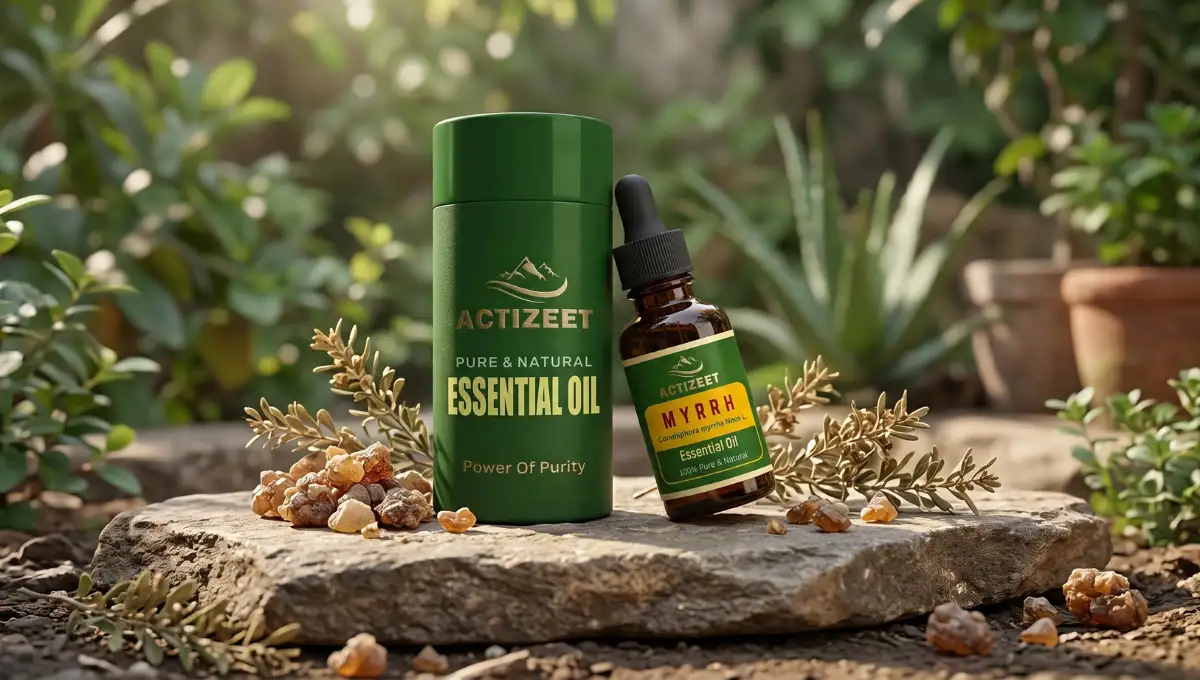
15 Myrrh Essential Oil Benefits That Prove This Biblical Treasure Is Still One of Nature's Most Powerful Healers
Mentioned over 150 times in the Bible and prized by ancient Egyptians, Greeks, and Arab physicians for millennia, myrrh essential oil has a therapeutic legacy unlike almost any other botanical. Today, pharmacological research is confirming what sacred traditions always understood about this remarkable resin.
The word "myrrh" comes from the Arabic word for "bitter," which is murr. It is a fitting name for a resin that carries within its bitterness an extraordinary depth of therapeutic value. When the Magi carried myrrh to the infant Jesus alongside gold and frankincense, they were not simply bearing symbolic gifts. They were bringing what was, in that era, among the most valuable medicinal substances on Earth, priced by weight on par with gold at various points in ancient trade history.
The ancient Egyptians used myrrh in the embalming process not just for its fragrance but because they understood, through empirical observation over centuries, that it slowed biological decay and prevented infection, applications we now recognize as evidence of its powerful antimicrobial and antioxidant activity. Egyptian women used myrrh preparations as face creams to prevent aging. Arab physicians prescribed it for wounds, pain, inflammation, and digestive complaints. The Ebers Papyrus, an Egyptian medical text from 1550 BC, lists myrrh among 700 therapeutic remedies.
Steam-distilled from the hardened resin "tears" that seep from bark wounds on Commiphora myrrha trees native to northeastern Africa and the Arabian Peninsula, myrrh essential oil is one of the most chemically complex botanicals in the aromatic world. A 2024 PMC comprehensive review confirmed that modern pharmacological studies have validated myrrh's anti-inflammatory, antioxidant, analgesic, anti-tumor, antibacterial, and anti-Alzheimer's disease properties, along with its ability to regulate lipid metabolism and promote wound healing.
In this guide, we cover 15 specific myrrh essential oil benefits backed by research and tradition, explain the mechanisms behind each one, and show you how ACTIZEET® pure Myrrh Essential Oil can bring these benefits into your daily wellness and skincare practice.
Myrrh essential oil is steam-distilled from the dried resinous sap (tears) of Commiphora myrrha trees, primarily grown in Somalia, Ethiopia, and Yemen. The resin forms naturally when the tree bark is wounded, seeping out and hardening into aromatic nuggets that are then collected and distilled. The oil is amber to dark brown in color with a warm, earthy, slightly bitter, and balsamic aroma. Its primary bioactive compounds are sesquiterpenes (the largest fraction, including furanoeudesma-1,3-dione, curzerene, lindestrene), furanosesquiterpenes, terpenoids, flavonoids, and small amounts of steroids and sterols. These compounds drive the oil's diverse therapeutic activity across antimicrobial, anti-inflammatory, antioxidant, analgesic, and wound-healing pathways.
Key Active Compounds in Myrrh Essential Oil
Myrrh essential oil is one of the most chemically complex essential oils available. The following primary compounds drive its broad therapeutic profile.
| Compound | Typical Content | Primary Therapeutic Action |
|---|---|---|
| Furanoeudesma-1,3-dione | ~31% | Analgesic (opioid receptor interaction); anti-inflammatory; primary pain-relief compound |
| Curzerene | ~23% | Antiviral (influenza A); anti-inflammatory; antimicrobial; analgesic |
| Lindestrene | ~12% | Anti-inflammatory; antifungal; antimicrobial |
| Germacra-1(10),7,11-trien-15-oic acid derivative | ~14% | Anti-inflammatory; antioxidant |
| Commiphoric acids (resins) | Significant | Antimicrobial; anti-inflammatory; astringent; hepatoprotective |
| Flavonoids | Present | Antioxidant; anti-inflammatory; antimicrobial; neuroprotective |
| Sterols and steroids | Present | Anti-inflammatory; immune-modulating; cholesterol-supporting |
15 Myrrh Essential Oil Benefits
Antimicrobial activity is the most extensively documented and historically consistent of all myrrh essential oil benefits, supported by a research tradition stretching from the empirical observations of ancient Egyptian embalmers to contemporary microbiological studies in peer-reviewed journals. Ancient Egyptians understood that myrrh slowed biological decay, which is exactly what broad-spectrum antimicrobial activity achieves at the cellular level.
The antimicrobial compounds in myrrh essential oil, particularly the sesquiterpene components including curzerene, lindestrene, and furanoeudesma-1,3-dione, disrupt bacterial cell membranes and interfere with the metabolic processes that bacteria need to survive and replicate. Scientists know that myrrh kills bacteria and other microbes, and in Biblical times, myrrh incense burned in places of worship was specifically used to help purify the air and prevent the spread of illness, a practical antimicrobial application that predates germ theory by thousands of years.
A comprehensive review published in PMC titled "The Genus Commiphora: An Overview of Its Traditional Uses, Phytochemistry, Pharmacology, and Quality Control" (November 2024) confirmed that modern pharmacological studies have validated myrrh's antibacterial properties alongside its anti-inflammatory, antioxidant, analgesic, and anti-tumor activities. The review documented that in traditional Chinese medicine, Ayurvedic medicine, and traditional Arabic medicine, myrrh is regarded as an important medicinal material, widely used in the treatment of trauma, arthritis, hyperlipidemia, and other diseases, with antibacterial activity consistently listed among its primary confirmed pharmacological properties.
For practical applications, myrrh essential oil diluted in a carrier oil can be applied to minor skin infections, wound areas, and skin conditions where bacterial overgrowth is a contributing factor. Adding it to a diffuser in enclosed spaces creates an air-purifying effect with genuine antimicrobial activity, continuing the tradition that has made myrrh incense part of religious and healing spaces for five millennia.
Wound healing is one of myrrh's most ancient and most practically validated applications. Egyptian physicians used myrrh preparations on wounds centuries before modern medicine. Greek and Roman soldiers carried myrrh in their field medicine kits as a wound dressing. The tradition is supported by pharmacological research showing that myrrh promotes wound closure through multiple simultaneous mechanisms.
The wound healing process involves three overlapping phases: inflammatory (cleaning the wound and preparing for repair), proliferative (building new tissue), and remodeling (strengthening the repaired tissue). Myrrh addresses all three phases. Its antimicrobial compounds prevent the infection that would derail the healing process. Its anti-inflammatory compounds regulate the inflammatory phase without eliminating it. And its cell-regenerating properties support fibroblast activity and collagen synthesis during the proliferative phase. Myrrh features in many products used to maintain healthy skin and has been part of medical practice for millennia, with wound healing consistently among its most recognized traditional therapeutic uses.
For practical wound care, diluted myrrh essential oil applied carefully to clean minor wounds, cuts, abrasions, or skin fissures provides combined antiseptic and regenerative support that honors the therapeutic tradition established over five thousand years of clinical use.
Oral health is the most clinically validated specific application of myrrh in contemporary research, backed by formal double-blind, placebo-controlled clinical trials. Myrrh has been traditionally used as an antiseptic and astringent for application to inflamed lesions of the throat and mouth, as well as for the treatment of gingival conditions, and this traditional application has now been directly confirmed in controlled clinical research.
A 2019 double-blind, placebo-controlled study of myrrh found that when used in mouthwash, the herb effectively treated plaque and gingivitis. This represents formal clinical trial evidence for one of myrrh's oldest documented applications: its use for conditions of the mouth and gums. Modern herbalists continue to use myrrh for its traditional uses related to the mouth including canker sores, gum disease, halitosis, and sore throat. Tincture of myrrh may be applied directly to canker sores or inflamed gums, or diluted in water and used as a gargle for throat inflammation and oral infections.
The oral health mechanism involves myrrh's antimicrobial compounds targeting the specific bacteria responsible for plaque formation, gingivitis, and periodontal disease, including Streptococcus mutans and periodontal pathogens. The astringent properties of myrrh's resinous compounds help tighten inflamed gum tissue, reduce bleeding, and create a firmer, healthier gum line. For oral care applications, adding 1 to 2 drops of myrrh essential oil to an oil pulling preparation or using a diluted myrrh water rinse twice daily provides consistent antimicrobial and anti-inflammatory oral care support.
🦔 ACTIZEET® Myrrh Essential Oil: pure Commiphora myrrha, steam-distilled to preserve the full sesquiterpene therapeutic profile for real healing results.
Explore ACTIZEET® →Myrrh has long been used in parts of Asia as a traditional medicine for inflammatory diseases, and this traditional application is now supported by published pharmacological research. The anti-inflammatory activity is driven primarily by the sesquiterpene compounds in the oil, particularly furanoeudesma-1,3-dione and lindestrene, which inhibit key pro-inflammatory pathways including NF-kappaB signaling and prostaglandin synthesis.
In 2015, researchers published results of a rodent study indicating that myrrh may help treat inflammation linked to rheumatoid arthritis, demonstrating that the oil's anti-inflammatory activity extends to the joint and systemic inflammatory contexts alongside its traditionally recognized topical applications. The anti-inflammatory compounds work both when applied topically to inflamed tissue and when delivered through the olfactory route during aromatherapy, creating a multi-pathway anti-inflammatory effect that is relevant across diverse inflammatory conditions from skin to joints to respiratory tissue.
The combined anti-inflammatory and antimicrobial activity of myrrh makes it particularly valuable for conditions where inflammation is driven by or complicated by infection, a combination that is common in dental disease, skin infections, respiratory illness, and wound healing scenarios where both problems need to be addressed simultaneously.
Myrrh essential oil is a recognized antioxidant, and its skin-protective properties are among its most commercially popular and personally accessible benefits. The antioxidant properties of myrrh effectively benefit everything from wrinkles to chapped or cracked skin, reflecting a skin application that spans ancient Egyptian cosmetic practice and modern natural skincare formulations.
The antioxidant activity of myrrh compounds, particularly its flavonoids and terpenoids, neutralizes free radicals that cause oxidative damage to skin cells, collagen fibers, and cell membrane lipids. A study published in Food and Chemical Toxicology found that myrrh emulsion demonstrated powerful antioxidant activity, protecting against oxidative damage by reducing lipid peroxidation and enhancing antioxidant enzyme levels. While this study focused on hepatic (liver) protection, the same antioxidant mechanisms are directly relevant to skin aging where lipid peroxidation in cell membranes drives the visible signs of premature aging.
For practical anti-aging use, myrrh essential oil diluted in a carrier oil such as rosehip seed or jojoba applied nightly provides sustained antioxidant protection to the skin's upper layers where environmental oxidative damage from UV and pollution is most intense. The oil is particularly valued for dry, mature, cracked, or chapped skin where its combination of antioxidant, antimicrobial, and moisture-sealing properties creates a comprehensive repair treatment.
Myrrh essential oil has documented analgesic (pain-relieving) properties that are now understood at a molecular level. The primary analgesic compound, furanoeudesma-1,3-dione (the most abundant compound in the oil at approximately 31%), has been specifically shown to interact with opioid receptors in the central nervous system, producing analgesic effects through a mechanism similar to that of endogenous pain-regulating compounds. This is a genuinely significant finding: a natural compound from a plant resin operating through the same receptor class that pharmaceutical pain medications target.
In 2017, scientists published results suggesting that frankincense and myrrh combined might help relieve neuropathic pain, following positive results treating pain in mice with a frankincense and myrrh combination extract. Analgesic effects of myrrh have been suggested in multiple research contexts, with myrrh traditionally used in numerous formulations for pain across Ayurvedic, Chinese, and Arabic medicine.
For topical pain relief, myrrh essential oil diluted in a warming carrier oil like sesame or castor oil and massaged into sore muscles, aching joints, or areas of nerve pain provides direct analgesic activity through both local anti-inflammatory action and possible receptor-mediated central pain modulation when the oil's volatile compounds are inhaled during the massage application.
Myrrh essential oil has demonstrated antifungal activity against a range of fungal pathogens, extending its antimicrobial spectrum well beyond bacteria. Traditional applications for myrrh specifically include treatment of athlete's foot, ringworm, yeast infections, and other fungal skin conditions, reflecting a cross-cultural recognition of its antifungal utility that predates modern mycology by thousands of years.
The sesquiterpene compounds in myrrh oil, particularly lindestrene and the furanosesquiterpene fraction, disrupt fungal cell membranes in a manner similar to their antibacterial mechanism. For Candida albicans, the most common human fungal pathogen responsible for yeast infections, oral thrush, and certain skin conditions, myrrh has shown meaningful inhibitory activity in laboratory testing. The combined antifungal and anti-inflammatory properties of myrrh make it particularly useful for fungal skin conditions where inflammation accompanies the infection, as both problems are addressed simultaneously with a single preparation.
Myrrh's application for respiratory conditions is one of its most consistently documented traditional uses across Ayurvedic, Chinese, Arab, and European herbal medicine traditions. The oil supports respiratory health through overlapping antimicrobial, anti-inflammatory, and expectorant mechanisms that together address both the infectious causes and the inflammatory symptoms of respiratory ailments. Myrrh is used as an antiseptic for application to inflamed lesions of the throat, and this oral-throat antiseptic application naturally extends to the upper respiratory tract.
Additional respiratory uses for myrrh essential oil include treating bronchitis, colds, flu, and cough, conditions where the combination of antimicrobial protection against respiratory pathogens and anti-inflammatory reduction of airway inflammation is directly relevant. The expectorant properties of myrrh help loosen mucus secretions in the respiratory tract, making coughs more productive and clearing congestion more effectively. For respiratory applications, steam inhalation with 2 to 3 drops of myrrh essential oil delivers the antimicrobial and anti-inflammatory compounds directly to the respiratory mucosa where they are most needed.
🦔 Sacred, grounding, and genuinely therapeutic. ACTIZEET® Myrrh Essential Oil for skin healing, oral care, and spiritual wellness.
Shop Now →Myrrh essential oil has documented hepatoprotective (liver-protecting) activity backed by published research. A study published in the journal Food and Chemical Toxicology found that myrrh emulsion was able to protect against lead-induced hepatotoxicity. The study concluded that myrrh emulsion is a powerful antioxidant that can protect against lead-induced hepatic oxidative damage and immunotoxicity by reducing lipid peroxidation and enhancing the antioxidant and immune defense systems of the liver.
This hepatoprotective activity operates through the same antioxidant and anti-inflammatory mechanisms that drive myrrh's other benefits: the neutralization of reactive oxygen species that damage liver cells during toxin processing, and the reduction of the inflammatory cascades that drive chronic liver disease progression. In traditional Chinese medicine, myrrh is specifically used in formulations for liver conditions and hyperlipidemia (elevated blood fats), reflecting the cross-cultural recognition of its liver-protective properties.
For those with high toxic exposure from environmental pollutants, medications, or dietary factors, incorporating myrrh oil into a daily aromatherapy routine or topical application over the liver area provides a gentle, sustained delivery of its hepatoprotective compounds as a complementary wellness approach.
One of the most recent and scientifically compelling additions to the growing body of evidence for myrrh essential oil benefits is its documented neuroprotective activity and potential relevance to Alzheimer's disease. The 2024 PMC comprehensive review of Commiphora pharmacology specifically confirmed that modern studies have validated myrrh's anti-Alzheimer's disease properties alongside its other pharmacological activities, a finding that reflects growing pharmaceutical interest in myrrh's sesquiterpene compounds as potential therapeutic agents for neurodegenerative conditions.
Myrrh is full of sesquiterpenes, which aid the pituitary, hypothalamus and amygdala, the brain regions deeply involved in emotional regulation, stress response, memory formation, and cognitive function. This sesquiterpene activity on neurological tissue provides a biological basis for the cognitive and emotional effects that aromatherapy practitioners have documented for myrrh for thousands of years, from its traditional use in meditation to enhance mental clarity to its use in ceremonies to deepen spiritual awareness and focus.
For cognitive support, diffusing myrrh essential oil during study, meditation, or cognitively demanding work delivers sesquiterpene compounds through olfactory pathways directly to the limbic brain and associated cognitive structures, where their neuroprotective and cognitive-modulating activity can be expressed.
Myrrh has been used in religious and spiritual practices for over 5,000 years. Its deep, grounding scent naturally induces contemplative states, and its rarity and value made it appropriate for sacred offerings across virtually every major religious and spiritual tradition of the ancient world: Egyptian temple rituals, Hebrew biblical ceremony, Christian liturgy, Islamic prophetic medicine, Buddhist and Hindu incense traditions, and Zoroastrian fire ceremonies all incorporated myrrh. This extraordinary cross-cultural, cross-religious consensus about myrrh's spiritual and psychological qualities is not coincidental.
The sesquiterpenes in myrrh influence the pituitary, hypothalamus, and amygdala, brain structures that govern not just emotion and stress but the neurological foundation of transcendent and meditative states. The warm, earthy, balsamic-sweet aroma of myrrh produces a distinctive neurological response, a slowing and deepening of mental activity, a release of surface anxiety and mental chatter, and a settling into a more present, grounded, and spiritually receptive state of awareness. This uplifting and restorative sense of being produced by myrrh's aromatic compounds is the biological basis for its universal recognition as a sacred and spiritually significant substance.
For meditation, prayer, yoga, or any contemplative practice, diffusing myrrh oil or applying it diluted to the forehead creates an aromatic anchor that deepens the meditative state measurably. When blended with frankincense, the combination that appears repeatedly in sacred traditions worldwide creates a synergistic aromatic environment of unparalleled depth and spiritual resonance.
Myrrh has documented antiparasitic activity that represents one of its more specialized but clinically significant applications. Clinical data suggest myrrh has a potential role in the treatment of schistosomiasis and fascioliasis as an antiparasitic, with clinical trials showing meaningful effectiveness for these parasitic conditions that affect millions of people globally. Schistosomiasis affects over 200 million people worldwide and is a major global health challenge, making myrrh's documented antiparasitic efficacy in this context genuinely significant from a public health perspective.
The sesquiterpene compounds in myrrh, particularly those in the furanoid fraction, appear to create an inhospitable chemical environment for parasites through membrane disruption and metabolic interference mechanisms. The Ebers Papyrus from 1550 BC included myrrh in remedies for intestinal worms, suggesting that this antiparasitic property was recognized and utilized in medical practice millennia before the concept of parasitology existed. For topical applications against surface parasites including skin mites, myrrh oil's combined antiparasitic and anti-inflammatory properties address both the cause and the associated skin inflammation simultaneously.
Myrrh's digestive applications are among its most consistently documented traditional uses, appearing in the ancient Egyptian, Arab, Chinese, and Ayurvedic medical traditions with remarkable consistency. Applications include treatment for indigestion, stomachache, diarrhea, and hemorrhoids, reflecting the oil's antispasmodic, antimicrobial, and anti-inflammatory properties applied to the gastrointestinal system.
The antispasmodic properties of myrrh help relax the smooth muscle of the gastrointestinal tract, relieving cramping and digestive discomfort. The antimicrobial compounds address the gut pathogens that cause infection-driven diarrhea and digestive upset. The anti-inflammatory properties reduce mucosal inflammation that underlies conditions from gastritis to inflammatory bowel disorders. When taken internally in appropriate small doses as directed by qualified practitioners, myrrh has been used as a digestive tonic across multiple traditional medicine systems.
For topical digestive support, diluted myrrh oil massaged gently over the abdomen in circular motions delivers antispasmodic and anti-inflammatory compounds to the gut through transdermal absorption while simultaneously providing calming aromatherapeutic benefit through inhalation during the application.
Myrrh essential oil's broad-spectrum antimicrobial activity serves immune function by reducing the pathogen load that the immune system must respond to, but its immune-supporting properties extend beyond simple pathogen reduction. Research has found that myrrh acts as a powerful antioxidant that enhances the antioxidant and immune defense systems of the host, suggesting direct immunomodulatory activity that supports immune cell function alongside pathogen reduction.
The flavonoid content of myrrh preparations contributes specific immune-modulating activity, enhancing natural killer cell function and macrophage activity that form the first line of innate immune defense. The anti-inflammatory sesquiterpenes help balance the immune response to be appropriately activated against genuine threats without the chronic inflammatory overactivation that characterizes many autoimmune and inflammatory immune conditions.
During seasonal transitions when immune vulnerability rises, or during periods of high stress when cortisol suppresses immune function, regular aromatic use of myrrh essential oil and targeted topical application to pulse points provides sustained immune-supporting benefit through the oil's combined antioxidant, anti-inflammatory, and immunomodulatory compound activity.
The anti-cancer research on myrrh is one of the most active areas of contemporary pharmacological investigation and one that requires careful, balanced discussion. A group of Chinese researchers revealed that extracts and compounds from Commiphora myrrha resin may be effective against human gynecologic cancer cells, with findings published in the Journal of Medicinal Plants Research. The 2024 PMC Commiphora review also specifically confirmed anti-tumor properties among myrrh's validated pharmacological activities.
The anti-tumor mechanisms identified in myrrh research include induction of apoptosis (programmed cell death) in cancer cell lines through sesquiterpene compounds, anti-angiogenic activity (reducing the formation of blood vessels that feed tumor growth), and the general anti-inflammatory and antioxidant mechanisms that reduce the chronic cellular stress known to contribute to cancer initiation. Myrrh and frankincense are both included in prophetic medicine traditions specifically for their "healing of diseases" properties, and both are now subjects of active anti-cancer research.
It is critically important to state clearly that myrrh essential oil is not a cancer treatment. The research is primarily at preclinical stages. However, the consistent identification of anti-tumor mechanisms by independent research groups adds an important dimension to understanding why myrrh has been regarded as such a powerful healing substance across every culture that has encountered it for five thousand years.
ACTIZEET® Myrrh Essential Oil is steam-distilled from authentic Commiphora myrrha resin, sourced directly from the Horn of Africa and Arabian Peninsula where the finest myrrh resin has been produced for millennia. Pure, unadulterated, and processed to preserve the full sesquiterpene therapeutic profile. Sacred tradition, modern quality.
🦔 Shop ACTIZEET® Myrrh Essential Oil →How to Use Myrrh Essential Oil
Myrrh essential oil is a warm, thick, resinous oil that should always be diluted before topical application. Its base note quality means it releases slowly over time, making it excellent for long-lasting aromatherapy and skin care applications.
Topical Skin Care
Dilute 3 to 5 drops in one teaspoon of carrier oil (jojoba, rosehip, or argan). Apply to dry, aged, chapped, or wound-prone skin nightly. Excellent for skin regeneration, anti-aging, and treating minor cuts and infections.
Oral Care
Add 1 to 2 drops to one tablespoon of coconut oil for oil pulling. Alternatively, add 1 drop to a glass of water for a gentle antimicrobial mouth rinse. Gargle for throat infections and inflammation. Never swallow concentrated myrrh oil.
Meditation Diffusion
Add 3 to 4 drops to a water diffuser. Use alone or blended with frankincense for deep, grounding meditation and spiritual practice. Creates an atmosphere of centered calm, mental clarity, and contemplative depth.
Steam Inhalation
Add 2 to 3 drops to a bowl of hot water. Inhale steam for 5 to 10 minutes for respiratory support, congestion relief, and antimicrobial benefit during colds and upper respiratory infections.
Massage Blend
Blend 5 drops into two teaspoons of warm sesame or coconut oil. Massage into areas of joint pain, muscle soreness, or tension. The analgesic sesquiterpenes and anti-inflammatory compounds provide warming, sustained pain relief.
Personal Fragrance
Dilute 8 drops in one tablespoon of jojoba oil. Apply to pulse points as a grounding, warm, balsamic personal fragrance. Myrrh is a base note with exceptional skin-stay, often lasting 8 hours or more after application.
What Myrrh Essential Oil Blends Well With
Myrrh is a warm, earthy, slightly sweet and smoky base note that adds depth, grounding, and spiritual resonance to aromatic blends of many types.
Safety Guidelines and Precautions
- Always dilute before topical application. A 1 to 3% dilution in carrier oil is appropriate for adults. Myrrh is a thick, viscous oil that benefits from dilution in lighter carrier oils. For facial skin, use 1 to 2% maximum.
- Not for use during pregnancy. Myrrh should be avoided during pregnancy. It may stimulate uterine contractions and has traditionally been used to promote menstruation. This is a firm contraindication, not a precaution.
- Do not ingest without professional guidance. While myrrh resin has internal uses in traditional medicine at specific doses, concentrated essential oil should not be ingested without qualified practitioner supervision and direction.
- Patch test before first topical use. Apply a small diluted amount to the inner wrist and wait 24 hours. Some individuals may experience skin sensitization, particularly with repeated undiluted use.
- Blood-thinning medication interaction. Myrrh may have mild anticoagulant properties. People on blood-thinning medications should consult their doctor before regular use.
- Diabetes medication interaction. Myrrh may influence blood sugar levels in some research models. People on diabetes medications should monitor blood sugar when starting myrrh supplementation.
- Storage. Keep in a sealed, dark amber glass bottle in a cool location. Myrrh essential oil is one of the more stable essential oils due to its high sesquiterpene content, with a shelf life of 5 to 8 years with proper storage. Its viscosity increases with age but this does not indicate degradation.
Frequently Asked Questions
Final Thoughts: Sacred for Thousands of Years, Validated by Science
The 15 myrrh essential oil benefits covered in this guide collectively explain why this resin has held a position of extraordinary value across virtually every human civilization that has encountered it for five thousand years. From the ancient Egyptian Ebers Papyrus to the biblical Magi's gifts, from the Roman battlefield medics to the 2024 PMC pharmacological review confirming its anti-inflammatory, antioxidant, analgesic, anti-tumor, and anti-Alzheimer's properties, myrrh keeps delivering findings that justify serious therapeutic attention.
What is particularly remarkable about myrrh's research profile is the breadth. Most essential oils produce compelling evidence in one or two therapeutic areas. Myrrh shows meaningful activity across antimicrobial, anti-inflammatory, wound healing, oral health, analgesic, antifungal, hepatoprotective, neuroprotective, antiparasitic, and anti-cancer research contexts simultaneously. This is consistent with its profile as one of the most complex and versatile botanical resins in the natural world.
The spiritual and emotional grounding dimension adds a dimension that science is only beginning to characterize but that five thousand years of cross-cultural consensus firmly establishes as genuine. The sesquiterpenes in myrrh that influence the pituitary, hypothalamus, and amygdala create neurological effects that make myrrh truly multi-dimensional in its therapeutic value.
ACTIZEET® Myrrh Essential Oil brings you authentic, pure Commiphora myrrha steam-distilled from traditionally sourced resin, honoring both the sacred tradition and the science that together make myrrh worth every drop.
Latest From Our Blog

15 Marigold Essential Oil Benefits That Make This Golden Flower One of Nature’s Most Powerful Healers
Discover 15 science-backed marigold essential oil benefits. From wound healing...

Best Lotus Oil in India 2026: A Complete Buyer’s Guide to Pure, Authentic Nelumbo nucifera Essential Oil
Looking for the best lotus oil in India in 2026?...

15 Tangy Lemon Essential Oil Benefits: How Citrus limon d-Limonene Delivers ScienceDirect Anxiety Relief, PMC DNA Protection, Anticancer Research, Antimicrobial, and India’s Most Uplifting Aromatic Therapy
Discover 15 tangy lemon essential oil benefits including ScienceDirect anxiety...

15 Vetiver Essential Oil Benefits: How India’s “Oil of Tranquility” Uses Over 300 Bioactive Compounds to Calm the Mind, Heal the Skin, and Ground the Spirit
Discover 15 vetiver essential oil benefits from anti-inflammatory and antimicrobial...