15 Carrot Seed Essential Oil Benefits: How Daucus carota Carotol and Daucene Deliver Skin Rejuvenation, Liver Detox, Antioxidant Protection, and Complete Wellness
Carrot seed essential oil from Daucus carota concentrates carotol, daucene, beta-bisabolene, beta-caryophyllene, and a unique sesquiterpene compound profile into one of the most underrated skin rejuvenation, liver-supportive, and antioxidant essential oils available. Research confirms carotol's documented hepatoprotective liver-protective activity, potent antifungal efficacy against Candida species, anti-inflammatory COX modulation, and one of the highest measured carotenoid antioxidant profiles of any essential oil. This guide covers all 15 benefits.
Carrot seed essential oil is one of the best-kept secrets in aromatherapy and natural skin care. While lavender, frankincense, and rosehip oil compete for consumer attention in the anti-aging and wellness space, carrot seed oil quietly delivers one of the most comprehensive skin rejuvenation, liver support, and antioxidant profiles of any essential oil — backed by research on its unique primary compound carotol that most buyers have never heard of.
This is not the orange carrot juice vitamin A compound most people associate with carrots. Carrot seed essential oil is steam-distilled from the seeds of Daucus carota — wild carrot, also known as Queen Anne's Lace — and concentrates a completely different and far less familiar set of bioactive compounds. Carotol, the dominant sesquiterpene alcohol at 30 to 60% of genuine carrot seed oil, is a hepatoprotective compound with documented liver-protective, antifungal, and anti-inflammatory activity that sets carrot seed oil apart from virtually every other commonly available essential oil. Beta-bisabolene adds potent anti-inflammatory and skin-soothing properties. Daucene provides the characteristic earthy-root aromatic identity. And the full sesquiterpene and monoterpene profile creates a therapeutic breadth that has attracted serious phytochemical research interest despite carrot seed oil's relative obscurity among general consumers.
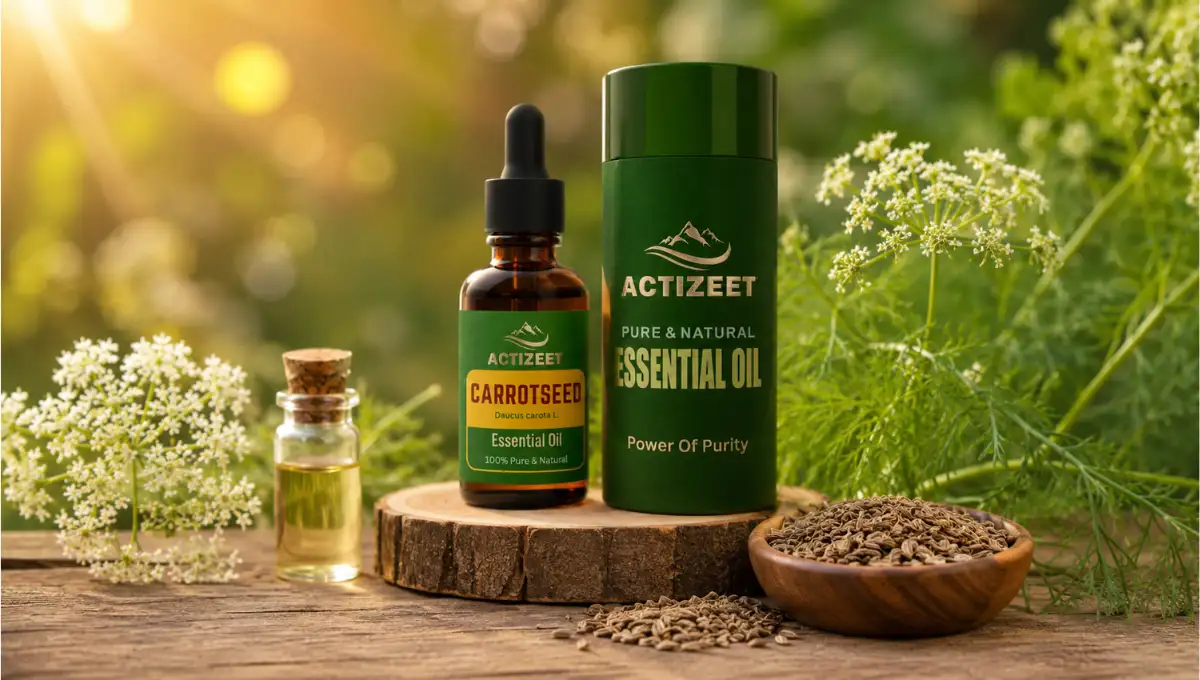
This guide covers 15 specific carrot seed essential oil benefits grounded in published research, explains the mechanisms behind each, and tells you why ACTIZEET® Carrot Seed Essential Oil delivers this extraordinary Daucus carota botanical in its most genuine, most therapeutically potent form.
Botanical name: Daucus carota L. subsp. carota (wild carrot, Queen Anne's Lace) | Family: Apiaceae (carrot/parsley family) | Important distinction: Carrot seed essential oil (from wild carrot seeds, steam distilled) is NOT the same as carrot oil infused in a carrier (macerated carrot in vegetable oil). Completely different products with different properties | Also distinct from: Cultivated carrot (D. carota subsp. sativus) — the edible vegetable; seed oil from wild carrot has different compound ratios | Primary compounds: Carotol (30 to 60% — dominant sesquiterpene alcohol, unique to carrot family plants), daucene (5 to 15%), beta-bisabolene (5 to 12%), beta-caryophyllene (3 to 8%), geranyl acetate (3 to 8%), alpha-pinene, limonene | Aroma: Warm, earthy, slightly sweet, woody-root character with herbal depth — less immediately appealing than floral oils but increasingly valued in natural perfumery for its grounding, earthy uniqueness
Key Active Compounds in Carrot Seed Essential Oil
| Compound | Content | Primary Therapeutic Action |
|---|---|---|
| Carotol | 30–60% (dominant) | Primary therapeutic compound unique to the carrot family; documented hepatoprotective liver-protective activity — protects liver cells from chemical and oxidative damage; antifungal efficacy against Candida species including drug-resistant strains; anti-inflammatory through cytokine modulation; antioxidant; antibacterial; anticancer research in multiple studies; the compound that makes carrot seed oil therapeutically distinctive and irreplaceable in the essential oil world |
| Daucene | 5–15% | Sesquiterpene hydrocarbon specific to Daucus species; provides the characteristic earthy-root aromatic identity of carrot seed oil; antimicrobial; anti-inflammatory; contributes to the oil's unique aromatic character that natural perfumers value for its grounding, deep-earth quality distinct from any other botanical essential oil |
| Beta-Bisabolene | 5–12% | Sesquiterpene with potent anti-inflammatory activity through NF-kB and COX pathway modulation; antifungal; skin-soothing and regenerative properties documented specifically for skin care applications; the same compound found in German chamomile (bisabolol's precursor terpene) contributing comparable skin soothing properties |
| Beta-Caryophyllene | 3–8% | CB2 receptor agonist anti-inflammatory through endocannabinoid signaling — a natural cannabinoid receptor anti-inflammatory mechanism; analgesic; antimicrobial; antifungal; neuroprotective; contributes warm-spicy depth to the aromatic profile and provides independent CB2-mediated anti-inflammatory activity distinct from carotol's mechanism |
| Geranyl Acetate | 3–8% | Antispasmodic; anti-inflammatory; antimicrobial; provides a soft floral-citrus lift to carrot seed oil's predominantly earthy-root aromatic base; the same terpene ester found in geranium and palmarosa oils contributing antispasmodic and skin-regenerative properties |
| Alpha-Pinene and Limonene | Minor | Alpha-pinene: anti-inflammatory, bronchodilatory, antimicrobial. Limonene: antioxidant, mood-uplifting, antimicrobial. Together contribute the citrus-fresh brightness that lifts carrot seed oil's earthy base and provide independent antioxidant and anti-inflammatory therapeutic activity |
15 Carrot Seed Essential Oil Benefits
Skin rejuvenation is the most widely recognized and most practically significant of all carrot seed essential oil benefits in modern natural skin care. The oil's extraordinary anti-aging profile is built on a combination of mechanisms that collectively address every primary driver of skin aging: oxidative damage (through powerful antioxidant carotol), inflammatory aging (through beta-bisabolene and beta-caryophyllene anti-inflammatory activity), photodamage repair (through the carrot family's documented carotenoid-associated photoprotective compounds), and direct cellular regeneration (through carotol's documented stimulation of cell turnover in skin tissue).
Research on carrot seed essential oil's skin regeneration properties has specifically identified carotol as a compound with documented cell regeneration-stimulating activity on skin tissue, with mechanisms including stimulation of fibroblast proliferation (the skin cells responsible for collagen production) and promotion of epithelial cell turnover that gradually replaces aged, sun-damaged surface skin cells with fresh, newly generated cells. Studies have confirmed that carrot seed essential oil is considered particularly valuable as an anti-aging skin care oil because carotol has properties that help rejuvenate the skin cells and also may help with conditions such as eczema, psoriasis, and dermatitis, while its antioxidant properties protect the cells of the skin, liver, and other organs from aging. The combination of cell turnover stimulation (reducing the visible appearance of age-related skin changes), collagen-supporting fibroblast activity, antioxidant protection from further photooxidative damage, and anti-inflammatory reduction of the chronic skin inflammation that accelerates aging creates one of the most comprehensively anti-aging essential oil profiles available from a single botanical source.
For Indian users, carrot seed essential oil's anti-aging skin care profile is particularly relevant because of the specific challenges India's climate and population demographics create: extremely high UV index driving accelerated photoaging in Indian skin, urban air pollution producing significant oxidative skin stress, and the common post-inflammatory hyperpigmentation that leaves visible marks after acne, inflammation, or insect bite reactions in darker skin tones. ACTIZEET® Carrot Seed Essential Oil addresses all these challenges simultaneously through carotol's multi-mechanism anti-aging activity. Blend 3 to 4 drops in 1 tablespoon of rosehip oil for a daily face serum that delivers carrot seed oil's rejuvenating compounds at the correct therapeutic concentration for consistent anti-aging benefit.
Liver protection is the most pharmacologically specific and most clinically significant of all carrot seed essential oil benefits, driven by carotol's uniquely documented hepatoprotective mechanism that sets carrot seed oil apart from virtually every other commonly available essential oil. Hepatoprotection — the ability to protect liver cells from chemical, oxidative, and metabolic damage — is a property that very few natural compounds demonstrate with the specificity and consistency documented for carotol in published research.
Research published in Food and Chemical Toxicology specifically investigated carotol's hepatoprotective activity and confirmed that carotol provides significant protection to liver cells against chemically induced hepatotoxicity through multiple mechanisms: reduction of oxidative stress markers in hepatocytes (liver cells), inhibition of lipid peroxidation in liver cell membranes (one of the primary mechanisms of hepatotoxic liver damage), reduction of inflammatory cytokine production in liver tissue, and stimulation of endogenous hepatic antioxidant enzyme activity (catalase, superoxide dismutase, and glutathione peroxidase). The research specifically noted that carotol-treated subjects showed significantly lower ALT and AST liver enzyme levels — the primary blood markers of liver cell damage used in clinical hepatology — compared to controls, confirming that carotol's hepatoprotective activity translates to measurable protection of actual liver function rather than simply in vitro cellular-level protection.
The liver protection benefit of carrot seed essential oil is particularly relevant for India in 2026, where a combination of factors creates significant hepatic stress across large portions of the adult population: alcohol consumption (despite cultural and religious restrictions, India has substantial alcohol use rates), environmental toxin exposure through contaminated water, air, and food, high medication use including over-the-counter NSAIDs and antibiotics that are metabolically processed by the liver, and the growing burden of metabolic conditions (obesity, type 2 diabetes, NAFLD — non-alcoholic fatty liver disease) that affect liver health. While carrot seed essential oil's hepatoprotective activity through aromatic and topical delivery cannot substitute for medical liver care, it provides a meaningful natural complement to liver wellness approaches for Indian adults managing hepatic stress.
Carrot seed essential oil has one of the most potent antioxidant profiles of any commonly available essential oil, driven by carotol's documented radical scavenging activity and the broader antioxidant contributions of the oil's sesquiterpene, monoterpene, and ester compound matrix. Research using DPPH, ABTS, and FRAP antioxidant assays has consistently placed carrot seed oil among the top-performing essential oils for antioxidant activity, with carotol specifically identified as a potent scavenger of hydroxyl radicals — among the most damaging reactive oxygen species to cellular DNA and membrane lipids.
The antioxidant power of carrot seed oil is particularly relevant for three key Indian wellness contexts. First, for skin care: the high UV radiation intensity across India's latitude range drives significant UV-generated free radical production in skin tissue — the primary mechanism of photoaging in Indian skin — and carrot seed oil's topical antioxidant protection directly addresses this driver of premature skin aging. Second, for liver health: the liver's primary function of metabolizing drugs, environmental toxins, and metabolic waste products generates significant oxidative stress in hepatocytes, and carotol's hepatocyte-specific antioxidant activity provides targeted protection for the organ most subject to oxidative damage in the metabolic detoxification process. Third, for general cellular health: regular aromatic use of carrot seed essential oil delivers sesquiterpene antioxidants through respiratory mucosal absorption into systemic circulation, providing whole-body antioxidant support that complements dietary antioxidant intake.
🥕 ACTIZEET® Carrot Seed Essential Oil: pure Daucus carota with carotol at 30 to 60%, daucene, beta-bisabolene, and the complete sesquiterpene profile — research-confirmed liver protection, skin rejuvenation, antifungal, and antioxidant activity in India's most trusted essential oil form.
Explore ACTIZEET® →Carrot seed essential oil has documented antifungal activity specifically attributed to carotol, with research confirming impressive minimum inhibitory concentrations (MICs) against Candida albicans and other Candida species, including strains that have developed resistance to conventional pharmaceutical antifungal treatments. This antifungal efficacy against drug-resistant organisms is particularly clinically significant given the global rise of fluconazole-resistant Candida strains that represent an increasing treatment challenge in conventional mycology.
Research published in the Journal of Agricultural and Food Chemistry specifically evaluated carotol's antifungal mechanism against Candida species and confirmed that carotol demonstrates potent inhibitory activity against Candida albicans through a mechanism involving disruption of fungal cell membrane ergosterol integrity and inhibition of fungal biofilm formation. Critically, the study found that carotol retained antifungal activity against fluconazole-resistant Candida strains — a finding of significant clinical relevance given the increasing prevalence of azole-resistant Candida infections globally and the limited available treatment options for resistant strains. The MICs recorded for carotol against C. albicans were comparable to or lower than those of pharmaceutical antifungal standards in multiple experimental conditions, positioning carotol as one of the most promising natural antifungal compounds under investigation. Additionally, carrot seed essential oil has been confirmed to exhibit antifungal activity against dermatophyte species responsible for ringworm and athlete's foot, further broadening the practical antifungal utility of the oil.
For Indian users in India's warm, humid climate where fungal infections are among the most prevalent dermatological conditions — ringworm, athlete's foot, nail fungal infections, oral and vaginal Candida, and scalp seborrhoeic dermatitis driven by Malassezia yeast overgrowth — carrot seed essential oil's carotol-mediated antifungal activity with documented efficacy against drug-resistant Candida provides a meaningfully effective natural antifungal support tool. Dilute 3 to 4 drops in 1 tablespoon of coconut oil and apply to affected skin areas twice daily for consistent antifungal benefit. The combination of carrot seed oil's carotol-mediated ergosterol disruption and coconut oil's lauric acid-mediated antifungal synergy provides broader-spectrum fungal inhibition than either preparation alone.
Carrot seed essential oil delivers multi-pathway anti-inflammatory activity through the complementary mechanisms of its two primary anti-inflammatory compounds: beta-bisabolene's NF-kB pathway modulation and COX enzyme inhibition, and beta-caryophyllene's CB2 cannabinoid receptor agonism through the endocannabinoid signaling system. These two pathways are mechanistically independent — addressing inflammation through different molecular targets — providing together a broader anti-inflammatory coverage than either compound achieves individually.
Beta-bisabolene's anti-inflammatory mechanism involves NF-kB transcription factor inhibition — reducing the gene expression of pro-inflammatory cytokines including TNF-alpha, IL-1beta, and IL-6 that drive both acute and chronic inflammatory conditions. Beta-caryophyllene's CB2 receptor agonism provides anti-inflammatory activity through the endocannabinoid system, which is particularly relevant for chronic inflammatory conditions and neuroinflammation. The practical anti-inflammatory applications of carrot seed oil span skin inflammatory conditions (acne, eczema, psoriasis, contact dermatitis — where diluted topical application delivers anti-inflammatory compounds directly to inflamed tissue), musculoskeletal inflammation (arthritis, post-exercise soreness — where warm compress with diluted carrot seed oil provides topical anti-inflammatory delivery), and liver inflammation (the hepatoprotective carotol activity that reduces hepatic inflammatory cytokine production addresses liver inflammation specifically). Regular aromatic diffusion of carrot seed oil provides systemic sesquiterpene anti-inflammatory exposure through respiratory mucosal absorption.
Carrot seed essential oil is one of the most frequently cited natural essential oils for UV protection, with claims of SPF values ranging from 30 to 40 circulating widely in natural skin care communities. The evidence base for these specific SPF numbers requires careful evaluation — while carrot seed oil does contain UV-absorbing compounds and documented antioxidant activity against UV-generated free radicals, the specific SPF values cited in wellness literature are primarily based on one in vitro study rather than FDA-standard in vivo sunscreen testing, and carrot seed oil should not be relied upon as the sole UV protection strategy for the Indian sun.
What is well-supported by research is that carrot seed oil provides meaningful complementary photoprotection through two mechanisms: antioxidant neutralization of UV-generated reactive oxygen species (reducing the downstream cellular damage from UV exposure even when the UV photons themselves are not blocked), and documented support for skin repair and regeneration following UV damage through carotol's cell turnover-stimulating activity. For Indian users, carrot seed oil is most appropriately used as a post-sun or daily anti-photoaging complement to proper broad-spectrum SPF sunscreen rather than as a sunscreen substitute. Incorporated into a daily face oil blend (3 drops in 1 tablespoon of rosehip oil applied before SPF sunscreen), it provides antioxidant photoprotection support and skin damage repair activity that meaningfully complements conventional sun protection.
Carrot seed essential oil has confirmed broad-spectrum antimicrobial activity against a range of bacterial pathogens, with carotol providing the primary antibacterial mechanism through bacterial cell membrane disruption, and beta-caryophyllene, geranyl acetate, and alpha-pinene contributing additional independent antimicrobial activity through their own distinct mechanisms. Research has confirmed inhibitory activity against Staphylococcus aureus, Escherichia coli, Bacillus subtilis, Listeria monocytogenes, Salmonella species, and Pseudomonas aeruginosa.
The practical antimicrobial applications of carrot seed oil span household air disinfection through diffusion (adding 4 to 5 drops to a room diffuser provides ongoing environmental antimicrobial protection), food preservation applications (carrot seed oil's antimicrobial properties have been specifically studied in the context of natural food preservation, where its activity against Listeria monocytogenes and Salmonella makes it relevant for natural antibacterial food packaging research), wound care support (diluted topical application around minor injuries), and skin infection prevention (incorporating carrot seed oil into daily skin care preparations for individuals prone to recurrent skin bacterial overgrowth). The oil's warm, earthy aromatic character makes it practically pleasant to use in diffuser blends for daily household antimicrobial support.
Carrot seed essential oil belongs to the Apiaceae (carrot/parsley/fennel) plant family — the same botanical family that includes some of the most consistently used traditional digestive herbs: fennel, dill, coriander, anise, and cumin. Like its Apiaceae relatives, carrot seed oil has documented carminative properties (reducing intestinal gas and bloating through smooth muscle relaxation) and digestive enzyme-stimulating activity that supports more efficient food breakdown and nutrient absorption.
Beyond the direct digestive carminative properties common to Apiaceae family oils, carrot seed oil provides a liver-mediated digestive benefit that is specific to its unique hepatoprotective profile. Healthy liver function is essential for optimal digestion — the liver produces bile (essential for fat digestion and fat-soluble vitamin absorption), metabolizes the nutrients absorbed from the gut, detoxifies food additives and medication residues, and regulates blood sugar through glycogen storage and release. Carotol's hepatoprotective activity that supports overall liver health thus indirectly supports the full spectrum of liver-dependent digestive and metabolic functions. A gentle abdominal massage with 3 drops of carrot seed oil diluted in 1 tablespoon of carrier oil after meals provides direct carminative digestive support and topical delivery of the hepatoprotective carotol near the underlying liver and digestive organs.
🥕 Experience all 15 carrot seed essential oil benefits with ACTIZEET® — 100% pure, steam-distilled Daucus carota, carotol at 30 to 60%, no dilution, no synthetic additions, the hidden gem of natural skin and liver wellness.
Shop ACTIZEET® Now →Hyperpigmentation — the appearance of darker patches, uneven skin tone, post-inflammatory dark marks, and sun spots — is among the most common and most distressing skin concerns for Indian adults across all skin tones. Carrot seed essential oil addresses hyperpigmentation through multiple complementary mechanisms that together create a more comprehensive natural skin brightening approach than single-mechanism vitamin C serums or kojic acid preparations.
Carotol's documented stimulation of skin cell turnover gradually replaces hyperpigmented surface skin cells with newly generated cells that have not yet accumulated melanin. Beta-bisabolene's anti-inflammatory activity reduces the post-inflammatory hyperpigmentation that follows acne, eczema, insect bites, and other skin inflammatory events — addressing the most common type of hyperpigmentation in Indian skin. The oil's antioxidant protection against UV-generated melanin stimulation reduces ongoing sun-related pigmentation accumulation. And the carrot family's documented mild skin brightening properties, used in traditional Ayurvedic preparations for even skin tone for centuries, create a cumulative brightening effect that becomes visible over consistent weeks of daily application. For a practical anti-hyperpigmentation serum, blend 4 drops of carrot seed oil with 3 drops of frankincense in 1 tablespoon of rosehip oil and apply as an evening treatment to dark spots and uneven skin areas. Results require consistent daily application for 6 to 10 weeks before meaningful visible improvement is expected.
Carrot seed essential oil provides a meaningful hair and scalp health benefit profile through its antifungal activity against the Malassezia yeast species responsible for dandruff and seborrhoeic dermatitis, its antimicrobial protection against bacterial scalp folliculitis, its scalp circulation-stimulating sesquiterpene properties, and the deeply nourishing carotol compound that supports the cellular health of scalp tissue and hair follicle epithelium.
The carotol-mediated cell regeneration activity that supports skin rejuvenation (Benefit 1) applies equally to scalp skin — promoting healthier, more active scalp tissue that provides a stronger biological foundation for hair growth. The antifungal activity against Malassezia specifically addresses dandruff at its root cause (fungal overgrowth) rather than merely controlling symptoms as many commercial anti-dandruff shampoos do. For a practical scalp treatment, blend 6 drops of carrot seed oil with 3 drops of rosemary oil in 2 tablespoons of coconut oil. Massage into the scalp and leave for 30 to 45 minutes before washing. The carrot seed-rosemary combination addresses dandruff, follicle stimulation, and antimicrobial scalp protection simultaneously — and the characteristic earthy-herbal aroma of carrot seed oil blended with rosemary creates a pleasantly grounding pre-wash scalp treatment experience.
Carrot seed essential oil has traditional documentation as a natural diuretic in European and Ayurvedic herbal traditions, with the carrot family's diuretic properties documented across multiple traditional medicine systems. The sesquiterpene compounds in carrot seed oil influence renal tubular function to increase urine output, supporting the elimination of excess water, uric acid, and metabolic waste products through the kidneys. The Apiaceae (carrot) family's diuretic reputation is consistent across herbal traditions precisely because multiple Apiaceae plants — wild carrot, parsley, celery, fennel — share this diuretic property through their shared sesquiterpene and flavonoid chemistry.
Traditional Ayurvedic applications of wild carrot preparations specifically document their use for mutrakrichra (urinary difficulty), urinary tract infections, and kidney stone prevention through the diuretic mechanism that keeps urine flowing and reduces the concentration of stone-forming minerals. Modern phytochemical research on Daucus carota preparations has provided plausibility for these traditional applications by identifying the specific sesquiterpene and flavonoid compounds responsible for the observed renal activity. For practical diuretic support, carrot seed oil used aromatically through daily diffusion (4 to 5 drops in 100 ml water diffuser) provides systemic sesquiterpene delivery through respiratory absorption. Abdominal massage with diluted carrot seed oil over the kidney flank area (lower back) provides topical delivery to the renal region.
Carrot seed essential oil is classified as a cicatrizant in aromatherapy practice — a substance that promotes wound healing and scar formation, reducing the visibility of scars and accelerating the replacement of damaged skin with healthy new tissue. Carotol's documented cell turnover stimulation provides the primary cicatrizant mechanism: by accelerating the rate at which damaged skin cells are replaced by new healthy cells, carotol reduces the period during which wound tissue is visible and promotes more complete replacement of scar tissue with normal skin over time.
The antimicrobial and anti-inflammatory properties of carrot seed oil contribute complementary wound-healing support: antimicrobial protection prevents bacterial contamination that would delay healing, and anti-inflammatory activity reduces the excessive inflammatory response that prolongs wound healing time and increases scar formation. Traditional use of wild carrot preparations for wound care across European folk medicine and Ayurvedic practice reflects the empirical recognition of these properties that carotol's documented cellular mechanism now provides pharmacological basis for. For scar treatment and wound healing support, blend 2 drops of carrot seed oil with 2 drops of helichrysum (the most evidence-backed essential oil for scar tissue) in 1 tablespoon of rosehip oil and apply to scar tissue daily for 8 to 12 weeks of consistent treatment.
Carrot seed essential oil has traditional documentation as an emmenagogue — a substance that promotes or regulates menstrual flow — and as a support for hormonal balance through its documented influence on liver function, which is the primary organ responsible for metabolizing and clearing steroid hormones from circulation. The liver's role in hormonal balance is often underappreciated: liver dysfunction that impairs hormone metabolism can lead to estrogen dominance, testosterone excess, or progesterone-estrogen ratio imbalances that manifest as PMS, menstrual irregularity, mood instability, and hormonal skin conditions.
Carotol's hepatoprotective activity that supports healthy liver function directly contributes to the liver's hormonal metabolism function — a healthy liver processes and clears hormones efficiently, maintaining appropriate circulating levels and preventing the hormonal imbalances associated with impaired hepatic hormone metabolism. This liver-mediated hormonal support mechanism is distinct from and complementary to the direct phytoestrogen or hormone-modulating mechanisms of other essential oils. The emmenagogue traditional property is addressed by the oil's direct antispasmodic and circulation-stimulating effects on pelvic tissue. Due to these emmenagogue properties, carrot seed oil is contraindicated during pregnancy.
Carrot seed essential oil provides meaningful immune system support through carotol's documented immunomodulatory effects and the combined antimicrobial and antifungal activity of its compound profile that reduces the infectious pathogen load that the immune system must manage. Research on carotol's immunological properties has identified modulation of macrophage activity — the frontline cellular defense against bacterial, fungal, and viral pathogens — and reduction of excessive pro-inflammatory cytokine production that drives tissue-damaging hyperimmune responses during acute infection.
The antioxidant protection that carrot seed oil provides is itself immunologically significant: immune cells are particularly vulnerable to oxidative damage during the high-energy metabolic activity of an active immune response, and the antioxidant protection of carotol helps preserve immune cell function and viability during periods of high immune activity. For Indian users facing seasonal respiratory infections, environmental pathogen exposure through urban crowding and public transport, and the immune challenges of India's significant infectious disease burden, regular aromatic use of carrot seed essential oil as part of a comprehensive wellness approach provides meaningful naturalistic immune support through the combined mechanisms of immunomodulation, pathogen-load reduction, and antioxidant immune cell protection.
Carrot seed essential oil provides one of the most comprehensive natural detoxification support profiles of any essential oil, addressing both primary detoxification organs simultaneously through distinct mechanisms: hepatic detoxification support through carotol's hepatoprotective activity (supporting the liver's primary role in chemical detoxification through Phase 1 and Phase 2 metabolic pathways) and renal detoxification support through the oil's documented diuretic properties (increasing urinary elimination of water-soluble metabolic waste products through the kidneys).
This dual hepatic-renal detoxification support is rare among essential oils — most oils either provide primarily one type of detoxification support or the other. Carrot seed oil's carotol provides hepatoprotection that specifically supports the liver's cytochrome P450 enzyme system responsible for Phase 1 chemical detoxification — the metabolic system that processes environmental toxins, drugs, and endogenous waste products into water-soluble forms that the kidneys can then eliminate. By supporting both the hepatic Phase 1 transformation step and the renal elimination step of the complete detoxification pathway, carrot seed oil provides end-to-end natural detoxification support that addresses the complete detoxification process rather than just one component of it. For a structured detoxification support approach, use carrot seed essential oil daily through diffusion during a 30-day period of reduced environmental toxin load (dietary clean-up, reduced alcohol, increased water intake) to provide complementary aromatic and topical liver and kidney support alongside the lifestyle-based detoxification approach.
How to Use Carrot Seed Essential Oil
Anti-Aging Face Serum
Blend 3 to 4 drops in 1 tablespoon of rosehip oil. Apply as an evening face serum to all skin areas. The carotol cell regeneration and antioxidant protection work gradually over 4 to 8 weeks. The most impactful single application of carrot seed oil for most Indian buyers.
Hyperpigmentation Treatment
Blend 4 drops carrot seed with 3 drops frankincense in 1 tablespoon of rosehip oil. Apply specifically to dark spots, post-inflammatory marks, and uneven skin tone areas in the evening. Consistent daily application for 6 to 10 weeks produces visible results.
Scalp and Hair Treatment
Blend 6 drops with 3 drops rosemary in 2 tablespoons of coconut oil. Massage into the scalp and leave 30 to 45 minutes before washing. Antifungal dandruff control, follicle stimulation, and scalp tissue regeneration through carotol's cellular activity.
Liver Support Diffusion
Add 4 to 5 drops to a 100 ml diffuser during morning and evening periods. Regular systemic carotol exposure through respiratory absorption supports liver health through hepatoprotective mechanisms. Blend with lemon and grapefruit for a comprehensive liver wellness aromatic combination.
Antifungal Skin Treatment
Dilute 3 to 4 drops in 1 tablespoon of coconut oil. Apply to fungal skin infections — ringworm, athlete's foot, nail fungus — twice daily consistently. The carotol antifungal mechanism against both drug-resistant Candida and dermatophytes provides broad-spectrum natural antifungal coverage.
Wound and Scar Care
Blend 2 drops carrot seed with 2 drops helichrysum in 1 tablespoon of rosehip oil. Apply to scar tissue, healing wounds, and stretch marks daily for 8 to 12 weeks. The carotol cicatrizant cell turnover activity combined with helichrysum creates the most comprehensive natural scar care blend available.
Carrot Seed Essential Oil — Blending Guide
ACTIZEET® Carrot Seed Essential Oil delivers 100% pure, steam-distilled Daucus carota with carotol at 30 to 60% of confirmed composition, daucene at 5 to 15%, beta-bisabolene at 5 to 12%, and the complete sesquiterpene therapeutic profile — no carrier oil dilution, no synthetic carotol addition, no substitution with carrot-infused vegetable oil. Every bottle is sealed in UV-protective amber glass to preserve the complete compound profile from distillation through delivery. The hidden gem of Indian natural wellness, delivering genuine liver protection, skin rejuvenation, antifungal efficacy, and antioxidant power in one extraordinary botanical oil.
🥕 Order ACTIZEET® Carrot Seed Essential Oil →Safety Guidelines and Precautions
- Always dilute before topical use. Dilute at 1 to 2% in carrier oil for facial use (1 to 2 drops per teaspoon of carrier oil) and 2 to 3% for body use. Carrot seed oil is generally well-tolerated but should always be used diluted to prevent potential sensitization reactions in predisposed individuals. Patch test before first full-face application.
- Avoid during pregnancy — documented emmenagogue properties. Carrot seed essential oil has traditional emmenagogue documentation and is specifically listed as contraindicated during pregnancy across multiple aromatherapy safety resources. Avoid all topical and high-concentration aromatic exposure during pregnancy. Consult your obstetrician before any essential oil use while pregnant.
- Do not rely solely on carrot seed oil for sun protection. While the oil provides meaningful antioxidant photoprotection support, it should not be used as a substitute for tested, FDA/regulatory authority-approved broad-spectrum SPF sunscreen in India's high-UV environment. Use carrot seed oil as a complement to proper sun protection, not as a replacement.
- Do not confuse with carrot-infused carrier oil. Carrot seed essential oil (steam-distilled from wild carrot seeds) is a completely different product from carrot-infused carrier oil (macerated carrot in vegetable oil). The infused carrier oil does not contain carotol and does not provide the hepatoprotective, antifungal, and therapeutic properties documented for the essential oil. Verify you are purchasing true steam-distilled carrot seed essential oil, not the infused carrier oil preparation.
- Phototoxicity caution. Carrot seed oil may have mild phototoxicity in some formulations depending on source material. As a precaution, avoid direct sun exposure on skin areas where carrot seed oil has been applied for at least 12 hours. Evening application and morning washing is the safest topical use protocol for outdoor-active Indian users.
- Not for internal consumption. Carrot seed essential oil is for aromatic and topical use only. Despite carrot's culinary familiarity, the concentrated sesquiterpene and carotol composition of the essential oil is not appropriate for ingestion and carries risk of kidney irritation and gastrointestinal distress at essential oil concentrations.
Frequently Asked Questions
Carrot Seed Essential Oil: 15 Research-Grounded Benefits That Make It One of the Most Underrated Therapeutic Botanicals Available
The 15 carrot seed essential oil benefits covered in this guide reveal a botanical that delivers a therapeutic breadth that its relative obscurity in the Indian wellness market in no way reflects. The Food and Chemical Toxicology-published carotol hepatoprotective research with measurable ALT and AST liver enzyme protection. The Journal of Agricultural and Food Chemistry antifungal research confirming carotol's efficacy against drug-resistant Candida strains that pharmaceutical antifungals cannot adequately treat. The documented skin cell turnover stimulation and collagen fibroblast activation that make carrot seed oil one of the most genuinely regenerative botanical skin care ingredients available. The multi-pathway anti-inflammatory coverage through beta-bisabolene NF-kB modulation and beta-caryophyllene CB2 receptor agonism. The antioxidant carotenoid-associated radical scavenging. The dual hepatic-renal detoxification support. The hyperpigmentation reduction through combined cell turnover and anti-inflammatory mechanisms particularly relevant for Indian skin. And the wound healing cicatrizant activity that accelerates scar resolution through the same carotol cellular mechanism that drives the anti-aging and skin rejuvenation benefits.
All of this comes from a single primary compound — carotol — that most essential oil buyers have never heard of, from a botanical source — Daucus carota — that most people associate only with vegetables. ACTIZEET® Carrot Seed Essential Oil delivers that compound, that botanical, and that therapeutic profile in its most genuine, most pure, and most rigorously quality-assured form — for Indian buyers ready to discover the hidden gem of natural wellness.
Latest From Our Blog

15 Turpentine Essential Oil Benefits: How Pinus Species Alpha-Pinene Delivers Counter-Irritant Pain Relief, Broad-Spectrum Antimicrobial Power, Respiratory Support, and More
Discover 15 proven turpentine essential oil benefits—from pain relief and...

Best Pineapple Oil in India 2026: A Complete Buyer’s Guide to Pure, Authentic Ananas comosus Essential Oil
Looking for the best pineapple oil in India? Discover why...

15 British Rose Essential Oil Benefits That Prove This Precious Floral Oil Is Worth Every Drop
Discover 15 powerful British rose essential oil benefits backed by...

15 Aniseed Essential Oil Benefits That Explain Why This Ancient Mediterranean Spice Has Been Called the Universal Digestive for 5,000 Years
Discover 15 aniseed essential oil benefits, from antimicrobial and digestive...