
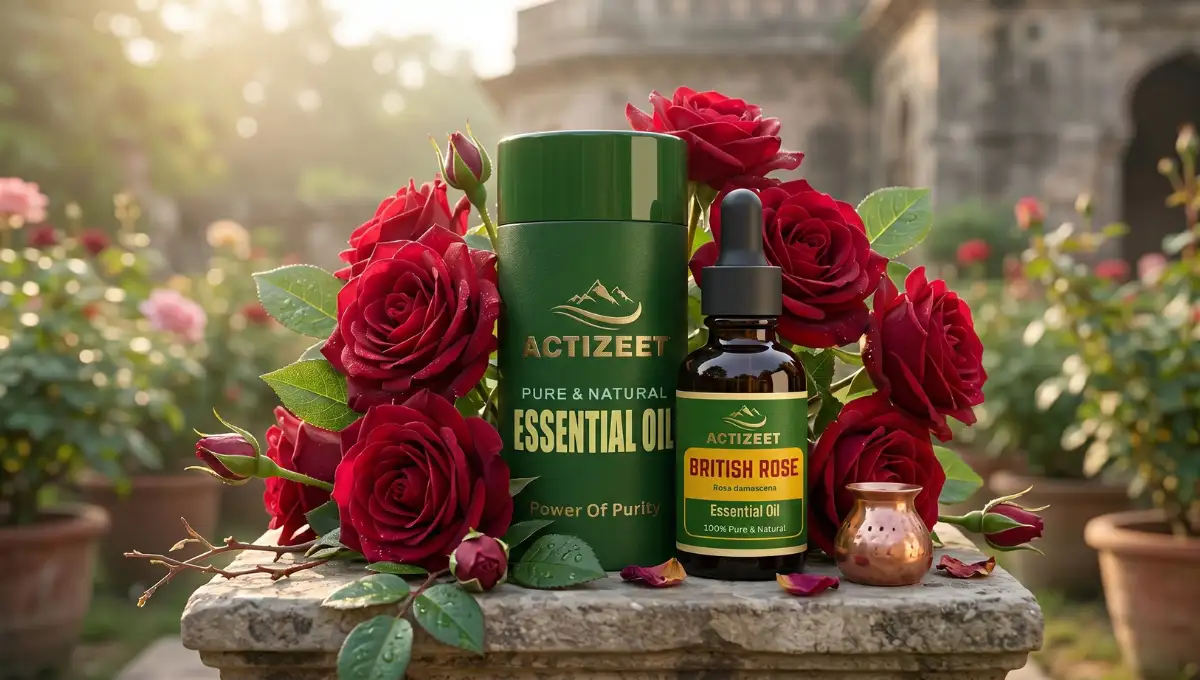
15 British Rose Essential Oil Benefits That Prove This Precious Floral Oil Is Worth Every Drop
Distilled from the soft, densely petaled blooms of Rosa centifolia, British rose essential oil carries one of the most complex aromatic profiles in the natural world. Its beauty goes far deeper than fragrance. Clinical research confirms it as a genuine therapeutic powerhouse for skin, mind, and whole-body wellbeing.
There is a reason rose essential oil is called the "queen of essential oils." It takes roughly 10,000 fresh rose petals to produce just one small bottle of pure oil. The effort, the craftsmanship, and the extraordinary chemistry of the rose flower converge in a product that has been prized for its medicinal and cosmetic properties for over five thousand years.
British rose essential oil, derived from the full-petaled Rosa centifolia (the cabbage rose, celebrated in English gardens) and closely related to Rosa damascena preparations, brings a distinctly rich, soft, and sweet floral character alongside a therapeutic profile that modern science is increasingly validating. The oil contains over 300 identified chemical compounds, including citronellol, geraniol, nerol, linalool, farnesol, eugenol, and phenyl ethyl alcohol, each contributing specific biological activity that supports health from the inside out.
In this guide, we explore 15 specific British rose essential oil benefits grounded in both traditional knowledge and peer-reviewed clinical research. Whether you are drawn to it for skin rejuvenation, emotional support, hormonal balance, or immune health, this oil earns its place in any serious wellness practice.
British rose essential oil is steam-distilled from the petals of Rosa centifolia (the cabbage or hundred-petaled rose) and/or Rosa damascena (the Damask rose), both cultivated extensively in the English rose-growing tradition and globally in Bulgaria, Morocco, Turkey, and Iran. The oil is sometimes called "Rose Otto" when steam-distilled and "Rose Absolute" when solvent-extracted. Both forms contain over 300 active compounds dominated by citronellol (18-45%), geraniol (10-22%), nerol (5-10%), linalool (1-4%), phenyl ethyl alcohol (up to 63% in rose water and some absolutes), and trace quantities of more than 30 additional biologically active compounds. The result is one of the most chemically complex and therapeutically rich essential oils in existence.
Key Active Compounds in British Rose Essential Oil
Rose essential oil is one of the most chemically complex botanicals known to science. Its over 300 compounds create a synergistic therapeutic profile that cannot be replicated by any isolated ingredient. Here are the primary drivers of its health benefits.
| Compound | Typical Content | Primary Therapeutic Action |
|---|---|---|
| Citronellol | 18–45% | Antimicrobial; anti-inflammatory; insect repellent; skin-soothing; contributes primary floral aroma |
| Geraniol | 10–22% | Antioxidant; antifungal; antimicrobial; neuroprotective; supports collagen integrity |
| Nerol | 5–10% | Antimicrobial (especially gram-positive bacteria); calming; sweet citrus-floral aroma |
| Phenyl Ethyl Alcohol | Up to 63% (in absolute) | Antimicrobial; calming; mood-elevating; classic rose scent contributor |
| Linalool | 1–4% | Anxiolytic; sedative; anti-inflammatory; analgesic; GABA modulating |
| Farnesol | Trace–2% | Antibacterial; skin-conditioning; antifungal; long-lasting fragrance fixative |
| Eugenol | Trace–1% | Antiseptic; analgesic; anti-inflammatory; antioxidant |
| Quercetin (plant) | Present in plant | Antiallergic; antioxidant; anti-inflammatory; histamine modulating |
| Gallic Acid (plant) | Present in plant | Potent antioxidant; antimicrobial; anti-inflammatory; free radical scavenging |
15 British Rose Essential Oil Benefits
Anti-aging is one of the most celebrated British rose essential oil benefits and one of the most scientifically supported. The combination of antioxidants, anti-inflammatory compounds, and skin cell growth-promoting mechanisms in rose oil works to address multiple drivers of skin aging simultaneously, which is why it appears consistently at the top of luxury natural skincare formulations.
Geraniol and citronellol, the two dominant compounds in rose oil, fight free radicals that damage collagen and elastin, the proteins that keep skin firm, elastic, and youthful. By neutralizing these reactive oxygen species, they slow the rate of oxidative aging that manifests as fine lines, wrinkles, and loss of skin density. Rose oil contains natural antioxidants that help protect the skin from the signs of aging such as fine lines and dullness. These compounds support collagen production and cell renewal, contributing to smoother, firmer skin over time.
Rose oil also promotes moisture retention and reduces transepidermal water loss (TEWL), keeping the skin plump and well-hydrated at the cellular level. For anti-aging application, 2 to 3 drops of British rose essential oil diluted in a teaspoon of rosehip seed oil creates one of the most effective natural anti-aging serums available, applied nightly after cleansing.
Among all rose essential oil benefits documented in clinical research, anxiety relief is one of the most consistently supported. Multiple controlled studies have found that inhaling rose oil produces measurable reductions in anxiety symptoms, including lowered blood pressure, decreased breathing rate, and reduced self-reported feelings of tension and unease.
A comprehensive review of clinical evidence for rose oil published in PMC (Avicenna Journal of Phytomedicine) analyzed 13 clinical trials involving 772 participants across multiple therapeutic outcomes. The review identified physiological relaxation effects, anti-anxiety effects, and psychological wellbeing improvements as among the most robustly supported benefits across the trials. Rose oil was administered both by inhalation and topically. A double-blind placebo-controlled clinical trial included in the review compared rose oil inhalation with almond oil inhalation and demonstrated significantly greater psychological and physiological relaxation with rose oil, including measurable cardiovascular changes consistent with parasympathetic nervous system activation.
The anxiolytic mechanism involves rose oil's interaction with the olfactory system and limbic brain, particularly the amygdala and hippocampus, which regulate emotional responses and stress. Linalool, which is present in the oil, is a documented GABA receptor modulator, contributing to the calming neurological effect. Nerol adds calming and relaxation-promoting properties, making it a key contributor to the oil's stress-reducing aromatic profile.
Rose essential oil is packed with anti-inflammatory and antimicrobial properties, which makes it particularly useful for those with sensitive, dry, or mature skin types. The soothing nature of rose essential oil comes from its naturally occurring compounds such as citronellol and geraniol, both of which have validated anti-inflammatory mechanisms at the cellular level.
Geraniol inhibits pro-inflammatory cytokine production and reduces inflammatory signaling pathways at the cellular level. Citronellol similarly reduces the release of inflammatory mediators in skin and systemic tissue. Together they create a broad, sustained anti-inflammatory action that is relevant not just for skin conditions but for systemic inflammation across multiple body systems, including joints, respiratory tissue, and gut lining.
The quercetin and gallic acid present in the plant material (and in trace amounts in careful preparations of the whole oil) add flavonoid-based anti-inflammatory activity that modulates histamine release, which is particularly relevant for individuals prone to allergic and reactive inflammatory responses. For anyone managing rosacea, eczema, psoriasis, or general skin sensitivity, British rose essential oil provides a gentle, multi-pathway anti-inflammatory approach that complements rather than conflicts with conventional dermatological care.
🌸 ACTIZEET® British Rose Essential Oil: pure, authentic Rosa centifolia oil with verified citronellol and geraniol content for real skin and wellness benefits.
Explore ACTIZEET® →Rose essential oil has been studied specifically for antidepressant effects, and the results point toward genuine neurological benefit beyond the simple pleasure of a beautiful fragrance. The PMC clinical review identified antidepressant effects as one of the key therapeutic properties reported for rose oil across included trials. A 2024 animal study examined the antidepressive effects of Rosa damascena essential oil and found that it helped alleviate depressive-like behavior, adding to a growing preclinical evidence base.
The mechanism involves rose oil's interaction with monoamine neurotransmitter systems, particularly serotonin and dopamine pathways. These are the same neurotransmitter systems targeted by pharmaceutical antidepressants, but rose oil appears to produce its effects through gentler, olfactory-mediated limbic system modulation rather than direct receptor blockade. This gentler mechanism means it can be used consistently without the side effects, including sexual dysfunction, that pharmaceutical SSRIs often produce. Clinical studies specifically showed rose oil's ability to improve SSRI-induced sexual dysfunction in patients with major depressive disorder, which reflects its positive influence on neurotransmitter balance beyond the simple suppression of depressive symptoms.
Rose essential oil has a well-established reputation in traditional and contemporary aromatherapy as a hormone-balancing botanical, particularly for female reproductive health. Its ability to modulate the limbic system, where the hypothalamus regulates hormonal axis function, creates a downstream effect on hormone production and regulation.
Rose oil's compounds interact with the olfactory system to modulate the limbic brain, influencing mood, stress responses, and hormone regulation. This neurological influence on the hypothalamic-pituitary-adrenal (HPA) axis helps normalize cortisol responses to stress, which is directly relevant to hormonal balance because chronically elevated cortisol disrupts the production of sex hormones, thyroid hormones, and growth hormones.
In Ayurvedic tradition, rose is classified as a herb that specifically balances Pitta dosha, the regulatory force governing hormonal and metabolic function. Clinical studies have demonstrated rose oil's positive effects on menstrual regularity, sexual function in both men and women, and symptoms associated with hormonal fluctuation. For women navigating perimenopause, PMS, or irregular cycles, incorporating British rose essential oil into a daily aromatic or topical wellness routine provides gentle, natural hormonal support.
Pain relief is one of the most extensively clinically studied rose oil benefits. The PMC clinical review identified that most of the included studies, five out of thirteen clinical trials covering 772 participants, evaluated the analgesic effect of rose oil, making it the most frequently studied therapeutic application in the review. This level of clinical focus on analgesia reflects genuine therapeutic interest in rose oil's pain-modulating properties.
Rose oil has been specifically studied for renal colic pain (kidney stone pain), menstrual pain, and post-operative pain, with generally positive results across these very different pain contexts. The analgesic mechanism involves linalool's interaction with GABA receptors, eugenol's mild local analgesic effect, and the broader anxiety-reducing action of the oil that reduces the psychological amplification of pain perception. For topical pain relief, diluted rose oil applied to areas of musculoskeletal discomfort, menstrual cramping, or tension headache provides both direct analgesic action and the calming effect that reduces pain severity.
The antimicrobial properties of British rose essential oil are particularly well-documented for skin care applications, especially for acne management. Rose oil was highlighted in research as having one of the strongest bactericidal activities compared to 10 other tested oils. Alongside thyme, lavender, and cinnamon essential oils, rose oil was able to completely destroy Propionibacterium acnes (now Cutibacterium acnes), the bacteria responsible for acne, after only five minutes of exposure at a mere 0.25% dilution.
Research published in the Avicenna Journal of Phytomedicine and reviewed in PMC confirmed that rose oil possesses broad-spectrum antibacterial and anti-inflammatory effects. Studies identified activity against both gram-positive and gram-negative bacteria. Rose oil's antimicrobial effects are attributed to its high citronellol and geraniol content, both of which disrupt bacterial cell membranes, and phenyl ethyl alcohol, which has documented antiseptic properties. The combination of antimicrobial action, anti-inflammatory reduction of acne-related redness and swelling, and gentle skin-nourishing properties makes rose oil an unusually well-rounded natural acne treatment.
For acne care, 1 to 2 drops of British rose essential oil diluted in jojoba oil applied nightly to cleansed skin provides combined antibacterial and anti-inflammatory benefit. Its gentle profile means it can be used by skin that is too sensitive for conventional acne treatments containing benzoyl peroxide or strong salicylic acid formulations.
Rose has been associated with love, desire, and sexual energy across virtually every human culture that has encountered it. This cross-cultural consensus reflects a genuine physiological reality that modern clinical research has begun to quantify.
Rose oil was shown in clinical trials to improve sexual function in both male and female patients, including those experiencing SSRI-induced sexual dysfunction alongside treatment for depression. The study reported that sexual desire, sexual orgasms, and sexual satisfaction increased, and pain decreased by rose oil inhalation in female participants. The effect of rose oil in improving sexual function in male patients was even stronger than in female patients in one of the published trials.
The mechanism involves rose oil's influence on neurological and endocrine pathways that govern libido. By reducing cortisol (which suppresses testosterone and oestrogen production), modulating dopamine and serotonin activity, and creating the optimal neurological state of relaxed alertness associated with genuine arousal, rose oil addresses the psychological and physiological dimensions of sexual wellness simultaneously.
🌸 Experience the full therapeutic power of ACTIZEET® British Rose Essential Oil, pure and authentic in every drop.
Shop Now →Few essential oils can claim the level of skin tolerance that rose oil demonstrates. Its anti-inflammatory compounds specifically address the hyperreactive skin response that drives conditions like rosacea, contact dermatitis, eczema, and reactive redness. Rose absolute has soothing anti-inflammatory properties and is a tonic for dry, inflamed, and itchy skin conditions.
The quercetin content, which modulates histamine release, gives rose oil a mild antiallergic action that is particularly relevant for people whose skin reactivity is allergy-driven. Reduced histamine response means calmer, less reactive skin over time with consistent use. The moisture-sealing properties of rose oil, including its ability to reduce transepidermal water loss, strengthen the skin's natural barrier function, which is deficient in many sensitive skin conditions.
For sensitive skin applications, a very low dilution of 0.5 to 1% British rose essential oil in an unscented, gentle carrier like squalane or oat oil creates a daily moisturizing treatment that soothes reactivity while delivering antioxidant and antimicrobial protection without overwhelming fragile skin tissue.
British rose essential oil is exceptionally rich in antioxidant compounds that protect the body's cells from oxidative stress, which is one of the fundamental drivers of aging, inflammation, and chronic disease. The combination of citronellol and geraniol provides potent free radical scavenging activity. Gallic acid, present in the plant and extracted into careful oil preparations, is one of the most powerful natural antioxidants identified in botanical research.
Rose essential oil is rich in phenolic compounds and other antioxidants that actively neutralize free radicals, unstable molecules that accelerate aging and cause cellular damage (oxidative stress). This antioxidant activity is relevant at multiple levels: protecting skin cells from environmental damage (UV, pollution, blue light), protecting neural tissue from the oxidative stress that drives cognitive decline, protecting cardiovascular tissue from lipid peroxidation, and supporting the liver's natural detoxification capacity.
For antioxidant skin protection, using British rose essential oil in a morning facial oil before sun exposure provides a natural antioxidant layer that reduces the free radical damage from UV light and environmental pollutants before it can contribute to skin aging.
One of the more scientifically compelling and less commonly discussed British rose essential oil benefits is its neuroprotective and cognitive-enhancing activity. PMC research published in 2024 investigated the cholinergic-supporting and cognitive-enhancing effects of Rosa damascena essential oil in scopolamine-induced amnestic rats, a validated model for studying cognitive impairment.
The study found that the oil supports neurotrophic factors including BDNF (brain-derived neurotrophic factor), which is critical for the formation of new neural connections, the cellular basis of learning and memory. The oil also showed cholinergic-supporting activity, helping maintain acetylcholine neurotransmission, which is disrupted in Alzheimer's disease. Research also found that R. damascena extract significantly stimulates neurite growth and prevents amyloid-beta fibrillation and accumulation in the brain, pointing toward potential protective effects against Alzheimer's pathology.
Menstrual pain (dysmenorrhea) and the emotional symptoms of premenstrual syndrome (PMS) represent one of the most practically relevant applications of British rose essential oil, and one with specific clinical evidence. Rose oil in combination with other essential oils showed beneficial effects in reducing menstrual pain and bleeding in published studies, and rose oil independently has been documented for its analgesic effects in contexts that are directly applicable to menstrual cramping.
Rose oil is considered good for relieving tired and cramped muscles and is excellent in reducing cramping, pain, nausea, and fatigue associated with menstruation. These properties align with the clinical data on its analgesic, antispasmodic, and anti-inflammatory actions. The oil's ability to reduce anxiety and stabilize mood also addresses the psychological component of PMS, including irritability, emotional lability, and low mood that accompany the hormonal fluctuations of the menstrual cycle.
For menstrual care, a diluted rose oil blend massaged into the lower abdomen and lower back during cramping provides direct antispasmodic and analgesic relief. Simultaneously diffusing the oil delivers mood-stabilizing and anxiolytic support through the aromatic route, addressing both the physical and emotional dimensions of menstrual discomfort at the same time.
Rose absolute has antiseptic qualities, helping to treat cuts, minor wounds, and insect bites. It also has a detoxifying and purifying effect. This antiseptic application is one of the most ancient documented uses of rose preparations, found in historical texts from Persia, India, and Europe dating back more than two millennia.
The antimicrobial compounds in rose oil, particularly citronellol, phenyl ethyl alcohol, and nerol, create a broad-spectrum antiseptic action on skin surface wounds that prevents infection without the tissue-damaging harshness of chemical antiseptics like undiluted alcohol or hydrogen peroxide. The anti-inflammatory compounds simultaneously reduce the inflammatory response at the wound site, reducing pain, redness, and swelling while the antimicrobial compounds protect against pathogens.
For wound care use, a diluted rose oil preparation (5 drops in one teaspoon of jojoba oil) applied to clean minor cuts, insect bites, or small abrasions provides both antimicrobial protection and soothing anti-inflammatory benefit. Its pleasant fragrance also makes it more pleasant to use than many conventional wound preparations, which can be a meaningful practical advantage for regular topical care.
The physiological relaxation effects of rose essential oil confirmed in clinical research translate directly into improved sleep quality. Five clinical trials in the PMC review specifically evaluated the physiological relaxation effect of rose oil, with consistent findings of reduced blood pressure, lowered breathing rate, and decreased skin conductance, all physiological markers of parasympathetic nervous system dominance that characterizes the relaxed, ready-for-sleep state.
Linalool, present in rose oil, is one of the most studied sleep-supporting aromatic compounds, with documented GABA receptor modulating activity that promotes sleep onset and reduces nighttime arousal. The oil's ability to reduce cortisol and anxiety before bed addresses two of the most common contributors to poor sleep quality: mental arousal and elevated stress hormones that prevent the body from shifting into restorative sleep mode.
For sleep support, diffusing British rose essential oil in the bedroom 30 minutes before sleep, or applying 1 to 2 drops diluted in a carrier oil to the soles of the feet or pulse points on the wrists and temples, creates a gentle aromatic and topical delivery of the oil's relaxing compounds that can meaningfully improve both sleep onset time and sleep depth with consistent nightly use.
The fifteenth and most holistic of all British rose essential oil benefits is its capacity for deep emotional support, particularly for grief, heartbreak, emotional trauma, and the kind of internal emotional wounds that conventional medicine has few tools to address. Rose has been associated with the heart across virtually every spiritual and healing tradition that has encountered it, and this association runs deeper than poetry.
Rose oil's interaction with the limbic system, specifically the amygdala and hippocampus, gives it genuine biological influence over emotional processing, memory, and the nervous system's learned responses to past trauma. By creating a state of physiological safety and calm while simultaneously activating the reward and pleasure pathways through its extraordinarily beautiful scent, rose oil creates conditions in which emotional processing and release can occur more naturally.
It helps to get rid of unpleasant odors and relaxes the mind and body in ways that support not just surface comfort but deeper emotional restoration. For people navigating difficult life transitions, loss, relationship endings, or periods of emotional depletion, incorporating British rose essential oil into a daily mindfulness, meditation, or journaling practice creates an aromatic anchor for emotional healing that is both scientifically grounded and deeply humanly resonant.
ACTIZEET® British Rose Essential Oil is distilled from authentic Rosa centifolia petals with verified citronellol and geraniol content, the active compounds that drive all 15 benefits in this guide. Pure, unadulterated, and free from synthetic fragrance compounds or carrier oil dilution. The real rose, in its full therapeutic complexity, for the results you deserve.
🌸 Shop ACTIZEET® British Rose Essential Oil →How to Use British Rose Essential Oil
British rose essential oil is highly concentrated and precious. A little genuinely goes a long way. Always dilute before topical use, and appreciate that even a single drop can transform a carrier oil or diffuser blend.
Luxury Facial Serum
Dilute 2 to 3 drops in one teaspoon of rosehip seed or jojoba oil. Apply nightly after cleansing as an anti-aging, skin-brightening, and acne-calming treatment. Results improve over 4 to 8 weeks of consistent use.
Aromatherapy Diffusion
Add 3 to 4 drops to a water diffuser. Use for anxiety relief, mood elevation, sleep preparation, or creating a romantic, calming atmosphere. Blend with sandalwood or cedarwood for added depth and grounding.
Relaxing Bath
Add 5 drops to one tablespoon of carrier oil or unscented bath salts. Dissolve fully before entering the bath. A rose oil bath is one of the most luxurious and genuinely effective stress-relief and skin-nourishing rituals available.
Pulse Point Perfume
Dilute 5 drops in one tablespoon of jojoba oil in a small roller bottle. Apply to wrists, neck, and décolletage. Creates a natural, lasting personal fragrance with therapeutic anxiety-calming and mood-elevating benefits throughout the day.
Scalp and Hair Nourishment
Add 3 drops to one tablespoon of argan or coconut oil. Work through mid-lengths and ends of hair for nourishment, shine, and fragrance. Can be left on as an overnight treatment or applied 30 minutes before washing.
Abdominal Massage for PMS
Mix 5 drops in one teaspoon of castor or sesame oil. Massage gently in circular motions over the lower abdomen and lower back during menstrual cramping. The antispasmodic and analgesic action provides meaningful comfort within 10 to 20 minutes.
What British Rose Essential Oil Blends Well With
Rose is a rich, sweet, floral middle-to-base note that blends beautifully with a wide range of aromatic companions, enhancing both therapeutic and olfactory complexity.
Safety Guidelines
British rose essential oil has an excellent safety profile and is one of the best-tolerated of all essential oils. Adverse reactions are rare. The following guidelines ensure safe and effective use.
- Always dilute before skin application. A 1 to 3% dilution (2 to 6 drops per teaspoon of carrier oil) is appropriate for most adults. For facial skin, use 0.5 to 1%. Even small dilutions deliver the oil's therapeutic benefits effectively.
- Patch test before first use. Apply a small diluted amount to the inner wrist and wait 24 hours, particularly for sensitive or allergy-prone skin. True rose oil is rarely sensitizing, but individual responses vary.
- Pregnancy and nursing. While rose has been used traditionally in pregnancy for emotional support, concentrated essential oil use during the first trimester should be discussed with a healthcare provider as a precaution.
- Beware of adulteration. Rose essential oil is one of the most frequently adulterated oils in the world due to its high value. Avoid products labeled only "rose fragrance oil," which is synthetic. Check for the botanical name (Rosa centifolia or Rosa damascena), country of origin, and extraction method on the label.
- Price as a quality indicator. Genuine rose oil is expensive. A very cheap "pure rose oil" is almost certainly adulterated with synthetic compounds or cheaper botanical substitutes. ACTIZEET® maintains quality and authenticity standards to protect you from this risk.
- Storage. Store in a sealed, dark amber glass bottle in a cool location. Rose oil has a shelf life of 4 to 5 years with proper storage, and like fine wine, some believe it actually improves slightly with careful aging.
Frequently Asked Questions
Final Thoughts: A Timeless Oil That Earns Its Place in Modern Wellness
The 15 British rose essential oil benefits covered in this guide reflect a botanical that has earned its "queen of essential oils" title through five thousand years of practical use and, increasingly, through rigorous clinical research. From the 772 participants across 13 clinical trials that established its analgesic, anxiolytic, antidepressant, and physiological relaxation effects, to the cutting-edge neuroprotective and cognitive research on rose oil's BDNF-supporting and amyloid-protective activity, this is an oil that keeps producing results.
Its skin benefits, from anti-aging antioxidant protection to acne-fighting antibacterial action and barrier-strengthening moisture retention, make it one of the most complete natural skin treatments available in a single ingredient. Its emotional and neurological benefits make it a uniquely human botanical, one that addresses not just physical health but the emotional, hormonal, and spiritual dimensions of whole-person wellbeing.
The only genuine challenge with rose essential oil is finding a product that is actually what it claims to be. Adulteration is widespread, and the consequences range from simply not getting the benefits you paid for to potential skin reactions from synthetic fragrance compounds. ACTIZEET® British Rose Essential Oil provides verified authenticity, proper botanical sourcing, and the full therapeutic profile that makes this extraordinary oil worth including in your wellness practice.
Latest From Our Blog

15 Cassia Essential Oil Benefits: How Cinnamomum cassia Cinnamaldehyde, Eugenol, and Coumarin Deliver Blood Sugar Support, Antimicrobial Power, Digestion Relief, and Deep Warmth
Discover 15 proven cassia essential oil benefits—from blood sugar support...

15 Aniseed Essential Oil Benefits That Explain Why This Ancient Mediterranean Spice Has Been Called the Universal Digestive for 5,000 Years
Discover 15 aniseed essential oil benefits, from antimicrobial and digestive...

Best Lavender Oil in India 2026: A Complete Buyer’s Guide to Pure, Authentic Lavandula angustifolia Essential Oil
Looking for the best lavender oil in India in 2026?...

Best Pineapple Oil in India 2026: A Complete Buyer’s Guide to Pure, Authentic Ananas comosus Essential Oil
Looking for the best pineapple oil in India? Discover why...