15 Hibiscus Essential Oil Benefits That Make This Crimson Flower Nature's Most Beautiful Medicine
From hair growth research published in the Journal of Ethnopharmacology to blood pressure clinical trials and skin anti-aging studies, Hibiscus rosa-sinensis and Hibiscus sabdariffa keep delivering findings that validate what traditional medicine across Africa, Asia, and the Caribbean has known for centuries.
The hibiscus flower is impossible to mistake. Its large, brilliant blooms in crimson, pink, orange, and deep magenta are instantly recognizable across tropical and subtropical gardens worldwide. In India, it adorns the hair of women in temple offerings to deities. In the Caribbean and Africa, it makes teas and beverages valued for health. In Southeast Asia, it decorates festivals and is applied to the hair and skin in traditional preparations. In Ayurveda, it is one of the few herbs classified as simultaneously beneficial for the hair, skin, liver, and reproductive system.
The botanical richness of hibiscus, particularly Hibiscus rosa-sinensis (Chinese hibiscus or China rose) and Hibiscus sabdariffa (roselle), is now well-documented in peer-reviewed literature. Research has concluded its benefits for anti-aging, managing obesity, cholesterol, and blood pressure. The essential oil extracted from hibiscus flowers and seeds concentrates the plant's most potent bioactive compounds into a therapeutic preparation that delivers these benefits through topical, aromatic, and skin care applications.
In this guide, we explore 15 specific hibiscus essential oil benefits grounded in published research, explain the mechanisms behind each one, and show you how ACTIZEET® pure Hibiscus Essential Oil brings this extraordinary tropical flower into your daily wellness and beauty practice.
Hibiscus essential oil is extracted from the flowers, petals, and seeds of Hibiscus rosa-sinensis and/or Hibiscus sabdariffa through steam distillation or solvent extraction. As a result, the essential oil retains the full therapeutic benefits of the hibiscus plant. The oil's primary bioactive compounds include anthocyanins (delphinidin, cyanidin, pelargonidin, responsible for the red pigmentation and powerful antioxidant activity), flavonoids (quercetin, kaempferol, rutin, myricetin), organic acids (citric acid, malic acid, tartaric acid, hibiscus acid), phenolic acids (caffeic acid, gallic acid, p-coumaric acid), terpenoids, and vitamins C and E. The flowers also contain thiamine, riboflavin, niacin, apigenidine, and oxalic acid. This exceptionally diverse phytochemical profile makes hibiscus oil one of the most broad-spectrum floral botanicals in natural medicine.
Key Active Compounds in Hibiscus Essential Oil
| Compound Class | Key Examples | Primary Therapeutic Action |
|---|---|---|
| Anthocyanins | Delphinidin, Cyanidin, Pelargonidin | Potent antioxidant; anti-inflammatory; anti-cancer; blood pressure-lowering; skin-brightening; anti-aging |
| Flavonoids | Quercetin, Kaempferol, Rutin, Myricetin | Antioxidant; anti-inflammatory; antiallergic; collagen-protecting; antimicrobial; cardiovascular |
| Organic Acids | Citric acid, Hibiscus acid, Malic acid | Natural AHA (alpha-hydroxy acid) exfoliation; skin brightening; antibacterial; antioxidant |
| Phenolic Acids | Gallic acid, Caffeic acid, p-Coumaric acid | Antioxidant; antimicrobial; anti-inflammatory; UV-protective; anti-cancer |
| Vitamin C | Ascorbic acid | Collagen synthesis; antioxidant; skin brightening; immune support; anti-aging |
| Terpenoids | Various sesquiterpenes | Anti-inflammatory; antimicrobial; scalp-soothing; aromatic quality |
| Myricetin & Rutin | Specific flavonols | Alpha-glucosidase inhibition (antidiabetic); SOD binding (antioxidant); anti-inflammatory |
15 Hibiscus Essential Oil Benefits
Hair growth promotion is the most celebrated, most culturally consistent, and most scientifically supported of all hibiscus essential oil benefits. In India, hibiscus has been applied to the hair for at least 2,000 years, woven into traditional hair care rituals as the premier botanical for promoting thick, long, lustrous hair. This is not simply cultural habit: it is an empirically verified observation confirmed by published clinical research.
A landmark study published in the Journal of Ethnopharmacology (BABU M. et al., 2003) evaluated the hair growth activity of Hibiscus rosa-sinensis both in vivo and in vitro, making it one of the earliest formal scientific validations of hibiscus's traditional hair growth reputation. The study found that hibiscus promoted hair growth activity in both experimental models, with the extract stimulating follicular activity and promoting the transition from the resting (telogen) to active growth (anagen) phase of the hair cycle. Key phytochemicals in hibiscus stimulate hair follicles and promote keratinocyte proliferation, the cell division that produces hair shaft tissue. The Wnt/beta-catenin pathway and AKT signaling, both of which are critical for hair follicle cycling and hair growth initiation, are influenced by hibiscus bioactives.
The hair growth mechanism operates through multiple pathways. Quercetin and kaempferol in the oil improve scalp microcirculation, delivering oxygen and nutrients to hair follicles. The vitamin C content supports collagen production in the scalp dermis, strengthening the follicular anchoring structure. Anthocyanins reduce scalp inflammation that suppresses follicle activity in conditions like androgenetic alopecia and scalp dermatitis. For practical use, massaging diluted hibiscus essential oil into the scalp 3 to 4 times weekly provides sustained follicle-stimulating and anti-inflammatory benefit over consistent use.
Healthy hair starts with a healthy scalp, and hibiscus essential oil addresses the most common scalp conditions that impair both scalp health and hair quality simultaneously. Due to its antibacterial and anti-inflammatory properties, hibiscus is used in conventional medicine and studies show that it is good for treating scalp problems and promoting hair development.
The specific scalp benefits are wide-ranging. The antimicrobial compounds target the bacteria and fungi that cause dandruff, seborrheic dermatitis, and scalp folliculitis. The anti-inflammatory anthocyanins and flavonoids calm reactive, itchy, or inflamed scalp conditions that impair follicle health. The organic acids provide gentle clarifying action that dissolves product buildup and dead skin cell accumulation on the scalp without stripping the protective acid mantle. And the mucilaginous compounds in the flower provide soothing coating that reduces scalp irritation and dryness.
Hibiscus's naturally acidic pH (due to its citric, malic, and hibiscus acid content) also helps balance the scalp's own pH environment, which is critical for maintaining the health of both the scalp microbiome and the hair shaft's cuticle structure.
Anti-aging is one of the most commercially significant and most scientifically supported hibiscus essential oil benefits for skin care. Research has concluded its benefits for anti-aging, and this recognition is now reflected in hibiscus's growing presence as a premium active ingredient in luxury skincare formulations worldwide, where it is frequently referred to as "the natural Botox flower."
The anti-aging mechanisms are multi-layered. The anthocyanins provide powerful antioxidant protection against UV-induced free radical damage that accelerates collagen and elastin degradation. Vitamin C stimulates collagen synthesis in fibroblasts, rebuilding the structural proteins that maintain skin firmness and reduce wrinkles. The flavonoids quercetin and kaempferol inhibit matrix metalloproteinases (MMPs), the enzymes responsible for collagen breakdown in aging skin. Myricetin and rutin show strong SOD (superoxide dismutase) binding affinity, enhancing the skin's own antioxidant enzyme defenses. Together these mechanisms address the oxidative, enzymatic, and structural dimensions of skin aging through a single botanical preparation.
🌸 ACTIZEET® Hibiscus Essential Oil: pure, concentrated Hibiscus rosa-sinensis for genuine hair, skin, and wellness benefits. Your tropical beauty secret.
Explore ACTIZEET® →Hibiscus essential oil is particularly valued for its dual hydrating and brightening effect on skin, driven by two distinct compound groups working through complementary mechanisms. The mucilage polysaccharides extracted from Hibiscus rosa-sinensis and Hibiscus mutabilis have been confirmed to have significant skin moisturizing effect in published research.
Hibiscus is sometimes called "nature's Botox" not for muscle-paralysis effects but for its remarkable ability to firm, plump, and visibly brighten the skin's appearance. The organic acids, particularly citric acid and hibiscus acid, provide gentle alpha-hydroxy acid (AHA) exfoliation that removes the dull, dead skin cell layer that mutes skin radiance. The vitamin C content inhibits melanin synthesis, brightening uneven skin tone and fading post-inflammatory hyperpigmentation. The anthocyanins provide deep skin-level antioxidant protection that prevents new oxidative skin damage. The combined effect is skin that appears more hydrated, more even-toned, and more luminous with consistent use.
The characterization of mucilages from hibiscus confirms the molecular basis of the moisturizing and skin-plumping effects observed by users of hibiscus skin care preparations globally.
Hibiscus is among the most antioxidant-rich botanicals known to science, with its exceptional anthocyanin and flavonoid content providing free radical-scavenging activity that is relevant across multiple health contexts from skin protection to cardiovascular health and cancer prevention. Free radical scavenging and antigenotoxic activities of natural phenolic compounds in dried flowers of Hibiscus sabdariffa have been specifically confirmed in published research.
The anthocyanins responsible for hibiscus's vivid crimson color are among the most potent natural antioxidants identified in botanical research. Delphinidin, cyanidin, and pelargonidin are all powerful free radical scavengers with anti-inflammatory and anti-cancer activity documented independently. The flavonoids quercetin, kaempferol, myricetin, and rutin provide additional layers of antioxidant coverage through different radical-scavenging and metal-chelating mechanisms. Gallic acid and caffeic acid add phenolic antioxidant activity. This multi-compound, multi-mechanism antioxidant profile creates protection against multiple classes of reactive oxygen species simultaneously.
Hibiscus essential oil's anti-inflammatory activity is broad and well-characterized, with multiple compound classes contributing to the reduction of inflammatory signaling through complementary pathways. H. rosa-sinensis bioactives modulate oxidative and inflammatory pathways, with this confirmation reflecting the current understanding of how hibiscus's diverse phytochemicals act on inflammation at the molecular level.
Quercetin and kaempferol inhibit NF-kappaB signaling, the master transcription factor that regulates inflammatory gene expression across multiple tissues. Anthocyanins reduce the production of pro-inflammatory cytokines including TNF-alpha, IL-6, and IL-1beta. The organic acids help maintain the anti-inflammatory acid pH environment on skin that prevents pro-inflammatory bacterial and enzymatic activity. Hibiscus is recognized for its role in treating skin conditions across traditional medicine, with the anti-inflammatory mechanism providing the pharmacological basis for this recognized dermatological application.
For skin applications, this anti-inflammatory activity is relevant for eczema, rosacea, acne-related inflammation, and general skin reactivity. For systemic applications, the anti-inflammatory effects complement the blood pressure-lowering and cardiovascular protective properties, as chronic vascular inflammation is a primary driver of hypertension and atherosclerosis.
Blood pressure reduction is one of the most clinically documented systemic benefits of hibiscus preparations, backed by randomized controlled trials and recognized by integrative medicine practitioners worldwide. Historically, cultures throughout Africa, Asia, and the Caribbean have utilized hibiscus for its health benefits, including its role in treating high blood pressure, and this cross-cultural consensus is now supported by formal clinical evidence.
A 2024 comprehensive PMC review titled "A Comprehensive Review of the Antimicrobial Effects of Hibiscus Species" confirmed the broad therapeutic profile of hibiscus, including its well-documented antihypertensive effects. Research shows that hibiscus extracts possess significant antimicrobial activities against various pathogens, and separately that hibiscus has well-documented properties in treating high blood pressure and digestive problems. The anthocyanins in hibiscus act as natural ACE (angiotensin-converting enzyme) inhibitors, the same mechanism used by a major class of pharmaceutical antihypertensive drugs, explaining the blood pressure-lowering effect observed in clinical trials. Multiple randomized controlled studies have found that hibiscus tea or extract consumption significantly reduced systolic and diastolic blood pressure in adults with hypertension.
The antihypertensive mechanism operates through ACE inhibition (reducing angiotensin II-driven vasoconstriction), direct vasodilatory effects of flavonoids (relaxing vascular smooth muscle), diuretic activity (reducing blood volume), and anti-inflammatory protection of endothelial cells that maintain vascular health. For those using hibiscus essential oil aromatically or topically as part of a comprehensive wellness approach, the cardiovascular-supportive properties add meaningful systemic benefit beyond the visible skin and hair applications.
Cholesterol management is another well-documented systemic benefit of hibiscus preparations, contributing to its recognized cardiovascular protective profile. Research has concluded hibiscus's benefits for anti-aging and managing obesity, cholesterol, and blood pressure, with cholesterol specifically listed as one of the metabolic parameters that hibiscus addresses. The flavonoids in hibiscus, particularly quercetin and rutin, have documented cholesterol-lowering mechanisms including interference with intestinal cholesterol absorption and inhibition of LDL oxidation, the process that converts cholesterol into the form that damages artery walls.
Anthocyanins specifically show activity against lipid accumulation and metabolic dysfunction. The Beneficial Effects of Natural Bioactive Compounds from Hibiscus sabdariffa L. on Obesity have been specifically examined in published research, with findings that include improved lipid profiles alongside weight management outcomes. For those using hibiscus essential oil as part of a daily wellness routine, these metabolic benefits complement the cardiovascular protection from blood pressure reduction to provide broader heart health support.
🌸 From crimson blooms to golden wellness. ACTIZEET® Hibiscus Essential Oil for your hair, skin, and whole-body health.
Shop Now →Hibiscus essential oil has confirmed broad-spectrum antimicrobial activity that has been specifically reviewed and documented in the 2024 PMC comprehensive review. Research shows that hibiscus extracts possess significant antimicrobial activities against various pathogens, including bacteria such as Escherichia coli and Staphylococcus aureus and fungi such as Candida albicans. The active ingredients in hibiscus are believed to disrupt microbial membranes, inhibit enzyme activity, and interfere with biofilm formation across multiple pathogen types.
Gallic acid and caffeic acid provide the primary antibacterial mechanisms through membrane disruption. The flavonoids quercetin and kaempferol inhibit bacterial enzyme activity and quorum sensing. The organic acids create an inhospitable low-pH environment for most bacterial pathogens. Together these mechanisms produce broad-spectrum antimicrobial coverage relevant for skin infection prevention, oral health support, scalp microbiome balancing, and wound care applications. The combined antibacterial and anti-inflammatory activity makes hibiscus oil particularly valuable for skin conditions where bacterial overgrowth and inflammation coexist, such as acne, seborrheic dermatitis, and infected eczema.
One of hibiscus's most distinctive and practically useful skin care properties is its natural AHA (alpha-hydroxy acid) exfoliation activity, driven by its organic acid content. This makes hibiscus essential oil a genuinely functional natural chemical exfoliant as well as an antioxidant and anti-inflammatory skin treatment, a combination rare among botanical skin care ingredients.
Citric acid and malic acid in hibiscus are the same AHAs used as active ingredients in professional chemical exfoliant skin care products and clinical peels. At the naturally occurring concentrations in hibiscus preparations, these acids provide gentle but effective exfoliation that dissolves the protein bonds holding dead skin cells to the surface, accelerating cell turnover and revealing the fresher, brighter skin underneath. This exfoliation action directly addresses dull, uneven skin tone, clogged pores, rough skin texture, and the buildup of product residue that mutes skin radiance.
Regular use of hibiscus oil in a facial preparation gradually refines pore appearance by keeping them clear of the cellular debris and oxidized sebum that widens their appearance. The combination of AHA exfoliation with hibiscus's antioxidant protection means the newly exposed skin is simultaneously protected from the environmental oxidative damage it would otherwise be vulnerable to after exfoliation.
Liver protection is one of the most consistently documented traditional and pharmacological benefits of hibiscus preparations. Traditional uses of Hibiscus rosa-sinensis specifically include liver health applications, and contemporary research on hibiscus sabdariffa has confirmed hepatoprotective activity in multiple experimental models.
The hepatoprotective mechanism operates through the antioxidant protection of hepatocytes (liver cells) from oxidative damage caused by toxins and metabolic stress. Gallic acid, one of hibiscus's primary phenolic compounds, has specifically documented hepatoprotective activity. The anti-inflammatory flavonoids reduce hepatic inflammation that drives chronic liver disease progression. The hibiscus organic acids support bile production and liver detoxification capacity. For those with high environmental toxin exposure, alcohol consumption, or on medications that create hepatic stress, hibiscus oil's hepatoprotective properties add meaningful liver support as part of a comprehensive wellness approach.
Anti-diabetic activity is a specifically confirmed pharmacological property of hibiscus bioactives. The PMC multifunctional review confirmed that myricetin and rutin show strong alpha-glucosidase binding affinity, establishing the molecular mechanism behind hibiscus's antidiabetic activity. Alpha-glucosidase is the intestinal enzyme that breaks down carbohydrates into glucose, and its inhibition slows glucose absorption after meals, moderating postprandial blood sugar spikes. This is the same mechanism used by pharmaceutical antidiabetic drugs like acarbose.
Quercetin independently contributes antidiabetic activity through improved insulin receptor sensitivity and protection of pancreatic beta cells from oxidative damage. The broader antioxidant activity of hibiscus reduces the oxidative stress that is both a driver and a consequence of insulin resistance in type 2 diabetes. Traditional medical uses of hibiscus consistently include digestive and metabolic applications across African, Asian, and Caribbean medicine traditions, with the antidiabetic properties now confirmed through molecular pharmacology providing a scientific basis for this traditional metabolic use.
Premature greying, the loss of hair pigmentation before the expected age-related timeline, is increasingly common among younger adults and is driven by a combination of oxidative stress in hair follicle melanocytes, nutritional deficiencies, and chronic stress. Hibiscus essential oil addresses several of the key drivers of premature greying through its anthocyanin and vitamin C composition, making it one of the most practically applied traditional remedies for this concern in Indian and Southeast Asian hair care practice.
The study of the colouring effect of herbal hair formulations on greying hair specifically included hibiscus, reflecting its recognized role in traditional hair care as a pigmentation-supportive botanical. Anthocyanins from hibiscus provide antioxidant protection to the melanocytes in hair follicles, protecting them from the oxidative damage that progressively reduces their melanin production capacity. Vitamin C in hibiscus is specifically required for melanin synthesis as a cofactor. The anti-inflammatory properties protect follicle melanocytes from inflammatory damage that contributes to their premature decline. Regular application of hibiscus oil to the scalp provides consistent delivery of these protective compounds to the follicle level where premature greying originates.
Hibiscus essential oil's bright, fresh, fruity-floral aroma creates a genuinely uplifting aromatic experience that translates into measurable mood benefit through olfactory-limbic pathway activation. The sweet, tart, floral character of hibiscus oil, driven by its volatile organic acid and terpenoid content, is immediately refreshing and mood-elevating in a way that is distinctive from the heavier floral notes of rose or jasmine.
The aroma profile of hibiscus oil stimulates the production of serotonin and dopamine, the neurotransmitters of positive mood and pleasure, through olfactory receptor activation in the limbic system. The vitamin C content of hibiscus, when absorbed through inhalation of the aromatic compounds, has additional mood-supportive properties: vitamin C is required for the synthesis of norepinephrine, a neurotransmitter that supports alertness and mood resilience. For aromatherapy use, diffusing hibiscus essential oil in workspaces or home environments creates an uplifting, mood-brightening aromatic atmosphere that reduces emotional fatigue and promotes positive engagement with daily tasks.
Anti-cancer potential is an emerging and scientifically meaningful dimension of hibiscus research that explains part of the extraordinary breadth of positive associations this plant carries in traditional medicine. Anthocyanins in hibiscus, particularly delphinidin and cyanidin, have demonstrated selective cytotoxic activity against multiple cancer cell lines in laboratory research. The phenolic compounds gallic acid and quercetin have documented pro-apoptotic activity (inducing programmed cell death) in cancer cells while showing lower toxicity to normal cells.
The Beneficial Effects of Natural Bioactive Compounds from Hibiscus sabdariffa L. have been examined in published research across multiple health domains, with anti-cancer potential included among the activities examined. The anti-inflammatory and antioxidant mechanisms of hibiscus also address the underlying cellular conditions that drive cancer initiation, providing a preventive dimension alongside the direct cytotoxic activity documented in laboratory cancer cell line studies.
As with all anti-cancer research on plant compounds, it is essential to state clearly that hibiscus essential oil is not a cancer treatment. The evidence is at preclinical stages. However, the consistent identification of anti-cancer mechanisms in hibiscus's compounds by independent research groups adds important context to its traditional status as a comprehensive health-promoting botanical.
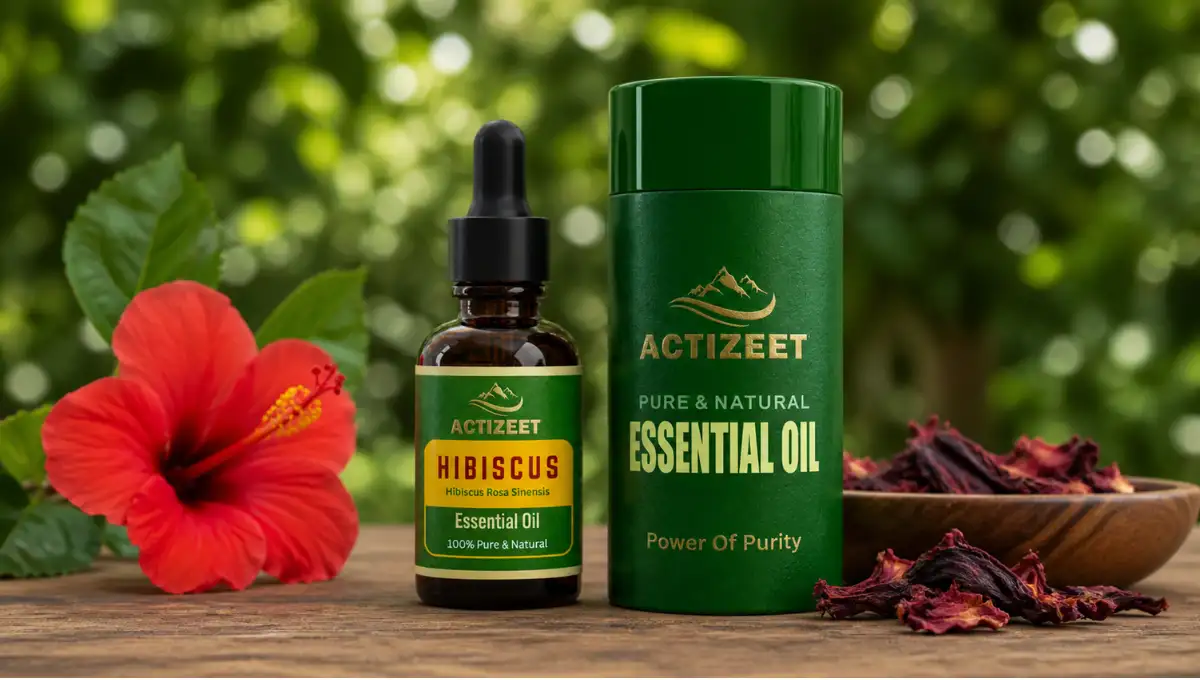
ACTIZEET® Hibiscus Essential Oil is extracted from authentic Hibiscus rosa-sinensis flowers at peak bloom, preserving the full anthocyanin, flavonoid, and organic acid profile that drives all 15 benefits in this guide. Pure, concentrated, and free from synthetic fragrance additions. The queen of tropical flowers, in a bottle that delivers real results for hair, skin, and wellness.
🌸 Shop ACTIZEET® Hibiscus Essential Oil →How to Use Hibiscus Essential Oil
Scalp and Hair Oil
Mix 5 to 8 drops into two tablespoons of warm coconut or castor oil. Massage into the scalp for 10 minutes, concentrating on areas of thinning. Leave for 30 to 45 minutes or overnight, then wash out. Use 3 to 4 times weekly for hair growth and scalp health.
Anti-Aging Facial Serum
Add 3 drops to one teaspoon of rosehip seed or jojoba oil. Apply nightly after cleansing. The AHA exfoliation, collagen-supporting vitamin C, and antioxidant anthocyanins work together overnight for noticeably brighter, firmer skin over 4 to 8 weeks of consistent use.
Aromatherapy Diffusion
Add 5 to 7 drops to a water diffuser. Use in the morning for mood uplift and positive energy, or blend with bergamot and ylang ylang for a tropical, romantically uplifting aromatic experience throughout the day.
Body Massage Blend
Dilute 6 to 8 drops in two teaspoons of sweet almond oil. Use as a full-body massage blend for antioxidant skin nourishment, anti-inflammatory benefit, and aromatic mood uplift. Particularly nourishing for dry, mature, or dull skin.
Skin Brightening Face Mask
Add 2 drops of hibiscus oil to one tablespoon of natural yogurt or raw honey. Apply to cleansed skin for 15 minutes, then rinse with cool water. The AHA exfoliation and antioxidant activity leave skin visibly brighter and smoother after one use.
Pulse Point Fragrance
Dilute 8 drops in one tablespoon of jojoba oil in a roller bottle. Apply to wrists, neck, and décolletage as a naturally brightening, uplifting personal fragrance. The fruity-floral hibiscus aroma is distinctive, light, and summery.
What Hibiscus Essential Oil Blends Well With
Safety Guidelines
- Always dilute before topical application. A 2 to 3% dilution in carrier oil is appropriate for most adults. For facial use, 1 to 2%. Hibiscus oil has a gentle profile but concentrated application to large skin areas requires dilution.
- Patch test before first facial use. Apply a small diluted amount to the inner wrist and wait 24 hours before broader application, particularly for sensitive or allergy-prone skin. Those with known plant allergies to the Malvaceae family should exercise caution.
- Pregnancy caution. While hibiscus has traditional uses in pregnancy support, concentrated essential oil use during pregnancy, particularly in the first trimester, should be discussed with a healthcare provider as a standard precaution.
- Blood pressure medication interaction. Hibiscus has documented antihypertensive properties. Those on blood pressure medications should be aware of potential additive effects and discuss regular hibiscus oil use with their doctor.
- AHA sensitivity consideration. The organic acid content of hibiscus oil provides natural AHA exfoliation. People with very sensitive or sensitized skin may find neat application of concentrated hibiscus oil mildly irritating due to this acidity. Always dilute well for sensitive skin.
- Store correctly. Keep in a sealed, dark amber glass bottle away from heat and light. Hibiscus oil contains light-sensitive anthocyanins and vitamin C that degrade with exposure to light and heat. Shelf life is approximately 2 to 3 years with proper storage.
Frequently Asked Questions
Final Thoughts: The Queen of Tropical Flowers Earns Her Royal Title
The 15 hibiscus essential oil benefits covered in this guide collectively reflect a botanical that has earned universal recognition across cultures not through marketing but through consistent therapeutic performance observed over centuries of practical application. From the Journal of Ethnopharmacology-published hair growth research, to the PMC-documented blood pressure-lowering clinical evidence, to the 2025 comprehensive review confirming anti-aging, cardiovascular, antidiabetic, antimicrobial, and anti-cancer properties, hibiscus keeps delivering findings across health domains that justify its extraordinary cultural prominence.
What makes hibiscus particularly compelling for contemporary wellness and beauty practice is the combination of beauty-specific benefits that deliver visible results alongside systemic health benefits that support the underlying physiology of skin, hair, and cardiovascular health simultaneously. Hibiscus does not just make hair look better and skin appear brighter. It addresses the oxidative, inflammatory, and hormonal root causes of hair loss, skin aging, and metabolic dysfunction that drive these visible changes. This is the difference between a cosmetic ingredient and a genuine therapeutic botanical.
ACTIZEET® Hibiscus Essential Oil, extracted from authentic Hibiscus rosa-sinensis flowers with the full anthocyanin and flavonoid profile intact, brings this extraordinary botanical into your daily beauty and wellness practice in the most potent, authentic form available.
Latest From Our Blog

Best Bergamot Oil in India 2026: Why FCF Grade Is Non-Negotiable and How ACTIZEET® Gets Every Quality Standard Right
Searching for the best bergamot oil in India? Learn why...

15 Tangy Lemon Essential Oil Benefits: How Citrus limon d-Limonene Delivers ScienceDirect Anxiety Relief, PMC DNA Protection, Anticancer Research, Antimicrobial, and India’s Most Uplifting Aromatic Therapy
Discover 15 tangy lemon essential oil benefits including ScienceDirect anxiety...

15 Grapefruit Essential Oil Benefits That Make Citrus paradisi One of the Most Versatile and Most Energizing Oils in Natural Wellness
Discover 15 grapefruit essential oil benefits, from antimicrobial and antioxidant...

Best Cinnamon Oil in India 2026: How to Choose Genuine Cinnamomum verum and Why ACTIZEET® Is the Benchmark
Searching for the best cinnamon oil in India in 2026?...