
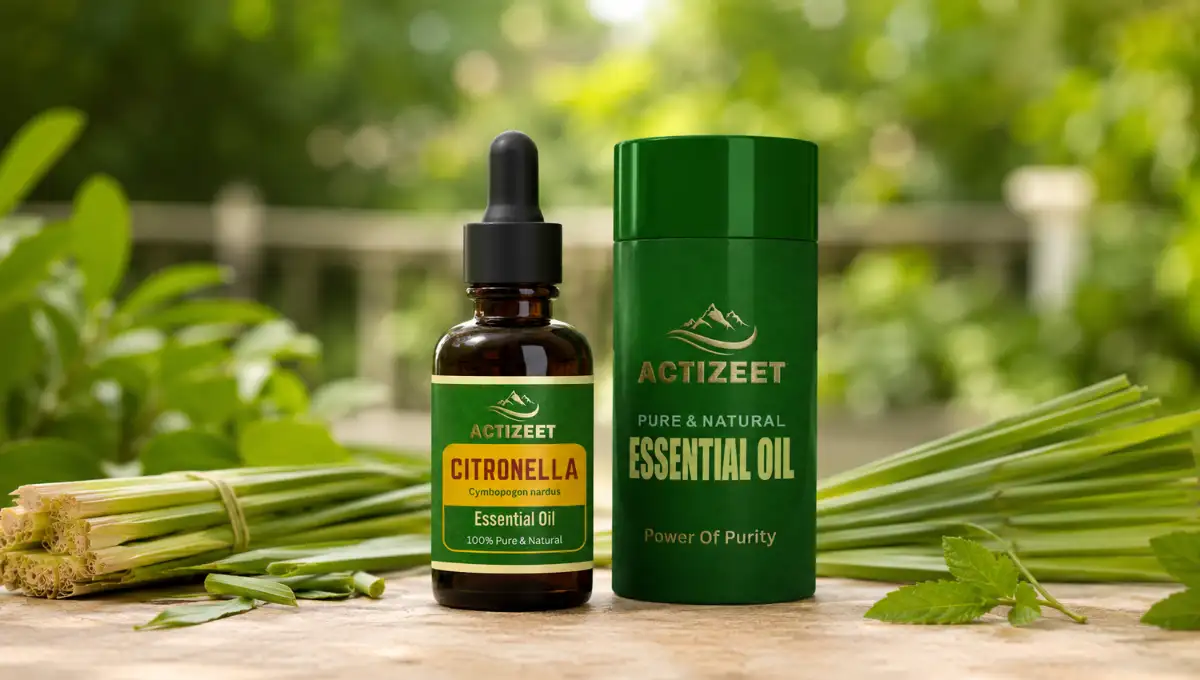
15 Citronella Essential Oil Benefits: How Cymbopogon nardus Citronellal and Geraniol Deliver Mosquito Protection, Antimicrobial Power, Skin Care, and Complete Wellness
Citronella essential oil from Cymbopogon nardus concentrates citronellal, geraniol, and citronellol into one of the world's most studied natural insect repellent and therapeutic botanicals. Research confirms its mosquito-repellent efficacy rivaling low-dose DEET preparations, broad-spectrum antimicrobial activity against clinically significant pathogens, documented antifungal action against Candida species, and anxiolytic mood support through geraniol's neuroactive mechanisms. This guide covers all 15 benefits in full.
Citronella has been protecting people from mosquitoes for well over a century. Its first commercial application as an insect repellent dates to the 1880s, and today citronella oil appears in everything from garden candles and diffuser blends to spray repellents, skin lotions, and household cleaning products across every region where mosquito-borne disease is a public health concern.
In India, that context has particular urgency. Dengue fever, malaria, chikungunya, and Zika virus collectively affect millions of Indians annually, with incidence peaking sharply during and after the monsoon season when standing water creates ideal breeding conditions for Aedes aegypti and Anopheles mosquitoes. A genuinely effective natural mosquito repellent is not merely a wellness preference in this context. It is a practical public health tool.
But the citronella essential oil benefits story goes considerably deeper than mosquito repellence alone. The same compounds — citronellal, geraniol, citronellol, and the supporting terpene alcohol profile of genuine steam-distilled Cymbopogon nardus — deliver documented antimicrobial activity against bacteria and fungi, anti-inflammatory and antioxidant protection, wound-healing support, skin toning and deodorizing action, anxiolytic mood effects, and natural household disinfection capability that makes citronella oil one of the most practically versatile essential oils available for Indian households.
This guide covers all 15 benefits, explains the mechanisms behind each one, and shows why ACTIZEET® Citronella Essential Oil delivers the genuine botanical therapeutic value that most citronella products on the Indian market fail to provide.
Botanical name: Cymbopogon nardus (L.) Rendle (Ceylon type) and Cymbopogon winterianus Jowitt (Java type) | Family: Poaceae (grass family) | Common names: Citronella grass, Nardus grass | Indian cultivation: Karnataka, Kerala, Assam, Tamil Nadu — India is among the world's largest citronella producers | Plant part distilled: Fresh or partially dried leaves and stems | Extraction method: Steam distillation | Primary compound: Citronellal (30 to 45% in Ceylon type; 35 to 45% in Java type) — an aldehyde with potent insect-deterrent, antimicrobial, and anti-inflammatory properties | Secondary compounds: Geraniol (15 to 25%), citronellol (10 to 20%), limonene, camphene, elemol, beta-elemene | Aroma: Fresh, bright, intensely lemon-citrus, grassy, with floral undertones from the geraniol content — one of the most immediately recognizable and universally familiar aromatic profiles in the essential oil world
Key Active Compounds in Citronella Essential Oil
| Compound | Content | Primary Therapeutic Action |
|---|---|---|
| Citronellal | 30–45% (dominant) | Primary insect-deterrent compound; blocks insect olfactory receptors responsible for locating human hosts through CO2 and lactic acid detection; potent antimicrobial through membrane disruption; anti-inflammatory through NF-kB modulation; antifungal against Candida species; provides the sharp, fresh-lemon top note that makes citronella's aroma immediately identifiable |
| Geraniol | 15–25% | Secondary insect repellent compound with documented mosquito-deterrent activity; antimicrobial and antifungal through terpene alcohol membrane disruption; anxiolytic through documented neuroactive mechanisms; antioxidant; anti-inflammatory; provides the floral-rose depth that makes citronella more complex than simple lemon-grass aromatically |
| Citronellol | 10–20% | Insect repellent activity complementing citronellal; antimicrobial; anti-inflammatory; analgesic; contributes to the oil's wound-healing and skin-care properties alongside its insect-deterrent profile; adds a softer, more floral-citrus character that rounds out citronellal's sharp aldehyde top note |
| Limonene | 5–12% | Antioxidant; antimicrobial; mood-uplifting; anticancer research (HMG-CoA reductase inhibition); adds citrus-peel brightness that synergizes with citronellal's lemon-grass character and contributes independent antioxidant and antimicrobial activity |
| Camphene | 5–10% | Antimicrobial; antioxidant; lipid-lowering cardiovascular research; contributes camphor-adjacent freshness and warming depth beneath the dominant citrus-floral top notes while providing independent antimicrobial activity through terpene mechanisms distinct from citronellal |
| Elemol | 5–10% | Anti-inflammatory; insect repellent activity — specifically documented against Aedes aegypti mosquitoes in research evaluating individual citronella oil compounds; adds earthy-woody depth to the aromatic base and provides additional insect-deterrent activity independent of the primary citronellal mechanism |
| Beta-Elemene | Trace to minor | Anti-inflammatory; anticancer research at cellular level; contributes to the oil's therapeutic breadth through sesquiterpene anti-inflammatory pathways distinct from citronellal's aldehyde mechanisms |
15 Citronella Essential Oil Benefits
Mosquito and insect repellence is the most widely known and most extensively researched of all citronella essential oil benefits. Citronella oil's repellent activity has been studied in controlled field trials, laboratory bioassays, and comparative studies against pharmaceutical DEET preparations — making it one of the few plant-derived insect repellents with a genuine evidence base rather than only traditional use documentation.
Research on citronella essential oil's mosquito repellent activity has confirmed that the primary mechanism involves citronellal, geraniol, and citronellol blocking the olfactory receptors on mosquito antennae that are responsible for detecting the carbon dioxide, lactic acid, and body heat signals that mosquitoes use to locate human hosts. Studies have found that citronella essential oil can repel mosquitoes for periods of approximately 2 hours when applied topically in appropriate carrier formulations, with geraniol showing particularly strong individual repellent activity against Aedes aegypti, the primary dengue and Zika vector. Research published in the Journal of the American Mosquito Control Association confirmed that citronella oil preparations provided meaningful mosquito repellent protection, with efficacy increasing significantly when combined with vanillin (which extends the repellent activity period by slowing the evaporation of the active volatile compounds) or when used at higher concentrations in appropriate formulations. The multiple active compounds in genuine citronella oil — citronellal, geraniol, citronellol, and elemol — together provide broader-spectrum insect deterrence than any single-compound preparation, deterring not only mosquitoes but also biting flies, gnats, ticks, and other arthropod pests through the cumulative olfactory disruption of multiple simultaneously active volatiles.
For Indian users, this benefit has genuine public health significance. Dengue cases in India have risen sharply through the 2020s, with major metropolitan areas and monsoon-season increases representing the most acute exposure risk. A natural insect repellent with research-documented efficacy provides a meaningful, non-toxic protection layer particularly for children, pregnant women, and individuals who prefer to minimize chemical pesticide exposure from conventional DEET-based products. ACTIZEET® Citronella Essential Oil blended at 2 to 5% concentration in coconut oil provides a practical skin-application repellent, while diffusing 6 to 8 drops in an outdoor-adjacent indoor space during evening hours creates an aromatic barrier against mosquito entry.
Citronella essential oil has documented antimicrobial activity against a clinically relevant range of bacterial pathogens, operating through the membrane-disrupting mechanisms characteristic of aldehyde and terpene alcohol-dominant essential oils. This broad-spectrum antibacterial profile extends the oil's practical utility far beyond insect repellence into wound care, surface disinfection, skin infection prevention, and natural household hygiene applications.
Research published in the Asian Pacific Journal of Tropical Medicine and additional peer-reviewed studies have confirmed citronella essential oil's inhibitory activity against a range of bacterial pathogens including Staphylococcus aureus, Escherichia coli, Salmonella typhi, Bacillus subtilis, Klebsiella pneumoniae, and Pseudomonas aeruginosa. The primary antimicrobial mechanism involves citronellal's reactive aldehyde group forming covalent bonds with bacterial membrane proteins, disrupting membrane integrity and causing cellular content leakage. Geraniol and citronellol contribute complementary membrane-disrupting activity through their terpene alcohol mechanisms, which operate through phospholipid bilayer intercalation distinct from citronellal's protein-alkylation mechanism. This multi-compound, multi-mechanism antimicrobial activity provides broader-spectrum bacterial inhibition than single-compound synthetic antimicrobials and makes it significantly more difficult for bacteria to develop resistance through single-target mutation.
The practical antimicrobial applications of citronella essential oil span household surface disinfection (adding 15 to 20 drops to a 500 ml water spray bottle with a teaspoon of white vinegar), wound care support (2 to 3 drops diluted in a tablespoon of coconut oil applied around minor cuts and scrapes), and skin infection prevention (incorporating diluted citronella oil into daily body care for individuals prone to skin bacterial overgrowth). India's warm, humid climate creates conditions where bacterial skin infections and contamination spread more readily than in cooler environments, making citronella oil's antimicrobial utility particularly relevant for year-round household and personal care applications.
Citronella essential oil has confirmed antifungal activity against the two most practically significant categories of human pathogenic fungi: Candida species responsible for oral thrush, vaginal candidiasis, and systemic fungal infections, and dermatophyte species responsible for tinea infections including ringworm, athlete's foot, and nail fungal infections that are particularly prevalent in India's warm, humid climate.
Research has confirmed that citronellal demonstrates potent antifungal activity against Candida albicans — specifically inhibiting the formation of biofilms and hyphal morphology transition, the two mechanisms through which Candida infections become established and treatment-resistant. Geraniol contributes additional antifungal activity through ergosterol disruption in fungal cell membranes — the standard mechanism of pharmaceutical antifungal medications like fluconazole, but delivered through a natural terpene alcohol rather than a synthetic azole compound. For topical antifungal use, blend 3 to 4 drops of citronella essential oil in 1 tablespoon of coconut oil (which contributes additional lauric acid-mediated antifungal activity as a synergistic carrier) and apply to affected skin areas twice daily. Consistency of application over 4 to 8 weeks is necessary for nail fungal infections where penetration through the nail plate barrier requires extended treatment duration.
🌿 ACTIZEET® Citronella Essential Oil: 100% pure steam-distilled Cymbopogon nardus — citronellal at 30 to 45%, geraniol at 15 to 25%, research-confirmed insect repellent, antimicrobial, and antifungal activity in India's most trusted essential oil form.
Explore ACTIZEET® →Citronella essential oil's anti-inflammatory properties are among its less publicized but pharmacologically well-characterized therapeutic properties. Citronellal, the oil's dominant compound at 30 to 45% of total composition, has been specifically studied for its anti-inflammatory mechanisms and confirmed to inhibit both the NF-kB transcription factor pathway (which regulates pro-inflammatory gene expression) and the COX-2 enzyme pathway (which drives prostaglandin production) — two of the primary molecular targets of pharmaceutical anti-inflammatory drugs.
Research using mouse models of inflammation confirmed that citronellal administered through both oral and topical routes produced significant reductions in edema formation and inflammatory cytokine production, with mechanisms specifically identified as NF-kB pathway suppression and COX-2 inhibition. Geraniol contributes additional anti-inflammatory activity through its own documented NF-kB modulating properties, and beta-elemene adds sesquiterpene-mediated anti-inflammatory signaling through pathways distinct from the primary aldehyde mechanisms. For practical anti-inflammatory applications, diluted topical application to inflamed skin areas, arthritic joints, or muscle soreness sites delivers the citronellal and geraniol compounds directly to the inflamed tissue. Aromatic diffusion provides systemic anti-inflammatory support through respiratory mucosal absorption of the active volatile compounds.
Citronella essential oil contains multiple compounds with documented antioxidant activity, providing free radical scavenging protection that contributes to both skin aging defense and systemic cellular health support. Research using DPPH (2,2-diphenyl-1-picrylhydrazyl) radical scavenging assays has confirmed meaningful antioxidant activity in citronella oil, with contributions from geraniol, citronellol, limonene, and the supporting terpene fraction.
Geraniol specifically has been identified in antioxidant research as one of the more potent antioxidant terpene alcohols, with hydroxyl radical scavenging activity comparable to several well-established botanical antioxidants. The combination of geraniol's strong individual antioxidant contribution with limonene's DPPH radical scavenging and camphene's documented lipid peroxidation-reducing activity creates a multi-pathway antioxidant profile relevant for skin care applications (protecting dermal collagen and elastin from UV-generated free radical damage), general cellular protection (through aromatic systemic absorption), and food preservation applications where citronella oil has been studied as a natural antioxidant preservative. For Indian users exposed to high levels of environmental oxidative stress through urban air pollution and UV radiation, regular use of ACTIZEET® Citronella Essential Oil through daily diffusion and diluted topical skin application provides ongoing natural antioxidant support.
Citronella essential oil has documented anxiolytic and mood-supporting properties that operate through geraniol's confirmed neuroactive mechanisms and the general limbic system stimulation produced by the oil's bright, fresh citrus-floral aroma. Research on geraniol specifically has identified interactions with the GABAergic neurotransmitter system — the same system that pharmaceutical anxiolytic medications target — producing measurable anxiety-reducing and mild sedative effects through a natural terpene mechanism.
Studies examining the anxiolytic potential of citronella oil and its primary compounds have confirmed that both geraniol and citronellal produce anxiety-reducing effects in behavioral research models, with mechanisms involving reduced cortisol production and modulation of the hypothalamic-pituitary-adrenal (HPA) axis stress response system. The bright, uplifting citrus character of citronella's aromatic profile also provides psychological mood elevation through olfactory-limbic pathways, creating a simultaneous anxiolytic-uplifting effect profile that differs from purely sedating oils like lavender in producing energized calm rather than drowsy relaxation. Diffusing ACTIZEET® Citronella Essential Oil for 30 minutes during high-stress work periods, or using a personal inhaler for on-demand anxiety relief during commutes and stressful situations, delivers the geraniol anxiolytic compounds through the fastest neurological pathway available — direct olfactory-to-limbic transmission.
Citronella essential oil is one of the most effective natural deodorant botanicals available, combining three properties that together address the root cause of body odour: antimicrobial activity against the bacteria responsible for metabolizing sweat compounds into odorous molecules, an inherently fresh and pleasant citrus-floral aroma that masks residual scent, and astringent properties that help reduce perspiration volume.
Body odour originates from bacterial metabolism of apocrine sweat compounds — primarily from Staphylococcus and Corynebacterium species on skin surfaces that break down odourless sweat into volatile short-chain fatty acids and thioalcohols that produce characteristic body odour. Citronella oil's documented antibacterial activity against Staphylococcus aureus and related skin bacteria directly targets this odour-generating mechanism. The clean, fresh, immediately pleasant citrus-lemon aroma of citronellal and limonene provides effective natural fragrance coverage, while geraniol's floral character adds sophisticated depth to the overall deodorant aromatic profile. For a practical natural deodorant preparation, blend 15 drops of citronella oil with 5 drops of tea tree oil in 3 tablespoons of coconut oil and apply a small amount to underarms after bathing. The combined citronella-tea tree antimicrobial activity provides broader-spectrum bacterial odour-control than either oil alone.
Citronella essential oil's combination of antimicrobial activity and anti-inflammatory compounds makes it a practically useful botanical for wound care support. The oil creates a dual-protective environment around minor wounds: antimicrobial protection against bacterial contamination from citronellal's reactive aldehyde mechanism and geraniol's terpene alcohol membrane disruption, combined with anti-inflammatory reduction of the excessive inflammatory response that delays wound healing and prolongs pain.
Citronellal's reactive aldehyde chemistry also contributes a mild astringent action on wound tissue — causing tissue protein precipitation that physically draws wound edges together and helps reduce bleeding from minor cuts. This mild haemostatic effect, combined with the antimicrobial protection against secondary infection, makes diluted citronella oil a practical natural wound care addition for the first aid context. For wound care application, dilute 2 drops of citronella oil in 1 teaspoon of coconut oil and apply carefully around the wound perimeter — not directly into open tissue — to create an antimicrobial and anti-inflammatory protective environment around the healing area. Change the application twice daily for the first three days of healing. Deeper, larger, or infected wounds require appropriate medical care and should not be managed with essential oils alone.
🌿 Experience all 15 citronella essential oil benefits with ACTIZEET® — 100% pure, steam-distilled Cymbopogon nardus, no synthetic additives, no carrier oil dilution, full therapeutic potency in every drop.
Shop ACTIZEET® Now →Citronella essential oil has genuine astringent properties that benefit oily, large-pore, and combination skin types that are especially common among Indian users in the country's warm and humid climate. The astringent mechanism involves citronellal's reactive aldehyde groups creating mild protein precipitation effects on skin surface proteins — temporarily tightening pores, reducing excess sebum appearance, and producing a skin-toning effect that leaves skin feeling cleaner and more refined after application.
Geraniol adds complementary skin care benefits through its documented antimicrobial activity against the acne-causing bacterium Cutibacterium acnes, and its mild estrogenic terpene alcohol action on sebaceous gland activity that helps regulate sebum production in oily skin contexts. The combination of citronellal's astringent toning, citronellol's skin-softening properties, and geraniol's acne-bacteria antimicrobial activity creates a comprehensive natural skin care profile particularly suited to the oily, acne-prone skin challenges common in India's tropical climate. Add 2 drops of citronella oil to 1 tablespoon of witch hazel for a natural astringent facial toner, or blend 3 drops in 1 tablespoon of jojoba oil for a lightweight daily face oil that tones and protects simultaneously.
Citronella essential oil functions as an effective natural household disinfectant through its broad-spectrum antimicrobial activity against common household pathogens, combined with its simultaneously insect-deterrent properties that make citronella-based cleaning products serve double duty as both surface disinfectants and indoor insect deterrents.
Research has confirmed that citronella oil reduces viable airborne bacterial counts in enclosed spaces when diffused, providing genuine air disinfection benefit rather than simply masking odours with a pleasant aroma. For hard surface disinfection, citronella oil's documented activity against Staphylococcus aureus, E. coli, Salmonella, and other common household contamination pathogens makes it a genuinely effective active ingredient in natural cleaning preparations. A practical all-purpose natural cleaner combines 20 drops of citronella oil with 10 drops of tea tree oil in 500 ml water with 2 tablespoons of white vinegar — this preparation addresses bacteria (citronella plus tea tree), fungi (both oils have antifungal activity), and insects (citronella's deterrent compounds in the air as the solution is sprayed) simultaneously. This triple-action natural cleaning formula is particularly valuable for Indian kitchens and bathrooms where bacterial contamination, mould, and insect entry are simultaneous ongoing concerns.
Citronella essential oil contributes to hair and scalp health through antimicrobial action against the fungal and bacterial organisms responsible for the most common scalp health challenges, combined with the mild scalp circulation-stimulating properties of its terpene compounds that support hair follicle nutrition and health.
Dandruff, driven primarily by Malassezia furfur yeast overgrowth on the scalp, is addressed by citronella oil's documented antifungal activity. Research has confirmed geraniol's specific antifungal efficacy that is relevant to scalp Malassezia management. Seborrhoeic dermatitis — the more severe, inflammatory cousin of dandruff that causes red, flaking scalp with an oily character — is addressed by citronella oil's combined anti-inflammatory and antimicrobial properties targeting both the inflammatory and microbial components of the condition. Folliculitis, bacterial colonization of hair follicles (most commonly Staphylococcus aureus), is directly addressed by the oil's antibacterial activity against this specific pathogen. For a weekly scalp treatment, add 8 drops of citronella oil to 2 tablespoons of coconut oil, massage thoroughly into the scalp with fingertip pressure to stimulate circulation, and leave for 30 minutes before washing. Use consistently twice weekly for best results on dandruff and scalp health challenges.
Citronella essential oil provides topical analgesic benefits through the combined action of citronellal's documented anti-nociceptive properties, geraniol's analgesic activity confirmed in research, and the mild counter-irritant effect of the oil's cooling-fresh aromatic compounds on skin sensory receptors that interrupt pain signal transmission at the application site.
Research specifically examining the analgesic properties of citronella oil compounds has confirmed that both citronellal and geraniol reduce pain perception in laboratory models of acute pain, with mechanisms involving inhibition of peripheral pain receptor sensitization and modulation of central pain processing pathways. The practical analgesic applications most relevant for Indian users include post-exercise muscle soreness (topical massage blend), arthritis-related joint pain (warm compress with diluted citronella oil), headache relief (diluted temple and neck application), and the general muscle tension that accumulates through prolonged desk work or physical labor. Blend 4 drops of citronella oil with 3 drops of peppermint oil in 1 tablespoon of carrier oil for a cooling analgesic blend that combines citronella's anti-nociceptive geraniol activity with peppermint's TRPM8 receptor-mediated cooling pain relief for comprehensive natural topical analgesia.
Citronella essential oil provides mild respiratory support through the combined expectorant and bronchodilatory properties of its camphene and limonene content, alongside the antimicrobial activity of citronellal and geraniol against the respiratory pathogens that cause the most common acute respiratory infections.
Camphene, present at 5 to 10% in genuine citronella oil, has documented expectorant properties that help loosen mucus from the respiratory tract and support its clearance through ciliary action — the same mechanism seen more powerfully in eucalyptus and camphor oils but contributing meaningfully even at citronella's camphene concentration. The antimicrobial activity against Staphylococcus and Streptococcus species provides complementary protection against the bacterial pathogens most commonly responsible for secondary respiratory infections following viral illness. Diffusing citronella oil in the bedroom during seasonal respiratory infections creates a combined antimicrobial, mildly expectorant, and mood-supporting aromatic environment that addresses multiple aspects of the respiratory illness experience simultaneously. For more direct respiratory support, add 3 drops of citronella oil to a bowl of hot water and inhale the steam for 5 minutes to deliver the active compounds directly to the respiratory mucosa.
Citronella essential oil has traditional documentation as a natural diuretic, supporting increased urinary output and the renal elimination of metabolic waste products, excess water, uric acid, and sodium from the body. This diuretic action contributes to the oil's broader health-supportive profile and is particularly relevant for managing water retention related to heat and humidity exposure in India's climate.
The terpene compounds in citronella oil, particularly geraniol and citronellol, influence renal tubular function to increase glomerular filtration rate and reduce tubular water reabsorption — producing a net increase in urine output and accelerated clearance of water-soluble waste products. For users dealing with the leg heaviness, ankle swelling, and general fluid retention that India's heat commonly produces, regular aromatic use combined with lymphatic drainage massage using diluted citronella oil along the major lymphatic pathways of the legs and abdomen supports both the urinary and lymphatic components of the body's fluid management system. The oil's simultaneous antimicrobial activity also provides urinary tract health support by maintaining a microbiologically protective aromatic environment in the diffused space, potentially reducing airborne pathogen load for individuals prone to recurrent urinary tract infections.
Citronella essential oil's insect repellent properties extend to pet care applications, where the oil is widely used as a natural alternative to chemical flea, tick, and mosquito repellent preparations for dogs and other household pets. The same olfactory receptor-blocking mechanism that deters mosquitoes from human hosts also deters fleas and ticks from canine hosts, making properly diluted citronella preparations a practically useful natural component of pet parasite management.
Research has confirmed that citronella oil-based preparations provide meaningful repellent activity against fleas, ticks, and mosquitoes in canine applications, with geraniol and citronellal identified as the primary active repellent compounds. For dogs specifically, citronella oil diluted at 0.5 to 1% in a carrier oil can be applied to the dog's coat (avoiding face, eyes, and mucous membranes) as a natural pre-walk repellent, or added at 5 drops per 500 ml of water as a dilute post-walk rinse. Cats metabolize certain essential oil compounds differently from dogs and humans — citronella oil should not be used on cats or in small, enclosed spaces where cats cannot escape the aromatic exposure, as feline hepatic metabolism limitations make regular citronella compound exposure potentially problematic at high concentrations. Always consult a veterinarian before beginning any essential oil pet care routine, and monitor any pet's behavior carefully when introducing new aromatic compounds into their environment.
How to Use Citronella Essential Oil
Mosquito Repellent Blend
Dilute 10 to 15 drops in 2 tablespoons of coconut oil for a topical skin repellent. Reapply every 2 hours during outdoor exposure. For indoor protection, diffuse 6 to 8 drops in a 100 ml diffuser during peak mosquito activity hours (dusk to midnight).
Mood and Anxiety Diffusion
Add 4 to 5 drops to a 100 ml diffuser for anxiety relief, mood uplift, and air disinfection. The fresh citrus-floral character is uplifting and energizing rather than sedating — ideal for morning use and focused work sessions. Blends well with bergamot and lavender.
Natural Surface Cleaner
Mix 20 drops citronella with 10 drops tea tree in 500 ml water with 2 tablespoons white vinegar. Shake before use. Apply to kitchen counters, bathroom surfaces, and doorknobs for triple-action antibacterial, antifungal, and insect-deterrent natural cleaning.
Skin Toning Routine
Add 2 drops to 1 tablespoon of witch hazel for a daily astringent toner. Or blend 3 drops in 1 tablespoon of jojoba oil for a lightweight face oil targeting oily, acne-prone skin. Always patch test before first full facial application.
Scalp and Hair Treatment
Add 8 drops to 2 tablespoons of coconut oil. Massage into the scalp for 3 to 5 minutes and leave for 30 minutes before washing. Use twice weekly for dandruff management, folliculitis prevention, and overall scalp health maintenance.
Analgesic Massage Blend
Blend 4 drops citronella with 3 drops peppermint in 1 tablespoon of carrier oil. Massage into sore muscles, arthritic joints, or headache pressure points. The combined cooling-analgesic and anti-inflammatory activity provides natural topical pain relief within 10 to 15 minutes.
Citronella Essential Oil — Blending Guide
ACTIZEET® Citronella Essential Oil delivers 100% pure, steam-distilled Cymbopogon nardus with citronellal at 30 to 45% of confirmed composition, geraniol at 15 to 25%, citronellol at 10 to 20%, and the complete supporting terpene profile including limonene, camphene, elemol, and beta-elemene. No synthetic citronellal additions. No carrier oil dilution. No fragrance compound blending. Every bottle in UV-protective amber glass to preserve the volatile aldehyde and terpene alcohol profile that makes every one of these 15 benefits genuinely accessible. India's most trusted source for pure botanical citronella oil.
🌿 Order ACTIZEET® Citronella Essential Oil →Safety Guidelines and Precautions
- Always dilute before skin application. Use at 2 to 3% in carrier oil for body applications (approximately 2 to 3 drops per teaspoon of carrier oil). Citronellal is a reactive aldehyde that can cause skin irritation and sensitization reactions at undiluted or high concentrations, particularly on sensitive and facial skin. Always patch test on the inner wrist before widespread topical use.
- Avoid near infants under 2 years old. Citronella oil's reactive aldehyde compounds can cause respiratory irritation in very young infants whose respiratory mucosa is more sensitive than adult tissue. Avoid application near the face of infants and diffuse only in well-ventilated spaces where infants have free movement away from the concentrated aromatic area. For children 2 to 10 years, dilute at 0.5 to 1% for topical use.
- Standard pregnancy caution. Avoid intensive topical use and high-concentration aromatic exposure during pregnancy without healthcare provider guidance. Occasional low-concentration diffusion for mosquito repellent environmental protection during pregnancy is generally considered lower risk than direct chemical DEET exposure but should be discussed with your obstetrician.
- Citronella oil is for external use only. Never consume citronella essential oil. Ingestion of citronellal and geraniol at essential oil concentrations can cause gastrointestinal irritation, nausea, and more serious toxicity effects. Citronella oil is strictly for aromatic diffusion and diluted topical application.
- Keep away from eyes and mucous membranes. Citronellal's reactive aldehyde chemistry produces significant irritation on ocular and mucosal tissue. Avoid any application near the eyes, inside the nose, or on mucous membrane surfaces. If accidental eye contact occurs, flush immediately with clean water for 15 minutes and seek medical attention if irritation persists.
- Do not use on cats. Cats lack the hepatic glucuronidation enzyme pathways needed to metabolize certain terpene compounds including citronellal and geraniol. Direct topical application should never be used on cats, and diffusion in small enclosed spaces where cats cannot leave should be avoided. Dogs have more robust terpene metabolism and can safely be exposed to appropriately diluted citronella preparations under veterinary guidance.
- Citronellal can cause photosensitivity in some individuals. Although citronella oil is not classified among the highest-photosensitivity essential oils, citronellal's reactive aldehyde chemistry can increase UV sensitivity on treated skin areas in some individuals. Avoid direct sun exposure on skin areas where citronella oil has been recently applied until the oil has been fully absorbed or washed off.
Frequently Asked Questions
Citronella Essential Oil: 15 Research-Grounded Benefits That Make It Far More Than Just a Mosquito Repellent
The 15 citronella essential oil benefits covered in this guide collectively reveal a botanical that has earned its place in Indian households far beyond the outdoor candle and insect spray contexts where most people first encounter it. The multi-compound mosquito repellent efficacy confirmed in controlled research. The broad-spectrum antimicrobial activity against clinically significant bacterial pathogens including Staphylococcus and E. coli. The antifungal protection against Candida and dermatophytes directly relevant to India's warm, humid climate. The citronellal NF-kB anti-inflammatory mechanism. The geraniol anxiolytic activity through GABAergic pathways. The natural deodorant antibacterial action. The wound care antiseptic and haemostatic properties. The skin-toning astringent action suited to India's oily-skin climate context. The triple-action household disinfection capability. And the hair, scalp, respiratory, pain relief, diuretic, and pet care applications that complete the most practically versatile essential oil profile in this guide series.
Every one of these benefits depends on the presence of the genuine botanical compounds — citronellal, geraniol, citronellol, limonene, camphene, and elemol — in their correct natural ratios, which only genuine steam-distilled Cymbopogon nardus botanical oil provides. ACTIZEET® Citronella Essential Oil delivers exactly that — pure, tested, amber-glass-protected, and authentically botanical from distillation to your hands.
Latest From Our Blog

Best Rosemary Oil in India 2026: A Complete Buyer’s Guide to Pure, Authentic Salvia rosmarinus Essential Oil
Looking for the best rosemary oil in India in 2026?...

15 Juniper Berry Essential Oil Benefits: How Juniperus communis Delivers 87+ Active Compounds, PubMed-Confirmed Antimicrobial Power, and Forest-Deep Detoxifying Therapy
Discover 15 juniper berry essential oil benefits including PubMed antimicrobial...

Best Ginger Oil in India 2026: A Complete Buyer’s Guide to Pure, Authentic Zingiber officinale Essential Oil
Looking for the best ginger oil in India in 2026?...

15 Peppermint Essential Oil Benefits That 12 Randomized Controlled Trials and Over 1,000 Years of Traditional Use Consistently Confirm
Discover 15 peppermint essential oil benefits backed by PMC meta-analysis,...