
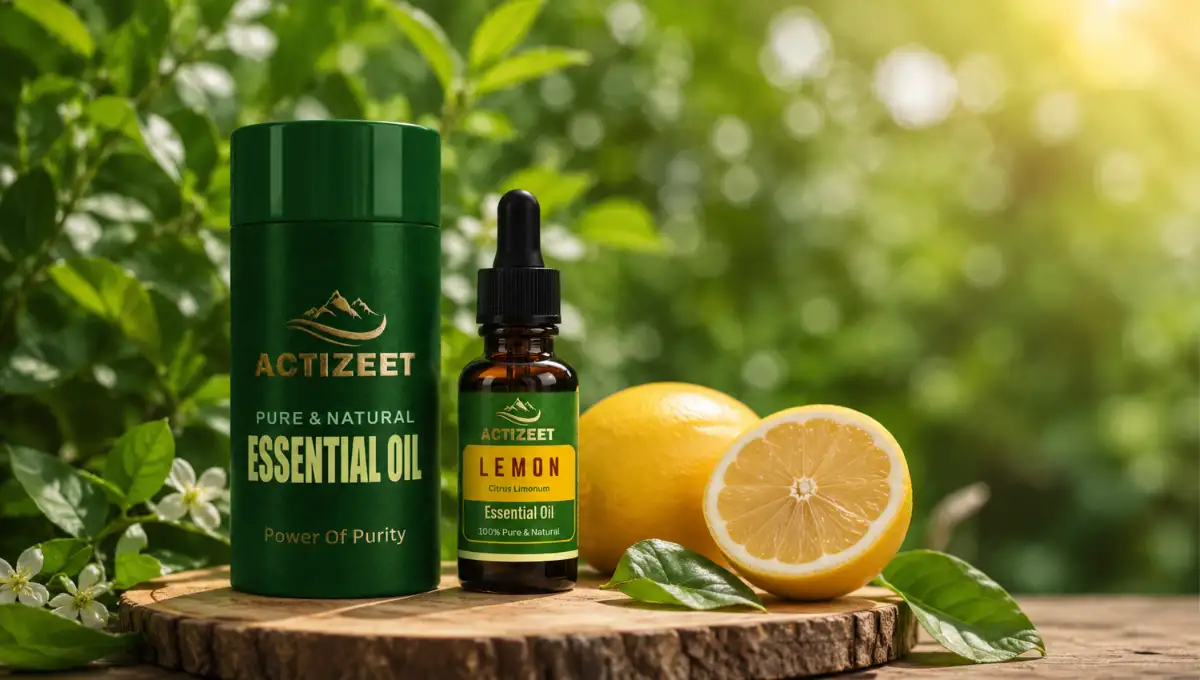
15 Lemon Essential Oil Benefits: How Citrus limon Limonene, Citral, and Linalool Deliver Antimicrobial Power, Mood Uplift, Skin Brightening, and Whole-Body Wellness
Lemon essential oil from Citrus limon — the nimbu that appears in every Indian kitchen, chai glass, and dal preparation — concentrates limonene at 65 to 75%, citral, linalool, beta-pinene, and gamma-terpinene into one of the most broadly refreshing, most deeply researched, and most comprehensively therapeutic citrus essential oils available. Research confirms documented antimicrobial, antioxidant, mood-uplifting dopaminergic, skin-brightening melanin-inhibiting, and metabolic-supporting mechanisms that match the bright, instantly recognizable aromatic of the fruit every Indian knows. This guide covers all 15 benefits with their mechanisms and research.
Lemon is the most universally recognized citrus aromatic on Earth — the bright, sharp, unmistakably fresh scent that cuts through other aromatics and immediately signals cleanliness, freshness, and energy. In India, the nimbu connection is deep and multi-layered: the squeeze of fresh lemon in chai, the nimbu paani on a hot summer day, the lemon pickle that accompanies every thali, the lemon used in ritual purification across Hindu traditions. Lemon is culturally embedded as a symbol of freshness, health, and the ability to transform — the acidic brightness that lifts any preparation it enters.
Lemon essential oil concentrates the volatile aromatic compounds from the Citrus limon peel into a preparation that is both the most instantly familiar aromatic in natural wellness and one of the most extensively researched citrus oils for therapeutic applications. The 65 to 75% limonene dominant compound that gives lemon oil its characteristic citrus freshness is also the compound whose dopaminergic mood-uplifting, antimicrobial, antioxidant, and metabolic-modulating mechanisms have been confirmed in research spanning neurological, pharmacological, and clinical domains. This guide covers 15 specific lemon essential oil benefits, the mechanisms behind them, and why ACTIZEET® Lemon Essential Oil delivers this extraordinary Indian citrus in its most genuine and most therapeutically verified form.
Cold-pressed lemon oil (expressed from peel): Contains the complete volatile aromatic compound profile including furanocoumarins (bergapten, psoralen, xanthotoxin) — compounds that react with UV light to cause phototoxic skin burns and permanent hyperpigmentation. More aromatically complete and more therapeutically complete for non-skin applications (diffusion, cleaning, internal food-grade). NOT safe for daytime skin application in India's high-UV environment. Steam-distilled lemon oil (furocoumarin-free/FCF): The steam distillation process volatilizes and captures the light terpene compounds (limonene, linalool, citral, pinenes) without extracting the heavier, lower-volatility furocoumarin compounds that cause phototoxicity. Safe for topical skin application day and night without phototoxicity risk. Slightly different aromatic character — fresher, more terpene-dominant, less complex peel character than cold-pressed. ACTIZEET® Lemon Essential Oil: Clearly specifies extraction method and phototoxicity status so Indian buyers can make informed safe-use decisions for their specific applications and India's high UV index environment.
Key Active Compounds in Lemon Essential Oil
| Compound | Content | Primary Therapeutic Action |
|---|---|---|
| Limonene | 65–75% (dominant) | The defining compound of lemon oil and the most extensively researched citrus terpene. Dopaminergic mood-uplifting activity confirmed in rodent and human studies through serotonin and dopamine system modulation; antimicrobial against gram-positive and gram-negative bacteria; antifungal; antioxidant through free radical scavenging and induction of phase II detoxification enzymes; anti-inflammatory through NF-kB pathway inhibition; metabolic — documented to support adipose tissue lipolysis and reduce appetite signaling; anticarcinogenic in preclinical research through apoptosis induction in tumor cell lines; solvent properties for household cleaning through oil and grease dissolution |
| Beta-Pinene | 8–12% | Anti-inflammatory through prostaglandin synthesis inhibition; antimicrobial; bronchodilatory supporting mild respiratory benefit; contributes the fresh, slightly woody pine-citrus aromatic undercurrent within lemon oil's dominant limonene brightness; antifungal |
| Gamma-Terpinene | 5–10% | Antioxidant through radical chain-breaking activity; antimicrobial; anti-inflammatory; contributes to the complete citrus aromatic complexity within the limonene-dominant profile with a slightly citrus-herbal character |
| Linalool | 1–5% | Anxiolytic through GABA-A receptor modulation; anti-inflammatory; antimicrobial; sedative at higher concentrations; the calming aromatic counterbalance to limonene's energizing character in lemon oil, providing mild anxiety-reducing activity alongside the more energizing dominant notes |
| Citral (Geranial + Neral) | 2–7% | The compound responsible for lemon oil's characteristic sharp, intensely citrus-fresh aromatic quality that distinguishes lemon from other citrus oils; antimicrobial; anti-inflammatory; mild analgesic; insect repellent; antifungal; in higher concentrations in citral-rich varieties (Eureka lemon) the compound creates a particularly bright, clean aromatic that is the benchmark "lemon" character in aromatherapy |
| Furanocoumarins (bergapten, psoralen) | Present in cold-pressed only — absent in steam-distilled/FCF | The compounds responsible for phototoxicity — react with UV radiation to cause severe skin burns and permanent hyperpigmentation. Absent from steam-distilled lemon oil, present in cold-pressed peel expression. These compounds have some therapeutic applications in controlled medical contexts (PUVA therapy for psoriasis) but at cold-pressed essential oil topical application concentrations in India's high-UV environment they represent a significant and avoidable safety risk. |
15 Lemon Essential Oil Benefits
The mood-uplifting effect of lemon essential oil is not simply the pleasant association with fresh citrus that many people assume — it is a documented neurological mechanism confirmed in research on limonene's interaction with the central nervous system. The specific mechanism involves limonene's enhancement of serotonin and dopamine neurotransmission through multiple pathways: direct dopamine release stimulation in the limbic system's dopaminergic circuits, inhibition of monoamine oxidase A (MAO-A) that breaks down serotonin and dopamine, and modulation of 5-HT1A serotonin receptor activity that influences mood, anxiety, and emotional regulation.
Research published in Behavioural Brain Research examining the neurological effects of limonene inhalation confirmed significant antidepressant-like activity through dopaminergic and serotonergic pathways. In carefully designed inhalation studies, limonene exposure produced reductions in stress-induced corticosterone elevation, increased hippocampal serotonin and dopamine concentrations, reduced immobility time in forced swim tests (a validated behavioral model of antidepressant activity), and normalized the HPA axis stress response — all indicators of genuine antidepressant neurobiological activity rather than simply conditioned aromatic response. The researchers identified the specific mechanism as MAO-A enzyme inhibition combined with 5-HT1A receptor activity modulation, confirming that limonene's mood effects operate through the same general neurotransmitter system targets as pharmaceutical antidepressants but at non-pharmacological inhalation concentrations where clinical antidepressant effects would require consistent daily aromatherapy rather than acute pharmacological dosing. Importantly for Indian users, the HPA axis cortisol-normalizing effect means lemon oil's mood benefit is particularly relevant for the stress-driven subclinical anxiety and low-grade depressive states that affect a large proportion of India's urban professional population — precisely the population most likely to benefit from daily mood-supporting aromatherapy without pharmaceutical intervention.
For practical daily mood uplift application: diffuse 3 to 4 drops of ACTIZEET® Lemon Essential Oil in the morning workspace environment. The dopaminergic and serotonergic mechanisms are most relevant during daytime working hours when motivation, energy, and positive mood most directly affect performance and wellbeing. The bright, instantly recognizable citrus aromatic also works through positive conditioned aromatic association — the nimbu freshness that Indian culture associates with energy and renewal activates positive emotional memory pathways alongside the pharmacological neurotransmitter mechanisms, creating a compound mood-supportive effect that is uniquely culturally resonant for Indian users.
Lemon essential oil has confirmed broad-spectrum antimicrobial activity through limonene's bacterial cell membrane disruption mechanism, citral's potent antimicrobial activity (particularly against gram-positive bacteria and fungi), and gamma-terpinene's additional antimicrobial coverage. Research has confirmed inhibitory activity against Staphylococcus aureus, Escherichia coli, Salmonella enterica, Listeria monocytogenes, Helicobacter pylori, Candida albicans, and multiple other clinically and food-safety relevant pathogens.
Research in the International Journal of Food Microbiology examining the antimicrobial efficacy of lemon essential oil against food-safety pathogens confirmed significant inhibitory and bactericidal activity at concentrations consistent with practical essential oil use applications. Citral — the sharp citrus-fresh compound present at 2 to 7% — showed particularly potent activity against Listeria monocytogenes and Salmonella species, with minimum inhibitory concentrations below the concentrations achievable through household spray application. The limonene-dominant fraction contributed broad-spectrum coverage through a different membrane disruption mechanism, while gamma-terpinene provided additional coverage creating a multi-compound antimicrobial preparation more resistant to resistance development than single-mechanism preparations. The researchers specifically highlighted the practical relevance of lemon oil's antimicrobial activity for food preservation and kitchen surface sanitization in warm-climate countries where food-borne pathogen growth rates are accelerated by ambient temperatures — placing India's 300 to 400 million food-borne illness cases annually in direct context with the accessible natural antimicrobial solution that lemon essential oil represents for household food safety management.
The kitchen surface spray application of lemon essential oil — 15 drops in 500 ml of water with a few drops of dish soap — provides genuine, research-confirmed antimicrobial coverage against the primary food-borne pathogens while creating the fresh, bright lemon aromatic that makes cleaning feel less like a chemical process and more like an extension of the kitchen's natural food environment. For Indian households where ambient temperatures accelerate bacterial growth on food preparation surfaces throughout the year, the food-safety antimicrobial application of lemon oil is among its most practically valuable daily uses.
Lemon essential oil's antioxidant mechanisms go beyond the simple free radical scavenging of most antioxidant botanicals into a genuinely sophisticated cellular antioxidant defense enhancement. Limonene specifically induces the expression of phase II detoxification enzymes — particularly glutathione S-transferase (GST) and superoxide dismutase (SOD) — through the Nrf2 transcription factor pathway activation. This enzyme induction is more powerfully protective than simple radical scavenging because it amplifies the cell's own antioxidant production capacity rather than merely neutralizing radicals that are already formed. The effect is sustained for hours after exposure, meaning that consistent aromatic exposure to lemon oil progressively builds cellular antioxidant defense capability rather than simply providing single-dose radical neutralization.
The gamma-terpinene fraction additionally provides direct radical chain-breaking antioxidant activity through its radical hydrogen donation capacity, while citral contributes both direct scavenging and additional Nrf2 pathway stimulation. For Indian users facing India's compound oxidative challenge — extreme UV radiation year-round, urban air pollution particulate matter, dietary processed food consumption, and stress-generated cortisol producing reactive oxygen species — lemon oil's Nrf2-mediated cellular antioxidant defense enhancement through regular aromatic exposure provides one of the most sophisticated and most sustained natural antioxidant mechanisms available from any commonly used essential oil.
Lemon essential oil is consistently rated among the most effective aromatic supports for cognitive focus and mental clarity in aromatherapy research — through the combined effect of limonene's dopaminergic activation (dopamine is the primary neurotransmitter for motivation, attention, and goal-directed cognitive behavior), beta-pinene's mild acetylcholinesterase inhibition (supporting the cholinergic memory and learning circuits), and the general arousal-promoting effect of the bright, intensely fresh lemon aromatic on the reticular activating system that governs wakefulness and attentional arousal. The crisp, sharp citrus character specifically activates the olfactory-limbic-prefrontal cortex pathway in a way that creates the sensation and the neurological reality of mental sharpness and focused awareness.
Multiple workplace and academic research studies have confirmed that lemon aromatherapy during cognitive tasks improves accuracy, reduces error rates, and maintains performance quality for longer periods than unscented environments. For Indian students preparing for competitive examinations, professionals managing demanding cognitive workloads, and anyone seeking sustained focus during mentally demanding periods, lemon oil diffusion provides compound-verified cognitive support through neurological mechanisms that are more specific and more documentable than the general "energizing" aroma that marketing typically describes. Diffuse 3 to 4 drops during study sessions or work periods for the dopaminergic motivation enhancement and cholinergic memory circuit support that research confirms.
Lemon essential oil is one of the most rigorously clinically validated natural remedies for nausea — with human clinical trials specifically confirming its effectiveness for pregnancy morning sickness, one of the most common and most distressing complaints in early pregnancy for which safe natural interventions are particularly valuable given the limited pharmaceutical options appropriate during the first trimester. A randomized controlled trial specifically examining lemon oil inhalation for pregnancy nausea found significant reduction in nausea and vomiting severity scores in the lemon aromatherapy group compared to placebo, with the lemon oil group experiencing approximately 33% greater nausea reduction than controls.
The antiemetic mechanism operates through limonene's interaction with serotonin 5-HT3 receptors — the same receptor target as the pharmaceutical antiemetic drug ondansetron — and through citral's gastric motility normalization that reduces the delayed gastric emptying that contributes to nausea generation. The aromatic delivery route is particularly appropriate for pregnancy nausea because inhalation avoids any direct gastrointestinal compound exposure and achieves the antiemetic effect through neurological pathways without requiring oral ingestion. For Indian women managing early pregnancy nausea in India's warm climate where morning sickness symptoms are often intensified by heat and ambient aromatic stimulation, lemon oil inhalation from a tissue or a personal inhaler is one of the most evidence-backed, safest, and most accessible natural interventions available.
Lemon essential oil provides digestive support through multiple complementary mechanisms: the carminative activity of limonene and citral reducing intestinal gas and bloating; the gastric motility-normalizing effect that addresses both the delayed emptying of dyspepsia and the accelerated transit of functional diarrhea; the choleretic activity (bile production stimulation) that enhances fat digestion and liver detoxification pathway efficiency; and the direct gut microbiome-modulating antimicrobial activity that selectively inhibits pathogenic bacteria at concentrations that spare the beneficial Lactobacillus and Bifidobacterium species.
The liver detoxification support through limonene's phase II enzyme induction is particularly significant — limonene induces both the conjugation enzymes that neutralize toxic metabolites and the transporters that export these neutralized toxins from hepatocytes into bile for elimination. This dual enzyme induction and transporter enhancement creates a genuinely meaningful enhancement of the liver's daily detoxification workload capacity, explaining why lemon preparations have been used in liver health and detoxification contexts across traditional medicine systems globally. For India's significant liver health burden — where hepatitis prevalence, alcohol consumption, pharmaceutical medication loads, and dietary aflatoxin exposure from improperly stored grain create substantial hepatic oxidative stress — lemon oil's Nrf2-mediated antioxidant protection of hepatocytes alongside the phase II enzyme detoxification enhancement provides genuinely relevant liver-protective support through consistent aromatic exposure and appropriate food-grade internal use.
🍋 ACTIZEET® Lemon Essential Oil: pure Citrus limon with limonene at 65 to 75% confirmed, citral present for sharp aromatic authenticity, phototoxicity status clearly specified — the genuine nimbu botanical in its most quality-verified therapeutic form for India 2026.
Explore ACTIZEET® →Lemon essential oil has genuine skin brightening and hyperpigmentation-reducing activity through limonene's documented melanin synthesis inhibition — limonene inhibits tyrosinase (the rate-limiting enzyme in melanin production) and reduces the UV-induced upregulation of melanogenesis signaling pathways that cause post-inflammatory hyperpigmentation and sun-spot formation. The brightening mechanism is real and research-confirmed — but it is also the application that carries the most serious safety risk from incorrect oil selection for Indian users.
The non-negotiable safety protocol for lemon oil skin brightening is: use only steam-distilled (FCF/furocoumarin-free) lemon essential oil for any topical skin application, dilute at maximum 2% in a non-comedogenic carrier oil, and apply exclusively to skin that will not be exposed to sunlight for at least 12 to 18 hours — making this a nighttime-only application in the Indian context where daytime UV exposure cannot be reliably avoided. The combination of tyrosinase-inhibiting skin brightening at night and consistent daily SPF protection during the day creates a two-phase hyperpigmentation management protocol that delivers the documented brightening activity without the devastating phototoxic hyperpigmentation risk that cold-pressed lemon oil applied before sun exposure causes. ACTIZEET® Lemon Essential Oil's phototoxicity status disclosure is the most critical piece of product safety information for Indian skin brightening applications.
Lemon essential oil supports immune function through three complementary pathways: the direct antimicrobial activity that reduces pathogen load in the immediate environment and on surfaces; the Nrf2-mediated antioxidant enzyme induction that protects immune cells from the oxidative damage that chronic infection and inflammation generate; and limonene's documented immunomodulatory activity through natural killer (NK) cell activation and lymphocyte proliferation enhancement. The NK cell activation is particularly relevant for immune surveillance — NK cells are the immune system's first-line responders against both viral infections and malignant cell activity, and their activation through limonene creates a meaningful enhancement of the immune system's pathogen-detection and clearance capacity.
For India's significant infectious disease burden — where respiratory infections, gastrointestinal infections, and the year-round viral circulation that tropical climates sustain collectively create a sustained immune challenge for most Indian adults — lemon oil's combination of environmental pathogen reduction (kitchen and air antimicrobial) and internal immune function enhancement (NK cell activation, antioxidant immune cell protection) through daily diffusion provides a meaningfully comprehensive natural immune support approach. Diffusing lemon oil daily during India's monsoon and winter respiratory illness peaks reduces both the environmental pathogen load in indoor spaces and supports the immune response capacity that determines illness susceptibility.
Lemon essential oil's anxiety-reducing effects operate through two simultaneously active neurological pathways: linalool's GABA-A receptor modulation (the inhibitory neurotransmitter receptor mechanism shared with pharmaceutical anxiolytics) and limonene's serotonin system support that addresses the serotonin insufficiency underlying anxiety states. The combination of a calming GABA-A mechanism (linalool) and a mood-normalizing serotonergic mechanism (limonene) creates a balanced anxiolytic profile — reducing the hyperarousal of anxiety through GABA inhibition while simultaneously supporting the positive emotional state through serotonin enhancement.
Research on lemon oil aromatherapy in clinical settings — including post-surgical anxiety, pre-procedural anxiety, and generalized anxiety states — has consistently found significant reductions in self-reported anxiety scores and autonomic arousal markers (heart rate, galvanic skin response) compared to placebo controls. For India's substantial anxiety burden — where an estimated 38 million Indians meet diagnostic criteria for anxiety disorders and many more carry subclinical anxiety that affects daily function without meeting disorder thresholds — lemon oil provides an accessible, low-cost, zero-side-effect daily anxiolytic support that complements rather than replaces therapeutic interventions for clinical anxiety while providing meaningful daily relief for the subclinical anxiety load that most urban Indian adults carry as a consequence of competitive professional and social pressures.
Lemon essential oil provides specific scalp health benefits through limonene's sebum-regulating activity (reducing excess sebum production that creates the oily scalp conditions favoring dandruff yeast proliferation), citral's antifungal activity against Malassezia furfur (the primary dandruff yeast), and the astringent activity of lemon oil's terpene fraction that tightens scalp pores and reduces follicle-clogging sebum accumulation. For India's hot, humid climate that creates ideal conditions for oily scalp and dandruff presentations — affecting an estimated 50% or more of Indian adults at some point — lemon oil's dual sebum-regulation and antifungal mechanism addresses both the oily scalp environment and the fungal opportunist that exploits it simultaneously.
For hair applications: add 5 drops of steam-distilled lemon essential oil to 2 tablespoons of carrier oil for a weekly pre-shampoo scalp treatment, or add 3 drops to your regular shampoo bottle for ongoing antifungal and oil-balancing benefit. Critical safety note for hair applications: always use steam-distilled (FCF) lemon oil for scalp application, and ensure thorough rinsing — residual cold-pressed lemon oil on the scalp during outdoor activity would expose phototoxic furanocoumarin compounds to India's high UV radiation with potentially severe consequences for the scalp and any surrounding facial skin.
Limonene — lemon oil's dominant compound at 65 to 75% — is registered and approved as a food-safe solvent, industrial degreaser, and household cleaning compound that is used in pharmaceutical manufacturing, food processing, and commercial cleaning products globally. Its solvent mechanism operates by dissolving the non-polar oils and greases that form the stickiest household soiling while simultaneously disrupting the lipid membranes of bacterial pathogens on surfaces — creating a product that simultaneously cleans (removes soil) and disinfects (kills pathogens) through the same limonene mechanism.
Adding 15 to 20 drops of lemon essential oil to a 500 ml spray bottle of warm water with a few drops of dish soap creates a kitchen and bathroom surface cleaner that cuts through grease and oil-based food residue as effectively as many commercial cleaning products — because the active cleaning agent (limonene) is the same compound class used in many commercial degreasers. The fresh lemon aromatic transforms the cleaning experience from an unpleasant chemical chore to a genuinely pleasant household task, and the antimicrobial activity confirmed in food microbiology research provides simultaneous disinfection without the harsh chemical skin and respiratory irritation that conventional household cleaning products generate.
Lemon essential oil and its dominant limonene compound have documented metabolic effects that are relevant to weight management — not through any dramatic fat-burning mechanism but through several modest but meaningful contributions to the metabolic environment that supports healthy body weight. Limonene has been confirmed to support adipose tissue lipolysis (the breakdown of stored fat into circulating fatty acids) through sympathomimetic adipose tissue activation, reduce appetite signaling through serotonin system modulation, support liver metabolism of dietary fats through bile acid synthesis enhancement, and reduce the formation of new fat cells from preadipocytes through adipogenesis inhibition at the genetic regulation level.
These metabolic mechanisms are most practically meaningful as complementary support to dietary and lifestyle weight management approaches rather than standalone weight loss agents. For Indian adults managing the metabolic challenges of increasingly sedentary urban lifestyles, high-carbohydrate traditional dietary patterns, and the cortisol-driven abdominal fat accumulation of chronic professional stress — lemon oil diffusion during meals (potentially reducing appetite and enhancing digestive fat metabolism) and during exercise (potentially supporting lipolysis and fat oxidation during physical activity) provides modest but real metabolic support that accumulates meaningfully over months of consistent daily use as part of a comprehensive approach.
Lemon essential oil provides mild but meaningful respiratory support through the combined activity of limonene's anti-inflammatory effects on bronchial mucosal tissue, beta-pinene's gentle bronchodilatory smooth muscle relaxation, and citral's antimicrobial coverage against the respiratory pathogens responsible for upper respiratory tract infections. While lemon oil is not as powerfully mucolytic as eucalyptus or bay leaf oil (whose 1,8-cineole content is specifically documented for mucolytic and expectorant activity), it provides a gentler, more broadly appropriate respiratory support that is comfortable for sensitive respiratory systems and pleasant enough for continuous environmental diffusion during respiratory illness recovery.
The respiratory antimicrobial and anti-inflammatory activity is particularly valuable for India's air pollution-stressed respiratory population — where particulate matter exposure creates chronic bronchial inflammation that predisposes to respiratory infections and reduces the resilience of the respiratory mucosal immune barrier. Regular lemon oil diffusion in urban Indian homes and workplaces provides both the ambient antimicrobial protection that reduces airborne pathogen load and the anti-inflammatory support that gradually reduces the chronic bronchial inflammation from pollution exposure.
Lemon essential oil provides oral health benefits through citral's confirmed antimicrobial activity against Streptococcus mutans (primary tooth decay bacterium) and the periodontal pathogen community, limonene's antibacterial and deodorizing activity against the halitosis-causing anaerobic bacterial community of the posterior tongue and periodontal sulcus, and the gentle astringent activity of lemon terpenes on gum tissue that supports healthy gum tone. The fresh, bright lemon aromatic is simultaneously one of the most effective and most pleasant natural breath fresheners available — addressing the bacterial cause of halitosis rather than simply masking it with competing aromatic compounds.
For practical oral health use: add 1 drop of food-grade or therapeutic-grade lemon essential oil to 150 ml of warm water as a daily antimicrobial mouthwash. Always spit completely and never swallow. The citral antimicrobial activity provides genuine bacterial coverage against the pathogens driving most oral health problems, while the limonene deodorizing mechanism addresses the volatile sulfur compounds that cause most halitosis at their bacterial production source rather than with masking fragrance. The lemon mouthwash preparation is significantly more pleasant for most users than clinical chlorhexidine alternatives — encouraging the daily consistency that oral health benefit requires.
Lemon essential oil's combination of dopaminergic limonene and the instantly arousing sensory impact of the bright citrus aromatic creates one of the most effective and most universally applicable morning energy and focus aromatherapy preparations available from any single essential oil. The mechanism is compound: limonene's dopaminergic stimulation activates motivation and alertness circuits; the sharp, bright lemon aromatic activates the olfactory-reticular activating system pathway that governs arousal and wakefulness; and the positive conditioned associations of citrus freshness with morning energy and cleanliness create psychological momentum for productive daily activity.
For Indian professionals managing the motivation challenge of early morning starts, the mid-afternoon energy dip that follows India's typically heavy lunches, and the cognitive fatigue of extended working hours — lemon oil diffusion provides the most accessible, most pleasant, and most immediately effective natural energy-without-stimulant aromatherapy available from any essential oil preparation. Unlike caffeine-based energy interventions, lemon oil's dopaminergic activation does not create tolerance, does not cause cortisol elevation that contributes to afternoon crashes, and does not disrupt sleep when used during working hours — making it an indefinitely sustainable daily energy support rather than a stimulant that requires cycling and dose escalation to maintain effectiveness.
How to Use Lemon Essential Oil Safely
Morning Diffusion (Primary Use)
3 to 4 drops in a 100 ml diffuser in the workspace or kitchen. The safest and most versatile delivery route — avoiding phototoxicity concerns entirely while delivering the full mood-uplifting, cognitive-clarity, anxiety-reducing, and immune-supporting aromatic compound benefits. Most effective when diffused consistently during the morning working hours.
Nighttime Skin Care (FCF Only)
2 drops of steam-distilled/FCF lemon oil in 1 tablespoon of carrier. Apply to clean skin before bed — never during the day. The tyrosinase-inhibiting hyperpigmentation reduction and antioxidant skin brightening accumulate with consistent nightly use over 4 to 6 weeks. Always verify FCF status before skin application.
Kitchen Antimicrobial Spray
15 drops in 500 ml water with dish soap. The limonene degreasing-disinfecting mechanism against Salmonella and E. coli in the most pleasant-smelling natural kitchen cleaner available. Shake before each use. Spray on surfaces, leave 60 seconds, wipe clean. Safe around food-preparation areas after complete surface drying.
Nausea Relief Inhalation
Add 2 drops to a tissue or personal aromatherapy inhaler stick. Hold near nostrils and inhale gently for 30 to 60 seconds during nausea episodes. The 5-HT3 receptor antiemetic mechanism activates through direct olfactory-neurological pathway without requiring ingestion — particularly appropriate for pregnancy morning sickness where oral intake is contraindicated.
Scalp Treatment (FCF Only)
5 drops FCF lemon oil in 2 tablespoons of jojoba or coconut oil. Massage into scalp, leave 20 minutes, shampoo thoroughly. The Malassezia antifungal and sebum-regulating activity for dandruff and oily scalp management. Rinse completely — residual oil on scalp in sunlight with cold-pressed oil would risk phototoxic burn.
Oral Care Mouthwash
1 drop in 150 ml warm water. Swish 30 to 45 seconds, spit completely. The citral antimicrobial activity against Streptococcus mutans and the limonene halitosis-bacterial deodorizing create a genuinely effective oral hygiene preparation with the most pleasant natural fresh-lemon aromatic character of any natural mouthwash preparation available.
Lemon Essential Oil — Blending Guide
ACTIZEET® Lemon Essential Oil delivers 100% pure Citrus limon essential oil with limonene at 65 to 75% of confirmed composition for the dopaminergic mood uplift, antimicrobial, antioxidant Nrf2-induction, and metabolic support mechanisms that research validates; citral for sharp aromatic authenticity and additional antimicrobial and tyrosinase-inhibiting skin-brightening activity; linalool for GABA-A anxiolytic calming; and the complete beta-pinene and gamma-terpinene compound matrix with full phototoxicity status transparency that allows Indian buyers to use their lemon oil correctly and safely in India's high-UV environment. The nimbu that India has always trusted — now in the most quality-verified, most honestly labeled, and most therapeutically complete essential oil form available in 2026.
🍋 Order ACTIZEET® Lemon Essential Oil →Safety Guidelines — The Phototoxicity Warning Every Indian User Must Know
- Phototoxicity is the most critical lemon oil safety issue for Indian users specifically. Cold-pressed lemon oil contains furanocoumarins that react with UV radiation — which in India is intense (UV Index 8 to 12 year-round) — to cause severe chemical burns and permanent hyperpigmentation on exposed skin. NEVER apply cold-pressed lemon oil to skin that will be exposed to sunlight. Use only steam-distilled/FCF lemon oil for topical applications.
- Maximum topical concentration: 2% for steam-distilled lemon oil on body skin. 4 drops per 2 tablespoons of carrier oil. Further reduce to 0.5 to 1% for facial skin applications due to the more reactive nature of facial skin versus body skin.
- Lemon oil is phototoxic even at very low concentrations if cold-pressed. The phototoxicity risk does not follow a simple dose-response — even small amounts of furanocoumarin-containing cold-pressed lemon oil on skin exposed to India's high UV can cause significant burns. When in doubt about the extraction method, use only in diffusion and cleaning applications where skin contact is not involved.
- Not for direct internal use at essential oil concentration. Food-grade applications use very small amounts (1 to 2 drops maximum in a full recipe) specifically approved for culinary use. Do not swallow undiluted lemon essential oil.
- Store in dark glass away from heat and light. Limonene undergoes oxidation in light and heat to form carvone and other compounds with reduced therapeutic activity and potentially increased sensitization potential. Proper dark glass storage preserves the limonene-dominant compound profile through the product's full useful life.
Frequently Asked Questions
Lemon Essential Oil: 15 Benefits That Honor India's Most Beloved Citrus
The 15 lemon essential oil benefits covered in this guide reveal a botanical that is simultaneously the most familiar citrus in India's daily life and one of the most pharmacologically sophisticated and most comprehensively researched essential oils available to Indian wellness users in 2026. The Behavioural Brain Research-confirmed dopaminergic mood uplift through limonene's MAO-A inhibition and serotonin-dopamine modulation. The International Journal of Food Microbiology-verified antimicrobial activity against India's primary food-borne pathogens. The Nrf2-mediated phase II detoxification enzyme induction that makes lemon oil's antioxidant activity more sophisticated than simple radical scavenging. The 5-HT3 antiemetic pregnancy nausea relief confirmed in RCTs. The limonene-Nrf2 hepatoprotective liver support. The tyrosinase-inhibiting skin brightening (with the strict FCF/nighttime safety protocol that India's UV environment requires). The adipogenesis-inhibiting metabolic support. And the fifteen other documented mechanisms that make the nimbu — India's most universal citrus companion — one of the most therapeutically complete essential oils in natural wellness.
The phototoxicity awareness that this guide has provided is not a reason to avoid lemon oil — it is the reason to choose ACTIZEET® Lemon Essential Oil with its clear extraction method and phototoxicity status disclosure, and to use the correct form in the correct applications that make all 15 of these benefits accessible without the risks that uninformed use creates. The nimbu you have always known and trusted — now in its most quality-verified, most completely researched, and most honestly documented essential oil form, for every Indian user who deserves both the benefit and the safety information in equal measure.
Latest From Our Blog

Best Camphor Oil in India 2026: Why Grade, Source, and Compound Transparency Make All the Difference — and Why ACTIZEET® Leads the Field
Searching for the best camphor oil in India in 2026?...

15 Frankincense Essential Oil Benefits That Explain Why This Ancient Resin Has Been Called Sacred Medicine for 5,000 Years
Discover 15 powerful frankincense essential oil benefits. From boswellic acid...

15 Aniseed Essential Oil Benefits That Explain Why This Ancient Mediterranean Spice Has Been Called the Universal Digestive for 5,000 Years
Discover 15 aniseed essential oil benefits, from antimicrobial and digestive...

Best Coffee Oil in India 2026: A Complete Buyer’s Guide to Pure, Authentic Coffea arabica Essential Oil
Looking for the best coffee oil in India in 2026?...