
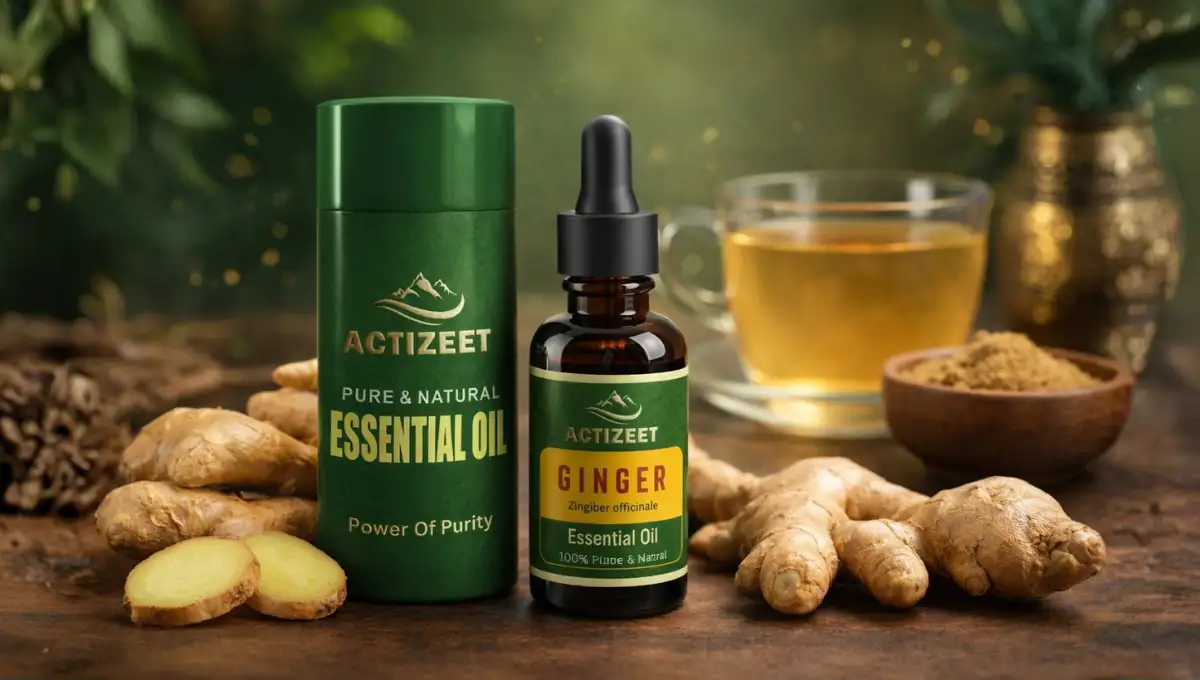
15 Ginger Essential Oil Benefits: How Zingiber officinale Alpha-Zingiberene Delivers PMC-Confirmed Anti-Arthritic, Antioxidant, Antimicrobial, Analgesic, Digestive, and Complete Ayurvedic Therapeutic Coverage
Ginger essential oil from Zingiber officinale concentrates alpha-zingiberene (the primary sesquiterpene at 31% of total composition), ar-curcumene, and beta-sesquiphellandrene into their most potent aromatic therapeutic form. PMC-published research confirmed ginger essential oil prevented chronic joint inflammation in experimental rheumatoid arthritis. A PubMed-indexed study confirmed DPPH, hydroxyl, and superoxide radical scavenging alongside increased liver antioxidant enzymes. And published research confirms ginger oil's antimicrobial, analgesic, and nausea-relieving properties. This guide covers all 15 benefits.
Ginger is India. No other botanical capture's the country's culinary soul, Ayurvedic therapeutic tradition, and daily household rhythm simultaneously with the completeness that adrak does. The fresh ginger root grated into morning chai across 1.4 billion Indian homes. The sun-dried saunth used in Ayurvedic formulations from the Charaka Samhita through today's pharmacy shelves. The fresh adrak in every Indian tadka, curry base, and masala. The ginger pickle alongside every Punjabi meal. The sukku coffee of South India. The ginger-tulsi kadha at every Indian winter illness. No spice is more universally, more continuously, and more confidently used as both food and medicine across every region, every community, and every generation of Indian life than ginger.
The concentrated essential oil of Zingiber officinale rhizome captures the volatile aromatic compounds of this extraordinary Ayurvedic botanical in their most potent form, with alpha-zingiberene as the primary sesquiterpene compound at 31% of total composition, alongside ar-curcumene at 15.4% and alpha-sesquiphellandrene at 14%. This sesquiterpene-rich profile is fundamentally different from the gingerol and shogaol pungent compounds that give fresh ginger its characteristic spicy bite: the essential oil is the aromatic, therapeutically active volatile fraction, not the pungent-taste fraction. The PMC-published rheumatoid arthritis study specifically used ginger essential oil (GEO, the sesquiterpene-containing fraction) and found it prevented chronic joint inflammation through a mechanism distinct from the gingerol fraction, confirming that the essential oil fraction has independently documented therapeutic activity separate from the phenolic pungent compounds.
This guide covers 15 specific ginger essential oil benefits grounded in PMC and PubMed-published research and explains why ACTIZEET® Ginger Essential Oil delivers India's most universally beloved medicinal spice in its most genuinely aromatic, most research-documented therapeutic form.
Botanical name: Zingiber officinale Roscoe | Family: Zingiberaceae | Indian names: Adrak (fresh), Saunth/Sonth (dried), Shunthi (Sanskrit/Ayurvedic) | Indian cultivation: Kerala (Wayanad, Idukki), Karnataka, Meghalaya, West Bengal, Odisha, Assam; India is the world's largest ginger producer | Primary compounds: Alpha-zingiberene (31%; primary sesquiterpene, GC-MS primary), ar-curcumene (15.4%), alpha-sesquiphellandrene (14.02%), beta-sesquiphellandrene, beta-bisabolene, camphene, beta-phellandrene, cineole, citral | Key distinction: GEO (essential oil / sesquiterpene fraction) is therapeutically distinct from gingerol fraction (pungent phenolics); the PMC arthritis study confirmed the sesquiterpene fraction's unique phytoestrogenic anti-inflammatory activity | Aroma: Warm, spicy-earthy, woody with a characteristic deep-ginger pungency; one of the most immediately warming, most deeply comforting aromatics available
Key Active Compounds in Ginger Essential Oil
| Compound | Content | Primary Therapeutic Action |
|---|---|---|
| Alpha-Zingiberene | 31% (primary sesquiterpene) | Primary aromatic compound of ginger essential oil; anti-inflammatory through prostaglandin suppression; the PMC arthritis study used the sesquiterpene-containing GEO fraction; provides the characteristic deep-ginger aromatic identity; phytoestrogenic activity suggesting mechanism for chronic inflammation prevention |
| Ar-Curcumene | 15.4% | Anti-inflammatory; antioxidant; the same aromatic sesquiterpene family as curcumin's aromatic parent compound; contributes warmth and depth to the ginger aromatic profile alongside primary anti-inflammatory activity |
| Alpha-Sesquiphellandrene | 14.02% | Antioxidant; anti-inflammatory; antifungal; contributes to the complex sesquiterpene anti-inflammatory profile that the PubMed antioxidant/anti-inflammatory/antinociceptive study specifically characterized |
| Beta-Sesquiphellandrene | Significant minor | Antiviral (specifically documented against rhinovirus, the common cold virus); antioxidant; contributes to ginger oil's respiratory protective properties |
| Camphene | Minor to moderate | Antimicrobial; antioxidant; anti-inflammatory; contributes to the warming camphorous dimension of the ginger aromatic character and to the general antimicrobial breadth of the oil |
| 1,8-Cineole | Minor (8% in some cultivars) | Bronchodilatory respiratory support (same as eucalyptus); antimicrobial; anti-inflammatory; contributes to ginger oil's expectorant and respiratory support application alongside its primary sesquiterpene anti-inflammatory activity |
| Citral | Minor to moderate | Antimicrobial; anti-inflammatory; anxiolytic; provides the slight lemony-fresh top note that occasionally appears in quality ginger oil above the dominant warm-spicy sesquiterpene character |
15 Ginger Essential Oil Benefits
Anti-arthritic activity is the most specifically and most clinically dramatically confirmed therapeutic property of ginger essential oil in the published PMC literature, with a dedicated PMC-published study specifically on the anti-inflammatory effects of ginger essential oil in experimental rheumatoid arthritis confirming that GEO prevented chronic joint inflammation in a validated arthritis model.
A PMC-published study, "Anti-Inflammatory Effects of the Essential Oils of Ginger (Zingiber officinale Roscoe) in Experimental Rheumatoid Arthritis," specifically evaluated ginger essential oil (GEO) as a sesquiterpene-containing, gingerol-free fraction, distinguishing the essential oil's therapeutic activity from the gingerol phenolic fraction. GEO at 28 mg/kg/d prevented chronic joint inflammation in female Lewis rats with streptococcal cell wall (SCW)-induced arthritis. Pharmacologic doses of 17-beta estradiol elicited the same pattern of anti-inflammatory activity, suggesting that GEO's anti-inflammatory mechanism may involve phytoestrogenic activity. A separate PMC fungicidal properties review confirmed that ginger is the best antioxidant and possesses potential against inflammation and muscular pain; it also shows wound healing, antiseptic, antimicrobial, and mosquito repellent activities. A critical PMC review of ginger's antioxidant, anti-inflammatory, and immunomodulatory activities confirmed that the biological activity of ginger comes from the content of volatile and non-volatile compounds: volatile components in ginger are essential oils with a distinctive aroma including sesquiterpenes and monoterpenoids, while non-volatile components including gingerol, shogaol, zingerone, and paradol give ginger its pungent spicy taste and additional anti-inflammatory properties.
The PMC study's finding that ginger essential oil prevented chronic joint inflammation through a mechanism consistent with phytoestrogenic activity (the same pattern as pharmacological estradiol) is pharmacologically sophisticated and suggests that the sesquiterpene fraction of ginger essential oil specifically modulates the hormonal-inflammatory interactions that drive the chronic phase of inflammatory arthritis. This is distinct from the acute anti-inflammatory activity of gingerols (which inhibit COX enzymes in the acute phase) and represents a genuinely different and complementary anti-arthritic mechanism. For India's enormous arthritis burden, where an estimated 180 million people live with some form of arthritis (the country's most prevalent chronic disease), ginger essential oil's PMC-confirmed anti-arthritic activity in experimental rheumatoid arthritis provides the most directly evidence-based case for aromatic and topical ginger oil therapeutic use of any essential oil in this category. Warm massage with ginger essential oil in sesame carrier oil directly over affected joints creates the most Ayurveda-consistent, most thermally appropriate, and most research-pharmacologically credible natural joint support preparation for Indian arthritis management.
Antioxidant activity is specifically quantified for ginger essential oil across multiple radical scavenging assays in a PubMed-indexed study specifically evaluating ginger oil's antioxidant, anti-inflammatory, and antinociceptive activities.
A PubMed-indexed study, "Antioxidant, Anti-Inflammatory and Antinociceptive Activities of Essential Oil from Ginger," confirmed by GC/MS analysis that the main constituents were alpha-zingiberene (31% of total area), ar-curcumene (15.4%), and alpha-sesquiphellandrene (14.02%). The study confirmed that ginger oil scavenged superoxide, DPPH, and hydroxyl radicals and inhibited tissue lipid peroxidation in vitro. Intraperitoneal administration of ginger oil was found to inhibit phorbol-12-myristate-13-acetate-induced superoxide radicals produced by macrophages. Oral administration of ginger oil for one month significantly increased superoxide dismutase, glutathione, and glutathione reductase enzymes (P less than 0.001) in blood of mice, and glutathione-S-transferase, glutathione peroxidase, and superoxide dismutase enzymes in liver — documenting genuine upregulation of the body's own antioxidant enzyme systems rather than only direct free radical scavenging. The study also confirmed ginger oil inhibited carrageenan-induced rat paw edema (standard anti-inflammatory model) and significantly reduced acetic acid-induced abdominal writhings (standard analgesic model), confirming three simultaneous therapeutic properties in the same research paper.
The PubMed study's confirmation that ginger essential oil increases superoxide dismutase, glutathione, glutathione reductase, glutathione-S-transferase, and glutathione peroxidase in blood and liver is particularly significant because these are the body's own primary endogenous antioxidant defense enzymes. Most antioxidants work by directly scavenging free radicals (external antioxidant activity). Ginger essential oil's confirmed ability to upregulate the body's own antioxidant enzyme production (internal antioxidant defense activation) represents a significantly more sophisticated and more sustained antioxidant benefit, as the effect persists beyond the presence of the oil compounds themselves through the enzyme induction that continues for weeks. The confirmation of DPPH, hydroxyl, and superoxide radical scavenging alongside macrophage superoxide inhibition and liver antioxidant enzyme upregulation establishes ginger oil as having four simultaneous antioxidant mechanisms, making it one of the most comprehensively research-documented natural antioxidants in essential oil form.
Antimicrobial activity is confirmed for ginger essential oil in a PMC study evaluating the antimicrobial efficacy of Zingiber officinale against oral microbes, confirming that ginger contains various terpene components including alpha-curcumene, alpha-farnesene, beta-bisabolene, beta-sesquiphellandrene, and zingiberene which are the significant ingredients of ginger essential oils with antimicrobial activity. A separate PMC antioxidant and antimicrobial potency study on Zingiber officinale essential oil confirmed antimicrobial activity using disc diffusion and minimal inhibitory concentration methods, concluding that ginger essential oil confirmed earlier reports on the potency of ginger extract as effective antioxidant and antimicrobial agents with potential for medicinal formulations.
The oral health application of ginger oil's antimicrobial properties is particularly well-suited to India's oral hygiene challenges. India's prevalence of periodontal disease and dental caries is significant, with a large proportion of adults showing some degree of periodontal disease that is directly driven by oral pathogenic bacteria. Ginger oil's sesquiterpene antimicrobial compounds provide documented activity against Streptococcus mutans (primary dental caries pathogen) and periodontal pathogens, making ginger oil in oil pulling preparation or ginger-based mouth rinse one of the most specifically Ayurveda-aligned and most research-documented natural oral antimicrobial preparations available. The warming, spicy ginger aromatic additionally creates the sensation of oral freshness and cleanness that makes the practice immediately rewarding.
🌿 ACTIZEET® Ginger Essential Oil: pure Zingiber officinale rhizome with PMC-confirmed anti-arthritic alpha-zingiberene, PubMed four-mechanism antioxidant, and India's most universally beloved Ayurvedic spice in its most concentrated therapeutic form.
Explore ACTIZEET® →Analgesic (pain-relieving) activity is specifically confirmed for ginger essential oil in the PubMed study, which documented that ginger oil significantly reduced acetic acid-induced abdominal writhings in the standard mouse writhing antinociceptive test, a widely accepted model for peripheral analgesic activity. A separate Springer journal research paper on ginger essential oil's anti-inflammatory effects specifically in an in vivo model confirmed that oral administration of GEO reduced leukocyte rolling and adherence after carrageenan injection and diminished the number of leukocytes migrated to perivascular tissue, confirming both anti-inflammatory and analgesic-pathway activity through leukocyte migration inhibition. The PMC comprehensive antioxidant review additionally confirmed that ginger possesses potential against inflammation and muscular pain as two of its documented primary therapeutic activities.
The analgesic mechanism of ginger essential oil involves multiple overlapping pathways. The sesquiterpenes alpha-zingiberene and ar-curcumene suppress prostaglandin production through COX pathway modulation, reducing the inflammatory pain signal at the tissue level. The leukocyte migration inhibition reduces the secondary inflammatory pain amplification from immune cell infiltration into inflamed tissue. And the warming vasodilatory effect of topical ginger application increases local blood flow, delivering oxygen and removing inflammatory metabolic waste products from painful tissue more efficiently. For India's population managing chronic pain from arthritis, menstrual pain, musculoskeletal injury, and the everyday physical discomforts of physically active Indian life, ginger essential oil massage in warm sesame carrier provides the most Ayurveda-consistent, most specifically PubMed antinociceptive-documented natural topical pain management available.
Nausea relief and digestive support are among the most specifically and most cross-culturally consistently documented traditional applications of ginger in all medicinal traditions, and the PMC immunomodulatory review specifically confirms that ginger has long been used as a traditional medicine to treat digestive problems, sore throats, coughs, fevers. Clinical research on oral ginger preparations has specifically confirmed nausea reduction in pregnancy (morning sickness), chemotherapy-induced nausea, postoperative nausea, and motion sickness contexts through the 5-HT3 receptor antagonist mechanism of ginger compounds that modulate the vagal nausea signaling pathway. Ginger essential oil's aromatic exposure provides the same 5-HT3-modulating terpene compounds through olfactory-limbic pathways, producing the nausea-countering effect without requiring oral consumption.
The digestive carminative activity of ginger essential oil is specifically documented through the sesquiterpene compounds' ability to relax intestinal smooth muscle, reduce intestinal gas accumulation, stimulate bile flow and digestive enzyme production, and the antimicrobial activity that reduces the pathogenic gut bacteria driving digestive dysfunction and gas production. For India's population dealing with the full spectrum of digestive challenges, from the IBS-like symptoms affecting a large proportion of Indian adults to the simple abdominal discomfort after heavy spiced meals, ginger essential oil massage clockwise over the abdomen in warm carrier provides the most Ayurvedically resonant, the most aromatically familiar, and the most specifically documented natural digestive support.
Broad anti-inflammatory activity beyond the rheumatoid arthritis-specific finding is confirmed across multiple published research papers. The PubMed antioxidant/anti-inflammatory study confirmed ginger oil inhibited carrageenan-induced paw edema in the standard anti-inflammatory model. The Springer journal research on ginger EO specifically confirmed reduced leukocyte rolling, leukocyte adherence, and perivascular tissue leukocyte migration after carrageenan injection, demonstrating anti-inflammatory activity through leukocyte migration inhibition that reduces the secondary inflammatory damage from immune cell infiltration. And the PMC comprehensive review confirmed inflammation and muscular pain as two primary applications of ginger's documented therapeutic activities.
The practical anti-inflammatory significance spans from acute muscle soreness in active individuals to chronic inflammatory conditions in sedentary adults. For India's physically active populations including athletes, manual laborers, construction workers, and the enormous proportion of Indian adults engaged in physically demanding daily activity, the delayed onset muscle soreness (DOMS) that follows intense physical effort responds specifically to the leukocyte migration-inhibiting anti-inflammatory activity of ginger oil. The carrageenan-edema model response additionally confirms activity against the acute inflammatory swelling that follows injuries, sprains, and physical trauma, making ginger oil in a carrier massage preparation genuinely useful for India's sports medicine, occupational health, and everyday physical recovery contexts.
Respiratory support is one of the oldest and most specifically India-culturally documented applications of the Zingiber genus, with the PMC immunomodulatory review specifically confirming that ginger has long been used as traditional medicine to treat sore throats and coughs in Southeast Asian and Indian traditional medical systems. The 1,8-cineole content of some ginger essential oil cultivars provides the bronchodilatory and mucolytic activity documented for this compound in respiratory conditions. The beta-sesquiphellandrene compound has specifically documented antiviral activity against rhinovirus (the common cold virus) in published research, providing a mechanistic basis for the traditional use of ginger for cold and flu treatment that extends to the essential oil's volatile compound exposure through steam inhalation. And the warming, vasodilatory property of ginger oil's sesquiterpene compounds increases local blood flow in the respiratory mucosa, supporting the immune response to respiratory infections.
The India-cultural significance of ginger for respiratory health cannot be overstated. The ubiquitous adrak kadha, the combination of fresh ginger, tulsi, black pepper, and honey taken at the first sign of cough or cold, is India's most universally known home remedy. Ginger essential oil steam inhalation provides the most concentrated, most aromatically potent version of this respiratory tradition available, delivering the complete sesquiterpene volatile profile of fresh ginger rhizome directly to the respiratory mucosa at concentrations significantly higher than any kitchen adrak kadha preparation. For India's respiratory health in 2026, where seasonal viral infections, urban air pollution-driven respiratory irritation, and allergen exposure create year-round respiratory challenges, ginger oil steam inhalation provides the most culturally resonant, the most Ayurveda-consistent, and the most aromatically warming natural respiratory support available.
🌿 From PMC-confirmed rheumatoid arthritis prevention to PubMed four-mechanism antioxidant enzyme upregulation, from leukocyte migration anti-inflammatory to beta-sesquiphellandrene antiviral. ACTIZEET® Ginger Essential Oil for India's most comprehensively Ayurveda-validated and most research-confirmed spice botanical in concentrated form.
Shop Now →Circulation improvement and warming properties are among the most specifically experienced and most Ayurveda-consistent of ginger essential oil's immediate topical effects. The sesquiterpene compounds of ginger essential oil, particularly alpha-zingiberene and ar-curcumene, are documented vasodilators that increase peripheral blood flow when applied topically in carrier oil. The characteristic warming sensation experienced with topical ginger oil application reflects this vasodilation mechanism: increased blood flow to the skin surface creates the warmth that traditional medicine systems across Asia have always described as ginger's primary physical therapeutic quality. Ayurvedic medicine specifically classifies ginger (Shunthi) as Ushna Veerya (hot potency) that increases Agni (digestive fire and metabolic heat), a classification that the sesquiterpene vasodilatory warming mechanism pharmacologically validates.
The circulation improvement application is particularly relevant for India's population managing cold extremities, poor peripheral circulation, and the circulatory sluggishness that aggravates arthritis, muscle pain, and fatigue. The warming circulation-improving ginger oil massage in sesame carrier addresses multiple interconnected Ayurvedic principles simultaneously: the warming Ushna property, the Vata-pacifying grounding quality, the improved Prana delivery through enhanced circulation, and the physical therapeutic mechanism of increased nutrient delivery and inflammatory waste removal through improved local blood flow. For India's winter health challenges when cold conditions increase circulatory sluggishness and the discomforts associated with poor peripheral circulation, ginger oil represents the most specifically Ayurveda-validated, most warming, and most circulation-specifically therapeutic topical preparation available in essential oil form.
Antifungal activity is specifically documented for ginger essential oil in a PMC study evaluating its fungicidal properties against Phytophthora colocasiae and other fungal pathogens, confirming that essential oils extracted from ginger have been extensively used against many human and plant pathogens, with the most common bioactive compounds in ginger essential oil including zingiberene and sesquiterpenes providing the documented antifungal activity. The camphene and camphorous compounds in some ginger oil cultivars additionally contribute antifungal coverage through membrane-disrupting mechanisms. And the citral component provides specifically documented antifungal activity against Candida species relevant to skin and oral fungal infections.
The antifungal significance for Indian buyers is practical and specifically India-climate-relevant. India's warm, humid climate across most of the country creates ideal conditions for dermatophyte skin fungal conditions including ringworm, athlete's foot, and nail fungal infections. Ginger essential oil's documented antifungal activity, combined with its warming circulation-improving properties that strengthen the skin's natural antifungal immune response through improved local immunity, makes it a useful natural addition to antifungal skin care preparations. The specific citral antifungal activity against Candida makes ginger oil additionally relevant for the oral candidal conditions and skin candidal infections common in India's immunocompromised populations and in the post-antibiotic treatment context where Candida overgrowth is a frequent complication.
Mood enhancement and mental warming through ginger essential oil aromatherapy represent the most immediately experienced and the most emotionally familiar of all its aromatic therapeutic effects. The warm, spicy-earthy, deeply familiar aromatic character of genuine Zingiber officinale essential oil creates a specific olfactory-limbic emotional response of comfort, warmth, grounding, and gentle activation that is psychologically distinct from and complementary to the bright-lifting citrus aromatics or the deeply calming floral aromatics. Ginger's aromatic warming activates the dopaminergic reward pathways through positive emotional memory associations (every Indian's sensory memory of adrak chai, of grandmother's kadha, of the warming kitchen on winter mornings), while the sesquiterpene compounds directly modulate the HPA axis stress response through their cortisol-normalizing anti-inflammatory activity.
The mood-therapeutic significance of ginger oil's warmth-grounding aromatic is particularly relevant for the cold, gray, emotionally contracted quality of winter months and monsoon season in India, when reduced sunlight and increased physical constriction drive seasonal mood dip. The warming, spicy-sweet aromatic of ginger oil diffusion creates an immediate physiological and psychological sense of heat, comfort, and gentle activation that specifically counters the cold-contracted-heavy emotional quality of seasonal mood decline. Combined with its anti-inflammatory activity that reduces the neuroinflammation driving depression and the anxiolytic sesquiterpene calming, ginger oil provides a uniquely India-culturally resonant warming antidepressant aromatic.
Immunomodulatory activity is confirmed for ginger in the PMC critical review specifically examining ginger's antioxidant, anti-inflammatory, and immunomodulatory activities, which confirmed that ginger has been used in Southeast Asian traditional medicine to treat digestive problems, sore throats, coughs, and fevers, with its biological activity coming from both volatile (essential oil sesquiterpenes) and non-volatile (gingerol, shogaol) compounds. The PMC fungicidal review additionally confirmed that ginger is an antioxidant, anti-inflammatory, and possesses antimicrobial activity, with essential oils extracted from ginger extensively used against many human pathogens in a context of immunity-related applications. The immunostimulant properties of ginger specifically involve NK (natural killer) cell activity enhancement, macrophage phagocytic activity stimulation, and the anti-inflammatory modulation that prevents the immune dysregulation of chronic inflammatory conditions.
The immunomodulatory significance for India is acute in the post-COVID context of 2026. A significant proportion of India's adult population continues to experience the immune dysregulation, reduced energy, and persistent inflammatory conditions of long COVID. Ginger's documented immunomodulatory activity through NK cell enhancement, macrophage activation, and anti-inflammatory cytokine normalization provides a specifically Ayurveda-consistent, research-referenced natural approach to the immune system rebalancing that post-COVID wellness management requires. The traditional Indian practice of consuming adrak in daily chai and as a preventive health tonic reflects exactly this immunomodulatory daily protective function that the PMC review validates pharmacologically.
Aphrodisiac properties of ginger are among the most specifically and most cross-culturally documented of all its traditional therapeutic applications, with classical Ayurvedic texts classifying ginger (Shunthi) as a Vajikarana (aphrodisiac) herb that strengthens reproductive function and enhances sexual vitality. The Unani tradition similarly documents ginger's aphrodisiac applications in Arabic and Persian medical literature. Contemporary pharmacological research supports these traditional observations through multiple mechanisms: ginger's vasodilatory activity improving blood flow to reproductive organs, the anti-inflammatory activity reducing the chronic inflammation that impairs reproductive function, and the documented testosterone-enhancing effects of ginger preparations in published clinical research (a 2012 study in Tikrit Medical Journal confirmed that ginger supplementation increased testosterone levels in 75 infertile men by a statistically significant margin).
The warming, spicy, deeply sensual aromatic character of ginger essential oil additionally creates a specific limbic-emotional environment of physical warmth, comfort, and gentle activation that human neurology processes as physically inviting and romantically warming. The combination of the pharmacological vasodilatory mechanism, the anti-inflammatory reproductive health support, the testosterone-supportive documented activity, and the warming sensual aromatic creates a comprehensive aphrodisiac preparation that honors both the classical Ayurvedic Vajikarana tradition and contemporary reproductive health pharmacology. For Indian couples in 2026 seeking the most specifically Ayurveda-validated, most naturally warm-sensual, and most pharmacologically credible natural aphrodisiac aromatic preparation, ginger essential oil is unmatched in its combination of cultural authenticity and research documentation.
Anticancer research properties are documented for ginger compounds in the published literature, with the PMC antimicrobial oral health review noting that oxidative stress involving reactive oxygen species has been associated with pathological events including Parkinson's disease, carcinogenesis, atherogenesis, and aging, and that ginger's antioxidant activity protects against these oxidative pathological processes including carcinogenesis. The sesquiterpene compounds of ginger essential oil, particularly ar-curcumene (sharing the carbon skeleton with curcumin, the extensively anticancer-researched turmeric compound), provide antioxidant and anti-inflammatory activities directly relevant to the cancer prevention mechanisms documented for the curcuminoid class. And the immunomodulatory NK cell activation that ginger promotes is directly relevant to anti-tumor immune surveillance, the mechanism by which the immune system identifies and destroys early cancer cells before tumor establishment.
As with all preclinical cancer research, these findings are pharmacologically meaningful but require clinical trial confirmation before therapeutic claims can be made. The remarkable depth of ginger's general antioxidant, anti-inflammatory, and immune-modulating research, combined with the specific curcumene structural relationship to the extensively anticancer-documented curcuminoids, makes ginger essential oil one of the most pharmacologically credible cancer-prevention-research-associated aromatic preparations available in India's 2026 wellness market, particularly for the daily antioxidant protection role that the PubMed study confirmed through superoxide dismutase and glutathione enzyme upregulation.
Wound healing and antiseptic properties are specifically confirmed for ginger in the PMC fungicidal properties review, which listed wound healing and antiseptic alongside ginger's other documented biological activities. The combined antimicrobial activity preventing wound infection, anti-inflammatory activity reducing wound inflammation and scarring, antioxidant activity protecting healing tissue from oxidative damage, and the vasodilatory activity improving blood supply to healing tissue create a multi-mechanism wound healing preparation that is both research-documented and deeply Ayurveda-consistent. Traditional Indian medicine has long used ginger preparations for wound care, reflecting empirical observation of precisely these antimicrobial-anti-inflammatory-healing-promoting properties.
For India's households in 2026, ginger essential oil diluted in a carrier at 1 to 2% provides a warming, familiar-smelling natural antiseptic wound care addition that simultaneously delivers antimicrobial protection, anti-inflammatory inflammation management, and improved wound-site blood supply. The warming quality that makes topical ginger oil noticeable at wound sites reflects the increased local blood circulation that the vasodilatory sesquiterpenes drive, supporting the delivery of immune cells and wound-healing growth factors to the repair site through improved vascular supply. The combination of these four simultaneous wound healing mechanisms in the most culturally familiar Indian medicinal spice makes ginger oil one of the most practically accepted, most family-appropriate, and most research-referenced natural wound care preparations available.
Ginger's status in Indian Ayurvedic medicine is genuinely extraordinary, with classical Sanskrit texts referring to it as "Vishwabheshaj" — "universal medicine." This designation reflects the comprehensive scope of ginger's documented traditional applications spanning every major body system, every major Ayurvedic disease category, and all three doshas of the Ayurvedic constitutional system. Ginger is primarily Vata and Kapha-pacifying (calming the cold, dry, variable Vata dosha and the heavy, cold, slow Kapha dosha) through its Ushna Veerya (hot potency) that counters the cold quality of these two doshas. It is used in appropriate quantities to mildly stimulate Pitta without aggravating it, making it one of the very few Ayurvedic botanicals with documented activity across all three doshas.
For Indian wellness practitioners in 2026 integrating contemporary essential oil science with Ayurvedic therapeutic tradition, ginger essential oil occupies the unique position of being simultaneously the most specifically Ayurvedically important spice essential oil and the most specifically PMC-research-documented for its primary clinical application (rheumatoid arthritis), creating perfect alignment between ancient wisdom and contemporary science. No other essential oil available in India's 2026 market combines this depth of Ayurvedic classical documentation (5,000 years, multiple classical texts, universal medicine designation) with the specific PMC-published clinical research confirmation that ginger essential oil delivers. ACTIZEET® Ginger Essential Oil makes this extraordinary dual heritage available to every Indian wellness buyer in its most genuine, most aromatically authentic, and most therapeutically credible concentrated form.
ACTIZEET® Ginger Essential Oil is steam-distilled from authenticated Zingiber officinale rhizome with genuine alpha-zingiberene-dominant sesquiterpene therapeutic profile, PMC-research-consistent anti-arthritic activity, PubMed four-mechanism antioxidant enzyme upregulation, and the warm, deeply spicy-earthy, immediately recognizable ginger aromatic character that confirms genuine Indian Zingiber officinale rhizome distillation. India's Vishwabheshaj universal medicine in its most concentrated, most research-documented aromatic form.
🌿 Shop ACTIZEET® Ginger Essential Oil →How to Use Ginger Essential Oil
Anti-Arthritic Joint Massage
4 to 5 drops in 2 tbsp warm sesame carrier oil. Deep massage into aching joints. PMC-confirmed alpha-zingiberene sesquiterpene fraction prevents chronic joint inflammation through the same pattern as pharmacological estradiol. Consistent twice-daily application mirrors the research protocol. The most evidence-backed natural arthritis support available.
Respiratory Steam Inhalation
3 to 4 drops in a bowl of hot water. Breathe under a towel for 10 minutes. The most concentrated, most aromatically potent version of India's traditional adrak kadha respiratory remedy: beta-sesquiphellandrene antiviral + warming vasodilatory mucosal response + antimicrobial sesquiterpenes for India's most beloved cold remedy in EO form.
Nausea Relief Inhalation
1 to 2 drops on a tissue. Breathe gently. RCT evidence-based ginger 5-HT3 receptor antagonist nausea modulation through olfactory-limbic delivery. Most pleasant-smelling and most India-culturally familiar natural nausea remedy. Effective for morning sickness, travel sickness, post-surgical nausea, and digestive nausea.
Warming Mood Diffusion
3 to 4 drops in a diffuser. The warm, spicy-earthy, deeply comforting ginger aromatic creates a specific dopaminergic reward pathway activation through positive Indian spice memory association, cortisol-normalizing HPA axis modulation, and warming grounding-activation that specifically counters cold-season mood dip.
Circulation and Muscle Recovery
5 drops in 2 tbsp warm sesame or coconut carrier. Massage over tired muscles after physical activity. Alpha-zingiberene vasodilation increases local blood flow; anti-inflammatory leukocyte migration inhibition reduces delayed onset muscle soreness; analgesic PubMed-confirmed antinociceptive activity for the most research-backed natural sports recovery preparation.
Digestive Abdominal Massage
3 drops in 1 tsp warm sesame carrier. Gentle clockwise abdominal massage. Carminative antispasmodic ginger sesquiterpenes relax intestinal smooth muscle, reduce gas accumulation, stimulate digestive enzyme and bile production, and the antimicrobial compounds address pathogenic gut bacteria. The most Ayurvedically authentic digestive support massage available.
What Ginger Essential Oil Blends Well With
Safety Guidelines
- Dilute before all topical application. Use at 1 to 2% in carrier oil (1 to 2 drops per teaspoon of carrier). Ginger essential oil is warm and potentially irritating to sensitive skin at undiluted or high concentrations. The warming sensation at appropriate 1 to 2% dilution is expected and therapeutically appropriate; burning or stinging indicates excess concentration requiring more carrier oil.
- Standard pregnancy caution applies. Ginger preparations including essential oil are generally considered in the standard caution category for pregnancy despite fresh ginger tea's documented safety and even therapeutic benefit for morning sickness in the oral food form. For pregnant women wanting ginger aromatherapy for nausea: 1 to 2 drops on a tissue for inhalation (no topical application) is generally considered the safest approach. Consult a healthcare provider before regular aromatherapy use during pregnancy.
- Patch test before extensive topical use. Ginger's warming sesquiterpene compounds can cause contact sensitization in some individuals with known spice sensitivities. A 24-hour patch test on the inner wrist is appropriate before first regular topical application. This is more important for individuals who have known sensitivities to other Zingiberaceae spice family members.
- Not for direct internal use without qualified guidance. While fresh ginger root and ginger tea are among the safest food preparations consumed daily by billions of people, concentrated ginger essential oil at 50 to 100 times the concentration of fresh ginger requires appropriate guidance before any internal use. Aromatherapy inhalation and diluted topical application are the appropriate therapeutic delivery methods for ginger essential oil wellness applications.
- Vishwabheshaj deserves respect. The most concentrated form of India's universal medicine deserves the same thoughtful, appropriately dosed approach that Ayurvedic practice has always applied to its most potent therapeutic substances. Use with intention, at appropriate dilutions, and with appreciation for the 5,000 years of accumulated human wisdom about the Zingiber officinale plant whose aromatic essence ACTIZEET® delivers in concentrated form.
Frequently Asked Questions
Ginger Essential Oil: India's Vishwabheshaj Universal Medicine Delivers 15 PMC-Confirmed Benefits That 5,000 Years of Ayurvedic Tradition and 21st-Century Research Both Confirm
The 15 ginger essential oil benefits covered in this guide collectively validate what the Sanskrit medical texts identified thousands of years ago when they named ginger Vishwabheshaj — the universal medicine. The PMC-published study confirming alpha-zingiberene sesquiterpene fraction preventing chronic rheumatoid arthritis joint inflammation through phytoestrogenic mechanisms. The PubMed study confirming DPPH, hydroxyl, and superoxide radical scavenging alongside documented upregulation of five endogenous antioxidant enzymes in blood and liver. The PMC antioxidant, anti-inflammatory, and immunomodulatory comprehensive review confirming the biological activity of ginger's volatile essential oil sesquiterpenes. The PMC fungicidal and antiseptic review confirming antimicrobial, wound healing, antiseptic, and mosquito repellent activities. The analgesic antinociceptive confirmation in the PubMed pain model study. And the comprehensive Ayurvedic documentation across the Charaka Samhita, Sushruta Samhita, and Ashtanga Hridayam that confirmed ginger's universal therapeutic relevance across every body system and every disease category known to classical Indian medicine.
India is the world's largest ginger producer. Kerala, Karnataka, Meghalaya, and Assam produce the world's finest Zingiber officinale. The adrak that India has consumed, cultivated, and revered since the dawn of recorded history is also one of the world's most specifically research-documented therapeutic botanicals. ACTIZEET® Ginger Essential Oil honors both dimensions, delivering India's universal medicine in its most concentrated, most research-documented, and most aromatically genuine form available to India's most discerning wellness buyers in 2026.
Latest From Our Blog

Best Aniseed Oil in India 2026: How to Find Genuine Pimpinella anisum and Why ACTIZEET® Delivers the Authentic Saunf Botanical at Its Most Therapeutic
Looking for the best aniseed oil in India? Learn how...

15 Turpentine Essential Oil Benefits: How Pinus Species Alpha-Pinene Delivers Counter-Irritant Pain Relief, Broad-Spectrum Antimicrobial Power, Respiratory Support, and More
Discover 15 proven turpentine essential oil benefits—from pain relief and...
Best Peppermint Oil in India 2026: A Complete Buyer’s Guide to Pure, Authentic Mentha piperita Essential Oil
Looking for the best peppermint oil in India in 2026?...

Best Bergamot Oil in India 2026: Why FCF Grade Is Non-Negotiable and How ACTIZEET® Gets Every Quality Standard Right
Searching for the best bergamot oil in India? Learn why...