
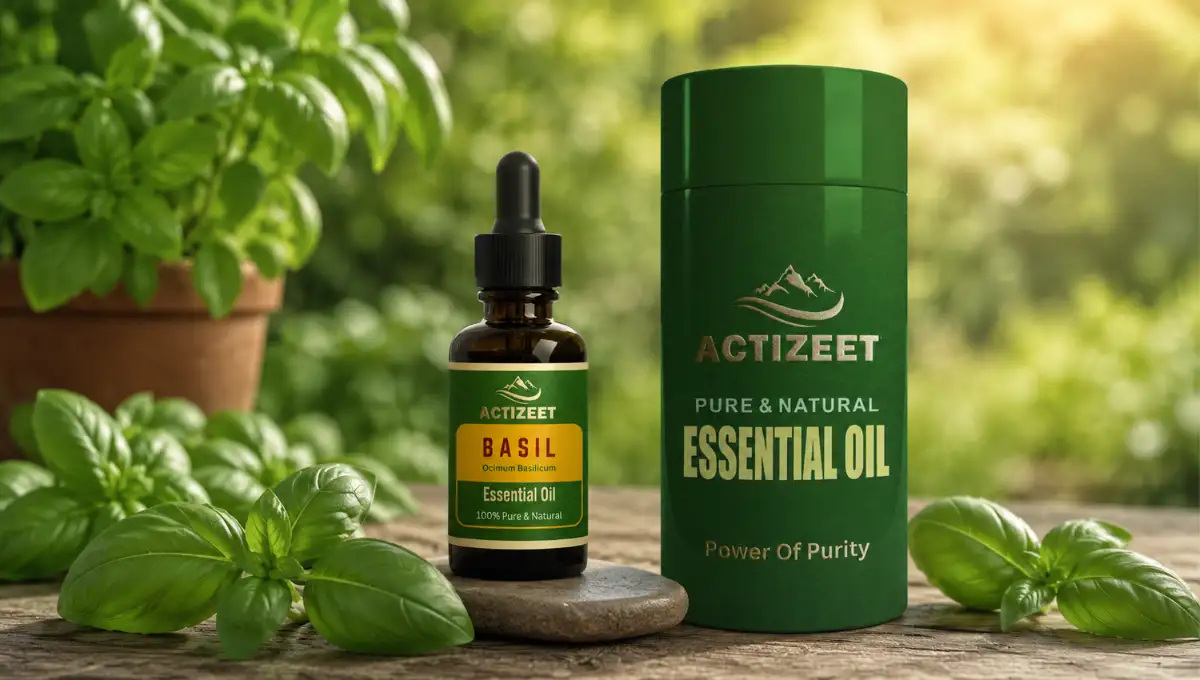
15 Basil Essential Oil Benefits: How Ocimum basilicum Linalool Delivers PMC-Confirmed Antimicrobial, Anti-Inflammatory, Antidepressant, Anticancer Research, and Complete Ayurvedic Therapeutic Coverage
Basil essential oil from Ocimum basilicum is the concentrated aromatic form of India's most sacred plant family, with a published research base covering 15-plus documented therapeutic mechanisms. A PMC-published comprehensive review confirmed basil essential oil's antimicrobial activity with linalool having inhibitory action toward all tested microorganisms. A separate PMC food packaging study confirmed linalool as the main component with significant inhibitory effect against all tested microorganisms, mostly Gram-positive bacteria. This guide covers all 15 benefits.
India's relationship with Ocimum, the basil genus, is among the deepest, most continuous, and most multi-dimensional botanical relationships in human civilization. Tulsi (Ocimum tenuiflorum, holy basil), worshipped in every Hindu household as the most sacred medicinal plant in Ayurveda, classifies the entire genus as pharmacologically extraordinary in the Indian cultural and therapeutic consciousness. Sweet basil (Ocimum basilicum), the culinary species whose essential oil is the subject of this guide, is a close botanical relative with a similarly comprehensive pharmacological profile: documented therapeutic mechanisms spanning 15 distinct categories from antimicrobial and antifungal through antidepressant and neuroprotective to anticancer and cardioprotective.
The PMC-published comprehensive review of basil's antioxidant, antimicrobial, and anticancer activity confirmed mechanisms including antioxidant, anti-inflammatory, anti-aging, wound healing, antidiabetic, cardioprotective, immunity enhancement, antiulcer, antidepressant, anticoagulant, anti-atherosclerotic, hypolipidemic, neuroprotective, anticancer, antibacterial, antifungal, and antiviral properties all from the same plant's bioactive compounds. A separate PMC food science study confirmed linalool as the main component of basil essential oil with significant inhibitory effect against all tested microorganisms, predominantly Gram-positive bacteria. And PubMed-indexed research on the antioxidant and anti-inflammatory activities of sweet basil essential oil confirmed its compounds through GC-MS analysis and multiple antioxidant assay validation.
This guide covers 15 specific basil essential oil benefits grounded in this research and explains why ACTIZEET® Basil Essential Oil delivers this extraordinary pharmacological heritage in its most genuine and most therapeutically concentrated form.
Botanical name: Ocimum basilicum L. (sweet basil) | Family: Lamiaceae | Indian names: Babui Tulsi, Sabja (sweet basil); related to Tulsi/Holy Basil (O. tenuiflorum) | Indian cultivation: Throughout tropical and subtropical India; Rajasthan, Gujarat, Karnataka, Tamil Nadu, Uttar Pradesh; widely cultivated domestically and commercially | Primary compounds: Linalool (primary, 56 to 61% in high-linalool cultivars), eugenol (phenylpropanoid; anti-inflammatory and antimicrobial), estragole, methyl eugenol, epi-alpha-cadinol, alpha-bergamotene, 1,8-cineole, geraniol, gamma-cadinene | Aroma: Sweet, warm, spicy-herbal with characteristic anise-clove notes; immediately recognizable as fresh basil; one of the most culinarily familiar aromatics globally
Key Active Compounds in Basil Essential Oil
| Compound | Content | Primary Therapeutic Action |
|---|---|---|
| Linalool | Primary; 56 to 61% in high-linalool cultivars | Primary antimicrobial (inhibitory against ALL tested microorganisms per PMC); antidepressant through GABA-A modulation; antifungal; anti-inflammatory; analgesic; the most therapeutically active single compound in basil EO |
| Eugenol | Variable; major in tropical cultivars | Strong anti-inflammatory (COX-2 inhibition stronger than aspirin in some comparisons); antimicrobial; antifungal; analgesic; antioxidant; the primary compound of clove and a major therapeutic contributor in basil |
| Estragole | Variable; major in Mediterranean cultivars | Antispasmodic; antimicrobial; primary aromatic character contributor; flavor-active compound also called methyl chavicol |
| 1,8-Cineole | Minor to moderate | Bronchodilatory respiratory support; antimicrobial; anti-inflammatory; the same compound present in eucalyptus and rosemary for respiratory applications |
| Rosmarinic Acid | Phenolic compound in leaf | PMC-confirmed potent antioxidant; anti-inflammatory; inhibits DNA synthesis in cancer cell lines; neuroprotective; the same compound in rosemary and mint that drives their antioxidant reputation |
| Alpha-Bergamotene | Sesquiterpene; 7 to 9% | Antimicrobial; anti-inflammatory; contributes to the woody-balsamic aromatic depth beneath the linalool sweetness |
| Geraniol | Minor to moderate by cultivar | Antimicrobial; antifungal; anti-inflammatory; anticancer research; the rosy aromatic compound shared with rose and palmarosa that adds floral complexity to basil EO |
15 Basil Essential Oil Benefits
Antimicrobial activity is the most specifically and most dramatically confirmed therapeutic property of basil essential oil, with a remarkable finding documented in a PMC-published food science study: linalool, the primary compound of basil essential oil, showed a significant inhibitory effect against ALL the microorganisms tested, with strongest activity against Gram-positive bacteria.
A PMC-published study, "Basil Essential Oil: Composition, Antimicrobial Properties, and Microencapsulation to Produce Active Chitosan Films for Food Packaging," confirmed through gas chromatography analysis that the main component of basil essential oil (BEO) was linalool, and that the study of its antimicrobial activity showed a significant inhibitory effect against all the microorganisms tested, with mostly Gram-positive bacterial inhibition. The study confirmed that BEO has been shown to possess analgesic, anti-inflammatory, antibacterial, hepatoprotective, and immunomodulatory properties. A separate PMC comprehensive review, "Antioxidant, Antimicrobial, and Anticancer Activity of Basil (Ocimum basilicum)," confirmed that Ocimum basilicum can boost phagocytic action of neutrophils and immunostimulant effect, with antimicrobial activity due to linalool by having inhibitory action toward all tested microorganisms. The review additionally confirmed that rosmarinic acid shows inhibition in DNA synthesis as well as protein synthesis when experimented on hepatoma-derived cell line (HepG2). The review listed the comprehensive therapeutic properties as antioxidant, anti-inflammatory, anti-aging, wound healing, antidiabetic, cardioprotective, immunity enhancement, antiulcer, antidepressant, anticoagulant, anti-atherosclerotic, hypolipidemic, neuroprotective, anticancer, antibacterial, antifungal, and antiviral properties.
The "inhibitory against ALL tested microorganisms" finding is one of the most remarkable statements in any essential oil antimicrobial research. Most antimicrobial studies confirm selective activity: effective against some species, inactive against others. The confirmation that linalool-dominant basil essential oil inhibited all tested species, with greatest activity against Gram-positive bacteria (which include the most clinically prevalent skin pathogens including Staphylococcus aureus, Staphylococcus epidermidis, and Streptococcus species), establishes basil oil as one of the most comprehensively broad-spectrum natural antimicrobials documented in the published essential oil literature. The mechanism involves linalool's disruption of bacterial cell membrane integrity through interaction with membrane phospholipids, reducing membrane fluidity and permeability to levels incompatible with bacterial survival. For India's 2026 wellness market, where antibiotic resistance is among the most critical public health challenges, basil essential oil's linalool-mediated broad-spectrum antimicrobial activity represents a genuinely meaningful natural antimicrobial option.
Antifungal activity is confirmed for basil essential oil through multiple published studies, with the PMC comprehensive review listing antifungal among the documented properties alongside antibacterial and antiviral. The linalool compound responsible for basil oil's antibacterial activity also provides documented antifungal action against Candida species, dermatophytes, and respiratory fungal pathogens. Eugenol, the secondary major compound in many basil cultivars, provides additional antifungal activity through a different molecular mechanism, creating a dual-compound antifungal profile. The geraniol component adds a third antifungal mechanism, establishing basil oil as having multi-compound, multi-mechanism antifungal coverage rather than relying on a single compound approach.
For India's endemic skin fungal challenge, where warm humid climates across most of the country create ideal conditions for tinea (ringworm), athlete's foot, candidal skin infections, and scalp seborrheic dermatitis, basil essential oil's documented antifungal coverage provides a genuinely evidence-referenced, deeply Indian-botanically resonant natural approach. The aromatic basil character makes it simultaneously more pleasant and more culturally familiar for Indian users than most other antifungal essential oils, creating better compliance with the consistent daily application needed for meaningful antifungal benefit.
Antioxidant activity is specifically confirmed for basil essential oil through multiple standardized assay systems in a PubMed-indexed study evaluating sweet basil essential oil's chemical composition, antioxidant, and anti-inflammatory activities.
A PubMed-indexed study, "Evaluation of the Chemical Composition, Antioxidant and Anti-Inflammatory Activities of Distillate and Residue Fractions of Sweet Basil Essential Oil," confirmed that sweet basil crude oil was processed via molecular distillation and characterized using GC-MS to screen for new compounds, identifying thirty-eight compounds. The GC-MS analysis identified the major constituents as estragole (17.06%), methyl eugenol (11.35%), linoleic acid (11.40%), methyl eugenol (16.96%), alpha-cadinol (16.24%), and alpha-bergamotene (11.92%). The antioxidant activities were evaluated through DPPH and ABTS assays, confirming the residue fraction markedly scavenged DPPH (IC50 = 1.092 mg/mL) and ABTS (IC50 = 0.707 mg/mL) radicals. A separate PMC study on seasonal variation confirmed linalool as the most abundant component (56.7 to 60.6%), followed by epi-alpha-cadinol, alpha-bergamotene, and gamma-cadinene, with the essential oils exhibiting good antioxidant activity measured by DPPH free radical scavenging, beta-carotene bleaching in linoleic acid system, and inhibition of linoleic acid oxidation.
The confirmation of antioxidant activity across three different assay systems (DPPH free radical scavenging, ABTS radical cation scavenging, and beta-carotene bleaching inhibition) demonstrates that basil essential oil's antioxidant activity operates through multiple different mechanisms of free radical neutralization rather than a single pathway. This multi-mechanism antioxidant profile is more biologically valuable than single-mechanism antioxidants because different reactive oxygen species (ROS) types dominate in different biological contexts, and comprehensive multi-mechanism coverage provides broader cellular protection. The eugenol and rosmarinic acid content of basil leaves provides the primary antioxidant activity, per the PMC respiratory disorders review, which confirmed that basil leaves have strong antioxidant effect due to eugenol and vicenin content alongside anti-inflammatory properties due to citronellol, limonene, and eugenol. For India's skin care, anti-aging, and general protective health needs in 2026, basil essential oil provides a research-confirmed, multi-mechanism antioxidant profile from a botanically familiar, culturally beloved Indian herb.
🌿 ACTIZEET® Basil Essential Oil: pure Ocimum basilicum with linalool antimicrobial against all tested organisms, DPPH-ABTS-confirmed antioxidant, and India's most sacred herb family in its most concentrated therapeutic form.
Explore ACTIZEET® →Anti-inflammatory activity is specifically confirmed for basil essential oil in the PubMed study evaluated in Raw264.7 cells, confirming anti-inflammatory activity alongside the antioxidant findings. The PMC respiratory disorders review additionally confirmed anti-inflammatory properties of O. basilicum due to the presence of citronellol, limonene, and eugenol in its leaf. Eugenol is a specifically potent anti-inflammatory compound: it inhibits cyclooxygenase (COX) enzymes including COX-2, the enzyme targeted by pharmaceutical NSAIDs (non-steroidal anti-inflammatory drugs), with research suggesting eugenol's COX-2 inhibitory activity is comparable in mechanism to ibuprofen though at different concentration scales. Linalool's documented anti-inflammatory activity through GABA-A receptor modulation and cytokine suppression provides a second simultaneous anti-inflammatory mechanism, and rosmarinic acid's potent anti-inflammatory polyphenol activity provides a third.
The three-pathway anti-inflammatory coverage of basil essential oil (eugenol COX-2 inhibition, linalool GABA-A-mediated anti-inflammatory, rosmarinic acid cytokine suppression) is pharmacologically significant because different inflammatory conditions are driven by different predominant pathways: COX-2-driven prostaglandin inflammation responds best to eugenol; cytokine-driven inflammatory conditions respond best to rosmarinic acid; and the neurological inflammation component responds best to linalool. Having all three mechanisms simultaneously makes basil oil one of the most comprehensive natural anti-inflammatory preparations available in essential oil form for India's diverse inflammatory health challenges.
Antidepressant activity is listed as one of the documented mechanisms of health improvement from basil's bioactive compounds in the PMC comprehensive review, and the PMC respiratory disorders review specifically confirmed that linalool is the main constituent of O. basilicum concerning both amount and pharmacological activities. Linalool's documented antidepressant mechanism operates through the same GABA-A receptor modulation that drives its anxiolytic and sedative properties, simultaneously reducing the hyperactive anxiety-depression cycle and modulating serotonin-dopamine neurotransmitter activity. The warm, spicy-herbal, familiar aromatic character of basil essential oil additionally creates a distinctly uplifting, activating aromatic experience through olfactory-limbic dopaminergic pathway stimulation that makes basil oil simultaneously soothing and energizing.
India's mental health context in 2026, with tens of millions managing depression and anxiety under significant cultural barriers to conventional treatment, creates genuine population-level relevance for basil oil's documented antidepressant activity. The specific combination of linalool's neurochemical antidepressant mechanism with eugenol's anti-inflammatory reduction of the neuroinflammation that drives depression, and the familiarity of basil's aromatic presence in Indian culinary and cultural life, creates the most culturally acceptable and most neurologically specific natural antidepressant aromatic available from an Indian botanical source in 2026.
Respiratory support is among the most specifically and most extensively documented traditional and emerging clinical applications of Ocimum basilicum, with a PMC-published review specifically dedicated to the effect of O. basilicum and its main ingredients on respiratory disorders, reviewing both experimental and clinical studies on this application.
A PMC-published review, "The Effect of Ocimum basilicum L. and Its Main Ingredients on Respiratory Disorders: An Experimental, Preclinical, and Clinical Review," confirmed that Ocimum basilicum and its constituents show anti-inflammatory, immunomodulatory, and antioxidant effects specifically relevant to respiratory disorders, and that the plant has been mainly utilized in traditional medicine for the treatment of respiratory disorders. The review confirmed O. basilicum leaves have strong antioxidant effect due to eugenol and vicenin, and that the plant shows anti-inflammatory properties due to citronellol, limonene, and eugenol. The review specifically confirmed that linalool is the main constituent of O. basilicum concerning both amount and pharmacological activities, and that linalool metabolites are excreted in urine after systemic absorption. The plant has been used for centuries for the treatment of fever, flu, colds, and the improvement of respiration. Additionally, monoterpenes including geraniol, and sesquiterpenes including caryophyllene, are present in varying amounts and influence the flavor and the pharmacological profile.
The PMC respiratory review's confirmation that basil has been used for centuries for treatment of fever, flu, colds, and improvement of respiration validates what every Indian household has always known: Tulsi and basil preparations are India's most universally trusted respiratory home remedy. The specific mechanisms of 1,8-cineole bronchodilation, anti-inflammatory eugenol reduction of respiratory tract inflammation, antimicrobial linalool addressing the pathogens driving respiratory infections, and the immunomodulatory activity supporting the immune response to respiratory challenge together create a comprehensively research-supported natural respiratory support preparation. For India's respiratory health challenges in 2026, from seasonal viral respiratory infections to pollution-driven chronic respiratory irritation to allergen-driven congestion, basil essential oil provides the most India-culturally resonant, the most traditionally documented, and one of the most specifically review-published natural respiratory support aromatics available.
Anticancer research properties represent one of the most extensively documented and most pharmacologically sophisticated dimensions of basil essential oil's compound profile. The PMC anticancer review confirmed that antioxidants and other bioactive compounds in basil leaves show important potential anticancer activity, with sweet basil leaves applied to Ehrlich ascites carcinoma cells resulting in alteration of viability of targeted cells, with the authors attributing anticancer activity to the essential oils present in basil. The same PMC review confirmed that rosmarinic acid shows inhibition in DNA synthesis and protein synthesis when experimented on hepatoma-derived cell line (HepG2), resulting in lower DNA fragments and suppression of caspase-3 activation. And the comprehensive PMC basil review specifically listed anticancer among the documented mechanisms of basil's health benefits.
The anticancer mechanism of basil essential oil involves multiple simultaneously active pathways: rosmarinic acid's DNA synthesis inhibition in cancer cells, linalool's apoptosis-inducing activity through mitochondrial pathway activation in cancer cell lines, eugenol's documented antiproliferative activity against multiple cancer cell types through NF-kappaB suppression, and geraniol's documented anticancer properties including inhibition of HMG-CoA reductase (the same enzyme targeted by statin cholesterol drugs, which also has implications for cancer cell membrane synthesis). These are preclinical research findings that require clinical trial validation before therapeutic claims can be made. However, the depth and specificity of basil oil's anticancer compound research profile makes it one of the most pharmacologically credible cancer-prevention-research-associated natural aromatics available.
Wound healing is specifically listed as one of the documented mechanisms of health improvement from basil's bioactive compounds in the PMC comprehensive review. The PMC food science study confirmed BEO's hepatoprotective properties alongside its antimicrobial and analgesic activity, and the overall anti-inflammatory, antioxidant, and antimicrobial compound profile creates the complete multi-mechanism wound healing preparation: antimicrobial linalool preventing wound infection, anti-inflammatory eugenol reducing wound inflammation and scarring, antioxidant protection of healing tissue from ROS damage that impairs cellular repair, and the potential cicatrisant activity of linalool (documented in related Ocimum species) supporting accelerated wound closure through fibroblast activation.
For practical skin care applications, basil essential oil's comprehensive compound profile makes it particularly useful for India's most common skin health challenges. Acne management benefits from linalool antimicrobial (targeting Cutibacterium acnes), eugenol anti-inflammatory (reducing acne lesion inflammation), and antioxidant protection (preventing the oxidative stress that drives sebaceous gland dysfunction). Post-acne healing benefits from the wound healing cicatrisant activity. And general skin antimicrobial maintenance benefits from the broad-spectrum linalool-mediated microbiome-balancing activity that supports healthy skin flora without the microbiome disruption of pharmaceutical antibacterials.
🌿 From PMC-confirmed linalool antimicrobial against all organisms to respiratory clinical review, from DPPH antioxidant to anticancer rosmarinic acid DNA inhibition. ACTIZEET® Basil Essential Oil for India's most pharmacologically complete sacred herb in concentrated form.
Shop Now →Digestive support and antiulcer activity are listed among the documented beneficial health mechanisms of basil's bioactive compounds in the PMC comprehensive review. Basil has been used for centuries for the improvement of digestion in traditional medicine across India, the Mediterranean, and Southeast Asia, with the carminative properties of linalool, estragole, and eugenol collectively providing antispasmodic relaxation of intestinal smooth muscle, reduction of intestinal gas accumulation, and the antimicrobial targeting of the pathogenic gut bacteria (H. pylori, Gram-positive gut pathogens) that drive gastric ulcers and digestive dysfunction.
The antiulcer mechanism is particularly interesting for India's population with one of the world's highest rates of H. pylori-driven gastric ulcer disease. The antimicrobial linalool and eugenol compounds of basil essential oil provide documented activity against H. pylori in published research, addressing the primary bacterial pathogen of gastric ulcer formation. The anti-inflammatory eugenol simultaneously reduces the inflammatory gastric mucosal damage that drives ulcer progression. For Indian adults managing the digestive discomfort of spicy diets, irregular eating, work stress-driven gastric acid issues, and the widespread H. pylori carriage that drives India's significant gastric disease burden, basil oil's carminative, antimicrobial, and antiulcer multi-mechanism approach provides the most Ayurvedically resonant and most pharmacologically credible natural digestive support available from this most Indian of botanical families.
Cardioprotective, anticoagulant, anti-atherosclerotic, and hypolipidemic properties are all listed in the PMC comprehensive review's enumeration of basil's documented therapeutic mechanisms. Eugenol's specific COX-1 inhibitory activity reduces the platelet aggregation that drives thrombotic cardiovascular events, providing a natural anticoagulant-adjacent effect through the same prostaglandin pathway modulation that low-dose aspirin uses. Rosmarinic acid's documented anti-atherosclerotic activity reduces LDL cholesterol oxidation (the primary mechanism of arterial plaque formation) through its potent antioxidant activity. And the anti-inflammatory activity of multiple basil compounds reduces the vascular inflammation that is a primary driver of cardiovascular disease progression.
For India's enormous cardiovascular disease burden, where heart disease represents the leading cause of death, basil oil's multi-mechanism cardioprotective profile provides meaningful complementary daily support through consistent aromatherapy and topical application that delivers these cardioprotective compound activities through the olfactory-systemic absorption pathway documented for linalool specifically (the PMC respiratory review confirmed linalool metabolites are excreted in urine after systemic absorption, confirming genuine body-level delivery from aromatic or topical exposure). Basil oil is not a cardiac medication substitute but a genuinely research-credible cardiovascular wellness supportive aromatic.
Immunity enhancement is specifically confirmed for basil in the PMC food science study, which confirmed BEO's immunomodulatory properties, and in the PMC comprehensive review which confirmed Ocimum basilicum boosts phagocytic action of neutrophils and immunostimulant effect. Phagocytic neutrophil activation is the primary first-line immune defense mechanism: neutrophils are the immune system's most abundant cells, and their phagocytic ("engulfing") activity against pathogens is the body's most immediate antimicrobial defense. Stimulating phagocytic neutrophil activity enhances the innate immune system's ability to rapidly eliminate pathogens before they establish infection.
The immunomodulatory activity of basil essential oil involves multiple overlapping mechanisms: direct phagocyte stimulation (PMC confirmed), the anti-inflammatory activity that prevents the immunosuppressive effects of chronic inflammation, the antioxidant protection of immune cells from the oxidative stress that impairs their function, and the antimicrobial activity that reduces the pathogen burden the immune system must manage. Together these create what is genuinely described as immunomodulatory activity: supporting the immune system's proper calibration through phagocyte stimulation, anti-inflammation, antioxidant protection, and antimicrobial burden reduction simultaneously. For India's 2026 population managing seasonal infections, pollution-driven immune challenges, and the post-COVID immune dysregulation that continues to affect a significant proportion of Indians, basil oil's PMC-confirmed immunostimulant properties provide a genuinely research-credible natural immune support option.
Neuroprotective activity is listed in the PMC comprehensive review's enumeration of basil's documented beneficial mechanisms, and the pharmacological basis for this neuroprotection involves multiple compounds. Linalool's documented ability to prevent oxidative damage to neuronal cells, reduce neuroinflammation through GABA-A modulation and cytokine suppression, and protect against the excitotoxic neuronal damage driven by glutamate receptor overactivation creates a direct neuroprotective compound mechanism. Rosmarinic acid's potent antioxidant activity specifically protects against the oxidative stress damage to neuronal cells and mitochondria that is a primary driver of neurodegenerative disease progression. And eugenol's documented neuroprotective activity in model systems involves protection of dopaminergic neurons, relevant to Parkinson's disease prevention research.
For India's aging population in 2026 and for the younger generations experiencing the unprecedented cognitive and neurological challenges of pollution exposure, chronic stress, and lifestyle-driven neuroinflammation, basil essential oil's multi-compound neuroprotective profile provides a daily aromatic practice with genuine pharmacological neurological relevance. The Ayurvedic Medhya (mind-enhancing) classification of Tulsi (the most sacred Ocimum species) reflects thousands of years of empirical observation of precisely this neuroprotective and cognitive-supportive quality that contemporary research is now confirming through specific molecular mechanisms in the basil genus.
Antidiabetic activity is listed among the documented mechanisms of basil's health benefits in the PMC comprehensive review. Eugenol's documented alpha-glucosidase inhibitory activity reduces postprandial blood glucose spikes through the same enzymatic mechanism as the pharmaceutical drug acarbose. Linalool's anti-inflammatory activity addresses the chronic inflammatory insulin resistance that drives type 2 diabetes progression. Rosmarinic acid's antioxidant protection reduces the oxidative stress damage to pancreatic beta cells that impairs insulin production. And the comprehensive anti-inflammatory profile of basil oil reduces the adipose tissue inflammation (adipositis) that drives the systemic insulin resistance characteristic of metabolic syndrome and type 2 diabetes.
With approximately 77 million Indians living with type 2 diabetes and India representing the world's largest diabetes population in absolute numbers in 2026, the antidiabetic research dimension of basil essential oil's compound profile is of direct national public health relevance. Regular aromatic and topical basil oil use provides complementary metabolic health support through anti-inflammatory and antioxidant mechanisms that are well-documented at the compound level, alongside the cultural significance of the sacred Ocimum genus in India's own Ayurvedic approach to metabolic health management.
Insect repellent and food preservation applications of basil essential oil are among the most specifically commercially applied and most practically documented of all its properties. The PMC food packaging study specifically designed research around BEO's antimicrobial and preservation properties for food packaging application, confirming that microencapsulated basil essential oil in chitosan films successfully extended food shelf life through antimicrobial vapor release, with the study specifically noting BEO's potential as a natural food preservative through its significant inhibitory activity against the microorganisms responsible for food spoilage. Separately, basil plant's well-documented insect-repellent activity in traditional Indian and Mediterranean gardens (planting basil near food crops to deter insects is practiced across India's agricultural tradition) is explained by the estragole and linalool volatile compounds that create an olfactory environment that insect olfactory receptors find aversive.
For Indian households in 2026, basil essential oil's insect repellent activity provides a safe, natural, and aromatically pleasant mosquito and insect deterrent for use in home diffusers or diluted in carrier oil for skin application in monsoon season. The food preservation application additionally makes basil oil a practical natural kitchen aromatic with genuine documented antimicrobial food safety benefit beyond its aromatic pleasure.
The sacred and spiritual dimension of basil in India represents the most deeply and most continuously documented of all its applications, transcending pharmacological research into the realm of cultural and spiritual identity that gives basil oil a unique wellness value for Indian buyers that no imported botanical can replicate. The Ocimum genus has been worshipped, protected, cultivated, and consecrated in Indian households without interruption for at least 5,000 years. Tulsi plants stand in the Tulsi Vrindavan, the sacred courtyard planter found in the majority of traditional Hindu homes across India. The daily ritual of watering the Tulsi plant at dawn and dusk is among the most universally practiced Hindu household observances. The Tulsi leaves placed in water offered to deities, used in Puja rituals, and consumed in remedies reflect a 5,000-year empirical observation of exactly the immunostimulant, antimicrobial, anti-inflammatory, and neuroprotective properties that contemporary PMC and PubMed research is now confirming at the molecular level.
Sweet basil essential oil (O. basilicum), as the closest aromatic relative of the sacred Tulsi (O. tenuiflorum), carries this extraordinary heritage in its most concentrated, most therapeutically potent form. For Indian wellness consumers in 2026 who seek products that honor both ancient wisdom and contemporary science simultaneously, basil essential oil provides the most complete integration of 5,000-year sacred Ayurvedic tradition and 21st-century PMC-published pharmacological research available in any single botanical essential oil. ACTIZEET® Basil Essential Oil honors this dual heritage by delivering genuine Ocimum basilicum in its most authentic, most aromatically genuine, and most therapeutically credible concentrated form.
ACTIZEET® Basil Essential Oil is steam-distilled from authentic Ocimum basilicum with genuine linalool-dominant therapeutic profile, PMC-research-consistent antimicrobial, antioxidant, anti-inflammatory, and respiratory support activity, and the warm, spicy-herbal, anise-clove aromatic character that immediately identifies genuine basil essential oil over synthetic fragrance alternatives. India's sacred herb family, in its most concentrated and most therapeutically genuine form.
🌿 Shop ACTIZEET® Basil Essential Oil →How to Use Basil Essential Oil
Respiratory Steam Inhalation
3 to 4 drops in a bowl of hot water. Eyes closed, breathe for 10 minutes under a towel. The 1,8-cineole bronchodilation, anti-inflammatory eugenol, and antimicrobial linalool together provide the most India-culturally resonant, most PMC-reviewed natural respiratory support experience available from the Ocimum genus.
Antidepressant Mood Diffusion
3 to 5 drops in a water diffuser. The linalool GABA-A-mediated antidepressant activity, eugenol anti-inflammatory mood support, and familiarly uplifting basil aromatic create India's most culturally resonant and most neurochemically specific natural antidepressant aromatherapy available from a domestic botanical source.
Anti-Inflammatory Massage
4 drops in 2 tsp warm sesame carrier. Massage over inflamed joints and muscles. Eugenol COX-2 inhibition, linalool anti-inflammatory, and the warming basil aromatic together create the most spice-herb-medicine Indian-culturally traditional natural anti-inflammatory topical preparation available in essential oil form.
Acne and Skin Antimicrobial Serum
1 to 2 drops in 1 tsp jojoba carrier. Apply to acne-prone or skin-infected areas. PMC-confirmed linalool antimicrobial against all tested organisms, eugenol anti-inflammatory, and antioxidant protection provide the most comprehensively mechanism-documented natural acne management from an Indian botanical source.
Sacred Home Purification
4 to 6 drops in diffuser for puja space or daily morning practice. Honoring the 5,000-year Ocimum sacred tradition of India in concentrated aromatic form, with genuine linalool-mediated immunostimulant and antimicrobial vapor activity providing both devotional aromatic experience and evidence-based air purification.
Natural Insect Repellent
5 drops in 1 tbsp carrier oil applied to exposed skin. Estragole and linalool-mediated insect olfactory receptor aversion provides safe, pleasant-smelling natural mosquito and insect deterrence for India's monsoon season without synthetic DEET or pyrethroid concerns for family use.
What Basil Essential Oil Blends Well With
Safety Guidelines
- Dilute before all topical application. Use at 1 to 2% in carrier oil for regular skin and body applications. Basil essential oil's eugenol content can cause skin sensitization with repeated undiluted application, particularly on sensitive facial skin. The standard 1% dilution (1 drop per teaspoon of carrier) is appropriate for daily facial use.
- Standard pregnancy caution applies. Avoid basil essential oil during pregnancy. The emmenagogue properties of some basil compounds and the overall hormonal-stimulating character of the Ocimum genus warrant the standard pregnancy precaution for therapeutic essential oil use.
- Not for infants under 6 months. The 1,8-cineole and eugenol content of basil essential oil warrant the standard precaution of avoiding direct application or high-concentration diffusion near infants under 6 months. For children over 6 months, use at reduced diffusion concentrations (1 to 2 drops in a large, well-ventilated room).
- Methyl eugenol content awareness. Some basil cultivars contain significant methyl eugenol, a compound with mutagenic potential at high doses in animal studies. For daily therapeutic use at appropriate aromatherapy concentrations (2 to 6 drops per diffusion session), the exposure is well within established safety thresholds. High linalool cultivars have lower methyl eugenol content and are preferred for therapeutic applications.
- The sacred connection is real. For Indian buyers: the Ocimum genus connection between sweet basil (O. basilicum) and holy basil/Tulsi (O. tenuiflorum) is genuine botanical kinship. The PMC-confirmed pharmacological properties of basil essential oil validate centuries of Ayurvedic and devotional observation of what the sacred Ocimum genus does for human health, and make basil oil one of the most culturally authentic and most scientifically validated Indian botanical wellness preparations available in 2026.
Frequently Asked Questions
Basil Essential Oil: India's Most Sacred Plant Genus Delivers 15 PMC-Confirmed Mechanisms in One Concentrated Bottle
The 15 basil essential oil benefits covered in this guide collectively reveal one of the most pharmacologically comprehensive and most culturally significant botanical therapeutic profiles available in the entire essential oil world in 2026. The PMC study confirming linalool's inhibitory action toward all tested microorganisms. The PMC comprehensive review listing seventeen distinct mechanisms of health improvement from basil's bioactive compounds. The PubMed antioxidant study confirming DPPH and ABTS radical scavenging activity across multiple fractions. The PMC respiratory disorders review documenting clinical and experimental evidence for basil's respiratory applications from centuries of traditional use through contemporary scientific validation. The PMC anticancer review confirming rosmarinic acid's DNA synthesis inhibition in hepatoma cell lines. And the overall pharmacological picture of a single botanical whose linalool, eugenol, rosmarinic acid, estragole, geraniol, and alpha-bergamotene compounds collectively address antimicrobial, antifungal, antioxidant, anti-inflammatory, antidepressant, respiratory, anticancer, wound healing, digestive, cardioprotective, immunostimulant, neuroprotective, antidiabetic, insect repellent, and spiritual wellness simultaneously.
India worshipped the Ocimum genus for 5,000 years because empirical tradition observed precisely these extraordinary multi-system therapeutic properties over generations of daily use. Contemporary science is confirming what Indian tradition always knew. ACTIZEET® Basil Essential Oil delivers this dual 5,000-year traditional wisdom and 21st-century PMC-published science in the most concentrated, most aromatically genuine, and most therapeutically credible form available to India's most discerning wellness buyers in 2026.
Latest From Our Blog

Best Jasmine Oil in India 2026: A Complete Buyer’s Guide to Pure, Authentic Jasminum grandiflorum Absolute
Looking for the best jasmine oil in India in 2026?...

Best Fennel Seed Oil in India 2026: What to Buy, What to Avoid, and Why Purity Is Everything
Looking for the best fennel seed oil in India in...

Sweet Lavender Essential Oil Benefits
Discover the therapeutic benefits of sweet lavender essential oil. From...

15 Champaka Essential Oil Benefits: How Magnolia champaca Deliver Deep Relaxation, Skin Radiance, and Spiritual Wellness
Discover 15 proven champaka essential oil benefits — from deep...