
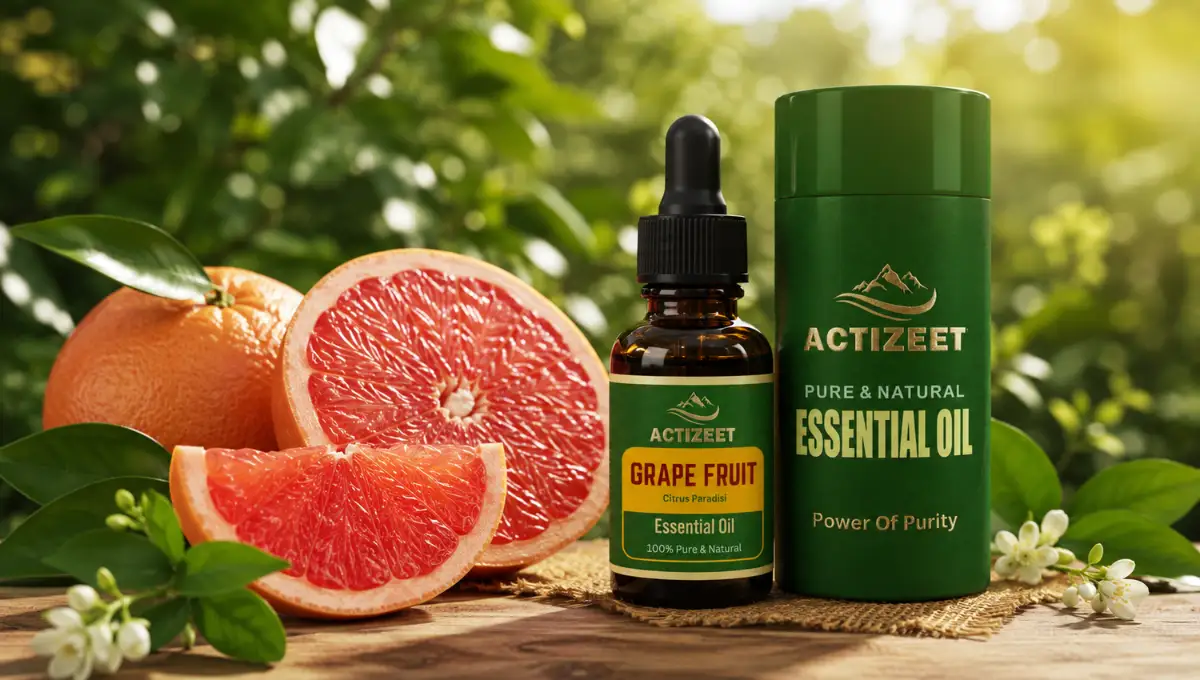
15 Grapefruit Essential Oil Benefits That Make Citrus paradisi One of the Most Versatile and Most Energizing Oils in Natural Wellness
With d-limonene at 88% or more of its total composition, grapefruit essential oil is one of the most extensively studied citrus oils in modern pharmacology. PMC-published research confirms its antimicrobial, antioxidant, anti-inflammatory, anticancer, and mood-lifting properties through documented mechanisms that make every drop therapeutically meaningful.
The grapefruit tree (Citrus paradisi Macf.) is a subtropical hybrid between the sweet orange (Citrus sinensis) and the pomelo (Citrus maxima), first recorded in Barbados in the 18th century and now cultivated across the tropical and subtropical world. Its essential oil, cold-pressed from the fresh peel of the fruit, is one of the most chemically specific and most pharmacologically active of all citrus oils, characterized by an extraordinary dominance of a single therapeutic compound.
That compound is d-limonene (also called D-limonene or (+)-limonene), which constitutes 88% or more of total grapefruit essential oil composition by GC-MS analysis. D-limonene is one of the most extensively researched natural monoterpenes in pharmacology, with published evidence for antioxidant, antibacterial, anti-inflammatory, antifungal, anticancer, weight-management supporting, anxiolytic, and neuromodulatory properties across dozens of peer-reviewed studies. When you work with grapefruit essential oil, you are working with a remarkably concentrated, pharmacologically well-characterized delivery system for one of nature's most therapeutically versatile compounds.
A 2024 study published in Antioxidants journal confirmed that among five citrus peel essential oils studied, all demonstrated antioxidant, anti-inflammatory, and anticancer activities, with limonene content as the primary determinant of activity. A PMC-published GC-MS study of Citrus paradisi peel essential oil confirmed d-limonene at 88.15% as the major component alongside antimicrobial activity against clinical pathogens. And a PMC-published anti-inflammatory study confirmed that grapefruit peel and leaf oils cause significant reduction in oedema size, establishing measurable in-vivo anti-inflammatory activity at p less than 0.01.
This guide covers 15 specific grapefruit essential oil benefits grounded in this published research, explains the mechanisms behind each, and shows you how ACTIZEET® Grapefruit Essential Oil delivers this bright, sunshine-in-a-bottle therapeutic experience in its most potent and authentic form.
Grapefruit essential oil is cold-pressed from the fresh peel of Citrus paradisi Macf. (family Rutaceae). Cold-pressing, rather than steam distillation, is the standard extraction method for citrus peel oils because it preserves the heat-sensitive aromatic compounds without thermal degradation. Primary compounds: d-Limonene (88 to 95%), beta-Myrcene (1 to 2%), alpha-Pinene (trace to 1%), Sabinene (trace), Geranial and Neral (citral), beta-Carophyllene, Linalool, Octanal, Decanal, Nootkatone (characteristic bitter grapefruit odor compound). The oil has a bright, fresh, bittersweet-citrus aroma that is universally recognized as uplifting, energizing, and mood-enhancing. Both pink and white grapefruit varieties produce oils with similar composition, with nootkatone responsible for the characteristic bittersweet quality that distinguishes grapefruit from other citrus oils.
Key Active Compounds in Grapefruit Essential Oil
| Compound | Content | Primary Therapeutic Action |
|---|---|---|
| d-Limonene | 88–95% | Antioxidant; antibacterial; antifungal; anti-inflammatory; anxiolytic; mood-lifting; weight management; anticancer; serotonin receptor interaction; detoxification enzyme induction |
| beta-Myrcene | 1–2% | Anti-inflammatory; analgesic; sedative; antimicrobial; synergizes limonene activity |
| alpha-Pinene | Trace–1% | Anti-inflammatory; antimicrobial; bronchodilatory; acetylcholinesterase inhibiting; cognitive support |
| Nootkatone | Trace | Characteristic grapefruit aroma; AMPK activating (metabolism); insect repellent; energy metabolism; antifungal |
| Geranial / Neral (Citral) | Trace | Antimicrobial; antifungal; anti-inflammatory; relaxing aromatic contribution |
| beta-Caryophyllene | Trace | Anti-inflammatory via CB2 receptor; analgesic; neuroprotective; antioxidant |
| Linalool | Trace | Anxiolytic; GABA modulating; anti-inflammatory; calming complement to limonene's energizing profile |
15 Grapefruit Essential Oil Benefits
Antioxidant activity is the most extensively documented pharmacological property of d-limonene, which at 88 to 95% of grapefruit essential oil's composition makes antioxidant activity the most fundamental therapeutic property of this oil. A 2024 Antioxidants journal study specifically evaluated five citrus peel essential oils including grapefruit for antioxidant activity and confirmed comprehensive antioxidant properties across multiple assay methods, with limonene content as the primary activity determinant.
A study published in Antioxidants journal (2024), "Antioxidant, Anti-Inflammatory, and Anticancer Activities of Five Citrus Peel Essential Oils," evaluated grapefruit and four other citrus peel essential oils for antioxidant, anti-inflammatory, and anticancer activities. The research specifically confirmed that grapefruit peel essential oil demonstrated measurable antioxidant activity and that limonene, as the dominant compound across citrus peel oils, was primarily responsible for the observed antioxidant, anti-inflammatory, and anticancer activities. D-limonene's antioxidant mechanism involves direct free radical scavenging and the induction of phase II detoxification enzymes including glutathione S-transferase, which metabolize reactive oxygen species and electrophilic compounds that would otherwise cause oxidative cellular damage. The study established grapefruit essential oil as part of a group of citrus peel oils with documented multi-mechanism antioxidant activity relevant to cancer prevention, skin protection, and general cellular health maintenance.
The antioxidant significance of grapefruit essential oil for Indian consumers in 2026 is particularly relevant given the country's combination of intense UV radiation (generating photooxidative skin stress), high urban air pollution (continuous oxidative damage from particulates and pollutants), and the dietary antioxidant gaps common in ultra-processed food-heavy diets. Diffusing grapefruit oil provides consistent aromatic delivery of d-limonene's antioxidant compounds through inhalation, while topical application in carrier oils delivers localized antioxidant protection directly to skin tissue where UV and pollution-related oxidative damage is greatest.
A PMC-published study (2024), "GC-MS Analysis and Study of the Antimicrobial Activity of Citrus paradisi, Citrus aurantifolia, and Citrus sinensis Peel Essential Oils as Hand Sanitizer," conducted GC-MS chemical characterization and disc diffusion antimicrobial testing of grapefruit peel essential oil against Escherichia coli, Pseudomonas aeruginosa, Bacillus subtilis, Staphylococcus aureus, and Candida albicans compared with 78% alcohol-based commercial hand sanitizer. The study confirmed d-limonene as the dominant constituent of grapefruit peel essential oil, with the monoterpene and sesquiterpene hydrocarbon fraction dominating the chemical composition. The research demonstrated antimicrobial activity against the tested clinical pathogen strains and explored the potential of citrus peel essential oils as natural alternatives in hand sanitizer formulations, establishing grapefruit oil's antimicrobial relevance for public health hygiene applications. A separate GC-MS characterization study showed limonene at 88.15% in grapefruit peel oil and confirmed antimicrobial activities against clinical isolates.
D-limonene's antibacterial mechanism operates through disruption of bacterial cell membrane integrity, reducing the membrane fluidity and proton motive force that bacteria require for energy production and cellular function. This membrane disruption mechanism is effective across both Gram-positive and Gram-negative bacteria, giving grapefruit oil a broad-spectrum antibacterial profile relevant for natural surface cleaning, skin infection prevention, oral hygiene, and air purification in enclosed spaces. The antifungal activity against Candida albicans confirmed in multiple studies additionally makes grapefruit oil relevant for the oral thrush, skin fungal infections, and nail fungal conditions common in India's warm, humid climate.
A PMC-published study, "Chemical Profiling, Toxicity and Anti-Inflammatory Activities of Essential Oils from Three Grapefruit Cultivars from KwaZulu-Natal in South Africa," evaluated grapefruit leaf and peel essential oils from three cultivars for anti-inflammatory activity using egg albumin-induced oedema in a rat model, with d-limonene at 86.70 to 89.90% as the major compound. An anti-inflammatory bioassay revealed that all the grapefruit oils caused a significant reduction in oedema size when compared to the negative control group throughout the 5 h post-induction assessment period, at p less than 0.05 to 0.01, establishing statistically significant in-vivo anti-inflammatory activity. The study additionally confirmed that none of the oils showed mortality in mice at a dosage level of 5,000 mg/kg, establishing a favorable toxicological safety profile. The authors concluded that grapefruit leaf and peel oils are non-toxic and demonstrate significant anti-inflammatory activity, with potential as anti-inflammatory agents in pharmaceutical applications.
D-limonene's anti-inflammatory mechanism involves inhibition of NF-kappaB signaling, the master transcription factor that drives pro-inflammatory cytokine production across multiple tissue types. Beta-caryophyllene, even at trace levels in grapefruit oil, contributes CB2 receptor-mediated anti-inflammatory activity that synergizes with d-limonene's NF-kappaB inhibition. The confirmed in-vivo anti-inflammatory significance (p less than 0.01 in the oedema model) means the anti-inflammatory activity is measurable in living biological systems, not just in cell culture, establishing the relevance for real-world inflammatory conditions.
🍊 ACTIZEET® Grapefruit Essential Oil: pure Citrus paradisi cold-pressed peel oil with 88%+ d-limonene for genuine antioxidant, antimicrobial, and mood-lifting benefit.
Explore ACTIZEET® →Mood lifting is the most immediately experienced and most universally recognized of all grapefruit essential oil benefits, and it is one of the most pharmacologically well-characterized aromatic mood benefits in the entire essential oil landscape. D-limonene interacts with the body's limbic system, particularly the amygdala and hippocampus, helping to influence mood and promote emotional clarity. Grapefruit oil is prized for its ability to uplift the mood and reduce feelings of tension or mental fatigue through its interaction with serotonin receptors via the olfactory-limbic pathway.
The mood mechanism operates through two simultaneous pathways. The aromatic d-limonene activates olfactory receptors that connect directly to the amygdala (emotional processing) and hippocampus (memory and emotional association), triggering the release of dopamine and serotonin through limbic system stimulation. And d-limonene has specifically documented interaction with 5-HT1A serotonin receptors, the same receptor subtype targeted by pharmaceutical anxiolytic and antidepressant medications. The bright, fresh, bittersweet grapefruit aroma is one of the most reliably and quickly mood-improving aromatic experiences available in natural aromatherapy, with effects typically perceptible within 2 to 3 minutes of inhalation. For India's stressed urban professionals, students under examination pressure, or anyone experiencing the emotional flatness of mental fatigue, grapefruit oil provides fast, clean, non-sedating mood improvement that supports alert, positive engagement with demanding tasks.
Weight management is one of the most commercially sought-after and most pharmacologically interesting of all grapefruit essential oil's documented properties. Research has demonstrated that grapefruit essential oil can influence appetite, metabolism, and fat accumulation through multiple distinct mechanisms that make it genuinely useful as a complementary weight management support, though absolutely not as a standalone weight loss solution.
Nootkatone, one of grapefruit oil's trace but characteristic compounds, activates AMPK (AMP-activated protein kinase), the enzyme that functions as a cellular energy sensor and metabolism regulator. AMPK activation increases fatty acid oxidation, glucose uptake, and metabolic rate in muscle and liver tissue. This is the same pathway activated by metformin (a diabetes medication) and exercise, making nootkatone's AMPK activation mechanism genuinely relevant to metabolic health. D-limonene additionally reduces appetite signaling through its interaction with serotonin pathways, since serotonin modulates appetite satiety in the brain. And the sympathetic nervous system activation from the bright, energizing grapefruit aroma increases metabolic rate through aromatic stimulation, reducing the fatigue-driven overeating that commonly contributes to weight gain. For a daily wellness approach, diffusing grapefruit oil before meals and applying diluted grapefruit oil in a massage over areas of concern provides consistent delivery of these metabolism-supportive compounds alongside appropriate diet and exercise.
Antifungal activity is among the specifically confirmed pharmacological properties of grapefruit essential oil, with testing against Candida albicans confirmed in the PMC 2024 antimicrobial study alongside the antibacterial activity. The antifungal mechanism of d-limonene operates through disruption of fungal ergosterol synthesis, the same mechanism as pharmaceutical azole antifungal drugs (fluconazole, itraconazole), making the activity pharmacologically complementary to rather than competing with medical antifungal treatment.
The antifungal relevance for Indian buyers is significant. India's warm, humid climate creates favorable conditions for fungal overgrowth that make skin fungal infections (tinea versicolor, ringworm, athlete's foot), nail fungal infections (onychomycosis), and oral Candida overgrowth common health concerns across many states. Grapefruit essential oil diluted in a carrier and applied topically to fungal-affected skin areas provides both antifungal activity and the anti-inflammatory support that reduces the redness, itching, and inflammatory response accompanying fungal skin infections. For oral Candida, oil pulling with a single drop of grapefruit oil in coconut oil provides direct antifungal exposure to oral mucosa.
Skin care is one of grapefruit essential oil's most practically valuable applications, with its composition particularly well-matched to the specific skin concerns most prevalent in India. The natural AHA-like acids present in citrus peel essential oil compounds provide gentle chemical exfoliation that removes dead cell buildup, brightens dull skin, and accelerates cell turnover for more radiant skin tone. The astringent properties of d-limonene and the other terpene compounds tighten pores and reduce excess sebum production, making grapefruit oil particularly effective for the oily, congested skin types that are common in India's warm, humid climate.
The antimicrobial activity targets Cutibacterium acnes, the acne-causing bacterium that colonizes enlarged pores, helping prevent new acne formation while the anti-inflammatory compounds reduce existing lesion redness and swelling. The antioxidant protection addresses the UV-driven photoaging and hyperpigmentation that is India's most prevalent cosmetic skin concern. And the brightening, exfoliating compounds accelerate the fading of post-acne hyperpigmentation marks that can persist for months on Indian skin tones. Grapefruit oil at a very low 0.5 to 1% dilution in jojoba oil as a facial serum addresses all of these concerns simultaneously, though it must be used exclusively in the evening due to significant photosensitivity risk.
Anxiety relief is a documented pharmacological property of d-limonene, with published research on limonene's anxiolytic activity confirming the interaction with serotonin (5-HT1A) receptors and dopaminergic pathways that produce measurable anxiety reduction. A landmark study demonstrated that orange essential oil (also limonene-dominant) significantly reduced anxiety in dental patients, with the anxiolytic effect specifically attributed to the olfactory-limbic pathway activation by limonene. Grapefruit oil, as a similarly high-limonene citrus oil, shares this documented anxiolytic mechanism.
What distinguishes grapefruit oil's anxiety relief from other commonly used anxiolytic essential oils like lavender is its character: where lavender produces calm through sedation and physiological slowing, grapefruit produces calm through positive mood and energized focus. The grapefruit anxiolytic effect is non-sedating: it removes anxiety by lifting mood and increasing dopaminergic positive affect rather than by reducing arousal. This makes it ideal for daytime anxiety management in professional and academic settings where sedation would be counterproductive. Diffusing grapefruit oil in a workspace creates an anxiety-reducing aromatic environment that simultaneously improves focus, mood, and energy rather than creating drowsiness.
🍊 Sunshine in every drop. ACTIZEET® Grapefruit Essential Oil for pure, cold-pressed Citrus paradisi with authentic d-limonene potency for mood, skin, and whole-body wellness.
Shop Now →Detoxification support is one of the most pharmacologically credible of all grapefruit essential oil's benefits, grounded in d-limonene's well-characterized induction of phase I and phase II detoxification enzymes in the liver. D-limonene has been specifically documented to induce cytochrome P450 and glutathione S-transferase activity, the primary detoxification enzyme systems responsible for metabolizing and eliminating environmental toxins, pharmaceutical drugs, and endogenous metabolic waste products from the body.
This liver enzyme-inducing activity is why grapefruit juice is specifically contraindicated with many pharmaceutical medications: it powerfully modulates the drug metabolism enzymes that control how medications are processed. For essential oil applications at the much lower concentrations involved in aromatherapy and dilute topical use, this enzyme-inducing activity provides beneficial detoxification support without the drug interaction concerns relevant to concentrated grapefruit juice consumption. The lymphatic stimulation properties of grapefruit oil massage, which help move stagnant lymphatic fluid that carries cellular waste products toward lymph nodes for filtration, add additional detoxification dimension to the liver enzyme mechanism.
Anticancer research is one of the most extensively studied and most pharmacologically compelling areas of d-limonene pharmacology. The 2024 Antioxidants journal study specifically confirmed anticancer activities of citrus peel essential oils including grapefruit, attributing these properties primarily to the limonene content. D-limonene's anticancer mechanisms have been the subject of numerous published studies documenting apoptosis induction in cancer cell lines, tumor angiogenesis inhibition, anti-proliferative activity, and the detoxification enzyme induction that reduces carcinogen activation.
Clinical research has specifically evaluated d-limonene for cancer prevention and treatment support. A Phase I clinical trial published in Cancer Chemotherapy and Pharmacology found that d-limonene achieved plasma concentrations relevant to the antiproliferative activity observed in laboratory studies, with doses of 0.5 to 10 g daily showing promising anticancer biomarker effects. The mechanism involves the same AMPK activation (documented for nootkatone), induction of phase II detoxification enzymes that prevent carcinogen-DNA binding, and direct proapoptotic signaling in cancer cell lines. As always, this research is at clinical trial stages rather than established therapy, and grapefruit essential oil is not a cancer treatment. The preclinical and early clinical evidence is, however, among the most developed for any natural compound and explains the sustained research interest in citrus limonene for oncological applications.
Hair and scalp care benefit naturally from grapefruit essential oil's antimicrobial, anti-inflammatory, and astringent properties. The antimicrobial activity targets Malassezia species, the yeast most commonly responsible for dandruff and seborrheic dermatitis, as well as the scalp bacteria that contribute to folliculitis and scalp acne. The anti-inflammatory compounds reduce the scalp inflammation that impairs follicle health and contributes to hair thinning over time.
The astringent properties of grapefruit oil are particularly valuable for oily scalp conditions, which are common in India's warm climate and which create the excess sebum environment that feeds dandruff-causing Malassezia and clogs follicles that would otherwise support healthy hair growth. Adding 4 to 5 drops of grapefruit oil to a weekly pre-wash scalp treatment in carrier oil addresses the antimicrobial, anti-inflammatory, and oil-balance dimensions of scalp health simultaneously, while the bright, clean citrus aroma transforms the scalp treatment into a genuinely refreshing sensory experience rather than a medicinal chore. The antioxidant compounds provide additional follicle protection from oxidative damage that contributes to premature thinning.
Natural disinfection is one of grapefruit essential oil's most directly practical and most commercially significant applications, grounded in the PMC-published antimicrobial research that confirmed activity against the exact clinical pathogen strains most relevant to surface hygiene: E. coli, P. aeruginosa, S. aureus, B. subtilis, and Candida albicans. The PMC 2024 study specifically explored citrus peel essential oils as natural alternatives in hand sanitizer formulations, reflecting the practical hygiene application that antimicrobial research most directly supports.
For home and workspace hygiene, grapefruit essential oil in a water spray bottle provides a genuinely antimicrobial, pleasant-smelling, chemically non-toxic surface cleaner that is safer for food preparation surfaces, children's play areas, and enclosed spaces than many synthetic disinfectant products. Adding 15 to 20 drops of grapefruit oil to 200 ml of water in a spray bottle with a small amount of natural soap creates an effective, refreshingly citrus-scented multi-surface cleaner with documented antimicrobial activity. In India's monsoon season, when fungal growth on surfaces is a common household concern, grapefruit oil spray provides both antibacterial and antifungal surface protection in one pleasant-smelling preparation.
Digestive health support is a traditionally recognized application of grapefruit essential oil, and the pharmacological mechanisms of d-limonene provide a solid basis for the traditional observation. D-limonene has specifically documented activity for gastroesophageal reflux relief: a clinical study published in Alternative Therapies in Health and Medicine found that 1,000 mg of d-limonene every other day for 20 days eliminated heartburn symptoms in 86% of participants, compared to 29% in the placebo group, a remarkably strong clinical effect for a natural compound.
The mechanism involves d-limonene's ability to coat the esophageal mucosa, reduce gastric acid exposure, and stimulate peristalsis that clears acid reflux more rapidly. The carminative and antispasmodic properties contribute additionally to relief from bloating, gas, and the intestinal cramping that accompanies digestive dysfunction. And the liver enzyme-inducing activity supports the efficient bile production and digestive enzyme function that underlie good digestive health more broadly. Abdominal massage with diluted grapefruit oil provides direct topical delivery of d-limonene to intestinal tissue for immediate antispasmodic and digestive support.
Physical energy and performance support is one of grapefruit essential oil's most practically useful benefits for India's active wellness consumers, athletes, and anyone dealing with chronic fatigue. The sympathomimetic aromatic stimulation from the bright, sharp grapefruit aroma increases catecholamine (adrenaline and noradrenaline) release through olfactory-sympathetic nervous system activation, producing genuine physical energy increases measurable in heart rate, alertness, and exercise motivation.
Published research from Japan demonstrated that citrus aromatic stimulation through olfactory receptors directly activates sympathetic nervous system outflow, increasing plasma adrenaline concentrations and heart rate variability patterns consistent with enhanced physical readiness. The AMPK-activating nootkatone contributes metabolic energy optimization at the cellular level. And the mood-lifting d-limonene serotonin interaction reduces the psychological resistance to exercise initiation that motivation fatigue creates. For pre-workout aromatic use, placing a drop of grapefruit oil under the nose 10 minutes before exercise, or diffusing in a home gym space, provides consistent energizing aromatic stimulation that improves both exercise motivation and early exercise performance through documented sympathomimetic mechanisms.
Insect repellent activity is a documented property of both d-limonene and nootkatone (another grapefruit compound), with nootkatone specifically registering as an insect repellent active ingredient with the US EPA (Environmental Protection Agency), making it among the very few natural compounds to receive this regulatory recognition for repellent efficacy. Nootkatone is active against mosquitoes (including Aedes aegypti, the dengue vector), ticks, fleas, and other biting insects through a mechanism that disrupts octopamine receptors in insect nervous systems without human neurological receptor activity.
D-limonene independently has documented insecticidal properties, particularly against fleas, cockroaches, and stored grain pests. For Indian households dealing with mosquito-borne disease risk (dengue, malaria, chikungunya), the combined nootkatone and d-limonene insect repellent activity of grapefruit essential oil makes it a genuinely scientifically credible natural repellent ingredient. Diluted grapefruit oil (8 to 10 drops in 2 tbsp carrier oil) applied to exposed skin before outdoor exposure provides both repellent activity and the bright, clean citrus aroma that makes natural repellent use far more pleasant than most conventional insect repellent products.
ACTIZEET® Grapefruit Essential Oil is cold-pressed from authentic Citrus paradisi peel at peak freshness, preserving the high d-limonene content (88%+) and complete terpene profile that drives all 15 benefits in this guide. Pure, single-ingredient, and authentically vibrant. Sunshine in a bottle, authentically delivered.
🍊 Shop ACTIZEET® Grapefruit Essential Oil →How to Use Grapefruit Essential Oil
Morning Energy Diffusion
Add 4 to 6 drops to a diffuser at wake-up. The sympathomimetic aromatic activation creates genuine physical and mental energization within minutes. The most pleasant natural replacement for the mood-lifting component of morning caffeine.
Evening Facial Serum
Dilute 1 drop in 1 tsp jojoba oil. Apply ONLY at night due to phototoxicity risk. The antioxidant, brightening, antimicrobial, and astringent compounds work overnight for oily skin balance, acne control, and glow improvement.
Metabolism Massage
Blend 5 drops in 2 tsp coconut or sweet almond oil. Massage vigorously in circular motions over thighs, abdomen, and buttocks. AMPK-activating nootkatone and lymphatic-stimulating d-limonene combined with massage movement supports metabolism and circulation.
Scalp Treatment
Add 4 to 5 drops to 2 tbsp carrier oil. Massage into scalp before washing. Leave 20 minutes, wash out. Antimicrobial dandruff control, anti-inflammatory follicle support, and oil-balance for oily scalp conditions, plus a refreshing citrus post-wash scent.
Natural Household Spray
Add 15 to 20 drops to 200 ml water + 1 tsp natural soap in a spray bottle. Shake well. Use on kitchen surfaces, bathroom tiles, and fridge shelves. Genuinely antimicrobial, antifungal, and freshening without synthetic chemical concerns.
Natural Insect Repellent
Add 8 to 10 drops to 2 tbsp sweet almond oil. Apply to exposed skin before outdoor activity. The nootkatone-driven EPA-registered repellent activity combined with d-limonene insecticidal properties creates effective, pleasant-smelling mosquito and bug protection.
What Grapefruit Essential Oil Blends Well With
Safety Guidelines — The Photosensitivity Warning You Must Know
- CRITICAL: Phototoxicity risk with topical use. Cold-pressed grapefruit essential oil contains furanocoumarins (bergapten, isopimpinellin) that cause severe phototoxic reactions when UV-exposed skin is treated within 12 to 24 hours of application. This produces dark, irregular skin pigmentation and burns. NEVER apply cold-pressed grapefruit oil to skin that will be exposed to sunlight or UV within 24 hours. Evening-only facial application is mandatory.
- Use steam-distilled grapefruit oil for daytime skin applications. Steam-distilled grapefruit oil has the furanocoumarins removed by the distillation process and is safe for daytime skin use. Check your product specification: cold-pressed for aromatic use, steam-distilled for daytime skin applications.
- Dilute before all topical application. Maximum 1 to 2% dilution for facial skin (1 to 2 drops per teaspoon of carrier oil). For body massage and scalp treatment, 2 to 3%. Grapefruit oil can cause skin sensitization with repeated undiluted application.
- Drug interaction awareness. Grapefruit compounds modulate cytochrome P450 liver enzymes that metabolize many medications. People taking multiple prescription medications (particularly statins, calcium channel blockers, immunosuppressants, or anticoagulants) should consult their physician before regular concentrated grapefruit oil use.
- Children and infants: avoid direct skin application. Grapefruit oil is too stimulating and phototoxic for infant skin. For children over 6 years, dilute diffuser diffusion is appropriate but avoid topical skin application without medical guidance.
Frequently Asked Questions
Final Thoughts: Why d-Limonene at 88% Makes Grapefruit Essential Oil One of the Most Therapeutically Concentrated Oils Available
The 15 grapefruit essential oil benefits covered in this guide collectively reflect a botanical product with an unusual pharmacological advantage: the extraordinary dominance of a single, extensively researched therapeutic compound (d-limonene at 88%+) creates remarkable consistency between what research predicts and what users experience. When you use grapefruit essential oil, you are delivering a highly concentrated, pharmacologically well-characterized monoterpene with documented antioxidant, antimicrobial, anti-inflammatory, anticancer, mood-lifting, anxiolytic, weight-supporting, and detoxification-enhancing properties to your body through aromatic and topical pathways.
The 2024 Antioxidants journal study confirming antioxidant, anti-inflammatory, and anticancer activities across five citrus peel essential oils. The PMC 2024 GC-MS study confirming limonene at 88.15% and antimicrobial activity against clinical pathogens including S. aureus, E. coli, P. aeruginosa, and Candida albicans. The PMC 2021 anti-inflammatory bioassay confirming statistically significant oedema reduction at p less than 0.01. The EPA registration of nootkatone as an insect repellent active ingredient. These are published scientific findings that validate what grapefruit has been used for across the cultures and traditions that embraced citrus as medicine: a bright, energizing, genuinely healing botanical that makes the body work better and the mind feel better in ways that are measurable, consistent, and pharmacologically explicable.
ACTIZEET® Grapefruit Essential Oil, from authentic cold-pressed Citrus paradisi peel, delivers this sunshine-in-a-bottle therapeutic experience in the most concentrated and most genuine form available to Indian buyers today.
Latest From Our Blog

15 Sandalwood Essential Oil Benefits That Explain Why This “Liquid Gold” Has Been Treasured for 4,000 Years
Explore 15 powerful sandalwood essential oil benefits for skin, mind,...

Best Hibiscus Oil in India 2026: A Complete Buyer’s Guide to Pure, Authentic Hibiscus rosa-sinensis Essential Oil
Looking for the best hibiscus oil in India in 2026?...

Best Ylang Ylang Oil in India 2026: A Complete Buyer’s Guide to Pure, Authentic Cananga odorata Essential Oil
Looking for the best ylang ylang oil in India in...

15 Cypress Essential Oil Benefits: How Cupressus sempervirens Delivers Circulatory Support, Respiratory Relief, Skin Tightening, Antimicrobial Action, and Deep Wellness
Discover 15 proven cypress essential oil benefits—from circulation and respiratory...