
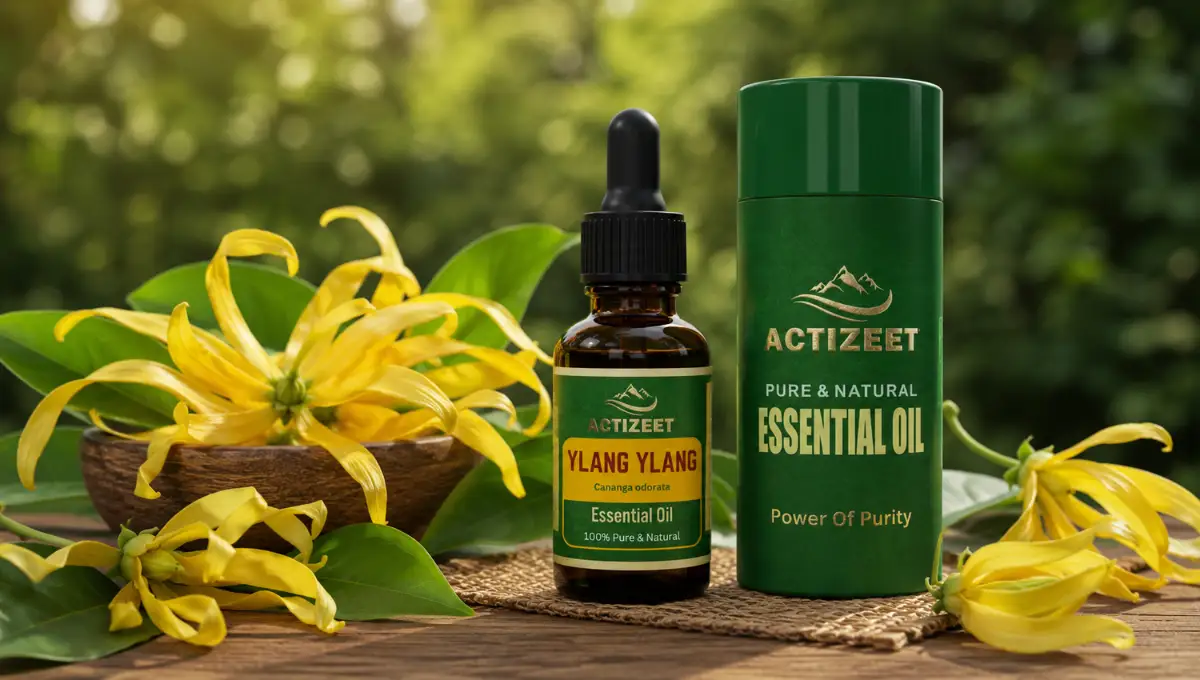
15 Ylang Ylang Essential Oil Benefits: Why This Star-Shaped Tropical Flower Is One of the Most Clinically Studied Aromatic Oils in Modern Research
Called the Queen of Flowers across Southeast Asia and Indonesia, Cananga odorata has decorated the beds of newlyweds, featured in Chanel No. 5, calmed anxious hearts across Asian temples, and now appears in published clinical trials confirming its blood pressure-lowering, anxiety-reducing, serotonin-modulating, and antimicrobial properties.
The name "ylang ylang" comes from the Tagalog word meaning "wildflower" or "flower of flowers," and the Filipinos who named it understood something important: this star-shaped yellow bloom from the Cananga odorata tree is not merely beautiful but medicinally extraordinary. Across Indonesia, Malaysia, the Philippines, India, Thailand, and the Pacific islands, traditional healers have used ylang ylang for conditions ranging from depression and anxiety to skin infections, hypertension, and reproductive health for centuries. These separate cultural traditions converged on the same botanical through empirical observation, which is always the most compelling evidence that something genuinely works.
Modern research is now providing the mechanisms. A PubMed-published clinical study (Phytotherapy Research, 2006) found that ylang ylang oil caused a significant decrease in blood pressure and a significant increase in skin temperature in 40 healthy volunteers following transdermal absorption, with subjects rating themselves more calm and more relaxed than controls. A PMC-published study confirmed that inhalation of ylang ylang oil led to a decrease in blood pressure and an increase in subjective attention. A 2023 study published in the Journal of Integrative Medicine confirmed that Cananga odorata essential oil relieves anxiety behaviors through regulation of serotonin and dopamine metabolism. And a comprehensive PMC bioactivity review of Cananga odorata confirmed a wide variety of activities including antimicrobial, antibiofilm, anti-inflammatory, antidiabetic, insect-repellent, and antimelanogenesis activities.
In this guide, we cover 15 specific ylang ylang essential oil benefits grounded in this published research, explain the compounds and mechanisms behind each, and show you how ACTIZEET® Ylang Ylang Essential Oil delivers this extraordinary floral heritage in its most potent and genuine form.
Ylang ylang essential oil is steam-distilled from the fresh flowers of Cananga odorata (Lam.) Hook. f. and Thomson, a tropical tree native to Southeast Asia and islands of the Indian Ocean. The oil is produced in multiple grades by fractional distillation: Extra (first distillate, highest quality for perfumery), Grade I, Grade II, Grade III, and Complete (full distillate). Primary compounds: Benzyl acetate (25%), p-cresyl methyl ether (16.5%), linalool (13.6%), methyl benzoate (8.7%), geranyl acetate (5.3%), benzyl benzoate (2.2%), beta-caryophyllene (1.7%), eugenol, isoeugenol, and various sesquiterpenes. The oil has an intensely sweet, exotic, rich floral aroma with creamy, slightly rubbery-custard depth that is simultaneously romantic, meditative, and sensuously beautiful, one of the most complex and distinctive aromatic profiles in all of natural perfumery.
Key Active Compounds in Ylang Ylang Essential Oil
| Compound | Content | Primary Therapeutic Action |
|---|---|---|
| Benzyl Acetate | ~25% | Primary floral aromatic contributor; antimicrobial; calming; anti-inflammatory; major perfumery active |
| p-Cresyl Methyl Ether | ~16.5% | Characteristic ylang ylang aromatic depth; antimicrobial; central nervous system interaction |
| Linalool | ~13.6% | GABA modulating; anxiolytic; sedative; antibacterial; antifungal; anti-inflammatory; analgesic |
| Methyl Benzoate | ~8.7% | Antimicrobial; analgesic; aromatic contributor; anti-inflammatory |
| Geranyl Acetate | ~5.3% | Antioxidant; antimicrobial; anti-inflammatory; mild phytoestrogenic; skin soothing |
| Benzyl Benzoate | ~2.2% | Insect repellent; antimicrobial; muscle relaxant; used pharmaceutically for scabies treatment |
| Beta-Caryophyllene | ~1.7% | Anti-inflammatory via CB2; analgesic; neuroprotective; antioxidant; AMPK activating |
| Eugenol / Isoeugenol | Trace | Anti-inflammatory (COX inhibition); analgesic; antimicrobial; antioxidant |
15 Ylang Ylang Essential Oil Benefits
Blood pressure reduction is the most rigorously clinically studied of all ylang ylang essential oil benefits, with multiple published studies consistently confirming measurable hypotensive effects through both transdermal absorption and inhalation routes. This makes ylang ylang one of the few essential oils where blood pressure reduction is not merely a traditional claim but a clinically measured, statistically documented outcome.
A landmark study published in Phytotherapy Research (Hongratanaworakit and Buchbauer, 2006), "Relaxing effect of ylang ylang oil on humans after transdermal absorption," enrolled 40 healthy volunteers in a controlled experiment measuring physiological parameters after transdermal (skin) absorption of ylang ylang essential oil. The study recorded skin temperature, pulse rate, breathing rate, and blood pressure, with self-evaluation by visual analog scales. The results showed that ylang ylang oil caused a significant decrease in blood pressure and a significant increase in skin temperature. Subjects in the ylang ylang group rated themselves more calm and more relaxed than subjects in the control group. A separate study confirmed that inhalation of ylang ylang oil also led to a decrease in blood pressure and an increase in subjective attention, establishing both skin absorption and inhalation as effective delivery routes for the blood pressure-lowering benefit. A 2023 randomized controlled trial further confirmed the antihypertensive potential of ylang ylang alongside lavender in high blood pressure volunteers.
The blood pressure-lowering mechanism involves multiple compound pathways. Linalool's GABA-modulating anxiolytic activity reduces the neural sympathetic outflow that drives arterial vasoconstriction and elevated blood pressure. Benzyl acetate and the other calming aromatic compounds reduce the cortisol-driven stress response that chronically elevates blood pressure in stressed individuals. And the direct vasodilatory effect of the ylang ylang oil compounds, reflected in the measured increase in skin temperature (indicating peripheral vasodilation), directly reduces vascular resistance and blood pressure. For India's substantial population of hypertensive individuals, particularly those with stress-driven or anxiety-related hypertension, ylang ylang oil diffusion provides a documented, pleasant-smelling, side-effect-free complementary approach to blood pressure management alongside appropriate medical treatment.
Anxiety relief is the most broadly documented and most practically valuable of all ylang ylang essential oil benefits for everyday wellness use. Ylang ylang essential oil helps calm anxiety and its physiological effects, such as increased blood pressure and heart rate. This action has been demonstrated in multiple contexts including children awaiting dental procedures, healthcare workers in clinical settings, and healthy adults in controlled trials.
A PMC-published study specifically evaluated the effects of ylang ylang aroma on blood pressure and heart rate in healthy men, confirming that the ylang ylang oil has been used as an antidepressant in cases of depression and nervousness as well as used for reducing blood pressure in the case of hypertension, and that inhalation led to a decrease in blood pressure and an increase in subjective attention. The ylang ylang oil composition tested included linalool (13.6%), geranyl acetate (5.3%), caryophyllene (1.7%), p-cresyl ether (16.5%), methyl benzoate (8.7%), benzyl acetate (25.1%), and benzyl benzoate (2.2%). Additionally, a 2023 study published in the Journal of Integrative Medicine (Zhang N, et al.) specifically confirmed that inhalation of Cananga odorata essential oil relieves anxiety behaviors in autism-like rats via regulation of serotonin and dopamine metabolism, establishing the specific neurotransmitter mechanism through which ylang ylang produces its anxiolytic effects. A pilot clinical study on anxiety and self-esteem also confirmed that ylang ylang essential oil through dermal application or inhalation alters the perception of anxiety and physiological parameters including blood pressure and temperature.
The anxiety mechanism operates through two simultaneous pathways. Linalool's GABA receptor-modulating activity reduces the neural excitability that produces anxiety symptoms. And the serotonin and dopamine regulation confirmed in the 2023 Journal of Integrative Medicine study provides the neurotransmitter-level anxiety reduction that connects the aromatic stimulus to downstream mood improvements through dopaminergic reward activation and serotonergic calming. Ylang ylang oil helps to influence serotonin levels (the wellbeing hormone) and reduces the concentration of corticosterone, the stress hormone released by the body during stress and danger. This dual mechanism of GABA-based neural calming and serotonin-dopamine optimization makes ylang ylang's anxiety relief both immediate (from linalool's GABA activity) and sustained (from neurotransmitter optimization).
Antidepressant activity is one of ylang ylang's oldest traditional therapeutic applications and one now being validated by modern neuropharmacological research. The ylang ylang oil has been used as an antidepressant in cases of depression and nervousness, with this traditional use confirmed across Indonesian, Filipino, Thai, and Indian traditional medicine independently. Ylang ylang essential oil is believed to be effective in treating depression, high blood pressure, and anxiety, establishing depression management as a core traditional application confirmed across multiple healing traditions.
The antidepressant mechanism directly connects to the serotonin and dopamine regulation confirmed in the 2023 Journal of Integrative Medicine study. Depression is fundamentally connected to reduced serotonergic and dopaminergic neurotransmission, and ylang ylang's documented ability to regulate both neurotransmitter systems provides a mechanism for genuine antidepressant activity. The dopaminergic activation produces the motivation, pleasure, and reward-seeking capacity that depression most characteristically impairs. The serotonergic regulation provides the mood stability, emotional resilience, and reduced rumination that sustain recovery from depressive states. And the corticosterone (cortisol equivalent) reduction removes the HPA axis-driven mood suppression that perpetuates depression in chronically stressed individuals. For people experiencing mild to moderate depressive symptoms, particularly in the context of stress and anxiety, ylang ylang oil as a consistent daily aromatic practice provides meaningful neuropharmacological support alongside appropriate mental health care.
🌸 ACTIZEET® Ylang Ylang Essential Oil: pure Cananga odorata steam distillation for genuine blood pressure, anxiety, skin, and emotional wellbeing benefit. The Queen of Flowers, authenticated.
Explore ACTIZEET® →Sleep promotion is a natural downstream effect of ylang ylang's multiple calming mechanisms, and it is one of the most practically valued and most consistently reported benefits among aromatherapy users. Given ylang ylang's profound relaxation effects, its ability to lower blood pressure, reduce anxiety, and calm the nervous system creates ideal conditions for restful sleep. The combination of three simultaneous sleep-supporting mechanisms, GABA-modulating neural calming, blood pressure reduction, and serotonin optimization that supports healthy sleep architecture, makes ylang ylang one of the most comprehensively effective natural sleep-support essential oils.
Linalool's GABA receptor activity directly reduces the neural excitability that prevents sleep onset and fragments sleep quality. The blood pressure reduction reflects the parasympathetic nervous system shift from waking sympathetic arousal to sleep-ready parasympathetic calm. And the serotonin modulation supports the serotonin-to-melatonin conversion pathway, as melatonin is synthesized from serotonin in the pineal gland, meaning that improved serotonin availability supports the natural melatonin production that regulates sleep-wake timing. Diffusing ylang ylang in the bedroom for 30 minutes before sleep provides consistent delivery of all three sleep-supporting mechanisms in a deeply calming, romantically beautiful aromatic environment that transforms the sleep preparation ritual into a genuinely therapeutic sensory experience.
Aphrodisiac properties are among the most ancient, most culturally universal, and most specifically documented of all ylang ylang's traditional therapeutic applications. In Indonesia, ylang ylang oil is used to enhance euphoria and also reduce sexual anxiety. Indonesian newlywed beds are traditionally decorated with ylang ylang flowers, and this tradition reflects empirical observation of the flower's documented anxiety-reducing and mood-enhancing effects that create the psychological conditions most favorable to intimacy. A 2020 clinical study confirmed that ylang ylang essential oil increases salivary oxytocin concentration in postmenopausal women, establishing a specific hormonal mechanism for the bonding and intimacy-promoting effects traditionally attributed to this flower.
The aphrodisiac mechanism is primarily neurochemical and psychological rather than directly hormonal for most people. The serotonin and dopamine optimization removes the emotional flatness, stress-related disinterest, and anxiety that are the most common barriers to genuine intimate connection. The blood pressure and heart rate normalization removes the physiological arousal profile of anxiety, replacing stress-response hyperarousal with the calm, receptive state of genuine desire. The deeply sensual, exotic, intensely floral aromatic experience activates limbic reward pathways. And the specific oxytocin-increasing effect confirmed in clinical research provides the bonding hormone support that deepens emotional intimacy beyond simple arousal.
Skin care is one of ylang ylang's most widely researched and most practically accessible applications, with multiple published studies confirming antioxidant activity, antimicrobial skin benefits, and anti-melanogenesis (skin-brightening) activity. A 2024 study analyzing the chemical composition and properties of ylang ylang essential oil found significant antioxidant and antibacterial activity, with potential therapeutic applications for dermatological conditions. The PMC bioactivity review of Cananga odorata specifically confirmed antimelanogenesis activity, meaning compounds in ylang ylang oil inhibit the melanin overproduction that causes skin darkening and hyperpigmentation.
The skin care mechanisms are comprehensive. Antioxidant protection from the oil's geranyl acetate, beta-caryophyllene, and eugenol content prevents UV-induced free radical damage that drives photoaging. Anti-inflammatory activity reduces the chronic skin inflammation that accelerates collagen degradation and visible aging. Antimicrobial activity targeting skin pathogens reduces acne and infection risk. Antimelanogenesis activity addresses the hyperpigmentation and uneven skin tone that are India's most prevalent skin concerns. Benzyl benzoate's skin conditioning properties support barrier integrity. And the sebum-balancing effect of the terpene compounds helps normalize the oily-skin conditions that contribute to congestion and breakout. For Indian skin dealing simultaneously with UV exposure, humidity, pollution, and oiliness, ylang ylang oil in a nightly jojoba serum addresses all four concerns through documented mechanisms.
Hair and scalp care is one of ylang ylang's most beloved practical applications, with a consistent traditional and contemporary aromatherapy recognition of its ability to promote shiny, healthy-looking hair and maintain scalp health. Traditional use in India and islands of the Indian Ocean specifically includes leaf application to relieve itchiness and treat dandruff. A 2024 study specifically evaluated a nanoemulgel containing Cananga odorata essential oil for topical treatment of scalp psoriasis and dandruff, confirming the scientific interest in ylang ylang's dermatological and scalp applications.
The hair and scalp mechanism involves several compound contributions. Linalool's antimicrobial and antifungal properties target Malassezia, the yeast responsible for most dandruff. The anti-inflammatory compounds reduce scalp inflammation that impairs follicle health and contributes to hair thinning. The antioxidant protection guards hair follicle cells from oxidative damage. And the sebum-balancing properties regulate the scalp oil environment that determines both dandruff risk and overall hair health. Adding 3 to 4 drops of ylang ylang oil to regular shampoo or conditioner provides consistent scalp antimicrobial and health-supporting benefit with the extraordinary exotic floral fragrance that transforms a basic wash into a genuinely luxurious experience.
Antimicrobial activity is among the specifically confirmed pharmacological properties of Cananga odorata essential oil across multiple published research studies. A 2023 study tested ylang ylang essential oil and confirmed antimicrobial properties across multiple pathogen strains. The PMC comprehensive bioactivity review of Cananga odorata confirmed antimicrobial and antibiofilm activities among the wide variety of bioactivities exhibited by the essential oil. Ylang ylang contains linalool, which has antibacterial, antifungal, and anti-inflammatory qualities, making it useful for skin infections, oral health, and general hygiene applications.
The antimicrobial mechanisms involve multiple compound contributions. Linalool disrupts bacterial cell membrane integrity and inhibits quorum sensing. Benzyl acetate and methyl benzoate contribute additional antibacterial activity through separate mechanisms. Eugenol provides COX-independent antimicrobial activity against a broad spectrum of bacteria and fungi. And benzyl benzoate has a long pharmaceutical history as a topical treatment for scabies and skin mite infestations, reflecting its potent insecticidal and antimicrobial properties. The antibiofilm activity specifically documented in the PMC review is particularly relevant for contemporary infection management, as biofilm formation is the primary mechanism through which bacteria resist both antibiotics and natural antimicrobials.
🌸 From Indonesian wedding beds to clinical blood pressure trials. ACTIZEET® Ylang Ylang Essential Oil brings the Queen of Flowers to your daily wellness practice.
Shop Now →Anti-inflammatory activity is among the specifically documented bioactivities of Cananga odorata essential oil, confirmed in the comprehensive PMC bioactivity review alongside antimicrobial and antidiabetic activities. A 2022 study published in Molecules (de Freitas Junior et al.) specifically evaluated the effect of ylang ylang essential oil on acute inflammatory response both in-vitro and in-vivo, establishing measurable anti-inflammatory activity through documented molecular mechanisms.
The anti-inflammatory mechanism involves multiple compound pathways working simultaneously. Beta-caryophyllene's CB2 receptor agonism provides endocannabinoid-system-mediated anti-inflammatory activity that is particularly relevant for chronic, systemic inflammation. Eugenol and isoeugenol provide COX enzyme inhibition comparable to NSAIDs. Linalool contributes additional anti-inflammatory activity through NF-kappaB pathway inhibition. And the cortisol-reducing adaptogenic effects of the overall aromatic profile remove the HPA axis-driven inflammatory response that chronic stress perpetuates. For skin-level inflammation specifically relevant to conditions like eczema, rosacea, and acne, these anti-inflammatory compounds delivered through topical application at 1 to 2% dilution provide multi-mechanism relief that addresses both the acute inflammatory response and the chronic underlying inflammatory state.
Neuropathic pain relief is one of the most clinically interesting emerging applications of ylang ylang essential oil, with a specific 2022 published study confirming this effect. Borgonetti V, et al. (2022) published in the Journal of Ethnopharmacology confirmed that ylang ylang (Cananga odorata) essential oil reduced neuropathic pain and associated anxiety symptoms in mice, establishing a dual analgesic and anxiolytic effect specifically relevant to the neuropathic pain presentations where anxiety amplification significantly worsens the pain experience.
The neuropathic pain mechanism involves beta-caryophyllene's CB2 receptor-mediated analgesic activity, which is particularly effective for neuropathic pain because CB2 receptors are expressed throughout the peripheral and central nervous system in higher density during neuropathic conditions. The linalool GABA-modulating activity reduces the central sensitization that amplifies neuropathic pain signals. And the anxiety reduction effect provides meaningful clinical benefit because neuropathic pain is dramatically amplified by anxiety, creating a self-reinforcing cycle that both compounds of ylang ylang (the direct analgesic beta-caryophyllene and the anxiolytic linalool) interrupt simultaneously. For people dealing with nerve pain, post-herpetic neuralgia, diabetic neuropathy, or chronic regional pain syndrome, ylang ylang oil in a carrier massaged into the affected area provides a genuinely multi-mechanism, clinically researched natural analgesic support.
Antifungal activity is a specifically confirmed property of ylang ylang essential oil compounds, particularly the linalool content, which has documented antifungal activity against Candida species and dermatophytes. This antifungal activity is the pharmacological basis for the traditional use of ylang ylang leaves and oil for dandruff treatment across Indian and Pacific island traditional medicine, and it underlies the contemporary interest in ylang ylang as an ingredient in natural hair care formulations. The 2024 PMC-published study specifically evaluating a Cananga odorata nanoemulgel for topical treatment of scalp psoriasis and dandruff reflects this scientifically credible antifungal application.
The antifungal mechanism of linalool involves disruption of fungal cell membrane ergosterol synthesis and increased membrane permeability, reducing fungal cell viability. Benzyl benzoate provides additional antifungal activity through separate mechanisms. And the anti-inflammatory properties reduce the scalp inflammatory response that accompanies and worsens fungal scalp conditions. For Indian buyers dealing with dandruff, seborrheic dermatitis, or scalp itching that is common in humid Indian climate conditions, adding ylang ylang oil to hair care routines provides both direct antifungal activity and the anti-inflammatory scalp-soothing benefit that prescription antifungal shampoos often address only partially.
Heart rate regulation is a specifically documented physiological effect of ylang ylang oil, confirmed in the same body of clinical research that established its blood pressure-lowering effects. The PubMed-published Phytotherapy Research study recorded pulse rate alongside blood pressure in its 40 healthy volunteers, confirming that ylang ylang oil caused physiological relaxation effects that include cardiovascular parameters beyond just blood pressure. The PMC study additionally confirmed effects on both blood pressure and heart rate in healthy men exposed to ylang ylang aroma.
For people experiencing stress-driven tachycardia (elevated heart rate from anxiety, stress, or panic responses), the parasympathomimetic effect of ylang ylang oil, which shifts the autonomic nervous system from sympathetic (fight-or-flight) to parasympathetic (rest-and-digest) dominance, produces genuine heart rate normalization through a documented physiological mechanism. This is particularly relevant for the palpitation and racing heart complaints common in India's high-stress urban population, where the boundary between anxiety-driven and cardiovascular-pathological rapid heart rate requires medical evaluation but where the anxiolytic and autonomic-normalizing effects of ylang ylang provide meaningful symptomatic support alongside appropriate medical care.
Oxytocin support is one of the most distinctive and most clinically specific of all ylang ylang's documented therapeutic properties. A 2020 clinical study published in the Journal of Alternative and Complementary Medicine (Tarumi W, Shinohara K) specifically evaluated the effect of ylang ylang essential oil on salivary oxytocin concentration in postmenopausal women and confirmed that ylang ylang aromatherapy significantly increased salivary oxytocin levels. Oxytocin is the "bonding hormone" or "love hormone" that promotes emotional connection, trust, maternal bonding, social engagement, and the sense of belonging and love that human psychological wellbeing depends on.
The oxytocin-increasing mechanism of ylang ylang's aromatic compounds involves the olfactory-limbic pathway's connection to the hypothalamic paraventricular nucleus, where oxytocin is synthesized and released. The specific aromatic compounds in ylang ylang apparently stimulate hypothalamic oxytocin release through olfactory neural circuits in a way that most aromatic substances do not, making this a pharmacologically distinctive and genuinely meaningful benefit rather than a general aromatic effect. For postmenopausal women experiencing the reduced sense of emotional connection and social interest that can accompany hormonal changes, the confirmed oxytocin-increasing effect provides targeted support for this specific hormonal wellbeing dimension. For couples seeking natural approaches to deepening emotional and intimate connection, the aphrodisiac and oxytocin-increasing combination creates a scientifically credible basis for the romantic traditions surrounding this extraordinary flower.
Insecticidal and insect-repellent activity is a specifically documented pharmacological property of Cananga odorata essential oil, confirmed in the comprehensive PMC bioactivity review as one of the antivector activities alongside insect-repellent activity. A 2021 study published in Natural Product Research (Pavela R, Maggi F, et al.) specifically evaluated the insecticidal activity of two essential oils used in perfumery, ylang ylang and frankincense, confirming meaningful insecticidal activity.
Benzyl benzoate, present at approximately 2.2% in ylang ylang essential oil, has a long established pharmaceutical and agricultural history as an insecticide and acaricide (mite killer), being the active ingredient in pharmaceutical preparations for scabies treatment. The additional insecticidal activity from linalool, methyl benzoate, and the sesquiterpene fractions creates a broad-spectrum insect-repellent profile. For India, where mosquito-borne diseases including dengue, malaria, and chikungunya represent serious seasonal health risks, ylang ylang oil's insect-repellent activity provides a pleasant-smelling, genuinely scientifically credible natural repellent ingredient. Combined in a blend with citronella and eucalyptus, ylang ylang contributes both insect repellent activity and the exotic floral aroma that makes natural repellent use far more sensually appealing than conventional chemical repellent products.
Antidiabetic activity is among the lesser-known but pharmacologically confirmed bioactivities of Cananga odorata essential oil, specifically listed in the comprehensive PMC bioactivity review alongside antimicrobial, anti-inflammatory, and insect-repellent activities. This confirms that ylang ylang's therapeutic profile extends beyond its more celebrated aromatherapy applications into metabolic health territory that makes it relevant to India's extraordinary diabetes burden.
The antidiabetic mechanism involves several compound-level activities. Linalool has been independently documented for blood glucose-lowering effects in published research, possibly through alpha-glucosidase inhibition (slowing carbohydrate digestion). Beta-caryophyllene's CB2 receptor-mediated anti-inflammatory activity is relevant to diabetes because chronic pancreatic and systemic inflammation drives both insulin resistance and progressive pancreatic beta cell damage. And the cortisol-reducing, stress-adapting effects of ylang ylang's overall compound profile address the cortisol-driven insulin resistance that stress perpetuates in diabetic and prediabetic individuals. As with the anticancer research referenced for other essential oils, these antidiabetic properties are preliminary research findings rather than established clinical therapies, and ylang ylang is not a diabetes treatment. The mechanistic basis is, however, pharmacologically meaningful and consistent with the broad metabolic effects of its primary bioactive compounds.
ACTIZEET® Ylang Ylang Essential Oil is steam-distilled from authentic Cananga odorata flowers at peak bloom, preserving the complete linalool, benzyl acetate, beta-caryophyllene, and sesquiterpene profile that drives all 15 benefits in this guide. The Queen of Flowers, in a bottle that delivers what centuries of Asian floral tradition and 21st-century clinical research both confirm.
🌸 Shop ACTIZEET® Ylang Ylang Essential Oil →How to Use Ylang Ylang Essential Oil
Evening Relaxation Diffusion
Add 3 to 5 drops to a water diffuser in the evening. Ylang ylang's deeply calming, blood-pressure-lowering aromatic experience creates an ideal transition from daytime stress to evening calm. Blend with lavender for enhanced sleep preparation.
Nightly Facial Serum
Add 1 to 2 drops to 1 tsp jojoba oil. Apply nightly after cleansing. The antimicrobial, antioxidant, anti-inflammatory, and antimelanogenesis compounds work overnight for oily skin balance, acne control, and brightening.
Stress Relief Massage
Blend 4 to 5 drops in 2 tsp sweet almond oil. Massage into neck, shoulders, and chest. The blood pressure-lowering and anxiety-calming compounds are delivered through both skin absorption and ongoing inhalation simultaneously.
Hair and Scalp Treatment
Add 3 to 4 drops to shampoo or 2 tbsp carrier oil for pre-wash scalp massage. Antifungal dandruff control, sebum balance, antioxidant follicle protection, and a deeply exotic floral lingering hair fragrance post-wash.
Romantic Personal Fragrance
Add 6 to 8 drops to 1 tbsp jojoba in a roller. Apply to pulse points. Ylang ylang is the heart of some of the world's most iconic fragrances (Chanel No. 5). The oxytocin-increasing, aphrodisiac, intensely floral aromatic experience is unlike any synthetic perfume.
Luxurious Bath Ritual
Add 5 drops to 1 tbsp carrier oil, dissolve in warm bath. The blood pressure-lowering, anxiety-calming, and deeply exotic aromatic ylang ylang bath is one of the most complete relaxation experiences available in natural aromatherapy.
What Ylang Ylang Essential Oil Blends Well With
Safety Guidelines
- Use with restraint in diffusion. Ylang ylang is one of the most intensely aromatic essential oils. More than 4 to 5 drops in a standard diffuser creates an overwhelming, headache-inducing aromatic environment rather than therapeutic benefit. Start with 2 to 3 drops and build only if needed. Less is always more with ylang ylang in diffusion.
- Dilute thoroughly before all topical use. A maximum 1 to 2% dilution for facial skin (1 to 2 drops per teaspoon of carrier oil). For body massage, up to 3%. Ylang ylang can cause skin sensitization with repeated undiluted application and can cause contact dermatitis in some individuals.
- Patch test before regular use. Apply a small diluted amount to the inner wrist and wait 24 hours. Ylang ylang contains isoeugenol, a known skin sensitizer, and is among the more commonly allergenic essential oil components in fragrance allergy research. Patch testing before broad skin application is important.
- Pregnancy caution. Consult a healthcare provider before use during pregnancy. Ylang ylang contains compounds including isoeugenol that warrant standard essential oil pregnancy caution.
- Nausea warning with excessive inhalation. Ylang ylang in excessive diffusion concentrations can cause headache and nausea, even in people who are not generally fragrance-sensitive. Use the minimum effective diffusion amount and ensure good ventilation in the space where it is used.
- Avoid during epilepsy. As a precaution, ylang ylang should be avoided by people with epilepsy, as some aromatic compounds in this concentration class have been associated with seizure threshold lowering in sensitive individuals.
Frequently Asked Questions
The Queen of Flowers Has Earned Her Crown Through Clinical Evidence and 15 Documented Benefits
The 15 ylang ylang essential oil benefits covered in this guide collectively reflect a botanical that sits at a remarkable intersection: intensely beautiful and aromatically extraordinary on one side, and genuinely clinically documented on the other. The PubMed-published Phytotherapy Research study confirming blood pressure reduction and physiological relaxation in 40 volunteers. The 2023 Journal of Integrative Medicine study confirming serotonin and dopamine metabolism regulation. The PMC blood pressure and heart rate study confirming consistent antihypertensive effects through inhalation. The 2022 Journal of Ethnopharmacology study confirming neuropathic pain relief. The 2020 study confirming oxytocin increase in postmenopausal women. The comprehensive PMC bioactivity review confirming antimicrobial, antibiofilm, anti-inflammatory, antidiabetic, and insect-repellent activities.
These are not testimonials from aromatherapy enthusiasts. They are published, peer-reviewed findings from multiple independent research groups across different countries and different research questions, all converging on the same conclusion: Cananga odorata essential oil is pharmacologically active, therapeutically meaningful, and genuinely deserving of the reverence it has received across Asian cultures for centuries.
The Queen of Flowers has been decorating Indonesian wedding beds, featuring in the world's most iconic perfumes, calming anxious hearts in Asian temples, and now appearing in clinical trials for good reason. ACTIZEET® Ylang Ylang Essential Oil, from pure, authentic Cananga odorata, brings this extraordinary floral tradition to your daily life in the most potent and genuine form available in India today.
Latest From Our Blog

Sweet Lavender Essential Oil Benefits
Discover the therapeutic benefits of sweet lavender essential oil. From...

Best Mogra Oil in India 2026: A Complete Buyer’s Guide to Pure, Authentic Jasminum sambac Essential Oil
Looking for the best mogra oil in India in 2026?...

Best Citronella Oil in India 2026: What Actually Works, What to Skip, and Why ACTIZEET® Sets the Standard
Searching for the best citronella oil in India in 2026?...

Best Aloe Vera Oil in India 2026: How to Find Genuine Aloe barbadensis with Real Therapeutic Potency and Why ACTIZEET® Leads the Market
Looking for the best aloe vera oil in India? Learn...