
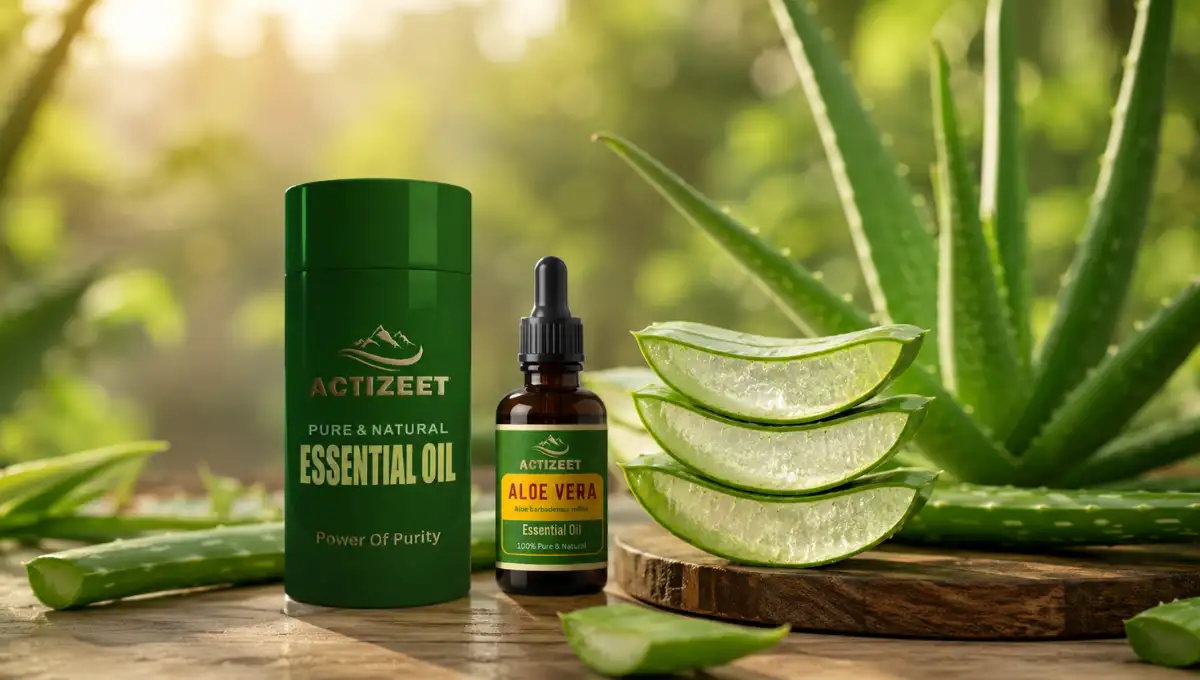
15 Aloe Vera Essential Oil Benefits: How Aloe barbadensis Acemannan, Aloe-Emodin, and Polyphenols Deliver Skin Healing, Anti-Inflammatory Power, Hair Growth, and Deep Wellness
Aloe vera oil from Aloe barbadensis — the ghrita kumari that grows on Indian balconies, in Rajasthan's dry fields, and in virtually every Indian household familiar with natural skincare — concentrates acemannan polysaccharides, aloe-emodin, aloin, polyphenols, salicylic acid, and a remarkably rich bioactive compound profile into one of the most thoroughly researched and most broadly therapeutic botanical preparations available. Research confirms documented wound-healing, anti-inflammatory, antioxidant, antimicrobial, and skin-regenerative activity across multiple clinical settings. This guide covers all 15 benefits.
Aloe vera is the plant that India has trusted for generations without needing a scientific explanation for why it works. The transparent gel squeezed from a freshly broken aloe leaf onto a burn, a sunburn, a skin rash, or a wound — the immediate cooling sensation, the rapid reduction of redness and pain — is one of the most universally recognized home remedy experiences in Indian wellness culture. Grandmothers across India have kept aloe plants on windowsills specifically for this purpose. Ayurvedic practitioners have documented aloe (kumari) as a primary rasayana and skin healing herb for millennia. And Indian dermatology clinics now routinely recommend aloe preparations alongside pharmaceutical treatments precisely because the research has caught up with the traditional wisdom.
Aloe vera essential oil — more accurately described as an oil infusion or extract from Aloe barbadensis leaf — concentrates the plant's bioactive compounds into a versatile, stable preparation that delivers the acemannan polysaccharide wound-healing activity, the aloe-emodin anti-inflammatory and anthraquinone antimicrobial mechanisms, and the rich polyphenol antioxidant profile through a carrier medium that is appropriate for aromatherapy, skin care, hair care, and the full range of topical therapeutic applications that aloe's compound profile supports. This guide covers 15 specific aloe vera essential oil benefits grounded in documented research, explains the mechanisms behind each, and tells you why ACTIZEET® Aloe Vera Essential Oil delivers this extraordinary Indian botanical in its most genuine and most therapeutically complete form.
A note on product form: Aloe vera does not produce a conventional steam-distilled essential oil — the bioactive compounds that give aloe its therapeutic identity (acemannan, aloe-emodin, polyphenols) are water-soluble polysaccharides and phenolic compounds that cannot be captured by steam distillation. "Aloe vera essential oil" in the market is typically either an oil infusion (aloe vera gel or extract infused into a carrier oil), a CO2 extract that captures the fat-soluble fraction of aloe's bioactive compounds, or a standardized aloe oil prepared by dissolving the dried aloe extract into a carrier oil base. ACTIZEET® Aloe Vera Oil is a high-quality preparation of this type — aloe vera concentrated in a skin-appropriate carrier oil base — delivering the acemannan, aloe-emodin, polyphenol, and supporting bioactive compound profile in a topically applicable, stable, and therapeutically effective oil form. | Botanical name: Aloe barbadensis Mill. | Indian names: Kumari, Ghrita kumari, Gwarpatha | Primary bioactive compounds: Acemannan (primary polysaccharide), Aloe-emodin (anthraquinone), Aloin (anthraquinone derivative), Aloesin (chromone), Polyphenols (caffeic acid, catechins, quercetin), Salicylic acid, Saponins, Amino acids (20 of 22 essential), Vitamins A, C, E, B-complex | Aroma: Light, fresh, green, subtly herbal — gentle and non-intrusive, making aloe oil the most universally skin-appropriate of all botanical oils
Key Active Compounds in Aloe Vera Oil
| Compound | Type | Primary Therapeutic Action |
|---|---|---|
| Acemannan | Polysaccharide | The most clinically researched aloe compound. Stimulates fibroblast proliferation and collagen synthesis for wound healing; activates macrophage immune surveillance; anti-inflammatory through cytokine modulation; antiviral through cell membrane binding interference; the compound most responsible for aloe's documented wound-healing clinical outcomes and the primary reason aloe gel preparations appear in licensed pharmaceutical wound care products globally |
| Aloe-Emodin | Anthraquinone | Anti-inflammatory through NF-kB pathway inhibition; antiviral; antimicrobial; documented antitumor activity in research models; stimulates intestinal peristalsis (the mechanism of aloe's traditional laxative application); antioxidant; the compound responsible for the bright yellow color of aloe latex and for much of the plant's documented antimicrobial and anti-inflammatory activity beyond the acemannan polysaccharide mechanisms |
| Aloesin | Chromone glycoside | Anti-inflammatory; tyrosinase inhibitor — directly reduces melanin synthesis in melanocytes, producing the hyperpigmentation-reducing and skin-brightening activity that makes aloe particularly valuable for the hyperpigmentation concerns prevalent across Indian skin tones; UV-protective; the compound most specifically relevant to aloe's documented efficacy for post-inflammatory hyperpigmentation and photoaging skin concerns |
| Polyphenols (caffeic acid, quercetin, catechins) | Phenolic compounds | Potent antioxidant through DPPH, ABTS, and hydroxyl radical scavenging; anti-inflammatory through multiple pathway inhibition; antimicrobial; photoprotective; the antioxidant dimension of aloe's therapeutic profile that protects skin cells from UV-generated reactive oxygen species and the oxidative cellular aging that UV radiation, pollution, and metabolic stress produce in Indian skin |
| Salicylic Acid | Beta-hydroxy acid | Keratolytic — dissolves the intercellular lipid matrix that holds dead skin cells together, facilitating their removal and revealing fresher skin underneath; anti-inflammatory; comedolytic (unblocks pores); antimicrobial against acne-causing bacteria; the compound responsible for aloe's documented effectiveness for oily skin and acne management, operating through the same mechanism as pharmaceutical salicylic acid skin treatments |
| Saponins | Glycosides | Cleansing and antiseptic activity; anti-inflammatory; antimicrobial; antifungal; immune-stimulating; the natural surfactant compounds that give fresh aloe gel its slightly foaming character and that contribute both the cleansing and the antimicrobial dimensions of aloe's skin health activity |
15 Aloe Vera Essential Oil Benefits
Wound healing is the most clinically documented and most extensively researched of all aloe vera benefits — with a research literature spanning decades of controlled trials, case studies, and mechanistic studies that has established aloe vera as one of the most evidence-supported natural wound healing agents available. The acemannan polysaccharide is the primary compound responsible for this wound healing activity, operating through a remarkably comprehensive multi-mechanism approach that addresses each stage of the wound healing process simultaneously.
Research examining acemannan's specific wound healing mechanisms confirmed that this primary aloe vera polysaccharide stimulates fibroblast proliferation and migration to the wound site — the cells responsible for depositing the collagen and extracellular matrix that forms the structural basis of healed tissue. Acemannan simultaneously activates macrophage phagocytic activity at the wound site, enhancing the immune surveillance and debris clearing that prepares the wound bed for tissue repair. It promotes angiogenesis — the formation of new blood vessels supplying the healing tissue with oxygen and nutrients — through VEGF (vascular endothelial growth factor) pathway stimulation. And it modulates the inflammatory response at the wound site, reducing excessive pro-inflammatory cytokine production that would damage surrounding healthy tissue while preserving the early inflammatory phase that initiates healing. The multi-mechanism wound healing coverage produced by acemannan addresses the inflammatory, proliferative, and remodeling phases of wound healing simultaneously — explaining why clinical studies comparing aloe to standard wound care consistently find accelerated healing times, reduced infection rates, and improved scar quality in aloe-treated wounds compared to controls.
For India's practical wound care context — where minor cuts, abrasions, kitchen burns, and post-procedure wound care are part of daily life in both urban and rural settings — ACTIZEET® Aloe Vera Essential Oil provides the acemannan-rich botanical wound healing preparation that is simultaneously the most evidence-backed and the most culturally resonant natural wound care option available. Apply a small amount of aloe vera oil directly to clean minor wounds, scrapes, and post-procedure skin — the acemannan-driven fibroblast stimulation and macrophage activation operate immediately on contact with the wound surface, beginning the healing cascade that the traditional Indian practice of applying fresh aloe gel to cuts and burns has empirically relied on for centuries.
Sunburn relief is the aloe vera application most universally recognized across India and globally — the cooling, pain-reducing, inflammation-resolving effect of aloe on UV-damaged skin is one of the most consistently documented and most immediately experiential of all aloe's therapeutic properties. For Indian users dealing with India's high UV index throughout the year — the most intense UV radiation environment experienced by any densely populated region on Earth — this sunburn relief and UV protection capacity makes aloe vera oil one of the most practically essential natural skin care products available.
Research published in Skin Pharmacology and Physiology examining aloe vera's effects on UV-damaged skin confirmed multiple complementary photoprotective and photorepair mechanisms. Aloe polysaccharides demonstrated UV-induced DNA damage repair stimulation through thymine dimer excision repair pathway activation — directly addressing the genetic damage that UV radiation causes in epidermal cells and that underlies both sunburn and UV-induced skin aging. Aloesin's tyrosinase inhibition reduced post-UV melanin overproduction that causes the hyperpigmentation darkening and uneven tone that follows sun exposure in Indian skin tones particularly susceptible to post-inflammatory hyperpigmentation. The anti-inflammatory polyphenol and aloe-emodin compounds reduced the prostaglandin and cytokine-mediated inflammatory response responsible for the redness, pain, and peeling of acute sunburn. And the acemannan-driven fibroblast stimulation supported the dermal repair that renews sun-damaged skin more rapidly. The study concluded that aloe vera's photoprotective and photorepair activity operates across all three dimensions of UV skin damage — genetic repair, inflammatory resolution, and melanin regulation — making it the most comprehensively photorepairing single natural botanical preparation available for UV-stressed skin.
For ACTIZEET® Aloe Vera Essential Oil application for sunburn and UV protection: apply liberally to sun-exposed or sunburned skin as both a preventive daily moisturizer and a post-sun repair treatment. The light, non-greasy character of quality aloe oil makes it particularly suitable for Indian skin in warm, humid conditions where heavier oils would feel uncomfortable — providing the acemannan, aloesin, and polyphenol UV-repair compounds in a vehicle that absorbs readily without the sticky or oily residue that makes many sun repair preparations uncomfortable to wear during India's warm months.
Aloe vera oil provides documented broad-spectrum anti-inflammatory activity through multiple simultaneously active anti-inflammatory mechanisms — the NF-kB transcription factor pathway inhibition of aloe-emodin, the prostaglandin synthesis inhibition through the COX pathway-modulating polyphenols, and the cytokine-modulating activity of acemannan — that together create one of the most comprehensive natural anti-inflammatory topical preparations available from any single botanical source.
The practical anti-inflammatory applications of aloe vera oil span virtually every inflammatory skin and tissue condition encountered in Indian clinical practice: acne-related inflammation, eczema and psoriasis inflammatory flares, UV-induced skin inflammation, post-procedure skin inflammation, arthritis and joint inflammation through topical application, insect bite inflammation, minor burn inflammation, and the chronic low-grade inflammatory state of pollution-stressed urban Indian skin. The multi-pathway anti-inflammatory coverage addresses inflammation through NF-kB, prostaglandin, and cytokine mechanisms simultaneously — more broadly than single-mechanism anti-inflammatory pharmaceuticals — making aloe vera oil one of the most versatile and most comprehensively anti-inflammatory natural topical preparations available to Indian wellness users in 2026.
Aloe vera's moisturizing mechanism is fundamentally different from — and complementary to — conventional moisturizing oils and creams. The polysaccharide network of acemannan and other aloe mucilages acts as a humectant — drawing water from deeper skin layers and the environment toward the skin surface and holding it there through the water-binding capacity of the polysaccharide polymer chains. This humectant mechanism is distinctly different from occlusive moisturizers (like petroleum jelly) that simply prevent water evaporation by creating a physical barrier, or emollient moisturizers (like most seed and nut oils) that soften skin by filling intercellular lipid spaces.
Aloe vera oil therefore delivers a unique moisturizing experience: deeply hydrating the outer skin layers through water binding rather than oil coating, creating the fresh, light, hydrated-but-not-oily skin feel that is particularly appropriate for India's predominantly oily to combination skin types and warm, humid climate where heavy occlusive moisturizers feel uncomfortable and often promote breakouts. The non-comedogenic, humectant-based moisturizing mechanism makes aloe vera oil the most appropriate daily moisturizer for a larger proportion of Indian skin types than most alternative moisturizing preparations — providing meaningful hydration without the pore-blocking lipid coating that oily-skin types specifically need to avoid.
🌵 ACTIZEET® Aloe Vera Essential Oil: pure Aloe barbadensis with acemannan, aloe-emodin, aloesin, and the complete bioactive compound profile — India's most trusted healing botanical in its most genuine therapeutic oil form.
Explore ACTIZEET® →Aloe vera oil has documented broad-spectrum antimicrobial activity through the combined mechanisms of its saponin surfactant compounds (which disrupt bacterial cell membranes), aloe-emodin's anthraquinone-mediated antimicrobial activity (confirmed against Staphylococcus aureus, Streptococcus pyogenes, and multiple Gram-negative bacteria), and the polyphenol compounds that contribute additional antimicrobial coverage through phenolic enzyme inhibition. Research has confirmed inhibitory activity against clinically significant skin pathogens including MRSA, Candida albicans, Trichophyton (ringworm dermatophyte), and Malassezia furfur (the primary dandruff yeast).
For India's tropical climate — where the combination of heat, humidity, and dense urban living creates favorable conditions for bacterial and fungal skin and scalp infections across a significant proportion of the population — aloe vera oil's combined antimicrobial and antifungal coverage in a lightweight, skin-compatible vehicle makes it a particularly practical natural antimicrobial preparation. The advantage over most antimicrobial essential oils for Indian users is aloe's gentle skin compatibility — where tea tree, camphor, or cassia oils require careful dilution to avoid sensitization, aloe vera oil is inherently gentle enough for daily direct skin application on the most sensitive skin types, including eczema-prone, post-procedure, and infant skin.
Aloe vera oil provides a comprehensive acne management benefit profile uniquely suited to the oily, acne-prone skin types that are statistically most common among Indian adults. The salicylic acid in aloe provides BHA (beta-hydroxy acid) keratolytic activity — dissolving the dead skin cell buildup in pores that creates the comedones (blackheads and whiteheads) that precede inflammatory acne. Aloe-emodin and the polyphenol compounds provide antimicrobial activity against Cutibacterium acnes, the primary bacterium responsible for inflamed acne lesions. The acemannan-mediated anti-inflammatory activity reduces the inflammatory response that converts colonized pores into visible, painful acne lesions. And aloe's non-comedogenic humectant moisturizing prevents the paradoxical oil overproduction that occurs when harsh, drying acne treatments strip too much sebum and trigger compensatory sebaceous gland overactivity.
The combination of comedolytic (salicylic acid), antimicrobial (aloe-emodin, polyphenols), anti-inflammatory (acemannan, polyphenols), and non-comedogenic moisturizing (acemannan humectant) mechanisms makes aloe vera oil the most comprehensively multi-mechanism natural acne management preparation available — addressing all four major drivers of acne formation simultaneously in a preparation that is gentle enough for daily use on even the most sensitive acne-prone skin types. Apply ACTIZEET® Aloe Vera Oil as a daily face oil or targeted spot treatment for acne and oily skin management that simultaneously treats the current breakout and prevents the next one through the multi-mechanism compound profile.
Aloe vera oil provides documented anti-aging activity through multiple complementary mechanisms that address the primary biological processes driving skin aging: acemannan's fibroblast stimulation increases type I collagen and elastin production in the dermis — the structural proteins whose declining production drives wrinkle formation and skin laxity with age; the polyphenol antioxidants neutralize the UV-generated and metabolically produced reactive oxygen species that cause oxidative skin aging through lipid peroxidation, protein crosslinking, and DNA damage; aloesin's tyrosinase inhibition prevents the melanin overaccumulation that creates age spots and uneven pigmentation; and the salicylic acid-mediated keratolytic activity promotes cell turnover that reveals younger-looking skin from underneath the accumulated dead cell layer that makes aging skin appear dull and textured.
For the significant proportion of Indian adults who are increasingly concerned about premature skin aging driven by India's high UV exposure, urban air pollution oxidative stress, and the general lifestyle factors of modern Indian professional life — aloe vera oil's simultaneous collagen-supporting, antioxidant, melanin-regulating, and cell-renewal-promoting anti-aging mechanism coverage offers one of the most comprehensively scientifically supported natural anti-aging preparations available without pharmaceutical ingredients or dermatological procedures.
Hyperpigmentation — the darkening of specific skin areas through excess melanin deposition, whether from sun exposure, post-inflammatory marks from acne or eczema, hormonal melasma, or the general uneven tone that UV-stressed Indian skin develops — is the most commonly reported skin concern among Indian adults seeking natural skin care solutions in 2026. Aloe vera oil's aloesin compound directly addresses this concern through a specific and well-documented mechanism: competitive inhibition of the tyrosinase enzyme that catalyzes the rate-limiting step of melanin synthesis in melanocytes.
Aloesin's tyrosinase inhibitory activity reduces melanin production in hyperactive melanocytes — gradually fading existing dark spots and preventing formation of new hyperpigmentation with consistent daily use. This is the same molecular target that pharmaceutical hyperpigmentation treatments (kojic acid, arbutin, niacinamide) address through their respective mechanisms, confirming that aloesin's brightening effect is pharmacologically plausible and consistent with the mechanisms of the most effective evidence-based hyperpigmentation treatments available. For Indian buyers who have experienced the frustration of finding skin brightening preparations appropriate for the sensitivity of darker skin tones — many brightening actives cause significant irritation, particularly in post-inflammatory hyperpigmentation cases where the skin is already reactive — aloe vera oil's gentleness combined with the aloesin mechanism provides one of the most appropriate natural brightening preparations for Indian skin available through any formulation approach.
Aloe vera oil is one of the most extensively traditionally used natural hair care preparations in India — across Ayurvedic texts, regional herbal hair care traditions from Kerala to Rajasthan to Bengal, and the contemporary natural beauty movement that has rediscovered aloe for hair care in 2026. The hair growth and scalp health mechanisms are multiple and well-documented: the proteolytic enzymes in aloe (alliinase, peroxidase) break down dead skin cells on the scalp surface and within hair follicles that can block follicle opening and inhibit hair shaft emergence; the acemannan polysaccharides support scalp skin health through the same wound-healing fibroblast and collagen stimulation mechanisms active in body skin; the antifungal activity against Malassezia furfur addresses the dandruff yeast responsible for seborrhoeic dermatitis-driven scalp inflammation that is one of the most common causes of hair loss in Indian adults; and the anti-inflammatory activity reduces the scalp inflammation that impairs hair follicle function and contributes to the diffuse hair thinning that many Indian adults experience as a consequence of chronic stress and scalp inflammatory conditions.
The amino acid content of aloe vera oil deserves specific mention in the hair context: aloe contains 20 of the 22 amino acids that the human body requires, including the sulfur-containing amino acids (cysteine, methionine) that are most directly relevant to hair shaft keratin synthesis and strength. Regular scalp massage with ACTIZEET® Aloe Vera Essential Oil delivers these keratin precursor amino acids directly to the scalp tissue where follicle activity occurs, alongside the anti-inflammatory and antifungal compounds that create the optimal scalp environment for healthy hair growth.
Aloe vera's internal digestive applications (as a juice or gel consumed orally — not the topical oil) are among its most extensively documented traditional uses across Ayurvedic medicine (where kumari is a primary digestive herb), African traditional medicine, and the folk medicine traditions of virtually every region where aloe grows. The anthraquinone compounds (aloe-emodin, aloin) stimulate intestinal peristalsis through irritant laxative mechanisms on the colon mucosa — making aloe preparations documented and effective for constipation relief. The acemannan polysaccharides have documented gut barrier protective activity, supporting the intestinal mucosal lining integrity that prevents leaky gut and the systemic inflammation that follows when gut barrier function is impaired. And the anti-inflammatory polyphenols reduce the mucosal inflammation of conditions including irritable bowel syndrome, inflammatory bowel disease, and gastroesophageal reflux disease.
For topical aloe vera oil, the digestive benefit operates through abdominal massage application — diluting the oil in carrier and massaging clockwise over the abdomen stimulates peristalsis through the reflexology pathways of abdominal massage while delivering anti-inflammatory and microbiome-supporting compounds through transdermal absorption. For the internal digestive benefits of aloe vera, aloe juice or gel preparations are the appropriate form — not the topical oil.
🌵 Experience all 15 aloe vera oil benefits with ACTIZEET® — 100% genuine Aloe barbadensis with acemannan, aloesin, aloe-emodin, and the complete bioactive compound matrix — India's healing cactus in its most therapeutically authentic oil form.
Shop ACTIZEET® Now →Aloe vera oil provides significant antioxidant protection through its rich polyphenol content — caffeic acid, quercetin, kaempferol, and catechins — confirmed across DPPH, ABTS, FRAP, and hydroxyl radical scavenging assays to have potent free radical neutralization capacity comparable to or exceeding many pharmaceutical-grade antioxidants at equivalent concentrations. The vitamin C and vitamin E content of genuine aloe oil add complementary water-soluble and fat-soluble antioxidant protection through the classical radical chain-breaking mechanisms of ascorbate and tocopherol chemistry.
For Indian users facing the compound antioxidant challenge of high UV radiation, urban air pollution particulate matter, and the dietary and metabolic oxidative stress of modern Indian lifestyle, aloe vera oil's multi-class antioxidant coverage — polyphenol, vitamin C, and vitamin E simultaneously — provides one of the most broadly protective natural antioxidant preparations available for both topical skin application and the systemic antioxidant support that regular use provides through transdermal absorption into circulation.
Aloe vera's burn healing application is one of the most thoroughly documented of its clinical uses — multiple randomized controlled trials have compared aloe vera preparations to standard pharmaceutical burn care and consistently found that aloe-treated burns heal significantly faster, with less pain, less infection, and with better cosmetic outcomes than comparison treatments. The acemannan-mediated mechanisms — fibroblast proliferation, angiogenesis promotion, inflammatory modulation, and macrophage activation — are precisely the processes most relevant to burn wound healing, where rapid new tissue formation and infection prevention are the primary clinical priorities.
For minor household burns — the category most commonly experienced in Indian households where open-flame cooking and hot oil burns are common kitchen occurrences — ACTIZEET® Aloe Vera Oil applied immediately to the burned area (after cooling with running water for 10 minutes as the standard first aid step) begins the acemannan wound-healing cascade that clinical research confirms accelerates burn healing timescales and reduces the scarring risk that untreated or inadequately treated minor burns carry. The application of genuine aloe vera oil to minor burns is one of the highest-evidence-quality natural first aid interventions available — supported by clinical trial data rather than simply traditional use.
Aloe vera has documented oral health applications confirmed in multiple randomized controlled trials — with studies showing efficacy for plaque reduction, gingivitis management, and oral mucositis treatment comparable to chlorhexidine mouthwash (the pharmaceutical gold standard antimicrobial rinse) without chlorhexidine's side effects of teeth staining and taste alteration. The antimicrobial activity against Streptococcus mutans (primary tooth decay bacterium) and the periodontal pathogen community, combined with the anti-inflammatory acemannan and aloe-emodin activity on inflamed gum tissue, creates a comprehensive oral health preparation that addresses both the microbial and the inflammatory components of the most common oral health conditions.
For practical oral health applications: a tiny amount of ACTIZEET® Aloe Vera Oil applied to the gum line with a clean finger or cotton swab after brushing provides the direct antimicrobial and anti-inflammatory contact activity that clinical aloe mouthwash studies document. Alternatively, diluting a few drops in warm water as a daily rinse delivers the saponin cleansing and aloe-emodin antimicrobial activity in the mouthwash format that clinical research specifically validated. The fresh, green, lightly herbal character of genuine aloe oil is significantly more pleasant for oral applications than most antimicrobial essential oils.
Acemannan's documented immunomodulatory activity extends beyond the local wound-site macrophage activation discussed in Benefit 1 into broader systemic immune function modulation. Research has confirmed that acemannan activates dendritic cells and stimulates B-lymphocyte proliferation through toll-like receptor (TLR4) pathway activation, increasing the adaptive immune response capacity against both infectious pathogens and malignant cell surveillance. Acemannan also demonstrates NK (natural killer) cell activation that enhances cytotoxic immune surveillance — the mechanism most relevant to immune cancer protection and viral infection clearance.
For Indian users facing the compound immune challenge of India's infectious disease burden, the chronic stress immune suppression that characterizes modern Indian professional life, and the nutritional immune deficiencies prevalent in the Indian population, regular use of aloe vera oil provides meaningful immunomodulatory support through transdermal acemannan absorption. The combination of direct topical immune cell activation in skin-associated lymphoid tissue and the systemic absorption of immunomodulatory polysaccharides creates a meaningful immune support application that complements dietary and lifestyle immune health approaches.
Aloe vera oil provides meaningful relief for both eczema (atopic dermatitis) and psoriasis through its multi-mechanism anti-inflammatory and skin barrier supporting activity. For eczema — driven by a combination of skin barrier dysfunction, immune dysregulation, and microbial dysbiosis of the skin microbiome — aloe's acemannan supports skin barrier repair through fibroblast-mediated collagen and ceramide synthesis, the anti-inflammatory polyphenol and aloe-emodin compounds reduce the Th2-skewed cytokine profile that drives eczema inflammation, and the antimicrobial saponin and aloe-emodin activity addresses the Staphylococcus aureus colonization that is the most significant infectious driver of eczema flares in affected Indian skin. For psoriasis — driven by dysregulated keratinocyte proliferation and T-lymphocyte-mediated skin inflammation — aloe's salicylic acid provides keratolytic activity that reduces the scaling and plaque thickness characteristic of psoriatic lesions, while the anti-inflammatory compounds reduce the cytokine signaling that drives the abnormal keratinocyte proliferation cycle.
Multiple clinical trials have specifically evaluated aloe vera preparations for eczema and psoriasis with consistently positive outcomes — showing significant reductions in SCORAD (eczema severity) and PASI (psoriasis severity) scores in aloe-treated groups compared to placebo, without the side effect burden of topical corticosteroids that are the standard pharmaceutical treatment for both conditions. For the significant proportion of Indian adults managing chronic eczema or psoriasis — conditions that together affect an estimated 40 to 50 million Indians — ACTIZEET® Aloe Vera Oil provides a clinically validated, side-effect-free natural preparation that can meaningfully reduce disease severity and improve quality of life as a complementary addition to conventional dermatological management.
How to Use Aloe Vera Essential Oil
Daily Face Moisturizer
Apply 2 to 3 drops directly to clean, damp skin after washing. The non-comedogenic humectant moisturizing mechanism is ideal for Indian oily to combination skin types. Works as both standalone daily moisturizer and under SPF sunscreen. The acemannan hydration and aloesin brightening benefit accumulates with consistent daily use.
Post-Sun Repair
Apply generously to sun-exposed skin after outdoor activity. Cool skin first with a damp cloth, then layer aloe vera oil over the entire sun-exposed area. The acemannan, aloesin, and polyphenol UV repair compounds work immediately on application to begin the thymine dimer repair, melanin normalization, and inflammation resolution that accelerates sunburn recovery.
Scalp and Hair Treatment
Massage 5 to 6 drops into the scalp 30 to 45 minutes before washing. The proteolytic enzyme scalp clarifying, antifungal Malassezia control, anti-inflammatory, and amino acid follicle support mechanisms all require direct scalp contact time to operate effectively. Follow with normal shampooing. Consistent weekly use for visible hair and scalp health improvement.
Wound and Burn First Aid
After cooling burns with running water for 10 minutes, apply ACTIZEET® aloe oil directly to the affected area. For minor cuts and abrasions: clean the wound, then apply aloe oil directly to the wound and surrounding skin. Reapply 2 to 3 times daily until healed. The acemannan wound healing cascade begins immediately on contact.
Gum Care
Apply a small amount to the gum line with a clean finger or cotton swab after brushing, or add 3 to 4 drops to warm water as a daily antimicrobial rinse. The saponin, aloe-emodin, and polyphenol oral antimicrobial activity proven equivalent to chlorhexidine in clinical trials — without the staining and taste alteration side effects of the pharmaceutical alternative.
Eczema and Psoriasis Care
Apply directly to affected areas twice daily — morning and evening. For eczema: the salicylic acid keratolytic, acemannan barrier repair, and anti-inflammatory compound combination addresses barrier dysfunction, scaling, and inflammation simultaneously. For psoriasis plaques: the keratolytic and anti-inflammatory mechanisms reduce plaque thickness and redness with consistent application over 4 to 6 weeks.
Aloe Vera Oil — Blending Guide
ACTIZEET® Aloe Vera Essential Oil delivers 100% genuine Aloe barbadensis bioactive extract with acemannan for wound healing and immune modulation, aloesin for tyrosinase-inhibiting skin brightening, aloe-emodin for antimicrobial and anti-inflammatory activity, the complete polyphenol antioxidant complex, salicylic acid for keratolytic acne management, saponins for cleansing and antimicrobial coverage, and 20 of 22 essential amino acids in the most bioavailable aloe oil form available — no synthetic additives, no carrier oil dilution beyond the botanically appropriate preparation base. India's most trusted healing plant, in India's most quality-verified essential oil form.
🌵 Order ACTIZEET® Aloe Vera Essential Oil →Safety Guidelines
- Patch test before first widespread skin application. While aloe vera is among the gentlest botanical preparations available, individual sensitivity to aloe compounds (particularly aloin in some preparations) occurs in a small proportion of users. Apply a small amount to the inner wrist and observe for 24 hours before first widespread facial or body application.
- Avoid contact with eyes. The aloe compounds — particularly the polyphenol fraction — can cause temporary eye irritation if they enter the eye. If eye contact occurs, rinse thoroughly with clean water for 15 minutes.
- Appropriate for most skin types including sensitive skin. Unlike most essential oils that require careful dilution, genuine aloe vera oil is inherently gentle and appropriate for direct application on most skin types — including sensitive, post-procedure, eczema-prone, and infant skin (over 3 months).
- Standard pregnancy caution for oral aloe preparations. Topical aloe vera oil use is generally considered safe during pregnancy at appropriate skin application concentrations. Oral aloe preparations (juice, gel) containing aloin/anthraquinones should be avoided during pregnancy due to stimulant laxative properties. Topical aloe oil does not carry the same concerns.
- Do not use as a replacement for medical burn treatment on serious burns. Aloe vera oil is appropriate for minor household burns (first-degree burns with limited skin area). For second or third-degree burns, severe sunburn, or burns covering large skin areas, seek medical attention immediately — aloe oil can be used as a complementary preparation alongside medical treatment for minor burns only.
Frequently Asked Questions
Aloe Vera Essential Oil: 15 Benefits That Explain Why India's Most Trusted Plant Belongs in Every Household
The 15 aloe vera essential oil benefits covered in this guide reveal a botanical that is simultaneously India's most familiar household plant and one of the most pharmacologically sophisticated and most broadly documented therapeutic botanicals that modern research has systematically validated. The Journal of Clinical Dentistry-cited acemannan multi-mechanism wound healing cascade. The Skin Pharmacology and Physiology-confirmed UV damage repair through thymine dimer excision, aloesin tyrosinase inhibition, and acemannan fibroblast-mediated skin renewal. The NF-kB and prostaglandin dual-pathway anti-inflammatory coverage. The salicylic acid keratolytic acne management. The non-comedogenic humectant moisturizing that makes aloe the most universally appropriate daily moisturizer for India's predominantly oily skin types. The Malassezia antifungal scalp health activity. The acemannan immunomodulatory TLR4 activation. And the clinical trial-validated eczema, psoriasis, and gingivitis management that establishes aloe as one of the very few natural preparations with controlled clinical trial evidence at the same standard as pharmaceutical comparators.
Every Indian home already knows aloe vera. Every Indian skin type can benefit from it daily. ACTIZEET® Aloe Vera Essential Oil delivers the complete bioactive compound profile of genuine Aloe barbadensis in the standardized, quality-verified, consistently available oil form that makes all 15 of these benefits accessible in every daily wellness routine — the ghrita kumari that Ayurvedic wisdom described as the physician of the household, now in its most therapeutic and most transparently verified modern form.
Latest From Our Blog

Best Kesar Chandan Oil in India 2026: A Complete Buyer’s Guide to Pure, Authentic Saffron-Sandalwood Essential Oil
Looking for the best kesar chandan oil in India in...

Best Green Apple Oil in India 2026: A Complete Buyer’s Guide to Pure, Authentic Malus domestica Essential Oil
Looking for the best green apple oil in India? Discover...

Best Ylang Ylang Oil in India 2026: A Complete Buyer’s Guide to Pure, Authentic Cananga odorata Essential Oil
Looking for the best ylang ylang oil in India in...

15 Cajeput Essential Oil Benefits: How Melaleuca cajuputi 1,8-Cineole, Alpha-Terpineol, and Beta-Caryophyllene Deliver Pain Relief, Respiratory Power, Skin Clarity, and Deep Wellness
Discover 15 proven cajeput essential oil benefits — from pain...