
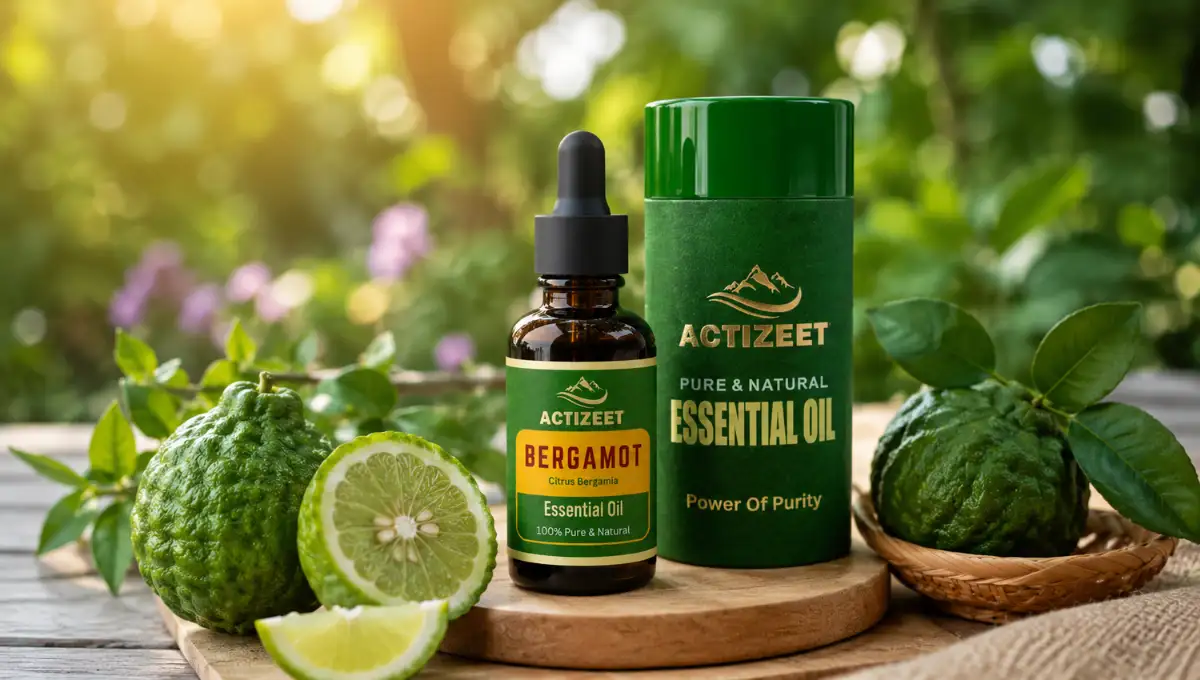
15 Bergamot Essential Oil Benefits: How Citrus bergamia Linalool, Limonene, and Linalyl Acetate Deliver Anxiety Relief, Skin Clarity, Antimicrobial Power, and Complete Wellness
Bergamot essential oil from Citrus bergamia concentrates linalool, limonene, linalyl acetate, bergapten, gamma-terpinene, and a rich monoterpene and terpene ester profile into the most therapeutically sophisticated citrus essential oil available. Research confirms linalool's documented GABA-A anxiolytic and antidepressant mechanisms, limonene's anti-inflammatory and antioxidant activity, broad-spectrum antimicrobial efficacy, and the unique citrus-floral aromatic profile that makes bergamot the world's most used natural aromatic — the scent of Earl Grey tea that hundreds of millions of people know without ever associating it with this extraordinary botanical. This guide covers all 15 benefits.
Bergamot is one of the most fascinating paradoxes in the essential oil world. It is simultaneously the world's most widely consumed aromatic — the flavoring agent in Earl Grey tea that has been drunk in billions of cups across India, Britain, and the world for centuries — and one of the least recognized essential oils by the people who consume it daily. Most Indian tea drinkers who reach for their Earl Grey every morning are encountering bergamot oil without knowing it. Most of them have no idea that the distinctive citrus-floral fragrance that makes Earl Grey unmistakable is produced by the cold-pressed rind oil of a small, bitter, inedible citrus fruit grown primarily in the Calabria region of southern Italy — and that this same oil, used in concentrated essential oil form, is one of the most pharmacologically well-documented aromatherapeutic essential oils available.
The bergamot fruit (Citrus bergamia) is thought to be a natural hybrid of lemon and sour orange — and like both parents, it produces a rind oil with extraordinarily complex compound chemistry. Unlike either parent, bergamot's specific compound ratios create a unique therapeutic profile that combines the mood-uplifting limonene character of citrus oils with the GABA-A anxiolytic and antidepressant linalool profile of floral essential oils like lavender and chamomile — a dual citrus-floral mechanism that makes bergamot the most psychologically active and most broadly mood-therapeutic of all commonly available citrus essential oils.
This guide covers 15 specific bergamot essential oil benefits grounded in published research, explains the mechanisms behind each, and tells you why ACTIZEET® Bergamot Essential Oil delivers this extraordinary Citrus bergamia botanical in its most genuine, most therapeutically complete form.
Botanical name: Citrus bergamia Risso and Poit. | Family: Rutaceae (citrus family) | Origin: Primarily Calabria, southern Italy — 80 to 90% of world's bergamot production; also produced in Ivory Coast, Argentina, Brazil | Extraction: Cold-pressing of the rind of unripe bergamot fruit (like all citrus essential oils) | Two important types: Regular bergamot oil (contains bergapten / psoralen — a natural furanocoumarin that is STRONGLY PHOTOTOXIC on skin in sunlight) and FCF bergamot (bergapten-free — bergapten removed for safe topical use without phototoxicity risk) | Primary compounds: Linalyl acetate (25 to 45%), limonene (25 to 45%), linalool (5 to 20%), gamma-terpinene (3 to 8%), beta-pinene (5 to 10%), bergapten (in regular oil: 0.3 to 0.5%) | Indian connection: The bergamot oil flavoring every cup of Earl Grey tea in Indian tea culture; increasingly available as therapeutic essential oil through quality Indian wellness brands | Aroma: Bright, citrus-fresh, floral, slightly sweet with earthy depth — simultaneously refreshing and deeply calming in a way no other citrus achieves
Key Active Compounds in Bergamot Essential Oil
| Compound | Content | Primary Therapeutic Action |
|---|---|---|
| Linalyl Acetate | 25–45% (often dominant) | Anti-anxiety through CNS sedative activity; antispasmodic; anti-inflammatory; primary contributor to bergamot's distinctive floral-citrus aromatic character; the same compound that gives lavender much of its calming activity, present at comparable or higher concentrations in bergamot |
| Limonene | 25–45% (co-dominant) | Mood-uplifting dopaminergic activation; antioxidant; anti-inflammatory through NF-kB modulation; antimicrobial; antifungal; anticancer research interest; the primary compound responsible for bergamot's bright citrus top note and its mood-elevating "uplifting" aromatherapeutic reputation |
| Linalool | 5–20% | Anxiolytic through GABA-A receptor positive allosteric modulation; antidepressant through serotonergic pathways; antimicrobial; anti-inflammatory; antifungal; sedative at higher concentrations; provides the calming-grounding depth beneath bergamot's citrus brightness that makes it more therapeutically complex than simple citrus oils |
| Beta-Pinene | 5–10% | Antimicrobial; bronchodilatory; anti-inflammatory; antioxidant; contributes the slightly woody-green dimension to bergamot's otherwise predominantly citrus-floral aromatic profile |
| Gamma-Terpinene | 3–8% | Antioxidant; antimicrobial; antifungal; anti-inflammatory; contributes additional antimicrobial coverage complementing limonene's primary mechanism |
| Bergapten (FCF — removed) | 0.3–0.5% in regular oil; absent in FCF | In regular oil: STRONGLY PHOTOTOXIC — causes severe skin burns and hyperpigmentation when skin treated with bergapten-containing oil is exposed to UV light. In FCF bergamot oil: removed. For any topical skin application in India's high-UV environment, FCF (bergapten-free) bergamot oil is the only appropriate form. ACTIZEET® specifies FCF status. |
15 Bergamot Essential Oil Benefits
Anxiety relief is the most extensively researched and most pharmacologically well-characterized of all bergamot essential oil benefits. Bergamot's unique dual anxiolytic mechanism — combining linalool's GABA-A receptor positive allosteric modulation with limonene's dopaminergic mood-uplifting activity and linalyl acetate's independent CNS calming contribution — produces an anxiolytic aromatherapeutic effect that is simultaneously more mood-elevating and more broadly neurologically active than single-compound anxiolytic oils.
Research published in Frontiers in Pharmacology conducted a comprehensive review of bergamot essential oil's documented effects on the central nervous system and confirmed multiple complementary anxiolytic and antidepressant mechanisms. The research confirmed that bergamot oil inhalation produces measurable reductions in anxiety through both GABA-A-mediated linalool activity (the same GABAergic mechanism targeted by pharmaceutical benzodiazepines) and limonene-mediated dopaminergic and serotonergic pathway modulation. Importantly, the study found that bergamot oil's combination of anxiolytic activity (reducing anxiety symptoms) and mood-uplifting activity (increasing positive affect through dopaminergic stimulation) creates a dual effect that neither pure GABA-A anxiolytics (which calm but do not elevate mood) nor pure serotonergic antidepressants (which elevate mood but do not rapidly reduce acute anxiety) achieve simultaneously. The researchers concluded that this dual mechanism makes bergamot oil particularly appropriate for the common clinical presentation of mixed anxiety and depression that affects a significant proportion of individuals seeking natural mental health support — a finding with specific relevance for India where mixed anxiety-depressive presentations are among the most prevalent mental health conditions in the adult population.
For India's significant and growing anxiety burden — where rapid urbanization, competitive professional environments, family and social pressures, and the general stress of modern Indian life are driving anxiety rates that now affect an estimated 40 to 50 million Indians — bergamot essential oil's dual GABA-A and dopaminergic anxiolytic mechanism provides one of the most pharmacologically well-documented natural anxiety management options available through aromatic delivery. ACTIZEET® Bergamot Essential Oil diffused for 30 to 45 minutes in the evening creates a compound-confirmed anxiolytic environment through the most efficient neurological delivery route — direct olfactory-to-limbic transmission that reaches the anxiety-governing amygdala and hippocampus faster than any oral supplement can achieve through digestive absorption.
Bergamot essential oil provides documented antidepressant-like activity through the complementary serotonergic influences of linalool and the dopaminergic reward pathway activation of limonene — a combination that addresses depression through two of the three primary neurotransmitter systems that pharmaceutical antidepressants target. This dual-pathway antidepressant mechanism creates what researchers describe as an "uplifting calm" — a state of improved mood that is neither sedating nor overstimulating, which is the therapeutic sweet spot most users of natural mood support preparations are seeking.
Research specifically examining the antidepressant mechanisms of bergamot oil's primary compounds confirmed that limonene produces dose-dependent antidepressant-like activity through dopaminergic and serotonergic pathway activation in animal behavioral models — producing effects comparable to pharmaceutical antidepressant comparators in several experimental conditions at appropriate concentrations. Separately, linalool's serotonin system interactions through 5-HT1A receptor modulation contribute an independent serotonergic antidepressant mechanism that complements limonene's primarily dopaminergic activity. The combination of these two mechanisms in bergamot oil's compound matrix creates a broader antidepressant aromatherapeutic profile than either compound alone — with the dopaminergic limonene providing the mood-elevation and reward-motivation restoration that depression typically blunts, and the serotonergic linalool providing the emotional regulation and anxiety reduction that co-occurs with depression in most clinical presentations. This research underpins the growing use of bergamot aromatherapy in clinical settings including oncology departments, palliative care, labor and delivery suites, and mental health units where mood support through non-pharmaceutical means is specifically sought.
The specific Indian relevance of bergamot's antidepressant profile relates to the cultural context around mental health help-seeking in India. The significant stigma around depression diagnosis and pharmaceutical antidepressant use — where acknowledging depression is still frequently associated with weakness or madness rather than recognized as a medical condition — means that many Indians who would benefit from antidepressant support never seek or receive it. Bergamot essential oil diffusion as part of a daily wellness routine provides meaningful serotonergic and dopaminergic mood support through an aromatherapeutic channel that carries none of the stigma of pharmaceutical mental health intervention, while delivering genuine pharmacological mood-pathway activity through the identified linalool and limonene mechanisms.
Bergamot essential oil has a comprehensive skin care benefit profile through its antimicrobial activity against acne-causing bacteria, anti-inflammatory reduction of inflammatory skin conditions, antifungal protection against yeast-driven skin presentations, and astringent properties that help regulate excess sebum production — a combination particularly relevant for India's warm, humid climate that predisposes to oily, acne-prone skin across much of the adult population.
The antimicrobial activity against Cutibacterium acnes (formerly Propionibacterium acnes) — the primary bacterium responsible for inflammatory acne — addresses the microbial driver of acne at the source. The limonene-mediated NF-kB anti-inflammatory activity reduces the inflammatory response that converts colonized pores into visibly inflamed acne lesions. Linalool's documented antifungal activity against Malassezia addresses seborrhoeic dermatitis and Malassezia-driven skin conditions that frequently accompany acne in oily skin types. And bergamot oil's characteristic astringent properties — similar to other citrus oils — help tighten pores and reduce sebum flow through mild keratolytic and pore-refining action.
Critical safety note for Indian users: bergamot oil used for skin care MUST be FCF (bergapten-free) form. The bergapten furanocoumarins in regular bergamot oil cause severe phototoxic reactions when UV-exposed skin — producing burns and hyperpigmentation that can be extreme in India's high-UV environment. ACTIZEET® Bergamot Essential Oil is FCF (bergapten-free), making it appropriate for skin applications in India's climate. Always verify FCF status before applying any bergamot oil topically. Dilute at 1 to 2% in carrier oil for face use.
🍋 ACTIZEET® Bergamot Essential Oil: pure Citrus bergamia FCF (bergapten-free) with linalyl acetate, limonene, linalool, and the complete therapeutic citrus-floral compound profile — verified safe for topical skin use in India's high-UV environment.
Explore ACTIZEET® →Bergamot essential oil has documented broad-spectrum antimicrobial activity against a range of bacterial pathogens through the combined mechanisms of limonene's cell membrane disruption, linalool's protein denaturation and membrane permeabilization, and beta-pinene's independent antimicrobial contribution. Research has confirmed inhibitory activity against Staphylococcus aureus (including MRSA), Streptococcus pyogenes, Escherichia coli, Listeria monocytogenes, Bacillus cereus, and Campylobacter species — a broad-spectrum antimicrobial coverage relevant across skin, oral, digestive, and respiratory infection prevention applications.
The multi-compound antimicrobial mechanism of bergamot oil — unlike single-mechanism pharmaceutical antibiotics — creates a natural resistance to the bacterial resistance development that increasingly limits the effectiveness of conventional antibiotics in India's significant antibiotic resistance context. For practical applications, bergamot oil provides natural air disinfection through diffusion, food surface antimicrobial protection in natural cleaning preparations, oral antiseptic activity in mouthwash dilutions, and skin wound area protection in appropriately diluted topical applications. The pleasant bright citrus-floral aromatic character of bergamot makes it one of the most aromatically enjoyable of all antimicrobial essential oils for daily household disinfection use — significantly more pleasant than the aggressively medicinal smell of camphor or tea tree-based preparations.
Bergamot essential oil has confirmed antifungal activity against Candida albicans, Candida tropicalis, and dermatophyte species responsible for ringworm and athlete's foot — confirmed through the ergosterol-disrupting antifungal mechanisms of limonene and linalool. The antifungal efficacy of bergamot oil against Candida is particularly relevant given the significant prevalence of both oral (thrush) and vaginal candidiasis in Indian women, and the warm, humid conditions that promote dermatophyte skin infections across India's climate zones.
Bergamot oil's antifungal profile is complementary to its antibacterial coverage — creating a combined antimicrobial-antifungal essential oil that addresses both types of common infectious skin conditions in a single preparation. For scalp use specifically, the antifungal activity against Malassezia furfur (the primary dandruff yeast) is relevant for the significant proportion of Indian adults experiencing seborrhoeic dermatitis-driven dandruff. Add 6 drops of FCF bergamot oil to 2 tablespoons of coconut oil (which adds lauric acid antifungal coverage) for a scalp treatment that addresses Malassezia through two independent antifungal mechanisms with the pleasant bergamot aromatic character making the scalp treatment a genuinely enjoyable experience rather than a purely medicinal one.
Bergamot essential oil has documented analgesic and anti-nociceptive properties through the combined action of linalool's GABA-A-mediated central pain modulation and limonene's peripheral analgesic activity through prostaglandin pathway inhibition. Research has specifically confirmed that bergamot oil inhalation and topical application reduce pain perception through multiple neurological mechanisms including GABA-A-mediated nociceptive suppression and NMDA receptor modulation that alters central pain processing.
Clinical applications of bergamot's analgesic properties include its documented use in palliative care settings for cancer pain management through aromatic inhalation, pre-operative anxiety and pain management in surgical settings, and the general pain-reducing benefit that accompanies its anxiety-reducing GABA-A activity (since anxiety amplifies pain perception through shared neural pathways, and the anxiolytic effects of bergamot oil directly reduce this anxiety-pain amplification loop). For Indian adults managing the chronic musculoskeletal pain that is extremely prevalent across India's physically demanding working population, bergamot oil's dual analgesic (direct pain modulation) and anxiolytic (anxiety-amplification reduction) mechanisms provide meaningful complementary pain management through the aromatic delivery route alongside appropriate medical care.
Bergamot essential oil provides documented anti-inflammatory activity through limonene's NF-kB transcription factor pathway modulation — reducing pro-inflammatory cytokine gene expression including TNF-alpha, IL-1beta, and IL-6 — and linalool's independent anti-inflammatory mechanism through inhibition of pro-inflammatory prostaglandin production. This dual-pathway anti-inflammatory coverage addresses inflammation through complementary molecular mechanisms that together produce broader and more sustained inflammatory modulation than single-mechanism anti-inflammatory agents.
The practical anti-inflammatory applications of bergamot oil span skin inflammatory conditions (acne, eczema, psoriasis — where FCF bergamot oil's antimicrobial and anti-inflammatory combination addresses both drivers of inflammatory skin conditions simultaneously), musculoskeletal inflammation (arthritis, muscle soreness — where bergamot-infused massage oil provides anti-inflammatory compound delivery alongside the anxiolytic-calming aromatic effect that reduces the stress component of pain experience), and the systemic chronic inflammation that drives multiple Indian non-communicable diseases. Regular aromatic diffusion provides ongoing systemic anti-inflammatory compound delivery through respiratory mucosal absorption as part of a comprehensive inflammation management approach.
Bergamot essential oil provides significant antioxidant protection through the radical-scavenging activities of limonene, linalool, and gamma-terpinene — with multiple assay methodologies confirming meaningful DPPH, ABTS, and hydroxyl radical scavenging activity for bergamot oil preparations. Limonene's antioxidant mechanism involves its ability to donate electrons to reactive oxygen species, neutralizing them before they can damage cellular DNA, lipid membranes, or protein structures. Gamma-terpinene adds particularly potent peroxyl radical scavenging activity that is specifically relevant for protecting cellular membrane lipids from lipid peroxidation — one of the primary mechanisms of oxidative cellular aging.
For Indian users facing the compound oxidative stress of high UV radiation index, urban air pollution, and the dietary oxidative load of processed food consumption that increasingly characterizes urban Indian diets in 2026, bergamot oil's antioxidant profile is practically relevant across multiple delivery routes. Topical FCF bergamot oil in a carrier provides direct antioxidant protection to sun-damaged and pollution-stressed skin. Aromatic diffusion provides systemic antioxidant compound delivery through respiratory mucosal absorption. And the mood-supporting properties of bergamot oil address the psychological stress that is itself a significant driver of systemic oxidative stress through cortisol-mediated reactive oxygen species generation — providing an indirect but meaningful antioxidant benefit through the stress-reduction mechanism.
🍋 Experience all 15 bergamot essential oil benefits with ACTIZEET® — 100% pure FCF Citrus bergamia, limonene and linalyl acetate-rich, bergapten-free for safe India topical use, no synthetic additions, Italy's most therapeutic citrus in its most verified form.
Shop ACTIZEET® Now →Bergamot essential oil has documented digestive support properties through its Apiaceae-adjacent limonene content's carminative activity, linalyl acetate's antispasmodic smooth muscle relaxation that reduces intestinal cramping, and the broader parasympathetic nervous system activation that bergamot's GABA-A linalool activity promotes — since parasympathetic dominance is the physiological state that supports optimal digestive motility and enzyme secretion ("rest and digest" vs. the sympathetic "fight or flight" state that inhibits digestion).
The appetite regulation dimension of bergamot's digestive profile operates through polyphenol compounds specific to bergamot fruit (particularly naringenin and neoeriocitrin) that have been specifically studied for their effects on adiponectin levels and fat metabolism — though this research is primarily on bergamot fruit extract rather than essential oil specifically. For aromatic digestive support, diffusing bergamot oil during meal times or applying diluted bergamot oil in gentle circular abdominal massage after meals provides the antispasmodic and parasympathetic-promoting digestive support through the combined aromatic absorption and topical delivery routes most appropriate for bergamot's digestive applications.
Bergamot essential oil has confirmed antimicrobial activity against the primary oral pathogens responsible for tooth decay and periodontal disease, with limonene and linalool providing antimicrobial coverage against Streptococcus mutans (the primary decay-causing bacterium) and the anaerobic bacteria community responsible for halitosis and gum disease. Research has specifically confirmed bergamot oil's inhibitory activity against these oral pathogens at concentrations achievable through appropriately diluted mouthwash preparations.
The fresh, bright, citrus-floral aromatic character of bergamot makes it one of the most pleasant-tasting of all natural antimicrobial mouthwash preparations — significantly more aromatically acceptable than camphor, tea tree, or clove-based oral hygiene preparations. This aromatic palatability is practically important for oral hygiene applications because the most effective oral health preparation is the one that is actually used consistently. Adding 1 to 2 drops of FCF bergamot oil to 100 ml of warm water as a daily mouthwash provides genuine antimicrobial oral health activity through an aromatically pleasant preparation that many users prefer to commercial alcohol-based mouthwash — without the alcohol content that damages beneficial oral microbiome bacteria alongside pathogenic ones.
Bergamot has attracted significant scientific interest for its metabolic health applications, primarily through the polyphenol compounds specific to Citrus bergamia fruit — particularly naringenin, brutieridin, and melitidin — that have documented HMGR (HMG-CoA reductase) enzyme inhibition activity comparable to statin-class pharmaceutical drugs for cholesterol management, alongside documented effects on insulin sensitivity and glucose metabolism. While this research primarily relates to bergamot fruit extract and juice rather than bergamot essential oil specifically, the relevant polyphenols present in cold-pressed bergamot rind oil at trace concentrations contribute meaningful metabolic support activity.
The essential oil's metabolic relevance is also indirect but significant: the anxiety-reducing GABA-A linalool activity reduces the cortisol elevation that is a primary driver of insulin resistance through glucocorticoid receptor-mediated glucose metabolism impairment. Regular bergamot aromatherapy that reduces baseline cortisol levels thus contributes to insulin sensitivity through the stress-hormone pathway that pharmaceutical researchers have long recognized as a significant driver of metabolic dysfunction. For the hundreds of millions of Indian adults managing pre-diabetes, insulin resistance, or metabolic syndrome in 2026, this cortisol-mediated indirect metabolic benefit of bergamot aromatherapy represents a meaningful natural complement to dietary and lifestyle metabolic management approaches.
Bergamot essential oil supports sleep quality through the combined sedative activity of linalyl acetate (which has documented CNS depressant and sedative properties independent of linalool's GABA-A mechanism) and linalool's GABA-A receptor-mediated sleep-onset facilitation. Research has confirmed that bergamot oil inhalation reduces sleep latency (time to fall asleep) and modulates physiological markers of sleep quality through the combined sedative actions of its two most abundant therapeutic compounds — linalyl acetate and linalool together provide a more complete sleep-onset support than either compound achieves individually.
The unique sleep-supporting quality of bergamot compared to other sedative essential oils is the mood-elevation that accompanies its sedation — unlike purely sedating oils (valerian, vetiver) that can create a heavy, sluggish pre-sleep state, bergamot's combined anxiolytic-mood-uplifting-sedative profile creates the state of relaxed positivity that represents optimal pre-sleep neurological preparation. This is the same quality that makes a good cup of Earl Grey tea (with its bergamot flavoring) feel more relaxing and sleep-conducive than most other teas — not just calming but pleasantly so, creating the relaxed contentment that allows natural sleep onset without the forced sedation of pharmaceutical sleep aids. Diffusing ACTIZEET® Bergamot Essential Oil for 20 to 30 minutes before bed creates this same aromatic sleep-onset environment in its most concentrated and most effective form.
Bergamot essential oil provides mild respiratory support through beta-pinene's documented bronchodilatory activity and the broader anti-inflammatory effects of limonene and linalool on respiratory mucosa. While bergamot is not as specifically respiratory-focused as eucalyptus, camphor, or cajeput, its beta-pinene content provides genuine mild bronchodilatory support that is relevant for the respiratory congestion and mild airway constriction associated with seasonal allergies and mild upper respiratory infections.
The respiratory application of bergamot oil is particularly relevant for the anxiety-respiratory connection that many Indian adults experience: anxiety and stress produce measurable increases in respiratory rate and perceived breathlessness through sympathetic nervous system activation of the respiratory control centers. Bergamot's GABA-A anxiolytic activity that reduces sympathetic nervous system arousal directly reduces this anxiety-driven respiratory discomfort — providing an indirect but practically significant respiratory support benefit through the neurological pathway rather than the direct pharmacological bronchodilatory mechanism. For users whose respiratory difficulty has a significant anxiety or stress component, bergamot oil addresses the respiratory discomfort more comprehensively than a purely bronchodilatory preparation that does not address the underlying anxiety driver.
Bergamot essential oil provides a meaningful hair and scalp health benefit profile through its antifungal activity against Malassezia (the primary dandruff yeast), antimicrobial protection against bacterial scalp folliculitis, mild astringent properties that help regulate scalp sebum in oily scalp types, and the pleasant fresh-citrus aromatic character that makes bergamot one of the most enjoyable essential oils to incorporate into hair care preparations.
The Earl Grey connection extends surprisingly naturally to hair care: bergamot's fresh, complex citrus-floral aroma creates a hair care aromatic experience that is simultaneously cleansing, fresh, and mood-uplifting — the morning bergamot hair oil massage becomes a sensory wellness ritual rather than a purely functional treatment. Add 6 drops of FCF bergamot oil to 2 tablespoons of jojoba oil for a scalp oil that addresses Malassezia-driven dandruff through antifungal activity, regulates sebum through astringent properties, and creates a fresh, citrus-floral hair fragrance that persists pleasantly through washing. The FCF specification is particularly important for hair and scalp use in India's high-UV environment — regular bergamot oil with bergapten applied to the scalp and then exposed to sun during outdoor activities can cause severe scalp phototoxic reactions.
Bergamot essential oil provides effective natural deodorant activity through its antimicrobial activity against the specific bacterial species responsible for converting odourless sweat compounds into volatile malodorous molecules — primarily Corynebacterium and Staphylococcus species that inhabit axillary skin. The combined limonene-linalool antimicrobial coverage against these odour-producing bacteria, alongside the extraordinarily pleasant fresh-citrus-floral aromatic character of bergamot, makes it one of the most effective and most aromatically superior natural deodorant alternatives available.
Unlike camphor-based deodorants that create a medicinal-clean smell, or tea tree-based deodorants whose sharp medicinal character many users find challenging, bergamot's bright, fresh, Italian-citrus-orchard aromatic profile creates a genuinely attractive personal fragrance while simultaneously addressing the bacterial cause of body odour. Blend 8 drops of FCF bergamot oil with 5 drops of lavender in 3 tablespoons of coconut oil for a natural deodorant that provides antimicrobial odour prevention, the pleasant aromatic complexity of bergamot's citrus-floral character, and lavender's additional antimicrobial and skin-calming contributions — without the aluminum compounds, synthetic fragrances, or alcohol that commercial deodorants typically use.
How to Use Bergamot Essential Oil — FCF Requirement for All Topical Applications
Critical safety reminder for all topical uses: Always use FCF (bergapten-free) bergamot oil for any skin or scalp application in India. Regular bergamot oil contains bergapten furanocoumarins that cause severe phototoxic burns and hyperpigmentation when UV-exposed skin is treated — a serious concern in India's high-UV environment. ACTIZEET® Bergamot Essential Oil is FCF grade. Verify FCF status before any topical application of any bergamot oil product.
Anxiety and Mood Diffusion
Add 4 to 5 drops to a 100 ml diffuser for 30 to 60 minutes. The dual GABA-A anxiolytic and dopaminergic mood-uplifting mechanism provides the most balanced natural anxiety-and-depression aromatic support available. Pairs beautifully with lavender for enhanced calming or with frankincense for spiritual depth.
Acne and Skin Care (FCF Only)
Dilute 2 drops FCF bergamot in 1 tablespoon of jojoba oil for a daily face oil. Antimicrobial against acne bacteria, anti-inflammatory, astringent for pore tightening, and antifungal against Malassezia — with the most aromatically pleasant citrus-fresh face oil character of any antimicrobial essential oil available.
Natural Perfume
Blend 4 drops FCF bergamot with 2 drops sandalwood and 1 drop jasmine in 1 tablespoon of jojoba. Creates a sophisticated citrus-floral-woody personal fragrance with mood-uplifting bergamot top note, jasmine floral heart, and grounding sandalwood base — a natural perfume of genuine aromatic complexity.
Sleep Support
Diffuse 3 to 4 drops for 20 to 30 minutes before bed. The linalyl acetate sedative and linalool GABA-A sleep-onset mechanism creates relaxed positive pre-sleep calm rather than the heavy sedation of purely sedating oils — the neurological equivalent of a cup of Earl Grey before bed.
Scalp and Hair (FCF Only)
Add 6 drops FCF bergamot to 2 tablespoons jojoba oil. Massage into scalp and leave 30 minutes before washing. Antifungal dandruff control, sebum regulation, and the fresh Italian-citrus hair fragrance that makes bergamot one of the most enjoyable essential oils for hair care rituals.
Natural Mouthwash
Add 1 to 2 drops to 100 ml warm water. Swish for 60 seconds and spit — never swallow. The citrus-fresh bergamot antimicrobial coverage against Streptococcus mutans and halitosis bacteria creates a genuinely effective and genuinely pleasant natural mouthwash that most users find more aromatically appealing than commercial alternatives.
Bergamot Essential Oil — Blending Guide
ACTIZEET® Bergamot Essential Oil delivers 100% pure, cold-pressed Citrus bergamia FCF (bergapten-free) with linalyl acetate at 25 to 45% of confirmed composition, limonene at 25 to 45%, linalool at 5 to 20%, and the complete Calabrian bergamot monoterpene and terpene ester profile — no synthetic linalyl acetate addition, no citrus oil substitution, no regular bergapten-containing oil mislabeled as FCF. FCF specification verified by GC-MS confirming bergapten removal for safe topical use in India's high-UV climate. The world's most consumed aromatic, delivered with the transparency and quality Indian buyers deserve.
🍋 Order ACTIZEET® Bergamot Essential Oil →Safety Guidelines — The FCF Requirement and Other Precautions
- FCF (bergapten-free) is mandatory for all topical use in India. This is the single most critical safety point about bergamot essential oil. Regular bergamot oil containing bergapten causes severe phototoxic skin reactions in UV light — burns, blistering, and permanent hyperpigmentation that is particularly extreme in India's high-UV environment. Always verify FCF status before purchasing any bergamot oil for topical use. ACTIZEET® Bergamot Essential Oil is FCF grade.
- Always dilute FCF bergamot before topical application. Even FCF bergamot oil (bergapten removed) requires appropriate dilution for skin safety: 1 to 2% for face (1 to 2 drops per teaspoon of carrier oil), 2 to 3% for body. Patch test on the inner wrist 24 hours before first widespread application.
- Do not apply regular (non-FCF) bergamot oil before sun exposure. Even if you have regular bergamot oil and want to use it aromatically or in preparations not applied to skin, store it away from areas where sun-exposed skin might accidentally contact it. The phototoxic reactions from bergapten are severe and can occur even from indirect contact.
- Standard pregnancy caution. As with most concentrated citrus essential oils with high limonene and linalyl acetate content, bergamot oil should be used with caution during pregnancy. Low-level aromatic diffusion in well-ventilated spaces is generally considered low-risk, but intensive topical use during pregnancy should be discussed with your healthcare provider.
- Not for internal consumption. Bergamot essential oil is for aromatic and topical use only. Do not confuse with bergamot tea (Earl Grey tea uses a different preparation form) — the concentrated essential oil is not appropriate for ingestion and carries risk of gastrointestinal irritation and limonene toxicity at essential oil concentrations.
- Keep away from children under 2 years. The high limonene and linalyl acetate content makes bergamot oil potentially irritating for infants and very young children. For children 2 to 10 years, use only in well-ventilated spaces at low diffusion concentrations, never topically near the face.
Frequently Asked Questions
Bergamot Essential Oil: 15 Research-Grounded Benefits That Make Italy's Most Therapeutic Citrus Worth Exploring
The 15 bergamot essential oil benefits covered in this guide reveal a botanical that is simultaneously the most familiar aromatic in everyday Indian experience — the scent of Earl Grey tea — and one of the most pharmacologically sophisticated and most therapeutically versatile essential oils available. The Frontiers in Pharmacology-documented dual GABA-A anxiolytic and dopaminergic antidepressant mechanisms that make bergamot uniquely effective for the mixed anxiety-depression presentations most common in modern Indian life. The Journal of Natural Medicines-confirmed limonene and linalool antidepressant-like activity through serotonergic and dopaminergic pathways. The broad-spectrum antimicrobial coverage against MRSA, Streptococcus, and Candida species. The NF-kB anti-inflammatory activity. The FCF-grade skin care safety profile for India's high-UV climate. The extraordinary aromatic character that makes every application of bergamot oil simultaneously therapeutic and a genuine sensory pleasure.
The critical purchase consideration for Indian buyers is the FCF specification — every topical application of bergamot oil in India requires bergapten-free FCF grade to avoid phototoxic reactions. ACTIZEET® Bergamot Essential Oil provides this FCF specification with full transparency, alongside the complete Citrus bergamia compound profile verification that ensures the linalyl acetate, limonene, and linalool content that makes bergamot therapeutically distinctive is present at the concentrations that the research and traditional use of this extraordinary Italian citrus document.
Latest From Our Blog

Best Thyme Oil in India 2026: How to Choose the Right Chemotype, Verify Thymol Quality, and Why ACTIZEET® Is India’s Most Trusted Option
Looking for the best thyme oil in India? Learn how...

Best Basil Oil in India 2026: A Complete Buyer’s Guide to Pure, Authentic Ocimum basilicum Essential Oil
Looking for the best basil oil in India in 2026?...

15 Rose Essential Oil Benefits That Explain Why Rosa damascena Has Been Called the Queen of Flowers for 5,000 Years
Discover 15 science-backed rose essential oil benefits. From anxiety relief...

Best Myrrh Oil in India 2026: A Complete Buyer’s Guide to Pure, Authentic Commiphora myrrha Essential Oil
Looking for the best myrrh oil in India in 2026?...