
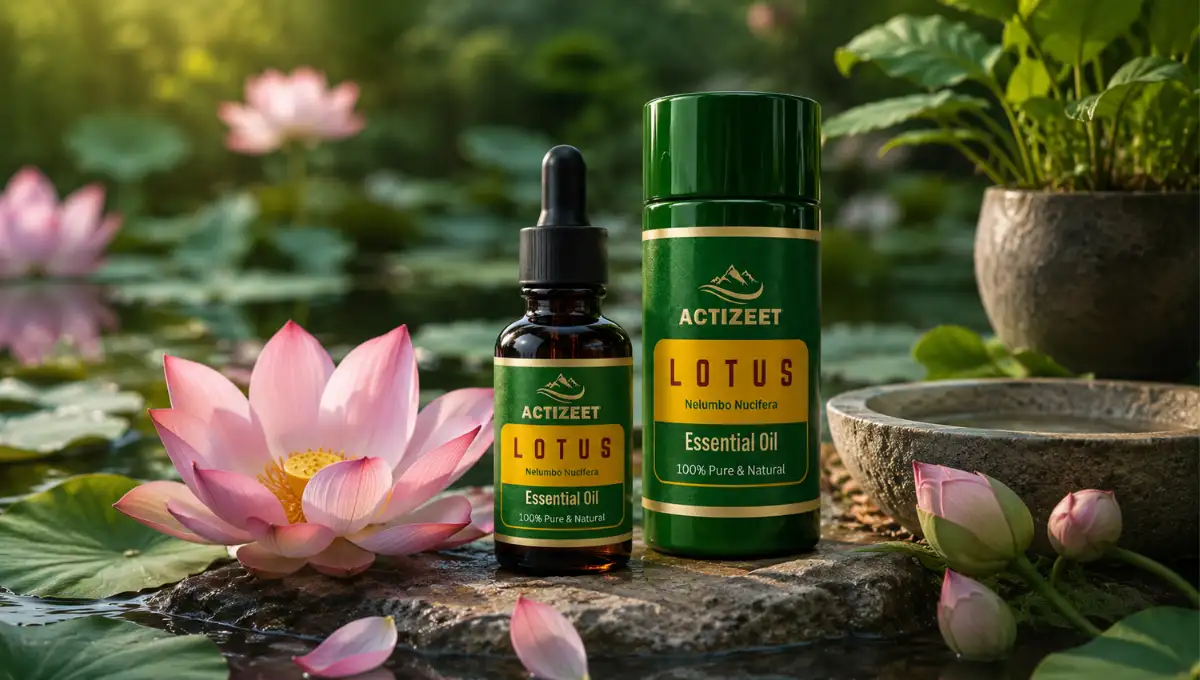
15 Lotus Essential Oil Benefits That Reveal Why India's Sacred Flower Has Been Humanity's Most Spiritual Medicine for 5,000 Years
From the sacred tanks of Indian temples to the research laboratories of cosmetic scientists publishing in PMC, Nelumbo nucifera carries a therapeutic profile as extraordinary as its symbolic significance. This guide reveals the science behind the sacred.
The lotus is not simply India's national flower. It is the most symbolically loaded botanical in all of Asian civilization. Sitting at the centre of Hindu, Buddhist, and Jain iconography for over 5,000 years, the lotus represents purity rising from the mud, spiritual awakening emerging from material darkness, and the possibility of transformation through inner cultivation. The lotus bloom on which Vishnu reclines, on which Lakshmi stands, from which Brahma emerges. The lotus throne on which the Buddha sits in eternal meditation. The lotus that appears at every auspicious occasion, in every temple offering, in every wedding garland across the Indian subcontinent.
This extraordinary cultural prominence reflects something that ancient Indian physicians, Buddhist monks, and traditional healers observed through consistent empirical experience: the lotus produces genuine therapeutic effects in those who use it. Research published in 2025 in PMC specifically confirmed that Nelumbo nucifera has been widely used for its pharmacological benefits including antioxidant, anti-inflammatory, skin-whitening, and anti-aging properties such as attenuating wrinkles, preserving collagen, and limiting the formation of advanced glycation end-products. The lotus displays diverse bioactivities including antioxidant, antimicrobial, hepatoprotective, hypolipidemic, anti-obesity, hypoglycemic, and sleep-promoting effects.
In this guide, we cover 15 specific lotus essential oil benefits grounded in published research and traditional knowledge across Hindu, Buddhist, and Ayurvedic traditions, explain the mechanisms behind each one, and show you how ACTIZEET® Lotus Essential Oil delivers this extraordinary floral heritage in authentic, concentrated form.
Lotus essential oil is extracted from the flowers of Nelumbo nucifera Gaertn. (sacred lotus, Indian lotus, pink or white lotus) through solvent extraction (producing an absolute) or steam distillation. The primary bioactive compounds include myricetin and quercetin derivatives (the dominant flavonoids confirmed in the 2025 PMC research), alkaloids (nuciferine, neferine, aporphine alkaloids with antioxidant and sedative properties), phenolic acids (gallic acid, caffeic acid), fatty acids (linoleic acid, oleic acid in seed oil), beta-carotene, vitamin C, and various terpenoids. The flower oil has a sweet, exotic, faintly spicy-floral aroma described as aquatic, clean, and spiritually uplifting. Pink lotus and white lotus have distinct but overlapping aromatic and therapeutic profiles, with white lotus generally considered more refined and pink lotus warmer and more spiritually resonant.
Key Active Compounds in Lotus Essential Oil
| Compound | Class | Primary Therapeutic Action |
|---|---|---|
| Myricetin and Quercetin Derivatives | Flavonoids | Potent antioxidant; anti-inflammatory; skin-whitening; anti-aging; collagen preservation; antimicrobial; anticancer |
| Nuciferine / Neferine | Aporphine Alkaloids | Antioxidant; sedative; anti-anxiety; antiarrhythmic; antihypertensive; aphrodisiac; neuroprotective |
| Gallic Acid / Caffeic Acid | Phenolic Acids | Antioxidant; anti-inflammatory; antimicrobial; hepatoprotective; anticancer; UV-protective |
| Linoleic Acid / Oleic Acid | Essential Fatty Acids | Skin barrier support; anti-inflammatory; moisturizing; collagen building; scalp nourishment |
| Beta-Carotene | Carotenoid | Antioxidant; provitamin A; skin protection; anti-aging; immune modulating |
| Vitamin C (Ascorbic Acid) | Vitamin / Antioxidant | Collagen synthesis; skin brightening; antioxidant; immune support; anti-aging |
15 Lotus Essential Oil Benefits
Antioxidant activity is the most extensively documented pharmacological property of lotus preparations and the foundation for most of its other specific therapeutic benefits. Research published in the Journal of Agricultural and Food Chemistry specifically evaluated the antioxidant activity of lotus extracts from various habitats across China and found that all extracts had strong antioxidant activity in comparison to standard compounds butylated hydroxytoluene and vitamin C, which are the reference antioxidants used in the food and cosmetic industries.
A published study in the Journal of Agricultural and Food Chemistry, "Comparative Analysis of Essential Oil Components and Antioxidant Activity of Extracts of Nelumbo nucifera from Various Areas of China," measured phenolic content (354 to 487 mg/g gallic acid equivalents), flavonoid content (172 to 236 mg/g rutin equivalents), and proanthocyanidin content (124 to 179 mg/g catechin equivalents) in lotus extracts, finding that all extracts had strong antioxidant activity surpassing standard comparison compounds. The study used GC-MS analysis to characterize essential oil components from various lotus samples, establishing the chemical and antioxidant basis for lotus oil's therapeutic profile. These findings confirm that lotus essential oil is genuinely among the most antioxidant-rich botanical oils available.
The multi-compound antioxidant profile of lotus oil is exceptional. Myricetin and quercetin derivatives provide flavonoid-class antioxidant coverage. Gallic acid and caffeic acid contribute phenolic acid antioxidant activity. Beta-carotene provides carotenoid-class antioxidant protection particularly relevant for UV-induced oxidative damage. Vitamin C protects the aqueous cellular environment. Proanthocyanidins add additional polyphenol antioxidant capacity. Together these create comprehensive protection against multiple reactive oxygen species classes simultaneously.
Anti-aging is the most commercially significant and most research-confirmed of all lotus essential oil benefits for skin care. Lotus has been reported as a highly effective whitening and anti-wrinkling agent and is widely utilized in anti-aging cosmetics preparations. Research confirmed that lotus's therapeutic properties include attenuating wrinkles, preserving collagen, and limiting the formation of advanced glycation end-products (AGEs), three of the most important anti-aging mechanisms in modern dermatology.
A 2025 PMC-published study, "Chemical Composition and Bioactivity of Nelumbo nucifera Gaertn. Flower Extract Fractions: In Vitro Antioxidant and Anti-inflammatory Properties," specifically focused on lotus flower extracts for skin aging and skin health. The study confirmed that lotus has been widely used for its pharmacological benefits including antioxidant, anti-inflammatory, skin-whitening, and anti-aging properties such as attenuating wrinkles, preserving collagen, and limiting the formation of advanced glycation end-products. The research identified myricetin and quercetin derivatives as the dominant bioactive flavonoids in lotus flower extracts responsible for both antioxidant and anti-inflammatory activities. The study also confirmed that Nelumbo nucifera displays diverse bioactivities including antioxidant, antimicrobial, hepatoprotective, hypolipidemic, anti-obesity, hypoglycemic, and sleep-promoting effects.
The anti-aging mechanisms are comprehensive. Quercetin and myricetin inhibit matrix metalloproteinases (MMPs), the enzymes that break down collagen and elastin in aging skin. Lotus alkaloids reduce AGE formation, the cross-linking of proteins by sugar molecules that reduces skin elasticity. Vitamin C provides the cofactor support needed for new collagen synthesis. And the potent antioxidant profile prevents the UV-induced free radical oxidation that is the primary external driver of photoaging. Used consistently in a nightly facial serum, lotus oil addresses skin aging through more simultaneous mechanisms than most conventional anti-aging ingredients.
Skin brightening is one of lotus oil's most celebrated and most research-supported skin care applications. Lotus has been reported as a highly effective whitening agent, with this whitening activity specifically attributed to the inhibition of tyrosinase, the enzyme responsible for melanin production that causes hyperpigmentation, dark spots, and uneven skin tone. This tyrosinase-inhibiting activity is driven by quercetin, one of the dominant flavonoids confirmed in lotus flower extracts.
Quercetin's tyrosinase inhibition is one of the most well-documented mechanisms in natural skin brightening research, and its confirmation as a dominant compound in lotus essential oil gives the plant's traditional reputation as an anti-darkening, complexion-brightening cosmetic ingredient a solid pharmacological basis. Vitamin C in lotus oil independently inhibits melanin synthesis through a different mechanism (reducing dopaquinone back to DOPA), providing a second simultaneous brightening pathway. Caffeic acid contributes UV-protective activity that prevents the UV-stimulated melanocyte activation that produces new hyperpigmentation. For Indian skin specifically, where post-inflammatory hyperpigmentation from acne, sun damage, and hormonal changes is one of the most prevalent skin concerns, lotus oil's multi-pathway brightening approach is particularly valuable.
🌸 ACTIZEET® Lotus Essential Oil: pure Nelumbo nucifera for genuine skin renewal, spiritual depth, and emotional healing. India's sacred flower in its most potent form.
Explore ACTIZEET® →Lotus essential oil is particularly valued in natural skin care for its ability to deeply hydrate and nourish the skin while maintaining a lightweight, non-greasy skin feel that makes it suitable for daily use across skin types. White Lotus Absolute Oil brings freshness and vitality to the skin while providing antioxidant protection at the same time. It helps to shrink pores and leaves the face feeling more fresh and vibrant.
The hydration mechanism is multi-compound. The linoleic and oleic fatty acids in lotus seed oil provide skin barrier-strengthening lipid replenishment that reduces transepidermal water loss, the primary cause of dry, tight, and dehydrated skin. Linoleic acid specifically is required for the synthesis of ceramides, the key structural lipids in the skin barrier. The alkaloids nuciferine and neferine have documented skin-soothing and cell-regeneration-stimulating properties. And the vitamin C content supports collagen synthesis that maintains the structural integrity of the dermis, which in turn supports the skin's plumpness and moisture retention. The overall effect is skin that appears genuinely nourished rather than simply surface-coated with moisturizer.
Anti-inflammatory activity is among the specifically confirmed pharmacological properties of lotus essential oil, documented in the 2025 PMC study alongside the antioxidant activity. The alkaloids in lotus, particularly nuciferine, possess anti-inflammatory effects that operate through NF-kappaB pathway inhibition and cytokine production reduction, the same inflammatory signaling pathways targeted by pharmaceutical anti-inflammatory drugs. Research specifically confirmed that lotus alkaloids possess antioxidant, anti-inflammatory, and sedative effects.
The myricetin and quercetin flavonoids contribute additional anti-inflammatory activity through COX enzyme inhibition and NF-kappaB transcription factor suppression. Gallic acid and caffeic acid add phenolic-class anti-inflammatory mechanisms. For skin applications, this anti-inflammatory activity is relevant for eczema, rosacea, acne-related inflammation, and reactive or sensitive skin conditions where sustained inflammation drives both discomfort and visible skin damage. For systemic aromatherapy benefit, the anti-inflammatory compounds absorbed through inhalation and skin application reduce the chronic low-grade inflammation that underlies multiple health conditions and accelerates aging broadly.
Anxiety relief is one of lotus essential oil's most consistently recognized and most practically valued therapeutic benefits, with cross-cultural documentation spanning Hindu, Buddhist, Thai, Egyptian, and contemporary aromatherapy traditions all recognizing the lotus's calming, anxiety-reducing properties. Lotus Pink Absolute's relaxing and spiritually uplifting qualities are ideal for reducing negativity, anxiety, and stress. This recognition across completely independent cultural traditions reflects consistent empirical observation of genuine anxiolytic effects.
The anxiety relief mechanism operates through multiple compound pathways. Nuciferine and neferine, the dominant alkaloids of lotus, have documented sedative and central nervous system calming effects through interaction with dopaminergic and serotonergic pathways. The aromatic volatile compounds activate olfactory receptors connected to the limbic brain, producing direct neurochemical anxiety reduction through the olfactory-limbic pathway. The aquatic, clean, spiritually uplifting aroma of lotus creates a sensory environment that the nervous system associates with calm, clarity, and safety, reinforcing the direct neurochemical effects through psychological pathways simultaneously. For India's increasingly stressed urban population, lotus oil diffusion in home and workplace environments provides consistent, natural anxiety modulation throughout the day.
Sleep promotion is a specifically confirmed pharmacological activity of Nelumbo nucifera, with the 2025 PMC research review listing sleep-promoting effects among the diverse bioactivities documented for lotus. This research validation reflects the traditional use of lotus preparations for insomnia and sleep disturbances across multiple Asian medical traditions, which recognized the sedative properties of lotus alkaloids through centuries of empirical clinical practice.
The sleep-supporting mechanism involves several overlapping pathways. The sedative alkaloids nuciferine and neferine exert calming central nervous system effects that facilitate sleep onset. The anxiolytic properties remove the anxiety-driven rumination that prevents sleep initiation in stress-related insomnia. The anti-inflammatory activity reduces the chronic inflammatory markers that disrupt sleep architecture and reduce sleep quality in people with metabolic or inflammatory conditions. And the overall calming aromatic effect of lotus creates the sensory environment of safety and peace that signals to the nervous system that sleep is safe and appropriate. Diffusing lotus oil in the bedroom for 30 minutes before sleep provides consistent delivery of all these sleep-supporting mechanisms.
The role of lotus in spiritual practice is the most culturally universal and the most personally transformative of all its applications. White Lotus Absolute essential oil is often associated with the Crown Chakra, located at the top of the head, which is associated with spiritual connection, enlightenment, and higher consciousness. When used in aromatherapy, White Lotus Absolute can help balance and activate the Crown Chakra, promoting a sense of spiritual wellbeing and deepening meditation.
The neurological basis for this spiritual benefit is the same as the anxiety-relief mechanism but operating at a deeper level: the sedative alkaloids and calming aromatic compounds create the specific neurological state of alert calm, reduced mental chatter, emotional openness, and heightened receptivity that every contemplative tradition recognizes as prerequisite to genuine meditative depth. In India, the lotus has been placed at temples, used in meditation rituals, and woven into spiritual practice for longer than recorded history can trace. The flower's ability to create this neurologically confirmed calm-alertness state through its aromatic compounds is the pharmacological reason for this 5,000-year spiritual tradition. Using lotus oil in meditation is not cultural decoration: it is neurologically grounded spiritual technology.
🌸 From India's sacred tanks to your meditation space. ACTIZEET® Lotus Essential Oil for genuine spiritual depth and skin renewal in every drop.
Shop Now →Antimicrobial activity is among the specifically confirmed pharmacological properties of Nelumbo nucifera, documented in the 2025 PMC research review alongside the antioxidant and anti-inflammatory activities. Lotus oil possesses antimicrobial properties and is beneficial for soothing skin irritations and addressing acne-related skin conditions. Its astringent properties make it a lovely choice in facial toners for acne management and general skin rejuvenation.
The antimicrobial compounds in lotus oil, particularly gallic acid and the flavonoid fraction, target the bacteria responsible for acne (Cutibacterium acnes), skin infections, and the scalp microorganism imbalances that drive dandruff. The anti-inflammatory flavonoids simultaneously reduce the redness and swelling of existing acne lesions while the antimicrobial compounds prevent new bacterial colonization of follicles. The astringent properties of the tannin fraction tighten pores and reduce excess sebum production that creates the environment for new acne formation. For Indian skin types where acne and hyperpigmentation commonly co-occur, lotus oil addresses both the active acne (through antimicrobial and anti-inflammatory activity) and the post-acne marks (through brightening and antioxidant protection) in a single botanical preparation.
Mood elevation is one of lotus essential oil's most immediately experienced benefits and one of its most culturally consistent traditional applications. Lotus is associated with love, compassion, and purity across Hindu, Buddhist, and Jain traditions. Pink Lotus is associated with love, compassion, and purity, making it suitable for aromatherapy and spiritual practices. Pink lotus essential oil is known for its relaxing and soothing properties and is often used in aromatherapy to reduce stress and anxiety. It promotes emotional balance, tranquillity, and a sense of wellbeing.
The mood-elevating mechanism involves dopaminergic and serotonergic pathway modulation through the alkaloid fraction, which creates genuine neurochemical mood improvement beyond simple pleasant aroma. The sweet, exotic, aquatic-floral fragrance of lotus activates limbic brain reward pathways directly, producing dopamine-mediated positive mood enhancement. And the emotional associations of the lotus with purity, rebirth, spiritual elevation, and divine presence across India's deepest cultural traditions create psychological mood-lifting associations reinforced through millennia of positive experience. Lotus oil in a personal perfume or daily pulse-point application provides sustained emotional benefit throughout the day through both direct neurochemical and psychologically reinforced aromatic mechanisms.
Lotus essential oil brings its antioxidant, anti-inflammatory, and antimicrobial properties together for meaningful hair and scalp health benefits. The essential fatty acids in lotus oil, particularly linoleic acid, provide deep hair shaft conditioning and scalp nourishment. Linoleic acid's role in ceramide synthesis extends to the scalp skin barrier, maintaining scalp hydration and reducing the dryness and flaking that contribute to dandruff and scalp irritation.
The antimicrobial compounds target the Malassezia fungal species responsible for most dandruff conditions and the bacteria that cause scalp folliculitis. The anti-inflammatory flavonoids reduce scalp inflammation that impairs follicle health and contributes to hair thinning. And the antioxidant protection from lotus oil's comprehensive polyphenol content protects hair follicle cells from the oxidative damage that drives premature hair thinning and reduces hair quality over time. Adding lotus oil to a weekly pre-wash scalp treatment provides these combined benefits with the incomparably beautiful exotic floral fragrance that transforms hair care from a functional routine into a sensory ritual.
Blood sugar support is a specifically confirmed pharmacological activity of Nelumbo nucifera, with hypoglycemic effects listed among the diverse bioactivities confirmed in the 2025 PMC review. The anti-diabetic activity of lotus is primarily attributed to its flavonoid fraction, particularly myricetin and quercetin, which have independent published research confirming alpha-glucosidase inhibition (slowing carbohydrate digestion and glucose absorption) and improved insulin receptor sensitivity.
This metabolic-supportive dimension of lotus adds meaningful systemic value beyond its visible skin and aromatherapy applications. Nuciferine, one of the primary lotus alkaloids, has specifically documented anti-obesity and metabolic-regulatory activity in published research, reducing fat accumulation and improving metabolic parameters in experimental models. For those using lotus oil as part of a comprehensive wellness approach, these metabolic benefits provide systemic support that complements the skin, emotional, and spiritual applications through the same daily aromatic and topical exposure. These are preclinical findings, and lotus oil is not a diabetes treatment, but the metabolic mechanisms of its compounds add scientific depth to its Ayurvedic classification as a comprehensive health-promoting tonic.
Aphrodisiac properties are among the most ancient and most cross-culturally recognized of all lotus's therapeutic associations. Nuciferine and neferine alkaloids possess aphrodisiac activity, which has been documented in the traditional medical literature across Indian Ayurveda and Chinese traditional medicine. In Hindu tradition, the lotus is specifically associated with Kamadeva (the god of love and desire), with Lakshmi (goddess of beauty and prosperity), and with the generative creative power that produces and sustains all life.
The aphrodisiac mechanism is primarily through dopaminergic pathway modulation, with lotus alkaloids influencing the reward and pleasure circuits in the brain that underlie desire and sexual motivation. The anxiety-reducing effects remove the psychological barriers to intimacy that stress and performance pressure create. And the mood-elevating properties create the positive emotional state of openness, warmth, and connection that is prerequisite to genuine intimacy. Lotus oil as a personal fragrance or in a shared romantic aromatic environment creates the specific neurological conditions of calm openness and emotional warmth that support intimate connection in a way that is subtle, refined, and spiritually resonant.
Hepatoprotective (liver-protecting) effects are among the specifically confirmed bioactivities of Nelumbo nucifera documented in the 2025 PMC review alongside antioxidant and anti-inflammatory activity. Gallic acid, one of the dominant phenolic compounds in lotus, has independently documented hepatoprotective activity that protects liver cells from oxidative damage caused by toxins, metabolic stress, and chronic inflammation. The flavonoids quercetin and myricetin contribute additional hepatoprotective activity through anti-inflammatory and antioxidant protection of hepatocytes.
For those using lotus oil regularly as part of a daily wellness practice, the hepatoprotective compounds absorbed through topical application and inhalation provide cumulative liver protection that is particularly relevant in India's high environmental pollution context. The combination of lotus oil's antioxidant, anti-inflammatory, and specific hepatoprotective compounds creates a multi-mechanism liver support profile that complements the skin, mood, and metabolic benefits through the same daily botanical exposure. Traditional Ayurvedic texts specifically recommend lotus preparations for liver conditions, reflecting the empirical observation of hepatoprotective effects that modern pharmacology has now characterized at the molecular level.
The fifteenth and most uniquely lotus of all benefits is its specific association with the Crown Chakra (Sahasrara) and the spiritual elevation that this highest energy center represents. White lotus essential oil is specifically associated with the Crown Chakra in both Hindu and Buddhist energy system traditions, and the pharmacological reason for this association is the combination of the oil's anxiety-calming, mental-clarity-promoting, and consciousness-expanding neurological effects that create precisely the state of quiet, clear, expansive awareness that the Crown Chakra's spiritual dimension describes.
The neurological state that lotus oil creates through its alkaloid and aromatic compound profile is one of reduced mental noise, heightened perceptual clarity, emotional openness, and a quality of spacious, undefended awareness that contemplative traditions universally recognize as favorable for the deeper states of consciousness that spiritual practice aims to cultivate. The lotus is not simply a culturally convenient symbol for spiritual potential. It is a pharmacologically active botanical whose specific compounds create neurological conditions that genuinely support the experiences that 5,000 years of spiritual practitioners have attributed to it. Using lotus oil in the context of conscious spiritual intention, whether in prayer, meditation, yoga, or simply quiet morning contemplation, creates an aromatic environment that is both chemically and spiritually conducive to the depth of inner experience that India's sacred traditions have always associated with this extraordinary flower.
ACTIZEET® Lotus Essential Oil is extracted from authentic Nelumbo nucifera flowers at the peak of their bloom, preserving the complete myricetin, quercetin, nuciferine, gallic acid, and fatty acid profile that drives all 15 benefits in this guide. Pure, concentrated, and reverently sourced from India's most sacred botanical. The lotus flower in its most potent and accessible form.
🌸 Shop ACTIZEET® Lotus Essential Oil →How to Use Lotus Essential Oil
Meditation Diffusion
Add 4 to 6 drops to a water diffuser 10 minutes before sitting. The sedative alkaloids and calming aromatic compounds create the perfect neurological conditions for deep meditative states. Blend with sandalwood or frankincense for enhanced spiritual depth.
Anti-Aging Facial Serum
Dilute 2 drops in 1 tsp of rosehip seed oil. Apply nightly after cleansing. The antioxidant, collagen-supporting, tyrosinase-inhibiting, and AGE-preventing compounds work overnight for visible brightening, firming, and wrinkle reduction within 4 to 6 weeks.
Relaxing Massage
Blend 4 drops in 2 tsp of sweet almond or jojoba oil. Massage into the neck, shoulders, and chest for deep anxiety relief, mood elevation, and anti-inflammatory benefit. The exotic floral aroma transforms massage into a genuinely sacred experience.
Personal Spiritual Fragrance
Add 8 drops to 1 tbsp jojoba in a roller bottle. Apply to pulse points as a naturally calming, spiritually uplifting, and uniquely distinctive personal fragrance. The aquatic-floral lotus aroma is unlike any synthetic alternative.
Luxurious Bath Ritual
Add 5 drops to 1 tbsp carrier oil or unscented bath salts. Dissolve before adding to warm bath water. A lotus bath is one of the most profoundly relaxing and spiritually nourishing experiences available in natural aromatherapy, particularly with a quiet, candle-lit environment.
Hair and Scalp Treatment
Add 4 to 5 drops to 2 tbsp warm argan or coconut oil. Massage into scalp, leave 30 to 45 minutes, wash out. Deep scalp nourishment, antimicrobial dandruff protection, and a beautiful lingering floral fragrance that transforms hair care completely.
What Lotus Essential Oil Blends Well With
Safety Guidelines
- Always dilute before topical application. A 1 to 3% dilution in carrier oil is appropriate for most adults. For facial use, 1 to 2%. Lotus oil is generally gentle on skin but consistent undiluted application increases sensitization risk over time.
- Patch test before first facial use. Apply a small diluted amount to the inner wrist and wait 24 hours. Lotus absolute (solvent-extracted) may contain trace solvent residues; opt for products specifying hexane-free extraction for facial use.
- Pregnancy caution. Consult a healthcare provider before use during pregnancy as a standard essential oil precaution, particularly for the alkaloid-containing preparations.
- Lotus absolute vs lotus essential oil. Most commercially available "lotus essential oil" is actually a solvent-extracted absolute rather than a true steam-distilled essential oil, because the delicate aromatics of lotus flowers do not survive standard steam distillation well. When purchasing, look for "hexane-free" or "organic extraction" specifications for the purest therapeutic quality.
- Storage. Keep in a sealed, dark amber glass bottle away from heat and light. Lotus oil has a shelf life of approximately 2 to 3 years with proper storage.
Frequently Asked Questions
Final Thoughts: The Sacred Flower That Heals as Profoundly as It Illuminates
The 15 lotus essential oil benefits covered in this guide collectively reflect a botanical that sits at the intersection of India's most ancient spiritual wisdom and twenty-first century pharmacological science, and that intersection is where the most extraordinary botanical medicines are found. The Journal of Agricultural and Food Chemistry-published antioxidant research confirming lotus extracts surpass standard comparison compounds. The 2025 PMC study confirming anti-aging, collagen preservation, anti-inflammatory, antimicrobial, hepatoprotective, hypoglycemic, and sleep-promoting bioactivities. The cross-cultural spiritual tradition associating lotus with the highest states of human consciousness. These are not separate bodies of knowledge about separate things: they are different languages for describing the same extraordinary therapeutic and spiritual reality.
The lotus rises from muddy water to bloom in immaculate beauty each morning, submerges at nightfall, and returns again with the dawn. This daily cycle of emergence, purity, and renewal is what the flower embodies and what its essential oil, used with intention and consistency, helps cultivate in those who choose it. Skin that becomes clearer and more radiant. A mind that becomes calmer and more present. A spirit that finds the upward pull toward peace, clarity, and connection that the lotus has always symbolized.
ACTIZEET® Lotus Essential Oil brings this ancient, sacred, pharmacologically verified botanical medicine into your daily life in its most concentrated and authentic form.
Latest From Our Blog

Best Camphor Oil in India 2026: Why Grade, Source, and Compound Transparency Make All the Difference — and Why ACTIZEET® Leads the Field
Searching for the best camphor oil in India in 2026?...

15 Patchouli Essential Oil Benefits: How This Ancient Indonesian Earth Oil Delivers PMC-Confirmed Anti-Inflammatory, Antimicrobial, Gut-Supportive, and Deeply Grounding Therapy
Discover 15 patchouli essential oil benefits, from PMC-confirmed anti-inflammatory and...

Best Tuberose Oil in India: A Buyer’s Guide to Pure Rajnigandha Essential Oil
Looking for the best tuberose oil in India? Discover why...
Best Peppermint Oil in India 2026: A Complete Buyer’s Guide to Pure, Authentic Mentha piperita Essential Oil
Looking for the best peppermint oil in India in 2026?...