
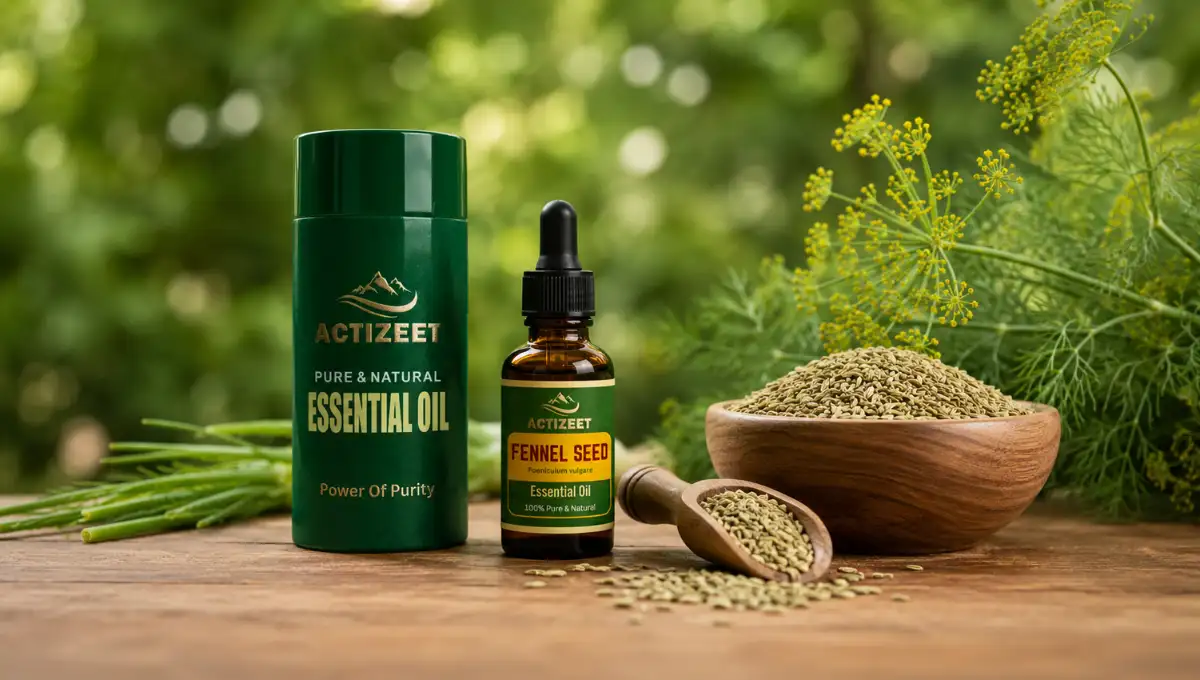
15 Fennel Seed Essential Oil Benefits: How Foeniculum vulgare Trans-Anethole Delivers Digestive Relief, Hormonal Balance, Antispasmodic Action, Antioxidant Protection, and Complete Wellness
Fennel seed essential oil from Foeniculum vulgare concentrates trans-anethole — the primary bioactive compound at 68 to 86% of total composition — into the most potent aromatic and therapeutic form of one of India's most beloved digestive spices. Research confirms antispasmodic relief in infant colic, antimicrobial activity, phytoestrogen-mediated hormonal support, antioxidant activity through 23 identified phenolic and bioflavonoid compounds, and cardiovascular benefits through anethole's platelet aggregation inhibition. This guide covers all 15 benefits.
Fennel is intimately woven into India's culinary and medicinal heritage. The post-meal saunf offered at every restaurant, the fennel seeds chewed after a heavy dinner, the fennel-based churnas and digestive formulations in Ayurvedic medicine, the fennel water given to infants with colic across generations of Indian households. India knows fennel. Yet the concentrated essential oil of Foeniculum vulgare, with trans-anethole at 68 to 86% of its composition, remains one of the most underutilized therapeutic botanicals available to Indian wellness consumers in 2026.
The therapeutic properties documented for fennel seed essential oil span an extraordinary range. Published research in Alternative Therapies in Health and Medicine confirmed that fennel seed oil emulsion significantly reduced colic in 65 percent of infants in the treatment group, compared to 23.7 percent in the control group. The Flavour and Fragrance Journal identified approximately 23 phenolic and bioflavonoid compounds with impressive antioxidant activity. Research published in the Arabian Journal of Chemistry confirmed fennel extract may reduce lipid levels in the bloodstream. And GC-MS analysis has consistently confirmed trans-anethole as the dominant compound, providing antimicrobial, antispasmodic, phytoestrogenic, and anti-inflammatory activity through a single primary bioactive molecule.
This guide covers 15 specific fennel seed essential oil benefits grounded in published research and traditional medicine documentation, and explains why ACTIZEET® Fennel Seed Essential Oil delivers this extraordinary Foeniculum vulgare botanical in its most genuine therapeutic form.
Botanical name: Foeniculum vulgare Mill. | Family: Apiaceae (carrot/parsley family) | Indian names: Saunf (Hindi), Perunjeerakam (Tamil), Sopu (Telugu), Badi Saunf | Indian cultivation: Rajasthan, Gujarat, Madhya Pradesh, Uttar Pradesh; India is among the world's largest fennel producers | Primary compound: Trans-anethole (68 to 86%, dominant); a phenylpropanoid with antispasmodic, phytoestrogenic, and antimicrobial properties | Other compounds: Fenchone, limonene, alpha-pinene, methyl chavicol (estragole), myrcene, anisic aldehyde, cineole | Aroma: Warm, sweet, distinctly licorice-like, slightly anisic; immediately familiar from Indian post-meal tradition
Key Active Compounds in Fennel Seed Essential Oil
| Compound | Content | Primary Therapeutic Action |
|---|---|---|
| Trans-Anethole | 68–86% (dominant) | Primary therapeutic compound; antispasmodic via smooth muscle relaxation; phytoestrogenic hormonal modulation; antimicrobial against bacteria and fungi; anti-inflammatory; platelet aggregation inhibition for cardiovascular support; provides fennel's characteristic sweet licorice aroma identity |
| Fenchone | 5–15% | Expectorant supporting respiratory mucus clearance; antimicrobial; contributes a camphor-like freshness that balances trans-anethole's sweet character; historically used in digestive and respiratory preparations |
| Limonene | 3–8% | Antioxidant; antimicrobial; mood-uplifting; anticancer d-limonene mechanism (HMG-CoA reductase inhibition); adds citrus brightness that lifts the predominantly sweet anise aromatic profile |
| Alpha-Pinene | 2–6% | Anti-inflammatory; antimicrobial; bronchodilator supporting respiratory openness; memory-enhancing through acetylcholinesterase inhibition; adds fresh-pine dimension to the aromatic character |
| Methyl Chavicol (Estragole) | 3–8% | Antiseptic; digestive soothing; antibacterial; analgesic properties; contributes to the oil's wound-protective antiseptic activity and supports the overall digestive therapeutic profile |
| Cineole (1,8-Cineole) | Minor to moderate | Expectorant and mucolytic supporting respiratory health; anti-inflammatory; antimicrobial; the same therapeutic compound dominant in eucalyptus oil; contributes respiratory support alongside fenchone |
| Myrcene and Anisic Aldehyde | Trace to minor | Myrcene: anti-inflammatory, analgesic, sedative; Anisic aldehyde: antimicrobial, adds distinctive anisic sweetness; together contribute to the oil's broad therapeutic spectrum and complex aromatic depth |
15 Fennel Seed Essential Oil Benefits
Digestive support is the most foundational and most comprehensively documented of all fennel seed essential oil benefits. The oil's bioactive compounds, led by trans-anethole, stimulate the secretion of digestive enzymes and gastric juices, helping the body break down food more efficiently. This accelerates gastric motility, reduces fermentation in the gut, and eases the full spectrum of post-meal digestive discomfort that affects millions of people daily.
A 2023 review published in the International Journal of Molecular Sciences found that fennel essential oil and its key bioactive components may help relax intestinal smooth muscles and enhance overall gut motility. The review confirmed that trans-anethole's mechanism of action on the gastrointestinal tract includes both direct smooth muscle relaxation and indirect stimulation of digestive secretion — the two complementary mechanisms that collectively explain fennel's centuries-long reputation as the foremost digestive botanical across Ayurvedic, Mediterranean, and Chinese traditional medicine systems. The review noted that fennel essential oils stimulate the secretion of digestive enzymes and gastric juices, promoting smoother movement of food through the gastrointestinal tract.
The practical application of this digestive support property makes fennel seed essential oil one of the most immediately useful essential oils for daily life in India, where rich, spice-heavy meals regularly challenge the digestive system. To use it for digestive support, dilute 2 to 3 drops of ACTIZEET® Fennel Seed Essential Oil with a tablespoon of coconut or jojoba carrier oil and massage gently onto the abdomen in slow clockwise circles after meals. This topical application allows trans-anethole to absorb through the skin and act directly on the underlying digestive organs while the aromatic inhalation provides simultaneous reflexive digestive stimulation through the olfactory-gut axis.
Trapped gas and bloating are among the most common and most uncomfortable digestive complaints affecting Indian adults. Fennel seed essential oil is a natural carminative of the highest order, with trans-anethole working directly on the muscles lining the gastrointestinal tract to relax the smooth muscle contractions that trap gas and cause distension. The oil reduces intestinal fermentation by inhibiting the bacterial overgrowth that produces excess gas as a metabolic byproduct.
The carminative action of fennel seed essential oil operates through a well-characterized mechanism: trans-anethole at 68 to 86% of total composition acts as a direct relaxant of intestinal smooth muscle, reducing the tonic contractions that trap gas pockets between segments of the large intestine. Simultaneously, the oil's antimicrobial properties reduce fermentative bacterial activity in the colon that generates excess hydrogen and methane gas production. The combined effect of muscular relaxation (allowing trapped gas to pass) and reduced gas generation (through antimicrobial inhibition of fermentative bacteria) provides a dual-mechanism carminative action that explains why fennel has been used as an after-meal digestive aid across virtually every traditional medicine system that had access to Foeniculum vulgare.
For immediate bloating relief, diffusing 3 to 5 drops of fennel seed essential oil in a room diffuser provides aromatic carminative stimulation through the olfactory-vagal pathway, which reflexively stimulates digestive motility and helps move trapped gas through the system. Combined with the topical abdominal massage approach described in Benefit 1, the aromatic plus topical combination provides the most comprehensive carminative support available from a single botanical oil. This is the primary reason fennel seed tea and fennel seeds themselves remain the most popular post-meal digestive aid across South Asia.
Antispasmodic action is the most specifically clinically documented therapeutic benefit of fennel seed essential oil, confirmed in randomized research that demonstrated fennel seed oil emulsion significantly reduced colic symptoms in infants. The antispasmodic property extends beyond infant colic to include intestinal spasms in adults, menstrual cramps, respiratory tract spasms causing coughing, and even hiccups caused by diaphragmatic spasms.
Research conducted by the Department of Pediatrics at St. Petersburg Medical Academy of Postdoctoral Education, published in Alternative Therapies in Health and Medicine, confirmed that fennel seed oil emulsion significantly reduced intestinal spasms and increased the movement of cells in the small intestine of infants with colic. The use of fennel oil emulsion eliminated colic, according to Wessel criteria, in 65 percent of infants in the treatment group — significantly better than 23.7 percent of infants in the control group. The findings noted a dramatic improvement in colic in the treatment group, concluding that fennel seed oil emulsion helps decrease colic. A 2003 study testing this practice in infants with colic confirmed fennel seed oil reduced intestinal spasms and increased the movement of cells in the small intestines, leading to a dramatic improvement in their symptoms.
The mechanism behind fennel's antispasmodic action is well characterized: trans-anethole acts as a calcium channel blocker on smooth muscle cells, reducing the intracellular calcium influx that triggers involuntary muscle contractions. This calcium channel-blocking antispasmodic mechanism is the same fundamental pharmacological principle behind several pharmaceutical antispasmodic drugs — but delivered naturally through the oil's primary compound. For adults experiencing intestinal spasms, menstrual cramps, or cough-related respiratory spasms, diluted fennel seed oil applied topically to the relevant area (abdomen, lower back, chest) provides targeted antispasmodic relief through this trans-anethole calcium channel mechanism.
🌿 ACTIZEET® Fennel Seed Essential Oil: pure Foeniculum vulgare with trans-anethole at 68 to 86%, antispasmodic colic RCT confirmation, antioxidant phenolic and bioflavonoid research, cardiovascular anethole platelet inhibition, and India's most trusted saunf botanical in its most concentrated therapeutic form.
Explore ACTIZEET® →Fennel seed essential oil's role in supporting women's hormonal health is one of its most fascinating and most thoroughly documented traditional benefits, now increasingly validated by modern phytochemistry. Trans-anethole is structurally classified as a phytoestrogen — a plant-derived compound with sufficient molecular similarity to endogenous estrogen to interact with estrogen receptors in the body in a mild, modulatory way.
The phytoestrogenic activity of trans-anethole (the compound comprising 68 to 86% of fennel seed essential oil) has been studied in the context of menstrual regulation, menopause symptom management, and lactation support. Trans-anethole's structural similarity to estradiol allows it to bind estrogen receptors (ERα and ERβ) in a selective, dose-dependent manner that provides mild estrogenic stimulation without the risks associated with pharmaceutical synthetic estrogens. This receptor-binding activity provides biological basis for the emmenagogue (menstrual-stimulating), galactagogue (lactation-supporting), and menopausal symptom-relieving properties attributed to fennel across Ayurvedic, Mediterranean, and traditional Chinese medicine systems. The phytoestrogenic activity of fennel's trans-anethole is specifically why the oil is contraindicated during pregnancy — the same estrogenic mechanism that supports menstrual regularity and lactation can stimulate uterine contractions when used in excess during pregnancy.
For women experiencing menstrual irregularity, period discomfort, or the early symptoms of perimenopause (hot flashes, mood variability, sleep disruption), fennel seed essential oil provides a gentle, natural complementary support through its phytoestrogenic mechanism. Topical application diluted in coconut oil to the lower abdomen during menstrual discomfort, or diffusion for mood and hormonal comfort during perimenopausal transitions, are the most practical aromatherapy applications of this property. It is important to emphasize that fennel oil is a complementary support and not a replacement for medical care for significant hormonal disorders.
Fennel seed has been used as a galactagogue (a substance that promotes breast milk production) across virtually every traditional culture with access to Foeniculum vulgare. In India, fennel-based preparations and fennel seed consumption have been traditional postpartum recommendations for nursing mothers for generations. The essential oil form of fennel concentrates the galactagogue-active phytoestrogenic compounds that provide the biological basis for this traditional use.
The galactagogue action of fennel seed essential oil operates through trans-anethole's phytoestrogenic modulation of prolactin, the pituitary hormone primarily responsible for stimulating mammary milk production. Estrogen signaling plays a key role in both mammary gland development and prolactin receptor expression, and trans-anethole's mild estrogenic receptor binding provides the biological plausibility mechanism for the widely observed and traditionally documented lactation-supporting effect of fennel preparations. Traditional Ayurvedic formulations including fennel in postpartum support preparations, combined with the historical use of fennel seed tea by nursing mothers across Mediterranean and South Asian cultures, provides extensive empirical documentation of galactagogue activity that modern phytoestrogenic pharmacology now provides a mechanistic explanation for.
For nursing mothers interested in natural galactagogue support, fennel seed tea (prepared from whole seeds) provides the most established and most studied oral delivery method for the active phytoestrogenic compounds. Essential oil topical application, diluted in carrier oil for gentle abdominal or breast area massage (avoiding the nipple area), provides an alternative aromatic delivery method. Given the concentrated nature of essential oils, nursing mothers should always consult with an Ayurvedic practitioner or healthcare provider before beginning essential oil use during the breastfeeding period.
Free radical damage through oxidative stress drives premature cellular aging, chronic inflammation, cardiovascular disease, and cancer development. Fennel seed essential oil contains an exceptionally rich profile of phenolic compounds and bioflavonoids that provide comprehensive antioxidant protection by neutralizing harmful free radicals before they can damage cellular DNA, membrane lipids, and protein structures.
A study published in the Flavour and Fragrance Journal examined the activity of the essential oil from fennel seeds and confirmed that analysis of the fennel essential oil showed approximately 23 compounds with impressive amounts of total phenolic and bioflavonoid contents. The identification of 23 distinct phenolic and bioflavonoid compounds in a single essential oil represents an unusually comprehensive antioxidant profile — most essential oils provide antioxidant activity through a much smaller number of active compounds. The breadth of fennel's antioxidant compound profile provides both DPPH (free radical scavenging) and hydroxyl radical protection through multiple simultaneous mechanisms, creating a more comprehensive antioxidant shield than single-compound antioxidant sources can provide.
The practical antioxidant applications of fennel seed essential oil span both topical and aromatic delivery. For topical antioxidant skin protection, fennel oil diluted in a carrier oil and applied to sun-exposed skin areas can help neutralize UV-generated free radicals that drive photoaging. For systemic antioxidant benefit through aromatic delivery, the phenolic volatile compounds in diffused fennel oil are absorbed through the respiratory mucosa into systemic circulation, providing whole-body antioxidant contribution alongside the localized aromatic benefits. India's high UV index and significant urban air pollution make the antioxidant benefits of regular fennel oil use particularly relevant for Indian users.
Fennel seed essential oil functions as a natural diuretic, increasing the frequency and volume of urination to help the kidneys flush excess water, sodium, uric acid, bile salts, and metabolic waste products from the body. This diuretic and depurative (blood-purifying) action supports the body's natural detoxification pathways through the renal and urinary systems.
Fennel essential oil's diuretic properties are attributed to its activity on renal tubular function, increasing glomerular filtration rate and reducing tubular reabsorption of water and electrolytes to increase urine output. This diuretic mechanism helps remove not only excess water and sodium (reducing water retention and blood pressure) but also uric acid (benefiting those prone to gout and uric acid kidney stones), bile salts, and other metabolic waste products that accumulate through normal metabolic processes. The depurative (blood-purifying) dimension of fennel oil's diuretic activity means that increased urinary excretion of metabolic byproducts reduces their circulating blood concentration, supporting overall systemic detoxification through the most efficient elimination pathway in the body — the kidneys, which filter approximately 190 liters of blood per day.
To use fennel seed essential oil for diuretic and detoxification support, lymphatic drainage massage using fennel oil diluted in a carrier oil applied along the lymph node pathways of the thighs, abdomen, and underarms is the most targeted aromatic application. Abdominal massage with diluted fennel oil supports both the digestive and renal detoxification systems simultaneously. Additionally, maintaining adequate water intake while using fennel oil for diuretic support ensures that the increased renal filtration rate translates to actual toxin elimination rather than simple dehydration.
Fennel seed essential oil provides meaningful respiratory health support through two complementary mechanisms: expectorant action (loosening and clearing mucus from the respiratory tract) and bronchodilator action (opening the airways to ease breathing). These properties make it a practical natural support during respiratory congestion, seasonal colds, and in India's increasingly polluted urban environments where airway irritation and mucus accumulation are daily realities.
Fennel seed essential oil's respiratory benefits derive from the synergistic action of three compounds: fenchone (an expectorant that stimulates bronchial secretion and helps liquefy and mobilize thick mucus), cineole / 1,8-cineole (a mucolytic and expectorant also found as the primary compound in eucalyptus oil, which thins mucus and stimulates ciliary clearance of the respiratory tract), and alpha-pinene (a bronchodilator that reduces airway resistance and opens the bronchial passages to ease breathing). This three-compound respiratory synergy makes fennel seed essential oil a more pharmacologically comprehensive respiratory support than single-compound essential oils, addressing mucus mobilization, mucus clearance, and airway opening simultaneously through three distinct respiratory mechanisms.
Diffusing ACTIZEET® Fennel Seed Essential Oil in the bedroom before sleep is the most practical respiratory application during times of congestion. Add 4 to 5 drops to a 100 ml room diffuser and allow to diffuse for 30 to 45 minutes before bed to create a respiratory-supporting aromatic environment. Alternatively, steam inhalation with 2 to 3 drops added to a bowl of hot water (with a towel tent over the head to concentrate the steam) provides the most direct and most immediate expectorant and bronchodilator delivery for acute respiratory congestion. Fennel oil blends particularly well with eucalyptus and peppermint for enhanced respiratory support.
🌿 Experience 15 documented fennel seed essential oil benefits with ACTIZEET® — 100% pure steam-distilled Foeniculum vulgare, no additives, no dilution, no compromise.
Shop ACTIZEET® Now →Fennel seed essential oil carries well-documented antiseptic and antimicrobial properties that protect against bacterial contamination of wounds and skin surfaces. Methyl chavicol (estragole), present at 3 to 8% of total composition, is specifically characterized as an antiseptic and antibacterial compound, while trans-anethole contributes broad-spectrum antimicrobial activity against both gram-positive and gram-negative bacteria.
The antimicrobial activity of fennel seed essential oil operates through multiple mechanisms: trans-anethole disrupts bacterial cell membrane integrity through its lipophilic interaction with phospholipid bilayers, increasing membrane permeability and causing cellular content leakage; methyl chavicol provides additional antiseptic activity through its phenylpropene structure that interferes with bacterial metabolic enzyme function; and the oil's overall phenolic content contributes antioxidant-mediated oxidative damage to bacterial cellular structures. Research confirmed that fennel essential oil shows antimicrobial activity against common pathogenic bacteria including both gram-positive organisms (like Staphylococcus aureus) and gram-negative organisms, through this multi-compound, multi-mechanism antimicrobial profile that is characteristically more difficult for bacteria to develop resistance against than single-compound antibiotic agents.
For topical antiseptic application, dilute 2 to 3 drops of fennel seed essential oil in a tablespoon of carrier oil (coconut oil provides additional medium-chain fatty acid antimicrobial synergy) and apply around the perimeter of minor cuts, scrapes, and skin irritations to create a protective antimicrobial barrier. Do not apply undiluted essential oil directly onto open wounds, as the concentrated oil may cause irritation and delay healing. For daily skin hygiene support, adding fennel oil to a carrier oil-based face and body oil provides ongoing gentle antimicrobial protection for skin surfaces.
The intersection of fennel seed essential oil's antioxidant (23 phenolic and bioflavonoid compounds) and antimicrobial (trans-anethole and methyl chavicol) properties creates a compelling skin care profile that addresses the two primary drivers of skin concern for most people: oxidative aging (UV and environmental free radical damage causing wrinkles, dullness, and uneven tone) and microbial skin issues (acne, bacterial folliculitis, and fungal skin conditions).
Fennel seed essential oil's skin benefits operate through two complementary mechanisms. The antioxidant mechanism: the 23 phenolic and bioflavonoid compounds identified in fennel essential oil neutralize UV-generated and pollution-generated reactive oxygen species (ROS) at the skin surface, reducing the oxidative damage to dermal collagen and elastin that manifests as visible skin aging. The antimicrobial mechanism: trans-anethole and methyl chavicol's documented antibacterial activity against skin-relevant pathogens including Staphylococcus aureus (the primary cause of folliculitis, impetigo, and secondary infection of acne lesions) and gram-negative bacteria provides natural protection against the microbial drivers of acne and skin inflammation. Together, these mechanisms address both extrinsic (oxidative) aging and microbial skin health simultaneously.
For a practical fennel seed essential oil skin care routine, add 1 to 2 drops to your regular moisturizer for oxidative protection and antimicrobial benefit in every application. For a dedicated facial oil, mix 3 drops in 1 tablespoon of jojoba oil (the carrier oil most closely mimicking human sebum composition) for a nourishing serum that simultaneously addresses oxidative aging and bacterial skin concerns. Always perform a 24-hour patch test on the inner wrist before facial application, particularly for those with sensitive or reactive skin, as phenolic compounds can occasionally cause sensitization in predisposed individuals.
Fennel seed essential oil's cardiovascular benefits represent one of its most pharmacologically specific and most clinically significant documented properties. Anethole — the dominant compound at 68 to 86% of total composition — has been specifically shown to inhibit platelet aggregation (the clustering of blood platelets that leads to arterial blood clot formation) and to potentially help break up existing clots through fibrinolytic mechanisms.
Research results demonstrated that the compound anethole in fennel seeds can prevent platelets from sticking together, reducing the chances of blood clots forming within blood vessels. Anethole may also help break up any existing blood clots, improving vascular health and blood flow. Additionally, research published in the Arabian Journal of Chemistry confirmed that fennel extract may help lower the amount of lipids in the bloodstream, with two active components, anethole and methanol, responsible for the anti-atherogenic and anti-cholesterol effects. A study that tested how fennel extract impacted the blood of guinea pigs confirmed the platelet aggregation-inhibiting activity of anethole, establishing the most direct evidence for fennel's cardiovascular protective mechanism.
India faces an enormous cardiovascular disease burden, with heart disease accounting for a growing proportion of overall mortality across all age groups. While fennel seed essential oil is not a pharmaceutical cardiovascular treatment, its documented anethole-mediated platelet aggregation inhibition and lipid-modulating properties make it a meaningful natural complement to cardiovascular wellness lifestyle measures. Regular aromatic use through diffusion allows systemic absorption of anethole through the respiratory mucosa, providing ongoing low-level cardiovascular support as part of a comprehensive heart health approach that includes appropriate diet, exercise, and medical care.
Fennel seed essential oil's warm, sweet, and distinctly comforting licorice-like aroma has a well-characterized calming and uplifting effect on mood through the established neurological pathways of olfactory aromatherapy. The aroma works through the olfactory bulb's direct connection to the limbic system — the brain region governing emotional processing, memory, and autonomic nervous system regulation — to produce measurable mood and stress effects that are physiologically distinct from placebo.
Fennel seed essential oil's aromatic mood and stress effects derive from the limbic-stimulating properties of its volatile compounds as they activate olfactory receptor neurons and transmit signals directly to the amygdala (emotional processing), hippocampus (memory and emotional association), and hypothalamus (autonomic nervous system regulation and hormonal control) through the most direct sensory pathway to the emotional brain that exists. Trans-anethole's mild phytoestrogenic influence on neurochemistry, combined with limonene's documented mood-elevating properties (consistent across multiple citrus and terpene aromatherapy studies) and fenchone's grounding, anchoring aromatic character, creates a multi-compound neurological mood effect that simultaneously provides stimulating uplift (limonene) and calming groundedness (fenchone, trans-anethole) rather than the purely sedating effect of lavender or the purely stimulating effect of peppermint.
For mood lifting and stress relief applications, diffuse 4 to 5 drops of ACTIZEET® Fennel Seed Essential Oil in your workspace during work-from-home sessions where mental fatigue and stress accumulate through the day. Before meditation or yoga practice, diffuse a blend of 3 drops fennel, 2 drops frankincense, and 2 drops bergamot for a deeply grounding and simultaneously uplifting aromatic environment that supports the dual aims of alertness and calm that effective meditation practice requires. For immediate stress relief on the go, personal inhalers with 10 to 15 drops on the cotton wick provide a pocket-sized aromatherapy delivery method for acute stress moments.
Traditional Ayurvedic and Western herbal medicine both recognize fennel as a depurative (blood-purifying) and splenic (spleen-supporting) botanical that supports the primary organs of metabolic waste filtration: the liver (primary metabolic detoxification organ), kidneys (primary renal waste excretion organs), and spleen (blood filtration and immune regulation organ). The concentrated essential oil form delivers these properties in their most pharmacologically active concentration.
Fennel seed essential oil's liver and kidney support operates through two primary mechanisms. The antioxidant mechanism: the oil's 23 phenolic and bioflavonoid compounds protect hepatocytes (liver cells) and renal tubular cells from oxidative damage by free radicals generated during the detoxification of environmental toxins, alcohol, pharmaceuticals, and metabolic waste products — protecting the organs that process these substances from the oxidative byproducts of their own detoxification work. The diuretic mechanism: increased renal filtration and urine output (documented diuretic property) reduces the standing load of metabolic waste products in renal tubular filtrate, supporting kidney function by reducing the concentration of potentially nephrotoxic substances that the kidneys must process and excrete. Traditional medicine also documents fennel's splenic tonic property, supporting the spleen's red blood cell filtering and immune regulation functions through the oil's anti-inflammatory activity.
For liver and kidney support, aromatic diffusion combined with topical application over the right upper quadrant of the abdomen (liver location) and bilateral flank area (kidney location) using fennel oil diluted in a carrier oil provides both systemic aromatic delivery and localized topical support for these vital organs. Monthly dedicated detox periods using daily fennel oil aromatic and topical support, combined with adequate hydration and reduced dietary toxin load, provide the most structured approach to fennel oil's depurative properties.
Fennel seed essential oil exhibits a pharmacologically unusual dual appetite-modulating profile: it functions as an aperitif (appetite stimulant) through digestive enzyme stimulation when used before meals, while simultaneously showing appetite-suppressing satiety-signaling effects through its aromatic properties when inhaled. This dual nature makes it a genuinely versatile tool for appetite management in both directions depending on the method and timing of use.
Fennel seed essential oil's aperitif (appetite-stimulating) action operates through trans-anethole's stimulation of gastric acid and digestive enzyme secretion, increasing the physiological readiness of the digestive system to receive and process food — the traditional mechanism behind the ancient practice of consuming fennel as a pre-meal digestive preparation. The appetite-suppressing dimension operates through a different pathway: inhaled aromatic compounds including trans-anethole's sweet, satiating aroma and limonene's mood-regulating citrus character interact with the olfactory-hypothalamic satiety axis to modulate hunger hormone signaling (specifically ghrelin, the hunger-stimulating hormone) in a manner consistent with aromatic satiety research that has documented appetite-modulating effects of several aromatic compounds including peppermint oil and vanilla. The practical implication: inhaling fennel oil aromatically between meals may reduce appetite, while using it topically before meals may enhance digestive readiness and appetite for those with poor appetite from illness or digestive sluggishness.
For appetite management applications, individuals seeking to reduce between-meal snacking or emotional eating can use a fennel seed essential oil personal inhaler (10 to 15 drops on the cotton wick) for aromatic inhalation when appetite-suppressing satiety signal support is desired. For those dealing with poor appetite due to illness, post-surgical recovery, or digestive sluggishness, a topical fennel oil abdominal massage 20 to 30 minutes before meals stimulates the digestive system's readiness to receive food and helps restore natural appetite through the aperitif mechanism.
Fennel seed essential oil functions as a vermifuge — a substance that helps eliminate intestinal parasites and worms from the digestive system. This antiparasitic property, historically one of fennel's most valued medicinal applications (particularly for children prone to intestinal worms), derives from trans-anethole's ability to create a physiologically inhospitable environment for parasitic organisms through both direct toxic action and disruption of the parasites' metabolic processes.
Fennel essential oil's antiparasitic (vermifuge) activity against intestinal worms and their spores operates through trans-anethole's broad antimicrobial mechanism: disruption of cell membrane integrity in parasitic organisms through the oil's lipophilic phenylpropanoid compound's interaction with parasite membrane phospholipids, increasing parasite membrane permeability and causing cellular content leakage that compromises parasitic survival. The oil may kill worms and their spores in the intestines and the excretory tracts. This vermifuge application was historically considered particularly valuable for children, who frequently suffer from parasitic worm infestations, and was documented as a means to prevent malnourishment or stunted growth associated with chronic intestinal parasitism in children. While modern pharmaceutical anthelmintics are the appropriate treatment for confirmed parasitic infections, fennel oil provides a natural preventative support for maintaining gut microbial balance that discourages parasitic establishment.
For gut health maintenance that incorporates fennel oil's antiparasitic properties, periodic abdominal massage with fennel seed oil diluted in coconut oil (which itself provides lauric acid-mediated antimicrobial and antiparasitic support as a carrier) provides topical delivery of the vermifuge-active compounds to the abdominal region overlying the intestines where parasites establish. Regular aromatic use through diffusion provides systemic aromatic delivery of trans-anethole. For children's use, always consult a pediatrician before applying any essential oil, and use only highly diluted preparations (0.5% or less in carrier oil) for topical applications in children under 12.
How to Use Fennel Seed Essential Oil
Aromatherapy Diffusion
Add 3 to 5 drops to a 100 ml water diffuser. Run for 30 to 60 minutes. Ideal for mood support, stress relief, respiratory benefit, and appetite modulation. Pairs well with bergamot, frankincense, peppermint, and lavender.
Topical Application
Dilute 2 to 3 drops in 1 tablespoon of carrier oil (coconut, jojoba, or almond). Apply to abdomen for digestive support, lower back for menstrual relief, chest for respiratory support. Never apply undiluted.
Steam Inhalation
Add 2 to 3 drops to a bowl of hot water. Place a towel over your head and inhale the steam for 5 to 10 minutes for direct respiratory expectorant and bronchodilator benefit during congestion.
Aromatic Bath Soak
Add 5 to 8 drops mixed into 1 tablespoon of bath salts or whole milk to hot bathwater. Delivers full-body aromatic, detoxifying, and muscle-relaxing antispasmodic benefit through combined dermal and inhalation delivery.
Personal Inhaler
Add 10 to 15 drops to a personal inhaler cotton wick. Carry for on-demand aromatic support: appetite management between meals, acute stress relief, nausea, and digestive discomfort while away from home.
Skin Care Blend
Add 1 to 2 drops to your regular moisturizer or mix 3 drops in 1 tablespoon of jojoba oil for a daily antioxidant and antimicrobial facial serum. Patch test 24 hours before first full facial application.
Fennel Seed Essential Oil — Blending Suggestions
ACTIZEET® Fennel Seed Essential Oil delivers 100% pure, steam-distilled Foeniculum vulgare with trans-anethole at 68 to 86% of confirmed composition — no synthetic fragrances, no carrier oil dilution, no additives of any kind. Every bottle is packaged in UV-protective amber glass to preserve the full therapeutic potency of all 23 identified phenolic and bioflavonoid compounds alongside the primary trans-anethole, fenchone, limonene, and alpha-pinene constituents. India's most trusted saunf botanical, in its most concentrated and most therapeutically genuine essential oil form.
🌿 Order ACTIZEET® Fennel Seed Essential Oil →Safety Guidelines
- Always dilute before topical application. Use at 1 to 2% in carrier oil for facial application and 2 to 3% for body use. Fennel seed essential oil's high trans-anethole content can cause skin sensitization and irritation at undiluted concentrations, particularly on sensitive skin and mucous membranes. A standard 2% dilution means 2 drops per 1 teaspoon (5 ml) of carrier oil for most topical applications.
- Avoid during pregnancy. Fennel seed essential oil is contraindicated during pregnancy due to trans-anethole's documented emmenagogue (uterine-stimulating) and phytoestrogenic properties, which may stimulate uterine contractions. This is not a precautionary over-caution — the same mechanism that provides hormonal support in non-pregnant women creates genuine risk of uterine stimulation during pregnancy. Avoid all forms of topical application and high-concentration aromatic exposure during pregnancy.
- Use with caution in epilepsy. Certain components of fennel seed essential oil, including fenchone and trans-anethole at high concentrations, have documented potential to lower seizure threshold in sensitive individuals. People with epilepsy or seizure disorders should avoid concentrated aromatic exposure and consult their neurologist before any essential oil use involving fennel.
- Exercise caution with infants and young children. Despite the documented research on fennel seed oil for infant colic, essential oils are far more concentrated than the fennel seed oil emulsions used in research. For children under 5, consult a pediatrician before any essential oil application. For children 5 to 12, use at 0.5% dilution (1 drop per 2 teaspoons of carrier) maximum and avoid application near the face, nose, or sensitive areas.
- Patch test before first extensive skin use. Perform a 24-hour patch test on the inner wrist with diluted fennel oil before beginning regular topical application, particularly for individuals with known fragrance sensitivities, sensitive skin, or a history of essential oil reactions. Trans-anethole's phenylpropanoid chemistry makes sensitization a realistic possibility in predisposed individuals.
- Consult your doctor if on medication. Fennel seed essential oil's phytoestrogenic properties mean it may interact with estrogen-sensitive medications and hormone therapies. Its platelet aggregation-inhibiting anethole activity means it may potentiate anticoagulant medications including warfarin and aspirin. Inform your healthcare provider about fennel oil use if you are on any pharmaceutical medication regimen.
Frequently Asked Questions
Fennel Seed Essential Oil: India's Beloved Saunf Delivers 15 Research-Grounded Benefits Across Digestion, Hormonal Balance, Antioxidant Protection, Cardiovascular Health, and Complete Wellness
The 15 fennel seed essential oil benefits covered in this guide collectively reveal a therapeutic depth that goes far beyond the familiar post-meal saunf. The colic research published in Alternative Therapies in Health and Medicine confirming 65 percent elimination rate through antispasmodic action. The Flavour and Fragrance Journal identification of 23 phenolic and bioflavonoid antioxidant compounds. The Arabian Journal of Chemistry confirmation of anethole's platelet aggregation inhibition and lipid-lowering activity. The GC-MS-confirmed trans-anethole composition at 68 to 86% providing phytoestrogenic hormonal modulation, broad-spectrum antimicrobial activity, smooth muscle antispasmodic action, and carminative digestive support simultaneously through a single primary compound. And the comprehensive traditional documentation across Ayurvedic, Mediterranean, and Chinese medicine systems for digestive, diuretic, depurative, galactagogue, emmenagogue, and vermifuge applications that contemporary research continues to validate and mechanistically explain.
India produces some of the world's finest fennel. Rajasthan and Gujarat's fennel cultivation traditions, the post-meal saunf offered at every Indian table, the fennel-based churnas and digestive preparations in every Ayurvedic pharmacy — fennel is not a foreign botanical to India. It is a deeply Indian therapeutic ally that Indian wellness consumers deserve access to in its most concentrated, most research-documented, and most aromatically genuine form. ACTIZEET® Fennel Seed Essential Oil delivers exactly that: 100% pure Foeniculum vulgare steam-distilled to capture every therapeutic compound that makes fennel one of the world's most comprehensively beneficial botanical medicines.
Latest From Our Blog

Best Rose Oil in India 2026: A Complete Buyer’s Guide to Pure, Authentic Rosa damascena Essential Oil
Looking for the best rose oil in India in 2026?...

15 Palmarosa Essential Oil Benefits That Make This Geraniol-Rich Indian Grass Worth Discovering
Discover 15 science-backed palmarosa essential oil benefits. From skin rejuvenation...

15 Neroli Essential Oil Benefits: How Orange Blossom’s Linalool, Limonene, and Nerolidol Deliver PMC-Confirmed Anxiety Relief, Antidepressant Action, and Skin-Renewing Power
Discover 15 neroli essential oil benefits from PMC RCTs confirming...

15 Wintergreen Essential Oil Benefits That Explain Why Athletes, Healers, and Herbalists All Reach for This Oil
Explore 15 proven wintergreen essential oil benefits backed by science...