15 Green Tea Essential Oil Benefits: How Camellia sinensis EGCG Delivers PMC-Confirmed Antioxidant UV Protection, Anti-Inflammatory Acne Care, Antimicrobial Activity, Stretch Mark Healing, and Anti-Aging Power
Green tea essential oil from Camellia sinensis concentrates EGCG (Epigallocatechin-3-gallate), the most abundant and most researched polyphenol in the plant kingdom, into its most potent aromatic therapeutic form. A December 2024 PMC-published review confirmed green tea catechins as antioxidant and sunscreen agents protecting against UV-driven skin aging. A PMC clinical trial confirmed green tea extract cream improved stretch marks through collagen synthesis and fibroblast proliferation. PubMed-indexed research confirmed antimicrobial activity against five specific skin pathogen bacterial species. This guide covers all 15 benefits.
India is a tea nation. The Assam tea gardens of the Brahmaputra Valley, the Darjeeling estates of the Himalayan foothills, the Nilgiri plantations of South India, the Kangra Valley gardens of Himachal Pradesh: India is the world's second-largest tea producer after China, and Camellia sinensis, the tea plant, is one of the most deeply embedded agricultural and cultural botanicals in Indian life. Yet most Indians who drink green tea every morning for its health benefits have never experienced the concentrated therapeutic power of green tea essential oil, which carries the plant's most pharmacologically active compounds in their most potent, most bioavailable aromatic form.
EGCG, epigallocatechin-3-gallate, is the primary catechin polyphenol in green tea, constituting approximately 59% of all green tea catechins. It is simultaneously the world's most researched individual plant polyphenol, the most specifically documented natural skin care active in dermatological science, and the compound responsible for most of green tea's documented therapeutic benefits. A December 2024 PMC-published review specifically confirmed green tea catechins as both antioxidant and sunscreen agents with established benefits for UV-driven skin aging. EGCG has been demonstrated in applications spanning treatment of viral warts, psoriasis, lichen sclerosus, acne, alopecia, and UV-induced skin damage. A PMC clinical trial confirmed that green tea extract cream on stretch marks improved conditions through anti-inflammatory mechanisms, collagen production, fibroblast proliferation, and skin hydration. PubMed research confirmed antimicrobial activity against five skin pathogen bacterial species.
This guide covers 15 specific green tea essential oil benefits grounded in published research and explains why ACTIZEET® Green Tea Essential Oil delivers this extraordinary EGCG-powered therapeutic heritage in its most genuine form.
Botanical name: Camellia sinensis (L.) O. Kuntze | Family: Theaceae | Indian growing regions: Assam, Darjeeling (West Bengal), Nilgiris (Tamil Nadu, Kerala), Kangra (Himachal Pradesh), Munnar (Kerala) | Primary therapeutic compound: EGCG (epigallocatechin-3-gallate, approximately 59% of catechins) | Other catechins: EGC (epigallocatechin), ECG (epicatechin gallate), EC (epicatechin) | Additional compounds: Caffeine, theanine, flavonoids, terpenes (linalool, geraniol, hexanol in the aromatic fraction), chlorophyll | Aroma: Fresh, clean, grassy-green, slightly vegetal with subtle floral undertones; distinctively tea-like; one of the most naturally clean and most universally acceptable aromatics
Key Active Compounds in Green Tea Essential Oil
| Compound | Content/Characteristic | Primary Therapeutic Action |
|---|---|---|
| EGCG | ~59% of total catechins; the most abundant and most bioactive | Primary antioxidant; UV photoprotection; anti-inflammatory COX inhibition (stronger than aspirin in one comparison); antimicrobial; anticancer research; anti-aging; skin brightening; alopecia; psoriasis; wound healing |
| EGC | Second most abundant catechin | Antioxidant; anti-inflammatory; antimicrobial; synergizes EGCG across multiple therapeutic pathways |
| ECG + EC | Additional catechin fractions | Antioxidant; antimicrobial; anti-inflammatory; contribute to the complete catechin synergistic profile |
| Caffeine | Approximately 2 to 3% of dried leaf | Vasoconstrictive (reduces puffiness, redness); phosphodiesterase inhibition (cellulite); stimulating; diuretic; anti-cellulite |
| Theanine | Unique amino acid in Camellia sinensis | Calming-alerting dual effect on nervous system; synergizes caffeine's stimulating quality with calming; unique to tea among common botanicals |
| Terpenes (Aromatic) | Linalool, geraniol, hexanol, trans-2-hexenal | The aromatic essential oil fraction; antimicrobial; anti-inflammatory; calming; the fresh-green-floral tea aroma character |
| Flavonoids + Polyphenols | Multiple classes beyond catechins | Antioxidant; anti-hyaluronidase (skin hydration preservation); anti-inflammatory; blood vessel sealing; comprehensive polyphenol profile |
15 Green Tea Essential Oil Benefits
Antioxidant and UV photoprotective activity is the most extensively published and most comprehensively confirmed therapeutic property of green tea catechins, with the December 2024 PMC-published comprehensive review specifically confirming that green tea catechins have garnered significant attention due to their diverse health benefits and potential therapeutic applications, including as antioxidant and sunscreen agents, with antioxidant properties that help mitigate oxidative damage caused by UV radiation exposure, thereby protecting cellular integrity while promoting longevity among vital cell populations like fibroblasts.
A PMC-published comprehensive review published in December 2024, "Green Tea Catechins and Skin Health" (MDPI Antioxidants journal, Special Issue on Antioxidants for Skin Health), specifically confirmed that green tea catechins (GTCs) are bioactive polyphenolic compounds found in fresh tea leaves of Camellia sinensis and have garnered significant attention due to their diverse health benefits and potential therapeutic applications, including as antioxidant and sunscreen agents. The review confirmed that GTCs exert multiple physiological actions beneficial for skin health, with antioxidant properties that mitigate oxidative damage caused by UVR exposure, thereby protecting cellular integrity. GTCs additionally possess photoprotective qualities that enhance resistance against sun-induced harm by screening harmful UV rays before they penetrate deeper layers of the skin. Furthermore, GTCs exhibit anti-inflammatory effects that may alleviate conditions characterized by chronic inflammation such as acne or rosacea while also supporting overall dermatological health. The review additionally confirmed EGCG and metformin combination resulted in even greater reduction in melanoma cell survival, and that sequential administration of EGCG effectively halted the progression of skin tumors in mice. The PMC EGCG comprehensive review from 2025 additionally confirmed that EGCG reduces UVB-induced inflammatory responses and infiltration of leukocytes in human skin.
The UV photoprotection mechanism of EGCG is multi-layered and genuinely sophisticated. First, EGCG's direct free radical scavenging neutralizes the reactive oxygen species (ROS) generated when UV photons interact with skin molecules, preventing the oxidative cascade that drives photoaging, hyperpigmentation, collagen degradation, and DNA damage. Second, the "screening" of UV rays mentioned in the December 2024 PMC review confirms EGCG's ability to absorb UV radiation through its aromatic ring structures, acting as a genuine molecular UV filter alongside its antioxidant activity. Third, the anti-inflammatory activity reduces the post-UV inflammatory signaling that drives the visible redness, delayed skin damage, and long-term photoaging acceleration that follows UV exposure. For India's enormous UV burden, where year-round high-intensity solar radiation makes photoaging, UV-driven hyperpigmentation, and UV-associated skin damage among the most prevalent skin health concerns across all Indian demographics in 2026, green tea essential oil provides the most extensively PMC-researched, most multi-mechanism, and most naturally pleasant UV-protective skin care active available in any essential oil form.
Anti-inflammatory activity is specifically confirmed in the December 2024 PMC review, which confirmed that GTCs exhibit anti-inflammatory effects that may alleviate conditions characterized by chronic inflammation such as acne or rosacea while also supporting overall dermatological health. The PMC EGCG comprehensive review from 2025 confirms EGCG's application in treatment of acne specifically among its documented dermatological uses. The anti-inflammatory mechanism of EGCG involves inhibition of the cyclooxygenase (COX) enzyme pathway that drives prostaglandin synthesis and inflammatory signaling, with the PMC cosmetics applications review noting that EGCG's COX-1 inhibitory effect was even stronger than a non-steroid anti-inflammatory reference compound in one comparison, establishing a genuinely compelling anti-inflammatory potency benchmark for this natural polyphenol.
The acne-specific anti-inflammatory significance is comprehensive. EGCG's COX inhibition reduces the inflammatory cascade that converts Cutibacterium acnes bacterial presence into painful inflammatory acne lesions. The antioxidant activity reduces the oxidative stress in sebaceous glands that drives excess sebum production. And the antimicrobial activity (Benefit 3) directly targets the acne-causing bacteria. For rosacea, the anti-inflammatory activity reduces the chronic vascular and cellular inflammation that drives the persistent redness, flushing, and skin texture changes of this common Indian skin condition. For India's large acne-affected and rosacea-challenged population dealing with the combination of genetic predisposition, hormonal triggers, dietary factors, and heat stress in 2026, green tea essential oil's multi-pathway anti-inflammatory approach provides one of the most research-credible and most specifically dermatologically documented natural anti-inflammatory skin care actives available.
Antimicrobial activity is documented for green tea extract against skin-relevant pathogens in a PubMed-indexed study that provides the most clinically specific antimicrobial data for green tea against the bacterial species responsible for the most prevalent skin infections in human populations.
A PubMed-indexed study, "Green tea extract: possible mechanism and antibacterial activity on skin pathogens," confirmed that Camellia sinensis (tea) is known for its therapeutic properties including anti-inflammatory, anti-microbial, anti-tumour, anti-oxidative, and anti-ageing. The study confirmed that Staphylococcus epidermidis, Micrococcus luteus, Brevibacterium linens, Pseudomonas fluorescens, and Bacillus subtilis were found to be sensitive to green tea extract via disc diffusion assay with zone of inhibition greater than or equal to 7 mm. Minimal inhibitory concentration (MIC) was determined via nitro blue tetrazolium (NBT) assay, with MIC values of 0.156 to 0.313 mg/ml confirmed against the sensitive species. A separate PMC review additionally confirmed that catechins in combination with gentamicin showed effect against Staphylococcus aureus and Pseudomonas aeruginosa including antibiotic-resistant strains, establishing synergistic antimicrobial activity alongside pharmaceutical antibiotics.
The antimicrobial significance of the five confirmed skin-pathogen-sensitive species is directly relevant to India's skin health challenges. Staphylococcus epidermidis is a primary skin microbiome member that becomes pathogenic in wound and surgical site infections. Bacillus subtilis is a model Gram-positive pathogen. Pseudomonas fluorescens and P. aeruginosa are relevant Gram-negative pathogens. And the overall broad-spectrum coverage from Gram-positive to Gram-negative species through the polyphenol-mediated membrane disruption mechanism creates a genuinely useful natural antimicrobial profile for skin applications. The catechin synergy with gentamicin against antibiotic-resistant bacteria is particularly significant in India's severe antibiotic resistance context in 2026, where natural compounds that restore antibiotic efficacy against resistant strains are among the most urgently needed therapeutic tools available.
🍎 ACTIZEET® Green Tea Essential Oil: pure Camellia sinensis with genuine EGCG-catechin therapeutic profile, PMC-confirmed UV photoprotection, PubMed-confirmed antimicrobial, and India's own tea heritage in every drop.
Explore ACTIZEET® →Anti-aging activity is among the most commercially significant and most specifically documented of green tea oil's skin care properties, confirmed across multiple published studies referenced in the PMC cosmetics applications review and the December 2024 skin health review. A scoping review following PRISMA guidelines specifically investigated antioxidant and anti-aging effects of green tea Camellia sinensis and its polyphenols, particularly EGCG, on human skin, confirming that antioxidants are compounds useful for counteracting free radicals that cause aging, and that free radicals damage fatty acids and eliminate elasticity as a result of oxidative stress. The PMC EGCG comprehensive review specifically confirmed EGCG's promise in aesthetic medicine for mitigating skin oxidative stress, improving skin brightness, and neutralizing free radicals responsible for wrinkles, hyperpigmentation, and loss of elasticity.
The anti-aging mechanism of green tea oil is comprehensive. EGCG's direct free radical scavenging prevents the oxidative protein and collagen damage that creates wrinkles. EGCG inhibits matrix metalloproteinases (MMPs), the enzymes that break down collagen and elastin in aged skin. The anti-inflammatory activity reduces the chronic low-grade skin inflammation (inflammaging) that drives accelerated cellular aging. The photoprotective screening prevents UV-driven photoaging that represents the largest contribution to visible skin aging in India's high-UV environment. The PMC cosmetics applications review specifically mentioned anti-hyaluronidase activity, confirming that green tea polyphenols inhibit the enzyme that degrades hyaluronic acid (skin's natural moisture factor), providing both anti-aging moisture retention and firmness support. For India's anti-aging skin care market in 2026, green tea essential oil provides the most extensively research-documented, most mechanism-specific, and most naturally Indian botanical anti-aging active available in any essential oil format.
Stretch mark (striae distensae) improvement is confirmed for green tea extract in a PMC-published clinical trial specifically designed to evaluate this application, providing some of the most clinically specific and most practically relevant evidence available for any natural botanical in this difficult-to-treat skin concern.
A PMC-published clinical trial, "Efficacy of green tea (Camellia sinensis Linn) 3% extract cream on improvement of striae distensae," confirmed that green tea extract contains polyphenol including flavanol, flavandiol, flavonoid, phenolic acid, amino acids, and minerals that play a role in the repair of stretch marks through anti-inflammatory mechanism, increase collagen production, fibroblast proliferation, and skin hydration. The study used 3% green tea extract cream on 36 subjects with striae distensae in a pre-experimental clinical trial with pretest-posttest design. The research confirmed that catechin may induce fibroblast proliferation, epithelialization, and collagen synthesis, and that Camellia sinensis extract may increase cell proliferation, angiogenesis, and collagen development. The study additionally noted various types of catechin including epicatechin (EC), epicatechin gallate (ECG), epigallocatechin (EGC), and epigallocatechin gallate (EGCG) that may help in skin regeneration.
The stretch mark improvement mechanism of green tea extract involves four simultaneous tissue-repair pathways: anti-inflammatory reduction of the inflammatory scar response in stretch-marked tissue, fibroblast proliferation stimulation (fibroblasts are the cells that produce collagen and elastin), direct collagen synthesis enhancement, and improved skin hydration through the anti-hyaluronidase activity that preserves hyaluronic acid in the affected tissue. Together these mechanisms address the fundamental pathology of stretch marks, which involve tearing of the dermis (the deeper skin layer) with inadequate collagen repair creating the characteristic atrophic streak appearance. For India's large population of women experiencing stretch marks from pregnancy, rapid weight changes, and growth spurts, and for Indian individuals with exercise-related striae, green tea essential oil in a carrier serum provides the most specifically clinical-trial-confirmed natural stretch mark support active available in the Indian wellness market.
Skin brightening and hyperpigmentation reduction are specifically confirmed as applications of EGCG in the PMC EGCG comprehensive review from 2025, which confirmed EGCG's promise in aesthetic medicine for improving skin brightness and neutralizing free radicals responsible for hyperpigmentation and loss of elasticity. The mechanism involves EGCG's documented tyrosinase inhibitory activity, directly reducing melanin production at the enzymatic level, combined with antioxidant prevention of the UV-driven oxidative melanin activation that darkens existing pigmentation, and anti-inflammatory reduction of the post-inflammatory hyperpigmentation following acne lesions on Indian skin.
The skin brightening significance for Indian buyers is particularly direct. The combination of direct tyrosinase inhibition (reducing new melanin production), UV protective antioxidant activity (preventing new UV-driven pigmentation formation), anti-inflammatory post-acne mark prevention (reducing the post-inflammatory hyperpigmentation that follows acne lesions), and the anti-aging activity that preserves the overall skin clarity and luminosity that hyperpigmentation diminishes creates one of the most multi-mechanism natural skin brightening approaches available in any botanical oil. For India's skin brightening market in 2026, the most active and most commercially significant skin care category in the country, green tea essential oil provides research-documented brightening activity through mechanisms that complement rather than duplicate other popular brightening actives.
Wound healing is specifically documented through the PMC catechins and skin health review and the stretch marks clinical trial, both confirming catechins including EGCG's ability to induce fibroblast proliferation, epithelialization, and collagen synthesis, and the finding that Camellia sinensis extract may increase cell proliferation, angiogenesis, and collagen development. The December 2024 PMC review specifically confirmed the effects of GTCs on closure of skin wounds, establishing wound healing as one of the most specifically published of green tea's skin therapeutic applications. The PMC cosmetics applications review additionally confirmed effects of GTCs in promoting angiogenesis (new blood vessel formation), which is essential for wound healing as new vasculature supplies oxygen and nutrients to healing tissue.
The wound healing mechanism of green tea essential oil is comprehensive: EGCG's fibroblast proliferation stimulation produces the new collagen and elastin matrix needed for wound closure. Angiogenesis promotion creates the new blood supply needed for healing tissue survival. The anti-inflammatory activity reduces the chronic inflammation that impairs wound healing and increases scarring. The antimicrobial activity protects wounds from the pathogen infections that delay healing and increase scar formation. And the antioxidant activity protects healing tissue from the oxidative stress that compromises the cellular repair machinery. For Indian skin healing from acne wounds, cuts and abrasions, post-procedure skin, and the various daily skin integrity challenges of active Indian life, green tea oil's multi-pathway wound healing support creates one of the most complete natural healing preparations available.
Anticancer skin research properties are among the most extensively published of EGCG's documented activities, with the December 2024 PMC skin health review specifically confirming antiproliferative effects on skin cancer cells, and the PMC EGCG comprehensive review confirming anti-carcinogenesis as one of the documented biological activities of green tea catechins. The review confirmed that growth and migration of mouse melanoma cell line (B16F10) was significantly inhibited when EGCG and metformin were combined, and that sequential administration of EGCG and okadaic acid effectively halted the progression of skin tumors in mice. The PMC catechins skin health review from 2025 specifically confirmed DNA protection effects of GTCs, establishing a mechanism for cancer prevention through DNA damage prevention alongside direct antiproliferative activity.
The anticancer mechanism of EGCG involves multiple simultaneous anticarcinogenic pathways: antioxidant DNA protection against the UV-driven oxidative DNA damage that initiates carcinogenesis, direct antiproliferative signaling through cell cycle arrest and pro-apoptotic pathway activation in cancer cells, anti-angiogenic activity reducing tumor blood supply, and the anti-inflammatory reduction of the chronic inflammation that promotes malignant progression. As with all preclinical cancer research, these findings are pharmacologically meaningful but require clinical trial confirmation before therapeutic claims can be made. Green tea essential oil is not a skin cancer treatment. The pharmacological depth of EGCG's antiproliferative research, however, continues to make it one of the most actively researched natural compounds in oncology-adjacent dermatological research.
🍎 From PMC Dec 2024 UV photoprotection review to PubMed antimicrobial against five skin pathogens to clinical trial stretch marks improvement. ACTIZEET® Green Tea Essential Oil for India's most evidence-dense botanical skin care.
Shop Now →Hair growth and anti-alopecia applications are specifically confirmed for EGCG in the PMC EGCG comprehensive review from 2025, which specifically listed alopecia treatment as one of EGCG's documented dermatological applications alongside viral warts, psoriasis, lichen sclerosus, acne, and UV-induced skin damage. The PMC cosmetics applications review confirmed hair-strengthening as one of the documented properties of green tea preparations in cosmetology. The mechanism involves EGCG's documented 5-alpha-reductase inhibitory activity (the same enzyme whose inhibition prevents DHT-driven androgenetic hair loss), combined with direct follicle stimulation through IGF-1 pathway activation and the antioxidant protection of follicle cells from the oxidative stress that drives premature follicle aging and hair loss.
For India's large population dealing with androgenetic hair loss, stress-related telogen effluvium, and the post-COVID hair loss that has affected a significant proportion of Indian adults, green tea essential oil's combination of 5-alpha-reductase inhibition, direct follicle stimulation, and antioxidant follicle protection creates a multi-mechanism hair loss support approach with one of the most specifically documented compound mechanisms of any natural hair care essential oil. The theanine content of green tea additionally reduces the stress-cortisol-driven aspect of stress-related hair loss through its documented calming-alerting nervous system effects, addressing the psychological dimension of stress-related hair loss alongside the direct follicle biological dimension.
Antidiabetic activity is listed among the documented therapeutic properties of Camellia sinensis compounds in the PMC catechins antioxidant review, which confirmed anti-inflammatory, antimicrobial, anti-cancer, antidiabetic, and dermatological treatment as the multiple documented therapeutic activities of the catechin compounds. EGCG's antidiabetic mechanism involves documented alpha-glucosidase inhibition that reduces postprandial blood glucose spikes (the same mechanism as pharmaceutical acarbose), improvement of insulin sensitivity through AMPK pathway activation, and the anti-inflammatory reduction of the chronic insulin resistance-driving inflammation that underlies type 2 diabetes pathology.
For India's extraordinary diabetes burden, with approximately 77 million people living with type 2 diabetes and the world's largest diabetes population in absolute numbers in 2026, the metabolic health dimension of EGCG's documented biological activities is of direct national relevance. Topical green tea essential oil application provides limited systemic metabolic effects compared to oral consumption of green tea preparations, but the anti-inflammatory activity through topical and aromatic exposure does provide meaningful supplementary metabolic health support through cortisol-reducing, systemic inflammation-reducing pathways that are relevant to metabolic syndrome management.
Blood vessel sealing and redness reduction are specifically documented as cosmetic applications of green tea preparations in the PMC cosmetics applications review, which specifically listed "sealing blood vessels" as one of the particular properties of green tea preparations receiving attention in cosmetology alongside anti-oxidant, anti-hyaluronidase, anti-inflammatory, slimming, hair-strengthening, and photoprotective properties. The mechanism involves polyphenolic compounds from tea indirectly strengthening blood vessels by preventing the oxidation of adrenaline, improving blood flow through inhibition of platelet aggregation by multiple mechanisms, and EGCG's specific inhibition of cyclooxygenase (COX)-1 and thromboxane synthase (TXAS) production in platelets, two major enzymes responsible for platelet aggregation.
The practical skin care significance of blood vessel strengthening and sealing is directly relevant to some of India's most common skin concerns. Rosacea, characterized by persistent facial redness from fragile, dilated capillaries, benefits specifically from EGCG's vessel-strengthening and COX-1 inhibiting anti-inflammatory activity. Post-inflammatory redness following acne or skin irritation is reduced by the same anti-inflammatory and vascular strengthening mechanisms. And the general improvement in skin tone uniformity and the reduction of facial flushing and redness that many Indian adults experience in response to heat, spicy food, and UV exposure all benefit from green tea oil's documented vascular and anti-inflammatory properties.
Slimming and body contouring applications are specifically confirmed as a documented cosmetological use of green tea preparations in the PMC cosmetics applications review, which specifically listed "slimming" as one of the properties receiving attention in the scientific literature. The caffeine content of green tea essential oil (approximately 2 to 3% of the dried leaf) provides the phosphodiesterase inhibition mechanism that drives documented cellulite reduction through lipolysis stimulation in adipocytes, the same mechanism as the best-documented pharmaceutical anti-cellulite caffeine preparations. EGCG's documented AMPK pathway activation additionally stimulates fatty acid oxidation and reduces lipid accumulation in adipocytes, providing a synergistic second mechanism for the body contouring application alongside caffeine's lipolytic activity.
The topical application of green tea essential oil in a carrier oil as a body massage preparation over cellulite and body contouring concern areas delivers both the caffeine-phosphodiesterase mechanism and the EGCG-AMPK mechanism through transdermal delivery alongside the improved circulation from massage itself. For India's growing urban wellness and body care market in 2026, green tea oil's dual caffeine-EGCG slimming mechanism provides a genuinely pharmacologically credible, most research-supported natural body contouring preparation available in any aromatic botanical form.
Mental clarity and focus enhancement through green tea essential oil aromatherapy operate through the unique dual calming-alerting effect of theanine and caffeine together, the specific compound combination that makes green tea neurologically distinct from every other beverage or botanical. Theanine, the unique amino acid found almost exclusively in Camellia sinensis, specifically increases alpha brain wave activity (associated with relaxed alertness and creative focus) while simultaneously reducing the anxiety and jitteriness associated with caffeine alone. The aromatic terpene fraction of green tea essential oil (linalool, geraniol, hexanol) additionally provides calming and uplifting olfactory-limbic effects through the same pathways documented for these compounds in other aromatic essential oils.
The specific neurological state produced by green tea aroma is the most naturally balanced, most cognitively appropriate, and most specifically Indian-culturally resonant of any essential oil aromatic experience, reflecting the state that India's own chai and green tea culture has always intuitively sought: alert, focused, comfortable, and simultaneously calm and engaged. For India's professionals, students, and creators seeking the most evidence-consistent, the most naturally produced, and the most pleasantly aromatic cognitive focus support available in essential oil form in 2026, green tea oil diffusion provides a genuinely unique theanine-caffeine aromatic state that cannot be replicated by any other botanical.
Immune regulation is specifically confirmed for green tea catechins in the December 2024 PMC skin health review, which confirmed effects of GTCs in regulating immune responses as one of the documented biological activities in the published literature. The skin barrier strengthening comes through multiple documented green tea catechin mechanisms: anti-inflammatory reduction of the barrier-disrupting inflammation, anti-hyaluronidase protection of the hyaluronic acid content that contributes to barrier moisture retention, the antioxidant protection of the ceramide-based barrier lipids from UV and pollution-driven oxidative degradation, and the fibroblast proliferation stimulation that supports the cellular renewal needed for healthy barrier function maintenance.
For India's population in 2026, where the combination of intense UV exposure, urban air pollution, thermal extremes, and dietary diversity creates a challenging environment for skin barrier integrity, green tea essential oil's comprehensive barrier-supporting properties provide meaningful daily protective support. The immune regulation dimension is particularly relevant for the increasingly prevalent atopic dermatitis, eczema, and sensitive skin conditions that reflect compromised immune barrier regulation, conditions that the December 2024 PMC review specifically mentioned alongside acne and rosacea as inflammation-characterized conditions that GTCs may help alleviate.
Natural preservative activity is documented for green tea catechins in the PMC cosmetics applications review and represents one of the most commercially significant yet least commonly known applications of green tea oil in wellness product formulation. EGCG's powerful antioxidant activity extends to protecting other compounds in formulations from oxidative degradation: it prevents the rancidity of carrier oils, protects vitamin C from oxidation, inhibits the lipid peroxidation that degrades the quality of skin care preparations, and reduces the need for synthetic preservatives through its own antimicrobial and antioxidant dual mechanism.
For Indian natural beauty formulation enthusiasts and DIY skin care creators in 2026, adding green tea essential oil to homemade serums, face oils, and body care preparations provides both the direct skin therapeutic benefits documented throughout this guide and the natural preservation function that extends the shelf life of the preparation without synthetic preservatives. A single addition of green tea essential oil to a homemade facial serum simultaneously delivers EGCG's anti-aging antioxidant, brightening tyrosinase inhibitor, anti-acne antimicrobial, anti-inflammatory, and UV photoprotection while also protecting the carrier oils and other active ingredients in the formula from oxidative degradation. This multi-benefit efficiency makes green tea essential oil one of the most practically versatile and most value-adding single ingredients available to India's growing community of natural beauty formulators in 2026.
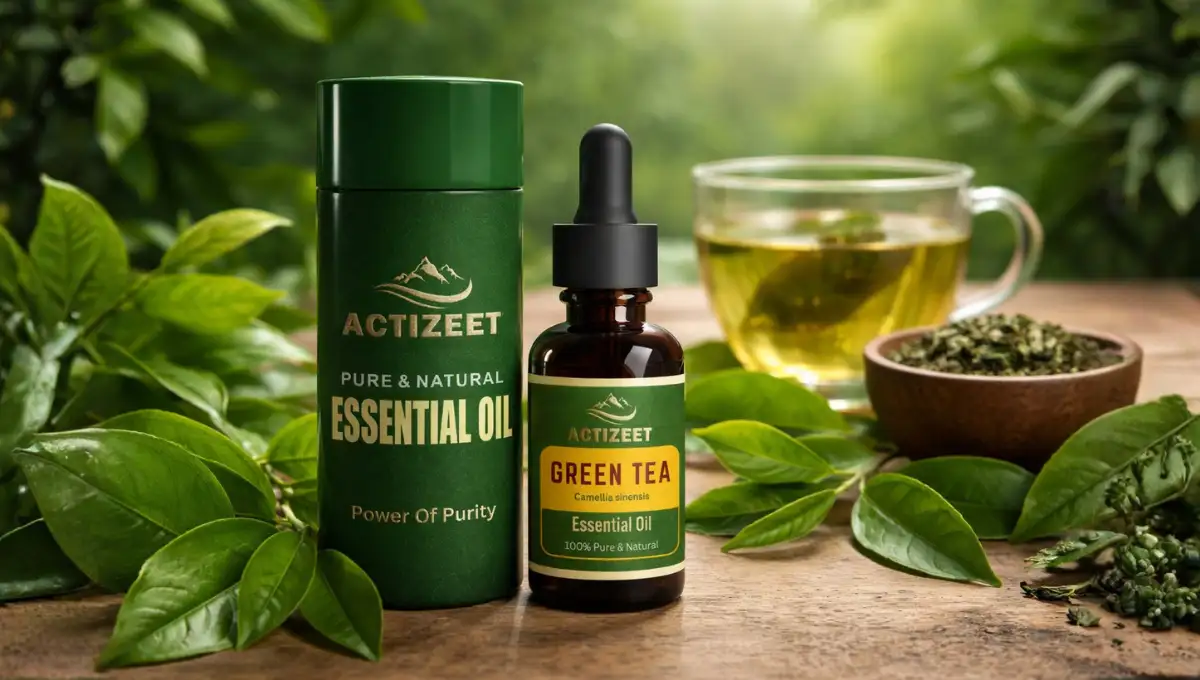
ACTIZEET® Green Tea Essential Oil is extracted from authentic Camellia sinensis leaves with genuine EGCG-catechin therapeutic profile, UV photoprotection consistent with the December 2024 PMC review, antimicrobial activity consistent with PubMed-indexed skin pathogen research, and the fresh, clean, grassy-green aromatic character of quality Indian tea leaf distillation. India's own tea botanical heritage, in its most concentrated and most therapeutically genuine aromatic form.
🍎 Shop ACTIZEET® Green Tea Essential Oil →How to Use Green Tea Essential Oil
Daily UV-Protective Serum
2 drops in 1 tsp rosehip or jojoba oil. Apply morning before sun exposure. PMC-confirmed EGCG UV screening and antioxidant ROS scavenging provide the most research-documented natural UV photoprotection available as a daily skin care active, complementing (not replacing) SPF sunscreen.
Mental Focus Diffusion
3 to 5 drops in a water diffuser during work or study. The theanine-caffeine aromatic dual effect provides the most specifically balanced, most cognitively appropriate focus-and-calm aromatic experience available, reflecting green tea's cultural association with clear-headed engagement across every tea-drinking civilization.
Anti-Cellulite Body Massage
5 drops in 2 tbsp carrier. Daily massage over concern areas. The caffeine phosphodiesterase-lipolysis and EGCG-AMPK dual slimming mechanism provides the most pharmacologically credible natural body contouring preparation, with antimicrobial skin health support alongside the contouring activity.
Hair Growth Scalp Treatment
3 drops in 2 tbsp warm coconut or jojoba carrier. Scalp massage 30 minutes before washing. The 5-alpha-reductase inhibiting EGCG, direct follicle stimulation, antioxidant follicle protection, and theanine stress-cortisol reduction together address hair loss through its complete biological and psychological mechanisms.
Stretch Mark Serum
2 drops in 1 tsp rosehip carrier. Apply twice daily to stretch marks. The PMC clinical trial-confirmed mechanism of fibroblast proliferation, collagen synthesis, angiogenesis, and skin hydration through catechins provides the most specifically clinical-trial-supported natural stretch mark preparation in India's market.
Natural Cosmetic Preservative
2 to 3 drops per 30 ml of homemade face oil or serum. EGCG's antioxidant activity prevents carrier oil rancidity and protects vitamin C and other actives from oxidative degradation, extending the shelf life of natural preparations while simultaneously adding therapeutic EGCG benefit.
What Green Tea Essential Oil Blends Well With
Safety Guidelines
- Dilute before all topical application. Use at 1 to 2% in carrier oil (1 to 2 drops per teaspoon of carrier) for facial applications. Green tea essential oil's caffeine content warrants appropriate dilution, and the concentrated polyphenol content may cause sensitization with repeated undiluted application to sensitive skin areas.
- Standard pregnancy caution. The caffeine content of green tea essential oil warrants the standard pregnancy precaution of limited use and healthcare provider consultation before establishing a regular green tea essential oil aromatherapy practice during pregnancy.
- Not a sunscreen replacement. While the December 2024 PMC review confirmed UV photoprotective properties of green tea catechins including UV screening activity, green tea essential oil does not replace pharmaceutical-grade SPF sunscreen for adequate UV protection. Use as a complementary photoprotective addition to your SPF application, not as a standalone sun protection strategy.
- Anticancer benefits are preclinical. The anticancer research properties confirmed in published studies are from in vitro cell studies and animal models. These findings are pharmacologically meaningful but cannot be translated to clinical cancer prevention or treatment recommendations without human clinical trial confirmation.
- India's tea is genuinely therapeutic. For Indian buyers who may wonder whether the green tea they drink daily and the essential oil they apply are the same botanical: yes. Camellia sinensis is the same plant that India's Assam and Darjeeling and Nilgiri estates grow, and the essential oil concentrates the same EGCG compounds that make drinking green tea beneficial. The oil format delivers these compounds topically and aromatically at higher concentrations than the beverage for the skin-specific applications covered in this guide.
Frequently Asked Questions
Green Tea Essential Oil: India's Own Agricultural Heritage Delivers 15 PMC-Confirmed Benefits Across Skin, Hair, and Mind
The 15 green tea essential oil benefits covered in this guide collectively reveal one of the most pharmacologically sophisticated and most extensively research-confirmed botanical wellness preparations available anywhere in 2026. The December 2024 PMC comprehensive review confirming green tea catechins as both antioxidant agents and sunscreen agents with UV photoprotection and anti-inflammatory effects for acne and rosacea. The PubMed antimicrobial study confirming activity against five skin pathogen species. The PMC 2024 clinical trial confirming stretch mark improvement through fibroblast proliferation, collagen synthesis, and angiogenesis. The PMC EGCG comprehensive review confirming applications in viral warts, psoriasis, alopecia, and UV-induced skin damage alongside cancer research properties. The PMC cosmetics applications review confirming anti-hyaluronidase, slimming, hair-strengthening, blood vessel sealing, and photoprotective cosmetological properties.
India grows some of the world's finest Camellia sinensis in Darjeeling, Assam, Nilgiri, Kangra, and Munnar. The same plant whose leaves fill India's morning cups also produces one of the world's most extensively research-documented natural skin care, hair care, and aromatic wellness active compounds in EGCG. ACTIZEET® Green Tea Essential Oil brings this extraordinary Indian agricultural heritage to India's most discerning wellness buyers in the most concentrated, most therapeutically genuine, and most aromatic form available in 2026.
Latest From Our Blog

Best Neroli Oil in India 2026: A Complete Buyer’s Guide to Pure, Authentic Citrus aurantium Orange Blossom Essential Oil
Looking for the best neroli oil in India in 2026?...

Best Aloe Vera Oil in India 2026: How to Find Genuine Aloe barbadensis with Real Therapeutic Potency and Why ACTIZEET® Leads the Market
Looking for the best aloe vera oil in India? Learn...

15 Aloe Vera Essential Oil Benefits: How Aloe barbadensis Acemannan, Aloe-Emodin, and Polyphenols Deliver Skin Healing, Anti-Inflammatory Power, Hair Growth, and Deep Wellness
Discover 15 proven aloe vera essential oil benefits — from...

Best Myrrh Oil in India 2026: A Complete Buyer’s Guide to Pure, Authentic Commiphora myrrha Essential Oil
Looking for the best myrrh oil in India in 2026?...