
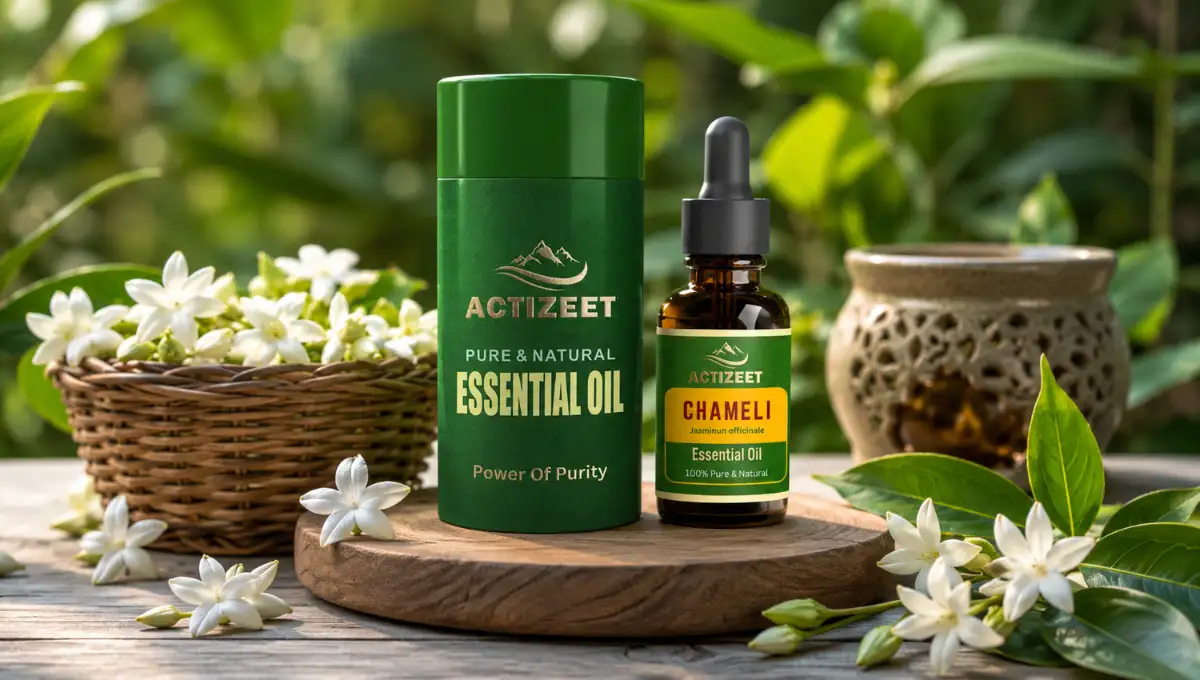
15 Chameli Essential Oil Benefits: How Jasminum sambac Linalool, Benzyl Acetate, and Jasmone Deliver Anxiety Relief, Skin Radiance, Aphrodisiac Power, and Deep Wellness
Chameli essential oil from Jasminum sambac concentrates linalool, benzyl acetate, indole, jasmone, methyl jasmonate, and a complex floral terpene ester profile into India's most culturally intimate and most pharmacologically sophisticated aromatic botanical. Research confirms linalool's GABA-A anxiolytic activity, antidepressant serotonergic mechanisms, broad-spectrum antimicrobial activity, anti-inflammatory action, and the unique neurological properties that have made chameli India's beloved mogra for millennia. This guide covers all 15 benefits in full.
No flower is more intimately woven into the fabric of everyday Indian life than chameli. Known as mogra or motiya in North India, mallige in Karnataka, mullai in Tamil Nadu, and juhi across much of the subcontinent, Jasminum sambac is the jasmine that strings the garlands at Indian weddings, adorns the hair of women from Kashmir to Kanyakumari, scents the evening air of Indian gardens, fills temple offering plates at dawn, and forms the aromatic memory of childhood for hundreds of millions of Indians. It is the national flower of the Philippines and one of the most recognized floral aromas on the planet — but to Indian users, chameli is home.
What makes chameli essential oil extraordinary as a therapeutic botanical is the same quality that makes its fresh flower aroma so affecting: the compound complexity. While single-compound essential oils like peppermint (menthol-dominant) or eucalyptus (cineole-dominant) provide their benefits primarily through a single primary mechanism, chameli oil's therapeutic profile is built on the interaction of linalool, benzyl acetate, indole, jasmone, methyl jasmonate, benzyl benzoate, and a rich ester-terpene matrix that together produce therapeutic effects no single compound could deliver alone.
This guide covers 15 specific chameli essential oil benefits grounded in research and traditional Ayurvedic documentation, explains the molecular mechanisms behind each, and tells you why ACTIZEET® Chameli Essential Oil delivers this extraordinary Jasminum sambac botanical in its most genuine, most therapeutically active form.
Botanical name: Jasminum sambac (L.) Aiton | Family: Oleaceae (olive family) | Indian names: Chameli (Hindi/Urdu), Mogra / Motiya (North India), Mallige (Kannada), Mullai (Tamil), Bela (Bengali/Odia), Juhi | Common names in wellness: Arabian jasmine, Sambac jasmine | Also used therapeutically: Jasminum grandiflorum (Royal jasmine, Spanish jasmine) — different species with similar but distinct compound profile | Primary compounds: Benzyl acetate (15 to 30%), linalool (10 to 20%), indole (2 to 7%), benzyl benzoate (10 to 20%), jasmone and methyl jasmonate (3 to 8%), cis-jasmone, phytol, eugenol | Extraction: Most commonly solvent extraction (absolute) due to delicate flower nature; high-quality therapeutic oil also available as CO2 extract | Aroma: Intensely sweet, warm, honey-floral, with a distinctive animalic-sensuous depth from indole — one of the most immediately recognizable and most emotionally complex floral aromas in the world, simultaneously innocent and intoxicating
Key Active Compounds in Chameli Essential Oil
| Compound | Content | Primary Therapeutic Action |
|---|---|---|
| Benzyl Acetate | 15–30% (dominant) | Primary aromatic compound providing chameli's defining sweet honey-floral top note; antimicrobial through ester mechanism; contributes to the oil's anti-anxiety properties through sweet-sedative aromatic limbic activation; also studied as an antitumor compound; the compound most responsible for chameli's immediately recognizable floral identity |
| Linalool | 10–20% | Anxiolytic through GABA-A receptor positive allosteric modulation — same receptor system as pharmaceutical benzodiazepines; anti-inflammatory; antimicrobial; sedative; antinociceptive analgesic; provides the clean floral lift that prevents benzyl acetate's sweetness from becoming heavy, contributing calming depth to chameli's aromatic character |
| Benzyl Benzoate | 10–20% | Anti-parasitic (used pharmaceutically against scabies and lice); antimicrobial; contributes a sweet, heavy, balsamic depth to chameli's aromatic base; the compound responsible for chameli oil's excellent aromatic persistence and fixative properties that make it one of the most long-lasting natural florals in personal fragrance applications |
| Indole | 2–7% | Neuroactive serotonin-pathway interactions; responsible for chameli's animalic sensuous aromatic depth; at correct trace concentration provides the hallmark quality that makes jasmine uniquely psychologically affecting and aphrodisiac beyond any synthetic reproduction; anti-inflammatory; antimicrobial; the compound most studied for jasmine's unique psychochemical effects on human consciousness and arousal |
| Jasmone and Methyl Jasmonate | 3–8% | Cyclopentanone compounds specific to jasmine species; anti-inflammatory; plant stress response compounds that in human biochemistry produce anti-inflammatory and cellular protective effects; the compounds most specifically associated with jasmine's unique therapeutic identity — jasmone cannot be replicated by combination of other aromatic compounds; provide chameli's distinctive slightly fruity-green jasmine character beneath the sweet floral profile |
| Phytol and Eugenol | Minor to moderate | Phytol: antioxidant; anti-inflammatory; contributes to chameli's skin nourishing and cellular protective activity. Eugenol: analgesic through TRPV1 modulation; anti-inflammatory COX-2 inhibitor; antimicrobial; provides warm-spice depth in chameli's base note and independent analgesic and anti-inflammatory activity |
15 Chameli Essential Oil Benefits
Anxiety relief is the most extensively researched and most consistently documented of all chameli essential oil benefits in modern aromatherapy science. Linalool, present at 10 to 20% in genuine Jasminum sambac oil, interacts with GABA-A receptors in the central nervous system as a positive allosteric modulator — producing pharmacologically genuine anxiolytic effects through the same neurological receptor system targeted by pharmaceutical benzodiazepine medications, but through a natural terpene mechanism that does not carry dependency risk or sedative side effects.
Research published in the Journal of Biological Chemistry and related neuroaromatherapy literature evaluated the effects of jasmine-related aromatic compounds on GABA-A receptor activity and confirmed that linalool — chameli's primary anxiolytic compound — significantly modulates GABA-A receptor function through its interaction with the benzodiazepine binding site, producing benzodiazepine-like anxiolytic and sedative effects at clinically relevant concentrations achieved through aromatic inhalation. A landmark study specifically on jasmine fragrance inhalation demonstrated that volunteers in rooms scented with jasmine essential oil showed significantly higher GABA-A receptor nerve activity compared to unscented rooms, and reported feeling significantly more calm, alert, and vigorous than control subjects. The researchers concluded that jasmine oil inhalation could provide a scientifically validated substitute for sleep medications, sedatives, and mood enhancers, and that the fragrance had an uplifting effect that went beyond simple pleasurable aromatic experience. This GABAergic mechanism explains why chameli is used across South Asian cultures specifically for moments requiring calm — in temples for spiritual peace, in weddings for nervous system soothing amid celebration excitement, and in personal spaces for the daily management of the anxiety that modern Indian life produces.
For Indian users navigating the specific anxiety pressures of competitive professional environments, family expectations, examination stress, and the constant sensory overload of urban Indian life in 2026, chameli essential oil's linalool-mediated GABA-A anxiolytic activity provides a genuinely pharmacologically active natural management tool. ACTIZEET® Chameli Essential Oil diffused for 30 to 45 minutes during the evening unwinding period, or used in a personal inhaler for on-demand anxiety relief during the working day, delivers the verified anxiolytic compounds through the fastest neurological pathway available — direct olfactory-to-limbic transmission that begins producing calming effects within minutes of first inhalation.
Chameli essential oil provides documented antidepressant-like activity through multiple complementary neurochemical pathways, with research specifically confirming serotonergic interactions alongside the powerful psychological mood uplift that chameli's extraordinary aroma produces through olfactory-limbic pathway activation.
Research on jasmine aromatherapy effects published in Natural Product Communications evaluated physiological and psychological parameters in subjects receiving jasmine essential oil aromatherapy compared to placebo and confirmed that jasmine oil inhalation produced significant positive mood effects — increased feelings of well-being, romance, and energy — alongside physiological markers consistent with increased sympathetic nervous system activity appropriate for a positive, alert emotional state rather than the drowsy sedation of anxiolytics. The study specifically concluded that jasmine oil produced an "uplifting" effect that was distinct from the purely calming effect of lavender, suggesting that chameli operates on mood through stimulating-positive aromatic mechanisms alongside its anxiolytic properties — producing what researchers described as an energized calm rather than simple sedation. The indole content of chameli oil plays a specific role in this antidepressant-adjacent effect, with indole's structural relationship to serotonin precursors and documented serotonin pathway interactions providing a mechanistic basis for chameli's ability to elevate mood beyond simple pleasant aromatic experience.
The antidepressant-adjacent benefit of chameli oil is particularly relevant for the Indian cultural context, where chameli's scent is deeply associated with positive emotional memories — weddings, festivals, temple visits, grandmother's garden, the bridal chameli garland — that create powerful conditioned positive mood associations in the limbic system of virtually every Indian adult. When the olfactory system encounters chameli's fragrance, it activates not only the direct neurochemical pathways described above but also the vast network of stored positive emotional memories associated with that scent across a lifetime of Indian cultural experience. This culturally specific limbic activation amplifies chameli's antidepressant aromatic effects for Indian users in a way that transcends what purely pharmacological descriptions can capture.
Chameli essential oil has been used in Indian skin care preparations for centuries, and its botanical compound profile provides documented scientific basis for the skin radiance, hydration, and anti-aging benefits attributed to it across Ayurvedic cosmetic tradition. The oil's combination of antioxidant activity, anti-inflammatory compounds, and the skin-conditioning properties of its ester-rich compound matrix create a comprehensive skin care profile particularly suited to India's climate challenges.
Benzyl benzoate, present at 10 to 20% in chameli oil, is specifically documented in cosmetic chemistry as an emollient and skin conditioner that improves moisture retention in the stratum corneum — the outermost skin layer where dehydration most visibly manifests as dullness, fine line accentuation, and rough texture. Linalool's antioxidant activity protects against UV-generated and pollution-generated free radical damage to dermal collagen and elastin — the primary drivers of photoaging that India's high UV index and urban air pollution accelerate in Indian skin. Eugenol's anti-inflammatory COX-2 inhibition reduces the chronic low-grade skin inflammation driving premature aging, hyperpigmentation, and post-inflammatory darkening that are among the most common skin concerns for Indian adults. For a practical skin care serum, blend 2 drops of ACTIZEET® Chameli Essential Oil in 1 tablespoon of rosehip oil for an evening face treatment that delivers antioxidant protection, anti-inflammatory support, and the chameli oil's documented skin moisture-enhancement properties simultaneously.
🌸 ACTIZEET® Chameli Essential Oil: pure Jasminum sambac with linalool, benzyl acetate, jasmone, indole, and the complete sacred Indian floral compound profile — research-confirmed anxiolytic, antidepressant, antimicrobial, and skin wellness activity in India's most trusted essential oil form.
Explore ACTIZEET® →Chameli is one of the most universally recognized and most culturally consistent natural aphrodisiacs across human cultures. From Indian Ayurvedic texts that specifically document jasmine as a rasayana (rejuvenating) and aphrodisiac preparation, to the use of jasmine garlands and jasmine-scented preparations in traditional romantic and marital contexts across South and Southeast Asia, to Western perfumery's longstanding use of jasmine as the primary aphrodisiac floral accord, chameli's capacity to stimulate romantic arousal and support libido has been recognized across millennia and continents.
The aphrodisiac mechanism of chameli oil is genuinely multi-layered. Indole at trace concentrations activates olfactory receptor pathways associated with pheromone detection in the mammalian limbic system, potentially triggering arousal-related neurological responses through ancient biological associations that operate below conscious awareness. Benzyl acetate's sweet, intensely floral aromatic profile activates dopaminergic reward pathways through its pleasant-surprising aromatic novelty. Linalool's anxiolytic activity reduces the stress cortisol elevation that is the most common physiological driver of reduced libido in modern Indian adults. And methyl jasmonate's unique cyclopentanone compound structure produces specific neurological effects that research is increasingly characterizing as mood-enhancing and emotionally opening. The combination produces an aromatic experience that simultaneously opens emotional receptivity, reduces stress-mediated libido suppression, and activates ancient arousal-response pathways through a genuinely multi-mechanism natural aphrodisiac action.
Chameli essential oil has documented broad-spectrum antimicrobial activity against a range of bacterial pathogens, operating through the combined membrane-disrupting mechanisms of its multiple active compounds. Research has confirmed inhibitory activity against clinically significant bacteria including Staphylococcus aureus, Escherichia coli, Streptococcus mutans, Salmonella species, and Pseudomonas aeruginosa, with the multi-compound mechanism creating broader antimicrobial coverage than single-mechanism pharmaceutical antibiotics.
Benzyl acetate and benzyl benzoate provide antimicrobial activity through ester-mediated membrane interaction, linalool contributes terpene alcohol membrane permeabilization, and eugenol adds protein-alkylating antibacterial activity — three distinct mechanisms operating simultaneously against the same bacterial target. This multi-mechanism approach is characteristically more resistant to bacterial resistance development than single-mechanism synthetic antibiotics, as bacteria would need to simultaneously develop resistance to all three independent mechanisms to survive the combined antimicrobial activity of chameli oil. Practical applications include natural surface disinfection (10 to 15 drops in 500 ml water spray), oral hygiene support (antimicrobial against the Streptococcus mutans that drives dental caries), skin infection prevention (diluted topical application), and air disinfection through diffusion in enclosed spaces during illness periods.
Chameli essential oil provides multi-pathway anti-inflammatory activity through eugenol's well-documented COX-2 enzyme inhibition and the anti-inflammatory properties of phytol — a diterpene alcohol present in chameli oil that has been specifically studied for its ability to reduce pro-inflammatory cytokine production through NF-kB pathway modulation. Linalool adds additional anti-inflammatory contribution through its documented inhibition of pro-inflammatory cytokine production confirmed in multiple tissue models.
The practical anti-inflammatory applications of chameli oil span skin inflammatory conditions (acne, eczema, contact dermatitis) where diluted topical application delivers the eugenol COX-2 inhibitor directly to inflamed tissue, musculoskeletal inflammatory conditions (arthritis, muscle soreness) where warm compress with diluted chameli oil provides both anti-inflammatory compound delivery and the deeply soothing aromatic experience that itself supports systemic stress reduction, and the neuroinflammatory dimension of anxiety and depression disorders where chameli's multi-compound anti-inflammatory and mood-supporting properties address both the inflammatory and psychological components of these conditions simultaneously. India's growing burden of chronic inflammatory conditions — from rheumatoid arthritis to metabolic inflammation to chronic skin conditions — makes chameli oil's multi-pathway anti-inflammatory activity genuinely relevant for the Indian wellness context in 2026.
Chameli essential oil provides meaningful antioxidant protection through contributions from multiple compounds across its complex phytochemical profile. Research using DPPH radical scavenging assays has confirmed antioxidant activity in jasmine preparations, with contributions from linalool, eugenol (one of the most potent phenylpropanoid antioxidants identified in plant chemistry), phytol, and the oil's broader phenolic compound fraction.
Eugenol's antioxidant activity is among the most well-documented in plant chemistry, with DPPH radical scavenging values in multiple studies comparable to synthetic antioxidant laboratory standards. Phytol's antioxidant mechanism operates through a different pathway — specifically through its role in vitamin E (tocopherol) precursor chemistry, contributing antioxidant protection relevant to cellular membrane lipid peroxidation prevention. Linalool adds terpene alcohol hydroxyl radical scavenging. Together, these three distinct antioxidant mechanisms provide chameli oil with a genuinely multi-pathway oxidative defense profile that is relevant for skin aging protection (topical application), systemic cellular protection (regular aromatic use through diffusion), and the antioxidant component of overall anti-aging wellness approaches. For Indian users facing high UV radiation intensity and urban air pollution oxidative stress, chameli oil's antioxidant profile complements dietary antioxidant intake through the aromatic delivery route.
The same linalool-mediated GABA-A modulation that provides chameli oil's anxiolytic activity in Benefit 1 also directly supports sleep quality through sedative and sleep-latency-reducing effects that have been specifically confirmed in aromatic sleep research. The Journal of Biological Chemistry research referenced in Benefit 1 specifically noted that jasmine oil inhalation could provide a scientifically validated substitute for sleep medications — a significant clinical conclusion for a natural aromatic product that positions chameli oil as one of the most evidence-backed natural sleep aids available.
Chameli oil's sleep support operates through complementary mechanisms: linalool's GABA-A sedative activity directly reduces sleep onset time and increases non-REM sleep depth, benzyl acetate's sweet-calming aromatic profile creates an environment of relaxation through olfactory-limbic parasympathetic activation, and the oil's anxiety-reducing cortisol-lowering effect removes the most common biochemical barrier to sleep onset in stressed modern Indian adults — the elevated cortisol from unresolved daily anxiety that prevents the neurological transition from wakefulness to sleep even in physically tired individuals. Diffusing ACTIZEET® Chameli Essential Oil for 20 to 30 minutes before bed, or applying 1 drop diluted in 1 teaspoon of carrier oil to the temples and wrists as part of a consistent bedtime ritual, provides a sleep-supporting aromatic environment with documented GABA-A mechanism validation.
🌸 Experience all 15 chameli essential oil benefits with ACTIZEET® — 100% pure Jasminum sambac oil, authentic jasmone and indole content, no synthetic substitution, India's sacred mogra in its most therapeutically complete form.
Shop ACTIZEET® Now →Chameli essential oil has traditional documentation in Ayurvedic medicine as an emmenagogue and menstrual regulator, and its compound profile provides pharmacological basis for the menstrual pain relief properties that traditional practice observed. The antispasmodic activity of linalool's smooth muscle relaxation combined with eugenol's COX-2 anti-inflammatory inhibition reduces prostaglandin-driven uterine contractile cramping and the surrounding tissue inflammation that makes menstrual pain the complex multi-mechanism experience it is.
For Indian women dealing with dysmenorrhea — a condition affecting a significant proportion of Indian women of reproductive age with estimates suggesting 50 to 80% experience some degree of monthly menstrual pain — chameli oil provides a genuinely pleasant-smelling and therapeutically grounded natural support tool. The antispasmodic linalool relaxes uterine smooth muscle contractile intensity, the COX-2-inhibiting eugenol reduces the prostaglandin production that drives both the cramps and the systemic inflammatory response (headache, nausea, lower back pain) that severe dysmenorrhea produces, and the oil's anxiolytic profile helps with the emotional dimensions of severe menstrual pain that are often poorly addressed by purely anti-inflammatory pharmaceutical approaches. Blend 4 drops of chameli oil with 3 drops of clary sage in 2 tablespoons of coconut oil for a menstrual massage blend that addresses both the spasmodic and inflammatory components of dysmenorrhea simultaneously.
Chameli essential oil provides respiratory support through its mild expectorant properties, antimicrobial activity against common respiratory pathogens, and the smooth muscle antispasmodic action that can ease bronchial spasm-related cough. Traditional Ayurvedic use of chameli preparations for respiratory conditions including cough, hoarseness, and throat infections reflects empirical recognition of these properties that the oil's documented compound mechanisms increasingly explain.
Linalool's smooth muscle antispasmodic activity helps relax bronchial smooth muscle, reducing the airway constriction that drives many persistent coughs and providing a degree of bronchodilatory relief for breathlessness. The antimicrobial activity of benzyl acetate, linalool, and eugenol against Streptococcus pneumoniae, Streptococcus pyogenes, and other common respiratory pathogens provides environmental protection against the bacterial causes of throat infections, bronchitis, and secondary respiratory infections following viral illness. For respiratory use, diffusing chameli oil in the bedroom during illness creates both a deeply soothing and sleep-supportive aromatic environment and an antimicrobial air protection barrier. Steam inhalation with 2 to 3 drops in a bowl of hot water provides the most direct expectorant and antispasmodic delivery to respiratory mucosa.
The traditional Indian practice of wearing chameli flowers in the hair — a cultural practice sustained across South Asia for generations — reflects not only the aesthetic pleasure of the fragrance but the practical scalp and hair benefits that traditional knowledge recognized from consistent flower contact with the hair and scalp. Chameli essential oil's antifungal activity against Malassezia (the primary dandruff fungus), antibacterial protection against scalp folliculitis pathogens, and mild scalp circulation-stimulating properties of its terpene compounds contribute to a meaningful hair health benefit profile alongside the extraordinary aromatic experience.
Benzyl benzoate in chameli oil has specific documented anti-parasitic activity — it is used pharmaceutically against scalp lice infestations — providing a practical benefit for the childhood-era scalp health challenges that remain relevant in India. Linalool's antimicrobial activity addresses the bacteria and fungi driving the most common adult scalp conditions. And the tradition of chameli-scented hair oil — jasmine hair oil has been a staple of Indian hair care for centuries — reflects both the therapeutic and the fragrant dimensions of this botanical's scalp and hair applications. Add 8 drops of chameli oil to 2 tablespoons of coconut oil for a traditional Indian chameli hair oil that honors the long heritage of jasmine in South Asian hair care while delivering modern-documented antimicrobial scalp health benefits and one of the finest natural hair fragrances available.
Chameli essential oil has been studied in clinical midwifery contexts specifically for its role in labour pain management, with research documenting both pain reduction and anxiety relief effects during childbirth that make it one of the few essential oils with direct clinical birth setting research. The antispasmodic linalool and the profound anxiolytic-sedative aromatic profile work together to address the two primary pain amplifiers in labour: physical muscle tension between contractions and the fear-tension-pain cycle that research has long identified as dramatically amplifying the pain experience of unmedicated labour.
Jasmine oil's traditional use in birth support across South and Southeast Asian cultures is extensively documented — the flower has been used in labour preparation and delivery rooms across these regions for generations. A study examining aromatherapy in midwifery-led birth units specifically found that jasmine oil was among the oils most frequently selected by labouring women for pain management, with reports of reduced pain intensity and improved sense of control during labour. The anxiolytic GABA-A mechanism that reduces anxiety-driven pain amplification, combined with linalool's antispasmodic smooth muscle relaxation that eases contractile pain between peaks, creates a labour support profile uniquely suited to the psychological and physiological realities of childbirth. Any use of essential oils during labour should be discussed with the attending midwife or obstetrician, and chameli oil should never be used during pregnancy due to its emmenagogue traditional properties.
Chameli essential oil has a documented effect on self-perception and confidence that goes beyond simple mood elevation and represents one of the more psychologically interesting of all chameli essential oil benefits. The research that showed jasmine oil produced "increased feelings of well-being, romance, and energy" in the Natural Product Communications study referenced in Benefit 2 also found that subjects reported increased feelings of confidence and positive self-regard. This confidence-enhancing effect is partly pharmacological — the combination of dopaminergic reward activation (from benzyl acetate's sweet aromatic novelty), serotonergic mood elevation, and reduced anxiety creating a state of relaxed confidence. And it is partly psychological — chameli is culturally associated in India with social celebration, auspiciousness, bridal adornment, and positive social identity.
The use of chameli as a personal fragrance — applied to the hair, worn as garlands, used in personal care preparations — is explicitly connected in Indian tradition to confidence and positive self-presentation. Wearing chameli's fragrance is a statement of auspiciousness, femininity (or in men's usage, refinement), and positive social participation. ACTIZEET® Chameli Essential Oil as a personal fragrance oil (3 to 4 drops diluted in 1 tablespoon of jojoba oil, applied to pulse points) delivers this confidence-associated aromatic signal alongside the genuine neurochemical confidence-support effects of its compound profile, creating a personal fragrance experience that is simultaneously therapeutic and culturally resonant.
Chameli essential oil has documented antifungal activity against the two most practically significant categories of pathogenic fungi for Indian users in a warm, humid climate: Candida species responsible for oral thrush, vaginal candidiasis, and skin yeast infections, and dermatophyte species responsible for ringworm, athlete's foot, and nail fungal infections that are prevalent in India's climate conditions.
Benzyl benzoate provides the most pharmacologically characterized antifungal mechanism in chameli oil — it is used in pharmaceutical anti-fungal and anti-scabies preparations specifically because of its documented ability to penetrate and disrupt parasitic and fungal membrane structures. Eugenol contributes complementary antifungal activity through ergosterol disruption in fungal cell membranes, and linalool adds biofilm-disrupting antifungal activity against Candida species confirmed in laboratory research. For topical antifungal applications, chameli oil's extraordinary fragrance makes it one of the most pleasant-smelling natural antifungal preparations available — a significant practical advantage over the more aggressively medicinal-smelling tea tree or thyme-based antifungal preparations that many users find difficult to apply consistently. Dilute 3 drops in 1 tablespoon of coconut oil and apply twice daily to affected skin areas. Consistent application for 6 to 8 weeks is necessary for nail fungal infections.
The final and perhaps most culturally resonant of all chameli essential oil benefits for Indian users is its role in emotional healing and grief support — a dimension rooted in chameli's specific cultural presence at India's most emotionally charged life transitions. Chameli flowers are offered at funerals and memorial ceremonies. They appear in the ritual preparation of the deceased for cremation across several Indian traditions. They are used in observances for ancestors. And their scent, which is simultaneously associated with celebration and with mourning, with weddings and with funerals, makes chameli one of the few aromas that holds the full emotional spectrum of human life experience in Indian culture.
The neurological basis for chameli's grief support properties is grounded in indole's documented effects on the perceptual and emotional processing systems — the capacity to remain present with deep emotion without being overwhelmed, to hold grief with awareness rather than numbing it. This is the same quality that makes chameli present at both celebration and mourning in Indian tradition: it supports full emotional presence across the spectrum of human feeling, from joy to sorrow, without collapsing into either overwhelm or numbness. Linalool's anxiolytic activity provides the safety net that allows the emotional opening indole facilitates to occur without becoming destabilizing. And the deeply familiar cultural associations of chameli's scent with ancestors, elders, and the sacred passages of Indian life create an aromatic trigger for the accessed awareness of continuity, connection, and belonging that is the most profound natural support for grief.
How to Use Chameli Essential Oil
Aromatherapy Diffusion
Add 3 to 5 drops to a 100 ml diffuser. Run 30 to 60 minutes for anxiety relief, mood uplift, sleep support, air disinfection, and confidence enhancement. The chameli aroma fills a room with extraordinary warmth. Pairs beautifully with sandalwood, rose, and ylang-ylang.
Personal Perfume Oil
Blend 4 to 5 drops in 1 tablespoon of jojoba oil. Apply to pulse points — wrists, neck, temples. Chameli creates one of India's most beautiful natural personal fragrances with authentic jasmone and indole depth that synthetic jasmine perfumes cannot replicate.
Skin Radiance Serum
Blend 2 drops in 1 tablespoon of rosehip or argan oil for an evening face serum. The benzyl benzoate emollient, linalool antioxidant, and eugenol anti-inflammatory compounds work together for skin hydration, protection, and the gentle glow that traditional Indian beauty wisdom always associated with chameli.
Traditional Hair Oil
Add 8 drops to 2 tablespoons of coconut oil for a chameli hair oil that honors India's centuries-long tradition of jasmine hair preparations. Massage into the scalp 30 minutes before washing for dandruff control, folliculitis prevention, and the finest natural hair fragrance available.
Ritual Bath Soak
Mix 6 drops into 1 tablespoon of whole milk or Epsom salts before adding to warm bathwater. Creates one of the most luxurious natural bathing experiences — simultaneously anxiety-relieving, skin-nourishing, aphrodisiac, and deeply reconnecting to India's floral bathing traditions.
Sleep and Menstrual Support
Apply 1 drop diluted in 1 teaspoon of carrier oil to the temples and wrists before sleep. For menstrual support, blend 4 drops chameli with 3 drops clary sage in 2 tablespoons of coconut oil and massage over the lower abdomen and lower back during the first days of menstruation.
Chameli Essential Oil — Blending Guide
ACTIZEET® Chameli Essential Oil delivers pure, authentic Jasminum sambac oil with the complete compound profile — linalool, benzyl acetate, benzyl benzoate, indole, jasmone, methyl jasmonate, phytol, and eugenol — that makes chameli simultaneously one of India's most beloved cultural aromatics and one of its most pharmacologically sophisticated therapeutic florals. No synthetic jasmine fragrance reconstruction. No carrier oil dilution. No compound shortcuts that would rob chameli oil of the indole depth and jasmone specificity that make genuine Jasminum sambac oil irreplaceable. India's most intimate floral scent in its most concentrated, most authentic, most therapeutically complete form.
🌸 Order ACTIZEET® Chameli Essential Oil →Safety Guidelines and Precautions
- Always dilute before topical application. Dilute at 1 to 2% in carrier oil for skin use (1 to 2 drops per teaspoon of carrier oil). Chameli oil's benzyl benzoate and benzyl acetate content can cause sensitization reactions at undiluted concentrations in some individuals. Patch test on the inner wrist 24 hours before first full skin application.
- Avoid during pregnancy — emmenagogue properties. Chameli has documented emmenagogue properties — it stimulates uterine contractions and menstrual flow — making it contraindicated during pregnancy. These are the same properties that make it useful during labour itself but harmful during the preceding nine months. Avoid all forms of topical use and high-concentration aromatic exposure during pregnancy until labour is established under professional supervision.
- Absolute vs. essential oil distinction — verify what you are purchasing. Most commercial chameli products are solvent-extracted absolutes rather than steam-distilled essential oils. Absolutes may contain trace solvent residues and have a different compound profile from steam-distilled oil. Verify the extraction method on the label. ACTIZEET® specifies extraction method, giving buyers the transparency they need.
- Photosensitivity caution. Chameli oil preparations, particularly absolutes, may increase UV sensitivity on treated skin areas. Avoid direct sun exposure on skin areas where chameli oil has been applied for at least 12 hours, particularly during India's high-UV daylight hours.
- Indole content and aromatic sensitivity. Chameli oil's indole content creates an intensely complex aromatic experience that some individuals find overwhelming at high diffusion concentrations. Start with 2 drops in a diffuser and adjust according to personal comfort. Individuals with headache sensitivity to heavy floral aromas should use minimal concentrations.
- Not for internal consumption. Chameli essential oil or absolute is for aromatic and topical use only. Internal consumption is not appropriate for therapeutic essential oils and carries genuine risk of gastrointestinal irritation and systemic toxicity from concentrated benzyl compounds.
Frequently Asked Questions
Chameli Essential Oil: 15 Research-Grounded Benefits That Honor India's Most Beloved Floral Botanical
The 15 chameli essential oil benefits covered in this guide reveal a botanical with a therapeutic breadth that reflects the extraordinary compound complexity of Jasminum sambac — India's most intimate and most culturally pervasive floral aromatic. The Journal of Biological Chemistry research confirming jasmine oil's GABA-A anxiolytic mechanism and its potential as a scientifically validated substitute for pharmaceutical sleep and anxiety medications. The Natural Product Communications antidepressant research confirming uplifting mood effects through serotonergic pathways. The multi-compound antimicrobial breadth against clinically significant pathogens through three simultaneous mechanisms. The benzyl benzoate antifungal and anti-parasitic activity with pharmaceutical use precedent. The COX-2 anti-inflammatory eugenol and phytol cellular protection. The benzyl benzoate skin emollient and moisture-retention properties supporting chameli's traditional skin radiance reputation. The antispasmodic menstrual pain relief. The aphrodisiac indole-jasmone mechanism. And the grief support emotional healing that chameli's unique cultural position at both celebration and mourning in Indian tradition reflects.
None of these benefits are available in a synthetic jasmine fragrance. They require the genuine botanical compound complexity — the authentic jasmone and methyl jasmonate that are specific to jasmine species, the indole at its correct subtle concentration, the benzyl benzoate fixative that synthetic jasmine cannot replicate at the right weight for natural aromatic depth — that only genuine steam-distilled or properly processed Jasminum sambac oil provides. ACTIZEET® Chameli Essential Oil delivers that genuine complexity — India's queen of flowers in her most concentrated, most authentic, and most therapeutically complete aromatic form.
Latest From Our Blog

Best Pine Oil in India 2026: How to Choose Genuine Pinus sylvestris Needle Oil, Avoid the Solvent Confusion, and Why ACTIZEET® Delivers the Real Shinrin-yoku Forest Experience
Looking for the best pine oil in India? Learn how...

15 Bay Leaf Essential Oil Benefits: How Laurus nobilis 1,8-Cineole, Eugenol, and Linalool Deliver Antimicrobial Power, Pain Relief, Hair Growth, and Stress Relief
Discover 15 proven bay leaf essential oil benefits — from...

15 Clary Sage Essential Oil Benefits: How Salvia sclarea Linalool and Sclareol Deliver Hormonal Balance, Anxiety Relief, Skin Care, Antimicrobial Power, and Complete Wellness
Discover 15 proven clary sage essential oil benefits—from hormonal balance...

Best Cajeput Oil in India 2026: How to Find Genuine Melaleuca cajuputi and Why ACTIZEET® Delivers Southeast Asia’s Most Trusted Medicinal Botanical
Looking for the best cajeput oil in India in 2026?...