
15 Lavender Essential Oil Benefits That Make This Purple Flower the World's Most Trusted Aromatic Healer
The WHO, the European Medicines Agency, and the European Scientific Cooperative on Phytotherapy all recognize lavender for its therapeutic properties. Over 100 published clinical studies back the benefits below. If any essential oil has earned the right to be taken seriously, it is Lavandula angustifolia.
Lavender is the most researched, most widely sold, and most universally recognized essential oil on Earth. It is also the most underestimated. Many people know it smells beautiful and feel vaguely aware that it is supposed to help with sleep. What they do not know is that lavender essential oil has been formally approved by the European Medicines Agency (EMA) as a herbal medicinal product, recognized by the World Health Organization (WHO) for its therapeutic properties, and is the subject of over 100 published clinical and preclinical studies examining its effects on anxiety, depression, pain, sleep, skin healing, antimicrobial activity, and cognitive function.
Lavender essential oil (from Lavandula angustifolia) is one of the best-selling over-the-counter herbal remedies for anxiety, stress, and depression globally. Its primary active compounds, linalool and linalyl acetate, interact with multiple neurotransmitter systems and ion channels in the brain, producing effects that are genuinely pharmacological rather than merely aromatic. At the same time, its topical and antimicrobial applications have been validated across wound healing, skin inflammation, acne, and respiratory infection research.
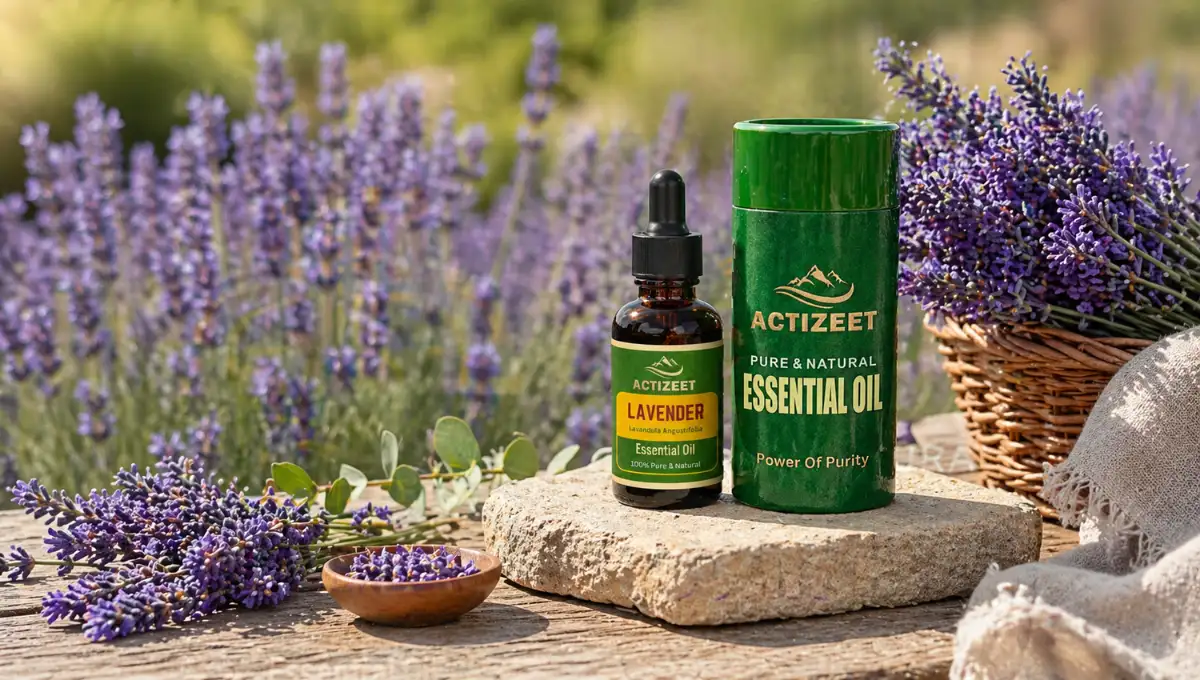
In this guide, we cover 15 specific lavender essential oil benefits grounded in the most current published research, explain the mechanisms behind each, and give you practical guidance on using ACTIZEET® pure Lavender Essential Oil to access these benefits safely every day.
Lavender essential oil is steam-distilled from the flowering tops of Lavandula angustifolia Mill. (also called Lavandula officinalis), the narrow-leaved or English lavender. Quality standards specify that it should contain linalool (20-45%) and linalyl acetate (25-46%) as the primary active compounds, alongside smaller quantities of camphor (under 1.2%), 1,8-cineole/eucalyptol (under 2.5%), terpinen-4-ol (0.1-6.0%), limonene (under 1%), lavandulol, lavandulyl acetate, and alpha-terpineol. The therapeutic profile results from the synergistic interaction between all these compounds. Lavender oil is characterized by pharmacological activities ranging from anti-inflammatory to antioxidant, antibacterial, antifungal, antiseptic, antiviral, antidepressive, sedative, immune-stimulating, and even anticancer effects.
Key Active Compounds in Lavender Essential Oil
Quality lavender essential oil is governed by International Standard ISO 3515, which specifies minimum compound requirements. The table below covers the primary therapeutically active compounds and their contributions.
| Compound | Quality Standard Range | Primary Therapeutic Action |
|---|---|---|
| Linalool | 20–45% | Anxiolytic; sedative; analgesic; anti-inflammatory; GABA/NMDA modulating; SERT binding (serotonin); neuroprotective; antimicrobial |
| Linalyl Acetate | 25–46% | Sedative; anti-anxiety; antispasmodic; anti-inflammatory; analgesic; skin-penetrating carrier |
| Terpinen-4-ol | 0.1–6% | Antimicrobial; anti-inflammatory; skin-protective; immune-modulating |
| Beta-Caryophyllene | Trace | Anti-inflammatory via CB2 receptor; analgesic; neuroprotective; anti-anxiety |
| 1,8-Cineole (Eucalyptol) | <2.5% | Decongestant; antimicrobial; cognitive support; anti-inflammatory |
| Lavandulyl Acetate | >0.2% | Anti-inflammatory; antimicrobial; contributes to lavender-specific aroma |
| Camphor | <1.2% | Analgesic; antispasmodic; antimicrobial; mild stimulant at low concentration |
15 Lavender Essential Oil Benefits
Anxiety relief is the most extensively clinically studied and most authoritative of all lavender essential oil benefits. Lavender essential oil is approved by the European Medicines Agency (EMA), recognized by the World Health Organization (WHO), and supported by the European Scientific Cooperative on Phytotherapy (ESCOP) specifically for relieving stress, restlessness, and anxiety. This level of regulatory endorsement from multiple major international health authorities is genuinely rare in the natural medicine world.
A landmark study published in Frontiers in Pharmacology and indexed in PMC investigated the pharmacological mechanisms of lavender essential oil on central nervous system targets. The results showed that lavender essential oil and its main components exert affinity for the glutamate NMDA-receptor in a dose-dependent manner (IC50 value of 0.04 μl/mL for lavender oil). Lavender and linalool were also able to bind the serotonin transporter (SERT). This means lavender modulates both glutamate (the brain's primary excitatory neurotransmitter) and serotonin (the primary mood-stabilizing neurotransmitter) pathways simultaneously, explaining the broad anxiolytic effect that extends beyond simple sedation. The same study noted that international organizations including WHO, ESCOP, and EMA approve lavender to relieve stress, restlessness, and anxiety.
A comprehensive PMC review published in 2025 confirmed that lavender modulates receptors and neurotransmitters to downregulate excitation, with neuroplasticity restored via signaling cascades and calcium channels. Crucially, lavender appears to lack the inherent sedative or sleep-inducing qualities of the most sedative anxiolytics including benzodiazepines and pregabalin, which have a propensity for abuse and dependence. This means lavender provides meaningful anxiety relief without the dependency concerns that make pharmaceutical anxiolytics problematic for long-term daily use.
Sleep support is lavender's most celebrated and most practically applied benefit across millions of daily users worldwide, and it is supported by a substantial clinical evidence base. Multiple randomized controlled trials have demonstrated that lavender aromatherapy improves sleep quality, increases deep sleep duration, reduces nighttime awakening, and improves morning vitality across diverse populations including college students, intensive care unit patients, cardiac patients, and elderly individuals.
The sleep mechanism operates primarily through linalool's GABA modulating effects, which reduce neural excitability and slow the brain activity that keeps people awake. Linalyl acetate contributes additional sedative and antispasmodic effects that help relax muscular tension that prevents sleep onset. Indirect anxiolytic effects from NMDA and SERT receptor modulation also contribute to sleep improvement by reducing the mental arousal, worry, and rumination that prevent many people from falling asleep efficiently.
For practical sleep use, diffusing 5 to 7 drops of lavender essential oil in the bedroom 30 minutes before sleep, or applying 2 to 3 drops diluted in a carrier oil to the soles of the feet and the inside of the wrists, creates a sustained aromatic and topical delivery of the sleep-promoting compounds that measurably improves sleep quality with consistent nightly practice.
Lavender essential oil's antidepressant properties are supported by both clinical research and clear pharmacological mechanisms. Lavender essential oil can be considered one of the best-selling over-the-counter herbal remedies for anxiety, stress, and depression, with antidepressant activity alongside anxiolytic effects being consistently documented. A study specifically examining the effects of Lavandula angustifolia essential oil and linalool on stress-induced social behavior found that both compounds were capable of reversing social aversion and acting as antidepressant agents.
The antidepressant mechanism involves lavender's ability to bind the serotonin transporter (SERT), the same molecular target as pharmaceutical SSRI antidepressants. By interacting with SERT, lavender's linalool component influences serotonin availability in synaptic clefts in ways that are consistent with antidepressant pharmacological action. Additionally, the study found that linalool inhibits pERK and PKA expression in neural cells, signaling pathway proteins involved in stress-induced depressive behavior.
For mood support through aromatherapy, consistent daily lavender diffusion or topical application as a personal fragrance provides ongoing interaction with the olfactory-serotonin pathway that can meaningfully contribute to mood stabilization over weeks of consistent use, complementing professional mental health care rather than replacing it.
💐 ACTIZEET® Lavender Essential Oil: pure Lavandula angustifolia with verified linalool and linalyl acetate content. The real lavender that the research refers to.
Explore ACTIZEET® →Lavender essential oil has documented analgesic properties backed by multiple clinical studies across different pain contexts. A clinical trial registered with ClinicalTrials.gov (NCT07305493) specifically investigated lavender aromatherapy as an anti-anxiety and pain relief treatment, using the Numeric Rating Scale (NRS) for pain measurement and testing whether linalool in lavender extract essential oil aromatherapy reduces anxiety-related pain. The connection between anxiety and pain amplification is significant: psychological anxiety measurably increases pain sensitivity, and lavender's anxiolytic action partially accounts for its clinically observed pain-reducing effects.
Beyond the anxiety-pain connection, linalool interacts directly with pain-relevant receptor systems including NMDA receptors involved in central pain sensitization. Studies have confirmed antinociceptive (pain-preventing) effects of linalool and lavender oil in preclinical models. Clinical applications where lavender has shown analgesic benefit include postoperative pain, dysmenorrhea (menstrual pain), headache, and needle-insertion pain in clinical procedures. Formulations containing lavender oil are used to treat inflammation in the mouth and throat, reflecting its recognized analgesic and anti-inflammatory combination in mucous membrane applications.
Lavender essential oil has a strong bactericidal effect on many strains of bacteria, including Staphylococcus aureus and Enterococcus faecalis, two of the most clinically significant skin and wound pathogens. This antibacterial activity is primarily attributed to linalool and linalyl acetate, which disrupt bacterial cell membranes and interfere with critical bacterial metabolic processes.
Research published in PMC titled "Enhanced Biological Activity of a Novel Preparation of Lavandula angustifolia Essential Oil" characterized the pharmacological activities of lavender oil across multiple biological targets. The study confirmed lavender oil exhibits a variety of pharmacological activities ranging from anti-inflammatory to antioxidant, antibacterial, antifungal, antiseptic, antiviral, antidepressive, sedative, immune-stimulating, and even anticancer effects. The study specifically documented strong bactericidal activity against Staphylococcus aureus and Enterococcus faecalis alongside weak fungicidal activity against Botrytis cinerea and Aspergillus fumigatus. The compound profile analysis identified linalool (20-45%) and linalyl acetate (25-46%) as the primary active components driving this activity spectrum.
The practical antimicrobial applications of lavender essential oil cover skin antisepsis (for wounds, minor cuts, and skin infections), oral antisepsis (in formulations for throat and mouth inflammation), surface disinfection when added to cleaning preparations, and air purification through diffusion that reduces airborne pathogen load in enclosed spaces. Formulations containing lavender oil are specifically used to treat inflammation in the mouth and throat and upper respiratory tract infections, reflecting the recognized antimicrobial application in respiratory medicine.
Wound healing is one of the most historically documented and experimentally validated lavender essential oil benefits. In dermatology, the oil helps to relieve skin inflammation and exhibits wound healing potential, with research specifically examining lavender's proregenerative properties in skin cells.
The wound healing mechanism is multi-phase and multi-compound. Linalool and linalyl acetate have been shown to stimulate fibroblast proliferation, the cell division that produces the new tissue needed to close a wound. The oil reduces inflammatory signaling in the wound environment without eliminating the repair-directing inflammation that is necessary for healing to proceed. Antimicrobial compounds protect the wound from the bacterial colonization that would derail healing. And antioxidant compounds protect the delicate newly formed tissue from the oxidative damage generated during the inflammatory phase of wound repair.
For minor wound care, 1 to 2 drops of lavender essential oil applied directly to clean, small cuts, burns, or abrasions provides combined antiseptic, anti-inflammatory, and wound-healing benefit. Lavender is one of the few essential oils safe for careful neat (undiluted) application to very small wound areas, though dilution in a carrier is still preferred for larger applications and regular skin use.
Lavender essential oil's anti-inflammatory activity is broad-spectrum and well-characterized at the molecular level. The expression of proteins involved in the nuclear factor erythroid 2-related factor 2 (Nrf2) pathway, cholinergic activity, oxidative stress, and synaptic plasticity may be protected by lavender essential oil and linalool, with Nrf2 being one of the master regulatory pathways in anti-inflammatory and antioxidant cellular defense.
Linalool inhibits the production of pro-inflammatory cytokines through NF-kappaB pathway modulation, reducing the inflammatory signaling cascade that drives both acute and chronic inflammatory conditions. The combination of linalool and linalyl acetate produces meaningful anti-inflammatory activity that is relevant for skin inflammation (eczema, rosacea, sunburn), gut mucosal inflammation (when used aromatically), joint inflammation (when applied topically to affected areas), and neuroinflammation that contributes to anxiety and cognitive decline.
Beta-caryophyllene, present in trace amounts in some lavender oil preparations, adds anti-inflammatory activity through CB2 receptor agonism, a distinct endocannabinoid pathway that complements the more classical cytokine-suppressing mechanisms of linalool and linalyl acetate.
Lavender essential oil's combination of antibacterial, anti-inflammatory, and wound-healing properties makes it a highly practical natural treatment for acne-prone skin. The antibacterial activity against Staphylococcus aureus extends to Cutibacterium acnes (formerly Propionibacterium acnes), the bacteria that colonize blocked follicles and trigger inflammatory acne. The anti-inflammatory compounds simultaneously reduce the redness, swelling, and pain of existing acne lesions. And the wound-healing properties help fade acne scarring and post-inflammatory hyperpigmentation more quickly.
Lavender oil also helps to relieve skin inflammation, which encompasses the reactive and sensitive skin conditions that accompany acne-prone skin, including perioral dermatitis, reactive redness, and contact dermatitis that can make conventional acne treatments difficult to use. The oil's gentle profile compared to harsh pharmaceutical acne treatments means it can be incorporated daily without the skin barrier damage that often accompanies aggressive acne regimens.
For acne care, 2 drops of lavender essential oil diluted in jojoba oil applied nightly to cleansed skin provides consistent antibacterial and anti-inflammatory protection in a lightweight, non-comedogenic carrier that does not clog pores. For sensitive skin experiencing concurrent inflammation, lavender's gentleness makes it one of the safer choices in the essential oil category.
💐 From sleep rituals to skin care, ACTIZEET® Lavender Essential Oil is the multi-purpose essential oil your wellness routine deserves.
Shop Now →Lavender essential oil's neuroprotective and cognitive-supporting properties are increasingly recognized in contemporary neuropharmacology research. Linalool and lavender essential oil might be considered as potential agents for enhancing cognitive impairment in neurological illnesses, with the Nrf2/heme oxygenase-1 pathway, cholinergic activity, and synaptic plasticity all identified as mechanisms through which the oil supports neural health and cognitive function.
The cholinergic activity of lavender is particularly relevant to memory and learning: acetylcholine is the neurotransmitter most directly associated with memory formation and attention, and supporting cholinergic function is the primary target of pharmaceutical Alzheimer's treatments. The neuroprotective properties of linalool in models of neurotoxicity, where it improved the viability of neural cells exposed to oxidative stress, suggest that lavender oil may protect neural tissue from the progressive damage that underlies cognitive decline.
In addition, lavender essential oil's well-documented anxiety and sleep-improving effects have indirect but meaningful cognitive benefits: anxiety and poor sleep are two of the most consistent impairments to daily cognitive performance, and addressing them produces measurable improvements in memory, attention, processing speed, and executive function even without direct neurological action.
Alongside its strong antibacterial activity, lavender essential oil has documented antifungal properties, though the research consistently describes this as weaker than its antibacterial activity. Weak fungicidal activity has been confirmed against Botrytis cinerea and Aspergillus fumigatus, and additional antifungal activity has been documented against Candida species in laboratory testing.
For practical antifungal skin applications, lavender oil's combination of antifungal compounds, particularly linalool and terpinen-4-ol, makes it a gentle complementary treatment for mild surface fungal conditions including tinea pedis (athlete's foot) in early stages, mild dandruff driven by Malassezia fungal overgrowth, and minor nail fungal infections. The gentle skin-compatible nature of lavender oil makes it particularly appropriate for the sensitive or reactive skin that often accompanies fungal skin conditions.
For scalp fungal management, adding 5 to 8 drops of lavender essential oil to a tablespoon of carrier oil and massaging into the scalp before washing, once or twice weekly, provides antifungal and anti-inflammatory benefit to the scalp environment that reduces dandruff severity and scalp irritation over consistent use.
Lavender essential oil is an antioxidant, with free radical-scavenging activity confirmed through multiple assay methods. The expression of proteins involved in the Nrf2 pathway, one of the most important cellular antioxidant defense systems, may be protected by lavender essential oil and linalool, suggesting that the oil not only scavenges free radicals directly but also upregulates the body's own endogenous antioxidant defenses.
In addition, lavender did not enhance the neurotoxic insult and improved viability of SH-SY5Y cells treated with hydrogen peroxide in models of neurotoxicity, demonstrating antioxidant protection of neural cells from oxidative damage that is directly relevant to aging-related cognitive decline prevention.
For skin anti-aging specifically, lavender's combined antioxidant activity (protecting collagen from free radical degradation), anti-inflammatory action (reducing the chronic skin inflammation that accelerates aging), and wound-healing properties (supporting cell renewal) create a comprehensive anti-aging mechanism that is particularly effective when the oil is used consistently in a nightly facial preparation. The Nrf2 pathway activation also benefits skin aging by enhancing the skin cell's own antioxidant capacity, creating a self-reinforcing cycle of antioxidant protection.
Headache and migraine relief is one of lavender's most practically valued and clinically studied specific pain applications. Multiple clinical trials have specifically examined lavender aromatherapy for migraine management, with results showing meaningful reductions in both headache severity and duration following lavender inhalation compared to placebo inhalation.
The mechanism behind lavender's headache-relieving effect involves several converging pathways. The anxiolytic action reduces the stress and anxiety that are common triggers for tension headaches and migraine onset. The vasodilatory effects of linalool improve cerebral circulation, addressing the vascular component of certain headache types. The NMDA receptor modulation may reduce central sensitization that amplifies headache pain signals. And the antispasmodic properties of linalyl acetate help relieve the muscular tension in the scalp, neck, and shoulders that contributes to tension-type headaches.
For headache relief, inhalation of lavender essential oil from a personal inhaler or a few drops placed on a cool compress applied to the temples and forehead provides the fastest onset of analgesic benefit. Application of 1 to 2 drops diluted in a small amount of carrier oil and massaged gently into the temples, the base of the skull, and the neck also provides meaningful tension headache relief through the combined aromatherapeutic and topical analgesic mechanisms.
Lavender essential oil's antimicrobial and anti-inflammatory properties extend into respiratory health support, with formulations containing lavender oil specifically used to treat inflammation in the mouth and throat and upper respiratory tract infections. The low-level 1,8-cineole (eucalyptol) content provides mild decongestant and bronchodilator properties, complementing the antibacterial activity against respiratory pathogens.
The antispasmodic properties of linalyl acetate help relax bronchial smooth muscle, reducing the spasmodic coughing that accompanies upper respiratory infections and allergic respiratory reactions. The oil's anxiolytic properties also provide indirect respiratory benefit: anxiety-driven hyperventilation and panic-related breathing difficulties respond well to lavender aromatherapy, as the calming neurological action slows and deepens breathing patterns.
For respiratory use, steam inhalation with 3 to 5 drops of lavender essential oil in a bowl of hot water delivers the antimicrobial and anti-inflammatory compounds directly to the respiratory mucosa. Diffusing in rooms during illness reduces airborne pathogen load. Applying a diluted lavender blend to the chest creates a mild, pleasant vapor rub effect that soothes cough and supports easier breathing through the night.
Hair growth stimulation is one of the most surprising and well-documented specific lavender essential oil benefits to emerge from contemporary research. A published animal study found that lavender essential oil significantly increased the number of hair follicles, deepened follicle depth, and thickened the dermal layer of the scalp in a mouse model, with effects comparable to or exceeding those of the pharmaceutical hair growth agent minoxidil at equivalent application duration.
The hair growth mechanism appears to involve improved scalp circulation from lavender's vasodilatory effects, antimicrobial action against scalp pathogens that impair follicle health, anti-inflammatory reduction of scalp inflammation that damages follicles and reduces their growth activity, and direct stimulation of follicle stem cell activity. The antifungal properties address the dandruff-causing fungi that create an inhospitable scalp environment for hair growth.
For hair and scalp use, adding 5 to 8 drops of lavender essential oil per tablespoon of carrier oil (jojoba, castor, or coconut) and massaging into the scalp daily or several times weekly for at least 3 to 4 months provides the most consistent hair growth benefit. Lavender can also be added directly to shampoo at 5 drops per ounce for daily scalp benefit without the need for a separate oil preparation.
Menopausal symptom relief is one of the most clinically meaningful emerging applications of lavender essential oil, backed by a growing body of randomized controlled trial evidence. Multiple clinical trials have tested lavender aromatherapy for hot flashes, night sweats, anxiety, insomnia, and mood disturbances in perimenopausal and postmenopausal women, with consistently positive findings across these symptom domains.
The mechanism operates through lavender's phytoestrogenic-adjacent activity and its direct neurological effects. Hot flashes and night sweats are partially driven by the hypothalamic dysregulation that accompanies estrogen decline, and lavender's ability to influence hypothalamic signaling through its neurological mechanisms may help moderate this thermoregulatory disruption. The anxiolytic and sleep-improving properties address two of the most pervasive and debilitating menopausal symptoms directly. And the mood-stabilizing antidepressant effects help manage the emotional turbulence that accompanies hormonal transition.
A 2016 randomized clinical trial published in the Journal of Chinese Medical Association found that inhalation of lavender aromatherapy for 20 minutes twice weekly significantly reduced the severity of hot flashes and improved sleep quality and quality of life in postmenopausal women, compared to control. For menopausal support, incorporating lavender diffusion during sleep, a lavender-infused relaxation bath two to three times weekly, and pulse-point application throughout the day creates comprehensive aromatic symptom relief across the menopausal experience.
ACTIZEET® Lavender Essential Oil is steam-distilled from authentic Lavandula angustifolia flowering tops, with verified linalool and linalyl acetate content meeting ISO 3515 quality standards. Pure, single-ingredient, no synthetic fragrance adulterants. The genuine lavender that WHO, EMA, and published clinical research refer to, in a bottle that brings 5,000 years of aromatic healing into your home.
💐 Shop ACTIZEET® Lavender Essential Oil →How to Use Lavender Essential Oil
Lavender is one of the most versatile and forgiving essential oils for everyday use. Its gentle profile makes it suitable for a wider range of users and applications than most essential oils.
Aromatherapy Diffusion
Add 5 to 10 drops to a water diffuser. Use in the bedroom for sleep (30 min before bed), in the workspace for stress relief and focus, or during meditation for grounding and calm. The most versatile and practical daily application.
Direct Inhalation
Add 2 to 3 drops to a personal inhaler or a handkerchief. Inhale directly for fast anxiety relief, headache management, or nausea relief. One of the quickest-acting methods for the oil's neurological effects.
Topical Skin Care
Dilute 3 to 5 drops in one teaspoon of carrier oil (jojoba or rosehip). Apply to the face for anti-aging, acne care, and calming sensitive skin. Can be applied neat to very small wound areas or insect bites.
Relaxing Bath
Add 8 to 10 drops to one tablespoon of carrier oil or Epsom salt before dissolving in warm bath water. A lavender bath 30 minutes before bed is one of the most effective sleep rituals backed by clinical evidence.
Scalp and Hair Massage
Mix 5 to 8 drops into one tablespoon of jojoba or castor oil. Massage into the scalp for 5 to 10 minutes, leave for at least 30 minutes, then wash out. Use 3 to 4 times weekly for consistent hair growth and scalp health benefits.
Pulse Point Wear
Dilute 8 drops in one tablespoon of jojoba in a roller bottle. Apply to wrists, temples, and behind the ears as a calming personal fragrance. Provides ongoing low-level aromatherapy benefit throughout the day.
What Lavender Essential Oil Blends Well With
Lavender is the most universally blendable essential oil, serving as a bridge between sharper, more intense oils and creating aromatic harmony across almost any combination.
Safety Guidelines
Lavender essential oil is one of the safest essential oils available. Its gentle profile makes it appropriate for a wider range of users than most oils. Basic precautions still apply.
- Dilute before large area topical application. A 2 to 3% dilution in carrier oil (4 to 6 drops per teaspoon) is appropriate for adults. For facial use, 1 to 2%. Lavender is one of the few oils that can be applied neat to very small skin areas (a single drop to a bee sting or minor burn), but dilution is always preferred for regular use.
- Generally safe for children over 2 years at low dilutions. Lavender is one of the most child-friendly essential oils. At 0.5 to 1% dilution, it is appropriate for use with children for sleep, calm, and minor skin care. Keep diffusion gentle and well-ventilated for young children.
- Pregnancy caution in first trimester. While lavender is among the safer essential oils for aromatherapy during pregnancy, concentrated topical use in the first trimester is generally avoided as a precaution. Gentle diffusion at low concentrations is typically considered acceptable but individual healthcare provider guidance is recommended.
- Potential hormonal activity concerns at very high doses. Some research has raised concerns about lavender oil at very high doses in prepubertal children in relation to gynecomastia (breast development). At normal aromatherapy doses, this is not a documented concern, but it is a reason to use sensible dilutions and avoid excessive use in young children.
- Skin sensitization with oxidized oil. Oxidized lavender oil (old oil exposed to air and light) is more likely to cause skin sensitization than fresh oil. Store in sealed, dark glass bottles away from heat and light. Shelf life is approximately 2 to 3 years with proper storage.
- Patch test for individuals with known floral allergies. Those with known allergies to plants in the Lamiaceae family should patch test before broad application.
Frequently Asked Questions
Final Thoughts: The World's Most Trusted Essential Oil Earns Every Bit of That Trust
The 15 lavender essential oil benefits covered in this guide reflect a botanical that has genuinely earned its position as the world's most popular and most trusted essential oil through a combination of five thousand years of consistent therapeutic tradition and a growing body of clinical and pharmacological research that keeps confirming and expanding that tradition. The EMA regulatory approval for anxiety and stress relief, the WHO recognition, the ESCOP endorsement, and over 100 published studies all point in the same direction: lavender essential oil is a genuine, multi-mechanism therapeutic agent that belongs in every home.
What makes lavender particularly compelling in the current wellness landscape is the quality and breadth of its mechanisms. The NMDA receptor modulation, SERT binding, Nrf2 pathway activation, and antibacterial activities documented in peer-reviewed journals reveal a pharmacological profile that is far more sophisticated than the word "aromatherapy" might suggest. This is not placebo aromatics. This is a genuine botanical medicine with a molecular target profile that overlaps meaningfully with pharmaceutical drugs across multiple therapeutic areas.
Quality determines whether you access these benefits. Lavandin masquerading as lavender, synthetic linalool blends, or oxidized old oil all fail to deliver what the research documents. ACTIZEET® Lavender Essential Oil, from authenticated Lavandula angustifolia with verified compound content, gives you the real thing.
Latest From Our Blog

15 Rose Essential Oil Benefits That Explain Why Rosa damascena Has Been Called the Queen of Flowers for 5,000 Years
Discover 15 science-backed rose essential oil benefits. From anxiety relief...

15 Amber Essential Oil Benefits: How 50 Million Years of Geological Alchemy Created One of Aromatherapy’s Most Grounding and Therapeutic Treasures
Discover 15 amber essential oil benefits backed by ancient tradition...

Best Thyme Oil in India 2026: How to Choose the Right Chemotype, Verify Thymol Quality, and Why ACTIZEET® Is India’s Most Trusted Option
Looking for the best thyme oil in India? Learn how...

15 Marigold Essential Oil Benefits That Make This Golden Flower One of Nature’s Most Powerful Healers
Discover 15 science-backed marigold essential oil benefits. From wound healing...