
15 Arjuna Powder Benefits That Make This Ancient Bark Ayurveda's Most Respected Cardiac Herb
Documented in Charaka Samhita over 2,500 years ago, Terminalia arjuna is the herb that Ayurveda positioned at the center of heart care. Today, a growing body of published clinical research is confirming why this ancient choice was exactly right.
The Arjuna tree (Terminalia arjuna) stands tall across the riverbanks and forests of India, its bark known to Ayurvedic physicians for over two and a half millennia as the single most powerful botanical medicine for the heart. Classical texts including the Charaka Samhita, Ashtanga Hridayam, and Sushruta Samhita describe it in the context of Hridya, meaning that which strengthens and nourishes the heart. It has been used continuously for anginal pain, high blood pressure, congestive heart failure, and dyslipidemia across generations of Ayurvedic practice.
What makes Arjuna's modern story compelling is the clinical research trail that has been building steadily over the past three decades. Peer-reviewed studies published in the Indian Heart Journal, the Journal of Traditional and Complementary Medicine, and multiple indexed clinical databases have now confirmed that Arjuna bark powder reduces anginal frequency, lowers blood pressure, improves cardiac function, reduces cholesterol, and protects the heart muscle from oxidative damage. A 2024 PMC review described it as a "valuable medicinal plant showing therapeutic promise in cardiovascular health, diabetes management, wound healing and periodontal therapy."
In this guide, we cover 15 specific Arjuna powder benefits supported by published research, explain the biological mechanisms behind each one, and show you how ACTIZEET® pure Arjuna Powder brings this extraordinary bark's therapeutic value into your daily wellness practice.
Arjuna powder is made by drying and grinding the bark of Terminalia arjuna (Roxb. ex DC.) Wt. & Arn., a large deciduous tree in the Combretaceae family, native to the riverbanks and moist forests of the Indian subcontinent. The bark is the primary medicinal part and is richest in bioactive compounds during specific harvest seasons. The primary therapeutic compounds include oleanane triterpenoids: arjunic acid, arjunolic acid, arjunetin, arjunone; tannins: castalagin, punicalagin, ellagic acid, gallic acid; flavonoids: arjunolone, luteolin, quercetin; glycosides: arjunosides I-V; saponins; and essential minerals including calcium, magnesium, zinc, and copper. These compound classes collectively drive the bark's cardiotonic, antioxidant, anti-inflammatory, and antimicrobial properties.
Key Active Compounds in Arjuna Powder
| Compound | Class | Primary Therapeutic Action |
|---|---|---|
| Arjunic Acid / Arjunolic Acid | Oleanane Triterpenoid | Cardioprotective; antioxidant; hepatoprotective; anti-inflammatory; wound healing |
| Arjunoside I–V | Cardiac Glycoside | Positive inotropic (strengthens heart contractions); cardiotonic; antiarrhythmic |
| Castalagin / Punicalagin | Ellagitannin | Potent antioxidant; antimicrobial; anti-inflammatory; antiplatelet |
| Ellagic Acid | Polyphenol | Antioxidant; anti-inflammatory; anticancer; antimicrobial; cardioprotective |
| Gallic Acid | Polyphenol | Antioxidant; antimicrobial; anti-inflammatory; antifungal; hepatoprotective |
| Luteolin / Quercetin | Flavonoid | Anti-inflammatory; antioxidant; antiallergic; cardioprotective; lipid-lowering |
| Saponins | Triterpenoid Saponin | Cholesterol-lowering; immune-modulating; anti-inflammatory |
| Calcium, Magnesium, Zinc | Minerals | Cardiac electrical conduction; vascular smooth muscle regulation; antioxidant enzyme support |
15 Arjuna Powder Benefits
Strengthening the heart muscle is the foundational and most directly documented benefit of Arjuna bark powder, the reason Ayurvedic physicians have centered this herb in cardiac care for 2,500 years, and the application where the most clinical evidence has accumulated. Arjuna's cardiac glycosides (arjunosides I through V) are the primary drivers of its positive inotropic effect, meaning they strengthen the force of heart muscle contractions, enabling the heart to pump blood more effectively with each beat.
A 2024 PMC overview of Terminalia arjuna's properties confirmed that clinical studies demonstrate its bark powder can effectively reduce the frequency of anginal attacks and improve overall cardiac function in patients with stable angina and coronary artery disease. Administration of 500 mg of the extract resulted in significant improvements in exercise tolerance and cardiac parameters. The review documented that Arjuna's oleanane triterpenoids, including arjunic acid, arjunoglycosides, arjunone, and arjunolic acid, are primarily responsible for its cardioprotective effects, operating at the molecular level to protect cardiac tissue from oxidative and ischemic injury.
In Ayurvedic terminology, Arjuna is classified as Hridya, literally "that which is good for the heart," and Shothahara (reducing inflammation). Its bark decoction is documented in classical texts specifically for strengthening cardiac muscle and improving the quality of the heartbeat. Modern pharmacology confirms this through the arjunoside glycosides' interaction with cardiac ion channels, improving the efficiency of calcium handling in cardiomyocytes (heart muscle cells) and supporting more effective contraction and relaxation cycles.
Angina pectoris, the chest pain caused by insufficient oxygen delivery to the heart muscle, is one of the most clinically documented conditions in which Arjuna bark powder has demonstrated meaningful therapeutic benefit. It was found that Arjuna therapy was associated with a significant decrease in the frequency of angina and the need for isosorbide dinitrate (a pharmaceutical nitrate drug used for angina relief). This is a remarkable finding because it means Arjuna reduced the need for pharmaceutical intervention alongside conventional treatment.
A PubMed-indexed clinical study administered 500 mg of Arjuna bark stem powder three times daily to patients with post-myocardial infarction angina. The study found significant reduction in anginal frequency in the Arjuna group, and improvements in clinical and TMT (treadmill test) parameters comparable to those produced by isosorbide mononitrate (ISMN), a pharmaceutical standard for angina treatment, with no significant differences between Arjuna and ISMN when their effects were compared directly. Evidence also suggests that Terminalia arjuna may have properties that relax blood vessels, addressing the primary mechanism that allows oxygen delivery to increase and anginal pain to decrease.
Blood pressure management is one of the most consistently documented cardiovascular applications of Arjuna bark powder across both classical Ayurvedic literature and modern clinical research. In one of the earliest clinical studies, patients with congestive heart failure who received 4 grams of Arjuna bark powder twice daily for one month showed improvement in functional class, breathlessness, and overall well-being with significant diuresis, and a fall in both systolic and diastolic blood pressure.
The blood pressure-lowering mechanisms involve several complementary pathways. The ellagitannins and flavonoids in Arjuna relax vascular smooth muscle through nitric oxide-mediated vasodilation, widening blood vessel diameter and reducing peripheral vascular resistance. The saponin fraction contributes mild diuretic activity that reduces blood volume and consequently blood pressure. The anti-inflammatory compounds reduce the vascular wall inflammation that contributes to hypertension in many patients with metabolic syndrome and cardiovascular disease.
The bark decoction is used in the Indian subcontinent for anginal pain, hypertension, congestive heart failure, and dyslipidemia, with hypertension consistently listed among the primary historical and contemporary indications, reflecting a long clinical tradition of Arjuna use for blood pressure management that is now supported by measurable clinical outcomes.
🌿 ACTIZEET® Arjuna Powder: pure, finely milled Terminalia arjuna bark for real heart health support. 300 grams of authentic quality.
Explore ACTIZEET® →Dyslipidemia, the abnormal elevation of LDL cholesterol and triglycerides alongside reduced HDL cholesterol, is one of the most significant modifiable risk factors for cardiovascular disease. Arjuna bark powder addresses lipid dysregulation through multiple mechanisms that collectively improve the cholesterol profile in ways that are directly relevant to cardiovascular disease prevention and management.
A randomized placebo-controlled trial evaluating the antioxidant and hypocholesterolaemic effects of Terminalia arjuna tree bark enrolled 105 patients with coronary heart disease, matched for age, lifestyle, dietary variables, clinical diagnosis, and drug treatment status. The study compared Arjuna bark against vitamin E (a known antioxidant) and placebo across three groups of 35 patients each. The results showed that Arjuna bark powder demonstrated both antioxidant and cholesterol-lowering effects in patients with coronary heart disease. The flavonoids, particularly quercetin and luteolin, and the saponin fraction of Arjuna are the primary compounds responsible for the lipid-lowering effect, with saponins specifically interfering with cholesterol absorption in the gut and flavonoids inhibiting LDL oxidation.
The lipid-lowering mechanisms include competitive inhibition of HMG-CoA reductase (the enzyme targeted by statin medications) by certain triterpenoids, reduced intestinal cholesterol absorption through bile acid binding by tannins, and improved hepatic lipid metabolism through the liver-protective compounds. These complementary pathways create a multi-target lipid-lowering effect that is relevant both as preventive medicine for those with mild dyslipidemia and as complementary support alongside conventional treatment in more advanced cases.
Arjuna powder is one of the richest botanical sources of antioxidant compounds available, with documented free radical-scavenging activity that is directly relevant to cardiovascular protection. Its health benefits come from antioxidant phytochemicals like flavonoids, polyphenols, and tannins, which are found mainly in the bark and represent one of the most concentrated antioxidant profiles among Ayurvedic herbs.
The antioxidant activity is multi-compound and multi-mechanism. Ellagic acid and gallic acid from the tannin fraction provide powerful polyphenol-based free radical scavenging that prevents the LDL cholesterol oxidation that is the first step in atherosclerotic plaque formation. The flavonoids quercetin and luteolin protect endothelial cells (the lining of blood vessels) from oxidative damage that drives vascular disease. Arjunic acid and arjunolic acid protect cardiac muscle cells from the oxidative stress generated during ischemic events (when blood flow is temporarily reduced). The PubMed randomized trial confirmed that Arjuna bark powder demonstrated meaningful antioxidant activity comparable to vitamin E in patients with coronary heart disease, a clinically significant finding given vitamin E's well-established antioxidant cardioprotective credentials.
Chronic low-grade inflammation in the cardiovascular system and throughout the body is now recognized as a primary driver of atherosclerosis, heart disease, metabolic syndrome, and many other chronic conditions. Arjuna powder is recognized as a valuable medicinal plant with a rich phytochemical profile showing therapeutic promise in cardiovascular health due to its anti-inflammatory properties.
Research confirmed antimicrobial and anti-inflammatory activity of Terminalia arjuna in published studies, and the 2024 PMC overview specifically listed anti-inflammatory action among its primary documented pharmacological activities. The anti-inflammatory compounds, including ellagic acid, gallic acid, quercetin, and luteolin, inhibit NF-kappaB signaling and reduce the production of pro-inflammatory cytokines including TNF-alpha, IL-6, and IL-1beta. This multi-target anti-inflammatory action reduces the inflammatory component of cardiovascular disease while also benefiting the joint inflammation, skin inflammation, and systemic inflammatory burden that coexist with cardiovascular risk in many patients.
Congestive heart failure (CHF) is a complex clinical syndrome where the heart cannot pump sufficient blood to meet the body's demands, resulting in fluid accumulation (congestion) in the lungs and peripheral tissues. It represents one of Arjuna's most impactful and well-documented clinical applications, where it has shown meaningful benefit alongside conventional treatment.
Arjuna has improved heart failure in some clinical studies. Patients with CHF receiving Arjuna bark powder experienced improvement in functional class (their ability to perform daily activities without symptoms), reduction in breathlessness, improvement in overall well-being, significant diuresis (fluid elimination, which directly reduces the congestion of CHF), and falls in both systolic and diastolic blood pressure. These are exactly the outcomes that define successful CHF management in clinical terms.
The benefits of Arjuna include support for cardiovascular endurance, stemming from its ability to help maintain cardiac output and cardiac function. This is not simply a performance-enhancing claim but a physiological consequence of the herb's documented ability to improve left ventricular ejection fraction (LVEF), the measure of how much blood the heart pumps out with each contraction.
In clinical studies, LVEF markers and physical fatigue scores were better for active older adults and younger men who took 400 mg of Arjuna bark extract daily for eight weeks, compared with the placebo groups. A higher LVEF means more blood pumped per heartbeat, which translates directly into improved oxygen and nutrient delivery to exercising muscles, better physical endurance, faster recovery from exertion, and reduced fatigue during sustained physical activity. Arjuna bark extract may help the heart to pump more blood, which in turn means it will be more efficient at delivering oxygen and nutrients throughout the body. For men and women who want to maintain physical fitness into middle age and beyond, Arjuna powder's heart-efficiency-improving properties translate into genuinely better exercise capacity and endurance.
Arjuna is recognized as a valuable medicinal plant showing therapeutic promise in diabetes management alongside cardiovascular health. The connection between cardiovascular disease and blood sugar dysregulation is well-established, with diabetes significantly increasing cardiovascular risk and cardiovascular disease worsening blood sugar control. Arjuna addresses both simultaneously through overlapping mechanisms.
The flavonoids, particularly quercetin, inhibit alpha-glucosidase, the intestinal enzyme that breaks down carbohydrates into glucose, slowing postprandial blood sugar absorption. The triterpenoids, particularly arjunolic acid, improve insulin receptor sensitivity at the cellular level. The antioxidant compounds protect pancreatic beta cells from the oxidative damage that drives their dysfunction in type 2 diabetes. And the anti-inflammatory properties reduce the chronic inflammation that is both a driver and a consequence of insulin resistance.
For people managing both cardiovascular risk and blood sugar concerns, the coexistence of cardioprotective and antidiabetic properties in a single botanical makes Arjuna powder particularly practical as a daily health supplement that addresses two of the most co-occurring chronic conditions with one consistent preparation.
🌿 Heart health, blood pressure, cholesterol, and more. ACTIZEET® Arjuna Powder, the ancient bark that keeps proving itself.
Shop Now →Oral health is one of the more surprising and recently documented applications of Arjuna powder, highlighted specifically in the 2024 PMC overview which noted that beyond heart health, it is gaining attention for applications in oral health, particularly periodontal therapy, due to its anti-inflammatory and wound-healing properties. Its flavonoids and tannins have demonstrated effectiveness in managing bacteria and inflammation in periodontal pockets.
The oral health mechanism is well-supported by the known properties of Arjuna's primary compounds. The tannin fraction, particularly castalagin and punicalagin, provides strong antibacterial activity against the gram-negative bacteria that colonize periodontal pockets and drive gum disease progression. Ellagic acid and gallic acid add additional broad-spectrum antimicrobial coverage. The anti-inflammatory flavonoids reduce the inflammatory response in gum tissue that causes bleeding, swelling, and progressive bone loss in periodontal disease. Other uses of various parts of the Arjun tree specifically include skin ulcers, acne, and wounds, applications that share the same antimicrobial and anti-inflammatory mechanisms relevant to oral health.
Arjuna is recognized as a valuable medicinal plant showing therapeutic promise specifically in wound healing due to its anti-inflammatory and antimicrobial properties. Other uses documented in classical Ayurvedic texts include hemorrhage, skin ulcers, acne, and wounds, reflecting a traditional understanding of the bark's regenerative and healing properties for damaged tissue.
The wound healing mechanism is multi-phase. In the inflammatory phase, Arjuna's anti-inflammatory compounds reduce excessive wound inflammation that delays healing. In the proliferative phase, arjunolic acid and flavonoids stimulate fibroblast proliferation that produces the collagen scaffold for new tissue. The antimicrobial tannins prevent bacterial colonization that would derail healing. And the antioxidant compounds protect the vulnerable newly formed tissue from oxidative damage during the repair process.
For skin health beyond wound care, Arjuna's high tannin content gives it astringent properties that tighten pores, reduce excess oiliness, and provide a gentle firming effect on skin tissue. The antimicrobial compounds address acne-causing bacteria at the skin surface. For those who use Arjuna powder internally, the systemic antioxidant and anti-inflammatory effects contribute to overall skin health from within.
Weak evidence suggests that Arjun may have antimicrobial effects, providing benefits against amoebas and other microorganisms. The antimicrobial activity of Arjuna bark was specifically documented in a 2023 study published in the journal Bioinformation, confirming antimicrobial and anti-inflammatory activity of Terminalia arjuna.
The antimicrobial compounds in Arjuna bark powder include gallic acid, ellagic acid, and the ellagitannins castalagin and punicalagin. These compounds disrupt bacterial cell membranes and interfere with bacterial metabolic processes, providing broad-spectrum antimicrobial coverage that is relevant for oral health, wound care, and gastrointestinal protection against pathogenic organisms. The bark is documented in Ayurvedic classical texts for its use in treating diarrhea and dysentery, applications that are consistent with its antimicrobial activity against intestinal pathogens.
Arjuna bark powder has recognized hepatoprotective activity driven primarily by arjunolic acid, one of the dominant triterpenoid compounds in the bark. Arjunolic acid has been specifically studied for liver protection and found to guard hepatocytes (liver cells) from oxidative damage caused by toxins, medications, and metabolic stress.
The liver's central role in lipid metabolism makes its healthy function directly connected to the cardiovascular risk factors that Arjuna addresses. The same compound profile that lowers cholesterol through hepatic lipid metabolism optimization also protects the liver tissue that performs this function. The antioxidant compounds reduce the oxidative load on the liver from toxin processing. The anti-inflammatory compounds reduce hepatic inflammation that underlies fatty liver disease and liver fibrosis. For those with metabolic syndrome who face both cardiovascular risk and non-alcoholic fatty liver disease (NAFLD), Arjuna's combined hepatoprotective and cardiovascular properties make it a uniquely comprehensive daily supplement.
Arjuna bark powder has documented mild diuretic properties that contribute to its blood pressure-lowering effect and its benefit in congestive heart failure management. The clinical observation of significant diuresis in CHF patients receiving Arjuna supports its traditional use as a mild natural diuretic. This diuretic activity increases urine production, reducing fluid accumulation and blood volume, which directly lowers blood pressure and reduces the congestion burden of heart failure.
Unlike pharmaceutical diuretics that can cause electrolyte imbalances (particularly potassium loss), Arjuna's mild diuretic activity operates through gentler mechanisms and is paired with the herb's mineral content, including potassium-sparing compounds that help maintain electrolyte balance during the diuretic process. This gentleness makes it more suitable for long-term daily use than pharmaceutical diuretics, which require careful electrolyte monitoring. For men and women with mild fluid retention, high blood pressure, or early-stage heart failure, Arjuna's combined diuretic and cardiotonic properties address the condition from both the fluid volume and the cardiac function dimensions simultaneously.
While Arjuna is primarily recognized as a cardiovascular herb, its adaptogenic properties and stress-reducing effects are important and often overlooked dimensions of its therapeutic profile. Chronic psychological stress is now firmly established as a cardiovascular risk factor: it raises blood pressure, increases inflammatory markers, promotes unhealthy lipid patterns, and triggers arrhythmias through the sympathetic nervous system. An herb that addresses both the direct cardiovascular risk factors and the stress-driven amplification of those risks provides uniquely comprehensive cardiac protection.
The bark decoction has been used historically for stress, anxiety, and psychosomatic conditions in classical Ayurvedic practice. The antioxidant protection of neural tissue by Arjuna's polyphenols, particularly the flavonoids and ellagic acid, reduces the oxidative neurological stress that contributes to anxiety and mood dysregulation. The blood pressure-lowering effect itself creates a physiological state of greater cardiovascular calm that reduces the fight-or-flight activation pattern associated with chronic stress. For those managing high-stress professional or personal environments alongside cardiovascular risk factors, Arjuna powder's dual cardiovascular and stress-modulating properties offer a particularly practical holistic protective approach.
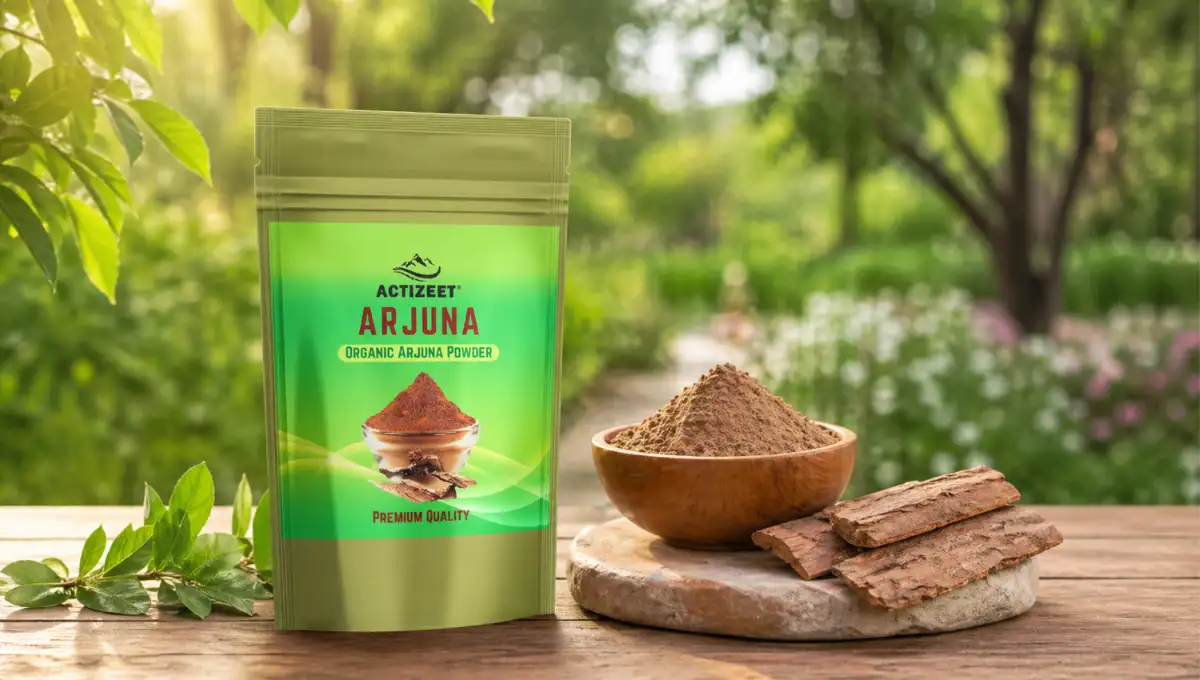
ACTIZEET® Arjuna Powder is made from authenticated Terminalia arjuna bark harvested at peak medicinal potency and finely milled to preserve the full spectrum of triterpenoids, tannins, and flavonoids that drive all 15 benefits in this guide. Pure, single-ingredient, no fillers. The ancient cardiac protector, in a 300-gram pack ready for daily use.
🌿 Shop ACTIZEET® Arjuna Powder →How to Use Arjuna Powder
Traditional Milk Decoction
Boil one teaspoon (3 to 5 grams) in 250 ml of milk and 250 ml of water until it reduces by half. Strain and drink warm, preferably on an empty stomach in the morning. This is the classical Ayurvedic preparation called "Arjuna Ksheer Paka."
Warm Water Preparation
Mix half to one teaspoon in warm water and consume once or twice daily. The traditional milk preparation is more bioavailable but warm water consumption is acceptable for convenient daily use. Add honey if needed.
Skin and Wound Care Paste
Mix one teaspoon of Arjuna powder with rose water or plain water to form a smooth paste. Apply to acne, skin ulcers, or minor wounds as a topical antiseptic and anti-inflammatory dressing. Rinse after 15 to 20 minutes.
Oral Care Rinse
Boil one teaspoon in water, cool to warm temperature, and use as a mouth rinse for periodontal support, bleeding gums, and oral antiseptic benefit. The tannins and antimicrobial compounds provide direct benefit to gum tissue.
Smoothie Addition
Add half a teaspoon to a nutritious morning smoothie with pomegranate juice, beets, and ginger for a cardiovascular-supportive super-drink. The slight bitterness of Arjuna blends well with sweeter juice-based smoothies.
Combination with Ashwagandha
Mix equal parts Arjuna powder and Ashwagandha powder in warm milk daily. Arjuna protects the heart and improves cardiac function while Ashwagandha reduces stress-driven blood pressure elevation and cortisol, a powerful complementary combination.
Safety Guidelines and Important Precautions
- Consult your cardiologist before use if you have a diagnosed heart condition. Arjuna has documented effects on cardiac function, blood pressure, and platelet aggregation. Anyone with diagnosed cardiovascular disease should discuss its use with their cardiologist before starting, especially if they are on cardiac medications.
- Blood pressure medication interaction. Arjuna's blood pressure-lowering effect may be additive with antihypertensive medications. People on blood pressure drugs should monitor their blood pressure closely when starting Arjuna and discuss with their doctor to avoid hypotension (excessively low blood pressure).
- Blood thinning caution. Arjuna may inhibit platelet aggregation. Caution is warranted for people who are at risk of bleeding or who are taking blood-thinning medications because arjuna may inhibit platelet aggregation. Those on anticoagulants or antiplatelet medications should consult their doctor before use.
- Avoid during pregnancy. Arjuna may pose potential risks and should be avoided during pregnancy based on insufficient safety data for this population.
- Start with a small dose. Begin with half a teaspoon daily and assess tolerance before increasing to the full therapeutic dose. Arjuna's tannin-rich profile can occasionally cause mild digestive discomfort at higher initial doses.
- Not a replacement for cardiac medication. Arjuna powder is a complementary Ayurvedic supplement, not a pharmaceutical-grade cardiac drug. Never discontinue prescribed cardiac medications to use Arjuna instead. Always use it alongside, not instead of, appropriate medical treatment.
- Store correctly. Keep in a sealed, airtight container away from moisture and heat. Arjuna powder has a shelf life of 18 to 24 months with proper storage. Moisture exposure degrades the tannin content and reduces potency.
Frequently Asked Questions
Final Thoughts: The Ancient Cardiac Herb That Keeps Delivering Clinical Results
The 15 Arjuna powder benefits covered in this guide reflect a botanical that has genuinely earned its position as Ayurveda's most respected cardiac herb, not through cultural persistence alone but through a steady accumulation of clinical evidence spanning three decades of published research. From the PubMed-indexed randomized controlled trial showing cholesterol-lowering and antioxidant effects comparable to vitamin E, to the clinical studies documenting significant reduction in anginal frequency and comparable efficacy to pharmaceutical nitrate therapy, to the 2024 PMC overview confirming therapeutic promise across cardiovascular, diabetic, wound healing, and periodontal applications, Arjuna keeps producing findings that justify its ancient reputation.
What makes Arjuna particularly valuable for contemporary preventive health is its multi-system cardiovascular relevance. Most pharmaceutical cardiac drugs target a single mechanism: statins target cholesterol, ACE inhibitors target blood pressure, nitrates target anginal vasodilation. Arjuna's rich phytochemical profile simultaneously addresses heart muscle strength, blood pressure, cholesterol, oxidative stress, inflammation, blood sugar, and the stress-driven amplification of cardiovascular risk, providing holistic cardiac protection through a single daily preparation.
The key to accessing these benefits is quality: authenticated Terminalia arjuna bark with the triterpenoid and tannin profile that the research documents. ACTIZEET® Arjuna Powder gives you exactly that.
Latest From Our Blog

Moringa Powder Can Increase Testosterone: A Natural Boost for Men’s Health
Discover how moringa powder can increase testosterone naturally. Learn benefits,...

Discover the Truth: Moringa Powder & Blood Pressure
Discover the potential of Moringa powder in lowering blood pressure,...

What Should I Look for When Buying Triphala Powder? Essential Tips for Choosing the Best
Discover essential tips on what to look for when buying...

Ashwagandha Benefits for Men: Reclaim Your Strength, Naturally
Discover the powerful ashwagandha benefits for men—from boosting testosterone to...