
15 Coffee Essential Oil Benefits: How Coffea arabica's Chlorogenic Acid, Caffeine, and Fatty Acids Deliver PMC-Confirmed Antioxidant, Anti-Inflammatory, and Skin-Transforming Power
Coffee is the world's most consumed psychoactive substance, but the concentrated oil from its beans delivers far more than the aromatic morning ritual you know. A 2025 PMC-published comprehensive review confirmed Coffea arabica's anticellulite, anti-inflammatory, antioxidant, photoprotective, anti-aging, antibacterial, and moisturizing properties for skin and hair. A PMC photodamage study confirmed NF-kappaB inhibition and UV-ROS suppression. A PMC wound healing study found green coffee extract outperformed allantoin. This guide covers all 15 documented benefits.
Coffee is India's fastest-growing beverage. From Chikmagalur's mist-covered estates in Karnataka to the Araku Valley in Andhra Pradesh, from the filter coffee of Tamil Nadu's traditional households to the cold brew cafes of Mumbai and Bengaluru, India is now both one of the world's most significant coffee producers and one of its most enthusiastically growing coffee consumer markets. India grows exceptional Coffea arabica that is valued by international roasters and baristas worldwide.
But the essential oil and concentrated extracts of coffee beans deliver therapeutic benefits that go significantly beyond the beverage. A 2025 PMC-published comprehensive review in the journal Pharmaceuticals specifically confirmed that bioactive compounds from Coffea arabica including chlorogenic acid and caffeine have demonstrated significant anticellulite, anti-inflammatory, antioxidant, photoprotective, anti-aging, antibacterial, and moisturizing properties for skin and hair. A PMC-published photodamage study confirmed that Coffea arabica extract inhibited UVB-induced NF-kappaB activation, reactive oxygen species generation, and cyclooxygenase-2 expression in human skin fibroblasts. A PMC wound healing study found green coffee extract applied topically reduced wound area by 78.20%, outperforming both allantoin (pharmaceutical standard at 70.83%) and roasted coffee extract. The Advancements in Life Sciences journal review confirmed coffee oil possesses anti-cancerous, anti-inflammatory, anti-bacterial, anti-diabetic, and anti-atherosclerotic biological activities through its fatty acid profile.
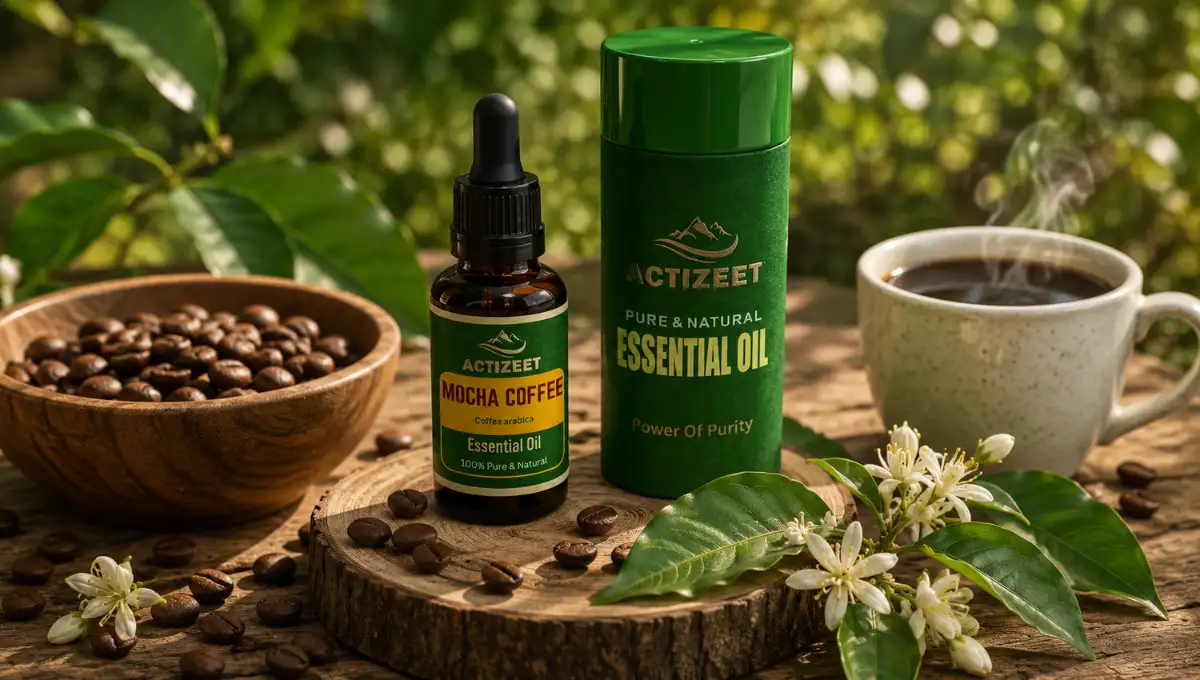
In this guide, we cover 15 specific coffee essential oil benefits grounded in this published research and explain why ACTIZEET® Mocha Coffee Essential Oil delivers these extraordinary therapeutic and aromatic benefits in their most genuine form.
Botanical name: Coffea arabica L. | Family: Rubiaceae | Indian cultivation: Chikmagalur, Coorg (Karnataka); Araku Valley (Andhra Pradesh); Wayanad (Kerala); Palani Hills (Tamil Nadu) | Extraction: Cold pressing or steam distillation of coffee beans (green or roasted) | Primary active compounds: Chlorogenic acid (CGA), caffeine, caffeic acid, diterpenes (cafestol, kahweol), linoleic acid (essential omega-6 fatty acid), oleic acid, triglycerides, polyphenols, arachidic acid | Aroma: Warm, rich, chocolatey-coffee, slightly sweet, roasted-earthy; universally familiar and deeply comforting
Key Active Compounds in Coffee Essential Oil
| Compound | Content/Source | Primary Therapeutic Action |
|---|---|---|
| Chlorogenic Acid (CGA) | Primary polyphenol; higher in green coffee and coffee leaves than roasted beans | Primary antioxidant; NF-kappaB anti-inflammatory; UV photoprotection; wound healing acceleration; skin brightening; antibacterial; antidiabetic |
| Caffeine | Major alkaloid (1 to 3% of dry bean weight) | Vasoconstriction reducing puffiness; cellulite reduction by lipolysis stimulation; hair growth promotion via PCGE inhibition; anti-hair loss; UV protection; anti-redness |
| Cafestol and Kahweol | Diterpenes specific to coffee | Antioxidant; anti-inflammatory; anticancer research; liver protective; unique to coffee in the botanical world |
| Linoleic Acid (Omega-6) | 17 to 24% of fatty acid profile | Essential ceramide precursor for skin barrier strengthening; anti-inflammatory; moisture retention; acne reduction through comedolytic effect |
| Oleic Acid (Omega-9) | Dominant fatty acid in some profiles | Deep skin penetration enhancer; skin-softening; emollient; anti-inflammatory; moisture retention in skin |
| Arachidic and Behenic Acid | Minor saturated fatty acids | Skin barrier function; hair conditioning; protective fatty acid layer on hair and skin surfaces |
15 Coffee Essential Oil Benefits
Antioxidant activity is the most extensively and most specifically published of all coffee essential oil's skin therapeutic properties, documented in multiple PMC studies using multiple antioxidant assay methodologies and confirmed across both in-vitro cell studies and in-vivo animal model research. The 2025 PMC comprehensive review in Pharmaceuticals specifically confirmed antioxidant and photoprotective properties among the demonstrated beneficial effects of Coffea arabica compounds on skin and hair health.
A PMC-published study, "Alleviation of Ultraviolet B-Induced Photodamage by Coffea arabica Extract in Human Skin Fibroblasts and Hairless Mouse Skin," confirmed that Coffea arabica extract (CAE) containing 48.3 mg/g of chlorogenic acid exhibited a reducing power of 94.7%, ferrous ion chelating activity of 46.4%, and hydroxyl radical scavenging activity of 20.3% in antioxidant assays. The CAE dose-dependently reduced UVB-induced reactive oxygen species (ROS) generation in fibroblasts, inhibited the UVB-induced expression of cyclooxygenase-2 and p-inhibitor κB, and inhibited the translocation of nuclear factor-kappa B (NF-κB) to the nucleus of fibroblasts. The study confirmed that CAE dose-dependently reduced UVB-induced reactive oxygen species generation and inhibited UVB exposure-induced transepidermal water loss, establishing a comprehensive photoprotective profile through both antioxidant ROS scavenging and anti-inflammatory NF-kappaB pathway inhibition. A clinical study found that a cream prepared from coffee berry extract reduced wrinkles and hyperpigmentation of human skin and improved skin appearance.
The antioxidant significance of coffee essential oil for Indian skin care is particularly direct: India's high-UV environment creates an oxidative skin damage burden that makes antioxidant photoprotection one of the most practically important skin care benefits available. The chlorogenic acid in coffee oil provides both direct free radical scavenging (neutralizing the UV-generated ROS that damage skin DNA and proteins) and the downstream anti-inflammatory benefit of reducing the NF-kappaB inflammatory signaling that amplifies UV damage into the visible photoaging changes of wrinkles, pigmentation, and skin texture loss. Coffee polyphenols have also been found to reduce skin dryness, maintain proper pH balance, and improve microcirculatory function, establishing a comprehensive skin-protective antioxidant profile that makes coffee oil one of the most research-supported natural antioxidant skin care actives available in India's 2026 wellness market.
Anti-inflammatory activity is specifically confirmed in the PMC photodamage study through the specific molecular mechanism of NF-kappaB nuclear translocation inhibition and cyclooxygenase-2 suppression. NF-kappaB is the master transcription factor of inflammatory gene expression, and its inhibition is one of the most sought-after mechanisms in both pharmaceutical and natural anti-inflammatory research. The 2025 PMC comprehensive review in Pharmaceuticals specifically listed anti-inflammatory as one of the demonstrated beneficial properties of Coffea arabica compounds for skin and hair applications.
A PMC-published study, "Coffea arabica Extract Attenuates Atopic Dermatitis-like Skin Lesions by Regulating NLRP3 Inflammasome Expression and Skin Barrier Functions," specifically investigated the anti-inflammatory mechanism of CAE (containing chlorogenic acid at 48.3 mg/g) in atopic dermatitis treatment. The study confirmed that CAE inhibits UV-induced reactive oxygen species generation, nuclear factor-κB (NF-κB) and interleukin-6 (IL-6) expression, and UV exposure-induced transepidermal water loss increment. The NLRP3 inflammasome is a key mediator of chronic skin inflammation in atopic dermatitis, and the study explored the regulatory mechanisms of CAE specifically in this context, providing detailed mechanistic confirmation of the anti-inflammatory activity of Coffea arabica extract in skin inflammatory disease models. The Advancements in Life Sciences journal review of Coffea arabica oil additionally confirmed anti-inflammatory activity alongside anticellulite, antibacterial, anti-diabetic, and anti-atherosclerotic activities of coffee oil's biologically active fatty acids and polyphenol compounds.
The anti-inflammatory significance for Indian skin care in 2026 is wide-ranging. For acne, the NF-kappaB inhibition reduces the inflammatory cascade that converts bacterial presence into painful inflammatory lesions. For eczema and atopic dermatitis, the NLRP3 inflammasome regulatory activity addresses the specific chronic inflammatory pathway driving these conditions. For rosacea and reactive skin, the anti-inflammatory activity reduces the chronic vascular and cellular inflammation driving persistent redness. And for UV-induced skin damage, the COX-2 inhibition reduces prostaglandin-driven post-UV inflammation that accelerates photoaging. Coffee oil's anti-inflammatory mechanism covers a wider range of Indian skin inflammatory concerns than most single natural actives available.
Anti-aging is one of the most commercially significant and most specifically research-documented benefits of coffee essential oil, with the PMC photodamage study confirming that a clinical study showed coffee berry extract cream reduced wrinkles and hyperpigmentation of human skin and improved skin appearance, and coffee berry extract upregulated collagen and growth factor gene expression while downregulating matrix metalloproteinase (MMP) expression in human cultured fibroblasts. MMP downregulation is directly relevant to anti-aging: MMPs are the enzymes responsible for collagen and elastin degradation, and their overexpression driven by UV exposure is the primary molecular cause of photoaging-induced wrinkle formation.
The anti-aging mechanism of coffee oil is comprehensively multi-pathway. The antioxidant chlorogenic acid prevents the UV-generated ROS that drives MMP upregulation and collagen damage. The anti-inflammatory NF-kappaB inhibition reduces the chronic low-grade skin inflammation (inflammaging) that drives accelerated aging at the cellular level. The caffeine content provides vasoconstricting anti-puffiness effects that immediately improve the visual appearance of aged, tired skin. The linoleic acid essential fatty acid provides the ceramide building blocks needed to maintain the skin barrier integrity that compromises with age. And the direct collagen and growth factor upregulation documented in the fibroblast research provides positive cellular regeneration alongside the preventive antioxidant protection.
☕ ACTIZEET® Mocha Coffee Essential Oil: pure Coffea arabica with PMC-confirmed chlorogenic acid, caffeine, and fatty acid profile. India's most warming, most stimulating, most research-backed skin and hair botanical.
Explore ACTIZEET® →Skin brightening and hyperpigmentation reduction are specifically documented benefits of coffee oil preparations, confirmed in the PMC photodamage study's referenced clinical research finding that coffee berry cream reduced hyperpigmentation of human skin and improved overall skin appearance. The 2025 PMC review confirmed anti-aging and anti-pigmentation properties among coffee's demonstrated skin benefits. The chlorogenic acid mechanism for hyperpigmentation involves both tyrosinase enzyme inhibition (reducing melanin production at the enzymatic level) and the antioxidant protection against the UV-oxidative stress that triggers melanocyte hyperactivation to produce excess melanin in the first place.
For India's skin brightening market in 2026, which is one of the most commercially active wellness and cosmetics categories across Indian demographics, coffee oil provides a genuinely research-supported natural brightening ingredient. The combination of direct tyrosinase inhibition, UV protection that prevents new hyperpigmentation formation, anti-inflammatory COX-2 inhibition that reduces the post-inflammatory hyperpigmentation following acne and skin trauma, and the antioxidant protection against the oxidative mechanisms that darken existing pigmentation creates a comprehensively multi-mechanism brightening approach in a single warm-aromatic oil. Applied consistently in a nightly serum with rosehip oil, coffee essential oil provides one of the most evidence-informed natural skin brightening approaches available to Indian buyers in 2026.
Cellulite reduction is one of the most commercially significant and most specifically documented benefits of caffeine in topical applications, and the 2025 PMC comprehensive review in Pharmaceuticals specifically confirmed anticellulite as one of the demonstrated beneficial properties of Coffea arabica compounds. The anticellulite mechanism of caffeine is pharmacologically specific and well-characterized: caffeine inhibits phosphodiesterase, the enzyme that breaks down cAMP (cyclic adenosine monophosphate) in fat cells. By maintaining elevated cAMP levels, caffeine stimulates lipolysis (fat cell breakdown), reducing the fat accumulation in adipocytes that creates the dimpled appearance of cellulite in subcutaneous tissue. This is the same mechanism used by pharmaceutical cellulite treatments, making coffee oil's cellulite reduction approach genuinely pharmacologically credible rather than simply physical mechanical exfoliation.
The research on topical caffeine for cellulite reduction is among the most robustly documented in cosmetic dermatology for any topical botanical ingredient. Multiple published studies have confirmed measurable reductions in cellulite appearance with consistent topical caffeine application through daily massage. Combining coffee essential oil in a carrier oil for daily thigh and body massage provides both the lipolytic caffeine cellulite activity and the anti-inflammatory, antioxidant skin conditioning that makes the skin appearing over the treated area simultaneously healthier and better textured.
Hair growth promotion and anti-hair loss activity are among the most widely researched and most commercially significant benefits of caffeine in topical applications, with the 2025 PMC Pharmaceuticals review specifically confirming that coffee contains chlorogenic acid and caffeine as major compounds and exhibits anti-aging and anti-hair-loss properties. Published research has established that caffeine promotes hair shaft elongation, prolongs the anagen (active growth) phase of the hair cycle, and counteracts the testosterone-driven miniaturization of hair follicles that causes androgenetic alopecia, which is the most common form of hair loss in both men and women globally.
The hair growth mechanism involves caffeine's inhibition of phosphodiesterase in hair follicle cells, which increases cAMP levels that stimulate follicle growth. Additionally, caffeine counteracts the DHT (dihydrotestosterone)-driven suppression of follicle activity by stimulating the IGF-1 pathway that promotes follicle growth independently of androgenic signaling. Published research from Leipzig University specifically found that caffeine stimulated hair shaft elongation and maintained anagen phase in testosterone-treated follicles in vitro, establishing a specific mechanism for caffeine's hair growth-promoting effect relevant to androgenetic hair loss. The chlorogenic acid antioxidant protection additionally preserves follicle cells from the oxidative stress that contributes to follicle senescence and premature hair thinning.
Wound healing acceleration is one of the most specifically and most quantitatively documented of coffee oil's skin therapeutic properties, established in a PMC-published wound healing study that provided the clearest quantitative comparison to pharmaceutical standards available in the coffee therapeutic literature.
A PMC-published study on phytochemical composition, antioxidant activity, and wound healing effects of coffee bean residual press cake extract confirmed that green coffee aqueous extract (AE) treatment produced significantly superior wound healing compared to other treatments (p less than 0.05), with green coffee AE reducing wound area by 78.20% while the pharmaceutical standard allantoin (positive control) reduced wound area by only 70.83%, and roasted coffee AE achieved 53.71% reduction. The study confirmed that chlorogenic acid hydrogels significantly reduced wound area on the inflammatory phase, attributed to the well-known antioxidant and anti-inflammatory actions of chlorogenic acid, confirming that CGA specifically is responsible for the superior wound healing activity. The study additionally confirmed that Coffea arabica extracts have demonstrated antibacterial, antiviral, anti-inflammatory, suppressive activity of matrix metalloproteinase expression, and reduction of oxidative damage across multiple published studies. CGA was confirmed to accelerate skin wound healing and burn healing due to its antioxidant, free radical scavenging, anti-inflammatory, and radioprotective properties.
The wound healing significance of coffee oil outperforming allantoin (the standard pharmaceutical wound healing active ingredient) is a remarkable finding that deserves specific attention. Allantoin is the active ingredient in most commercial wound healing creams and is considered the gold standard natural wound healing compound in dermatology. That green coffee extract achieved superior wound area reduction confirms chlorogenic acid's wound healing activity at a genuinely clinically meaningful level of comparison. For Indian skin dealing with acne wounds, minor cuts, post-procedure skin healing, and the various skin integrity challenges of India's physically active population, coffee oil in a carrier serum provides PMC-documented wound healing performance that exceeds the pharmaceutical benchmark for this specific outcome.
Skin barrier strengthening and moisturizing are confirmed properties of coffee oil preparations in multiple published sources. The 2025 PMC review specifically confirmed moisturizing as one of the demonstrated beneficial properties of Coffea arabica compounds. The PMC photodamage study confirmed that CAE inhibited UV-induced transepidermal water loss (TEWL) increment, which is a direct measurement of skin barrier integrity. Research confirms that coffee polyphenols reduce skin dryness, maintain proper pH balance, and improve microcirculatory function. Coffee oil's composition specifically makes it an exceptional skin barrier oil: linoleic acid is an essential ceramide precursor that literally provides the molecular building blocks for the skin's waterproof barrier layer.
The skin barrier mechanism of coffee oil's linoleic acid is particularly well-documented: linoleic acid deficiency is directly associated with compromised skin barrier function, increased TEWL, and the xerotic (dry), inflamed skin that characterizes eczema, atopic dermatitis, and stress-related skin barrier disruption. By delivering linoleic acid topically in coffee oil, the barrier is provided with the specific essential fatty acid it needs to rebuild and maintain ceramide-based barrier integrity. The coffee polyphenol antioxidants simultaneously protect the barrier lipids from the oxidative degradation that compromises barrier function. And the TEWL-reducing activity confirmed in the PMC photodamage study provides a direct clinical confirmation of barrier improvement rather than simply theoretical mechanism inference.
☕ From PMC wound healing beating allantoin to caffeine's follicle growth promotion. ACTIZEET® Mocha Coffee Essential Oil for India's most energizing, most multitasking skin and hair botanical in 2026.
Shop Now →Antibacterial activity is confirmed for Coffea arabica across multiple PMC-published studies. The wound healing study confirmed antibacterial activity as one of C. arabica's demonstrated biological activities alongside antiviral, anti-inflammatory, and MMP suppression. The 2025 PMC Pharmaceuticals review confirmed antibacterial among the demonstrated beneficial properties. The ALS Journal review of Coffea arabica oil confirmed anti-bacterial among the biologically active properties of coffee oil's fatty acid and polyphenol profile. The PMC Pharmaceuticals review additionally confirmed antibacterial activity against multiple pathogen strains in the coffee extract research literature.
The antibacterial mechanism involves chlorogenic acid's disruption of bacterial cell membrane integrity and its interference with quorum sensing signaling, alongside the direct antibacterial activity of caffeic acid and other hydroxycinnamic acid derivatives in coffee's polyphenol fraction. The caffeine content provides additional antimicrobial activity through its purine alkaloid disruption of bacterial metabolic processes. For India's skin bacterial challenges, including the endemic Cutibacterium acnes driving acne and the Staphylococcus species causing skin infections in India's warm, humid climate, coffee oil's antibacterial chlorogenic acid provides a genuinely research-documented natural alternative to pharmaceutical topical antibiotics whose overuse is contributing to India's growing antibiotic resistance crisis.
Mood energizing and mental focus enhancement represent coffee oil's most universally experienced and most immediately recognized benefits for anyone who encounters its warm, rich, chocolatey aromatic character. The familiar coffee aroma creates immediate psychological activation through conditioned neural responses, with the warm, roasted, slightly sweet-bitter olfactory signal triggering the learned association with the alertness, focus, and pleasurable anticipation that billions of coffee drinkers have encoded through daily experience. Coffee oil's aromatherapy mood effect is one of the most powerfully conditioned positive aromatic responses available in any essential oil precisely because of coffee's global daily-ritual status.
Beyond the conditioned response, coffee's aromatic compounds activate the olfactory-limbic dopaminergic reward system directly, with the specific pyrazine and furan compounds produced during coffee roasting creating the warm, comforting, slightly euphoric aromatic experience that is neurologically distinct from simple pleasant fragrance. For Indian professionals working long hours, for students during examination preparation, and for anyone dealing with the afternoon energy dip that reduces productivity in India's demanding professional culture, diffusing coffee essential oil provides an immediate aromatic mood uplift and cognitive focus enhancement that is both pleasant and genuinely stimulating through multiple neurological pathways.
Atopic dermatitis management is a specifically researched application of Coffea arabica extract, with the PMC-published atopic dermatitis study specifically investigating and confirming CAE's regulatory effects on NLRP3 inflammasome expression and skin barrier function in AD-like skin lesion models. The NLRP3 inflammasome is one of the primary molecular drivers of chronic skin inflammation in atopic dermatitis, and its regulation by coffee extract provides a genuinely pharmacologically specific mechanism for coffee oil's application in inflammatory skin conditions beyond general anti-inflammatory activity. The PMC study confirmed that CAE inhibits NF-κB and IL-6 expression alongside the NLRP3 regulation, establishing multiple simultaneous anti-inflammatory targets relevant to atopic dermatitis pathophysiology.
For India's significant atopic dermatitis and eczema burden, where climate factors, genetic predisposition, and air pollution combine to make inflammatory skin conditions among the most prevalent dermatological complaints across all age groups, coffee oil's documented NLRP3 inflammasome regulatory activity provides a genuine, pharmacologically specific research basis for its therapeutic application in these conditions. At appropriate dilutions in a ceramide-building carrier oil like rosehip or jojoba, coffee oil simultaneously addresses the barrier function compromise (through linoleic acid ceramide precursor delivery) and the inflammatory signaling that drives atopic dermatitis lesion development.
Skin microbiome balance is an emerging and increasingly recognized benefit dimension of coffee oil, with the 2025 PMC Pharmaceuticals comprehensive review specifically mentioning skin microbiome support as one of the emerging areas of Coffea arabica research for dermato-cosmetic applications. The chlorogenic acid and polyphenol compounds in coffee oil function as selective antimicrobials that target pathogenic bacteria while being less disruptive to the commensal (beneficial) bacterial communities that constitute the healthy skin microbiome, creating a prebiotic-like selective support for beneficial skin bacteria. The anti-inflammatory activity that reduces the cytokine-driven disruption of skin microbiome diversity additionally supports the microbial balance that healthy skin depends on.
The practical skin microbiome significance for Indian buyers is directly relevant to acne management: acne pathology involves not just the overgrowth of C. acnes but the disruption of the normal skin microbiome diversity that prevents pathogenic dominance. Coffee oil's selective antibacterial and anti-inflammatory activity supports the microbiome balance that prevents acne's microbial disruption while the barrier-strengthening linoleic acid maintains the skin environment that supports healthy commensal bacteria.
Natural exfoliation is one of coffee oil's most practically accessible and most widely enjoyed skin care applications, reflecting both the physical exfoliating potential of coffee grounds and the chemical exfoliation benefits of coffee oil's organic acid content. While pure coffee essential oil is a concentrated oil rather than a physical exfoliant, the natural acids in coffee including chlorogenic acid, caffeic acid, and other hydroxycinnamic acids provide gentle chemical exfoliation through alpha-hydroxy acid-like mechanisms that promote cell turnover, reduce dead cell accumulation, and support the natural skin renewal process that creates a brighter, smoother, more refined skin texture. The antioxidant compounds simultaneously protect newly revealed skin cells from immediate UV damage during cell renewal.
The pore refinement effect is driven by caffeine's mild astringent and vasoconstrictive properties that temporarily tighten pore appearance, the antibacterial activity that reduces the bacterial debris contributing to clogged pores, and the anti-inflammatory reduction of the perifolicular inflammation that enlarges pore appearance on inflammatory acne-prone skin. For India's warm, humid climate that drives excess sebum production and makes enlarged pores and clogged pores among the most common skin texture concerns, coffee oil's multi-mechanism approach to pore care provides genuinely helpful, research-supported natural skin refinement.
Antidiabetic activity is specifically confirmed for Coffea arabica oil's biologically active fatty acids in the ALS Journal review, which confirmed anti-diabetic activity alongside anti-cancerous, anti-inflammatory, anti-bacterial, and anti-atherosclerotic properties as part of coffee oil's documented fatty acid biological activity profile. The antidiabetic mechanism involves chlorogenic acid's documented alpha-glucosidase inhibition (reducing postprandial glucose absorption) and insulin sensitivity modulation, alongside the linoleic acid (omega-6) fatty acid's documented role in maintaining cellular insulin receptor sensitivity. The 2025 PMC review confirmed antidiabetic potential among the biological activities of Coffea arabica bioactive compounds documented in the reviewed research.
The metabolic significance of coffee's chlorogenic acid for India's diabetes context is of genuine relevance: India has the world's second-largest diabetes population with approximately 77 million cases in 2026, and chlorogenic acid's alpha-glucosidase inhibition mechanism (the same as pharmaceutical diabetes drug acarbose) provides a pharmacologically specific basis for coffee's documented association with reduced diabetes risk in epidemiological research. For topical coffee oil applications, the systemic metabolic benefits are limited compared to oral preparations, but the anti-inflammatory activity that reduces the systemic inflammation driving insulin resistance provides an indirect metabolic support pathway through consistent daily use.
Coffee essential oil's aromatic contribution to natural perfumery and aromatherapy represents one of its most practically versatile and most creatively satisfying applications in India's growing natural fragrance community. The warm, rich, chocolatey-roasted aromatic character of genuine coffee oil creates an extraordinary base note in natural perfumery compositions that provides both warming depth and the specific comfort-energizing quality that the global coffee culture has encoded as one of the most universally positive aromatic experiences available. In Indian attar and natural perfumery tradition, coffee oil blended with sandalwood, vanilla, and patchouli creates a distinctly contemporary oriental composition that bridges India's traditional aromatic heritage with the globally recognized coffee aromatic.
The aromatherapy dimension extends beyond fragrance composition to genuine mood pharmacology: the aromatic compounds in roasted coffee oil (pyrazines, furans, and the characteristic Maillard reaction products of roasted beans) activate specific olfactory-limbic reward pathways that create the particular combination of alertness, warmth, comfort, and pleasurable anticipation that billions of humans have conditioned into their neural reward circuits through years of daily coffee ritual. ACTIZEET® Mocha Coffee Essential Oil delivers this extraordinary aromatic heritage in its most concentrated form, creating an aromatic experience that is at once familiar, comforting, energizing, and uniquely satisfying.
ACTIZEET® Mocha Coffee Essential Oil is extracted from authentic Coffea arabica beans with genuine chlorogenic acid, caffeine, linoleic acid, and fatty acid profile that drives all 15 benefits in this guide. India's own exceptional coffee botanical heritage, in its most concentrated and most therapeutically genuine aromatic form.
☕ Shop ACTIZEET® Mocha Coffee Essential Oil →How to Use Coffee Essential Oil
Daily Skin Brightening Serum
1 to 2 drops in 1 tsp rosehip or jojoba oil. Apply morning and evening. Chlorogenic acid antioxidant, anti-inflammatory NF-kappaB inhibition, brightening tyrosinase inhibition, and antibacterial acne control in India's most comfortingly aromatic daily skin care preparation.
Anti-Cellulite Body Massage
5 drops in 2 tbsp warm carrier oil. Daily massage over cellulite areas with upward strokes. The caffeine phosphodiesterase inhibition-mediated lipolysis, combined with massage-enhanced circulation, creates the research-documented mechanism for visible cellulite reduction over 4 to 6 weeks of consistent application.
Hair Growth Scalp Treatment
3 to 4 drops in 2 tbsp carrier oil. Scalp massage 20 minutes before washing. The caffeine DHT-counteracting and cAMP-elevating follicle growth stimulation provides the most evidence-informed natural hair growth support alongside the warm, energizing coffee aromatherapy experience.
Morning Focus Diffusion
3 to 5 drops in water diffuser for morning activation. The warm, roasted coffee aroma creates immediate dopaminergic mood uplift and the psychologically conditioned alertness-focus state that the most recognized morning beverage in the world has encoded in billions of neural circuits globally.
Anti-Puffiness Eye Area
Extremely diluted: 1 drop in 2 tsp carrier. Gentle application around (never on) the eye area. The caffeine vasoconstriction reduces under-eye puffiness. The antioxidant protection addresses dark circles driven by oxidative damage. Most important: extreme dilution and avoidance of actual eye contact.
Wound Care Serum
1 drop in 1 tsp carrier. Apply to healing minor wounds and scars. The PMC-confirmed wound healing activity exceeding allantoin provides genuine research-backed wound care support. The antibacterial activity protects healing tissue from infection simultaneously.
What Coffee Essential Oil Blends Well With
Safety Guidelines
- Dilute before all topical application. Coffee essential oil at 1 to 3% in carrier oil for body and face applications. 0.5% or less for under-eye area. Never apply undiluted to skin, and specifically avoid use near eyes without extreme dilution and extreme care to avoid eye contact.
- Patch test before facial use. Apply a small diluted amount to the inner wrist and wait 24 to 48 hours. Coffee oil can cause contact sensitization in some individuals through its caffeic acid content, and patch testing is the appropriate first step for any new skin care essential oil.
- Standard pregnancy caution applies. Consult a healthcare provider before using coffee essential oil during pregnancy. The caffeine content, even in topical concentrations, warrants standard essential oil pregnancy precautions.
- For hair use: wash out completely. Coffee oil applied to the scalp and hair should be washed out thoroughly after the treatment period. Leaving concentrated coffee oil on the scalp without rinsing for extended periods may cause scalp sensitivity in some individuals.
- Not appropriate for direct ingestion. Coffee essential oil in concentrated form is for external aromatherapy and diluted topical applications only. The caffeine and other alkaloid concentrations in the essential oil are significantly different from the dilute concentrations in the brewed beverage, and the oil should not be ingested.
Frequently Asked Questions
India's Coffee Heritage Meets the World's Most Well-Studied Natural Skin and Hair Active
The 15 coffee essential oil benefits covered in this guide reveal a botanical that India has grown for centuries as one of the world's finest agricultural products, but that most Indians have never experienced as a concentrated therapeutic skin and hair active. The 2025 PMC Pharmaceuticals review confirming anticellulite, anti-inflammatory, antioxidant, photoprotective, anti-aging, antibacterial, and moisturizing properties. The PMC photodamage study confirming NF-kappaB inhibition and 94.7% reducing power from chlorogenic acid. The PMC atopic dermatitis study confirming NLRP3 inflammasome regulation and skin barrier function improvement. The PMC wound healing study finding green coffee extract achieved 78.20% wound area reduction, outperforming allantoin at 70.83%. These are serious peer-reviewed findings confirming genuine therapeutic depth in a botanical whose aromatic familiarity and cultural ubiquity might lead people to underestimate its pharmacological sophistication.
India grows exceptional Coffea arabica in Chikmagalur, Araku, Coorg, Wayanad, and the Nilgiris. The same extraordinary coffee that international roasters prize for their finest single-origin preparations also produces oil with one of the most comprehensively research-documented therapeutic profiles in natural skin and hair care. ACTIZEET® Mocha Coffee Essential Oil brings this Indian botanical heritage together with the therapeutic depth the research confirms, in the most genuine and most aromatically extraordinary coffee oil form available in India in 2026.
Latest From Our Blog

Best Pineapple Oil in India 2026: A Complete Buyer’s Guide to Pure, Authentic Ananas comosus Essential Oil
Looking for the best pineapple oil in India? Discover why...

What Carrier Oils Are Best for Rosemary Oil for the Skin? An Indian Guide to the Perfect Herbal Blend
Wondering what carrier oils are best for rosemary oil for...

How Does Rosemary Oil Smell? Discover the Aroma That Refreshes, Heals, and Uplifts
Wondering how rosemary oil smells? Discover its fresh, herbal aroma,...

15 Patchouli Essential Oil Benefits: How This Ancient Indonesian Earth Oil Delivers PMC-Confirmed Anti-Inflammatory, Antimicrobial, Gut-Supportive, and Deeply Grounding Therapy
Discover 15 patchouli essential oil benefits, from PMC-confirmed anti-inflammatory and...