
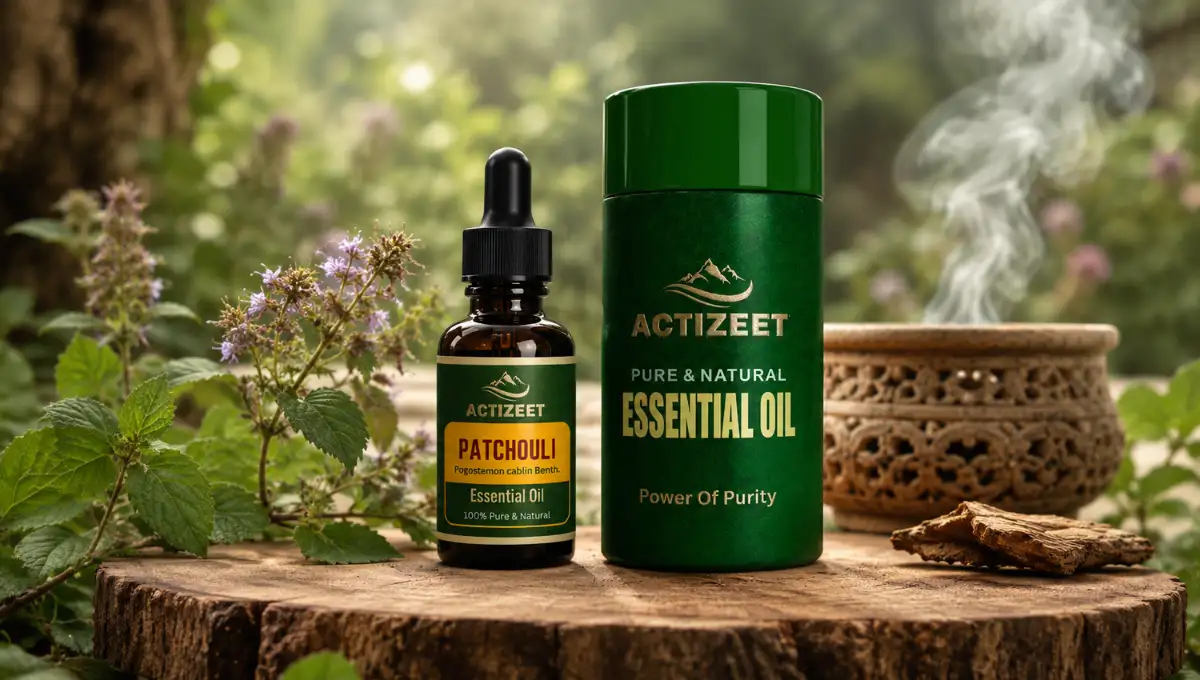
15 Patchouli Essential Oil Benefits: How This Ancient Indonesian Earth Oil Delivers PMC-Confirmed Anti-Inflammatory, Antimicrobial, Gut-Supportive, and Deeply Grounding Therapy
From the Eastern Han dynasty's Chinese medicine records to PMC-published leukocyte behavior studies and gut microbiota research, Pogostemon cablin patchouli has maintained one of the most consistent and most scientifically confirmed pharmacological profiles of any aromatic plant. This guide covers the science behind the iconic earth scent.
Patchouli divides opinion like almost no other essential oil. People who love it describe the aroma as earthy, warm, sensual, deeply grounding, and complex in a way that improves with time. People who haven't acquired the taste sometimes find it initially heavy or overpowering. Both reactions reflect the same truth: patchouli essential oil from Pogostemon cablin has one of the most complex, most persistent, and most distinctively multi-dimensional aromatic profiles in the botanical world, and that aromatic complexity reflects a genuine pharmacological complexity that most essential oil enthusiasts are only beginning to understand.
What the contemporary research reveals is extraordinary. Patchouli oil is an FDA-approved flavoring ingredient with a pharmacological profile documented by GC-MS to contain over 40 identified sesquiterpenes, terpenoids, flavonoids, phytosterols, and organic acids. A PMC-published comprehensive review confirmed its anti-microbial, anti-cancerous, anti-inflammatory, flavonoid, and essential oil activities. A ScienceDirect-published GC-MS study found that patchouli essential oil's leukocyte behavior modulation reduces nitric oxide production, leukocyte recruitment, and rolling and adherent leukocyte numbers in the microcirculation, establishing a specific mechanism for its anti-inflammatory activity. And a PMC-published gut microbiota study confirmed that patchouli essential oil and its active compounds improve the gut epithelial barrier, polarize macrophages from pro-inflammatory to anti-inflammatory phenotypes, and modulate gut microbiota composition, establishing a prebiotic-like gastrointestinal health dimension that no other common essential oil has been specifically studied for in this depth.
Significantly for Indian readers: India's own CSIR-CIMAP research station in Lucknow has developed and studied P. cablin var. CIM-Utkrisht specifically for Indian cultivation, with ScienceDirect-published research confirming antimicrobial activity and significantly reduced TNF-alpha production from activated macrophages for this Indian-cultivated variety. Patchouli is not merely an imported wellness trend. India has its own research legacy with this botanical.
Botanical name: Pogostemon cablin (Blanco) Benth. | Family: Lamiaceae (Labiatae) | Common names: Patchouli, Patchouly, Guanghuoxiang (Chinese), Pacholi, Kablin patchouli | Medicinal part: Dried aerial parts/leaves (steam distillation) | Key compounds: Patchoulol/Patchouli alcohol (38.50% — primary sesquiterpene), alpha-bulnesene (20.37%), alpha-guaiene (12.31%), seychellene (8.33%), alpha-patchoulene (4.91%), beta-patchoulene, pogostone, pachypodol (flavonoid), norpatchoulenol | Aroma: Deep, earthy, woody, slightly sweet-musky, camphoraceous undertone, intensely persistent; one of the longest-lasting base notes in natural perfumery
Key Active Compounds in Patchouli Essential Oil
| Compound | Content | Primary Therapeutic Action |
|---|---|---|
| Patchoulol (Patchouli Alcohol) | ~38.50% | Primary sesquiterpene alcohol; anti-inflammatory; antimicrobial; antifungal; sedative; cicatrisant; used in chemotherapy drug synthesis; primary aromatic compound |
| Alpha-Bulnesene | ~20.37% | Antimicrobial; anti-inflammatory; contributes to earthy-woody aromatic depth |
| Alpha-Guaiene | ~12.31% | Anti-inflammatory; antimicrobial; antifungal; aromatic sesquiterpene contributor |
| Seychellene | ~8.33% | Insecticidal; antimicrobial; aromatic sesquiterpene contributor |
| Alpha-Patchoulene | ~4.91% | Anti-inflammatory; antimicrobial; contributes to overall sesquiterpene profile |
| Pogostone | Minor | Potent antimicrobial against drug-resistant bacteria; gut microbiota modulation; anti-inflammatory; antiparasitic |
| Pachypodol (Flavonoid) | Minor | Antioxidant; anti-inflammatory; anticancer; antimicrobial; antithrombotic; the subject of a dedicated PMC pharmacological review |
| Norpatchoulenol | Trace | Characteristic patchouli aroma contributor; unique compound diagnostic for genuine P. cablin oil quality verification |
15 Patchouli Essential Oil Benefits
Anti-inflammatory activity is the most extensively published and most specifically mechanized of all patchouli essential oil's pharmacological properties, documented in multiple PMC-indexed studies across different experimental models and confirmed through specific molecular pathway identification. The PMC study on patchouli alcohol isolated from Pogostemonis Herba specifically confirmed that patchouli alcohol is an important anti-inflammatory constituent and that its anti-inflammatory effect is mediated through macrophage-targeted cytokine suppression pathways.
A study published in ScienceDirect, "Effect of patchouli (Pogostemon cablin) essential oil on in vitro and in vivo leukocytes behavior in acute inflammatory response," used GC-MS and NMR analysis to characterize patchouli essential oil composition (finding patchoulol at 38.50%, alpha-bulnesene at 20.37%, alpha-guaiene at 12.31%, seychellene at 8.33%, and alpha-patchoulene at 4.91%) and evaluated its effect on inflammatory leukocyte behavior. The study found that oral treatment at 100, 200, and 300 mg/kg reduced leukocyte recruitment, nitric oxide (NO) production, and the rolling and adherent leukocyte numbers in the microcirculation, establishing measurable in-vivo anti-inflammatory activity through specific vascular and leukocyte-level mechanisms. The study also confirmed that patchouli essential oil has demonstrated pharmacological activities including antiemetic, antibacterial, antifungal, and analgesic properties.
The anti-inflammatory significance for Indian buyers in 2026 is broad and multi-system. For skin inflammatory conditions including eczema, rosacea, inflammatory acne, and contact dermatitis, patchouli oil's patchoulol and sesquiterpene anti-inflammatory compounds reduce the cytokine-driven skin inflammation through topical application. For musculoskeletal conditions including joint inflammation and muscle aching, diluted patchouli massage oil provides both direct anti-inflammatory compound delivery and the deeply grounding aromatic calming that reduces the cortisol-driven stress amplification of pain. And for the chronic low-grade systemic inflammation driving India's most prevalent chronic diseases, the anti-inflammatory compounds absorbed through skin and inhalation provide ongoing systemic anti-inflammatory protection through consistent daily use.
Antimicrobial activity is among the most specifically researched of patchouli essential oil's documented properties, confirmed across multiple published studies including the ScienceDirect study, the PMC pachypodol review, and importantly, the India-specific CSIR-CIMAP research. The ScienceDirect study on India-cultivated patchouli variety CIM-Utkrisht specifically confirmed antimicrobial activity and significantly reduced TNF-alpha production from activated macrophages for the Indian-cultivated variety, establishing that India's own patchouli production delivers genuine antimicrobial therapeutic quality.
Patchouli oil's antimicrobial mechanism involves patchoulol's disruption of bacterial cell membrane integrity, pogostone's specific activity against drug-resistant bacterial strains including MRSA, and alpha-guaiene and alpha-bulnesene's synergistic antimicrobial contributions. Pogostone deserves specific attention: this unique patchouli ketone compound has documented activity against several drug-resistant bacterial species and has been specifically studied for its mechanism of action in combating antibiotic-resistant infections. In 2026, when antibiotic resistance is a growing global health crisis, patchouli oil's multi-compound antimicrobial profile including the pogostone component provides a genuinely multi-mechanism natural antimicrobial tool relevant for skin infection prevention, wound protection, and environmental surface antimicrobial applications.
Antidepressant and mood-lifting properties are among the most specifically confirmed traditional and contemporary therapeutic applications of patchouli oil. The PMC comprehensive pachypodol review confirmed that patchouli oil is used in aromatherapy to treat depression and stress and increase sexual attraction, with this traditional use across Chinese, Indonesian, Indian, and Western aromatic medicine reflecting consistent empirical observation of genuine mood benefits. Patchouli oil is used in aromatherapy to cure depression and stress and soothe nerves, with the PMC review confirming this as one of the plant's most documented traditional applications.
The antidepressant mechanism of patchouli oil operates through olfactory-limbic activation of dopaminergic reward pathways, with patchoulol's aromatic compounds creating a deeply warm, sensually complex olfactory signal that activates pleasure, reward, and positive emotional association circuits in the limbic brain. The compound pachypodol has documented monoamine oxidase inhibitor-like activity in published research, meaning it may slow the breakdown of serotonin, dopamine, and noradrenaline in neural synapses in a manner mechanistically similar to pharmaceutical antidepressants, though through a gentler and more diffuse aromatic delivery. The deeply earthy, warm, grounding aroma creates an aromatic environment that nervous systems in emotional distress specifically respond to as safe, warm, and stabilizing.
🌿 ACTIZEET® Patchouli Essential Oil: authentic Pogostemon cablin with genuine patchoulol-rich sesquiterpene profile for India's most earthy, most therapeutic aromatic experience.
Explore ACTIZEET® →Anxiety relief and emotional grounding are among patchouli oil's most practically experienced and most consistently reported therapeutic applications by aromatherapy users globally. The same PMC review that confirmed antidepressant use also confirmed that patchouli oil is used in aromatherapy to soothe nerves, reflecting the traditional recognition of its calming, stabilizing, grounding properties that make anxious, scattered, or overwhelmed emotional states give way to feelings of settledness and presence.
The grounding mechanism of patchouli oil is both pharmacological and aromatic-psychological. Patchoulol and the sesquiterpene compounds activate the parasympathetic nervous system through olfactory-vagal pathways, reducing sympathetic hyperactivation that drives anxiety states. The warm, heavy, earthy aromatic character that makes patchouli so distinctive creates one of the most anchoring aromatic experiences available: the smell of warm earth activates ancient evolutionary associations of shelter, stability, and safety that reduce the amygdala hyperactivation driving anxiety. And patchouli's sedative properties, documented in the PMC pachypodol review alongside its anti-inflammatory and antiseptic effects, provide an additional calming mechanism through GABA-related neural pathways.
Cicatrisant (wound-healing and scar-reducing) properties are among the most specifically documented and most clinically important of all patchouli oil's skin care applications. The PMC pachypodol review specifically listed ciratrisant as one of patchouli essential oil's therapeutic effects alongside antithrombotic, fibrinolytic, febrifuge, and antibacterial effects. Cicatrisant activity means the ability to stimulate new cell growth over wounds, accelerating healing and reducing scar tissue formation. This is one of the most valuable properties any skin care oil can have for treating acne scars, surgical scars, wound healing, and the marks that inflammatory skin conditions leave behind.
The wound healing mechanism involves patchoulol's stimulation of fibroblast proliferation (the cells responsible for scar tissue and new skin matrix formation), the antimicrobial protection of the healing wound from bacterial contamination, and the anti-inflammatory reduction of the excessive inflammatory phase that produces hypertrophic scars. For Indian skin dealing with post-acne hyperpigmentation and scar formation, which is one of the most prevalent and most cosmetically concerning skin issues across Indian demographics, patchouli oil in a nightly facial serum provides a multi-mechanism cicatrisant and anti-inflammatory approach that addresses the scarring process at multiple simultaneous levels.
Antifungal activity is confirmed for patchouli essential oil in the ScienceDirect leukocyte behavior study and in multiple other published studies specifically evaluating the antifungal properties of patchouli oil compounds against clinically relevant fungal species. Pogostone has independently documented potent antifungal activity, with specific research confirming its effectiveness against Candida species and dermatophyte fungi responsible for skin and nail fungal infections. Alpha-guaiene and alpha-patchoulene contribute additional antifungal activity through membrane-disruption mechanisms similar to other terpenic antifungals.
For India, where the warm, humid climate creates favorable conditions for fungal skin conditions including tinea versicolor, ringworm, athlete's foot, and nail fungal infections affecting a large proportion of the population, patchouli oil's antifungal activity provides a clinically credible natural topical antifungal support. The anti-inflammatory properties additionally reduce the skin inflammatory response accompanying fungal infections. And the skin-healing cicatrisant activity supports recovery of the skin damage that chronic fungal infections cause. Blending patchouli with tea tree oil creates a comprehensive, evidence-backed natural antifungal preparation that addresses fungal infection through antimicrobial, antifungal, and tissue-healing mechanisms simultaneously.
A PMC-published study, "Patchouli Essential Oil and Its Derived Compounds Revealed Prebiotic-Like Effects in C57BL/6J Mice," specifically investigated the prebiotic effect of patchouli essential oil and its active compounds (patchouli alcohol, pogostone, and beta-patchoulene) through gut microbiota modulation. The study found that patchouli essential oil, patchouli alcohol (PA), pogostone (PO), and beta-patchoulene (beta-PAE) improve the gut epithelial barrier by altering E-cadherin vs. N-cadherin expression and increasing mucosal p-lysozyme and Muc 2 (protective mucus proteins). Moreover, treatments facilitated polarization of pro-inflammatory M1 macrophages to anti-inflammatory M2 phenotype and suppressed pro-inflammatory cytokines. Fecal microbial DNA analysis confirmed altered gut microbiota composition consistent with prebiotic-like effects. This study establishes patchouli essential oil as having a specifically documented gut health dimension that is rare among essential oils and directly relevant to Ayurvedic tradition's long use of patchouli for gastrointestinal conditions.
The gut health significance of patchouli oil is one of the most unexpected and most practically important findings in this plant's contemporary pharmacological research. An improved gut epithelial barrier reduces the leaky gut permeability that drives systemic inflammation, autoimmune conditions, and mood disorders through the gut-brain axis. M1 to M2 macrophage polarization reduces intestinal inflammation and supports the anti-inflammatory gut environment needed for healthy microbiome diversity. And the prebiotic-like modulation of gut microbiota composition may support the beneficial bacterial populations associated with immune health, mood regulation, and metabolic function. The traditional Chinese medicine use of Pogostemon cablin for gastrointestinal symptoms including diarrhea, nausea, and digestive inflammation is thus validated at a remarkably specific mechanistic level by this PMC research.
Aphrodisiac properties are among the most traditionally recognized and most cross-culturally consistent of all patchouli oil's documented applications. The PMC pachypodol review specifically confirms that patchouli oil is used in aromatherapy to increase sexual attraction, and patchouli has been recognized as an aphrodisiac across Indian, Indonesian, Javanese, Chinese, and Western aromatic traditions independently, reflecting consistent empirical observation of genuine romantic and sensual aromatic effects. Patchouli is one of the classic perfumery base note aphrodisiacs, valued in every major fragrance house's oriental and chypre compositions specifically for its warm, sensual, animalic musk-like aromatic depth.
The aphrodisiac mechanism is both neurochemical and psychological. Patchoulol's warm, earthy, slightly animalic aromatic character activates olfactory-limbic dopamine reward pathways that create desire, warmth, and sensual openness. The anxiety-reducing and stress-calming properties remove the psychological barriers to intimacy created by performance pressure and daily stress. The anti-depressant neurotransmitter effects improve the positive emotional state of openness and connection that supports genuine intimacy. And the deep, warm, persistent aromatic character creates a sustained romantic atmospheric experience that develops and deepens over hours on warm skin, making patchouli one of the most consistent aphrodisiac aromatics in natural perfumery.
🌿 From the Eastern Han dynasty's medicinal records to PMC gut microbiota research. ACTIZEET® Patchouli Essential Oil brings this ancient earth oil's full therapeutic complexity to your daily wellness practice.
Shop Now →Insect repellent and insecticidal activity are documented for patchouli essential oil in the PMC pachypodol review, which specifically lists anti-insecticidal among patchouli oil's therapeutic effects. Seychellene, one of patchouli's primary sesquiterpene compounds at 8.33%, has documented insecticidal properties. And patchouli has a centuries-long practical use as an insect repellent: the Indian and Southeast Asian practice of using dried patchouli leaves to protect stored fabrics, wool, and silk from moths and insects is documented across historical trade records, with patchouli's presence in Indian textile storage traditions reflecting empirical observation of its insect-repellent properties over many centuries.
For contemporary Indian buyers, patchouli oil provides a naturally effective, pleasantly fragranced insect deterrent for household fabric protection (a few drops on cotton balls placed in wardrobes), personal repellent application (diluted in carrier on exposed skin), and environmental diffusion that creates an aromatic environment uninviting to household insects. The warm, earthy patchouli aroma that humans associate with depth and luxury is apparently registering very differently in the chemosensory systems of moths, flies, and mosquitoes.
Anti-aging skin care is one of patchouli oil's most commercially significant and most biochemically credible applications, with the combination of patchoulol's cicatrisant cell regeneration, the antioxidant activity of pachypodol and other flavonoid compounds, and the anti-inflammatory cytokine suppression creating a comprehensive multi-mechanism anti-aging profile. Patchouli oil has calming, softening, toning, and anti-inflammatory effects on the skin when used topically, with these properties directly relevant to the multiple simultaneous mechanisms that drive visible skin aging.
The anti-aging mechanism is comprehensive. The cicatrisant cell regeneration supports the production of new collagen and elastin fibers that restore skin firmness and elasticity. The antioxidant activity from pachypodol and the polyphenolic compounds neutralizes the UV-generated and pollution-generated reactive oxygen species that drive photoaging. The anti-inflammatory activity reduces the chronic skin inflammaging that accelerates collagen degradation. The antimicrobial properties reduce acne-driving bacteria and the scarring they leave. And the skin-moisturizing and conditioning properties of the sesquiterpene compounds maintain the barrier integrity and hydration that support a consistently youthful skin appearance. For Indian skin dealing with the accelerated photoaging from India's high UV exposure, patchouli oil in a nightly serum provides genuinely comprehensive anti-aging support through more simultaneous mechanisms than most pharmaceutical-inspired anti-aging ingredients.
Analgesic activity is confirmed for patchouli essential oil in the ScienceDirect leukocyte behavior study, which listed analgesic properties among patchouli oil's documented pharmacological activities. A PMC review specifically confirms that patchouli can treat headaches and the analgesic and anti-inflammatory activities of patchouli methanolic extracts have been studied in published research. The traditional Chinese medicine use of patchouli for headaches, menstrual cramps (documented in the PMC review as a traditional application of leaf infusion), and general pain conditions reflects empirical observation of consistent analgesic effects across millennia of clinical practice.
The analgesic mechanism involves patchoulol's interaction with pain receptor pathways, the anti-inflammatory nitric oxide reduction that reduces the inflammatory component of pain, and the anxiolytic calming effects that reduce the anxiety-driven amplification of pain perception. For menstrual cramp relief specifically, the antispasmodic activity of patchouli compounds on smooth muscle (similar in mechanism to other sesquiterpene-rich oils) provides meaningful uterine cramping relief when diluted patchouli oil is massaged over the lower abdomen during menstruation. The warm, deeply soothing aromatic experience of patchouli during pain management transforms a functional medical application into a genuinely nurturing sensory experience.
Diuretic properties are listed among patchouli essential oil's documented therapeutic effects in the PMC pachypodol review, alongside sedative, anti-inflammatory, antiseptic, astringent, and anti-mutagenic effects. Diuretic activity increases urine production and output, supporting the kidneys' natural waste elimination function and reducing the fluid retention that contributes to bloating, puffiness, and the sluggish detoxification that chronic inflammation and poor metabolic function produce.
The diuretic mechanism of patchouli compounds involves renal tubular function modulation that increases urinary excretion of metabolic waste products, urea, and excess water. For people dealing with the fluid retention and lymphatic sluggishness that sedentary lifestyles, hot weather, and hormonal fluctuations produce, patchouli oil in a body massage preparation provides both the aromatic therapeutic support and the physical stimulation of skin and lymphatic tissue that supports detoxification processes. The anti-inflammatory compounds additionally reduce the systemic inflammation that impairs metabolic clearance, and the gut microbiota improvements documented in the PMC gut study support overall detoxification through improved intestinal elimination function.
Antiemetic (anti-nausea and anti-vomiting) properties are among the earliest and most consistently documented therapeutic applications of patchouli in both Chinese traditional medicine and contemporary pharmacological research. The PMC study on patchouli alcohol specifically listed antiemetic activity as the first documented pharmacological activity of patchouli, and the ScienceDirect leukocyte study additionally confirmed antiemetic as one of the oil's demonstrated activities. The traditional Chinese medicine use of Pogostemon cablin to treat vomiting and nausea dates to the Eastern Han dynasty, reflecting centuries of clinical observation of genuine antiemetic effects.
The antiemetic mechanism involves patchoulol and the sesquiterpene compounds modulating the neurological signaling between the digestive system and the brainstem vomiting center, reducing the firing of the emetic reflex through central nervous system effects. The gut health properties documented in the PMC prebiotic study additionally support digestive comfort by improving gut barrier integrity and reducing the intestinal inflammation that produces nausea. For people dealing with motion sickness, pregnancy-related morning nausea, chemotherapy-related nausea, or digestive upset from any cause, patchouli oil inhalation or pulse-point application provides a multi-mechanism natural antiemetic aromatic support that the traditional medicine tradition and modern pharmacological research both validate.
Anticancer research properties are specifically documented for patchouli essential oil compounds, with the PMC comprehensive pachypodol review confirming anti-cancerous as one of the pharmacological activities of pachypodol alongside anti-microbial and anti-inflammatory. Particularly striking is the fact that patchoulol, the primary compound in patchouli oil at approximately 38.5% of total composition, is used in the synthesis of a common chemotherapy drug, reflecting the level of pharmaceutical recognition accorded to this sesquiterpene compound's biological activity at the cellular level.
The anticancer mechanism involves pachypodol's documented antiproliferative and pro-apoptotic activity in cancer cell lines, patchoulol's anti-tumor activity through cell cycle regulation and tumor suppression pathways, and the anti-mutagenic activity listed in the PMC pachypodol review that reduces the DNA mutation rates underlying cancer initiation. As with all preclinical anticancer research, these findings require substantial additional human clinical trial evidence before therapeutic cancer claims can be made. Patchouli essential oil is not a cancer treatment. However, the pharmacological depth of its anticancer-relevant compound activities, including compounds significant enough for pharmaceutical synthesis, reflects a biological complexity that consistently rewards deeper investigation.
Perfumery and fragrance fixation represent the most commercially recognized and most globally significant application of patchouli essential oil, with approximately 90% of the world's patchouli oil production going to the fragrance industry. Patchouli is one of the most essential base notes in oriental and chypre fragrance families, providing the deep, persistent, earthy-woody-musky anchor that makes perfumes last longer on skin and that prevents the lighter top notes from evaporating too quickly. Its presence in some of the world's most iconic perfume compositions reflects the unanimous agreement of the world's most skilled perfumers that no synthetic compound fully replicates its specific complex contribution to fragrance architecture.
The perfumery significance of patchouli extends beyond simple fragrance aesthetics. As a natural fragrance fixative, it extends the overall longevity of any aromatic blend it is added to by hours, providing the persistent deep base that anchors lighter volatile compounds. As a perfumery ingredient, its unique aromatic character bridges the worlds of earthy groundedness, woody warmth, sensual musk, and oriental spice in a way that creates unusual fragrance depth and complexity. As a DIY natural perfumery ingredient for Indian artisan perfumers working in the attar tradition, even a small addition of patchouli to a floral or resinous attar transforms it into a richer, more complex, more luxurious composition that develops beautifully on skin over hours of wear.
ACTIZEET® Patchouli Essential Oil is steam-distilled from authentic Pogostemon cablin dried aerial parts, preserving the complete patchoulol, alpha-bulnesene, alpha-guaiene, seychellene, pogostone, and pachypodol profile that drives all 15 benefits in this guide. Pure, single-ingredient, and reverently sourced from one of humanity's most ancient and most pharmacologically rich aromatic plants.
🌿 Shop ACTIZEET® Patchouli Essential Oil →How to Use Patchouli Essential Oil
Evening Grounding Diffusion
2 to 4 drops in a water diffuser for evening relaxation. Patchouli is intensely aromatic: fewer drops than most oils. The warm, earthy depth creates the most grounding, most emotionally stabilizing aromatic environment available in natural aromatherapy.
Nightly Anti-Aging Serum
1 to 2 drops in 1 tsp rosehip or jojoba oil. Apply after cleansing. Cicatrisant cell regeneration, antioxidant protection, anti-inflammatory skin soothing, and antimicrobial acne control work overnight for comprehensive skin health improvement.
Romantic Massage Blend
4 drops in 2 tsp sweet almond oil. The warm, deeply sensual patchouli aroma combined with anti-inflammatory analgesic compounds transforms a simple massage into a genuinely therapeutic, romantically beautiful experience.
Personal Signature Fragrance
6 to 8 drops in 1 tbsp jojoba in a roller bottle. Patchouli develops beautifully on warm skin over 8 to 12+ hours. One of the most distinctively earthy, complex, and memorable natural personal fragrance experiences available.
Meditation and Yoga
2 drops in diffuser before practice or 1 diluted drop on inner wrists. The deeply grounding, anxiety-calming properties create the specific settled-present-calm quality most valuable for contemplative practice.
Hair and Scalp Conditioning
3 drops in 2 tbsp coconut or argan oil. Scalp massage, 20 minutes, wash out. The antimicrobial and antifungal compounds address dandruff organisms, the anti-inflammatory activity soothes scalp conditions, and the extraordinary earthy fragrance lingers in washed hair.
What Patchouli Essential Oil Blends Well With
Safety Guidelines
- Dilute before all topical application. Patchouli essential oil at 1 to 3% in carrier oil for body and massage use. For facial application, 0.5 to 1% is appropriate. Never apply undiluted over large skin areas.
- Use sparingly in diffusion. Patchouli is one of the most aromatically concentrated essential oils. 2 to 4 drops in a standard diffuser fills a room completely. More than 5 to 6 drops in a small, enclosed space can create an overwhelming, nausea-inducing aromatic experience rather than therapeutic benefit.
- Pregnancy: standard essential oil cautions apply. The diuretic and emmenagogue effects listed in patchouli's traditional properties warrant standard pregnancy caution. Consult a healthcare provider before use during pregnancy.
- Patch test before regular skin use. Apply a small diluted amount to the inner wrist and wait 24 hours. Patchouli is generally considered a low-sensitization essential oil but individual sensitivity varies with any concentrated essential oil.
- Storage: dark glass, cool temperature, away from direct light. Patchouli oil is one of the essential oils that actually improves with aging (like fine wine), with the aromatic complexity deepening over years of proper dark storage. Old patchouli is genuinely better than fresh patchouli for fragrance applications.
Frequently Asked Questions
Patchouli Essential Oil: The Earth Compound That Goes Deeper Than Any Other
The 15 patchouli essential oil benefits covered in this guide collectively reveal a botanical that is pharmacologically more complex, more research-documented, and more therapeutically comprehensive than its reputation as "that hippie oil" remotely suggests. The ScienceDirect-published leukocyte behavior study confirming specific vascular anti-inflammatory mechanisms. The PMC gut microbiota study documenting prebiotic-like gut barrier improvement, M1 to M2 macrophage polarization, and gut microbiota modulation. The PMC pachypodol review confirming anti-microbial, anti-cancerous, anti-inflammatory, cicatrisant, antithrombotic, febrifuge, and sedative properties. The CSIR-CIMAP India research confirming TNF-alpha reduction in Indian-cultivated patchouli. These are published peer-reviewed findings from serious researchers who found this ancient aromatic plant worthy of their most sophisticated analytical tools.
The patchouli plant has been used in medicine since the Eastern Han dynasty's Chinese medical records, traded as a luxury aromatic across the ancient Silk Road, used in the temple ceremonies of South and Southeast Asia, and prized in the perfumeries of Europe since the Victorian era. Every one of these applications across independent cultures and historical periods reflected the same empirical observation: this earth oil from Pogostemon cablin does something genuinely valuable for human health, wellbeing, and spirit. Contemporary pharmacology is confirming, mechanism by mechanism, that the observation was correct. ACTIZEET® Patchouli Essential Oil delivers this ancient, scientifically validated aromatic legacy in its most concentrated and most authentic form.
LATEST FROM OUR BLOG

Best Cajeput Oil in India 2026: How to Find Genuine Melaleuca cajuputi and Why ACTIZEET® Delivers Southeast Asia’s Most Trusted Medicinal Botanical
Looking for the best cajeput oil in India in 2026?...

15 Cajeput Essential Oil Benefits: How Melaleuca cajuputi 1,8-Cineole, Alpha-Terpineol, and Beta-Caryophyllene Deliver Pain Relief, Respiratory Power, Skin Clarity, and Deep Wellness
Discover 15 proven cajeput essential oil benefits — from pain...

Best Clary Sage Oil in India 2026: How to Find Genuine Salvia sclarea and Why ACTIZEET® Leads the Field
Looking for the best clary sage oil in India in...

Best Turpentine Oil in India 2026: How to Find Genuine Gum Turpentine and Why ACTIZEET® Is India’s Most Trusted Therapeutic Option
Looking for the best turpentine oil in India? Learn how...