
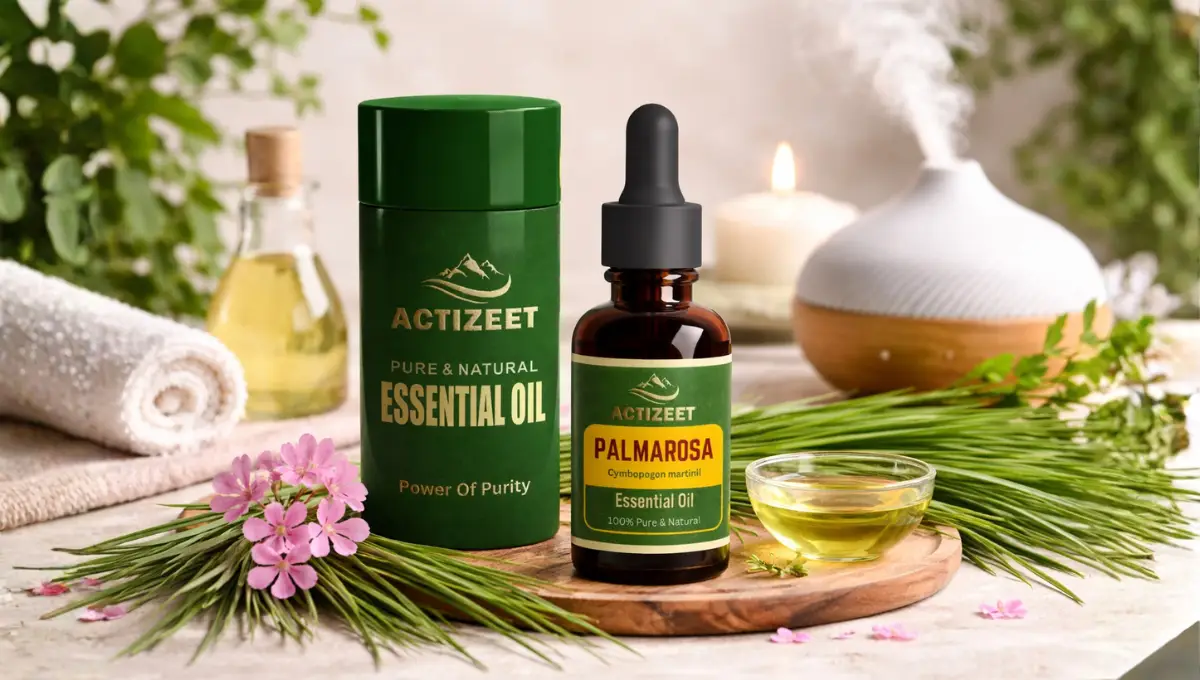
15 Palmarosa Essential Oil Benefits That Make This Geraniol-Rich Indian Grass Worth Discovering
Native to India and prized globally for its rose-like fragrance, palmarosa essential oil from Cymbopogon martinii is one of the most geraniol-rich botanicals on Earth. Backed by Ayurvedic tradition and growing modern research, its therapeutic range spans skin health, antimicrobial protection, and nervous system support.
Most people who have not encountered palmarosa essential oil before are surprised when they smell it. It does not smell like a grass. It smells like roses, with a soft, sweet, floral warmth that rivals much more expensive botanical oils. That floral character comes from geraniol, a monoterpene alcohol that makes up 70 to 85% of quality palmarosa essential oil, making Cymbopogon martinii one of the richest natural sources of this extraordinary compound available anywhere in the world.
Palmarosa has been part of Ayurvedic practice for centuries, referenced in classical manuscripts including the Rasaratna Samuccaya as a cooling, sweet-tasting herb with remarkable utility for skin conditions, nerve-related complaints, and digestive support. India remains the principal global producer and exporter of palmarosa essential oil today, with major cultivation in Rajasthan, Gujarat, Uttar Pradesh, and the Indian sub-Himalayan regions, giving Indian producers an unmatched proximity to freshly harvested, high-quality raw material.
In this guide, we explore 15 specific palmarosa essential oil benefits grounded in research and Ayurvedic knowledge, explain the biology behind each one, and give you practical guidance on using this wonderful oil safely and effectively.
Palmarosa essential oil is steam-distilled from the dried leaves and flowering shoots of Cymbopogon martinii (Roxb.) Wats., a perennial aromatic grass native to India and Indochina. Also known as Indian geranium oil, rosha oil, or gingergrass oil, it is distinguished by its exceptionally high geraniol content (70 to 85%), along with supporting compounds including geranyl acetate (10 to 20%), linalool (trace to 4%), citronellol (trace), and minor sesquiterpenes like beta-selinene. The oil has a sweet, floral, rose-like aroma described as "sweet, floral, citrus, grassy, geranium." It is FAO/WHO certified as safe for use as a flavoring agent and is listed in Ayurvedic classical texts for its cooling (sheeta virya) and sweet (madhura rasa) properties.
Key Active Compounds in Palmarosa Essential Oil
Palmarosa essential oil's therapeutic properties are driven by one of the most geraniol-dominant compositions in the essential oil world. Research consistently confirms that the whole oil outperforms isolated geraniol due to synergistic interactions between all compounds.
| Compound | Typical Content | Primary Therapeutic Action |
|---|---|---|
| Geraniol | 70–85% | Antimicrobial (gram-positive and gram-negative); antifungal; anti-inflammatory; antioxidant; neuroprotective; anti-quorum sensing; insect repellent; skin-conditioning |
| Geranyl Acetate | 10–20% | Antimicrobial; anti-inflammatory; cytotoxic against cancer cell lines; pleasant floral-fruity aroma contributor |
| Linalool | Trace–4% | Anxiolytic; sedative; analgesic; anti-inflammatory; GABA modulating |
| Citronellol | Trace–2% | Antimicrobial; anti-inflammatory; mild insect repellent; skin-soothing |
| Beta-Selinene | Trace | Anti-inflammatory sesquiterpene; liver-protective |
| Linalyl Acetate | ~12% | Sedative; anxiolytic; anti-inflammatory; antispasmodic |
| Neryl Acetate | Trace–2% | Antimicrobial; supports synergistic activity; contributes to floral aroma |
15 Palmarosa Essential Oil Benefits
Antibacterial activity is the best-documented palmarosa essential oil benefit in published scientific literature, and it is both broad-spectrum and impressively potent. Geraniol, which makes up the vast majority of the oil's composition, is effective against gram-positive and gram-negative bacteria, two fundamentally different categories of bacterial pathogens that require different mechanisms to overcome.
Research published in ScienceDirect on palmarosa essential oil as a "green solution against bacterial resistance" confirmed that geraniol (81.25% in the tested oil) was the main active component and found the oil effective against both gram-positive and gram-negative bacteria. The study specifically evaluated antibacterial activity against Pseudomonas aeruginosa PAO1, a notoriously difficult-to-treat pathogen. Palmarosa essential oil was also shown to reduce pyocyanin production (by 71%), elastase activity (by 64%), swarming motility (by 69%), and biofilm formation (by 64%), demonstrating comprehensive interference with bacterial virulence beyond simple growth inhibition.
Palmarosa's antibacterial activity was also confirmed in a PMC study documenting its action against Saccharomyces cerevisiae, and a 2020 study confirmed its antimicrobial and antioxidant properties tied to its rich geraniol content. Additionally, the synergistic effect of palmarosa essential oil with ciprofloxacin was found effective against biofilm formation on Pseudomonas aeruginosa, suggesting it may enhance the effectiveness of conventional antibiotics against resistant strains.
Palmarosa essential oil is recognized as an important source of antifungal activity, with confirmed effectiveness against multiple fungal species including those responsible for common skin infections, nail fungal conditions, and Candida overgrowth. The oil is described as an important medicinal plant known for its rich essential oil content, which exerted antifungal, antibacterial, antiviral, anthelmintic, antioxidant, and cytotoxic activity, with antifungal listed among its primary documented bioactivities.
Research has specifically confirmed palmarosa essential oil's antifungal activity against Penicillium expansum and other common pathogenic fungi. Geraniol's antifungal mechanism involves disruption of fungal cell membranes and interference with ergosterol biosynthesis, a key component of fungal cell walls not present in mammalian cells, which allows geraniol to be selectively toxic to fungi while being relatively safe to human tissue.
The most important use of palmarosa is in the treatment of skin infections such as acne and also to stimulate cell regeneration while regulating the production of sebum, with skin fungal infections being one of the primary traditional indications. For practical antifungal use, diluted palmarosa oil applied to affected skin or nails consistently provides a pleasant-smelling, natural antifungal treatment with both topical and preventive activity.
Skin health is one of the oldest and most consistently documented palmarosa essential oil benefits across both Ayurvedic tradition and contemporary cosmetic science. In Ayurveda, palmarosa is used to help alleviate skin concerns and is specifically valued for its cooling energy (sheeta virya) that soothes heated, inflamed, or reactive skin conditions.
Palmarosa essential oil is great for treating a myriad of skin conditions such as minor infections, eczema, and psoriasis. It is useful in skincare, particularly for dry or imbalanced skin, and for this reason is exceptionally beneficial in facial serums and soaps. The oil's skin-rejuvenating effects are driven by geraniol's ability to stimulate cell regeneration at the skin surface, supporting the turnover of old skin cells and the emergence of fresher, more radiant skin underneath. This cell-regenerating property makes it particularly valuable for mature skin, post-acne scarring, and skin that has been damaged by sun exposure or environmental stress.
Palmarosa's sebum-regulating properties are equally important for balanced skin. Sebum overproduction leads to clogged pores, acne, and oily skin, while underproduction leads to dry, tight, and easily irritated skin. Palmarosa oil helps moderate sebum secretion toward a healthy balance, making it useful for both oily and dry skin types in different formulations.
🌿 ACTIZEET® Palmarosa Essential Oil: pure, geraniol-rich Cymbopogon martinii oil from India's premier palmarosa cultivation regions.
Explore ACTIZEET® →Palmarosa essential oil's anti-inflammatory properties are driven primarily by geraniol, which modulates cytokine release, the chemical signaling responsible for initiating and sustaining inflammatory responses in the body. Palmarosa's geraniol is known for antimicrobial and anti-inflammatory action by modulating cytokine release and disrupting microbial cell membranes, reflecting the dual mechanism through which this compound addresses both the cause (microbial) and the consequence (inflammatory) of many skin and systemic conditions simultaneously.
Research also confirmed that palmarosa essential oil and geraniol at noncytotoxic concentrations exerted immunomodulatory and anti-inflammatory effects in human monocytes, providing direct cellular evidence for the oil's anti-inflammatory mechanism in human immune cells. This immunomodulatory quality is particularly relevant because it suggests the oil balances rather than simply suppresses inflammation, supporting an appropriate immune response without contributing to chronic inflammatory overactivation.
Palmarosa oil's anti-inflammatory properties make it relevant for topical skin inflammation management, systemic inflammation reduction through aromatherapy use, and complementary support for chronic inflammatory conditions ranging from joint inflammation to inflammatory skin diseases.
Palmarosa essential oil has outstanding antioxidant potential, with research confirming its ability to inhibit free radical damage through multiple mechanisms. Due to outstanding antioxidant potential, it has been used as part of natural preservation and therapeutic applications across multiple industries. Research published in PMC on the inhalation effects of Cymbopogon martinii essential oil and geraniol on oxidative stress confirmed that palmarosa essential oil inhalation increased catalase and superoxide dismutase (SOD) activities, and both geraniol and the oil increased glutathione peroxidase (GSH-Px), a protective enzyme that neutralizes harmful peroxides in tissue.
A Brazilian study published in PMC (Biochemistry Research International) investigated the effects of inhaling Cymbopogon martinii essential oil and geraniol on serum biochemical parameters and oxidative stress in rats over 30 days. The study found that catalase and SOD antioxidant enzyme activities were significantly higher in the palmarosa oil group. Both geraniol and palmarosa essential oil increased glutathione peroxidase when compared to control animals. The researchers noted that the beneficial action of C. martinii essential oil on oxidative stress can prevent toxicity in the liver, and concluded that the interaction between geraniol and the numerous chemical compounds present in the oil creates synergistic antioxidant effects that exceed what isolated geraniol produces alone.
This synergistic antioxidant effect, where the whole oil outperforms its main component, illustrates an important principle in natural product research: it is more informative to study the whole oil than its individual components because the concept of synergism is more significant in natural products research. For practical antioxidant benefit, aromatherapy with palmarosa essential oil and diluted topical application both deliver antioxidant compounds to relevant tissues.
Acne management is one of palmarosa's most practically valuable skin applications. The oil addresses acne through three complementary mechanisms that together create a more comprehensive natural treatment than many single-compound approaches can offer. First, its antibacterial properties target the bacteria that colonize blocked follicles and trigger inflammatory acne lesions. Second, its sebum-regulating properties normalize the oil production that contributes to new pore blockage and blackhead formation. Third, its anti-inflammatory compounds reduce the redness, swelling, and pain of existing lesions.
The most important use of palmarosa is specifically in the treatment of skin infections such as acne and also to stimulate cell regeneration while regulating the production of sebum, reflecting how consistently the research and traditional literature point to this as a primary application. The cell regeneration-stimulating property also helps fade acne scarring more quickly, addressing not just active breakouts but the post-inflammatory marks they leave behind.
For acne-prone skin, a daily facial serum of 2 to 3 drops of palmarosa essential oil in jojoba oil applied after cleansing provides this combined antibacterial, sebum-balancing, and skin-regenerating benefit in a lightweight, skin-compatible carrier.
Palmarosa essential oil is beneficial when wanting to boost a compromised immune system, reflecting a traditional and modern understanding of the oil's immunomodulatory activity. The immunomodulatory effect documented in human monocyte research shows that palmarosa oil and geraniol interact directly with immune cells to regulate their function, helping the immune system mount appropriate, well-calibrated responses to threats without excessive inflammatory overactivation that characterizes many chronic immune conditions.
Geraniol's broad antimicrobial activity also serves an immune-supportive function by reducing the microbial load that the immune system must respond to, allowing immune resources to be allocated more efficiently. The oil's antioxidant activity further supports immune function by protecting immune cells from the oxidative damage that impairs their detection and response capabilities.
For immune support, diffusing palmarosa essential oil in living and working spaces during periods of seasonal vulnerability reduces airborne microbial contamination while delivering the oil's immunomodulatory compounds through olfactory pathways. Regular topical application in a diluted carrier oil also provides sustained exposure to the immune-relevant compounds.
One of the more specialized palmarosa essential oil benefits is its hepatoprotective activity. The PMC oxidative stress study specifically documented that palmarosa essential oil's beneficial action on oxidative stress can prevent toxicity in the liver, and that the synergistic interaction between geraniol and other compounds in the whole oil provides hepatoprotective benefits that exceed what isolated geraniol achieves alone.
Liver health is foundational to whole-body detoxification, hormone metabolism, immune function, and energy production. The liver is also one of the organs most vulnerable to oxidative damage from environmental toxins, pharmaceutical medications, alcohol, and dietary factors. Palmarosa oil's ability to enhance key hepatoprotective antioxidant enzymes including catalase, SOD, and glutathione peroxidase provides a meaningful and measurable protection to liver cells under oxidative stress.
Research also noted that geraniol may represent a new class of therapeutic agents against pancreatic and colon cancers, and has several biological properties including antimicrobial, antioxidant, and anti-inflammatory activities, with the antioxidant mechanisms being directly relevant to liver tissue protection. Aromatherapy use and regular topical application over the right upper abdomen (liver location) both provide delivery routes for these hepatoprotective compounds.
🌿 Experience the full therapeutic power of ACTIZEET® Palmarosa Essential Oil, India's most geraniol-rich aromatic grass.
Shop Now →Palmarosa essential oil's beneficial effects on several central nervous system pathologies, including neuralgia, are well-recognized in Ayurvedic practice, and the oil's role in stress and anxiety management is supported by both traditional use and preliminary research. Emotionally and energetically, palmarosa essential oil is a great choice for helping reduce emotional stress and for comforting and relaxing emotions. Its stimulating properties can help move past feelings of insecurity, grief, or defensiveness.
The anxiolytic compounds present in palmarosa oil include linalool and linalyl acetate, both documented GABA modulating agents that reduce central nervous system excitability and promote calm. The oil's geraniol content also contributes indirect anxiety relief through its modulation of inflammatory cytokines that can influence mood and stress resilience. A small pilot study in France as far back as 1985 explored inhalation of palmarosa oil specifically for reducing preoperative anxiety, paving the way for further aromatherapy research in this direction.
For stress relief, diffusing palmarosa oil in the home or workspace provides continuous aromatic exposure to these calming compounds. Its rose-like sweetness also creates an intrinsically pleasant, soothing sensory environment that is itself a practical stress management tool accessible during even the busiest workday.
Palmarosa essential oil is recognized as effective for managing pain and soothing sore muscles and swollen joints. Its cooling effect makes it effective for relieving hot conditions, which aligns precisely with its Ayurvedic classification as a cooling herb (sheeta virya) that balances excess heat in the body and tissues. This cooling analgesic quality is particularly relevant for inflammatory joint pain, sports injuries, and muscle soreness where heat and inflammation are the primary characteristics of the discomfort.
The anti-inflammatory compounds in palmarosa oil, particularly geraniol and geranyl acetate, directly reduce the prostaglandin-mediated inflammatory signaling that generates pain at the tissue level. The linalool and linalyl acetate content contributes mild analgesic and antispasmodic effects that reduce muscle tension and cramping. For topical pain relief, palmarosa oil diluted in a carrier oil and massaged into sore muscles or inflamed joints provides a cooling, anti-inflammatory, pleasantly rose-scented alternative to conventional topical pain preparations.
Palmarosa is particularly valued in Ayurvedic practice for nerve-related pain (neuralgia), which is a more specific analgesic application than general musculoskeletal pain and points toward the oil's involvement in neural pain pathway modulation that goes beyond simple anti-inflammation.
One of the more recent and specialized palmarosa essential oil benefits identified in published research is its anti-diabetic potential, specifically through inhibition of alpha-amylase, a key enzyme in carbohydrate digestion. Palmarosa oil showed high anti-inflammatory and anti-diabetic potential and can be used as an antidiabetic agent due to inhibitory effect on alpha-amylase activity. Further research revealed that palmarosa oil inhibits alpha-amylase in a competitive manner, the same mode of inhibition used by some pharmaceutical diabetes management drugs.
By slowing carbohydrate breakdown in the gut, alpha-amylase inhibition reduces the rate at which glucose enters the bloodstream after meals, helping moderate postprandial blood sugar spikes. This mechanism is directly relevant to blood sugar management in type 2 diabetes and insulin resistance. While palmarosa essential oil is not a substitute for medical diabetes management, its documented alpha-amylase inhibitory activity makes it a meaningful complementary botanical tool for those focusing on metabolic wellness through natural approaches.
Palmarosa essential oil has multiple confirmed applications in insect management. Palmarosa oil may be an effective insect repellent when applied to stored grain and beans, an antihelmintic against nematodes, and an antifungal and mosquito repellent. This multi-function pest management profile is uncommon even among pest-repelling essential oils and reflects the broad biological activity of geraniol, which interferes with insect chemoreception and disrupts the hormonal and nervous system signaling that insects rely on for navigation, feeding, and reproduction.
Geraniol is specifically recognized as an effective mosquito repellent in botanical pest management research, with activity against both Aedes and Anopheles mosquito species that carry dengue, malaria, and other vector-borne diseases. For practical use, diluted palmarosa oil applied to exposed skin before outdoor activities provides a pleasant-smelling, rose-fragrant insect barrier that also provides all the oil's skin health and aromatic benefits simultaneously. Adding it to a diffuser during outdoor evening activities can create an area-wide aromatic deterrent.
Digestive support is one of the traditional Ayurvedic applications of palmarosa, with classical texts documenting its use for a range of gastrointestinal complaints. The oil is used traditionally as a flavoring in Asian cuisines for its pleasant rose-like quality, and its FAO/WHO classification as safe for use as a flavoring agent reflects its recognized digestive compatibility.
The antispasmodic properties of palmarosa oil, contributed primarily by linalool and linalyl acetate, help relax smooth muscle in the gastrointestinal tract, providing relief from cramping, bloating, and functional digestive discomfort. The antimicrobial compounds in the oil also address the gut microbial imbalances that drive infection-related digestive distress, including diarrhea and indigestion caused by pathogenic bacteria. Geraniol's activity against E. coli and other gut pathogens is specifically relevant here, as these bacteria are common causes of digestive upset globally.
The ongoing research at the National Institute of Ayurvedic Research (NIAR) specifically exploring palmarosa's role in gut microbiome modulation reflects growing scientific interest in the oil's digestive applications beyond simple antispasmodic relief, pointing toward potential probiotic-supporting activity that has yet to be fully characterized.
This is one of the most scientifically significant and least commonly discussed palmarosa essential oil benefits. Quorum sensing is the communication mechanism that bacteria use to coordinate collective behaviors including biofilm formation, virulence factor production, and antibiotic resistance gene expression. When bacteria detect that their population has reached a critical density through quorum sensing, they collectively activate defensive behaviors that make them much harder to treat with conventional antibiotics.
Palmarosa essential oil and its primary compound geraniol have been demonstrated to inhibit quorum sensing in Pseudomonas aeruginosa PAO1, one of the most clinically significant antibiotic-resistant pathogens. The oil reduced pyocyanin production (71%), elastase activity (64%), swarming motility (69%), and biofilm formation (64%), all of which are quorum sensing-regulated virulence behaviors. Molecular docking analysis confirmed that geraniol binds excellently to the LasR protein, the primary quorum sensing receptor of P. aeruginosa.
This anti-quorum sensing mechanism represents a genuinely novel antibacterial strategy that could complement conventional antibiotic therapy by disabling bacterial communication and coordination before conventional drugs attempt to kill the now-vulnerable individual cells. It positions palmarosa essential oil as a meaningful contributor to the search for new approaches to antibiotic resistance management.
The final and most holistic palmarosa essential oil benefit is its capacity for supporting deep, restorative sleep and broader nervous system health. Palmarosa leaf oil is an excellent sleep aid and can help promote deep sleep, reflecting a well-recognized application in aromatherapy and Ayurvedic practice for those dealing with sleep disruption or nervous system dysregulation.
The sleep-supporting mechanism involves multiple compounds working together. Linalool and linalyl acetate provide GABA-modulating sedative effects that promote sleep onset and reduce nighttime arousal. Geraniol's anxiolytic properties reduce the mental tension and residual anxiety that prevent many people from transitioning into deep sleep. The oil's anti-inflammatory activity may also be relevant to sleep quality, as systemic inflammation is a recognized driver of poor sleep architecture and nighttime awakening.
Palmarosa exhibits beneficial effects on several central nervous system pathologies, mainly neuralgia, epileptic disorders, and anorexia, reflecting its recognized role as a nervous system tonic in Ayurvedic practice. For sleep support, diffusing palmarosa in the bedroom before sleep or applying a diluted blend to pulse points on the wrists and soles of the feet creates a sustained aromatic and topical delivery of the oil's calming, sleep-promoting compounds throughout the night.
ACTIZEET® Palmarosa Essential Oil is steam-distilled from authentic Cymbopogon martinii grown in India's premier palmarosa cultivation regions, delivering a geraniol-rich oil that meets the therapeutic standard documented across all 15 benefits in this guide. Pure, single-ingredient, no synthetic adulterants, and genuinely fragrant in the way only real palmarosa can be.
🌿 Shop ACTIZEET® Palmarosa Essential Oil →How to Use Palmarosa Essential Oil
Palmarosa essential oil is versatile and well-tolerated, with a gentle enough profile to be used across a wide range of applications. Always dilute before topical use.
Facial Serum for Skin
Dilute 2 to 3 drops in one teaspoon of jojoba oil. Apply nightly after cleansing for acne management, skin rejuvenation, sebum balancing, and cell regeneration. Results improve with 4 to 8 weeks of consistent use.
Aromatherapy Diffusion
Add 5 to 7 drops to a water diffuser. Use for stress relief, immune support, air purification, and sleep preparation. The rose-like fragrance creates a beautiful aromatic environment and blends easily with other oils.
Body Massage Blend
Dilute 5 drops in one teaspoon of sweet almond or coconut oil. Massage into sore muscles, aching joints, or areas of tension for cooling analgesic and anti-inflammatory relief with a beautiful rose fragrance.
Sleep Ritual
Diffuse 4 to 6 drops for 30 minutes before sleep, or apply 1 to 2 drops diluted in carrier oil to the soles of the feet and pulse points. Promotes calmer nervous system activity and deeper, more restorative sleep.
Hair and Scalp Care
Add 4 drops to one tablespoon of argan or coconut oil. Apply to scalp and hair lengths, leave for 30 minutes, then wash out. Helps balance scalp oil production, reduces scalp irritation, and adds a beautiful rose-like fragrance.
Natural Insect Repellent
Dilute 6 drops in one teaspoon of carrier oil. Apply to exposed skin before outdoor activities, or add to a diffuser in outdoor areas. Provides rose-fragrant, geraniol-based protection against mosquitoes and other insects.
What Palmarosa Essential Oil Blends Well With
Palmarosa's sweet, rose-like, slightly grassy floral profile blends beautifully with a wide range of essential oils, enhancing both aromatic complexity and therapeutic action.
Safety Guidelines
Palmarosa essential oil has a favorable safety profile and is generally well-tolerated. Basic essential oil precautions apply to all uses.
- Always dilute before topical application. A 2 to 3% dilution (4 to 6 drops per teaspoon of carrier oil) is appropriate for adults. For facial use, use 1 to 2%. Palmarosa is one of the more skin-compatible essential oils but concentrated use over large areas increases sensitization risk.
- Patch test before first use. Apply a small diluted amount to the inner wrist and wait 24 hours before wider application, particularly for those with sensitive or allergy-prone skin.
- Pregnancy and nursing. Consult a healthcare provider before use during pregnancy or breastfeeding as a standard precaution for essential oil use during these periods.
- Not for internal use without professional guidance. While geraniol is FAO/WHO approved as a safe food flavoring agent, essential oil concentrations of palmarosa should not be ingested without qualified practitioner oversight.
- Beware of adulteration. Palmarosa oil is sometimes adulterated with synthetic geraniol or blended with cheaper geranium or citronella oils. Always look for the botanical name Cymbopogon martinii on the label and buy from trusted, transparent sources like ACTIZEET®.
- Storage. Keep in a sealed amber glass bottle in a cool, dark location. Properly stored palmarosa oil has a shelf life of approximately 4 to 5 years. High geraniol content provides relative stability compared to more volatile essential oils.
Frequently Asked Questions
Final Thoughts: India's Most Underappreciated Aromatic Treasure
The 15 palmarosa essential oil benefits covered in this guide collectively reveal a botanical that has been serving human health quietly and effectively for centuries while remaining largely unknown outside of Ayurvedic practice and the perfumery world. From its impressive geraniol-driven antibacterial and antifungal activity to the cutting-edge anti-quorum sensing research that positions it as a potential ally against antibiotic resistance, palmarosa essential oil keeps delivering findings that justify serious attention from the wellness and research communities.
What makes palmarosa particularly compelling is its combination of accessibility and potency. Its sweet, rose-like fragrance makes it genuinely pleasant to work with daily. Its broad-spectrum antimicrobial activity makes it practically useful across multiple applications. Its skin-rejuvenating and sebum-regulating properties make it one of the most complete natural skin care oils available. And its Ayurvedic heritage, documented across 12th-century manuscripts through to contemporary clinical research, reflects the kind of sustained multi-cultural consensus that typically points to genuine therapeutic utility.
India, as the world's primary producer of this oil, holds a unique quality advantage. Freshly harvested, climate-appropriate, traditionally understood palmarosa from Indian cultivation regions carries a quality and authenticity that imported or synthetic substitutes cannot match.
ACTIZEET® Palmarosa Essential Oil gives you direct access to this Indian aromatic treasure, geraniol-rich, authentically sourced, and genuinely therapeutic in every drop.
Latest From Our Blog

Best Vanilla Oil in India 2026: A Complete Buyer’s Guide to Pure, Authentic Vanilla planifolia Absolute
Looking for the best vanilla oil in India in 2026?...

15 Jasmine Essential Oil Benefits: How Jasminum grandiflorum’s Benzyl Acetate, Linalool, and Indole Deliver Antidepressant, Aphrodisiac, Antimicrobial, and Skin-Brightening Power
Discover 15 jasmine essential oil benefits including benzyl acetate antioxidant...

Best Camphor Oil in India 2026: Why Grade, Source, and Compound Transparency Make All the Difference — and Why ACTIZEET® Leads the Field
Searching for the best camphor oil in India in 2026?...

Best Green Apple Oil in India 2026: A Complete Buyer’s Guide to Pure, Authentic Malus domestica Essential Oil
Looking for the best green apple oil in India? Discover...