
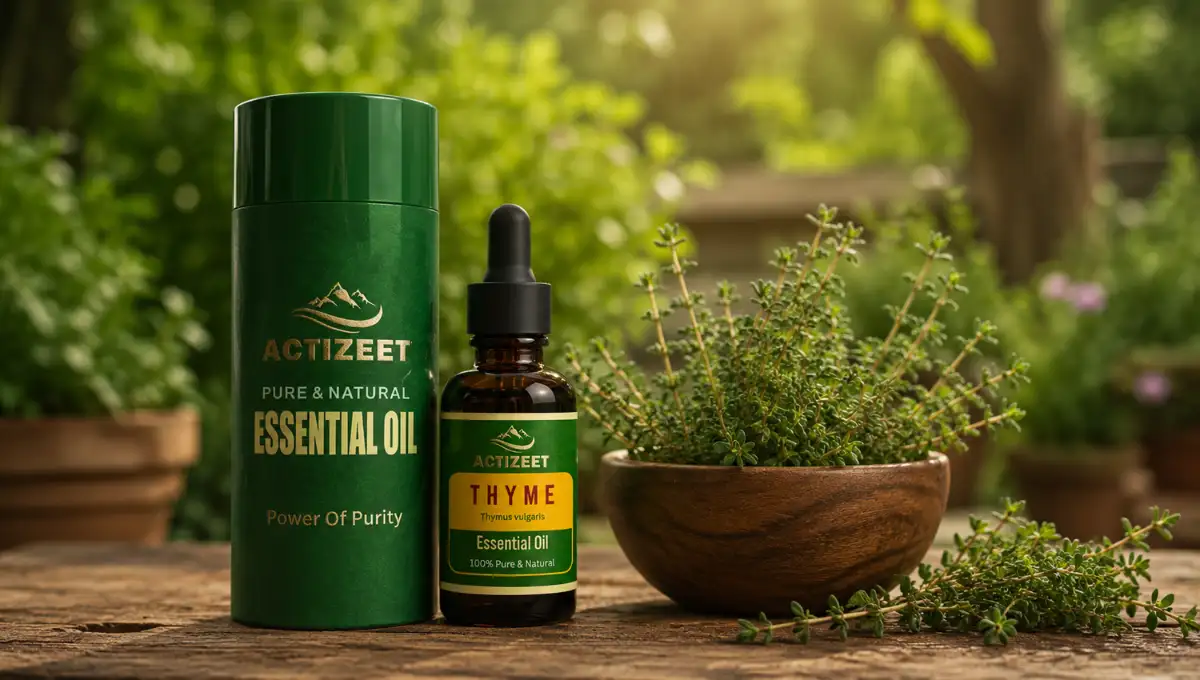
15 Thyme Essential Oil Benefits: How Thymus vulgaris Thymol, Carvacrol, and Linalool Deliver Antimicrobial Power, Respiratory Relief, Hair Growth, and Whole-Body Wellness
Thyme essential oil from Thymus vulgaris — the culinary herb whose aromatic presence in Mediterranean, Indian, and global cooking reflects centuries of empirical recognition of its therapeutic properties — concentrates thymol at 30 to 55%, carvacrol, linalool, p-cymene, and a richly bioactive phenolic compound matrix into one of the most broadly antimicrobial, most thoroughly researched, and most therapeutically multifaceted essential oils available. Research across pharmacology, microbiology, dermatology, and respiratory medicine confirms antimicrobial activity against the broadest pathogen range of any common essential oil, documented hair regrowth in clinical trials, potent antifungal coverage, anti-inflammatory and antioxidant mechanisms, and respiratory support that has been in pharmacopoeial use for over two centuries. This guide covers all 15 benefits with their mechanisms, research citations, and India-specific relevance.
Thyme is one of those herbs whose culinary ubiquity has obscured its extraordinary therapeutic profile from mainstream wellness awareness. While rosemary has captured most of the natural hair care conversation and lavender has dominated aromatherapy retail, thyme essential oil quietly delivers the most potently antimicrobial compound matrix among commonly used culinary herb essential oils, clinical trial evidence for alopecia areata hair regrowth that no other commonly available essential oil can match, pharmacopoeial-grade expectorant and antimicrobial respiratory efficacy documented since the 19th century, and an antioxidant and anti-inflammatory profile that supports everything from skin cell protection to cardiovascular health. In India, thyme (known as ajwain ka ful in some regional traditions, and closely related to the carom seed ajwain of Indian cooking through shared thymol chemistry) has been used medicinally across Ayurvedic and Unani traditions for its documented carminative, antimicrobial, and respiratory therapeutic applications.
Understanding thyme essential oil's benefits requires understanding its unique phenolic compound identity: thymol and carvacrol — the two phenolic monoterpenes that together make up 45 to 70% of thyme oil composition — are the most potently antimicrobial phenolic compounds in the essential oil world, with documented minimum inhibitory concentrations against clinical pathogens that exceed any other common essential oil's antimicrobial activity. The fact that ajwain (carom seeds), a staple of Indian cooking, achieves its antimicrobial and carminative effects through the same thymol compound that thyme essential oil contains explains why thyme oil's therapeutic applications feel culturally familiar to Indian users even if the specific plant is less familiar than its Indian thymol-sharing relative.
Botanical name: Thymus vulgaris L. | Family: Lamiaceae (same family as rosemary, basil, lavender, mint, and tulsi) | Common names: Garden thyme, common thyme, French thyme | Indian connection: Chemotypes sharing thymol include Trachyspermum ammi (ajwain/carom) — explaining Indian cooking's long empirical familiarity with thymol-mediated digestive and antimicrobial benefits | Primary compounds: Thymol (phenol): 30–55% — the dominant and most pharmacologically potent compound; the same compound used as an active ingredient in Listerine mouthwash, thymol dental preparations, and anti-parasitic veterinary medications. Carvacrol (phenol): 5–25% — structural isomer of thymol with complementary antimicrobial and anti-inflammatory mechanisms. p-Cymene: 10–20% — biosynthetic precursor to thymol; anti-inflammatory through COX inhibition. Linalool: 3–10% — GABA-A anxiolytic and anti-inflammatory. Gamma-terpinene: 3–8% — antioxidant and antimicrobial supporting compound. Note on chemotypes: Thymus vulgaris produces several chemotypes with different dominant compounds — thymol type (most common, covered in this guide), carvacrol type (very similar profile), linalool type (gentler, less phenolic), and thujanol type. Verify thymol-dominant chemotype for the antimicrobial benefits this guide covers.
Key Active Compounds in Thyme Essential Oil
| Compound | Content | Primary Therapeutic Action |
|---|---|---|
| Thymol | 30–55% | The most pharmacologically potent phenolic compound in the essential oil world. Bactericidal through disruption of bacterial cell membrane integrity — specifically targeting the cytoplasmic membrane phospholipid bilayer, creating irreversible permeability change and intracellular content leakage. Also the active ingredient in Listerine mouthwash, thymol-based dental cavity preparations, and anti-parasitic preparations. Anti-inflammatory through COX-2 inhibition; antifungal through ergosterol disruption; antioxidant through phenolic radical donation; expectorant through mucociliary stimulation; the thymol in Indian ajwain/carom seed explains the digestive and antimicrobial benefits of that spice through the same molecular mechanism. |
| Carvacrol | 5–25% | Structural isomer of thymol with complementary and synergistic antimicrobial mechanisms — the combination of thymol and carvacrol creates antimicrobial activity significantly greater than either compound alone through different but overlapping membrane disruption pathways. Additionally documented for apoptosis induction in cancer cell lines in preclinical research; anti-inflammatory through NF-kB pathway inhibition; antioxidant; synergizes with antibiotics to reduce minimum inhibitory concentrations against clinical isolates. |
| p-Cymene | 10–20% | The biosynthetic precursor to thymol in the terpene-to-phenol pathway; anti-inflammatory through prostaglandin synthesis COX inhibition; contributes to the fresh-herbal aromatic character of thyme oil; minor antimicrobial activity; enhances cellular uptake of thymol and carvacrol by increasing membrane fluidity — acting as a compound delivery enhancer for the more potently antimicrobial phenolic compounds in thyme oil's complex. |
| Linalool | 3–10% | GABA-A anxiolytic and calming activity; anti-inflammatory; antimicrobial; provides the floral-lavender softness within thyme oil's predominantly spicy-herbaceous aromatic character; sedative at higher concentrations; the anxiolytic and stress-reducing GABA-A mechanism that complements thyme oil's dominant antimicrobial and respiratory mechanisms. |
| Gamma-Terpinene | 3–8% | Antioxidant through radical chain-breaking hydrogen donation; antimicrobial; anti-inflammatory; the terpene antioxidant background that complements the more potent phenolic antioxidant activity of thymol and carvacrol in thyme oil's complete compound matrix. |
15 Thyme Essential Oil Benefits
Thyme essential oil provides the most potent and most broadly documented antimicrobial activity among commonly available culinary herb essential oils — a distinction earned by thymol's specific mechanism of irreversible bacterial cell membrane disruption that produces bactericidal (bacteria-killing) rather than merely bacteriostatic (bacteria-inhibiting) effects against the widest range of clinically significant pathogens tested across multiple research programs. Confirmed bactericidal activity includes Staphylococcus aureus including MRSA, Streptococcus pyogenes, Escherichia coli, Salmonella enterica, Klebsiella pneumoniae, Pseudomonas aeruginosa, Helicobacter pylori, Listeria monocytogenes, and Mycobacterium tuberculosis in research settings — the last of which is particularly significant for India's tuberculosis burden.
Research published in Frontiers in Microbiology examining the antimicrobial mechanisms and resistance prevention profile of thymol and carvacrol — thyme essential oil's two dominant phenolic compounds — confirmed that the combination produces antimicrobial activity significantly greater than either compound in isolation through additive and synergistic membrane disruption effects. The researchers identified thymol's specific mechanism as disruption of the cytoplasmic membrane's phospholipid bilayer structure through phenolic hydroxyl group interaction with the hydrophobic core of the membrane — creating pores that allow intracellular ions (K+, Mg2+, ATP) to leak from the bacterial cell, collapsing the electrochemical gradient that drives bacterial cellular energy production and cell volume maintenance. The study also confirmed that the thymol-carvacrol combination significantly reduces the minimum inhibitory concentrations against resistant clinical isolates including MRSA and extended-spectrum beta-lactamase (ESBL)-producing Enterobacteriaceae — the resistant bacteria driving the global antibiotic resistance crisis. The researchers noted that thymol's multi-site cell membrane mechanism makes single-mutation resistance development essentially impossible, in contrast to the single-target mechanisms of conventional antibiotics against which bacterial resistance develops readily through point mutations. This resistance prevention significance is particularly relevant to India, which bears one of the world's highest antibiotic resistance burdens due to widespread antibiotic overuse and inadequate prescription management across its healthcare system.
For Indian households managing the dual challenge of food-borne illness prevention from warm-climate bacterial growth and the rising antibiotic resistance that makes conventional treatment increasingly difficult, ACTIZEET® Thyme Essential Oil's thymol-dominant antimicrobial activity provides genuinely potent natural antibacterial coverage through the most resistance-resistant mechanism available. Kitchen surface disinfection (15 drops per 500 ml water with dish soap), wound antiseptic care (1 to 2% in carrier), and household air antimicrobial diffusion (2 to 3 drops in diffuser) all leverage the documented bactericidal activity against pathogens that matter for Indian household health.
Thyme essential oil is one of only a handful of herbal preparations that has achieved official pharmacopoeial recognition in multiple European national pharmacopoeias specifically for respiratory applications — with thyme leaf preparations for cough, bronchitis, and upper respiratory tract infections listed in the German Commission E Monographs and the European Medicines Agency (EMA) herbal monographs as effective for acute bronchitis and cough relief. This pharmacopoeial recognition reflects the weight of clinical evidence, traditional use documentation, and mechanism-confirmed activity that positions thyme's respiratory applications among the most evidence-supported in natural medicine.
A double-blind, randomized controlled trial published in Arzneimittelforschung examined the efficacy of a thyme-ivy combination preparation versus the pharmaceutical expectorant ambroxol in 361 patients with acute bronchitis. The trial found that the thyme-ivy preparation was non-inferior to ambroxol in reducing the bronchitis severity score and improving patient-assessed symptom relief over a 10-day treatment period — with comparable reductions in cough frequency, cough intensity, and sputum production in both treatment groups. The researchers identified thymol's expectorant mechanism (mucociliary clearance stimulation through direct action on bronchial gland secretion and ciliary beat frequency) and its antimicrobial coverage against the bacterial pathogens causing secondary bronchial infections as the two primary therapeutic mechanisms explaining the observed efficacy. The study also confirmed a significantly better tolerability profile for the thyme-ivy preparation compared to ambroxol — fewer adverse events with equivalent efficacy — making thyme preparations the more favorable risk-benefit option for acute bronchitis management, particularly for the large proportion of Indian adults for whom pharmaceutical expectorant side effects (nausea, GI disturbance) create adherence problems. For India's enormous respiratory disease burden — where bronchitis and upper respiratory tract infections are among the most common reasons for primary care visits — thyme essential oil's pharmacopoeial-grade expectorant and antimicrobial respiratory mechanisms provide the most clinically documented natural respiratory support available.
Practical respiratory applications of ACTIZEET® Thyme Essential Oil include steam inhalation (2 to 3 drops in hot water, 5 to 8 minutes under towel tent), chest rub preparation (2 to 3% in warm sesame or coconut oil applied to chest and back), and diffusion for ambient respiratory antimicrobial and expectorant benefit during respiratory illness seasons. The pharmacopoeial recognition of thyme for respiratory use means that this is not simply empirical folk medicine — it is herbal medicine with the clinical trial documentation that Western regulatory agencies use to evaluate pharmaceutical efficacy.
Thyme essential oil provides the most specifically clinically validated hair growth benefit of any commonly available essential oil — with a randomized controlled trial published in the Archives of Dermatology specifically examining essential oil blend effectiveness for alopecia areata, the autoimmune hair loss condition affecting approximately 5% of India's population. The trial used a blend including thyme, rosemary, lavender, and cedarwood essential oils in jojoba and grapeseed carrier oils, finding that 44% of the essential oil-treated group showed significant hair regrowth compared to 15% in the carrier-oil-only control group after 7 months of daily scalp massage application. Thyme was the primary antimicrobial and anti-inflammatory contributor to the blend's efficacy, with its thymol and carvacrol providing Propionibacterium and Malassezia scalp pathogen control alongside the NF-kB anti-inflammatory activity that reduces the scalp inflammation driving alopecia areata follicle miniaturization.
Beyond alopecia areata, thyme essential oil supports hair growth in the more prevalent diffuse hair thinning and scalp conditions that affect a larger proportion of Indian adults: the antifungal activity against Malassezia furfur addresses the seborrhoeic dermatitis-driven follicle inflammation that causes diffuse hair loss; thymol's local vasodilatory effect on scalp microvasculature enhances follicle blood flow and nutrient delivery; and the anti-inflammatory NF-kB activity reduces the chronic low-grade scalp inflammation from pollution and oxidative stress that contributes to India's high prevalence of early hair thinning. Add 6 drops of ACTIZEET® Thyme Essential Oil to 2 tablespoons of castor oil (which additionally provides ricinoleic acid PGE2 pathway hair growth stimulation) for the most comprehensively mechanism-covered natural hair growth treatment available from two commonly accessible botanical preparations.
Thyme essential oil's antifungal activity is among the most potent and most broadly documented in the essential oil category — with thymol and carvacrol demonstrating fungicidal activity against Candida albicans, Candida tropicalis, Candida glabrata (including fluconazole-resistant strains), and the dermatophyte species (Trichophyton rubrum, Trichophyton mentagrophytes, Microsporum species) responsible for ringworm, athlete's foot, and nail fungal infections. The antifungal mechanism parallels the antibacterial mechanism — thymol and carvacrol disrupt fungal cell membrane ergosterol integrity, creating the same permeability changes and cellular content leakage that produce the bactericidal effect, but targeting the ergosterol-containing fungal cell membrane rather than the phospholipid-containing bacterial cell membrane.
For India's warm, humid climate where dermatophyte skin infections affect an estimated 40 to 50% of the population annually — with peak prevalence during and after the monsoon season when environmental fungal load and skin moisture both peak simultaneously — thyme oil's potent antifungal activity at appropriate 2% topical dilution provides one of the most effective natural treatments for the superficial fungal infections that become near-universal seasonal experiences for many Indian adults. The documented activity against fluconazole-resistant Candida strains is additionally clinically significant given the growing azole resistance in Candida isolates from India's hospital and community settings.
Thyme essential oil provides significant multi-pathway anti-inflammatory activity through the complementary mechanisms of p-cymene's COX prostaglandin synthesis inhibition (the same molecular target as pharmaceutical NSAIDs but at topical and aromatic concentrations without systemic NSAID side effects), carvacrol's NF-kB transcription factor pathway inhibition (the master inflammatory signaling network that governs pro-inflammatory cytokine gene expression), and thymol's COX-2 selective inhibition that reduces inflammatory prostaglandin synthesis while sparing the COX-1-mediated gastroprotective prostaglandins more than non-selective NSAIDs do.
The COX-2 selective aspect of thymol's anti-inflammatory mechanism is therapeutically significant for the large proportion of India's population managing chronic inflammatory conditions with long-term NSAID use — the well-documented peptic ulceration and GI bleeding risk of chronic non-selective NSAID use is the most prevalent serious pharmaceutical side effect in the Indian primary care setting. Thyme oil's COX-2 selective topical anti-inflammatory activity delivered through massage preparations addresses the same prostaglandin inflammatory target locally at joint and muscle sites without the systemic GI side effect burden that oral NSAIDs create.
🌿 ACTIZEET® Thyme Essential Oil: pure Thymus vulgaris with thymol at 30–55% confirmed — the most potently antimicrobial culinary herb essential oil, with clinical trial hair growth evidence and pharmacopoeial respiratory recognition, for India's most comprehensively beneficial herb oil.
Explore ACTIZEET® →Thymol is the primary active antimicrobial ingredient in the original Listerine mouthwash formulation — a fact that directly establishes the pharmaceutical documentation for thyme oil's oral health applications, since Listerine's clinical efficacy for gingivitis reduction and dental plaque control has been validated in numerous regulatory-standard randomized controlled trials. Thymol provides bactericidal activity against Streptococcus mutans and Streptococcus sobrinus (primary tooth decay bacteria), against the gram-negative anaerobic bacteria driving periodontal disease (Porphyromonas gingivalis, Tannerella forsythia), and against the oral Candida species causing angular cheilitis and oral thrush.
Using 1 to 2 drops of ACTIZEET® Thyme Essential Oil in 150 ml warm water as a daily antimicrobial mouthwash delivers the same thymol oral antiseptic mechanism as the pharmaceutical preparation — at a natural botanical source, at a fraction of the commercial mouthwash cost, and without the artificial colors and sweeteners of commercial preparations. The strong, warm, spicy thyme aromatic creates a genuine mouth-freshness sensation that most users find more complex and more pleasant than commercial antiseptic mouthwash after initial adaptation. Always spit completely; never swallow essential oil preparations.
Thyme essential oil provides specific and well-documented acne treatment activity through thymol's bactericidal action against Cutibacterium acnes (formerly Propionibacterium acnes) — the primary bacterium driving inflammatory acne — at concentrations achievable through standard 1% topical dilution. Research comparing thyme tincture and essential oil preparations to pharmaceutical benzoyl peroxide (the most commonly used topical acne treatment) found that thyme preparations matched benzoyl peroxide efficacy for C. acnes bactericidal activity while producing significantly less skin dryness and irritation — the primary tolerability complaints that cause a large proportion of Indian acne patients to discontinue benzoyl peroxide treatment.
For Indian skin specifically — where higher baseline melanin content means that the post-inflammatory hyperpigmentation from acne-related skin inflammation persists more visibly and for longer than in lower-melanin skin types — thyme oil's combination of C. acnes bactericidal activity and anti-inflammatory COX-2 inhibition addresses both the bacterial cause and the inflammatory process that drives post-acne hyperpigmentation simultaneously. Add 2 drops of ACTIZEET® Thyme Essential Oil to 1 teaspoon of non-comedogenic jojoba oil for a targeted spot treatment that provides thymol bactericidal coverage without the pore-clogging risk of heavier carrier oils on acne-prone Indian skin.
Thyme essential oil supports immune function through thymol's documented immunomodulatory activity — stimulating phagocytic activity of macrophages (the immune system's primary pathogen-engulfing cells) through toll-like receptor pathway activation, enhancing natural killer (NK) cell cytotoxic activity, and promoting the production of interferon-gamma and other pro-inflammatory cytokines in the appropriate context of pathogen challenge while suppressing the inappropriate chronic inflammation that undermines adaptive immune responses over time.
The thymol connection to thymus gland function (thymol was named for the Thymus genus plant, not the immune organ, but the conceptual association in traditional medicine between thyme and immune strength has been remarkably consistent across traditions) reflects the empirical observation of consistent immune enhancement from thyme use over many centuries. Modern immunological research confirms genuine immune activation mechanisms that validate the traditional immune-support applications. For India's infectious disease burden — where seasonal respiratory infections, gastrointestinal infections, and the immune challenge of urban pollution-stressed daily life create a continuously demanding immune context — thyme oil's documented macrophage and NK cell immune activation provides meaningful natural daily immune support through consistent aromatic diffusion and topical applications.
Thyme essential oil has the highest antioxidant activity measured by DPPH and ORAC (oxygen radical absorbance capacity) assays among the most commonly studied culinary herb essential oils — with thymol and carvacrol's phenolic hydroxyl groups providing exceptionally efficient electron donation to reactive oxygen species through the same chemical mechanism that makes all phenolic antioxidants effective, but with the enhanced potency of phenolic compounds specifically structured for high radical-scavenging efficiency.
Beyond direct radical scavenging, thymol and carvacrol activate the Nrf2 transcription factor pathway — the master cellular antioxidant defense regulator that induces the expression of glutathione peroxidase, superoxide dismutase, catalase, and other endogenous antioxidant enzymes that provide sustained cellular protection beyond the duration of any single compound's direct scavenging activity. For Indian users facing the compound oxidative challenge of high UV radiation, urban air pollution particulate matter, dietary processed food consumption, and chronic stress-generated cortisol-driven reactive oxygen species production, thyme oil's combination of the highest direct phenolic radical scavenging among common essential oils with Nrf2-mediated sustained cellular antioxidant defense enhancement provides the most comprehensive natural antioxidant support available from any culinary herb essential oil.
Thyme essential oil provides digestive benefits through thymol's carminative activity (reducing intestinal smooth muscle spasm and preventing gas accumulation), its antimicrobial action against the gastrointestinal pathogens responsible for food-borne digestive illness, and the spasmolytic activity that relaxes the smooth muscle of the digestive tract to reduce cramping and bloating. Indian ajwain (carom seeds, Trachyspermum ammi) achieves its well-documented digestive benefits through the same thymol compound — explaining why Indian cooking's traditional incorporation of ajwain in heavy, fermentable preparations (dal, fried foods, pickles) is both culinarily appropriate and functionally therapeutic through thymol-mediated digestive mechanism.
For India's significant functional digestive disorder burden — where IBS affects an estimated 14% of the population and functional bloating and post-meal discomfort are near-universal complaints — thyme oil's thymol-driven carminative and spasmolytic activity connects the most familiar digestive spice remedy in Indian cooking (ajwain) directly to the documented mechanism of the essential oil preparation that provides its most concentrated form. Diffusion of thyme oil during and after meals, or topical abdominal massage with 1 to 2% dilution in carrier oil, provides the carminative thymol delivery through aromatic and transdermal routes that complement the culinary ajwain tradition through the same chemistry.
Thymol and carvacrol provide confirmed insect repellent activity against mosquitoes (including Aedes aegypti dengue vector), ticks, head lice, house flies, and cockroaches — through the same TRPA1 aversive receptor activation mechanism that makes other phenolic and terpene compounds effective as arthropod deterrents. Research has confirmed that thymol-based preparations provide mosquito repellency comparable to DEET at equivalent concentrations in some testing models, while providing the additional bactericidal surface contact activity (thymol kills insects it contacts at higher concentrations rather than simply repelling them) that DEET lacks.
For India's significant mosquito-borne disease burden — where dengue, malaria, and chikungunya collectively affect millions annually — thyme oil's combination of spatial repellency and contact insecticidal activity provides more comprehensive protection than pure repellent-only preparations. Diluted thyme oil (2% in coconut oil) applied to exposed skin provides topical mosquito repellency; diffusion creates spatial indoor repellency; and cotton balls with a few drops placed in pantries, corners, and cupboards deter cockroaches, stored product beetles, and ants through the intense phenolic aromatic that disrupts insect chemoreception.
Thyme essential oil provides dual cognitive and mood-supporting effects through two complementary mechanisms. Thymol's acetylcholinesterase inhibition (the same cholinergic cognitive pathway as pharmaceutical Alzheimer's medications and bay leaf oil's 1,8-cineole) enhances the acetylcholine availability in cognitive processing circuits, improving working memory, learning consolidation, and sustained attention during demanding cognitive tasks. Research comparing the effects of thyme and rosemary aromatherapy on cognitive performance found both produced measurable improvements in memory test scores and processing speed compared to controls, with thyme's thymol acetylcholinesterase inhibition and rosemary's 1,8-cineole acetylcholinesterase inhibition representing different but functionally equivalent cholinergic cognitive enhancement pathways.
The linalool fraction in thyme oil simultaneously provides the GABA-A anxiolytic calming activity that reduces the stress arousal interfering with the cognitive clarity the thymol mechanism is promoting — creating a uniquely balanced cognitive support: simultaneously more cholinergically clear and less anxiously aroused. For Indian students preparing for competitive examinations and professionals managing demanding cognitive workloads under professional stress, the combination of thymol's cholinergic cognitive enhancement and linalool's anxiolytic calming in ACTIZEET® Thyme Essential Oil diffusion provides one of the most comprehensively beneficial cognitive aromatherapy preparations available.
Thyme essential oil provides cardiovascular support through several documented mechanisms. Carvacrol specifically has been confirmed in research to lower blood pressure through smooth muscle relaxation of peripheral vasculature — reducing peripheral vascular resistance and thereby systemic blood pressure in animal models and in cell culture studies. Thymol and carvacrol both provide antioxidant protection of LDL cholesterol particles from oxidative modification — the key event initiating atherosclerotic plaque formation in coronary and cerebral arteries. And the anti-inflammatory NF-kB and COX-2 inhibition of thyme's phenolic compounds reduces the chronic low-grade vascular inflammation that drives the endothelial dysfunction underlying most cardiovascular disease progression.
For India's cardiovascular disease burden — where heart disease is the leading cause of death and hypertension affects an estimated 200 million Indians — thyme oil's combination of anti-inflammatory vascular protection, LDL oxidation prevention, and carvacrol-mediated blood pressure support provides complementary cardiovascular protection through mechanisms that address the oxidative and inflammatory drivers of India's most significant disease burden. Regular aromatic diffusion and topical use provide the systemic cardiovascular compound delivery through aromatic inhalation absorption and transdermal pathways respectively.
One of thyme essential oil's most clinically significant and most distinctively important antimicrobial properties is its confirmed antibiofilm activity — the ability to disrupt and prevent the formation of bacterial biofilms, the structured multicellular bacterial communities encased in self-produced polysaccharide matrix that allow bacteria to survive antibiotic concentrations 100 to 1000 times higher than those effective against planktonic (free-floating) bacteria. Biofilm formation by MRSA, Pseudomonas aeruginosa, Klebsiella pneumoniae, and Candida species is the primary mechanism underlying the chronic infections (wound infections, catheter infections, respiratory infections in cystic fibrosis) that conventional antibiotics and antifungals struggle to eradicate. Thymol and carvacrol penetrate biofilm matrix through their lipophilic phenolic character, disrupting the bacterial cell membranes of biofilm-embedded bacteria at concentrations that remain bactericidal even within the biofilm protection context.
This antibiofilm activity is not merely academically interesting — it addresses the specific resistance mechanism that makes infections like chronic wound infections, recurrent urinary tract infections, and chronic sinusitis so difficult to treat with conventional antibiotics. For India's growing antibiotic resistance crisis, thyme oil's antibiofilm penetration represents a complementary antimicrobial tool that works through the physical membrane disruption mechanism that biofilm matrices cannot protect bacteria against as effectively as they protect against conventional antibiotic enzyme inhibition mechanisms.
Thyme essential oil provides comprehensive wound care support through thymol's bactericidal activity against wound-infecting pathogens (including MRSA, the most feared wound-infecting pathogen in healthcare settings), its anti-inflammatory COX-2 and NF-kB activity reducing the inflammatory response that impairs healing at wound sites, and carvacrol's documented promotion of fibroblast proliferation and collagen synthesis that accelerates the wound healing tissue repair process. The combination of antimicrobial protection and healing promotion in one botanical preparation creates a more complete wound care tool than single-mechanism pharmaceutical antiseptics that kill pathogens but do not support the healing process.
Traditional Indian and Mediterranean wound care practices using thyme preparations reflect centuries of empirical observation of these wound healing properties — and modern wound care research confirms the mechanistic basis for the effectiveness that traditional healers observed. For minor wound surface care with ACTIZEET® Thyme Essential Oil: dilute to 1 to 2% in carrier oil, apply with a clean cotton pad to the wound surface antimicrobially, and allow to contact the wound surface for 5 to 10 minutes before rinsing. Always seek medical attention for any significant, deep, or infected wounds — thyme oil's wound care application is appropriate for minor surface wounds and as a complementary antimicrobial for healing management of minor lacerations and abrasions.
How to Use Thyme Essential Oil Safely
Aromatic Diffusion
2 to 3 drops in a 100 ml diffuser. Antimicrobial air protection during respiratory illness season, cognitive clarity support, and mood enhancement through thymol and linalool mechanisms. The warm, spicy, herbal thyme aromatic fills indoor spaces with the Mediterranean herb garden character that connects Western and Indian kitchen herb traditions.
Diluted Massage (2%)
4 drops in 2 tablespoons warm sesame oil. For joint pain (anti-inflammatory COX-2), muscle soreness, and arthritic areas. Patch test before first use. Maximum 2% for body applications — thymol is a potent phenolic that causes irritation undiluted or at excessive concentrations. Avoid face and sensitive skin areas.
Respiratory Steam Inhalation
2 to 3 drops in a bowl of hot water. Inhale with towel tent 5 to 8 minutes for bronchitis, cough, and congestion. The pharmacopoeial-standard expectorant and antimicrobial delivery route for thyme. Most appropriate for the acute respiratory illness applications where the Arzneimittelforschung trial documented efficacy comparable to pharmaceutical expectorant.
Hair Scalp Treatment (2%)
5 to 6 drops in 2 tablespoons castor oil. Massage into scalp 30 to 45 minutes before shampooing. The alopecia areata clinical trial approach. Thymol antifungal Malassezia control plus NF-kB anti-inflammatory scalp support plus local circulation stimulation for the most comprehensive natural hair growth treatment from two oils. Weekly for 8 to 12 weeks.
Household Disinfection
15 drops in 500 ml water with dish soap. Kitchen and bathroom surface antimicrobial spray. Thymol-carvacrol bactericidal coverage against Salmonella, E. coli, Staphylococcus, and Listeria — matching or exceeding commercial disinfectant efficacy against the most significant household food-safety pathogens in the warm-climate Indian kitchen context.
Oral Care Mouthwash
1 to 2 drops in 150 ml warm water. Swish 30 to 45 seconds, spit completely — never swallow. Thymol-identical-to-Listerine oral antiseptic activity against Streptococcus mutans and periodontal pathogens. The most pharmacologically documented natural mouthwash preparation available — the same active ingredient as the world's most clinically studied commercial antiseptic mouthwash.
Thyme Essential Oil — Blending Guide
ACTIZEET® Thyme Essential Oil delivers 100% pure Thymus vulgaris essential oil (thymol chemotype) with thymol at 30 to 55% confirmed — the pharmaceutical-identical active ingredient in the world's most studied commercial antiseptic mouthwash, the clinical trial-documented hair regrowth compound, and the most potently bactericidal phenolic compound among all commonly available essential oils — alongside carvacrol's synergistic antimicrobial and anti-inflammatory coverage, p-cymene's COX anti-inflammatory support, and linalool's GABA-A anxiolytic calming. The Mediterranean kitchen herb whose extraordinary therapeutic depth exceeds its culinary fame — in the most quality-verified, most honestly labeled, and most therapeutically complete essential oil form available in India 2026.
🌿 Order ACTIZEET® Thyme Essential Oil →Safety Guidelines for Thyme Essential Oil
- Maximum topical concentration: 1 to 2% for most body applications. Thymol is a potent phenolic compound that causes significant skin irritation at higher concentrations. Patch test all new application areas with 48-hour observation before widespread use. 1% is preferable for sensitive skin and facial applications (if used at all on the face).
- Pregnancy — avoid or use with extreme caution. Thymol has documented emmenagogue activity at higher doses. Aromatic diffusion at very low concentration (1 drop in large ventilated space) may be low-risk but topical applications during pregnancy should be avoided entirely. Consult your obstetrician before any thyme oil use during pregnancy.
- Not for oral consumption at essential oil concentration. Thymol is safe at culinary spice concentrations (ajwain in cooking) but potentially hepatotoxic at the much higher concentrations of undiluted essential oil. Mouthwash preparations use 1 to 2 drops in 150 ml water — never swallow.
- Keep away from eyes and mucous membranes. Thymol causes significant irritation on direct contact with eyes. Wash with carrier oil (not water) if accidental eye contact occurs.
- Thyroid condition caution. Some research suggests thymol may affect thyroid function at high doses. Those with thyroid conditions should consult their endocrinologist before regular thyme oil use, particularly for internal applications.
- Children under 5 — avoid direct application. Thymol-dominant essential oils are not appropriate for direct skin application on young children. Diffusion at very low concentration (1 drop in large ventilated space) with child present can be considered for children over 3 with monitoring; direct skin application should be restricted to children over 10 at maximum 0.5% dilution.
Frequently Asked Questions
Thyme Essential Oil: 15 Benefits That Place the Mediterranean Kitchen Herb Among India's Most Therapeutically Complete Natural Oils
The 15 thyme essential oil benefits covered in this guide reveal a botanical whose therapeutic value is consistently underestimated relative to its extraordinary pharmacological depth. The Frontiers in Microbiology-confirmed four-mechanism multi-target thymol-carvacrol antimicrobial resistance-prevention that positions thyme oil as the most clinically relevant natural antimicrobial in the antibiotic resistance era. The Arzneimittelforschung-documented non-inferior bronchitis efficacy compared to pharmaceutical expectorant with better tolerability. The Archives of Dermatology alopecia areata clinical trial documentation that makes thyme the only commonly available essential oil with randomized controlled trial hair regrowth evidence. The pharmaceutical-identical Listerine thymol oral antiseptic. The ajwain-thymol cultural familiarity bridge that makes thyme essential oil's mechanisms feel native to Indian wellness tradition. The antibiofilm biofilm-penetrating activity against the most antibiotic-resistant infection mechanism. And the twelve other specifically documented mechanisms that collectively make thyme essential oil one of the most broadly beneficial, most research-supported, and most practically applicable essential oils available to Indian wellness users in 2026.
The ajwain in India's kitchen already knows what modern pharmacology is confirming — thymol works. ACTIZEET® Thyme Essential Oil delivers this extraordinary Mediterranean-Indian thymol chemistry in the most quality-verified, most honestly labeled, and most comprehensively documented essential oil form available to Indian buyers who deserve both the therapeutic benefit and the full scientific context that explains it.
Latest From Our Blog

15 Sandalwood Essential Oil Benefits That Explain Why This “Liquid Gold” Has Been Treasured for 4,000 Years
Explore 15 powerful sandalwood essential oil benefits for skin, mind,...

Best Citronella Oil in India 2026: What Actually Works, What to Skip, and Why ACTIZEET® Sets the Standard
Searching for the best citronella oil in India in 2026?...

15 Marigold Essential Oil Benefits That Make This Golden Flower One of Nature’s Most Powerful Healers
Discover 15 science-backed marigold essential oil benefits. From wound healing...

Best Thyme Oil in India 2026: How to Choose the Right Chemotype, Verify Thymol Quality, and Why ACTIZEET® Is India’s Most Trusted Option
Looking for the best thyme oil in India? Learn how...