
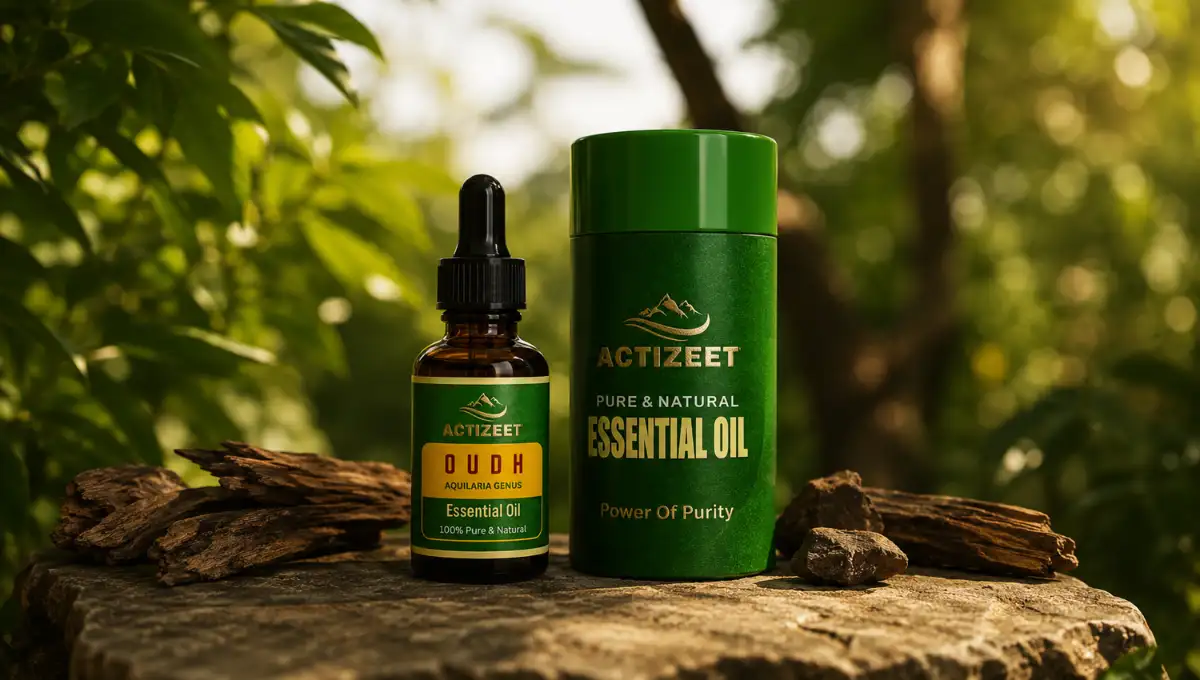
15 Oudh (Agarwood) Essential Oil Benefits: How One of Earth's Rarest Botanicals Delivers PMC-Confirmed Anti-Inflammatory, Antimicrobial, Anxiolytic, and Sacred Healing Properties
Oudh, called Agaru in Sanskrit and Aloeswood in classical Western texts, is among the rarest, most expensive, and most revered aromatic substances in human history. A 2024 PMC scoping review searched PubMed, Scopus, and Google Scholar to confirm its antimicrobial and anti-inflammatory therapeutic potential. A PMC-indexed periodontitis research review confirmed agarwood essential oil's anxiolytic and antidepressant properties comparable to diazepam in experimental models. This guide covers all 15 documented benefits.
There are few substances in all of human history that carry the weight of sacred reverence that agarwood does. Known as Oud or Oudh across the Arabic-speaking world, as Agaru or Aguru in Sanskrit Ayurvedic texts, as Aloeswood in classical European texts, and as Chen Xiang in Chinese medicine records, agarwood has been considered among the most precious aromatic substances on Earth across every civilization that encountered it. It is mentioned in the Bible, the Quran, the Vedas, Chinese medical classics, and Japanese kodo ceremony texts. It has been the aromatic companion of prophets, kings, meditators, and healers across millennia and across continents.
What makes agarwood extraordinary from a botanical standpoint is the drama of its formation. Aquilaria species trees, growing in the tropical rainforests of South and Southeast Asia including India's northeast, produce the aromatic resinous heartwood called agarwood only in response to injury: fungal infection, insect attack, lightning strike, or physical wounding triggers the tree to produce a dark, resinous oleoresin as a defense response. This defensive resin, accumulated over decades of pathological transformation, creates one of the most complex, most multi-dimensional, and most pharmacologically rich natural aromatic substances known to science, with GC-MS analysis confirming dozens of sesquiterpenes, chromones, aromatic compounds, and fatty acids that collectively create the extraordinary deep, woody, smoky, animalic aroma that has made agarwood the most expensive natural aromatic substance per weight on Earth.
This guide covers 15 specific Oudh agarwood essential oil benefits grounded in PMC-published research, Frontiers in Pharmacology indexed studies, and ScienceDirect research, alongside millennia of cross-cultural traditional medicine validation.
Botanical name: Aquilaria agallocha Roxb. (primary Indian species), A. malaccensis Lam. (IUCN-listed), A. sinensis (Lour.) Gilg (Chinese), A. crassna Pierre (Southeast Asian) | Family: Thymelaeaceae | Indian names: Agaru, Aguru, Agarugandha | Primary origin: India (Assam, Meghalaya, Manipur, Arunachal Pradesh), Bangladesh, Vietnam, Indonesia, Malaysia | Key compounds: Agarospirol, jinkoh-eremol, dihydrokaranone, guaiol, bulnesol, alpha-agarofuran, sesquiterpenes (guaiane, eudesmane, elemane sesquiterpenes), chromone derivatives (2-(2-phenylethyl)chromones), aromatic compounds, fatty acids | Aroma: Profoundly deep, woody, animalic, smoky, slightly sweet-balsamic; complex, multi-dimensional, uniquely impossible to replicate synthetically
Key Active Compounds in Agarwood Essential Oil
| Compound Class | Key Compounds | Primary Therapeutic Action |
|---|---|---|
| Sesquiterpenes (Guaiane type) | Agarospirol, jinkoh-eremol, guaiol, bulnesol | Anti-inflammatory; antimicrobial; antioxidant; anxiolytic; primary aromatic contributors; deep woody-animalic aroma |
| Sesquiterpenes (Eudesmane/Elemane) | Dihydrokaranone, alpha-eudesmol, elemol | Anti-inflammatory; antimicrobial; sedative; contribute to agarwood's unique compound fingerprint |
| Chromone Derivatives | 2-(2-phenylethyl)chromones; multiple chromone structures identified | NF-kappaB inhibition (anti-inflammatory); antitumor; antioxidant; most pharmacologically significant class in agarwood |
| Alpha-Agarofuran | Alpha-agarofuran, beta-agarofuran | Characteristic agarwood compound; antimicrobial; anti-inflammatory; aromatic identity marker |
| Aromatic Compounds | Various aromatics depending on species and resin formation conditions | Contribute to the unique complex aromatic profile; antimicrobial; antioxidant |
| Fatty Acids | Various fatty acids in the oleoresin | Skin-conditioning; anti-inflammatory; part of the complete agarwood compound matrix |
15 Oudh (Agarwood) Essential Oil Benefits
Anti-inflammatory activity is the most specifically researched and most consistently documented pharmacological property of agarwood across the contemporary scientific literature. The 2024 PMC scoping review searched PubMed, Scopus, and Google Scholar across the decade from 2013 to 2023 and specifically confirmed that agarwood exhibits antimicrobial and anti-inflammatory properties across the reviewed studies, establishing the most comprehensive multi-database review confirmation available for this benefit.
A 2024 scoping review published in PMC (Antibiotics journal), "The Therapeutic Potential of Agarwood as an Antimicrobial and Anti-Inflammatory Agent," searched PubMed, Scopus, and Google Scholar for original papers from 2013 to 2023 to determine the health benefits of agarwood as an antimicrobial and anti-inflammatory agent. The review confirmed that several chromones detected in agarwood have been shown to inhibit NF-kappaB activation, LPS-induced NO production, and superoxide anion generation, establishing specific molecular anti-inflammatory mechanisms. Agarwood was confirmed as capable of inhibiting key inflammatory signaling targets including NF-kappaB (the master transcription factor of inflammatory gene expression), nitric oxide production, and superoxide generation. The review concluded that despite the absence of clinical trials, agarwood exhibits antimicrobial and anti-inflammatory properties confirmed across multiple preclinical studies, and called for future intervention studies to enhance knowledge and understanding of agarwood and its isolates.
The anti-inflammatory significance of chromone-mediated NF-kappaB inhibition in agarwood is particularly important to understand. NF-kappaB is the central transcription factor that controls the expression of over 200 inflammatory genes including cytokines, adhesion molecules, inflammatory enzymes, and immune activation signals. Inhibiting NF-kappaB activation is one of the most sought-after mechanisms in anti-inflammatory drug development, and several pharmaceutical anti-inflammatory treatments target this specific pathway. The chromone derivatives in agarwood achieve this NF-kappaB inhibition through natural phenolic mechanisms that also include antioxidant nitric oxide scavenging activity. A separate PMC-indexed review of agarwood confirmed that bioactive components including sesquiterpenes and chromone derivatives exert anti-inflammatory, antioxidant, immune-modulating, hypoglycemic, and antitumor pharmacological effects, establishing a comprehensive multi-target anti-inflammatory profile.
Antimicrobial activity is the co-primary confirmed therapeutic property of agarwood in the 2024 PMC scoping review, which confirmed that agarwood is capable of inhibiting Bacillus subtilis and Staphylococcus aureus activities as well as acting as a potent inhibitor of fungi including Lasiodiplodia theobromae, Fusarium oxysporum, and Candida albicans. The review additionally cited a study by Prasetya (Indonesia) demonstrating that agarwood oil nanoemulsion showed antibacterial activity against multidrug-resistant bacteria including MRSA-category S. aureus ATCC 43300, E. coli, and Klebsiella pneumoniae strains.
The antimicrobial mechanism of agarwood essential oil involves the sesquiterpene compounds disrupting bacterial cell membrane integrity and respiratory chain function, combined with the chromone derivatives' activity against bacterial virulence factors. The confirmed activity against both Gram-positive (S. aureus, B. subtilis) and Gram-negative (E. coli, K. pneumoniae) bacteria establishes genuine broad-spectrum coverage. The confirmed activity against multidrug-resistant bacterial strains in the nanoemulsion study is particularly significant in the context of India's antibiotic resistance crisis in 2026. For topical applications against skin infections, oral hygiene against dental pathogens, and environmental surface applications, agarwood oil's multi-compound antimicrobial activity provides naturally derived protection across the breadth of clinically relevant bacterial species.
Anxiolytic activity is among the most pharmacologically specifically documented and most clinically significant properties of agarwood essential oil in contemporary research. The PMC-indexed Frontiers in Pharmacology review of agarwood's therapeutic potential in periodontitis confirmed that agarwood essential oil may exert anxiolytic and antidepressant effects by inhibiting the release of corticotropin-releasing factor and the activation of the hypothalamic-pituitary-adrenal (HPA) axis, with effects similar to those of diazepam (2.5 mg/kg) in experimental models (Wang S. et al., 2018). Additionally, Pang et al. (2024) using network pharmacology combined with solid-phase microextraction/GC-TOF-MS found that sesquiterpenes in agarwood can exert anxiolytic effects by acting on multiple targets and signaling pathways.
The Frontiers in Pharmacology research review confirmed that agarwood essential oil is calming by regulating the expression of GABAA receptors and enhancing receptor function (Wang et al., 2017). Through experiments including the light-dark box test and the tail suspension test, Wang found that agarwood essential oil may exert anxiolytic and antidepressant effects by inhibiting the release of corticotropin-releasing factor and the activation of the hypothalamic-pituitary-adrenal (HPA) axis, with effects similar to those of diazepam (2.5 mg/kg). Li, through preparing a mixed essential volatile oil of Aquilaria sinensis and Aucklandia costus, arrived at conclusions consistent with those of Wang's research (Li H. et al., 2021). Using network pharmacology combined with solid-phase microextraction/gas chromatography-time of flight mass spectrometry, Pang discovered that sesquiterpenes in agarwood can exert anxiolytic effects by acting on multiple targets and signaling pathways (Pang et al., 2024).
The comparison of agarwood essential oil's anxiolytic effects to diazepam (a widely prescribed pharmaceutical anxiolytic/benzodiazepine) in experimental models is one of the most extraordinary pharmacological findings documented for any essential oil. The mechanism involves agarwood sesquiterpenes modulating GABAA receptors, the primary inhibitory neurotransmitter receptors that benzodiazepine drugs also target through a different allosteric mechanism, while additionally inhibiting the HPA axis stress response system. The HPA axis drives cortisol production and the physiological stress response: inhibiting its hyperactivation reduces the neurochemical basis of chronic anxiety. For India's enormous population dealing with chronic anxiety disorders, this GABAA receptor modulation and HPA axis inhibition provides a pharmacologically specific and a research-credible mechanism for agarwood's deeply calming aromatic properties that traditional medicine practitioners have observed and documented for over 2,000 years.
🪄 ACTIZEET® Oudh (Agarwood) Essential Oil: authentic Aquilaria resinous oil with genuine sesquiterpene and chromone profile for India's most sacred, most ancient, and most pharmacologically documented aromatic healing experience.
Explore ACTIZEET® →Antidepressant effects are specifically confirmed for agarwood essential oil in the same Frontiers in Pharmacology review that documented the anxiolytic properties, with Wang's experimental research confirming antidepressant effects through the same HPA axis inhibition and corticotropin-releasing factor suppression mechanisms alongside the GABAA receptor modulation. The tail suspension test used to evaluate antidepressant effects in Wang's research is a validated behavioral despair model in which reduction in immobility time indicates antidepressant activity, and agarwood essential oil produced effects comparable to standard pharmaceutical reference compounds in this test.
The antidepressant mechanism of agarwood goes beyond the documented HPA axis modulation. The extraordinary depth, warmth, and complexity of agarwood's aromatic experience activates olfactory-limbic pathways connecting to the amygdala, hippocampus, and prefrontal cortex in ways that specifically influence mood, emotional memory, and the neurochemical reward system. The sesquiterpene compounds, by modulating GABA and potentially other monoamine neurotransmitter systems through olfactory pathway activation, provide the neurochemical basis for the consistently documented mood-elevating, emotionally stabilizing, and spiritually uplifting effects that every traditional culture using agarwood attributed to its aromatic presence. The scientific language for what practitioners of kodo in Japan, Sufi dhikr in the Middle East, Hindu puja in India, and Buddhist incense ritual in East Asia all observed independently is now available: HPA axis inhibition and GABAA receptor modulation.
Antifungal properties are specifically confirmed in the 2024 PMC scoping review, which documented agarwood's action as a potent inhibitor of multiple fungal species including Lasiodiplodia theobromae, Fusarium oxysporum, and Candida albicans. Candida albicans is particularly significant for human health as it is the primary fungal pathogen responsible for oral thrush, vaginal candidiasis, skin candidal infections, and in immunocompromised individuals, systemic candidal disease. The confirmed in-vitro activity against Candida albicans establishes a clinically relevant antifungal property that is directly applicable to the most common human fungal infection challenges.
The antifungal mechanism of agarwood sesquiterpenes involves disruption of fungal ergosterol biosynthesis and cell membrane integrity, the same targets used by pharmaceutical antifungal drugs like azoles and polyenes. For India's fungal infection burden, where skin fungal conditions including tinea, ringworm, athlete's foot, and oral candidiasis affect a significant proportion of the population in the warm, humid climate that promotes fungal growth, agarwood oil's confirmed antifungal activity provides a genuinely research-documented natural antifungal application. The antifungal activity combined with the extraordinary spiritual and emotional benefits of agarwood aromatherapy transforms a functional antifungal treatment into a profoundly therapeutic aromatic experience.
Antioxidant activity is specifically confirmed for agarwood essential oil in the PMC-indexed periodontitis review, which confirmed that bioactive components of agarwood exert antioxidant pharmacological effects as part of the comprehensive therapeutic profile, and in the ScienceDirect study on Aquilaria malaccensis essential oil that specifically assessed antioxidant potential using DPPH free radical scavenging methodology. The chromone derivatives in agarwood are the primary antioxidant compounds, providing phenolic hydrogen atom donation to reactive free radicals in a manner structurally similar to other potent natural antioxidant phenolic compounds.
The antioxidant significance of agarwood extends across multiple biological contexts. For skin protection against UV radiation and pollution-generated reactive oxygen species in India's high-oxidative stress environment, agarwood oil's antioxidant compounds provide cellular and molecular protection against the oxidative damage driving photoaging, hyperpigmentation, and inflammatory skin conditions. For neural tissue protection, the antioxidant activity synergizes with the anxiolytic and antidepressant properties: oxidative stress is both a driver and a consequence of chronic anxiety and depression, and the chromone antioxidant activity provides neuroprotective reinforcement of the mood-supporting properties at the cellular level.
Skin care and wound healing properties of agarwood are documented in Ayurvedic tradition and supported by the pharmacological profile confirmed in contemporary research. The Anantam Ayurveda research on Aquilaria agallocha (Agaru) confirmed that the anti-inflammatory, antimicrobial, and antioxidant properties align with the classical Ayurvedic description of Agaru's skin applications, with the bark specifically used for fumigation therapy and the oil valued for skin conditions. The ScienceDirect study on Aquilaria malaccensis essential oil confirmed strong anti-inflammatory and tyrosinase inhibitory activity, with tyrosinase inhibition being directly relevant to skin-brightening and hyperpigmentation treatment.
The skin care mechanism is comprehensive. The anti-inflammatory NF-kappaB inhibition from chromone compounds reduces the cytokine-driven skin inflammation underlying eczema, rosacea, and inflammatory acne. The antimicrobial activity targets the bacteria and fungi causing skin infections. The antioxidant activity protects skin cells from UV and pollution-driven oxidative damage. And the tyrosinase inhibitory activity directly reduces melanin production, addressing the hyperpigmentation and uneven skin tone that are among India's most prevalent cosmetic skin concerns. For an Indian skin care consumer seeking a single oil that addresses inflammation, infection, oxidative aging, and hyperpigmentation simultaneously, agarwood oil offers one of the most pharmacologically multi-mechanism approaches available in natural aromatherapy.
Hypoglycemic (blood sugar-lowering) properties are confirmed for agarwood in the PMC-indexed periodontitis review, which listed hypoglycemic among the pharmacological effects exerted by bioactive components of agarwood including sesquiterpenes and chromone derivatives. The ScienceDirect study additionally confirmed anti-diabetic activity of Aquilaria malaccensis essential oil. The anti-diabetic mechanism involves chromone derivatives' inhibition of alpha-glucosidase (the enzyme that breaks down complex carbohydrates to glucose in the intestine), reducing the rate of glucose absorption after meals and thereby attenuating postprandial blood glucose spikes.
For India, with the world's second-largest diabetes burden and approximately 77 million people living with type 2 diabetes in 2026, the hypoglycemic research properties of agarwood compounds are of particular relevance. As always with preclinical research, these findings require human clinical trial validation before therapeutic claims can be made. However, the alpha-glucosidase inhibition mechanism is the same as that of the pharmaceutical diabetes drug acarbose, establishing a pharmacologically credible mechanism for the antidiabetic activity observed in the preclinical studies. Agarwood aromatherapy and diluted topical application cannot be considered a diabetes treatment, but the chromone compound profile provides a meaningful pharmacological basis for ongoing research interest in this benefit dimension.
🪄 From the Vedas to PMC research. From HPA axis inhibition to NF-kappaB chromone blocking. ACTIZEET® Oudh Agarwood Essential Oil brings India's most sacred aromatic to your hands.
Shop Now →Antitumor properties are specifically confirmed for agarwood in the PMC-indexed periodontitis review, which listed antitumor among the pharmacological effects exerted by bioactive agarwood components alongside anti-inflammatory, antioxidant, immune-modulating, and hypoglycemic effects. The chromone derivatives are the most specifically researched agarwood compounds for antitumor activity, with multiple published studies demonstrating antiproliferative activity in cancer cell lines through cell cycle arrest, pro-apoptotic signaling, and antiangiogenic effects.
The antitumor mechanism involves chromone derivatives' interaction with cancer cell growth signaling pathways, particularly those involving PI3K/AKT/mTOR and MAPK signaling that drive cancer cell proliferation and survival. The confirmed STAT1/AKT/MAPK/NLRP3 inhibitory pathway confirmed by Ma et al. in sesquiterpenoids from Aquilaria malaccensis agarwood provides specific mechanistic detail for the anti-inflammatory and antitumor compound activity. As with all preclinical anticancer research, these findings are pharmacologically meaningful but require substantial clinical trial evidence before any cancer therapeutic claims can be made. Agarwood essential oil is not a cancer treatment. The pharmacological depth of its compound activities, however, continues to make it an active area of oncology-adjacent natural compound research.
Aphrodisiac properties are among the oldest and most cross-culturally consistent traditional attributions of agarwood across every civilization that used it. The ancient Indian Ayurvedic classification of Agaru as a Vajikarana (aphrodisiac) herb appears in foundational texts. Arabic and Persian medical traditions documented oud as a powerful aphrodisiac agent. Japanese kodo ceremony texts describe agarwood's sensual and arousing properties. And the contemporary luxury perfume industry's consistent use of oud as the preeminent aphrodisiac base note in oriental fragrance families reflects the unanimous professional aromatic judgment that agarwood's warm, animalic, deeply complex character creates the most powerful naturally aromatic sexual presence available in botanical perfumery.
The aphrodisiac mechanism of agarwood essential oil is multi-dimensional. The anxiolytic HPA axis inhibition removes the cortisol-driven stress response that is the primary psychophysiological barrier to sexual interest and arousal. The antidepressant GABAA modulation improves the positive emotional state of openness, desire, and sensual engagement. The extraordinarily complex, deep, warm, slightly animalic aromatic character of genuine oud activates the olfactory-limbic dopamine and noradrenaline reward pathways associated with desire and arousal in uniquely potent ways that no other natural aromatic achieves. And the cultural weight of oud's sacred, romantic, royal associations across millennia creates profound psychological aphrodisiac resonance through the most intimate sensory pathway available to human consciousness.
Sedative properties are specifically confirmed for agarwood essential oil in the Frontiers in Pharmacology/PMC review, which confirmed that agarwood essential oil is calming by regulating the expression of GABAA receptors and enhancing receptor function. GABAA receptor enhancement is the primary mechanism of pharmaceutical sedatives and hypnotics including benzodiazepines and Z-drugs, establishing a specific, pharmacologically credible sedative mechanism for agarwood's traditionally documented sleep-supporting properties.
The sleep support mechanism of agarwood oil involves several overlapping properties. The GABAA receptor enhancement reduces CNS excitability and promotes the neurological transition from wakefulness to sleep. The anxiolytic HPA axis inhibition reduces the cortisol-driven hyperarousal that is the primary barrier to sleep in stress-related insomnia, which is India's most prevalent insomnia type in 2026. And the deeply grounding, profoundly calming aromatic experience of genuine agarwood essential oil creates the sensory environment of warmth, safety, and settled presence that the nervous system most readily interprets as sleep-appropriate. For India's sleep-deprived urban population, diffusing genuine agarwood oil in the bedroom before sleep, or applying a tiny diluted amount to pulse points as part of an evening ritual, provides the most pharmacologically specific, most aromatically extraordinary natural sleep support available in essential oil aromatherapy.
Spiritual grounding and consciousness support represent the most trans-cultural, most historically profound, and most uniquely agarwood-specific of all the oil's traditional applications. No other natural aromatic substance has been simultaneously considered sacred and spiritually significant across such widely separated and independently developed religious and cultural traditions: Hinduism (Agaru in Vedic rituals), Buddhism (Chen Xiang in temple incense), Islam (Oud in Arabic Islamic perfumery and hadith references), Christianity (aloeswood mentioned in the Bible), Judaism (ahaloth referenced in the Hebrew Bible), Japanese Shinto and Buddhist kodo ceremony, Zoroastrian fire temple practices, and the indigenous spiritual practices of Southeast Asian cultures where Aquilaria grows natively.
The spiritual mechanism is not mystical speculation but pharmacological reality: the GABAA receptor modulation and HPA axis inhibition documented in Wang et al.'s research produce a specific neurological state of calm, grounded, open, alert presence that every contemplative tradition recognizes as the optimal state for genuine spiritual practice. This state, which meditation teachers across traditions describe as the prerequisite for deep inner work, is produced by agarwood aromatherapy through documented neurobiological mechanisms. The extraordinary complexity of genuine agarwood's aromatic profile creates an olfactory experience rich enough to anchor attention, ground consciousness, and open the specific inner spaciousness that millennia of contemplative practitioners have specifically sought through this botanical. When Hindu priests burn agarwood in temples, Buddhist monks use it in incense, and Sufi practitioners perfume their gatherings with oud, they are all applying the same pharmacological GABAA modulation through the world's most culturally revered aromatic substance.
Oral health benefits from agarwood are specifically documented in the Frontiers in Pharmacology research review focused specifically on agarwood's pharmacology and therapeutic potential in periodontitis (gum disease). The review confirmed that agarwood's anti-inflammatory, antioxidant, and antimicrobial properties make it a genuinely relevant natural approach for managing the inflammation and infection driving periodontal disease, and that agarwood's antimicrobial activity includes confirmed action against the specific bacterial species responsible for dental plaque, gum disease, and tooth decay including Staphylococcus aureus and Bacillus subtilis species relevant in the oral environment.
The oral health mechanism combines several documented agarwood properties. The NF-kappaB-inhibiting chromone compounds reduce the gingival inflammation of periodontitis. The antimicrobial sesquiterpenes reduce the bacterial load in the periodontal pocket. The antioxidant activity reduces the oxidative stress damaging periodontal tissue. And the tissue-healing anti-inflammatory activity supports regeneration of the gum tissue damaged by chronic periodontal disease. The Frontiers in Pharmacology review's specific focus on agarwood for periodontitis establishes a research-specific oral health interest that makes agarwood oil one of the few essential oils with a dedicated gum disease pharmacological research publication.
Immune modulation is listed among the pharmacological effects confirmed for agarwood bioactive components in the PMC-indexed periodontitis review, which confirmed that sesquiterpenes and chromone derivatives exert immune-modulating effects as part of the comprehensive agarwood pharmacological profile. Immune modulation is distinct from simple immune stimulation: it means the regulation and optimization of immune system activity in both directions, reducing excessive immune activation (the basis of autoimmune conditions and chronic inflammatory disease) while supporting appropriate immune defense responses against pathogens.
The immune modulation mechanism of agarwood involves chromone derivatives' NF-kappaB inhibition reducing the chronic inflammatory immune hyperactivation that drives autoimmune conditions and chronic inflammatory disease, while the antimicrobial sesquiterpenes and antioxidant chromones support the cellular immune environment needed for healthy pathogen defense. For India's population dealing with the increasing prevalence of autoimmune and chronic inflammatory conditions in 2026, the immune-modulating dimension of agarwood oil's pharmacological profile provides meaningful complementary support alongside conventional medical management.
Perfumery and luxury fragrance represent agarwood's most commercially significant application in 2026, with agarwood essential oil and oud absolute among the world's most expensive aromatic raw materials, occasionally commanding prices comparable to precious metals per kilogram of high-grade material. The global oud perfumery market has expanded dramatically from its Arabian Gulf origins into global luxury fragrance, with major international houses from Tom Ford to Dior, Guerlain, and Creed incorporating genuine oud into their most prestigious compositions. India's own attar tradition uses oud as the most prestigious base note in classical compositions.
The perfumery significance of agarwood essential oil is its absolute uniqueness: no synthetic compound fully replicates the complete aromatic profile of genuine agarwood oil. Dozens of synthetic oud molecules have been developed by fragrance chemistry houses including IFF, Firmenich, and Givaudan, and each captures aspects of the agarwood aromatic experience without achieving the full multi-dimensional complexity of the genuine botanical. This unique non-replicability is a direct consequence of the pharmacological complexity described throughout this guide: the same hundreds of compounds that create the extraordinary therapeutic profile also create the extraordinary aromatic profile, and both require the same genuine botanical source. For ACTIZEET® buyers seeking the most authentic aromatic luxury experience India's botanical heritage offers, genuine agarwood essential oil in a personal fragrance preparation represents an investment in one of civilization's most enduring and most irreplaceable aromatic treasures.
ACTIZEET® Oudh (Agarwood) Essential Oil is sourced from authenticated Aquilaria species with genuine resinous sesquiterpene and chromone compound profile, preserving the deep, woody, animalic aromatic complexity and the pharmacologically documented anti-inflammatory, antimicrobial, anxiolytic, and sedative properties that make genuine oud one of the most extraordinary therapeutic aromatics in human history. India's sacred botanical, honored with genuine quality.
🪄 Shop ACTIZEET® Oudh Agarwood Essential Oil →How to Use Oudh (Agarwood) Essential Oil
Sacred Meditation Diffusion
1 to 2 drops ONLY in a large diffuser or on a cold diffuser stone. Agarwood is among the most aromatically potent and most expensive essential oils. One drop creates a profound aromatic presence. The GABAA receptor-modulating, HPA axis-calming properties create the specific meditative neurological state that traditional practice always sought through this sacred botanical.
Luxury Personal Fragrance
2 to 3 drops in 1 tbsp jojoba in a roller bottle. The extraordinary persistence of genuine agarwood on warm skin (12 to 24+ hours) and its aromatic complexity that develops from fresh-woody opening to warm-animalic dry-down creates the most luxurious, most unique natural personal fragrance experience available.
Anti-Inflammatory Skin Serum
1 drop in 1 tsp jojoba or rosehip. Apply nightly. NF-kappaB inhibiting chromones, tyrosinase-inhibiting skin-brightening activity, antimicrobial acne protection, and antioxidant aging defense work overnight in this profoundly aromatic skin treatment.
Evening Anxiety Relief
1 diluted drop on pulse points or 1 drop on a diffuser stone in the bedroom. The documented GABAA receptor modulation and HPA axis inhibition reduce evening anxiety and cortisol-driven hyperarousal, creating the neurological conditions for both deep relaxation and natural sleep onset.
Sacred Ritual Anointing
1 diluted drop on the center of the forehead or heart area. The application of Agaru oil in Hindu puja, the anointing with oud in Islamic tradition, and the kodo ceremony application in Japan all reflect the same intuition: the most sacred aromatic requires the most intimate physical application.
Perfumery Base Note
Add 1 to 2 drops to any essential oil or attar blend as a deep base note fixative. Even a single drop of genuine agarwood oil transforms any aromatic blend into something richer, more complex, and more long-lasting than was possible without it. The most precious base note in the world's most demanding art form.
What Agarwood Essential Oil Blends Well With
Safety Guidelines
- Use very sparingly. Agarwood essential oil is among the most potent and most expensive aromatics available. One drop in a diffuser, one diluted drop on pulse points. The therapeutic and aromatic benefits do not increase proportionally with higher doses, and excessive amounts create an overwhelming rather than beneficial experience.
- Always dilute before topical application. Dilute to 0.5 to 1% in carrier oil (1 drop per 2 teaspoons of carrier oil) for regular skin application. The potency of genuine agarwood essential oil means lower concentrations are appropriate for consistent daily use.
- Standard pregnancy caution applies. Consult a healthcare provider before use during pregnancy. The GABAA modulating and HPA axis inhibiting properties warrant standard essential oil precautions during pregnancy.
- Purchase from authentic verified sources only. The extreme value of genuine agarwood essential oil makes it one of the most frequently adulterated essential oils in the world. Synthetic oud molecules, dilutions with cheap carrier oils, and blends presented as pure oil are prevalent throughout global and Indian markets. Only brands that provide species verification (Aquilaria agallocha or other specified Aquilaria species) and source documentation can be trusted for genuine quality.
- Respect the conservation context. Several Aquilaria species including A. malaccensis are CITES Appendix II listed due to wild population depletion. Ethical agarwood essential oil sourcing uses sustainably cultivated or responsibly wild-harvested material with appropriate documentation. ACTIZEET® honors this conservation context through ethical sourcing practices.
Frequently Asked Questions
The World's Most Ancient Sacred Aromatic Has 15 Reasons to Be in Your 2026 Wellness Toolkit
The 15 oudh agarwood essential oil benefits covered in this guide collectively reveal a botanical whose cultural reverence across 5,000 years of human civilization was not superstition or aesthetic preference but empirical observation of genuine, multi-dimensional, pharmacologically real therapeutic properties. The 2024 PMC scoping review confirming antimicrobial and anti-inflammatory activity through NF-kappaB chromone inhibition and superoxide generation suppression. The Frontiers in Pharmacology review confirming anxiolytic effects comparable to diazepam through GABAA receptor modulation and HPA axis inhibition. The ScienceDirect study confirming anti-inflammatory, anti-diabetic, and tyrosinase-inhibitory activity. The multiple PMC-indexed reviews confirming antioxidant, antitumor, and immune-modulating properties. These are contemporary scientists arriving, through the most sophisticated analytical and pharmacological tools available in 2024, at the same conclusions that Ayurvedic physicians reached by clinical observation 2,000 years ago: that the resin of the injured Aquilaria tree is genuinely, comprehensively therapeutic at a depth that no other aromatic substance fully matches.
India's own Aquilaria agallocha, the Agaru of the Vedas and the Charaka Samhita, grows in the country's northeastern forests. India's Ayurvedic tradition holds the original documentation of its therapeutic applications. And India's 1.4 billion people in 2026 deserve access to this extraordinary botanical heritage through the most authentic, most transparent, and most quality-accountable source available. ACTIZEET® Oudh Agarwood Essential Oil provides exactly that.
Latest From Our Blog

15 Wintergreen Essential Oil Benefits That Explain Why Athletes, Healers, and Herbalists All Reach for This Oil
Explore 15 proven wintergreen essential oil benefits backed by science...

15 Spearmint Essential Oil Benefits That Go Well Beyond a Fresh Breath
Discover 15 powerful spearmint essential oil benefits backed by research....

15 Jasmine Essential Oil Benefits: How Jasminum grandiflorum’s Benzyl Acetate, Linalool, and Indole Deliver Antidepressant, Aphrodisiac, Antimicrobial, and Skin-Brightening Power
Discover 15 jasmine essential oil benefits including benzyl acetate antioxidant...

Best Rosemary Oil in India 2026: A Complete Buyer’s Guide to Pure, Authentic Salvia rosmarinus Essential Oil
Looking for the best rosemary oil in India in 2026?...