
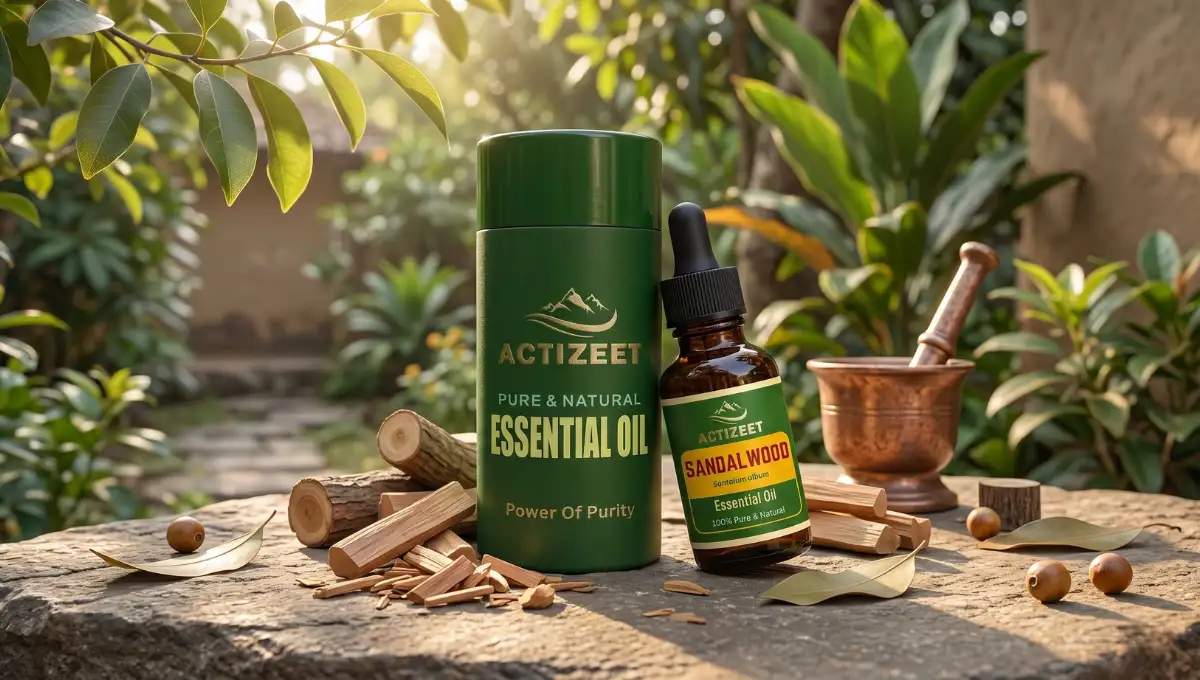
15 Sandalwood Essential Oil Benefits That Explain Why This "Liquid Gold" Has Been Treasured for 4,000 Years
Called Chandana in Sanskrit, sandalwood has held the highest place in Indian culture, medicine, and spirituality since antiquity. Modern science is now catching up to what ancient healers always understood: this oil is extraordinary.
Few botanical oils carry the weight of history that sandalwood does. Known in India as Chandana or Srigandha (meaning "emitting fragrance"), Santalum album has been integral to Ayurvedic medicine, Hindu and Buddhist rituals, Unani healing systems, and traditional Chinese medicine for at least four millennia. It was traded along ancient spice routes, used in the embalming of Egyptian pharaohs, and burned as sacred incense in temples across Asia. Its heartwood oil is still one of the most expensive essential oils in the world.
What makes sandalwood essential oil genuinely remarkable is not its cultural prestige but its chemistry. The oil contains over 125 structurally related sesquiterpene compounds, with alpha-santalol and beta-santalol as the primary bioactive components. These compounds have been studied extensively in modern pharmacological research for anti-inflammatory, antioxidant, antimicrobial, anti-proliferative, and neuroprotective activity. The Australian Therapeutic Goods Administration (TGA) classifies sandalwood album oil as a Listed Medicine, and the International Organization for Standardization (ISO) maintains formal quality standards for it.
In this guide, we explore 15 specific sandalwood essential oil benefits rooted in both ancient wisdom and contemporary research, explain the science behind each one, and show you how to incorporate this extraordinary oil into your daily wellness and skincare practice.
Sandalwood essential oil (SAO) is steam-distilled from the aromatic heartwood of Santalum album, the East Indian sandalwood tree. The heartwood must mature for 15 to 20 years before it develops sufficient oil content for distillation, which explains the oil's rarity and cost. The oil is composed predominantly of sesquiterpenic alcohols, with alpha-santalol (Z-alpha-santalol) comprising approximately 50 to 60% of the oil and beta-santalol contributing another 15 to 20%. ISO standard 3518 governs the quality requirements for commercial sandalwood album oil. The FDA lists it as a natural flavoring ingredient, and the TGA of Australia classifies it as a Listed Medicine.
Key Active Compounds in Sandalwood Essential Oil
The therapeutic properties of sandalwood essential oil are driven by a class of compounds called sesquiterpenic alcohols, particularly the santalol isomers. Understanding these compounds helps explain why sandalwood oil has such a wide range of biological activities.
| Compound | ISO Content | Primary Therapeutic Action |
|---|---|---|
| Z-Alpha-Santalol | ~41-55% | Primary anti-inflammatory, antioxidant, antimicrobial, anti-proliferative, neuroprotective; inhibits COX enzymes; skin cell regeneration |
| Z-Beta-Santalol | ~16-24% | Anti-inflammatory, antioxidant, antimicrobial, antifungal; synergistic activity with alpha-santalol |
| Trans-Alpha-Bergamotol | ~2-8% | Anti-inflammatory; contributes to antifungal activity |
| Epi-Beta-Santalol | ~1-6% | Antioxidant; supports overall sesquiterpene activity |
| Alpha-Santalene | Trace | Aromatic precursor; mild anti-inflammatory |
| Beta-Santalene | Trace | Aromatic; contributes to warm, woody odor profile |
15 Sandalwood Essential Oil Benefits
Anti-inflammatory action is the cornerstone of sandalwood essential oil's skin health benefits and the property most thoroughly documented in both traditional use and modern research. Alpha-santalol, the dominant compound in the oil, inhibits inflammatory signaling at the cellular level through multiple pathways, including suppression of pro-inflammatory cytokines and inhibition of phosphodiesterase (PDE) enzymes that drive chronic skin inflammation.
A 2018 research article published in Frontiers in Pharmacology identified East Indian sandalwood oil as a phosphodiesterase inhibitor, a mechanism of action that was previously untapped in topical botanical treatments and represents a genuinely new therapeutic pathway for managing inflammatory skin diseases. PDE inhibitors are a recognized class of pharmaceutical treatments for psoriasis and eczema, and the identification of natural PDE inhibitory activity in sandalwood oil opened significant research interest in its dermatological potential.
A comprehensive dermatology review published in PMC documented that sandalwood album oil (SAO) has demonstrated biological activity as an anti-inflammatory, anti-microbial, and anti-proliferative agent. The review also cited a clinical trial in which a sandalwood oil-containing treatment regimen applied for eight weeks in 50 patients with mild to moderate facial acne found that 89% of patients showed improvement in their condition, with notable reductions in lesion counts in patients with more severe or inflamed lesions. The treatment was well tolerated by nearly all participants.
For everyday skin inflammation management, sandalwood essential oil diluted in a gentle carrier oil such as jojoba or rosehip and applied to inflamed areas provides anti-inflammatory action through a mechanism that is meaningfully different from conventional topical treatments, making it a genuinely complementary option for inflamed, reactive, or chronically irritated skin.
Oxidative stress accelerates skin aging by degrading collagen, impairing cellular repair mechanisms, and generating inflammatory signals that damage skin tissue over time. Sandalwood essential oil is a documented antioxidant with the ability to scavenge reactive oxygen species (ROS), directly reducing oxidative damage to skin cells exposed to environmental stressors.
An MDPI Cosmetics study investigating the antioxidant and anti-aging potential of Indian sandalwood oil found that the oil effectively scavenged ROS generated by free radical-producing compounds and blue light exposure (at 412 nm and 450 nm wavelengths). The study also measured the oil's effect on matrix metalloproteinase-1 (MMP-1), an enzyme that degrades collagen. Reducing MMP-1 activity is a key target in anti-aging skincare, and sandalwood oil showed promising activity in this regard. The results were validated in both cell lines and human skin explants, giving the findings particular relevance for real-world skin aging.
Research published in MDPI Cosmetics confirmed that Indian sandalwood oil possessed meaningful antioxidant potential capable of scavenging ROS generated by free radical compounds, blue light, and cigarette smoke. The study validated anti-aging effects through assessment of collagenase (MMP-1) levels in human skin explants, providing a rigorous scientific basis for sandalwood oil's traditional use as a skin-brightening, youth-preserving botanical in Ayurvedic skincare.
For anti-aging use, regular nightly application of sandalwood oil diluted in a carrier such as rosehip seed oil provides sustained antioxidant protection to the skin barrier, helps preserve collagen integrity, and supports the skin's natural repair processes that occur during sleep.
Sandalwood essential oil addresses acne through three overlapping mechanisms that together create a more comprehensive treatment approach than many single-compound topicals can offer. First, its antibacterial activity targets Cutibacterium acnes, the bacteria that colonize blocked follicles and trigger the inflammatory cascade behind acne breakouts. Second, its anti-inflammatory action reduces the redness, swelling, and pain of existing lesions. Third, its astringent properties help normalize sebum production and tighten pores that contribute to new blockage formation.
The clinical trial referenced in the dermatology PMC review showed an 89% patient improvement rate over eight weeks of sandalwood oil treatment for acne. The study noted particularly strong results in patients with inflamed, more severe lesions, which is precisely the category of acne that responds least well to many over-the-counter treatments. The European Medicines Agency and the TGA of Australia recognize sandalwood as a traditional medicine for skin conditions, adding regulatory credibility to its acne application.
For acne management, a 5 to 10% dilution of sandalwood oil in jojoba oil applied nightly to cleansed skin provides antibacterial and anti-inflammatory protection without the drying and irritating effects associated with benzoyl peroxide or salicylic acid treatments.
🌾 ACTIZEET® Sandalwood Essential Oil: pure Santalum album oil with verified alpha-santalol content for genuine skin and wellness benefits.
Explore ACTIZEET® →The calming, grounding properties of sandalwood's warm, woody, balsamic aroma are among its most celebrated and practically useful characteristics. Its use in meditation, yoga, and spiritual practices across India, Tibet, China, and Japan reflects a cross-cultural recognition of its ability to quiet an active mind and create a state of centered calm. Modern research is providing biological validation for this ancient understanding.
A 2017 randomized controlled trial found that lavender and sandalwood aromatherapy helped reduce self-reported anxiety in 87 women undergoing breast biopsies, a high-stress medical procedure. A 2016 pilot study of 32 participants found that inhaling lavender and sandalwood oil produced measurably lower blood pressure and lower salivary cortisol levels during a stress task. Cortisol is the primary biological stress hormone, and reducing it through a non-pharmacological intervention has genuine clinical relevance.
Sandalwood's anxiolytic mechanism involves olfactory stimulation of the limbic system, the brain's emotional processing center, through sesquiterpene compounds that appear to modulate neurotransmitter activity. For anxiety management, diffusing sandalwood oil in a workspace, applying diluted oil to pulse points before a stressful situation, or incorporating it into a nightly wind-down ritual are all effective applications.
Sandalwood essential oil has recognized sedative properties that make it a valuable addition to any sleep-support routine. In Ayurveda, sandalwood is classified as a sedative agent and is prescribed to calm an overactive nervous system and ease the transition into restful sleep. The oil's primary sedative compounds, alpha-santalol and beta-santalol, appear to act on the central nervous system through olfactory pathways to reduce mental arousal and promote parasympathetic (rest and digest) nervous system dominance.
Unlike pharmaceutical sleep aids that can create dependency and grogginess, aromatic sandalwood oil induces relaxation without impairing cognitive function the following day. Its warm, rich fragrance creates a sensory environment associated with calm, which is itself a psychological cue that reinforces sleep readiness. For best results, diffuse sandalwood oil in the bedroom for 30 to 40 minutes before sleep, or add 2 to 3 drops to a carrier oil and apply to the soles of the feet, which have large pores and allow efficient absorption of the calming compounds.
One of the more scientifically compelling sandalwood essential oil benefits to emerge from recent research is its neuroprotective activity. East Indian sandalwood oil and its primary components, alpha-santalol and beta-santalol, have been studied in preclinical models for their ability to protect neurons from damage and support healthier brain aging.
A PMC study investigating the neuroprotective and geroprotective effects of East Indian sandalwood oil in a Caenorhabditis elegans model found that the oil and its principal components exerted excellent antioxidant and antiapoptotic activity. The oil was able to extend lifespan, inhibit reactive oxygen species generation, and reduce germline cell apoptosis in a neurotoxin-exposed model. Supplementation of the oil and its santalol components also reduced Parkinson's disease-associated pathologies and improved related outcomes in the model. The mechanism involves activation of the SKN-1/Nrf2 signaling pathway, a key cellular pathway for antioxidant defense and longevity.
Sandalwood essential oil has demonstrated antimicrobial activity against a range of clinically significant bacterial pathogens. Research has confirmed inhibitory activity against Escherichia coli, Staphylococcus aureus, Pseudomonas aeruginosa, Klebsiella pneumoniae, and Klebsiella oxytoca. The strongest antibacterial activity was observed against Staphylococcus aureus, with 87% inhibition recorded in one aqueous extract study.
A ScienceDirect analysis using GC-MS identified Z-alpha-santalol (57.1%) as the primary constituent of Santalum album essential oil and confirmed antimicrobial activity through disc diffusion and minimum inhibitory concentration (MIC) assays against both Gram-positive and Gram-negative bacteria, as well as Candida yeast. The study also demonstrated that vapor-phase sandalwood oil effectively inhibited bacterial growth on food models, highlighting the broad-spectrum nature of its antimicrobial action.
In Ayurveda, sandalwood's antiseptic properties are used traditionally for urinary tract infections, skin infections, and surface wound care. The oil is used as an antiseptic, antispasmodic agent for vaginitis, urethritis, and gonorrheal recovery in traditional medicine contexts, reflecting its historically recognized antimicrobial scope.
Sandalwood essential oil's wound healing properties involve two distinct mechanisms that work in sequence: antimicrobial protection in the early wound healing phase, and cellular regeneration support in the later repair and remodeling phase.
A 2016 study found that sandalwood oil may help to heal wounds on the top layer of skin through its effects on skin cell proliferation. Perhaps more remarkably, a 2014 study discovered that skin cells contain olfactory receptors that specifically respond to sandalwood. When these olfactory receptors were activated by sandalwood compounds, it appeared to promote skin cell growth and proliferation, a finding that suggests the oil's wound-healing benefit may operate through an entirely novel, receptor-mediated pathway that had not previously been identified for any topical botanical compound.
This discovery of olfactory receptor-mediated skin cell growth is one of the most scientifically intriguing aspects of sandalwood research and opens the possibility that the oil actively participates in tissue regeneration rather than simply providing a passive protective environment for wound healing. For wound care application, diluted sandalwood oil can be applied to clean, healing wounds or post-procedure skin to support both antiseptic protection and tissue repair.
🌾 Experience pure ACTIZEET® Sandalwood Essential Oil, crafted from authentic Santalum album heartwood for the full alpha-santalol benefit.
Shop Now →Sandalwood essential oil has demonstrated antifungal activity, with alpha-santalol identified as the primary antifungal compound. Research has shown that alpha-santalol functions as a potent antimitotic agent by interfering with microtubule assembly, which is a mechanism shared with pharmaceutical antifungal agents like griseofulvin. This discovery, based on comparative scanning electron microscopy of fungal hyphae treated with alpha-santalol and griseofulvin, suggests a genuinely pharmacological basis for sandalwood's antifungal activity rather than simple membrane disruption.
Specific antifungal activity has been confirmed against Trichophyton rubrum, the dermatophyte most commonly responsible for ringworm, athlete's foot, and nail fungal infections in humans. Candida albicans inhibition has also been documented. For topical antifungal applications, sandalwood oil's gentle nature and pleasant aroma make it suitable for skin use in appropriate dilutions, addressing the antifungal need while simultaneously providing skin nourishment and anti-inflammatory benefit.
Psoriasis and atopic dermatitis (eczema) are chronic inflammatory skin conditions that significantly impact quality of life and are notoriously difficult to manage over the long term. Standard pharmaceutical treatments for both conditions, including topical corticosteroids and immunosuppressants, carry side effects that limit their long-term use. Sandalwood essential oil's identified phosphodiesterase inhibitory activity represents a pharmacologically distinct and clinically meaningful approach to managing the chronic inflammation underlying both conditions.
The PMC dermatology review specifically noted that sandalwood album oil has shown promise in clinical trials for treatment of acne, psoriasis, eczema, common warts, and molluscum contagiosum. The review further noted that the favorable safety profile, ease of topical use, and pharmaceutical-grade availability of sandalwood album oil support its broader use as a basis for novel therapies in dermatology.
For those managing psoriasis or eczema, adding sandalwood oil to a regular moisturizing routine as a diluted blend, or using skincare products formulated with sandalwood album oil, may help reduce flare frequency and severity as a complementary approach alongside appropriate medical management.
Sandalwood's reputation as a natural aphrodisiac is one of its oldest recorded traditional uses. In Ayurvedic medicine, East Indian sandalwood oil is specifically classified as a natural aphrodisiac, and this use is documented in classical texts. This is not merely a matter of pleasant fragrance: sandalwood contains trace androstadienone, a steroidal compound that activates regions of the hypothalamus in women, producing measurable physiological and psychological responses associated with attraction and intimacy.
Beyond this specific compound, the warm, grounding, skin-close scent of sandalwood creates an atmosphere of warmth, sensuality, and emotional openness that has been recognized by every culture that has encountered it. Its ability to reduce anxiety and lower cortisol while simultaneously promoting a relaxed, receptive state of mind addresses the psychological dimension of libido in a way that few other botanicals do as holistically. Diffused during intimate settings or applied as a personal fragrance in a diluted oil blend, sandalwood essential oil creates the kind of warm, present, grounded atmosphere that genuine intimacy requires.
Sandalwood essential oil has astringent properties that make it particularly valuable for people with oily or acne-prone skin. Astringents tighten skin tissue, reduce the appearance of enlarged pores, moderate excess sebum production, and help tone the overall texture and uniformity of skin. In Ayurveda, sandalwood is explicitly classified as an astringent agent and has been used for millennia as a skin-toning paste.
Modern dermatological research confirms that the anti-proliferative properties of alpha-santalol, which reduce excessive cell growth and turnover, contribute to skin toning and the reduction of blemishes and uneven pigmentation. These anti-proliferative properties are also the basis for sandalwood's recognized benefit in managing molluscum contagiosum and common warts, both of which involve abnormal skin cell proliferation driven by viral infection. For skin-toning applications, a diluted sandalwood oil blend applied as a daily facial serum provides tightening, normalizing, and brightening benefits that accumulate with consistent use over weeks.
In Ayurvedic and Unani medicine, sandalwood has been used as an expectorant and is prescribed for bronchitis, common colds, and coughs. The oil's bronchodilatory and anti-inflammatory properties help relax bronchial smooth muscle and reduce the inflammation of airways that makes breathing difficult during respiratory infections. Its antimicrobial activity against common respiratory pathogens provides an additional layer of support.
Sandalwood essential oil is used for the treatment of fever, common colds, burns, headaches, infection of the urinary tract, and bronchitis, reflecting its traditionally broad respiratory scope. For respiratory applications, steam inhalation with 2 to 3 drops of sandalwood oil in a bowl of hot water helps deliver the anti-inflammatory and antimicrobial compounds directly to the respiratory mucosa. Alternatively, applying a diluted sandalwood and eucalyptus blend to the chest and back creates a warming, aromatic preparation that supports easier breathing during colds or minor respiratory infections.
Sandalwood's role in urinary health is one of its most consistently documented traditional applications across Ayurveda, Unani medicine, and traditional East Asian herbalism. It is used as a diuretic, increasing urine output to flush the urinary tract, and as an antiseptic for urinary tract infections. Classical Ayurvedic texts recommend sandalwood preparations for conditions including dysuria (painful urination), cystitis, urethritis, and gonorrhea, all of which involve urinary tract infection or inflammation.
The antimicrobial compounds in the oil, particularly alpha-santalol, have demonstrated activity against some of the bacteria commonly responsible for urinary tract infections, including E. coli. While the essential oil itself is used aromatically or topically rather than internally in modern practice, sandalwood preparations in Ayurveda are administered orally for urinary conditions under practitioner guidance. For complementary urinary support through aromatherapy, diffusing sandalwood oil or applying diluted oil to the lower abdomen may provide mild comfort during minor urinary discomfort.
The anti-proliferative activity of alpha-santalol is one of the most active areas of sandalwood research in contemporary oncology. This is an area that requires careful discussion: sandalwood essential oil is not a cancer treatment. However, the preclinical research into its anti-proliferative and chemopreventive properties is genuinely compelling and points toward potential clinical applications that are being actively investigated.
Alpha-santalol has been studied for selective cytotoxicity toward cancer cell lines, including skin cancer (specifically in chemoprevention of TPA-induced promotion in mouse skin), breast cancer (MCF-7) cell lines, and human leukemia cell lines. In skin cancer models, alpha-santalol reduced tumor incidence and multiplicity in chemically-induced carcinogenesis. The mechanism appears to involve induction of apoptosis (programmed cell death) in cancer cells while sparing normal cells, which is a characteristic of genuine chemopreventive agents rather than general cytotoxins.
The PMC dermatology review noted that sandalwood oil seemed to show preferential cytotoxicity toward cancerous cell lines compared to non-cancerous control cells, a selectivity that is important for any potential therapeutic application. This research remains in preclinical stages for the most part, and the application of sandalwood oil in cancer contexts is strictly a matter for medical professionals. Nevertheless, these findings add an important dimension to our understanding of why this oil has been regarded as such a powerful medicinal plant for so many centuries.
ACTIZEET® Sandalwood Essential Oil is distilled from authenticated Santalum album heartwood with verified alpha-santalol and beta-santalol content meeting ISO 3518 quality parameters. Pure, unadulterated, and processed to preserve the full sesquiterpene profile that makes sandalwood oil genuinely therapeutic. This is the real Chandana, as Ayurveda has always known it.
🌾 Shop ACTIZEET® Sandalwood Essential Oil →How to Use Sandalwood Essential Oil
Sandalwood essential oil is one of the most gentle and versatile essential oils available, particularly safe for skin use when properly diluted. Here are the most effective methods for integrating it into your daily routine.
Daily Facial Skin Care
Dilute 3 drops in one teaspoon of jojoba or rosehip oil. Apply as a nightly face serum after cleansing. Use for anti-aging, acne management, skin brightening, and general skin health. Builds cumulative benefit over 4 to 8 weeks.
Meditation and Mindfulness
Diffuse 3 to 5 drops in a water diffuser, or apply 1 drop diluted to the forehead and wrists before meditation. The grounding, centering aroma supports focus, mental stillness, and spiritual awareness.
Relaxing Bath or Body
Add 6 to 8 drops to one tablespoon of carrier oil or bath salts. Dissolve in warm bathwater for full-body relaxation, skin nourishment, and stress relief. Alternatively, mix into a body lotion for daily moisturizing use.
Sleep Ritual
Diffuse 3 to 5 drops in the bedroom 30 minutes before sleep. Alternatively, apply 1 drop diluted in carrier oil to the soles of the feet for efficient absorption. Promotes deep relaxation and faster sleep onset.
Hair and Scalp Care
Add 4 drops to one tablespoon of warm coconut or argan oil. Massage into the scalp and through the hair lengths. Leave for 30 minutes before washing. Adds nourishment, reduces scalp inflammation, and imparts a subtle fragrance.
Personal Perfume
Dilute 10 drops in one tablespoon of jojoba oil for a long-lasting natural perfume base. Apply to pulse points. Sandalwood is a base note and anchors other aromatic oils beautifully. Ideal as a standalone or in custom blends.
What Sandalwood Essential Oil Blends Well With
Sandalwood is a warm, woody base note that anchors and enriches almost any aromatic blend. It also produces powerful therapeutic synergies with complementary oils.
Safety Guidelines and Precautions
Sandalwood essential oil has one of the most favorable safety profiles of any essential oil. Adverse reactions are rare and typically mild. Nevertheless, basic precautions apply to all essential oil use.
- Dilute before skin application. A 2 to 5% dilution in carrier oil is appropriate for face use (2%), body use (3 to 5%), and hair applications. Undiluted application to large skin areas is not necessary and may increase sensitization risk over time.
- Patch test before first facial use. Apply a small diluted amount to the inner wrist and wait 24 hours to check for any sensitivity, particularly for those with reactive or allergy-prone skin.
- Not for internal use. Sandalwood essential oil is for external and aromatic use only in the context of self-care. Internal use requires strict medical and practitioner supervision.
- Pregnancy and nursing. While sandalwood has an excellent safety profile, consult a healthcare provider before use during pregnancy or breastfeeding as a precaution.
- Quality matters critically. Sandalwood is one of the most adulterated essential oils in the world due to its high value. Synthetic santalol, amyris oil, and various filler compounds are routinely passed off as genuine sandalwood. Always choose products that specify Santalum album and provide ISO compliance documentation.
- Store correctly. Keep in a tightly sealed amber glass bottle away from light and heat. Properly stored sandalwood oil has an exceptionally long shelf life of 10 years or more because its heavy sesquiterpene compounds are highly stable.
Frequently Asked Questions
Final Thoughts: An Ancient Oil That Keeps Earning Its Reputation
The 15 sandalwood essential oil benefits covered in this guide reflect a botanical that has been continuously valued across every culture that has encountered it for 4,000 years and across every major global tradition of healing. The remarkable consistency of that cross-cultural record is not coincidence. It reflects genuine, reproducible therapeutic properties that are now being confirmed and detailed by modern pharmacological research.
From its clinically validated anti-inflammatory and antioxidant effects to its neuroprotective activity, skin-cell receptor interactions, and the emerging research into its anti-proliferative properties, sandalwood essential oil is one of the most multi-dimensionally researched botanical oils in existence. Its safety profile is excellent. Its chemical stability means a bottle of quality sandalwood oil can last a decade without significant degradation. And its aromatic richness makes it one of the most deeply pleasurable therapeutic oils to work with.
The main challenge with sandalwood is quality. Adulteration is pervasive in this market category precisely because the oil is so valuable and genuinely difficult to produce in quantity. Choosing ACTIZEET® Sandalwood Essential Oil, with verified Santalum album composition and ISO 3518 compliance, ensures you are accessing the real therapeutic profile that four millennia of human experience and the best of modern science both confirm.
Latest From Our Blog

Best Thyme Oil in India 2026: How to Choose the Right Chemotype, Verify Thymol Quality, and Why ACTIZEET® Is India’s Most Trusted Option
Looking for the best thyme oil in India? Learn how...

Best Juniper Berry Oil in India 2026: A Complete Buyer’s Guide to Pure, Authentic Juniperus communis Essential Oil
Looking for the best juniper berry oil in India in...

15 Geranium Essential Oil Benefits: How Pelargonium graveolens Citronellol and Geraniol Deliver Wiley-Reviewed Anxiety Relief, PMC-Confirmed 73–88% Anti-Inflammatory, Antifungal Candida Activity, and Complete Skin-Healing Power
Discover 15 geranium essential oil benefits, including Wiley 2026 systematic...

Best British Rose Oil in India 2026: What Makes English Rose Essential Oil Worth It and Why ACTIZEET® Is the Verified Choice
Looking for the best British rose oil in India? Learn...