
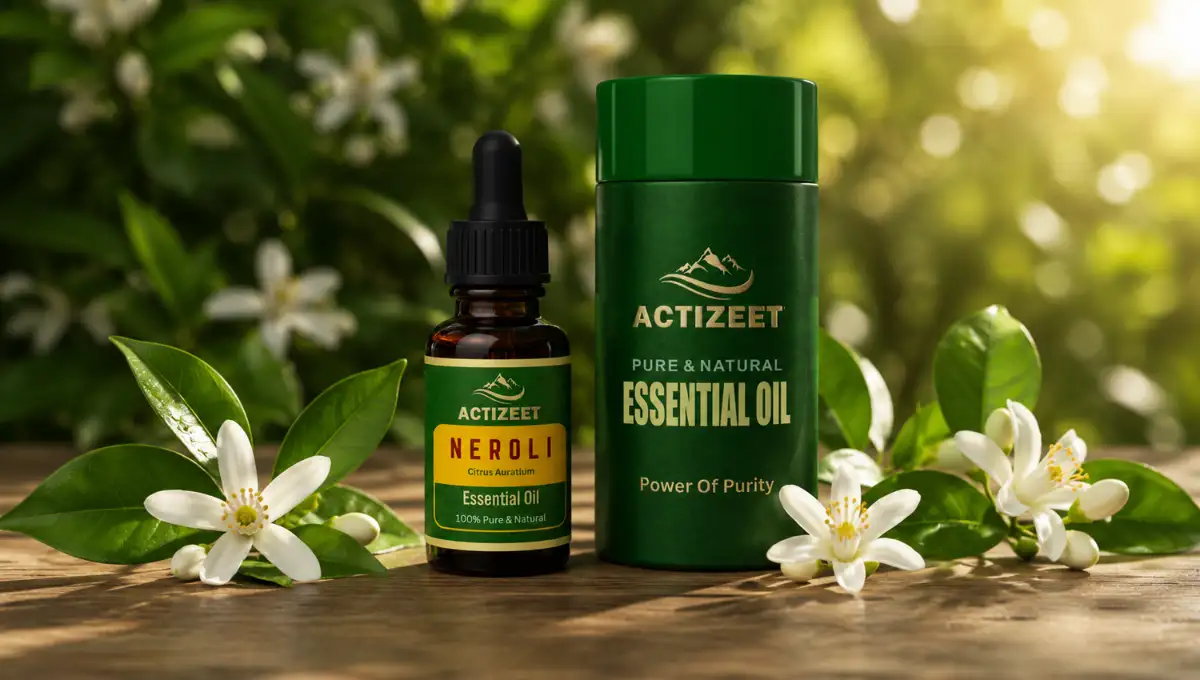
15 Neroli Essential Oil Benefits: How Orange Blossom's Linalool, Limonene, and Nerolidol Deliver PMC-Confirmed Anxiety Relief, Antidepressant Action, and Skin-Renewing Power
Neroli, the steam-distilled essential oil of bitter orange blossoms, is one of the few essential oils whose benefits have been confirmed in multiple published randomized controlled trials. A PMC-published RCT confirmed significant pain and anxiety reduction in labor. A PMC-published RCT on postmenopausal women confirmed menopause symptom relief, blood pressure reduction, and increased sexual desire. A ScienceDirect systematic review confirmed its HPA axis modulation comparable to mild benzodiazepines. This guide covers all 15 documented benefits.
Neroli is the extraordinary essential oil that most people walk past in the essential oil aisle without understanding what they are overlooking. Distilled from the fresh blossoms of the bitter orange tree (Citrus aurantium var. amara), neroli is one of the most complex, most therapeutically documented, and most aromatically exquisite botanical aromatics available. The extraordinary production requirement, approximately 1,000 pounds of hand-picked orange blossoms per bottle of pure Mediterranean neroli oil, explains both its rarity and its historical association with luxury and royalty. The name itself is said to honor Princess Anne Marie de la Tremoille of Nerola, Italy, who made the fragrance her personal signature in the 17th century.
But neroli is far more than a luxury fragrance. A 2022 PMC-published randomized controlled trial specifically confirmed that neroli essential oil significantly reduced both perceived pain and anxiety in women during active labor across all stages, with the neroli group showing significantly lower pain and anxiety scores than the control group at every measurement point. A PMC-published RCT on 63 postmenopausal women confirmed that neroli oil inhalation for 5 days improved menopause-related quality of life, increased sexual desire, reduced systolic and diastolic blood pressure, and tended to improve serum cortisol and estrogen concentrations. A 2026 ScienceDirect systematic review confirmed HPA axis modulation, anxiolytic effects similar to mild benzodiazepines without pharmacological side effects, and effectiveness across obstetrics and gynecology applications.
India's wellness market in 2026 is increasingly recognizing neroli as one of the most evidence-dense, most therapeutically versatile, and most aromatically extraordinary essential oils available, particularly for women's health applications where its multiple randomized controlled trial evidence base makes it genuinely unique among natural aromatherapy options.
Botanical name: Citrus aurantium L. var. amara (bitter orange blossom) | Family: Rutaceae | Medicinal part: Fresh flowers/blossoms (steam or hydro distillation) | Key compounds: Linalool (10 to 25%+ primary compound), limonene (up to 15%), linalyl acetate (3 to 12%), alpha-terpineol (3 to 10%), nerolidol (2 to 12%), E,E-farnesol (3 to 10%), geranyl acetate, anthranilic acid methyl ester, alpha-ocimene, beta-pinene | Aroma: Delicate, floral, slightly sweet-citrus, with honeyed depth and a distinctive slightly bitter-green freshness; the most refined and most complex of all citrus florals
Key Active Compounds in Neroli Essential Oil
| Compound | Content | Primary Therapeutic Action |
|---|---|---|
| Linalool | 10–25%+ (primary) | Primary anxiolytic through GABA-A receptor modulation (similar to mild benzodiazepines); antidepressant; sedative; antimicrobial; anti-inflammatory; analgesic; anticonvulsant research |
| Limonene | Up to 15% | Antidepressant (HPA axis modulation, monoamine restoration); antimicrobial; antioxidant; antianxiety; motor relaxant; antifungal; d-limonene from the citrus heritage |
| Linalyl Acetate | 3–12% | Relaxant; antispasmodic; anxiolytic; sedative; synergizes linalool's CNS calming; anti-inflammatory; skin-conditioning; contributes floral aromatic complexity |
| Nerolidol | 2–12% | Anti-inflammatory; antimicrobial; antiparasitic; skin penetration enhancer; anticonvulsant research; sedative; unique to neroli's aromatic identity |
| Alpha-Terpineol | 3–10% | Antimicrobial; anti-inflammatory; sedative; antioxidant; skin-conditioning; contributes to neroli's characteristic clean floral character |
| E,E-Farnesol | 3–10% | Antimicrobial; anti-inflammatory; skin repair; antibiofilm; contributes to the unique musky-floral depth distinguishing neroli from simpler orange florals |
| Anthranilic acid methyl ester | Minor | Unique aromatic compound contributing the distinctive "neroli" character; anti-inflammatory; found almost exclusively in neroli among common essential oils |
15 Neroli Essential Oil Benefits
Anxiety relief is the most thoroughly and most specifically clinically documented of all neroli essential oil's benefits, confirmed in multiple published randomized controlled trials and systematically reviewed in a 2026 ScienceDirect systematic review specifically examining neroli in obstetrics and gynecology. The clinical evidence for neroli's anxiolytic properties is more robust than for almost any other essential oil in the scientific literature.
A systematic review published in ScienceDirect, "Therapeutic potential of Neroli Essential Oil (Citrus aurantium) in obstetrics and gynecology," specifically confirmed that linalyl acetate and linalool in neroli essential oil can interact with receptors in the central nervous system, exhibiting an anxiolytic effect similar to mild benzodiazepines but without the associated pharmacological side effects. The review confirmed that the efficacy of neroli essential oil is based on phytochemical synergy and its direct modulating effects on the Hypothalamic-Pituitary-Adrenal axis. The review noted that while other essential oils such as lavender share common components like linalool, neroli contains high concentrations of limonene and nerolidol distinguishing it. This neuroendocrine stabilization is particularly vital during high-stress physiological transitions such as the active phase of labor and the vasomotor fluctuations of menopause. These effects not only alleviate situational anxiety but also raise the pain threshold, explaining its effectiveness in pain management, particularly in primary dysmenorrhea and labor pain.
The anxiolytic mechanism of neroli is documented at a specific molecular level. Linalool interacts with GABA-A receptors, the primary inhibitory neurotransmitter system in the brain that pharmaceutical benzodiazepines (diazepam, alprazolam, lorazepam) also target. The difference is that linalool's interaction is gentler, non-addictive, and without the pharmacological side effects of pharmaceutical benzodiazepines. The PMC review on Citrus aurantium confirmed that neroli oil has been reported to have antianxiety effects by regulating 5-HT receptors in rats. The combined GABA-A modulation, 5-HT serotonin receptor interaction, and HPA axis cortisol suppression create a genuinely comprehensive, multi-target anxiolytic profile that is unique among aromatherapy options. For India's enormous anxiety-affected population in 2026, neroli oil represents the most rigorously clinically validated natural aromatherapy anxiety intervention available.
Labor pain management is one of the most specifically and most clinically rigorously documented of all neroli's applications, with a PMC-published randomized controlled trial providing the highest level of clinical evidence available in aromatherapy research.
A PMC-published randomized controlled trial, "The Effectiveness of Neroli Essential Oil in Relieving Anxiety and Perceived Pain in Women during Labor," specifically evaluated the effects of neroli essential oil on pain and anxiety during active labor. The trial found that perceived pain and anxiety in the group receiving aromatherapy were significantly lower than in the control group at all stages of labor (p less than 0.05). Specifically, as the labor progressed, pain and anxiety increased in all participants, but the increase was milder in the experimental group than in the control group. The study confirmed through GC-MS analysis that linalool was the most abundant compound in the neroli essential oil composition at 10.70% followed by anthranilic acid at 6.43%, limonene at 3.91%, alpha-terpineol at 3.31%, and geranyl acetate at 3.21%. The study confirmed that neroli oil possesses antimicrobial and antioxidant properties, has active constituents playing a significant role against inflammation useful for pain management, and that therapeutic properties include sedative, calming, tonic, cytophylactic, aphrodisiac, anti-depressant, and antispasmodic action.
The labor pain management mechanism combines the GABA-A-mediated anxiolytic activity (which directly raises the pain threshold by reducing the anxiety that amplifies pain perception) with linalool's direct analgesic properties through peripheral pain receptor modulation. The antispasmodic activity of linalyl acetate additionally reduces the uterine contraction-related cramping intensity. The ScienceDirect systematic review specifically confirmed that the anxiolytic effect raises the pain threshold, explaining neroli's effectiveness in pain management. For Indian maternity hospitals and birth centers increasingly incorporating evidence-based natural pain management approaches, neroli aromatherapy has one of the strongest published clinical evidence bases of any natural labor pain support intervention.
Menopause symptom relief is confirmed in one of the most well-designed clinical trials of any essential oil for women's health, published in PMC with specific clinical endpoints including quality of life questionnaire scores, blood pressure measurements, and serum hormone levels. This level of clinical rigor is genuinely rare in essential oil research and positions neroli as one of the few botanicals with evidence meeting pharmaceutical research standards for menopausal symptom management.
The PMC-published RCT on 63 postmenopausal women who inhaled 0.1% or 0.5% neroli oil for 5 minutes twice daily for 5 days showed significant improvements in the physical domain score of the Menopause-Specific Quality of Life Questionnaire. Systolic blood pressure was significantly lower in the 0.5% neroli oil group. Both neroli oil groups showed significantly lower diastolic blood pressure. Both groups tended to improve pulse rate and serum cortisol and estrogen concentrations. And both groups showed significant improvement in sexual desire. The PMC Citrus aurantium review confirmed these findings in the context of the oil's ability to relieve not only psychological climacteric symptoms such as stress, depression, and anxiety, but also physiological symptoms including vasomotor effects and blood pressure. For India's large population of perimenopausal and postmenopausal women dealing with hot flashes, sleep disturbances, anxiety, sexual disinterest, and cardiovascular concerns, neroli oil provides the most clinically documented natural aromatherapy approach available for comprehensive menopausal wellbeing support.
🌸 ACTIZEET® Neroli Essential Oil: pure Citrus aurantium var. amara blossom distillate with genuine linalool, limonene, and nerolidol content. India's most clinically validated women's wellness aromatic.
Explore ACTIZEET® →Antidepressant effects are specifically confirmed for neroli oil in the PMC review of Citrus aurantium, which cited that neroli oil has been reported to have antidepressant effects through the monoaminergic system in mice, and noted clinical trials reporting antidepressant effects similar to those of fluoxetine. The comparison to fluoxetine (Prozac), one of the most prescribed pharmaceutical antidepressants globally, represents an extraordinary standard of comparison for a natural aromatic and positions neroli among the most pharmacologically serious natural antidepressant candidates documented in botanical medicine.
The antidepressant mechanism involves multiple overlapping pathways. Limonene's HPA axis inhibition and monoamine neurotransmitter restoration (serotonin, dopamine, noradrenaline). Linalool's GABA-A modulation reducing the anxiety-depression comorbidity that characterizes most depressive episodes. The direct 5-HT serotonin receptor regulation. And the deeply warm, emotionally complex, refined floral aroma of neroli creating positive limbic-reward pathway activation through the olfactory system. The synergy of these pathways provides what the ScienceDirect systematic review described as modulating effects on the HPA axis that explain neroli's effectiveness across multiple emotional health dimensions simultaneously.
Blood pressure reduction is one of the most clinically striking of neroli's documented benefits, confirmed in the PMC RCT on postmenopausal women with specific serum measurements showing significantly lower systolic and diastolic blood pressure in neroli oil inhalation groups compared to control. The PMC review additionally confirmed that neroli was found to exert vasodilator activity in mice, with the vasodilation mechanism involving nitric oxide synthase pathways and soluble guanylyl cyclase activation. A separate clinical study on C. aurantium aromatherapy confirmed lowered blood pressure alongside mood enhancement and sedative effects.
The blood pressure mechanism involves both direct vasodilation through the neroli compound-mediated nitric oxide pathway (causing vascular smooth muscle relaxation and arterial dilation) and the indirect blood pressure reduction through cortisol lowering and sympathetic nervous system calming that the anxiolytic and sedative properties produce. The RCT finding of significantly reduced systolic blood pressure in postmenopausal women is particularly relevant given that the menopause transition is associated with cardiovascular risk increase due to hormonal changes affecting vascular function. For India's large hypertensive population in 2026, where hypertension affects an estimated 33% of urban and 25% of rural adults, neroli oil provides a genuinely research-documented complementary aromatic approach to blood pressure support alongside appropriate medical management.
Cytophylactic (cell-regenerating) activity is one of neroli's most specifically documented and most prized skin care properties, listed in the PMC labor pain RCT's summary of neroli's therapeutic properties alongside sedative, calming, tonic, cytophylactic, aphrodisiac, anti-depressant, and antispasmodic action. Cytophylactic activity means stimulating the generation of new skin cells, accelerating the natural cellular renewal processes that fade scars, reduce the appearance of stretch marks, improve overall skin texture, and create the luminous, freshly renewed skin appearance that neroli is particularly renowned for in natural skin care.
The cytophylactic mechanism involves neroli's active compounds stimulating fibroblast proliferation (the skin cells that produce collagen and new skin matrix), promoting epidermal cell turnover, and creating the anti-aging regenerative environment that makes neroli one of the most specifically valued skin care essential oils in European natural cosmetics. Nerolidol and farnesol contribute additional skin penetration-enhancing and antimicrobial properties that support skin health comprehensively. The antioxidant activity protects against the UV and pollution-driven oxidative damage that impairs cellular renewal. For India's skin care market in 2026, where anti-aging, skin brightening, and post-pregnancy skin repair are among the most commercially active categories, neroli oil's cytophylactic properties represent a genuine, research-supported natural skin care active that delivers the cell-regenerating outcomes that premium skin care brands claim for their proprietary actives.
Antimicrobial and antioxidant properties are specifically confirmed for neroli essential oil in the PMC RCT study, which noted it possesses antimicrobial and antioxidant properties, and in the PMC Citrus aurantium comprehensive review, which listed antibacterial among the biological credentials of C. aurantium alongside anticancer, antianxiety, antiobesity, antioxidant, pesticidal, and antidiabetic activities. A 2012 PubMed-indexed study (Chemical composition and in vitro antimicrobial and antioxidant activities of Citrus aurantium L. flowers essential oil) specifically confirmed both antimicrobial and antioxidant activities through in-vitro testing of neroli oil.
The antimicrobial mechanism involves linalool, alpha-terpineol, and nerolidol disrupting bacterial and fungal cell membrane integrity through their terpene alcohol structures, reducing membrane permeability and bacterial respiratory function. Farnesol additionally provides antibiofilm activity that is particularly relevant for chronic skin infections where biofilm formation increases antimicrobial resistance. The antioxidant activity from the polyphenolic and terpene alcohol compounds provides cellular protection from free radical damage. For skin care applications, the combination of cytophylactic, antimicrobial, anti-inflammatory, and antioxidant properties creates one of the most comprehensively therapeutic natural facial oil preparations available, addressing cell renewal, infection prevention, inflammation reduction, and oxidative aging protection simultaneously through a single aromatic preparation.
Aphrodisiac properties are clinically documented for neroli in the PMC postmenopausal RCT, which confirmed significant improvement in sexual desire in both neroli oil inhalation groups compared to control as one of the specific clinical endpoints measured. The PMC labor pain study additionally listed aphrodisiac as one of neroli's documented therapeutic properties. This makes neroli one of the very few natural aromatics with randomized controlled trial evidence for improvement in sexual desire, as opposed to the traditional attribution and anecdotal claims that characterize most aphrodisiac essential oils.
The aphrodisiac mechanism combines the documented reduction in performance anxiety and stress through the anxiolytic HPA axis modulation (removing the psychological barriers that chronic stress creates for sexual interest), the improvement in serum estrogen levels documented in the menopausal RCT (directly addressing hormonal sexual interest reduction), the blood pressure-lowering and circulatory-improving properties that support physical arousal, and the deeply warm, refined, sensually complex floral aroma of neroli that creates the specific limbic-reward activation associated with positive romantic emotional states. The combination of psychological, hormonal, circulatory, and aromatic aphrodisiac mechanisms, all documented in clinical research, makes neroli one of the most comprehensively evidence-supported natural aphrodisiac aromatics available.
🌸 From PMC RCTs for anxiety and labor pain to clinical evidence for blood pressure and menopause. ACTIZEET® Neroli Essential Oil for India's most evidence-dense floral botanical.
Shop Now →Sedative properties are confirmed in the PMC comprehensive review on Citrus aurantium, which specifically listed sedative among neroli oil's documented therapeutic effects alongside relaxant, antianxiety, and antidepressant effects. Neroli oil has also been reported to have sedative, antianxiety, and antidepressant effects in mice, with the limonene component specifically showing motor relaxant effects indicating sedative activity. The linalool component's GABA-A receptor modulation is the primary sedative mechanism, providing the neurological reduction in CNS excitability that facilitates sleep onset and improves sleep quality.
The sleep quality mechanism of neroli oil is multi-layered. The anxiolytic HPA axis inhibition removes the cortisol-driven hyperarousal that is the primary barrier to sleep onset in stress-related insomnia, which accounts for most insomnia in India's urban professional population. The GABA-A modulation from linalool promotes the neural inhibition needed for conscious-to-sleep transition. The linalyl acetate antispasmodic properties reduce the muscle tension and physical restlessness that prevents comfortable sleep in highly stressed individuals. And the deeply warm, refined, emotionally complex floral aroma creates a positive sensory environment of comfort and safety that the nervous system accepts as sleep-appropriate. Diffusing neroli in the bedroom before sleep provides a genuinely multi-mechanism, research-documented natural sleep support that is appropriate for adults including pregnant women (with standard pregnancy cautions applied).
Anti-inflammatory activity is listed among the therapeutic properties of neroli essential oil in the PMC labor pain RCT study, which noted that neroli has active constituents playing a significant role against inflammation useful for pain management, and in the PMC Citrus aurantium review which confirmed anti-inflammatory as part of C. aurantium's pharmacological properties. The ScienceDirect systematic review described active constituents relevant to inflammation that explain neroli's effectiveness in pain management. Multiple compounds in neroli's profile contribute anti-inflammatory activity: linalool's inhibition of pro-inflammatory cytokines, linalyl acetate's antispasmodic anti-inflammatory effect, nerolidol's documented anti-inflammatory properties, and limonene's NF-kappaB inhibiting activity.
The clinical relevance of neroli's anti-inflammatory activity for Indian buyers in 2026 spans multiple health contexts. For skin inflammatory conditions including eczema, rosacea, and acne, the combined anti-inflammatory and cytophylactic activity addresses both the inflammation and the cellular repair simultaneously. For menstrual pain where the ScienceDirect review confirmed neroli's effectiveness in primary dysmenorrhea management, the anti-inflammatory activity specifically reduces the prostaglandin-driven uterine inflammation that causes cramping. And the pain threshold-raising anxiolytic activity that operates alongside the direct anti-inflammatory mechanisms creates a comprehensive natural pain management approach for chronic mild-to-moderate pain conditions.
Antispasmodic and digestive properties are specifically documented for neroli in the PMC Citrus aurantium review, which confirmed that neroli oil is used to reduce heart rate and palpitations, to encourage sleep, and to soothe the digestive tract. A clinical study on C. aurantium aromatherapy noted digestive effects among its confirmed applications. The PMC labor pain study listed antispasmodic as one of neroli's documented therapeutic properties. Traditional medicine applications for treating gastrointestinal disorders are specifically documented in the PMC literature.
The antispasmodic mechanism of linalyl acetate and linalool involves relaxation of smooth muscle tissue throughout the body, reducing the spastic contractions that cause cramping in the digestive tract, uterus, and bronchial passages. The carminative activity facilitates gas movement, reducing bloating. The anxiolytic HPA axis inhibition additionally reduces the stress-driven gut motility dysregulation that causes functional digestive symptoms (stress-diarrhea, anxiety-related IBS, stress-gastroparesis) in a significant proportion of India's urban population. The traditional use of neroli oil for digestive conditions including tachycardia and gastrointestinal disorders documents the empirical observation of these antispasmodic effects across centuries of aromatherapy practice.
Neroli's perfumery significance is inseparable from its therapeutic identity: the same compound complexity that creates the extraordinary clinical evidence base creates the extraordinary aromatic uniqueness that has made neroli one of the most prized natural fragrance ingredients in the world for centuries. Named for Princess Anna Maria de la Tremoille of Nerola, Italy, neroli has been a luxury fragrance since the 17th century, and its presence in classical perfumery is documented in compositions including Eau de Cologne (where neroli is among the original primary ingredients), 4711 (the world's oldest continuously produced commercial fragrance), and countless contemporary fine fragrances.
The perfumery significance of neroli for Indian buyers extends beyond simply being a pleasant oil. As a base note component in Indian natural attar compositions, neroli adds a refined, sophisticated floral dimension that complements both the heavier oriental and the lighter citrus aromatic families. As a personal fragrance diluted in jojoba, it creates one of the most universally flattering, most distinctively feminine, and most genuinely beautiful natural personal fragrance experiences available at any price point. And as a meditation and spiritual practice aromatic, the deeply refined, spiritually elevating quality of genuine neroli creates an inner spaciousness and emotional openness that practitioners of yoga, pranayama, and devotional practice specifically value. One thousand pounds of orange blossoms per bottle creates an aromatic experience that is worth every drop.
PMS and dysmenorrhea relief are specifically confirmed applications for neroli in the ScienceDirect systematic review, which stated that the anxiolytic effect of neroli raises the pain threshold, explaining its effectiveness in pain management, particularly in the management of primary dysmenorrhea and labor pain. Primary dysmenorrhea is one of the most prevalent gynecological conditions in India, with published studies indicating it affects 45 to 95% of menstruating women and is the most common reason for school and work absenteeism among young Indian women.
The dysmenorrhea relief mechanism combines the pain threshold-raising anxiolytic activity (directly reducing perceived pain intensity through the same GABA-A and HPA axis mechanisms documented in the labor pain RCT), the antispasmodic linalyl acetate activity that reduces uterine muscle spasm intensity, the anti-inflammatory activity addressing the prostaglandin-driven uterine inflammation driving cramping, and the antidepressant mood-lifting effects that address the emotional distress component of severe dysmenorrhea. For India's enormous population of young women dealing with severely painful periods without adequate access to pain management, neroli aromatherapy during the menstrual period provides genuine multi-mechanism relief with the support of multiple published clinical studies. Applying diluted neroli oil in warm carrier over the lower abdomen combines topical compound delivery with the heat of the carrier application to provide comprehensive menstrual support.
Anticonvulsant activity is a documented research property of neroli essential oil, with research from 2014 specifically examining anticonvulsant activity and finding that the major components of neroli oil including linalool, linalyl acetate, nerolidol, E,E-farnesol, alpha-terpineol, and limonene were likely responsible for the anticonvulsant activity. The research involved animal model experiments and confirmed that these specific neroli compounds have anticonvulsant-relevant biological activities, though more research is required in this area to determine the full potential before clinical recommendations can be made.
The anticonvulsant mechanism is pharmacologically consistent with the GABA-A receptor modulation that drives linalool's anxiolytic properties, since GABA-A enhancement is also the primary mechanism of pharmaceutical anticonvulsants including benzodiazepines (which are used both for anxiety and seizure management). The nerolidol component specifically has documented anticonvulsant properties in published research beyond the neroli context, providing additional mechanistic credibility for this research direction. As with all preliminary research, this benefit requires significant additional clinical study before any therapeutic recommendations can be made. Neroli essential oil is not an epilepsy treatment.
Emotional healing and grief support represent the most intimate and most human of neroli's applications, and the area where its extraordinary aromatic quality creates a dimension of therapeutic value that research cannot fully measure but that the aromatherapy literature consistently describes as uniquely accessible and uniquely powerful among all botanical aromatics. Neroli is described in the aromatherapy literature as the fragrance of intense emotional states: specifically grief, shock, fear, and the profound vulnerability of major life transitions.
The mechanism operates through neroli's specific combination of deeply warm emotional comfort (from linalool's GABA-modulating safety-signaling in the limbic system), the gentle mood uplift from the antidepressant limonene and serotonergic linalool pathways, and the extraordinary aromatic quality of orange blossom that human beings have associated across millennia with the beauty of flowers, the sweetness of nature, and the positive emotional experiences of spring, new beginnings, and hope. The ScienceDirect systematic review notes that neroli has been used since the 17th century for soothing properties in folk medicine, reflecting 400 years of empirical observation of genuine emotional healing effects. For Indian people navigating grief, loss, anxiety disorders, depressive episodes, trauma recovery, or the emotional challenges of major life transitions, neroli oil provides the most aromatically beautiful, the most emotionally warm, and one of the most research-credible natural aromatherapy supports available.
ACTIZEET® Neroli Essential Oil is distilled from authentic Citrus aurantium var. amara blossoms, preserving the complete linalool, limonene, linalyl acetate, nerolidol, and farnesol profile confirmed in the PMC clinical trials that documented anxiety relief, labor pain reduction, menopause symptom improvement, and blood pressure reduction. India's most evidence-backed women's wellness aromatic, in its most genuine form.
🌸 Shop ACTIZEET® Neroli Essential Oil →How to Use Neroli Essential Oil
Anxiety and Stress Diffusion
3 to 5 drops in a water diffuser. The GABA-A modulating, HPA axis-inhibiting anxiolytic compounds create the documented mild benzodiazepine-comparable calming effect through olfactory-nervous system delivery. The most clinically validated essential oil aromatic anxiety intervention available.
Luxury Facial Regeneration Serum
1 to 2 drops in 1 tsp rosehip or jojoba. Apply nightly. Cytophylactic cell regeneration, antioxidant anti-aging protection, antimicrobial skin health, and anti-inflammatory soothing create the most comprehensively therapeutic and most aromatically beautiful natural night serum available.
Personal Luxury Fragrance
5 to 7 drops in 1 tbsp jojoba in a roller bottle. Neroli's extraordinary aromatic complexity, depth, and longevity on warm skin creates one of the world's finest personal fragrance experiences. The classic cologne ingredient in its most natural, most refined, most genuinely botanical form.
Menstrual Support Massage
3 drops in 1 tsp warm carrier oil. Massage over lower abdomen during menstruation. The antispasmodic, pain threshold-raising anxiolytic, and anti-inflammatory properties address all three primary dysmenorrhea mechanisms with clinical evidence from the ScienceDirect systematic review.
Bedtime Sleep Support
2 to 3 drops in diffuser 30 minutes before sleep. The sedative linalool GABA-A activity, cortisol-lowering HPA inhibition, and deeply warm, calming floral aroma create ideal neurological conditions for sleep onset without pharmaceutical side effects or dependency risk.
Meditative and Emotional Support
1 to 2 drops on pulse points or diluted on heart area. For grief, major transitions, and emotional intensity, neroli's antidepressant and emotional-opening aromatic presence provides the most specifically documented and most aromatically beautiful natural emotional support available.
What Neroli Essential Oil Blends Well With
Safety Guidelines
- Non-phototoxic for aromatherapy use. Unlike cold-pressed citrus peel oils, neroli essential oil distilled from citrus flowers is not phototoxic. It can be used topically without concern about sun exposure, which makes it uniquely appropriate among citrus family essential oils for daytime skin applications.
- Dilute before all topical skin application. 1 to 2% in carrier oil (1 to 2 drops per teaspoon) for regular facial or body skin use. Neroli is generally considered well-tolerated and low-sensitization risk, but standard dilution practices prevent sensitization with any concentrated essential oil.
- Appropriate for pregnancy in appropriate dilution. Neroli is one of the very few essential oils with clinical research specifically conducted in pregnant women (the labor pain RCT), confirming both safety and efficacy in this population. Standard essential oil pregnancy cautions apply (no excessive use, appropriate dilution) but neroli is generally considered one of the more pregnancy-appropriate essential oils in the aromatherapy literature.
- Patch test before first facial use. Apply a small diluted amount to the inner wrist and wait 24 hours. The general low sensitization risk of neroli does not eliminate individual sensitivity potential that may vary.
- Neroli vs petitgrain and bitter orange peel. All three come from the bitter orange tree: neroli from the blossoms, petitgrain from the leaves and twigs, bitter orange essential oil from the peel. They have different compound profiles and different therapeutic properties. For all the documented clinical benefits in this guide, genuine neroli from the flowers specifically is the appropriate product, not bitter orange peel oil or petitgrain.
Frequently Asked Questions
Neroli: The Most Clinically Documented Women's Wellness Essential Oil in the World
The 15 neroli essential oil benefits covered in this guide collectively reveal why this extraordinary orange blossom distillate has maintained a singular reputation for therapeutic and aromatic excellence across 400 years of documented use. The 2026 ScienceDirect systematic review confirming anxiolytic effects similar to mild benzodiazepines through HPA axis modulation and GABA-A receptor interaction. The PMC randomized controlled trial confirming significant pain and anxiety reduction throughout labor. The PMC randomized controlled trial on 63 postmenopausal women confirming blood pressure reduction, menopause symptom improvement, and increased sexual desire with specific serum cortisol and estrogen measurements. The PMC Citrus aurantium comprehensive review confirming vasodilatory cardiovascular effects, anticancer, antianxiety, antibacterial, antioxidant, and antidepressant activities comparable to fluoxetine.
Neroli is not merely the most expensive citrus essential oil. It is the most rigorously clinically studied aromatherapy intervention for women's health, the most specifically documented natural anxiolytic with comparison to pharmaceutical benzodiazepines, and one of the most aromatically complex and most emotionally profound botanical aromatics in human history. One thousand pounds of orange blossoms per bottle creates a concentrated essence of extraordinary therapeutic and aromatic value. ACTIZEET® Neroli Essential Oil delivers this extraordinary heritage to India's most discerning wellness buyers in its most authentic, most genuine, and most therapeutically potent form.
Latest From Our Blog

Best Amber Oil in India 2026: What Genuine Amber Essential Oil Actually Is and Why ACTIZEET® Delivers the Warm, Grounding Aromatic Indian Buyers Deserve
Looking for the best amber oil in India? Learn what...

15 Neroli Essential Oil Benefits: How Orange Blossom’s Linalool, Limonene, and Nerolidol Deliver PMC-Confirmed Anxiety Relief, Antidepressant Action, and Skin-Renewing Power
Discover 15 neroli essential oil benefits from PMC RCTs confirming...

Best Tuberose Oil in India: A Buyer’s Guide to Pure Rajnigandha Essential Oil
Looking for the best tuberose oil in India? Discover why...

Best Tea Tree Oil in India 2026: A Complete Buyer’s Guide to Pure, Authentic Melaleuca alternifolia Essential Oil
Looking for the best tea tree oil in India in...