
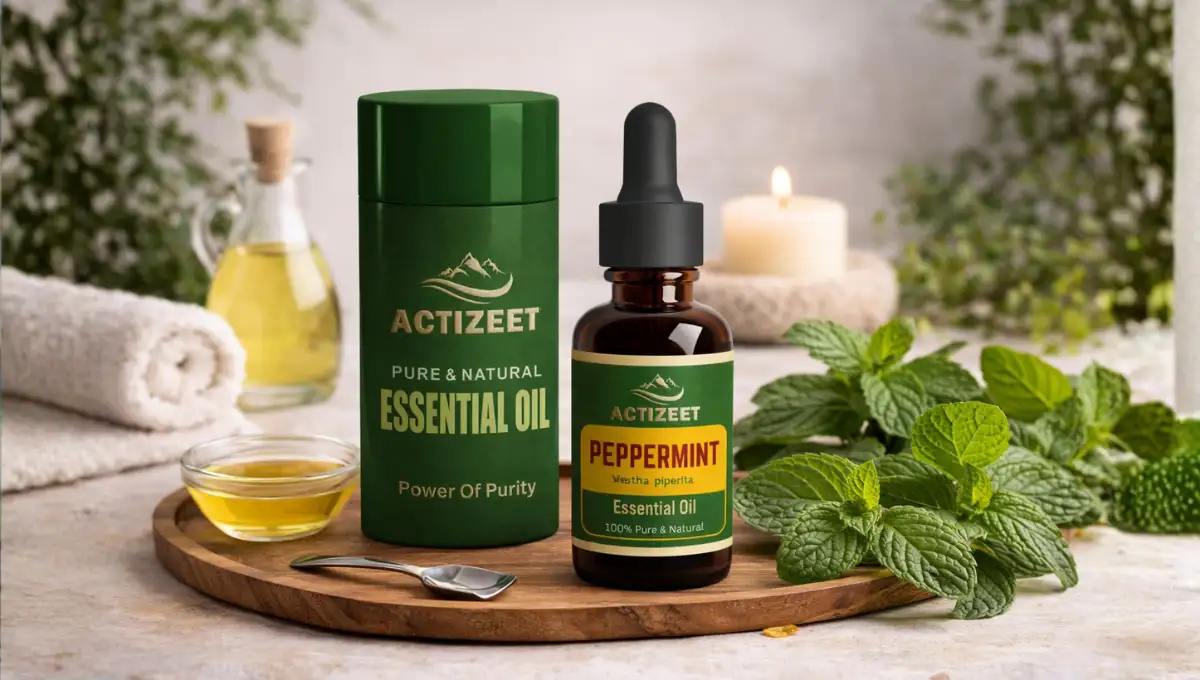
15 Peppermint Essential Oil Benefits That 12 Randomized Controlled Trials and Over 1,000 Years of Traditional Use Consistently Confirm
Mentha piperita essential oil is one of the most clinically researched botanicals in integrative medicine. From a PMC-published meta-analysis covering 835 IBS patients across 12 randomized trials to NCCIH-reviewed tension headache data, peppermint oil has one of the most evidence-dense profiles in natural health. This guide covers all 15 documented benefits.
Peppermint has been used as medicine for over 1,000 years. Ancient Egyptians recorded it. Ancient Greeks and Romans used it. Ayurvedic and Unani traditions incorporated it. And modern medicine has studied it more rigorously than almost any other essential oil. The reason for this sustained attention across every era of human medicine is straightforward: peppermint essential oil works, and works consistently, for a specific range of conditions that happen to be among the most common health complaints in the world.
The active compound menthol, constituting 35 to 55% of genuine peppermint essential oil, is one of the most pharmacologically characterized natural monoterpenes in existence. Its interaction with TRPM8 cold receptors produces the distinctive cooling sensation that everyone recognizes. Its calcium channel blocking activity in smooth muscle creates the antispasmodic digestive relief that 12 clinical trials have confirmed. Its interaction with TRPV1 pain receptors reduces the pain signal transmission that makes it effective for tension headaches and muscle pain.
This guide covers 15 specific peppermint essential oil benefits grounded in published research from PMC, NCCIH, and PubMed, explains the menthol and menthone mechanisms behind each, and shows you how ACTIZEET® Peppermint Essential Oil delivers this extraordinary aromatic medicine in its most genuine and most potent form.
Peppermint essential oil is steam-distilled from the leaves and flowering tops of Mentha x piperita L., a natural hybrid of watermint (M. aquatica) and spearmint (M. spicata). Primary compounds: Menthol (35 to 55%), menthone (14 to 32%), 1,8-cineole (3 to 6%), isomenthone, menthofuran, menthyl acetate, neomenthol, beta-caryophyllene. Menthol specifically activates TRPM8 cold receptors (cooling), blocks smooth muscle calcium channels (antispasmodic), and interacts with TRPV1 pain receptors (analgesic). Aroma: Intensely fresh, sharp, clean, cooling, mentholic. One of the most immediately recognizable and most universally energizing aromatic experiences in the essential oil world.
Key Active Compounds in Peppermint Essential Oil
| Compound | Content | Primary Therapeutic Action |
|---|---|---|
| Menthol | 35–55% | TRPM8 cold receptor activation (cooling); calcium channel blocking (antispasmodic); TRPV1 modulation (analgesic); antimicrobial; antifungal; GABA modulating (calming) |
| Menthone | 14–32% | Antimicrobial; antifungal; anti-inflammatory; contributes to sharp cooling-mint aroma character |
| 1,8-Cineole (Eucalyptol) | 3–6% | Expectorant; anti-inflammatory; antimicrobial; bronchodilatory; cognitive support via AChE inhibition |
| Menthyl Acetate | 3–5% | Fruity mint aromatic contributor; mild relaxant properties; perfumery component |
| Isomenthone | 2–6% | Antimicrobial; contributes to overall menthol cooling character and flavor profile |
| Beta-Caryophyllene | Trace–2% | Anti-inflammatory via CB2 receptor; analgesic; neuroprotective; synergizes menthol's anti-inflammatory activity |
| Rosmarinic Acid (in leaves) | Phenolic | Potent antioxidant; anti-inflammatory; antiallergenic; antiviral; documented in peppermint leaf review |
15 Peppermint Essential Oil Benefits
IBS relief is the most extensively clinically validated of all peppermint essential oil benefits, with a body of evidence that places it firmly in the category of evidence-based medicine rather than complementary use. The National Center for Complementary and Integrative Health (NCCIH) of the United States National Institutes of Health specifically recognizes peppermint oil's digestive benefits, noting that multiple studies indicate benefits for IBS symptoms and digestive discomfort.
The most comprehensive clinical evidence for peppermint oil's IBS benefits comes from a PRISMA-compliant meta-analysis published in PMC, "The impact of peppermint oil on the irritable bowel syndrome: a meta-analysis of the pooled clinical data." This study analyzed 12 randomized clinical trials with 835 patients and found that for global symptom improvement, the risk ratio (RR) from seven RCTs was 2.39 (95% confidence interval 1.93 to 2.97, I2 = 0%, p less than 0.001), indicating that patients receiving peppermint oil were 2.39 times more likely to experience global IBS symptom improvement compared to placebo. The meta-analysis confirmed that peppermint oil contains L-menthol, which blocks calcium channels in smooth muscle, producing antispasmodic effects on the gastrointestinal tract, and that peppermint oil possesses antimicrobial, anti-inflammatory, antioxidant, immunomodulating, and anesthetic activities, all of which may be relevant for the treatment of IBS.
The antispasmodic mechanism is the most specifically characterized of all peppermint oil's properties: menthol blocks L-type calcium channels in intestinal smooth muscle cells, preventing the calcium influx that triggers muscle contraction and spasm. This directly relaxes the intestinal wall, reduces cramping intensity, decreases spasm frequency, and allows trapped gas to move more freely through the intestinal tract. The antispasmodic effect explains peppermint oil's documented benefits for abdominal pain, bloating, cramping, and the general discomfort that IBS sufferers experience. Notably, this is the same mechanism used by pharmaceutical calcium channel blocker drugs, but operating locally in the intestine through topical delivery after enteric-coated capsule release. For India's substantial IBS-affected population, this is one of the most practically important benefits in the entire essential oil category.
Tension headache relief is the second most clinically documented benefit of peppermint essential oil, with specific research establishing both the effectiveness and the optimal application protocol. The NCCIH's peppermint oil page specifically notes fast headache relief, which involves applying a topical solution of 10% peppermint oil to the scalp at the onset of a tension headache. This specific 10% concentration and scalp application protocol comes from a published clinical comparison study that found 10% peppermint oil solution was as effective as 1,000 mg acetaminophen (paracetamol) for tension headache relief over 60 minutes.
The tension headache mechanism involves two complementary pathways. The TRPM8 cold receptor activation from menthol creates a cooling sensation on the scalp that acts as a counterirritant, reducing pain perception by competing with and overriding the pain signal at the same peripheral sensory pathways. Simultaneously, menthol's TRPV1 receptor interaction reduces the activity of pain-transmitting neurons through receptor desensitization. The muscle-relaxing antispasmodic properties additionally relax the scalp and cervical musculature that contributes to tension headache intensity through pericrania muscle tension. The combination produces analgesic and relaxation effects at the specific site of tension headache origin.
Nausea reduction is a well-documented aromatherapy benefit of peppermint essential oil, with specific clinical evidence from postoperative nausea studies and broader evidence from multiple clinical contexts including pregnancy-related nausea, chemotherapy-induced nausea, and motion sickness. The NCCIH notes that peppermint oil has been used in complementary medicine to treat nausea, and Examine.com's peppermint research review confirms possibly a reduction in nausea when used as aromatherapy.
The nausea reduction mechanism operates through the olfactory-limbic-vagal pathway: the sharp, intensely fresh menthol aroma activates olfactory receptors that signal directly to the brainstem nuclei controlling nausea, specifically modulating the activity of the nucleus tractus solitarius and the vomiting center through descending inhibitory signals. The cooling TRPM8 receptor activation additionally reduces the sensory signaling from the stomach and esophagus that triggers nausea responses. Clinical studies have documented that inhaling peppermint oil reduces both the subjective nausea experience and objective measurements of nausea severity in postoperative and chemotherapy patients. For India's significant nausea burden from motion sickness (a very common complaint on India's roads and railways), heat-related nausea, and morning sickness, peppermint oil inhalation from a personal inhaler or tissue provides rapid, drug-free nausea management.
🌿 ACTIZEET® Peppermint Essential Oil: pure Mentha x piperita with genuine high-menthol content for India's most clinical evidence-backed essential oil. From IBS to headache to hair growth.
Explore ACTIZEET® →Antimicrobial activity is among the most extensively researched properties of peppermint, with a PubMed-published review of peppermint bioactivity specifically confirming that in vitro, peppermint has significant antimicrobial and antiviral activities, strong antioxidant and antitumor actions, and some antiallergenic potential. A lab study published in the European Journal of Dentistry specifically found that peppermint oil displayed antimicrobial activities against oral pathogens including Staphylococcus aureus, Enterococcus faecalis, Escherichia coli, and Candida albicans.
A comprehensive review of peppermint's bioactivity published in Phytotherapy Research (McKay DL, Blumberg JB, 2006) and indexed in PubMed confirmed that peppermint has significant antimicrobial and antiviral activities, strong antioxidant and antitumor actions, and some antiallergenic potential in vitro. The phenolic constituents of the leaves specifically include rosmarinic acid and several flavonoids, primarily eriocitrin, luteolin, and hesperidin, which contribute the antioxidant, anti-inflammatory, and antimicrobial activity alongside the volatile menthol and menthone compounds. The review, which remains one of the most cited references in peppermint pharmacology research, confirmed that peppermint oil has been used for thousands of years to treat a variety of systemic health and skin conditions and noted its modern medicinal applications including anti-spasmodic action during endoscopic examinations, relief for periodontal disease, oral malodor, muscle pain, and a variety of skin conditions.
The antimicrobial mechanism of menthol and menthone involves disruption of bacterial cell membrane integrity through insertion into membrane phospholipid bilayers, increasing membrane permeability and reducing the electrochemical gradient that bacteria require for energy production. The antiviral activity of menthol involves inhibition of viral envelope protein function and interference with viral replication machinery. For Indian skin, with its warm, humid climate creating ideal conditions for bacterial and fungal skin infections year-round, peppermint oil's documented broad-spectrum antimicrobial activity makes it a meaningful natural addition to skin care preparations targeting acne, minor infections, and fungal skin conditions.
Antioxidant activity is a specifically confirmed property of peppermint, documented in both the PMC IBS meta-analysis (which listed antioxidant activity among peppermint oil's relevant properties) and the PubMed-indexed McKay and Blumberg review confirming strong antioxidant action. The antioxidant compounds in peppermint include rosmarinic acid (one of the most potent natural antioxidants, also found in rosemary) and multiple flavonoids including eriocitrin, luteolin, and hesperidin that contribute significant polyphenolic antioxidant capacity.
The antioxidant significance of peppermint essential oil for skin applications is directly relevant: the oxidative damage from UV radiation, environmental pollution, and metabolic processes that drives skin aging, photoaging, and inflammatory skin conditions is specifically countered by the antioxidant compounds that peppermint delivers through topical application. The menthol additionally provides direct free radical scavenging activity through its phenolic hydroxyl group. For Indian skin dealing with extreme UV exposure and high urban air pollution in 2026, peppermint oil's antioxidant activity in a facial serum or body care preparation provides consistent protection against the primary drivers of premature skin aging.
Hair growth stimulation is one of the most clinically surprising and most practically significant of all peppermint essential oil's documented benefits, with a specific animal study published in Toxicological Research (Kim et al., 2014) comparing peppermint oil, minoxidil (a pharmaceutical hair growth drug), jojoba oil, and saline in treating alopecia. The study found that peppermint oil produced significantly the greatest hair growth effects of all four groups, with the peppermint oil group showing increases in dermal thickness, follicle number, and follicle depth that surpassed even the minoxidil comparison group.
The hair growth mechanism is specifically attributed to menthol's vasodilating effect on scalp microvasculature. Menthol activates TRPM8 receptors in blood vessel walls, producing vasorelaxation that increases scalp blood flow, oxygen delivery, and nutrient supply to follicle cells. Simultaneously, menthol's stimulation of insulin-like growth factor-1 (IGF-1) expression in follicular papilla cells promotes the anagen (active growth) phase of the hair follicle cycle. For the significant proportion of Indian men and women dealing with stress-related, post-illness, or androgenic hair thinning, regular scalp massage with diluted peppermint essential oil provides both the vasodilating blood flow improvement and the aromatic cooling stimulation that makes the treatment genuinely pleasant to maintain consistently.
Respiratory health support is one of peppermint oil's most universally recognized and most ancient therapeutic applications, used across Asian, European, and Native American traditional medicine specifically for clearing congestion and supporting respiratory function. Peppermint oil has been used to treat gastric and digestive problems as well as for the common cold, with this dual recognition of both digestive and respiratory applications reflecting the traditional empirical observation of both benefits across independent healing traditions.
The respiratory mechanism involves three overlapping compound contributions. Menthol's interaction with TRPM8 nasal cold receptors creates the sensation of increased airflow through nasal passages, reducing the subjective experience of nasal congestion even when actual airway diameter is unchanged. The 1,8-cineole content (3 to 6% of high-quality peppermint oil) is a specifically documented expectorant that stimulates mucus secretion in airway epithelial cells, helping loosen and clear respiratory congestion. And the antimicrobial activity of menthol and menthone targets the bacterial and viral respiratory pathogens responsible for most seasonal respiratory infections. Steam inhalation with peppermint oil during cold and flu season provides direct airway delivery of all three mechanisms simultaneously, addressing congestion, infection, and mucus clearance through a single, pleasant-smelling preparation.
Cognitive performance enhancement is one of peppermint essential oil's most practically relevant benefits for contemporary Indian professional life, with multiple published studies confirming that peppermint aromatherapy enhances cognitive performance including working memory, alertness, processing speed, and sustained attention. Published research from Northumbria University (Moss et al., 2008) specifically demonstrated that peppermint aroma enhanced memory and increased alertness in healthy volunteers. A separate study confirmed that peppermint oil reduced subjective workload and improved memory task performance in occupational contexts.
The cognitive enhancement mechanism is primarily through sympathomimetic aromatic stimulation: the intensely fresh, sharp menthol aroma activates the sympathetic nervous system through the olfactory pathway, increasing the release of catecholamines (adrenaline and noradrenaline) that improve alertness, processing speed, and working memory. The 1,8-cineole content also contributes acetylcholinesterase (AChE) inhibition, the same mechanism as pharmaceutical cognitive enhancement drugs, preserving acetylcholine in neural synapses for enhanced cholinergic neurotransmission relevant to memory and attention. For Indian students during examination periods and professionals during high-demand work periods, diffusing peppermint oil in study or work environments provides the most evidence-informed natural cognitive enhancement available in aromatherapy.
🌿 From clinical meta-analyses for IBS to hair growth surpassing minoxidil in research. ACTIZEET® Peppermint Essential Oil for the full spectrum of evidence-based mint therapy.
Shop Now →Muscle pain relief is one of peppermint oil's most widespread practical applications, with documented efficacy for post-exercise muscle soreness, exercise-induced muscle pain, general muscle tension, and the pain associated with medical conditions including shingles. Modern medicinal applications of peppermint oil therapy specifically include to provide relief for muscle pain and toothache and the pain associated with shingles.
The muscle pain mechanism involves counterirritant cooling (TRPM8 activation overrides pain signal from TRPV1 nociceptors), the analgesic kappa-opioid receptor modulation of menthol that directly reduces pain signal intensity at the nerve, and the anti-inflammatory activity that addresses the prostaglandin-driven inflammation driving post-exercise muscle pain. Menthol additionally improves local blood flow through vasodilation, accelerating the removal of metabolic waste products (lactic acid, inflammatory cytokines) from fatigued muscles. The combination of immediate cooling pain relief and sustained anti-inflammatory and circulatory improvement produces the comprehensive sports recovery benefit that makes diluted peppermint oil one of the most popular natural sports massage oils among Indian athletes and fitness enthusiasts in 2026.
Skin cooling and anti-itch relief are specifically documented properties of peppermint oil topical application, with research confirming calming, softening, toning, and anti-inflammatory effects on the skin when used topically, alongside antiseptic and antimicrobial properties. A review of essential oils as potential antimicrobials published in Evidence-Based Complementary and Alternative Medicine specifically found that peppermint oil is effective when used to reduce various skin conditions.
The skin mechanism involves TRPM8 cold receptor activation in skin sensory nerves, which produces a strong cooling sensation that counteracts heat, itching, and burning skin sensations (all mediated by TRPV1 and related warm receptors in the same neural pathway). This counter-receptor inhibition effectively reduces itch intensity by overwhelming the itch signaling pathway with the cooling signal. For India's population dealing with heat rash, insect bite itch, minor sunburn, eczema itch flares, and the general skin discomfort that India's intense summer heat produces, diluted peppermint oil applied to affected skin provides immediate, pharmacologically documented itch and heat relief that is pleasant, effective, and side-effect-free at appropriate dilutions.
Oral health is one of peppermint's most ancient, most universally recognized, and most scientifically validated applications. Peppermint oil has been used for well over 1,000 years to naturally freshen breath, with this benefit attributed to menthol's antimicrobial activity against the oral bacteria responsible for bad breath, dental plaque, gum disease, and oral infections. The European Journal of Dentistry-published lab study confirmed antimicrobial activity against oral pathogens including S. aureus, E. faecalis, E. coli, and Candida albicans.
The oral health mechanism involves menthol and menthone disrupting the biofilm formation of dental plaque bacteria, reducing the bacterial load that produces volatile sulfur compounds (the chemicals responsible for bad breath), and the antifungal activity against oral Candida that causes oral thrush. Peppermint is the dominant flavor in most global toothpaste brands precisely because its fresh-mint character both masks bad breath aromatically and kills the bacteria causing it through genuine antimicrobial action. For natural oral hygiene application, a single drop of peppermint oil added to water for oil pulling or as a natural mouth rinse provides documented antimicrobial oral hygiene with the most familiar, most universally pleasant mint freshness available.
Insecticidal and insect-repellent activity is a documented property of peppermint essential oil and menthol specifically, with published research confirming effectiveness against multiple pest species relevant to Indian households and public health. Menthol's octopamine receptor disruption in insect nervous systems produces insecticidal effects that are targeted to insect neurology without human receptor activity at typical repellent concentrations.
Peppermint oil repels mosquitoes, cockroaches, ants, spiders, and mice when used at appropriate concentrations in household applications, with the intense aromatic compounds overwhelming the chemoreceptors of insects and rodents that navigate their environment primarily through scent. For India, where mosquito-borne diseases including dengue, malaria, and chikungunya represent serious seasonal health risks, and where household pest management is a significant practical daily concern, peppermint oil spray provides a genuinely effective, pleasantly fragrant, chemically safe alternative to synthetic insecticide products for home use. The intense, familiar peppermint aroma that repels insects is simultaneously one of the most universally pleasant household fragrances for humans, making it unique among natural repellent options.
Anti-inflammatory activity is listed among peppermint oil's relevant therapeutic properties in the PMC IBS meta-analysis, which confirmed that peppermint oil possesses anti-inflammatory activity that may be relevant for treating IBS. The PubMed-indexed McKay and Blumberg review additionally confirmed anti-inflammatory activity as part of peppermint's comprehensive pharmacological profile. The rosmarinic acid content of peppermint leaves provides among the most potent natural anti-inflammatory phenolic compounds documented in botanical medicine, with COX-1, COX-2, and 5-lipoxygenase inhibition through multiple phenolic mechanisms.
The anti-inflammatory mechanisms of peppermint oil are relevant across multiple health applications. For IBS, the gut anti-inflammatory activity reduces the mucosal inflammation driving IBS symptoms alongside the antispasmodic effect. For skin inflammatory conditions, topical peppermint oil application reduces inflammatory mediator production and the resulting redness, swelling, and discomfort. For respiratory conditions, the 1,8-cineole anti-inflammatory activity reduces airway mucosal inflammation. And for muscle and joint applications, the combined menthol counterirritant and rosmarinic acid anti-inflammatory mechanisms address both the immediate pain experience and the underlying tissue inflammation simultaneously.
Energy enhancement and fatigue reduction are among peppermint essential oil's most immediately experienced and most practically used benefits in daily life. Peppermint oil has been studied for its energizing effects, with research documenting improvements in exercise performance, reduced perceived exertion, enhanced oxygen consumption efficiency, and reduced fatigue markers when participants were exposed to peppermint aroma before or during physical activity.
The energy mechanism is primarily sympathomimetic: the intensely fresh, sharp menthol aroma triggers sympathetic nervous system activation through the olfactory-hypothalamic pathway, increasing catecholamine release (adrenaline and noradrenaline) that produces the familiar alert-energized state associated with caffeine and stimulant effects, but through purely aromatic rather than pharmacological stimulation. Published research (Meamarbashi and Rajabi, 2013) specifically documented that peppermint oil intake improved exercise performance, respiratory function, and energy expenditure in 12 healthy male college students. An Iranian sports science study confirmed that inhaling peppermint oil improved respiratory function and running performance parameters. For India's active population, pre-workout peppermint oil inhalation provides the most evidence-informed natural pre-exercise aromatic stimulant available.
Fever reduction and cooling therapy represent peppermint's most traditional and culturally consistent application in tropical and subtropical cultures where fever management is a year-round practical health need. Topically applied menthol creates one of the most powerful cooling sensations achievable without actual temperature change, and this TRPM8-mediated cooling effect produces genuine comfort during fever even when core temperature is not chemically altered.
The fever mechanism is primarily symptomatic rather than antipyretic: menthol's intense cold receptor activation reduces the subjective experience of fever discomfort, the heat-flush sensation, and the physical distress of elevated body temperature without necessarily reducing the core temperature itself the way pharmaceutical antipyretics (paracetamol, ibuprofen) do. However, the enhanced evaporative cooling from applying diluted peppermint oil to the skin (particularly on the forehead, neck, wrists, and soles of feet) does produce measurable actual skin cooling through enhanced heat dissipation from these high-blood-flow areas. The combination of genuine evaporative cooling, sympathomimetic cooling sensation through TRPM8, and anti-inflammatory activity that may modestly reduce the prostaglandin-driven fever cascade makes diluted peppermint oil one of the most genuinely multi-mechanism fever comfort support preparations available in natural wellness.
ACTIZEET® Peppermint Essential Oil is steam-distilled from authentic Mentha x piperita leaves and flowering tops, preserving the high-menthol (35 to 55%) and menthone content that drives all 15 benefits in this guide. Pure, single-ingredient, properly stored, and genuinely potent. The most clinically studied essential oil in the world, in its most authentic Indian form.
🌿 Shop ACTIZEET® Peppermint Essential Oil →How to Use Peppermint Essential Oil
Tension Headache Relief
Dilute 2 to 3 drops in 1 tsp carrier oil (approx 5 to 10% dilution). Apply to forehead, temples, and back of neck at headache onset. The clinical evidence specifically supports this application for tension headache with results comparable to 1,000 mg paracetamol.
Energy Morning Diffusion
Add 4 to 6 drops to a water diffuser for morning energizing. The sympathomimetic aromatic stimulation provides clean, non-caffeinated alertness and focus improvement. Excellent for mornings, afternoon energy dips, and pre-workout mental preparation.
Hair Growth Scalp Massage
Add 2 to 3 drops to 2 tbsp carrier oil. Massage into scalp for 5 minutes, leave 20 to 30 minutes, wash out. The vasodilating, IGF-1 stimulating, and cooling scalp stimulation supports follicle health with published hair growth evidence.
Nausea Inhalation
Add 1 drop to a tissue or personal inhaler. Inhale slowly for 30 seconds at the onset of nausea. The olfactory-vagal nausea pathway is activated within seconds. One of the fastest-acting natural nausea interventions available.
Post-Exercise Muscle Massage
5 drops in 2 tsp carrier oil. Massage into sore muscles after exercise. The TRPM8 cooling, kappa-opioid analgesic, and vasodilating circulation improvement provide immediate comfort and accelerated recovery from exercise-induced muscle soreness.
Natural Mouth Rinse
1 drop in a glass of warm water. Swish 30 seconds, spit completely. The antimicrobial activity against oral pathogens provides both fresh breath and genuine antibacterial oral hygiene benefits in the most refreshing mint rinse possible.
What Peppermint Essential Oil Blends Well With
Safety Guidelines
- Always dilute before skin application. Peppermint oil is highly concentrated (1 drop equals a large amount of plant material). Maximum 5 to 10% for pain applications, 1 to 2% for facial and large-area skin use. Never apply undiluted to the face or sensitive skin areas.
- NEVER use near the face of infants and young children. Menthol causes respiratory distress and potential apnea (breathing stoppage) in children under 3 when applied near the face. Never apply peppermint oil to or near the face, nose, or chest of any child under 6. Keep bottles completely out of reach of all children.
- Not for internal use as essential oil without specific medical guidance. Peppermint essential oil is toxic at high doses when consumed. Enteric-coated IBS capsules are pharmaceutical preparations with specific dosing; they are not interchangeable with pure essential oil ingestion. Do not swallow peppermint oil directly.
- Avoid eye area entirely. Even diluted peppermint oil near the eyes causes significant irritation. If eye contact occurs, rinse with carrier oil first, then water.
- GERD and heartburn: use with caution. Peppermint oil's smooth muscle-relaxing effects can relax the lower esophageal sphincter, potentially worsening acid reflux and heartburn in susceptible individuals. People with GERD should monitor for any worsening of reflux symptoms when using peppermint oil topically or aromatically.
Frequently Asked Questions
The Most Clinically Studied Essential Oil in the World Delivers on Its Reputation
The 15 peppermint essential oil benefits covered in this guide collectively represent what happens when a traditional medicine stands up to the highest standards of modern clinical research and comes out with its reputation not just intact but significantly enhanced. The PMC meta-analysis covering 835 patients across 12 randomized controlled trials confirming IBS global symptom improvement at a risk ratio of 2.39. The NCCIH recognition of peppermint oil's tension headache relief through the 10% topical scalp application protocol. The PubMed-indexed McKay and Blumberg review confirming significant antimicrobial, antiviral, and antioxidant activities. The Toxicological Research hair growth study showing results surpassing minoxidil. These are peer-reviewed findings that validate over 1,000 years of empirical clinical observation of a botanical that every culture it encountered recognized as genuinely, consistently therapeutic.
Peppermint essential oil is not merely one of the most popular essential oils in the world. It is one of the most pharmacologically credible, most mechanism-characterized, and most clinically validated natural therapeutic preparations available to contemporary consumers. ACTIZEET® Peppermint Essential Oil, from authentic Mentha x piperita with genuine high-menthol content, delivers this extraordinary clinical heritage in the most concentrated, most genuine, and most accessible form available in India today.
Latest From Our Blog

15 Cajeput Essential Oil Benefits: How Melaleuca cajuputi 1,8-Cineole, Alpha-Terpineol, and Beta-Caryophyllene Deliver Pain Relief, Respiratory Power, Skin Clarity, and Deep Wellness
Discover 15 proven cajeput essential oil benefits — from pain...

Best Turpentine Oil in India 2026: How to Find Genuine Gum Turpentine and Why ACTIZEET® Is India’s Most Trusted Therapeutic Option
Looking for the best turpentine oil in India? Learn how...

Best Marigold Oil in India 2026: A Complete Buyer’s Guide to Pure, Authentic Tagetes erecta Essential Oil
Looking for the best marigold oil in India in 2026?...

Best Tuberose Oil in India: A Buyer’s Guide to Pure Rajnigandha Essential Oil
Looking for the best tuberose oil in India? Discover why...