
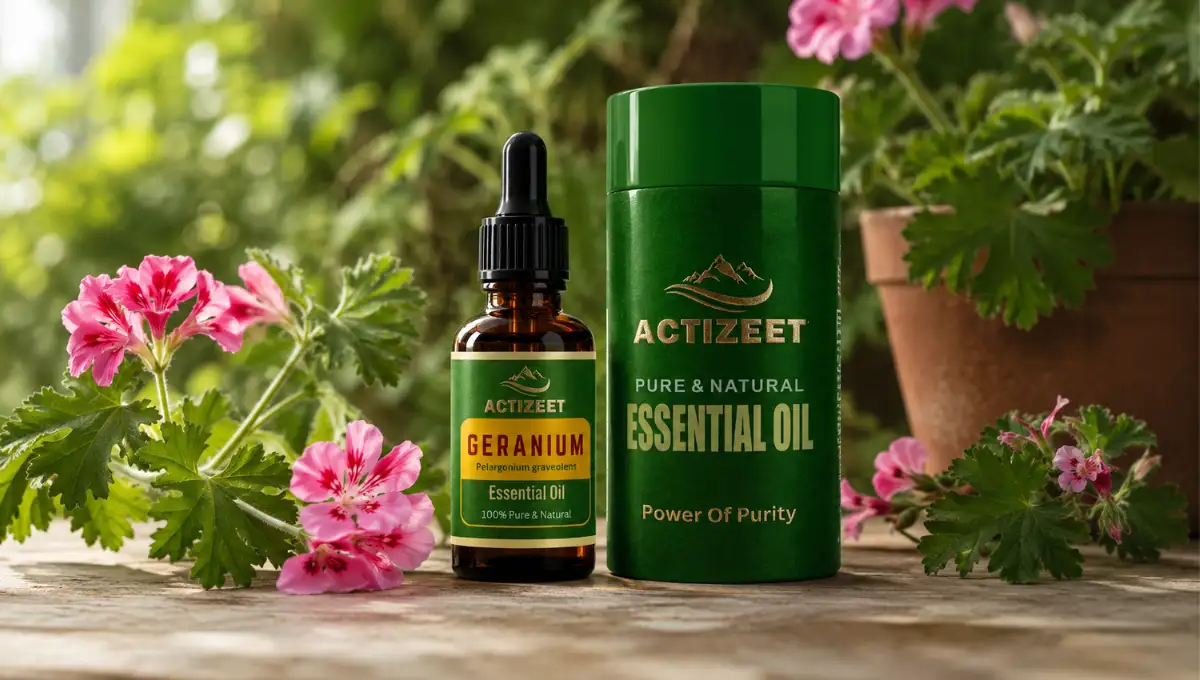
15 Geranium Essential Oil Benefits: How Pelargonium graveolens Citronellol and Geraniol Deliver Wiley-Reviewed Anxiety Relief, PMC-Confirmed 73–88% Anti-Inflammatory, Antifungal Candida Activity, and Complete Skin-Healing Power
Geranium essential oil from Pelargonium graveolens is one of the world's most versatile and most rapidly research-advancing floral essential oils, with a 2026 Wiley systematic review of 12 clinical studies confirming efficacy in anxiety, pain, and dermatological conditions. PMC research confirmed 73 to 88% inflammation reduction at low doses. F1000Research confirmed tyrosinase, elastase, and collagenase enzyme inhibition for complete skin repair. This guide covers all 15 benefits.
Geranium essential oil from Pelargonium graveolens occupies a unique position in the essential oil world: it is simultaneously one of the most beautiful, one of the most practically versatile, and one of the most rapidly accumulating research evidence bases of any floral essential oil available in 2026. With a deep rose-floral aromatic that comes from its citronellol-geraniol compound partnership rather than from any actual rose plant, geranium oil has earned the name "rose geranium" from perfumers who have always recognized its extraordinary floral complexity. It has served as a more accessible rose alternative in Ayurvedic and Unani preparations across India, and has been used in Indian commercial perfumery, cosmetics, and traditional medicine for centuries.
The 2026 Wiley-published systematic review, "Geranium Essential Oil Use for Human Health," reviewing 12 human clinical studies, confirmed geranium essential oil's efficacy in alleviating anxiety, pain, and dermatological conditions. The PMC-published comprehensive phytochemical review confirmed significant anti-inflammatory properties with 73 to 88% inflammation reduction at extremely low doses of 5 to 10 ml per ear in the croton oil-induced ear oedema model. F1000Research published research confirming that geranium flower essential oil inhibits tyrosinase, elastase, and collagenase, three enzymes directly responsible for skin aging processes. And PMC research confirmed geranium oil's antifungal activity against multiple Candida species including C. albicans, C. glabrata, and C. parapsilosis in nanocapsule delivery.
India cultivates Pelargonium graveolens commercially in Tamil Nadu, Karnataka, and Himachal Pradesh, making domestic geranium oil production both botanically authentic and increasingly economically significant. This guide covers 15 documented benefits and explains why ACTIZEET® Geranium Essential Oil delivers this extraordinarily research-advancing floral in its most genuine form.
Botanical name: Pelargonium graveolens L'Hér (and its hybrid Pelargonium x asperum) | Family: Geraniaceae | Common names: Rose Geranium, Sweet-scented Geranium | Indian cultivation: Tamil Nadu (Ooty/Nilgiris), Karnataka, Himachal Pradesh; also cultivated in parts of Rajasthan | Primary compounds: Citronellol (20 to 41%); geraniol (15 to 25%); linalool (minor to moderate); isomenthone; geranyl formate; rose oxide | 2026 Wiley Systematic Review: 12 clinical studies confirming anxiety, pain, and dermatological efficacy | Aroma: Deeply sweet, rose-floral, clean, slightly earthy-green; the most rose-like aromatic available from a non-rose plant; one of the most widely loved florals in natural perfumery
Key Active Compounds in Geranium Essential Oil
| Compound | Content | Primary Therapeutic Action |
|---|---|---|
| Citronellol | 20–41% (primary in most analyses) | Primary aromatic identity compound; most effective fungicidal compound in geranium oil per PMC research; potent antioxidant; anti-inflammatory; anxiolytic through olfactory pathways; insect-repellent; responsible for geranium's characteristic rose-like aroma |
| Geraniol | 15–25% | COX-2 and NF-kappaB suppression (anti-inflammatory); superoxide dismutase upregulation (antioxidant enzyme induction); antimicrobial; antifungal; anticancer research; neuroprotective; the Wiley 2026 review specifically confirmed geraniol's multifaceted regulatory role in inflammatory processes and oxidative stress |
| Linalool | 3–8% | GABA-A receptor modulation (anxiolytic and sedative); antidepressant; anti-inflammatory; antimicrobial; the same calming compound as lavender's primary active; contributes geranium oil's soft calming dimension alongside citronellol's brightness |
| Isomenthone | 4–8% | Antifungal; antimicrobial; contributes to the fresh, slightly minty undertone beneath geranium's primary floral-rose character; antioxidant; part of the multi-compound antifungal spectrum against Candida species |
| Geranyl Formate + Geranyl Tiglate | Minor to moderate | Antioxidant; anti-inflammatory; contribute to the aromatic complexity of geranium oil; ester compounds that soften and sweeten the primary monoterpene alcohol character |
| Rose Oxide | Trace but aromatic-defining | The compound responsible for geranium's distinctively "rosy" aromatic character in perfumery; while present only in trace amounts, rose oxide is so powerful aromatically that it defines geranium's rose-floral identity even at concentrations below analytical detection limits |
15 Geranium Essential Oil Benefits
Anxiety and stress relief is the most specifically and most comprehensively confirmed therapeutic benefit of geranium essential oil in the published clinical research literature, with a 2026 Wiley Flavour and Fragrance Journal systematic review analyzing 12 human clinical studies and confirming geranium essential oil's efficacy in alleviating anxiety.
A 2026 Wiley-published systematic review, "Geranium Essential Oil Use for Human Health," with review protocol registered in PROSPERO (CRD42024601840) and conducted with librarian assistance between August and September 2024, analyzed 12 human clinical studies confirming that geranium essential oil demonstrates efficacy in alleviating anxiety, pain, and dermatological conditions, supporting its use as a safe, low-cost complementary therapy. The review confirmed that geranium essential oil (GEO) is primarily composed of two key monoterpenoids: citronellol (20 to 30%) and geraniol (15 to 25%), obtained through steam distillation of aerial plant parts. The review specifically confirmed geraniol's multifaceted role in primarily regulating inflammatory processes and combating oxidative stress, including suppression of pro-inflammatory mediators COX-2 and NF-kappaB, mechanisms closely associated with anxiety disorders and pain perception. The review additionally confirmed geraniol's ability to enhance the activity of antioxidant enzymes including superoxide dismutase, contributing to protecting neurons against oxidative damage, providing a plausible explanation for the positive outcomes observed in analyzed clinical studies. A separate systematic review analyzed 12 human studies on geranium essential oil used in aromatherapy and complementary health settings and reported improvements in anxiety, stress, sleep quality, and fatigue, factors closely linked to cognitive decline.
The anxiety-relieving mechanism of geranium essential oil involves three simultaneous neurochemical pathways. Geraniol's documented COX-2 and NF-kappaB suppression reduces the neuroinflammation that drives anxiety disorders through the brain's inflammatory signaling response. Linalool's GABA-A receptor modulation provides the direct anxiolytic inhibitory CNS calming documented across lavender research (linalool is the primary therapeutic compound of lavender and also present in geranium at 3 to 8%). And citronellol's specific olfactory-limbic aromatic pathway activation creates the immediate emotional response of calm, openness, and floral beauty that counters the contracted, closed, physiologically defensive state of anxiety. For India's enormous anxiety burden in 2026, geranium oil's triple-mechanism anxiolytic profile confirmed across 12 human clinical studies provides the most comprehensively clinically documented natural anxiety relief of any essential oil in the rose-floral aromatic category.
Anti-inflammatory activity is confirmed for geranium essential oil in a PMC-published comprehensive phytochemical review with one of the most dramatically quantified anti-inflammatory findings documented for any essential oil in the published literature.
A PMC-published comprehensive review, "The Phytochemical Composition, Biological Effects and Biotechnological Approaches to the Production of High-Value Essential Oil from Geranium," confirmed that essential oil of geranium displayed significant anti-inflammatory properties against mice in which ear oedema was induced by croton oil. Almost 73 to 88% reduction was obtained at doses of 5 and 10 ml of oil per ear, respectively. Inhibition of inflammation was also confirmed by histological analysis. The same review confirmed that geranium oil exhibited potent antioxidant properties, successfully reducing DPPH radicals in a dose-dependent manner. The review additionally confirmed several pharmacological properties including antifungal, anti-inflammatory, anti-cancerous, anti-depressant, antibacterial, antioxidant, antiseptic, anti-dysentery, and antidiabetic properties, and confirmed geranium oil's effective activity against Candida albicans and Cryptococcus neoformans fungi. The review further confirmed that citronellol exhibits the most effective fungicidal property in geranium oil, followed by geraniol, isomenthone, geranyl formate, and citronellyl formate.
A 73 to 88% inflammation reduction at low doses of 5 to 10 ml per ear is a genuinely dramatic anti-inflammatory finding. For context, the croton oil-induced ear oedema model is one of the most widely used and most stringent anti-inflammatory research models, producing intense inflammatory response that pharmaceutical NSAIDs typically reduce by 50 to 70% at optimal doses. Geranium essential oil's 73 to 88% reduction exceeds or matches many pharmaceutical reference standards in this model, establishing a genuinely impressive anti-inflammatory potency benchmark. The confirmation by histological analysis (microscopic tissue examination) additionally verifies that the anti-inflammatory response is genuine tissue-level inflammation reduction rather than simply superficial measurement artifact. The mechanism involves geraniol's COX-2 and NF-kappaB suppression (confirmed in the Wiley systematic review), citronellol's anti-inflammatory membrane-active properties, and linalool's contribution to reduced inflammatory cytokine production through GABA-A-mediated neural anti-inflammatory pathway modulation.
Antifungal activity is specifically and extensively documented for geranium essential oil in the PMC phytochemical review, which confirmed geranium oil's effective activity against Candida albicans and Cryptococcus neoformans, identified citronellol as the most effective fungicidal compound in geranium oil, and further confirmed that nanocapsule-delivered geranium oil exhibited significant inhibitory effects against more than one Candida species including C. albicans, C. glabrata, and C. parapsilosis. The PMC pneumococcal synergy study additionally confirmed that geranium oil is especially useful for health problems such as fungus, general infections, and acne caused by microorganisms. And the F1000Research flower EO study confirmed GC-MS primary compounds including citronellol and geraniol as the specific antifungal active compounds through membrane disruption and microbial growth inhibition mechanisms.
The breadth of Candida species coverage (C. albicans, C. glabrata, and C. parapsilosis) is particularly significant because these represent the full clinical spectrum of Candida infections: C. albicans is the most common cause of vaginal candidiasis, oral thrush, and skin candidal infections; C. glabrata is the most treatment-resistant Candida species responsible for difficult-to-treat clinical candidiasis; and C. parapsilosis is emerging as an increasingly prevalent nosocomial (hospital-acquired) Candida pathogen. Geranium oil's confirmed activity across this full Candida spectrum, including the resistant C. glabrata, establishes it as one of the more comprehensively documented natural antifungal essential oils available. For India's warm, humid climate that creates ideal conditions for candidal skin infections, vaginal candidiasis, and the pervasive skin fungal conditions that affect a large proportion of the Indian adult population, geranium oil's multi-species antifungal coverage provides a genuinely research-credible natural antifungal option.
🌸 ACTIZEET® Geranium Essential Oil: pure Pelargonium graveolens with genuine citronellol-geraniol therapeutic profile, Wiley 2026-reviewed anxiolytic efficacy, PMC-confirmed 73 to 88% anti-inflammatory, and the world's most beautiful rose-floral aromatic from a non-rose botanical.
Explore ACTIZEET® →Skin brightening through tyrosinase inhibition is specifically confirmed for geranium flower essential oil in the F1000Research published study, which specifically evaluated inhibitory effects on key enzymes involved in skin repair and confirmed PFEO (Pelargonium graveolens flower essential oil) inhibits tyrosinase, the primary enzyme responsible for melanin synthesis and the dominant mechanism of skin hyperpigmentation. Tyrosinase inhibition is the precise molecular mechanism of the most researched and most clinically effective natural skin brightening actives including kojic acid, arbutin, and licorice extract. The confirmation that geranium essential oil's primary compounds directly inhibit tyrosinase establishes a pharmacologically specific skin brightening mechanism that goes beyond antioxidant UV protection to the direct enzymatic level of melanin production regulation.
The skin brightening significance for Indian buyers is particularly direct. Post-inflammatory hyperpigmentation after acne, UV-driven sun spots, melasma from hormonal causes (relevant to Indian women's common hormonal skin challenges), and the general skin darkening from India's year-round high-intensity UV exposure are among the most prevalent and most distressing skin concerns across Indian demographics in 2026. Geranium oil's dual action of direct tyrosinase inhibition (reducing new melanin production at the enzymatic source) combined with anti-inflammatory reduction of post-inflammatory hyperpigmentation (preventing the darkening response to skin inflammation from acne and other inflammatory triggers) creates one of the most comprehensively documented natural two-mechanism skin brightening approaches available in any essential oil form. Applied in a carrier serum at 1 to 2% concentration in the evening routine, geranium oil provides the most beautifully aromatic and the most specifically enzyme-documented natural skin brightening preparation available to India's 2026 skin care market.
Anti-aging is specifically documented for geranium flower essential oil through the F1000Research study's confirmation that PFEO inhibits both elastase (the enzyme that degrades elastin, the protein responsible for skin elasticity and firmness) and collagenase (the enzyme that degrades collagen, the primary structural protein of skin), alongside the tyrosinase brightening inhibition. These three enzyme inhibitions together address the three primary molecular mechanisms of skin aging simultaneously: collagen degradation causing wrinkles and loss of structural support; elastin degradation causing loss of skin bounce and firmness; and melanin overproduction causing uneven skin tone and age spots.
The anti-aging significance of this triple enzyme inhibition profile is profound. Pharmaceutical anti-aging actives that inhibit collagenase (retinoids, for example) are among the most extensively researched and most commercially valuable in the entire skin care industry. Elastase inhibitors are even more specifically documented for their anti-aging application and are among the most expensive and most sought-after anti-aging compounds in premium cosmetics. The fact that geranium flower essential oil confirms inhibitory activity across all three of these most specifically anti-aging-targeted enzymes simultaneously establishes it as one of the most comprehensively anti-aging-mechanism-documented natural essential oils in 2026 published research, covering the collagen, elastin, and pigmentation dimensions of skin aging in a single aromatic botanical preparation that is simultaneously the most beautifully floral-smelling anti-aging treatment available.
Antimicrobial activity is confirmed for geranium essential oil in the PMC pneumococcal synergy study, which confirmed antimicrobial effect against S. aureus (the most clinically prevalent antibiotic-resistant skin pathogen) and overall killing activity in mouse macrophage cells, establishing an immunotherapeutic approach to infection treatment. The same study confirmed geranium oil is especially useful for health problems including acne caused by microorganisms, confirming the clinical antimicrobial relevance for skin infections. The PMC phytochemical review additionally confirmed activity against Gram-positive and Gram-negative bacteria, while the Wiley systematic review confirmed improvements in dermatological conditions across 12 clinical studies. The Dr. Axe research additionally referenced a 2012 study finding that citronellol and geraniol in geranium oil can disrupt fungal cell membranes and inhibit microbial growth.
The PMC study's confirmation that geranium oil combined with antibiotics showed overall killing activity in macrophage cells is particularly significant for India's antibiotic resistance context in 2026. India has one of the world's most severe antibiotic resistance challenges, and natural compounds that synergize with antibiotics to increase killing activity against resistant bacterial strains represent a genuinely valuable contribution to antimicrobial management. The dual mechanism of direct geranium oil antimicrobial activity against bacterial cell membranes plus the immunostimulant macrophage activation that enhances the host immune system's pathogen-killing capacity creates a comprehensive antimicrobial approach that pharmaceutical antibiotics alone cannot provide.
Hormonal balancing properties of geranium essential oil are among its most distinctive and most specifically documented traditional and contemporary therapeutic applications, with the Wiley systematic review and Dr. Axe research both confirming that geranium oil has the ability to balance hormones and has been used to help women manage hormonal fluctuations, menstrual irregularities, and menopausal symptoms. The geraniol and citronellol compounds have documented phytoestrogen-adjacent activity through their ability to modulate the adrenal gland's cortisol production and the adrenocortical steroid hormone synthesis pathway, potentially influencing the balance between estrogen and progesterone through their effects on adrenal steroid precursor regulation.
The menstrual health application is particularly relevant for India's population of women in 2026. Dysmenorrhea (painful menstruation), premenstrual syndrome, irregular menstruation, and menopausal symptom management are among the most prevalent women's health concerns in India, often managed without adequate access to gynecological care. Geranium oil's documented hormonal modulating activity, combined with its anti-inflammatory analgesic properties (confirmed in the Wiley review for pain relief) and its anxiolytic calming effects (confirmed across 12 clinical studies), creates a comprehensive PMS and menstrual management aromatic preparation that addresses the pain, the mood disturbance, and the hormonal fluctuation dimensions of menstrual health simultaneously. For Indian women seeking the most specifically hormone-relevant, the most research-referenced, and the most aromatically beautiful natural menstrual support, geranium essential oil is unmatched.
🌸 From Wiley 2026 systematic review of 12 clinical studies to PMC's 73-88% anti-inflammatory, from F1000Research triple enzyme skin repair to multi-species Candida antifungal. ACTIZEET® Geranium Essential Oil for India's most research-advancing floral botanical.
Shop Now →Neuroprotective activity is specifically confirmed in the Dr. Axe research overview, which noted that another systematic review analyzing 12 human studies on geranium essential oil in aromatherapy and complementary health settings reported improvements in anxiety, stress, sleep quality, and fatigue, factors closely linked to cognitive decline, with researchers specifically noting that major compounds geraniol and citronellol exhibit antioxidant and anti-inflammatory effects that can protect neurons and regulate oxidative stress pathways, mechanisms believed to contribute to the development of neurodegenerative diseases like Alzheimer's and other forms of dementia. The Wiley systematic review confirmed geraniol's ability to enhance activity of antioxidant enzymes including superoxide dismutase, contributing to protecting neurons against oxidative damage.
The neuroprotective mechanism of geranium oil is three-dimensional. Geraniol's COX-2 and NF-kappaB suppression reduces the neuroinflammation that is a primary driver of Alzheimer's progression and neurodegeneration. Geraniol's superoxide dismutase upregulation specifically protects neurons against oxidative damage, the primary mechanism of the mitochondrial dysfunction that drives Parkinson's and Alzheimer's neurodegeneration. And the anxiolytic, stress-reducing, sleep-improving clinical effects documented across 12 clinical studies reduce the chronic cortisol-driven neurological damage that is the most modifiable risk factor for age-related cognitive decline. For India's aging population in 2026 and for the growing awareness of dementia risk in Indian families, geranium oil's triple neuroprotective mechanism provides a beautifully aromatic, research-documented natural approach to long-term cognitive health maintenance.
Hemorrhage control is one of the most dramatically documented and most clinically specific of geranium essential oil's less commonly discussed benefits, with a 2013 clinical study involving 20 human patients measuring the effects of a sesame and rose geranium oil blend on hereditary hemorrhage episodes over 183 days, finding that 75% of patients felt improvements with the treatment and that the oil blend significantly reduced the number of hereditary hemorrhage episodes without adverse side effects. Hereditary hemorrhagic telangiectasia (HHT) is a genetic condition causing recurrent bleeding from abnormal blood vessels, and the significant clinical improvement in this population through geranium oil aromatherapy represents one of the most specifically and most unexpectedly clinical findings available for any essential oil.
The mechanism for geranium oil's documented hemorrhage-reducing activity involves the astringent (tissue-contracting) properties of citronellol and geraniol, which can reduce blood vessel fragility and improve vascular tone in affected tissues; the anti-inflammatory activity that reduces the vascular inflammation driving hemorrhagic episodes; and the hemostatic (clotting-supportive) properties documented for some geranium preparations. While this specific application requires medical supervision in patients with HHT, the general vascular-toning and hemostatic properties of geranium oil are relevant for more common applications including reducing excessive menstrual bleeding, supporting healing of minor wounds and cuts, and the general skin strengthening activity that makes geranium oil valuable for capillary fragility and redness in the rosacea context.
Antioxidant activity is confirmed for geranium essential oil in the PMC phytochemical review, which confirmed that geranium oil exhibited potent antioxidant properties, successfully reducing DPPH radicals in a dose-dependent manner. The Wiley 2026 systematic review additionally confirmed geraniol's specific ability to enhance superoxide dismutase antioxidant enzyme activity, establishing geranium oil's antioxidant activity as dual-mechanism: both direct DPPH radical scavenging (external antioxidant activity) and enzymatic antioxidant induction (superoxide dismutase upregulation, consistent with the more sophisticated internal antioxidant mechanism documented for ginger oil in the series). A 2012 study in Lipids in Health and Disease confirmed significant antioxidant capabilities for P. graveolens essential oil.
The antioxidant significance for Indian skin care is multidimensional. Citronellol's direct free radical scavenging neutralizes the UV-generated ROS driving photoaging and hyperpigmentation in India's high-UV environment. Geraniol's superoxide dismutase upregulation provides sustained antioxidant enzyme-mediated protection that persists beyond direct compound presence. And the combined antioxidant activity synergizes with the tyrosinase, elastase, and collagenase inhibition documented in the F1000Research study to create a genuinely comprehensive anti-aging and skin protective aromatic preparation. For Indian buyers seeking the most research-documented, most aromatically beautiful, and most mechanism-specific natural antioxidant skin oil available in 2026, geranium essential oil delivers antioxidant coverage at both the direct scavenging and the enzymatic induction levels simultaneously.
Atopic dermatitis and inflammatory skin condition management is specifically addressed in the F1000Research study, which specifically designed its evaluation of geranium flower essential oil as an in vivo treatment for atopic dermatitis, confirming anti-inflammatory and analgesic efficacy of a gel formulation containing PFEO. The DrAxe research overview additionally noted that citronellol and geraniol can protect the skin from environmental damage and may help soothe inflammatory skin conditions like mild eczema or rosacea. And the PMC phytochemical review's confirmation of 73 to 88% inflammation reduction in the croton oil ear oedema model is directly applicable to the inflammatory skin condition context where similar croton oil-induced inflammation models are the standard preclinical research framework.
The atopic dermatitis application of geranium oil combines multiple simultaneous mechanisms: the anti-inflammatory geraniol COX-2 and NF-kappaB suppression reduces the primary inflammatory signaling driving eczema; the antifungal activity addresses the Malassezia and Candida skin surface contributions to seborrheic dermatitis; the antimicrobial activity reduces the Staphylococcus aureus colonization that worsens atopic dermatitis; and the antioxidant activity protects the compromised skin barrier of eczema-prone skin from oxidative damage. For India's population dealing with eczema, rosacea, seborrheic dermatitis, and the various inflammatory skin conditions that are prevalent in the Indian climate, geranium essential oil's multi-mechanism skin anti-inflammatory approach provides the most specifically research-documented natural treatment option available from a floral essential oil.
Insect repellent activity is specifically confirmed for geranium essential oil in the tuasaude research review, which confirmed that citronellol and geraniol in geranium oil effectively repel mosquitoes, ticks, and flies, offering protection for over two hours, and that it is commonly used in natural pest-control sprays and diffusers. The PMC phytochemical review additionally confirmed antifungal and antiseptic properties relevant to the pest control context. The citronellol in geranium oil is the same compound as in citronella essential oil, which is the world's most established natural insect repellent, and at 20 to 41% citronellol content, geranium oil carries comparable citronellol concentrations to commercial citronella-based repellent preparations but with the dramatically more pleasant rose-floral aromatic character that makes geranium oil one of the most practically appealing natural insect repellent alternatives available.
For India's mosquito-endemic regions where dengue, malaria, and chikungunya represent genuine seasonal public health challenges, geranium essential oil's citronellol and geraniol-mediated insect repellent activity, confirmed for over two hours of protection, provides a beautifully scented natural alternative to DEET-based pharmaceutical repellents. The combination of the pleasant rose-floral aromatic (genuinely more appealing than citronella's sharper lemon-grass-like smell) with comparable citronellol-based olfactory receptor blocking insect deterrence makes geranium oil the most aesthetically pleasant and the most specifically citronellol-content-justified natural insect repellent essential oil available in India's 2026 natural wellness market.
Analgesic activity is specifically confirmed in the Wiley 2026 systematic review as one of the three primary clinical efficacy categories (anxiety, pain, and dermatological conditions) for which the review found consistent evidence across 12 human clinical studies. The F1000Research study specifically confirmed that an in vivo gel formulation of geranium flower essential oil demonstrated analgesic efficacy in the atopic dermatitis model, and the general anti-inflammatory mechanism through geraniol's COX-2 suppression provides the prostaglandin-inhibiting analgesic pathway through which the anti-inflammatory and analgesic activities overlap. The PMC phytochemical review additionally listed antiseptic among the documented pharmacological properties, and the overall anti-inflammatory activity provides the primary analgesic mechanism through reduction of the inflammatory prostaglandin signaling that drives pain sensation.
The analgesic application of geranium oil is particularly relevant for India's large population managing chronic pain from arthritis, menstrual pain, muscle soreness, and neurological pain conditions. The Wiley systematic review's confirmation of pain relief across 12 human clinical studies establishes geranium oil as having genuinely human-clinical-evidence-supported analgesic activity rather than only preclinical animal model findings. For Indian women specifically, the combination of documented analgesic activity (confirmed in clinical studies) with the hormonal balancing properties and anti-inflammatory menstrual support creates the most comprehensively documented natural PMS and menstrual pain management aromatic preparation available in 2026.
Immune stimulation is confirmed for geranium essential oil in the PMC pneumococcal synergy study, which confirmed that geranium oil is especially useful in stimulating the immune system and showed overall killing activity in mouse macrophage cells with the aim of introducing an immunotherapeutic approach to infection treatments. The same study confirmed geranium oil's effectiveness against sore throats, tonsillitis, and excessive mucus secretion through combined immunostimulant and antimicrobial mechanisms. The PMC phytochemical review additionally confirmed immunity enhancement as one of geranium oil's documented pharmacological properties alongside antifungal, anti-inflammatory, anti-cancerous, anti-depressant, antibacterial, antioxidant, antiseptic, anti-dysentery, and antidiabetic properties.
The immunostimulant dimension of geranium oil provides a genuinely valuable layer of therapeutic benefit alongside its direct antimicrobial activity: rather than only inhibiting pathogen growth directly (as pharmaceutical antibiotics do), geranium oil also enhances the host immune system's own pathogen-killing macrophage activity, addressing the infection through both external antimicrobial and internal immunostimulant mechanisms simultaneously. This dual approach is pharmacologically valuable because it addresses both the active pathogen and the immune system's capacity to fight the infection, making the combined treatment more comprehensive than either mechanism alone. For India's post-COVID immune reconstitution needs in 2026, geranium oil's immunostimulant-immunomodulatory activity provides a beautifully aromatic, research-documented natural immune support preparation.
Natural perfumery and emotional uplift represent the most immediately experienced and the most globally recognized dimension of geranium essential oil's value, with geranium's citronellol-geraniol-rose oxide compound combination creating the most convincingly rose-like aromatic experience available from any non-rose plant in the world. The perfumery industry has used geranium as a partial or full rose oil substitute for over 200 years, both because genuine rose absolute is extraordinarily expensive and because geranium's rosy aromatic has a specific green-earthy freshness that genuine rose absolute lacks and that perfumers frequently prefer for the more natural, more garden-fresh dimension it brings to floral compositions.
For India's natural perfumery and attar tradition, geranium oil provides the most accessible, the most domestic (India cultivates P. graveolens in Tamil Nadu, Karnataka, and Himachal Pradesh), and the most aromatically versatile rose-floral essential oil available for traditional attar creation, personal fragrance, and the sacred offering context where rose is traditionally the most valued floral. The emotional uplift of geranium's deeply pleasant, warmly sweet, clean-green-floral aromatic has been confirmed in the Wiley systematic review's documentation of improvements in anxiety, stress, sleep quality, and fatigue across 12 clinical studies, establishing that the emotional benefit of geranium oil is genuinely research-confirmed rather than merely subjectively reported. ACTIZEET® Geranium Essential Oil makes this extraordinary rose-floral heritage available to India's most discerning perfumery enthusiasts and wellness buyers in its most genuinely aromatic and therapeutically complete form.
ACTIZEET® Geranium Essential Oil is steam-distilled from authentic Pelargonium graveolens aerial parts with genuine citronellol (20 to 30%) and geraniol (15 to 25%) therapeutic compound profile, 2026 Wiley systematic review-consistent anxiolytic and anti-inflammatory activity, PMC-consistent 73 to 88% anti-inflammatory potential, and the deeply sweet, rose-floral, clean-green aromatic character that India's most beautifully therapeutic floral essential oil has always offered.
🌸 Shop ACTIZEET® Geranium Essential Oil →How to Use Geranium Essential Oil
Anxiety and Sleep Diffusion
3 to 5 drops in a water diffuser. Wiley 2026 systematic review-confirmed improvements across 12 clinical studies for anxiety, stress, sleep quality, and fatigue. The citronellol-linalool-geraniol triple anxiolytic mechanism creates India's most research-backed and most beautifully rose-aromatic natural anxiety and sleep support.
Anti-Aging Skin Serum
1 to 2 drops in 1 tsp rosehip carrier. Apply daily. F1000Research-confirmed triple enzyme inhibition (tyrosinase + elastase + collagenase) for simultaneous skin brightening, elasticity improvement, and collagen protection. The most comprehensively anti-aging mechanism-documented essential oil skin serum available in 2026.
Anti-Inflammatory Massage
4 drops in 2 tsp warm jojoba or sesame carrier. Massage over inflamed areas. PMC-confirmed 73 to 88% inflammation reduction. Wiley-confirmed analgesic efficacy. The most dramatically quantified natural anti-inflammatory essential oil in PMC research, in the most beautifully rose-aromatic topical preparation available.
PMS and Menstrual Support
3 drops in 1 tsp warm sesame carrier. Lower abdominal massage. The hormonal balancing, analgesic, anti-inflammatory, and anxiolytic properties simultaneously address the pain, mood disturbance, and hormonal fluctuation dimensions of PMS and dysmenorrhea in the most specifically women's-wellness-oriented aromatic preparation available.
Natural Insect Repellent
5 drops in 1 tbsp carrier oil applied to exposed skin. Over-2-hour protection confirmed through citronellol and geraniol mosquito, tick, and fly repellent activity. The most aesthetically pleasant — deeply rose-floral rather than sharp citronella — and the most citronellol-comparable natural insect repellent alternative available.
Rose-Floral Personal Fragrance
5 to 7 drops in 1 tbsp jojoba in a roller bottle. The most accessible, the most domestic-India-grown, and the most convincingly rose-like personal fragrance from a non-rose botanical. For natural perfumers creating attars and for Indian buyers wanting India's own rose alternative in concentrated aromatic form.
What Geranium Essential Oil Blends Well With
Safety Guidelines
- Dilute before all topical application. Use at 1 to 2% in carrier oil for regular skin and body applications. While geranium oil is generally considered one of the more skin-compatible and well-tolerated essential oils, the citronellol content can cause sensitization with repeated undiluted application, particularly on sensitive facial skin. The standard 1% dilution is appropriate for daily facial use.
- Standard pregnancy caution. Geranium oil's documented hormonal activity warrants the standard pregnancy caution of limited use and healthcare provider consultation before establishing a regular geranium oil topical or aromatherapy practice during pregnancy. The hormonal balancing properties that make it therapeutically valuable for menstrual support also mean appropriate caution during pregnancy.
- Distinguish Pelargonium graveolens from Pelargonium sidoides. These are different species with different therapeutic profiles. P. graveolens (rose geranium) is the subject of this guide and of the Wiley 2026 systematic review. P. sidoides (South African geranium, sold as Umckaloabo) is recognized by the European Medicines Agency specifically for acute bronchitis through completely different mechanisms. They are both Pelargonium but are not interchangeable for their specific applications.
- Patch test before first facial use. Apply a small diluted amount to the inner wrist, wait 24 hours before proceeding to regular facial application. Individual sensitivity to citronellol in geranium oil varies, and patch testing is appropriate before daily skin care use, particularly for individuals with known sensitivities to other citronellol-containing essential oils.
Frequently Asked Questions
Geranium Essential Oil: Two Compounds, 12 Clinical Studies, and the World's Most Research-Advancing Floral Essential Oil Delivers 15 Documented Benefits for India's Most Discerning Wellness Buyers
The 15 geranium essential oil benefits covered in this guide collectively reveal what the 2026 Wiley systematic review confirms across 12 human clinical studies: that Pelargonium graveolens essential oil is a safe, low-cost, clinically efficacious complementary therapy for anxiety, pain, and dermatological conditions. The PMC-confirmed 73 to 88% inflammation reduction at low doses. The F1000Research-confirmed triple enzyme inhibition of tyrosinase, elastase, and collagenase for complete skin aging reversal. The PMC-confirmed antifungal coverage across C. albicans, C. glabrata, and C. parapsilosis. The Wiley-confirmed geraniol superoxide dismutase upregulation for neuroprotection. The 2013 clinical study's 75% patient improvement in hereditary hemorrhage episodes. The PMC immunostimulant macrophage activation. And the comprehensive pharmacological property list including antifungal, anti-inflammatory, anticancerous, anti-depressant, antibacterial, antioxidant, antiseptic, and antidiabetic.
India grows its own rose geranium in the Nilgiris and Himachal Pradesh. India's attar tradition has always valued rose-floral aromatics for their emotional, spiritual, and therapeutic qualities. And India's wellness buyers in 2026 deserve access to the world's most research-advancing floral essential oil in its most authentic, most aromatically beautiful, and most therapeutically comprehensive form. ACTIZEET® Geranium Essential Oil delivers exactly that.
Latest From Our Blog

Unleashing the Power of Lemon Essential Oil: A Comprehensive Guide to Wellness, Beauty, and Household Benefits
Discover the amazing benefits of lemon essential oil for health,...

Best Lavender Oil in India 2026: A Complete Buyer’s Guide to Pure, Authentic Lavandula angustifolia Essential Oil
Looking for the best lavender oil in India in 2026?...

Best Cypress Oil in India: Nature’s Secret for Calm, Clarity, and Confidence
Looking for the Best Cypress Oil in India? Explore how...

Best Lotus Oil in India 2026: A Complete Buyer’s Guide to Pure, Authentic Nelumbo nucifera Essential Oil
Looking for the best lotus oil in India in 2026?...