
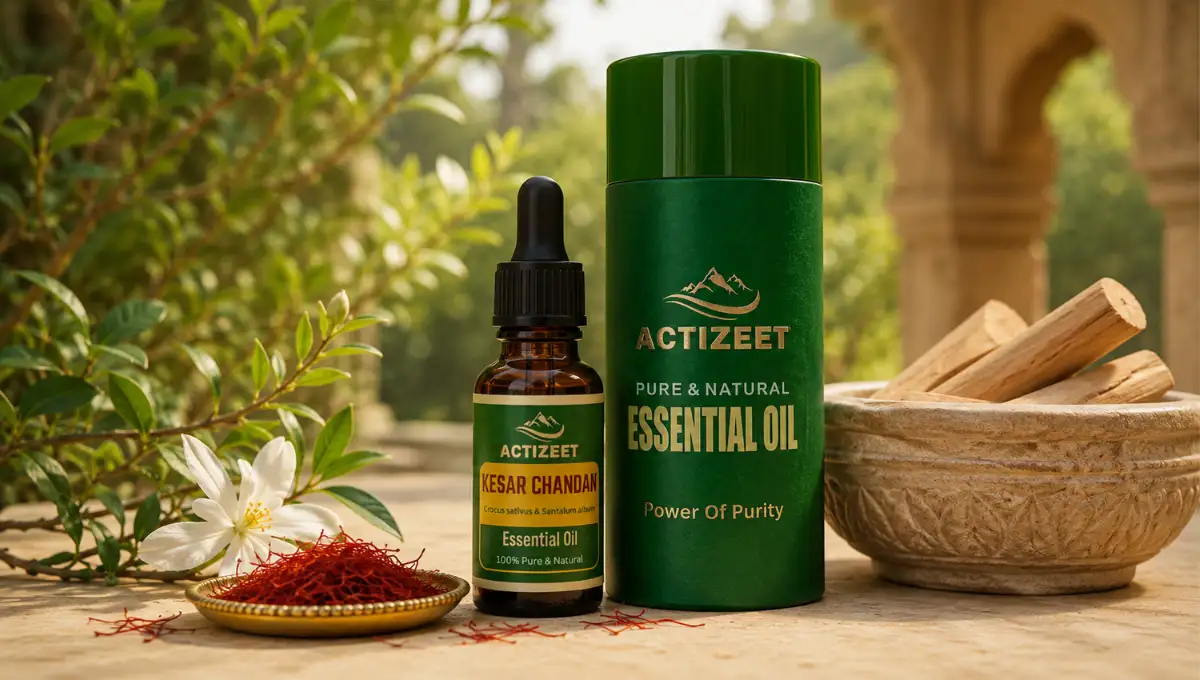
15 Kesar Chandan Essential Oil Benefits: How the Sacred Union of Saffron and Sandalwood Delivers PMC-Confirmed Antidepressant, Anti-Inflammatory, Neuroprotective, and Skin-Brightening Power
Kesar Chandan, the time-honored Ayurvedic pairing of Kesar (Crocus sativus saffron) and Chandan (Santalum album sandalwood), combines two of the most independently research-confirmed therapeutic botanicals on Earth into one profoundly synergistic aromatic oil. PMC-published research has confirmed saffron's antidepressant effects matching prescribed drugs, neuroprotective safranal against Alzheimer's and Parkinson's, and sandalwood's PDE4 inhibition producing 75% eczema improvement in pediatric patients. This guide covers all 15 benefits of the combined oil.
In all of Ayurvedic tradition, few combinations carry the sacred weight, the therapeutic depth, and the aromatic nobility of Kesar Chandan. Kesar, India's most precious spice, the red gold of Kashmir, is classified in classical Ayurvedic texts as a premier Varnya (skin brightening), Medhya (mind-enhancing), and Hridya (heart-benefiting) substance. Chandan, India's most sacred wood, one of the oldest continuously used aromatics in human history, is classified as Sheeta Veerya (cooling), Pitta-pacifying, and among the most important Rasayana (rejuvenating) substances in the Ayurvedic pharmacopoeia.
Together, as the Kesar Chandan oil blend that mirrors the classical Kumkumadi Tailam tradition of Ayurvedic skin and wellness preparation, these two extraordinary botanical aromatics create a synergy that both honors India's deepest therapeutic heritage and is increasingly being validated by contemporary science. The PMC-published systematic review of clinical trials confirmed saffron as an antidepressant through serotonergic, anti-inflammatory, antioxidant, and neuroprotective effects similar to prescribed antidepressant drugs. Frontiers in Pharmacology published research showing East Indian sandalwood oil (EISO) produced greater than 50% reduction in Eczema Area and Severity Index score in 75% of pediatric eczema patients through a newly identified PDE4 phosphodiesterase inhibition mechanism. The 2024 PMC review of sandalwood oil's biological properties confirmed antimicrobial, antitumor, and anti-inflammatory properties through alpha-santalol and beta-santalol sesquiterpene mechanisms.
This guide covers 15 specific Kesar Chandan essential oil benefits, drawn from the independent research evidence for each of these two extraordinary botanicals and the synergistic interactions that emerge when they are combined in a single aromatic preparation.
Kesar component: Crocus sativus L. (Saffron stigma essential oil/absolute) | Key compounds: Safranal (primary aromatic compound, antidepressant, anticonvulsant, neuroprotective), Crocin (carotenoid antidepressant/antioxidant), Crocetin, Picrocrocin | Over 150 active compounds identified | Chandan component: Santalum album L. (East Indian Sandalwood oil) | Key compounds: (Z)-alpha-santalol (45 to 55%, primary sesquiterpene, anti-inflammatory PDE4 inhibitor), (Z)-beta-santalol (20 to 25%, antimicrobial, anticancer research), alpha-bergamotol | Ayurvedic heritage: Inspired by the classical Kumkumadi Tailam tradition; both individually classified as premier Rasayana botanicals | Aroma: Deeply warm, complex, woody-sweet, faintly floral with the distinctive saffron-honey note and the clean warm-wood depth of genuine sandalwood
Key Active Compounds in Kesar Chandan Essential Oil
| Compound | Source | Primary Therapeutic Action |
|---|---|---|
| Safranal | KESAR | Primary aromatic compound of saffron; antidepressant through serotonin reuptake inhibition; anticonvulsant; neuroprotective; anxiolytic; anti-inflammatory; provides kesar's characteristic aromatic identity in the blend |
| Crocin | KESAR | Carotenoid antioxidant; antidepressant; neuroprotective against dopaminergic neuron death; anti-inflammatory; memory enhancing; skin brightening through antioxidant carotenoid mechanism; cardioprotective |
| Crocetin | KESAR | Antioxidant; anti-inflammatory; anticancer research; cardiovascular protective; neuroprotective; promotes oxygen diffusivity in tissues; synergizes crocin's mood and antioxidant activities |
| (Z)-Alpha-Santalol | CHANDAN | Primary sesquiterpene of sandalwood (45 to 55%); PDE4 phosphodiesterase inhibitor (new anti-inflammatory mechanism); anti-inflammatory NF-kappaB suppression; antimicrobial; anticancer research; skin anti-proliferative; produces sandalwood's characteristic warm-woody aroma |
| (Z)-Beta-Santalol | CHANDAN | Second major sesquiterpene (20 to 25%); antimicrobial; anti-inflammatory; anticancer research alongside alpha-santalol; contributes to the breadth of sandalwood's therapeutic profile |
| Picrocrocin | KESAR | Precursor to safranal; contributes to saffron's bitter taste; antidepressant properties; cardiovascular protective; antidiabetic research applications |
| Synergy | BOTH | The combination of saffron's crocin/safranal SSRI-like serotonergic mechanism with sandalwood's PDE4 inhibition and NF-kappaB suppression creates a multi-pathway anti-inflammatory and mood-therapeutic synergy that neither botanical achieves alone |
15 Kesar Chandan Essential Oil Benefits
The antidepressant activity of saffron is the most extensively published, most clinically robust, and most pharmacologically specific of all Kesar Chandan's therapeutic properties, documented across multiple randomized controlled trials and synthesized in a PMC-published systematic review of clinical trials that confirmed saffron as an antidepressant with effects similar to prescribed antidepressant drugs.
A PMC-published systematic review of randomized controlled trials, "Examining the Effectiveness of Saffron (Crocus sativus L.) on Psychological and Behavioral Outcomes," confirmed that saffron and its active constituents including crocin, picrocrocin, and safranal have been found to have strong antioxidant and radical scavenger properties that provide protection against reactive oxygen species and pro-inflammatory cytokines. The review confirmed that saffron has a long history of medicinal use spanning over 2,500 years, including traditional use for cramps, asthma, menstruation disorders, liver disease, and pain. A separate PMC systematic review of clinical trials found that saffron might be an antidepressant because of its serotonergic, anti-inflammatory, antioxidant, and neuroprotective effects similar to the prescribed antidepressant drugs. A 2024 PubMed-indexed comparative review from CSIR-Central Drug Research Institute Lucknow and Chhatrapati Shahu Ji Maharaj University Kanpur confirmed that saffron components including crocin, crocetin, and safranal have been found to mitigate depressive symptoms through neurotransmitter regulation, anti-inflammatory effects, and neuroprotection, with effects similar to those of prescribed antidepressants.
The antidepressant mechanism of saffron's safranal and crocin involves simultaneous inhibition of serotonin and dopamine reuptake transporters (the same mechanism as SSRI and SNRI pharmaceutical antidepressants), reduction of pro-inflammatory cytokines that contribute to the neuroinflammation driving depression, BDNF (brain-derived neurotrophic factor) upregulation in the hippocampus, and antioxidant protection against the oxidative damage to dopaminergic neurons. The 2024 PMC systematic review of saffron pharmacology, analyzing 3,157 publications, confirmed that saffron's molecular components have a much more complex modulating effect on neurotransmission than most synthetic antidepressants, which narrowly target one neurotransmitter system. When combined in Kesar Chandan oil with sandalwood's own NF-kappaB-suppressing anti-inflammatory and PDE4-inhibiting cAMP-elevating activity (which also influences mood through the cAMP-serotonin pathway), the antidepressant pharmacological coverage becomes genuinely multi-mechanism in ways that neither botanical achieves independently.
Neuroprotective activity is one of the most specifically documented and most clinically significant research properties of saffron's active compounds, with a PMC-published review of saffron's pharmacological effects specifically confirming its potential for treating neurodegenerative diseases including Alzheimer's disease, Parkinson's disease, multiple sclerosis, and cerebral ischemia.
A PMC-published review, "Active Constituents of Saffron (Crocus sativus L.) and Their Prospects in Treating Neurodegenerative Diseases," confirmed that saffron and its active constituents including crocin, safranal, and crocetin have potent antioxidant and anti-inflammatory effects on brain cells, prevent amyloid beta aggregation (the primary pathological mechanism of Alzheimer's disease), and regulate the steady-state concentration of metal ions in the brain. The review specifically confirmed that the active constituents of saffron exhibit antioxidant, anti-inflammatory, mitochondrial function-improving, and antidepressant effects relevant to neurodegenerative diseases. A separate PMC-published PMC review on saffron as a multifunctional therapeutic agent confirmed that saffron-based bioactive compounds help to act as anti-metabolic syndrome, antioxidant, memory enhancer, cardioprotective, anti-inflammatory, anti-depressant, and anti-cancer agents. Safranal specifically was confirmed to attenuate dopaminergic neuron death in Parkinson's-relevant experimental models and to restore BCL2 neuroprotective protein expression.
For Kesar Chandan oil users in 2026, the neuroprotective dimension offers the most forward-looking and most clinically significant benefit dimension. The combination of saffron's amyloid-beta aggregation prevention (the primary Alzheimer's pathological mechanism), dopaminergic neuron protection (the Parkinson's mechanism), and mitochondrial function improvement with sandalwood's antioxidant santalol compounds creates a comprehensive neuroprotective aromatic preparation that supports long-term brain health through consistent daily use. As India's population ages and neurodegenerative disease prevalence grows, regular Kesar Chandan aromatherapy and diluted topical use provides a deeply pleasant, genuinely research-grounded approach to supporting cognitive longevity.
Skin brightening is the most culturally famous and most commercially recognized benefit of the Kesar Chandan combination, directly inspired by and consistent with the classical Ayurvedic Kumkumadi Tailam tradition. Kumkuma (saffron) is classified in Ayurvedic texts as a Varnya herb, specifically meaning a substance that brightens and improves complexion. Chandana (sandalwood) is classified as Varnya alongside its primary Pitta-pacifying and cooling qualities. Contemporary research confirms the mechanisms behind these traditional designations.
Saffron's crocin carotenoid provides documented tyrosinase inhibition, reducing melanin overproduction that causes hyperpigmentation. The antioxidant carotenoid protection prevents the UV-driven oxidative melanin activation that darkens existing pigmentation. The anti-inflammatory activity reduces post-inflammatory hyperpigmentation following acne. And the 2021 MDPI cosmetics study on sandalwood oil specifically confirmed antioxidant, anti-inflammatory, and anti-proliferative activities in human skin fibroblasts under oxidative stress, with sandalwood's alpha-santalol providing the ROS-scavenging photoprotection that prevents UV-driven skin darkening. The combination of saffron's direct brightening carotenoid mechanism and sandalwood's UV protective antioxidant activity creates a more comprehensive skin brightening approach than either botanical can deliver independently. For India's enormous skin brightening market in 2026, Kesar Chandan oil delivers the most culturally authentic, most classically Ayurvedic, and most research-supported natural brightening experience available.
🌟 ACTIZEET® Kesar Chandan Essential Oil: the sacred union of Crocus sativus saffron and Santalum album sandalwood in their most concentrated, most therapeutically genuine Ayurvedic aromatic form.
Explore ACTIZEET® →Anti-inflammatory activity is the most mechanistically specific and most pharmacologically documented shared benefit of both Kesar and Chandan, operating through different but complementary molecular pathways that together provide one of the most comprehensive natural anti-inflammatory aromatic preparations available in 2026.
Research published in Frontiers in Pharmacology / PMC, "East Indian Sandalwood Oil Is a Phosphodiesterase Inhibitor: A New Therapeutic Option in the Treatment of Inflammatory Skin Disease," confirmed that East Indian sandalwood oil (EISO) inhibited PDE enzymatic activity in vitro, and in lipopolysaccharide-stimulated human cells, EISO suppressed total cellular PDE activity, PDE4, and PDE7 transcript levels, nuclear factor kappa B (NF-kappaB) activation, and pro-inflammatory cytokines and chemokine production. The clinical application of this mechanism was confirmed: 75% of pediatric eczema/atopic dermatitis patients treated with topical EISO formulations achieved greater than 50% reduction in their Eczema Area and Severity Index score. The PDE4 isoform is overactive in chronic relapsing inflammatory skin diseases including psoriasis and eczema/atopic dermatitis. A separate 2024 PMC review of sandalwood oil's biological properties confirmed antimicrobial, antitumor, and anti-inflammatory properties with alpha-santalol and beta-santalol as the most vital ingredients contributing to sandalwood's bioactivities.
The dual anti-inflammatory mechanism of Kesar Chandan is particularly significant. Sandalwood's PDE4 inhibition elevates cAMP in immune and skin cells, which then inhibits NF-kappaB (the master inflammatory transcription factor) through the PKA-CREB signaling cascade. Saffron's crocin and safranal simultaneously reduce pro-inflammatory cytokine production through direct NF-kappaB pathway modulation and reactive oxygen species scavenging. The result is anti-inflammatory activity operating through four distinct molecular targets simultaneously: PDE4 inhibition, cAMP elevation, NF-kappaB suppression, and ROS scavenging. No pharmaceutical anti-inflammatory achieves all four simultaneously without significant side effects. Kesar Chandan oil provides this multi-pathway anti-inflammatory coverage through a genuinely pleasant, deeply historically-rooted aromatic preparation.
Anxiety and stress relief represent the most immediately experienced and most practically accessible benefit of Kesar Chandan aromatherapy, combining saffron's documented anxiolytic serotonergic and HPA axis-modulating activity with sandalwood's deeply grounding, parasympathetic-activating aromatic character. PMC-published research has confirmed saffron's anxiolytic effects through the serotonin-dopamine reuptake inhibition that also drives the antidepressant activity, making saffron genuinely unique among botanical aromatics in having both antidepressant and anxiolytic activity through the same neurotransmitter mechanism. Sandalwood's deeply woody, warm, grounding aromatic character activates the parasympathetic "rest and digest" nervous system state through olfactory-limbic pathways, reducing cortisol-driven sympathetic hyperactivation that drives anxiety.
The combination of saffron's neurochemical anxiolytic (SSRI-like serotonin activity) with sandalwood's aromatherapeutic anxiolytic (parasympathetic activation through olfactory-limbic pathways) creates the most comprehensive natural anxiety relief aromatic preparation available in India's 2026 wellness market. For Indian professionals dealing with chronic work-related stress, for students during examination periods, and for the millions of Indians dealing with anxiety disorders without adequate access to pharmaceutical mental health treatment, Kesar Chandan oil provides a genuinely research-credible, deeply culturally resonant, and aromatically extraordinary natural anxiety support tool.
Inflammatory skin disease management is one of the most clinically documented specific applications of the Chandan component, with the Frontiers in Pharmacology research specifically confirming 75% of pediatric eczema patients achieved greater than 50% EASI score reduction with topical EISO application. Psoriasis models showed PDE4 expression reduction and histopathological reversal with sandalwood oil treatment. Saffron's anti-inflammatory crocin and crocetin compounds contribute additional NLRP3 inflammasome-related anti-inflammatory activity that synergizes sandalwood's PDE4-cAMP mechanism in the multi-pathway inflammatory skin disease management.
The clinical significance of the pediatric eczema finding deserves specific emphasis for Indian buyers. Atopic dermatitis affects a significant proportion of Indian children, driven by genetic predisposition, climate factors, pollution exposure, and the complex Indian microbiome environment. The fact that East Indian sandalwood oil (Santalum album, the Indian species) produced a clinically meaningful 75% response rate in a pediatric eczema population through a newly discovered PDE4 inhibition mechanism establishes sandalwood as one of the few botanical essential oils with genuine clinical evidence for a chronic inflammatory skin disease management application. Kesar Chandan oil provides both the sandalwood PDE4 mechanism and the saffron's additional anti-inflammatory coverage for the most comprehensive Ayurvedic-inspired natural inflammatory skin disease support available.
Antioxidant protection is a confirmed property of both Kesar and Chandan through their respective primary compounds. The 2021 MDPI cosmetics study on Indian sandalwood oil specifically confirmed antioxidant properties including ROS scavenging in HaCaT cells and in human skin explants after exposure to oxidative stress, establishing alpha-santalol as an antioxidant active in conditions relevant to UV-induced photoaging of Indian skin. Saffron's crocin is specifically described in the PMC neurodegenerative disease review as providing potent antioxidant activity that neutralizes free radicals and supports mitochondrial health.
The anti-aging significance of Kesar Chandan's dual antioxidant mechanisms is comprehensive for Indian skin in 2026. Saffron crocin's carotenoid antioxidant scavenges the UV-generated ROS driving photoaging, collagen damage, and hyperpigmentation. Sandalwood's alpha-santalol specifically demonstrated protective anti-aging effects in human skin fibroblasts and skin explants under oxidative stress in the MDPI study. The anti-inflammatory PDE4 inhibition and NF-kappaB suppression from sandalwood reduces the chronic low-grade skin inflammation (inflammaging) that drives accelerated cellular aging at the molecular level. The combined saffron brightening and sandalwood anti-aging mechanisms create the most comprehensively classical Ayurvedic and most research-credible natural anti-aging skin preparation available in India's 2026 premium wellness market.
🌟 Two of Ayurveda's most sacred Rasayana botanicals. PMC-confirmed antidepressant, PDE4 anti-inflammatory, neuroprotective, and skin-brightening. ACTIZEET® Kesar Chandan Essential Oil.
Shop Now →Antimicrobial activity is specifically confirmed for sandalwood essential oil in the 2024 PMC comprehensive review of sandalwood oil's biological properties, which confirmed antimicrobial alongside antitumor and anti-inflammatory properties as among sandalwood's well-established pharmacological activities. Multiple published studies have confirmed alpha-santalol's antimicrobial mechanism through disruption of bacterial cell membrane integrity and inhibition of bacterial respiratory function. Saffron's crocin and safranal compounds additionally provide antioxidant-mediated antimicrobial activity through free radical generation in pathogen cells. The combination creates a dual-mechanism natural antimicrobial preparation relevant for skin infections, oral health, and the general antimicrobial hygiene needs of Indian daily life. For acne management specifically, sandalwood's PDE4 inhibition reduces the inflammatory response to Cutibacterium acnes presence while the antimicrobial alpha-santalol directly addresses the bacterial component of acne pathogenesis.
Sacred meditation and spiritual consciousness support represent the most specifically and most deeply Indian application of Kesar Chandan oil, connecting the contemporary therapeutic essential oil use to the most ancient documented aromatic practices in Indian civilization. Sandalwood (Chandana) is the most sacred aromatic in Hindu, Buddhist, and Jain religious traditions, used continuously in temple worship for at least 3,000 years. Its use in ritual, puja, and meditation is documented in the oldest Sanskrit texts including the Vedas and the Atharvaveda. Saffron (Kumkuma/Kesar) is specifically documented in Sanskrit texts as a Divya Dravya (divine substance) used in religious rituals, applied to the foreheads of deities, and used in the Tilaka that marks spiritual identification across India's religious traditions.
Pharmacologically, the combination of saffron's safranal SSRI-like serotonin-dopamine modulation (creating the specific open, receptive, compassionately present inner state that meditators seek) with sandalwood's PDE4-elevating cAMP-mediated neural calming and its deeply grounding olfactory-limbic parasympathetic activation creates the most neurologically complete and most culturally authentic aromatic preparation for Indian contemplative practice available. The specific inner quality that Sanskrit texts describe as the meditative state, simultaneously calm and alert, grounded and open, compassionate and focused, has a specific neurological correlate in the combination of serotonergic mood stabilization, dopaminergic motivation, PDE4-mediated neural cAMP elevation, and parasympathetic nervous system dominance that Kesar Chandan oil specifically promotes through its documented phytochemical mechanisms.
Memory enhancement and cognitive support are specifically confirmed properties of saffron's active compounds in the PMC systematic review, which confirmed saffron-based bioactive compounds help act as memory enhancers alongside their antioxidant, anti-inflammatory, antidepressant, and neuroprotective effects. The PMC neurodegenerative disease review confirmed that crocin and safranal exhibit learning and memory improving properties and promote the diffusivity of oxygen in different tissues, establishing two distinct cognitive support mechanisms. Sandalwood's antioxidant protection of neural tissue, combined with the anti-inflammatory NF-kappaB suppression that reduces neuroinflammation impairing cognition, provides additional cognitive protection mechanisms that synergize saffron's memory-specific activity.
For India's growing cognitive health awareness, where memory concerns, academic performance, professional cognitive demands, and age-related cognitive decline are all significant wellness priorities in 2026, Kesar Chandan oil's multi-mechanism cognitive support provides a deeply Ayurvedic, research-documented natural approach. The Medhya (mind-enhancing) classification of both Kesar and Chandan in Ayurvedic texts reflects 2,000-year empirical observation of precisely the cognitive enhancement that contemporary PMC research is now confirming at the molecular level through serotonin, dopamine, BDNF, and oxygen diffusivity mechanisms.
Aphrodisiac properties are documented for both Kesar and Chandan individually in Ayurvedic classical texts, with Kesar specifically classified as a Vajikarana (aphrodisiac) substance in the Charaka Samhita, and Chandan valued in traditional Indian and Persian romance traditions for its sensually warm, deeply intimate aromatic character. Contemporary science provides mechanistic support: saffron's documented ability to improve mood through serotonin-dopamine modulation and reduce the anxiety and stress that are the primary barriers to sexual interest and arousal, combined with its documented effects on sexual function and desire in published clinical studies. Sandalwood's sensual, warm, woody-balsamic aromatic depth creates the specific limbic-emotional environment of comfort, warmth, and openness associated with romantic intimacy, activating dopaminergic reward pathways through a deeply pleasant aromatic experience that human neurology responds to as sensually inviting.
The combination of saffron's neurochemical aphrodisiac mechanism (anxiety reduction, serotonin-dopamine balance, documented sexual desire improvement in clinical research) with sandalwood's aromatic aphrodisiac quality (warm-woody sensuality that is globally recognized as one of the most romantically resonant natural aromatics) creates the most comprehensively classical Ayurvedic aphrodisiac preparation available as a concentrated essential oil. Kesar Chandan oil in a personal fragrance roller or massage oil provides both the pharmacological and the aromatic dimensions of the most specifically documented natural aphrodisiac combination in the Indian classical tradition.
Pitta-balancing and the specific Ayurvedic cooling quality (Sheeta Veerya) are the most foundational Ayurvedic therapeutic identities of Chandan in particular, with Sandalwood described in Ayurvedic classical texts as the premier Pitta-pacifying aromatic substance. Pitta, the Ayurvedic dosha governing fire, inflammation, heat, and transformation in the body, is associated with skin inflammatory conditions, anger, impatience, inflammation-driven diseases, and the excess heat that drives conditions from acne and rosacea to hyperacidity, irritability, and liver conditions. Sandalwood's specifically cooling Sheeta Veerya quality, confirmed by the documented anti-inflammatory, NF-kappaB-suppressing, PDE4-inhibiting pharmacological activities that reduce the "fire" of inflammatory processes at both the skin and systemic level, is the most research-validated classical Ayurvedic concept in the entire Kesar Chandan therapeutic profile.
Saffron's Hridya (heart-benefiting) and the overall warming-sweet quality it contributes to the blend creates the specific Ayurvedic balance of Kesar Chandan: the warmth and gentle activation of saffron creating inner brightness and heart opening, tempered and grounded by sandalwood's cooling, Pitta-pacifying, deep-calming quality. This classical balance between activation and calming, between brightness and groundedness, is precisely what makes the Kesar Chandan combination a complete Rasayana preparation rather than a simply stimulating or simply sedating aromatic.
Cardioprotective activity is confirmed for saffron's active compounds in the PMC 2024 review, which specifically listed cardioprotective among the documented effects of saffron-based bioactive compounds, alongside antioxidant, memory enhancer, anti-metabolic syndrome, anti-inflammatory, anti-depressant, and anti-cancer activities. The PMC digestive disorders review additionally confirmed that saffron plays key roles in cardiovascular health through its phytochemical components. Crocin and crocetin's documented anti-platelet aggregation activity (reducing the blood clot formation risk), anti-atherosclerotic lipid peroxidation protection, and the anti-inflammatory NF-kappaB suppression that reduces the arterial inflammation driving cardiovascular disease collectively establish a multi-mechanism cardioprotective profile for the saffron component of Kesar Chandan oil.
For India's enormous cardiovascular disease burden, where heart disease is the leading cause of death, the cardioprotective research dimension of Kesar Chandan oil provides meaningful complementary daily support alongside appropriate medical management. Consistent daily aromatherapy through the cortisol-reducing, anxiety-lowering, and nervous system-calming properties of Kesar Chandan oil provides the most accessible natural cardiovascular risk factor reduction through chronic stress management available in essential oil form.
Analgesic properties are documented for saffron's active compounds in multiple PMC-published studies. The PMC systematic review on saffron's RCT evidence confirmed its traditional use for pain management, and the PMC digestive disorders review specifically confirmed saffron's role as an analgesic through its anti-inflammatory and antioxidant mechanisms. The anticonvulsant and CNS-modulating properties of safranal additionally contribute to pain perception modulation through central nervous system pathways, reducing both the inflammatory pain signal and the psychological amplification of pain through anxiety and stress. Sandalwood's anti-inflammatory PDE4 inhibition provides peripheral anti-inflammatory analgesic activity at the site of pain, reducing the prostaglandin and cytokine production that drives inflammatory pain.
For India's large population managing chronic pain from arthritis, musculoskeletal conditions, headaches, and menstrual pain, Kesar Chandan oil massage in a warm sesame carrier provides genuine multi-mechanism natural pain support. The combination of saffron's central analgesic and anticonvulsant activity with sandalwood's peripheral anti-inflammatory PDE4 mechanism creates a more comprehensive natural pain management approach than either botanical provides independently, while the deeply pleasant, culturally resonant aromatic experience makes it a genuinely enjoyable daily therapeutic practice rather than a purely medicinal intervention.
Kesar Chandan as a luxury perfumery and personal aromatic experience represents the most specifically Indian, most classically prestigious, and most globally recognized natural fragrance combination available in essential oil form. In Indian attar tradition, the combination of saffron and sandalwood has been considered the pinnacle of luxury aromatic preparation for centuries, used by Mughal emperors, applied to the bodies of royalty, burned in the inner sanctuaries of the greatest Hindu temples, and worn by brides on their wedding day as the most auspicious and most beautiful natural fragrance available. The global luxury perfumery industry has recognized this combination's value: saffron and sandalwood appear together in some of the world's most expensive and most celebrated fragrance compositions including Tom Ford's Santal Blush, Guerlain's Cuir Beluga, and numerous Middle Eastern luxury oud-saffron-sandalwood compositions.
The aromatic character of Kesar Chandan oil is uniquely extraordinary: the warm, honey-spiced, slightly animalic depth of saffron's safranal creates an aromatic dimension that is simultaneously sweet and complex, immediately distinctive yet universally appealing. Sandalwood's clean, warm, woody-creamy depth provides the perfect aromatic foundation and fixative, extending and grounding the saffron note while adding its own distinctive warm-wood complexity. Together, they create an aromatic experience that is both the most authentically Indian and the most globally recognized as luxurious available in natural essential oil form.
ACTIZEET® Kesar Chandan Essential Oil combines authenticated Crocus sativus saffron aromatic and Santalum album East Indian sandalwood in their most concentrated, most therapeutically genuine form, honoring the 3,000-year Ayurvedic tradition of India's most sacred aromatic pairing while delivering the specific phytochemical profile confirmed in PMC clinical trials for antidepressant effects, PDE4 anti-inflammatory activity, neuroprotection, and skin brightening.
🌟 Shop ACTIZEET® Kesar Chandan Essential Oil →How to Use Kesar Chandan Essential Oil
Meditation and Puja Diffusion
2 to 3 drops in a diffuser. The saffron-sandalwood aromatic creates the most specifically sacred, most deeply Indian contemplative aromatic environment available in essential oil form, directly connecting the 5,000-year tradition of these two botanicals in Indian spiritual practice to contemporary daily wellness.
Kumkumadi-Inspired Skin Serum
1 to 2 drops in 1 tsp rosehip or sesame carrier oil. Apply nightly. The crocin brightening, santalol anti-inflammatory PDE4 inhibition, dual antioxidant protection, and antimicrobial activity create a classically Ayurvedic, comprehensively therapeutic skin preparation that honors the Kumkumadi Tailam tradition.
Royal Luxury Fragrance
4 to 6 drops in 1 tbsp jojoba in a roller bottle. The saffron-sandalwood combination on warm Indian skin creates the most specifically royal Indian natural personal fragrance available, developing from warm-spiced saffron opening through woody-creamy sandalwood dry-down across 8 to 12 hours.
Antidepressant Mood Massage
3 drops in 1 tsp warm sesame carrier. Chest and pulse-point application. The safranal serotonin-dopamine modulation and santalol PDE4-cAMP elevation create the most pharmacologically specific and most classically Ayurvedic natural mood support aromatic massage available.
Inflammatory Skin Care Treatment
1 drop in 1 tsp carrier. Apply to eczema, acne, or inflamed skin areas. The PDE4 inhibiting santalol (75% pediatric eczema response rate in research) and saffron's NF-kappaB-suppressing anti-inflammatory compounds together provide the most research-credible natural inflammatory skin treatment in Ayurvedic form.
Morning Cognitive Activation
2 drops in diffuser during morning routine or study sessions. Saffron's BDNF upregulation and memory-enhancing crocin activity combined with sandalwood's alerting-yet-calming quality creates the most Ayurveda-consistent, most research-supported natural cognitive morning practice available.
What Kesar Chandan Oil Blends Well With
Safety Guidelines
- Dilute before all topical application. 1 to 2% in carrier oil (1 to 2 drops per teaspoon) for face and body. Sandalwood and saffron are both generally well-tolerated at appropriate dilutions, but standard essential oil dilution practices prevent sensitization and ensure appropriate therapeutic concentration delivery.
- Standard pregnancy caution applies. Consult a healthcare provider before use during pregnancy. Both saffron and sandalwood are generally listed among essential oils requiring standard pregnancy precautions due to their pharmacologically active compound profiles.
- Use sparingly and enjoy the depth. Kesar Chandan oil is both precious and aromatically potent. The recommended diffusion quantity of 2 to 3 drops creates a meaningful, room-filling aromatic presence. More than 5 drops in an enclosed space creates an overwhelming rather than therapeutic aromatic experience.
- Authentic sandalwood only. Verify that the Chandan component is genuine Santalum album (East Indian sandalwood) rather than Australian sandalwood (S. spicatum) or synthetic sandalwood fragrance. The anti-inflammatory PDE4 inhibition research was specifically conducted with East Indian sandalwood oil, and only the authentic S. album compound profile delivers the documented therapeutic activities.
Frequently Asked Questions
Kesar Chandan: India's Most Sacred Aromatic Pairing Meets the World's Most Rigorous Contemporary Research
The 15 Kesar Chandan essential oil benefits covered in this guide collectively reveal why the ancient Ayurvedic wisdom that combined Kumkuma and Chandana as India's premier therapeutic aromatic pairing was not tradition for tradition's sake but empirical clinical observation of genuine, multi-dimensional, multi-system therapeutic reality. The PMC systematic reviews confirming saffron's antidepressant effects comparable to prescribed drugs. The Frontiers in Pharmacology research confirming sandalwood's PDE4 inhibition and 75% pediatric eczema clinical response. The PMC neurodegenerative disease reviews confirming saffron's safranal and crocin protection against amyloid-beta aggregation and dopaminergic neuron death. The 2024 PMC comprehensive review confirming sandalwood's antimicrobial, antitumor, and anti-inflammatory alpha-santalol and beta-santalol bioactivities. The 2021 MDPI study confirming sandalwood oil's antioxidant and anti-aging photoprotection in human skin fibroblasts.
India grew Santalum album in its own forests and developed the world's most sophisticated sandalwood therapeutic tradition. India produced Crocus sativus saffron in the valleys of Kashmir and developed the classical Kumkumadi skin brightening Rasayana tradition. When these two extraordinary Indian botanical heritages are combined in ACTIZEET® Kesar Chandan Essential Oil, the result is the most deeply authentic, most comprehensively research-validated, and most aromatically extraordinary Ayurvedic aromatic preparation available to India's most discerning wellness buyers in 2026.
Latest From Our Blog

Best Champaka Oil in India 2026: How to Find Genuine Magnolia champaca and Why ACTIZEET® Delivers India’s Sacred Floral Botanical at Its Best
Searching for the best champaka oil in India in 2026?...

Best Ylang Ylang Oil in India 2026: A Complete Buyer’s Guide to Pure, Authentic Cananga odorata Essential Oil
Looking for the best ylang ylang oil in India in...

15 Vetiver Essential Oil Benefits: How India’s “Oil of Tranquility” Uses Over 300 Bioactive Compounds to Calm the Mind, Heal the Skin, and Ground the Spirit
Discover 15 vetiver essential oil benefits from anti-inflammatory and antimicrobial...

15 Clary Sage Essential Oil Benefits: How Salvia sclarea Linalool and Sclareol Deliver Hormonal Balance, Anxiety Relief, Skin Care, Antimicrobial Power, and Complete Wellness
Discover 15 proven clary sage essential oil benefits—from hormonal balance...