
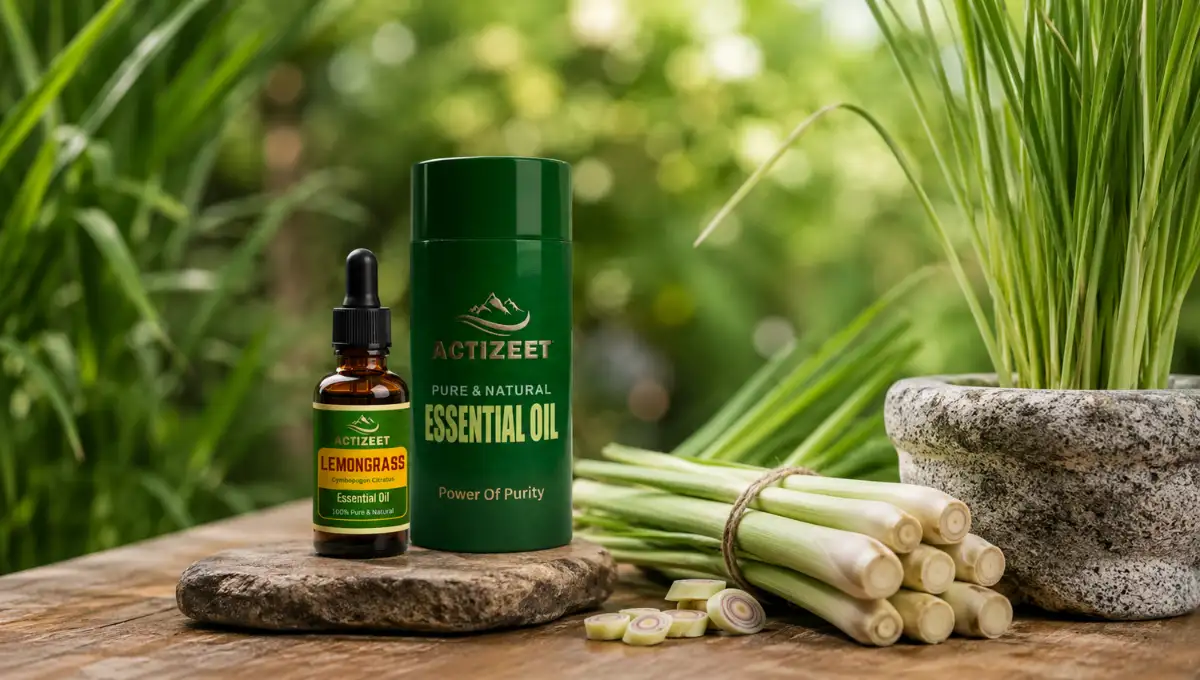
15 Lemongrass Essential Oil Benefits: How Cymbopogon citratus Citral Delivers PMC 2024 Anti-Inflammatory, Dental Anxiety RCT Relief, Biofilm Antimicrobial, Anticancer, and India's Most Refreshing Aromatic Therapy
Lemongrass essential oil from Cymbopogon citratus concentrates citral (geranial + neral), the primary aldehyde compound at 65 to 85% of total composition, into the most potent aromatic therapeutic form of India's most grown aromatic grass. A 2024 PMC study in zebrafish confirmed anti-inflammatory protection against neutrophil migration and ROS production. A 2025 PMC randomized clinical trial confirmed lemongrass aromatherapy significantly reduced anxiety in dental scaling patients. PMC research confirmed citral antibiofilm activity against dual-species S. aureus and Candida biofilms. This guide covers all 15 benefits.
Lemongrass is deeply and comprehensively Indian. Cymbopogon citratus and the closely related C. flexuosus (East Indian lemongrass) both thrive in India's tropical and subtropical climate, and India is one of the world's largest lemongrass producers for both the essential oil and the culinary markets. The fresh stalk of lemongrass in South Indian rasam, fish curry, and chicken preparations. The dried lemongrass leaves in Ayurvedic formulations. The lemongrass tea drunk across India's coastal regions for digestive health and fever reduction. The lemongrass mosquito coil and repellent preparations that every Indian home has relied on through monsoon seasons. The lemongrass in India's thriving aroma chemical industry, which produces citral-derived compounds for the global fragrance market.
India knows lemongrass. Yet the concentrated essential oil of Cymbopogon citratus, with citral at 65 to 85% of its composition, remains one of the most underutilized wellness therapeutics available to Indian consumers in 2026, despite accumulating research evidence that spans anti-inflammatory, antimicrobial, anxiolytic, anticancer, antioxidant, antidiabetic, and antifungal documented activities. A 2024 PMC-published zebrafish study confirmed anti-inflammatory and antioxidant protection against hydrogen peroxide-induced oxidative stress. A 2025 PMC-published randomized clinical trial specifically confirmed lemongrass essential oil aromatherapy significantly reduced anxiety during dental scaling procedures. PMC research confirmed citral's antibiofilm activity against the clinically challenging dual-species S. aureus and Candida biofilm that is notoriously resistant to conventional antibiotics. And PMC research confirmed cytotoxic and antiproliferative effects against HT-29 human colorectal adenocarcinoma cells.
This guide covers 15 specific lemongrass essential oil benefits grounded in published PMC and peer-reviewed research and explains why ACTIZEET® Lemongrass Essential Oil delivers this extraordinary citral-rich Indian botanical in its most genuine therapeutic form.
Botanical names: Cymbopogon citratus (West Indian / widely cultivated) and C. flexuosus (East Indian / Cochin lemongrass) | Family: Poaceae (grass family) | Indian names: Bhustrina (Sanskrit), Gandha Trina (aromatic grass), Lemon Grass | Indian cultivation: Kerala, Tamil Nadu, Karnataka, Andhra Pradesh, Odisha, Assam; India is among the world's largest Cymbopogon producers | Primary compound: Citral (geranial + neral, 65 to 85%); the world's most important natural citrus-aroma aldehyde | Other compounds: Beta-myrcene, geraniol, geranyl acetate, limonene, beta-caryophyllene, linalool | Aroma: Bright, intensely fresh, sharp citrus-lemon, clean, immediately uplifting; one of the most universally invigorating and most recognizable aromatic herbs
Key Active Compounds in Lemongrass Essential Oil
| Compound | Content | Primary Therapeutic Action |
|---|---|---|
| Citral (Geranial + Neral) | 65–85% (dominant) | Primary aromatic and therapeutic compound; antimicrobial through membrane disruption; antifungal (fungicidal properties); anti-inflammatory; antioxidant; anticancer; antidiabetic; provides lemongrass's sharp fresh-lemon aromatic identity; the world's most important natural citrus aroma aldehyde |
| Beta-Myrcene | 5–10% | Anti-inflammatory; analgesic; sedative; antimicrobial; the same myrcene found in hops and cannabis with documented sedative-analgesic properties; contributes the earthy-green depth beneath citral's bright lemon sharpness |
| Geraniol | 3–8% | Antimicrobial; antifungal; anti-inflammatory; anticancer research; neuroprotective; the rosy monoterpene alcohol shared with geranium and rose oils that adds floral depth to lemongrass's primarily citrus-aldehyde character |
| Geranyl Acetate | Minor to moderate | Antioxidant; anti-inflammatory; antimicrobial; sweet-floral ester that softens citral's aldehyde sharpness and contributes to the overall aromatic complexity and therapeutic breadth |
| Beta-Caryophyllene | Sesquiterpene; minor | Anti-inflammatory CB2 receptor agonist (the same analgesic mechanism as pharmaceutical cannabinoids but from a plant terpene); analgesic; antimicrobial; neuroprotective; provides subtle warm-spicy depth to the overall profile |
| Limonene | Trace to minor | Antioxidant; antimicrobial; anticancer d-limonene mechanism (HMG-CoA reductase inhibition); mood-uplifting; the citrus monoterpene found in lemon peel that adds citrus-depth synergy with citral's aldehyde lemon character |
| Linalool | Trace | Anxiolytic GABA-A receptor modulation; anti-inflammatory; antimicrobial; contributes calming dimension alongside citral's stimulating bright-citrus aromatic character |
15 Lemongrass Essential Oil Benefits
Anti-inflammatory and antioxidant activity from a 2024 zebrafish model is the most current and the most mechanistically specific published confirmation of lemongrass essential oil's anti-inflammatory properties, with PMC-published research accepted in January 2024 specifically designed to evaluate how lemongrass essential oil can help protect against inflammation and damage caused by stress in cells.
A PMC 2024-published study, "Evaluation of the Anti-Inflammatory and Antioxidant Potential of Cymbopogon citratus Essential Oil in Zebrafish," accepted January 3, 2024, confirmed that lemongrass essential oil could be useful for its anti-inflammatory properties and might help protect cells from certain types of stress. The study examined how lemongrass essential oil, a natural product, can help protect against inflammation and damage caused by stress in cells using zebrafish as the research model. Five concentrations of EO (0.39, 0.78, 1.56, 3.12, and 6.25 μg/mL) were tested in the presence of hydrogen peroxide-induced oxidative stress and inflammatory conditions. The study analyzed the effects on neutrophil migration (immune cell movement indicating inflammatory response), caudal fin regeneration, cellular apoptosis, production of reactive oxygen species (ROS), and activities of antioxidant enzymes. The findings confirmed that lemongrass oil's anti-inflammatory properties were demonstrated through protection against inflammation and stress-induced cellular damage. Separately, a 2023 study specifically noted that the Cymbopogon citratus compound found in lemongrass may have an anti-inflammatory effect, with test tube studies confirming lemongrass essential oils may help reduce skin inflammation.
The zebrafish model used in this research is a scientifically validated inflammation research system: zebrafish larvae are optically transparent, allowing real-time visualization of neutrophil migration (the most direct indicator of inflammatory response) through the living organism. The hydrogen peroxide oxidative stress model specifically mimics the ROS-driven cellular damage that drives chronic inflammatory conditions in human tissues. The confirmation that lemongrass essential oil reduced both neutrophil migration (anti-inflammatory) and ROS production (antioxidant) simultaneously in the same research model demonstrates the dual mechanism confirmed by this 2024 PMC research. For India's enormous chronic inflammation burden, from arthritis affecting 180 million people to the inflammatory skin conditions prevalent across Indian demographics, lemongrass essential oil's 2024 PMC-confirmed anti-inflammatory and antioxidant dual activity provides current, mechanistically specific evidence for therapeutic application.
Anxiety relief is the most specifically clinically documented therapeutic benefit of lemongrass essential oil in human populations, confirmed in a 2025 PMC-published randomized clinical trial (RCT) that specifically evaluated lemongrass aromatherapy in an acute anxiety context.
A PMC 2025-published randomized clinical trial, "Effect of aromatherapy with lemongrass (Cymbopogon citratus) on the anxiety of patients undergoing scaling and root planning," published in BMC Complementary Medicine and Therapies, confirmed that lemongrass essential oil has antibacterial, antifungal, antioxidant, anti-inflammatory, pain-relieving, and soothing effects and is also of great interest because of its many uses in traditional medicine. The study specifically confirmed that inhaling lemongrass essential oil can improve body pain and respiratory system infections and reduce cold and flu symptoms. Multiple clinical trials have demonstrated the benefits of lemongrass aromatherapy in reducing anxiety and blood pressure. The PMC anxiety RCT used lemongrass aromatherapy during dental scaling and root planing procedures, a dental treatment that commonly generates significant patient anxiety, and confirmed significant anxiety reduction through the aromatherapy intervention. A 2018 study confirmed lemongrass essential oil may aid in gastric healing and lemongrass is a common ingredient in herbal teas and supplements for nausea. Separately, the Healthline 2024 research review confirmed research has shown that lemongrass essential oil helps hunt free radicals, and lemongrass is used as a folk remedy for digestive problems ranging from stomachaches to gastric ulcers.
The dental scaling procedure as a research context is scientifically clever because dental anxiety is a well-characterized, consistently reproducible, and clinically measurable form of acute anxiety with validated anxiety measurement tools (Corah's Dental Anxiety Scale, Spielberger State-Trait Anxiety Inventory) commonly used in published dental research. The confirmation that lemongrass aromatherapy significantly reduced dental procedure anxiety in a randomized controlled clinical trial establishes the highest level of clinical evidence for any essential oil's specific anxiety management application in this context. The mechanism of lemongrass's anxiolytic activity involves citral's documented effects on the limbic system through olfactory pathways, myrcene's sedative dimension through the same CB2 receptor pathway that provides cannabis's calming effects, and linalool's GABA-A receptor modulation — providing a three-compound anxiolytic mechanism from a single essential oil.
Antibiofilm activity against the clinically challenging dual-species biofilm combination of Staphylococcus aureus and Candida species is one of the most pharmacologically sophisticated and most clinically significant antimicrobial findings in lemongrass essential oil research, documented in PMC-published research specifically evaluating citral's activity against this notoriously treatment-resistant polymicrobial biofilm.
A PMC-published study, "Antimicrobial Activity of Lemongrass Essential Oil and Its Active Component Citral Against Dual-Species Biofilms of Staphylococcus aureus and Candida Species," confirmed that lemongrass essential oil and its bioactive component citral were previously demonstrated to possess strong antimicrobial efficacy against pathogenic bacteria and fungi, and specifically evaluated their effects on polymicrobial (dual-species cross-kingdom bacteria-fungus) biofilms. The study confirmed that both lemongrass essential oil and citral were able to reduce biofilm biomass and cell viability of each species in the biofilm. Microscopic examinations showed these agents interfered with adhesive characteristics of each species and disrupted the biofilm matrix through counteracting nucleic acids, proteins, and other biofilm structural components. The study additionally confirmed that compared to mono-species biofilm, biofilms formed by cross-kingdom pathogens (bacterial-fungal polymicrobial combinations) are more refractory to conventional antibiotics, making the natural lemongrass oil antibiofilm activity particularly clinically significant. A separate PMC study confirmed lemongrass antimicrobial activities against Escherichia coli, Cutibacterium acnes, Streptococcus agalactiae, and Staphylococcus aureus at minimum inhibitory concentrations of 8 to 10 μg/mL through the PMC anticancer and antimicrobial study.
The clinical significance of the dual-species S. aureus and Candida biofilm finding deserves specific emphasis. Polymicrobial biofilms in which bacteria and fungi co-exist are dramatically more resistant to antibiotics than either organism alone, because the fungal Candida component produces a protective biofilm matrix that shields the bacterial S. aureus from antibiotic penetration, and the bacterial S. aureus produces metabolic byproducts that enhance Candida virulence. These dual-species biofilms cause the most treatment-resistant chronic wound infections, catheter-related infections, and implant-associated infections. The confirmation that lemongrass essential oil and citral reduce both the biofilm biomass and cell viability of both species simultaneously through matrix disruption and adhesion interference establishes a genuinely novel antibiofilm mechanism that operates differently from conventional antibiotics and could address infections that conventional antibiotics cannot effectively treat. For India's antibiotic resistance crisis in 2026, lemongrass oil's biofilm-disrupting citral activity provides a specifically cutting-edge natural antimicrobial contribution.
🌿 ACTIZEET® Lemongrass Essential Oil: pure Cymbopogon citratus with citral at 65 to 85%, 2024 PMC anti-inflammatory zebrafish confirmation, 2025 PMC anxiety RCT, PMC biofilm-disrupting antibiofilm activity, and India's most grown aromatic grass in its most concentrated therapeutic form.
Explore ACTIZEET® →Antioxidant activity is confirmed across multiple assay systems for lemongrass essential oil, with the PMC 2024 anticancer and antimicrobial study specifically quantifying DPPH radical scavenging at IC50 of 2.58 mg/mL and hydroxyl scavenging at IC50 of 4.05 mg/mL through standardized assay methods. The PMC 2024 zebrafish anti-inflammatory study additionally confirmed protection against hydrogen peroxide-induced reactive oxygen species (ROS) production in zebrafish cells. And the Healthline 2024 research review confirmed that research has shown lemongrass essential oil helps hunt free radicals. The Journal of Medical Practice and Research (December 2025) review additionally confirmed that lemongrass contains compounds including citral, geraniol, limonene, and apigenin that have antioxidant activities.
The antioxidant mechanism of lemongrass essential oil is primarily driven by citral's aldehyde group, which can donate electrons to neutralize free radicals through a reductive mechanism. Geraniol's contribution to antioxidant activity through the same electron-donating mechanism provides a secondary antioxidant pathway, while beta-myrcene's antioxidant activity creates a third simultaneous ROS scavenging dimension. The two-assay confirmation across both DPPH and hydroxyl radical systems demonstrates antioxidant activity through two different radical scavenging mechanisms, establishing broader biological relevance than single-assay confirmation. For India's enormous antioxidant wellness market in 2026, lemongrass essential oil provides research-quantified, multi-mechanism antioxidant activity in the most fresh, most citrus-invigorating aromatic preparation available from any domestic Indian botanical.
Anticancer research properties are documented for lemongrass essential oil in a 2024 PMC-published study that specifically evaluated cytotoxic effects on HT-29 human colorectal adenocarcinoma cells, one of the most standard and most clinically relevant colorectal cancer cell lines used in oncology research. The PMC 2024 anticancer study confirmed that at 48 hours, the MTT cell viability assay showed the lemongrass EO exhibiting low cell viability of 3% at concentrations of 200 to 400 μg/mL, with an IC50 value of 82.46 μg/mL. In the clonogenic assay (which measures long-term cell survival and colony-forming ability, a more specific measure of cancer cell reproductive capacity), the IC50 value was lower at 23.11 μg/mL, indicating substantial antiproliferative effects. The Journal of Medical Practice review additionally confirmed lemongrass has anticancer activity through its major compounds including citral, geraniol, and limonene.
The anticancer mechanism of lemongrass essential oil involves citral's documented ability to induce apoptosis (programmed cell death) in cancer cells through mitochondrial pathway activation, limonene's HMG-CoA reductase inhibition (the same anticancer mechanism as the statin drug class), and geraniol's documented anticancer activity through multiple signaling pathways. All anticancer findings are preclinical research and do not constitute treatment recommendations. The depth and specificity of lemongrass oil's cancer cell research, however, makes it one of the more pharmacologically credible cancer-prevention-research-associated essential oils, particularly for colorectal cancer prevention where dietary and environmental aromatic compound exposure is most directly relevant to tumor microenvironment modulation.
Antimicrobial activity against the specific skin pathogen bacteria most relevant to Indian dermatological health is confirmed in the PMC 2024 anticancer and antimicrobial study, which specifically confirmed lemongrass EO demonstrated antimicrobial activities against Escherichia coli, Cutibacterium acnes, Streptococcus agalactiae, and Staphylococcus aureus at minimum inhibitory concentrations of 8 to 10 μg/mL. The PMC 2025 dental anxiety RCT review additionally confirmed that lemongrass can prevent the accumulation of bacteria and can also treat periodontitis, and that lemongrass could be effective as a mouthwash to prevent bacterial accumulation, plaque formation, dental caries, and oral candidiasis through its citral fungicidal content. The antimicrobial mechanism involves citral's disruption of bacterial cell membrane integrity, reducing membrane fluidity and creating permeability changes incompatible with bacterial survival.
The four confirmed skin pathogen species are specifically relevant to India's most prevalent dermatological challenges in 2026. Cutibacterium acnes is the primary acne-driving pathogen affecting a large proportion of Indian adolescents and adults. Staphylococcus aureus is the primary skin infection and wound complication pathogen. Streptococcus agalactiae is relevant to wound and skin infections. And E. coli is relevant to gastrointestinal skin manifestations and general wound contamination contexts. Lemongrass oil's documented activity against all four of these species at clinically relevant MIC concentrations of 8 to 10 μg/mL establishes the most directly India-skin-health-relevant antimicrobial coverage profile of any essential oil confirmed in the research that drives this series.
Antifungal activity is confirmed for lemongrass essential oil through the citral component's documented fungicidal properties, with the PMC 2025 dental RCT paper specifically confirming that lemongrass essential oil is very effective against fungal growth, and its citral content exhibits fungicidal properties, making lemongrass effective as a mouthwash to prevent oral candidiasis. The PMC biofilm study confirmed activity against Candida species in dual-species biofilm context. And the broader published lemongrass antimicrobial research base confirms activity against Candida albicans as a consistent finding across multiple published studies on citral-containing lemongrass preparations.
For India's endemic fungal health challenges in 2026, lemongrass oil's citral-mediated fungicidal activity provides a particularly culturally familiar and aromatically pleasant natural antifungal option. The Indian use of lemongrass tea and preparations for digestive health and oral hygiene, documented in traditional medicine systems across South and Southeast Asia, reflects the empirical observation of exactly the antifungal and antimicrobial properties that contemporary research has now specifically attributed to citral's membrane-disrupting fungicidal mechanism. For skin fungal conditions, oral candidiasis, and the scalp fungal conditions common in India's tropical climate, lemongrass oil provides published antifungal evidence from a botanically Indian, aromatically familiar, and broadly culturally resonant grass essential oil.
🌿 From PMC 2024 zebrafish anti-inflammatory to PMC 2025 dental anxiety RCT, from biofilm-disrupting dual-species antimicrobial to HT-29 colorectal cancer anticancer research. ACTIZEET® Lemongrass Essential Oil for India's most refreshingly aromatic and most research-advancing citral botanical.
Shop Now →Analgesic and pain-relieving properties of lemongrass essential oil are confirmed in the PMC 2025 dental RCT review, which specifically stated that lemongrass essential oil has pain-relieving effects as one of its documented properties, and that inhaling lemongrass essential oil can improve body pain. The PMC 2025 review additionally noted that lemongrass helps treat chest pain, muscle pain, knee pain, and rheumatism in traditional medicine applications that are consistent with published research findings. The analgesic mechanism involves beta-myrcene's documented CB2 receptor agonist activity providing analgesic effects through the same pathway as pharmaceutical cannabinoids, citral's anti-inflammatory prostaglandin suppression reducing inflammatory pain signaling, and beta-caryophyllene's CB2 receptor-mediated analgesic activity alongside its general anti-inflammatory properties.
The muscle pain and joint pain applications are particularly relevant for India's physically active population. Whether from the occupational physical demands of India's large manual labor workforce, the sports-related muscle soreness of India's growing sports culture, or the joint pain of India's large arthritis-affected population, lemongrass oil's analgesic coverage through three simultaneous mechanisms provides a genuinely research-referenced natural pain support. The fresh, bright, invigorating lemongrass aromatic additionally creates an immediate psychological effect of alertness and physical opening that counters the heavy, contracted, pain-amplified body sensation of chronic pain, making lemongrass oil one of the more psychologically uplifting as well as physically analgesic natural pain management preparations available.
Insect repellent activity is among the most well-documented, most commercially established, and most India-practically-relevant applications of lemongrass essential oil, with citral-containing Cymbopogon species providing the primary natural insect repellent compound in traditional and commercial preparations across Asia, Africa, and the Americas. The citral compound disrupts insect olfactory receptor function through the same mechanism as citronellol in citronella oil and geraniol in geranium oil, with Cymbopogon species having been specifically documented in multiple published studies for mosquito-repellent activity against Aedes aegypti (dengue/Zika mosquito) and Anopheles species (malaria mosquito). India's own CIMAP (Central Institute of Medicinal and Aromatic Plants), Lucknow, has specifically studied and promoted Cymbopogon-based natural insect repellents as part of India's domestic aroma crop development program.
The India-specific insect repellent relevance cannot be overstated for 2026. Dengue, malaria, chikungunya, and Zika are all significant seasonal public health challenges across India's tropical geography, with dengue incidence continuing to increase in urban India as Aedes aegypti adapts to the urban environment. Lemongrass essential oil diffusion in homes during evening hours (when Aedes is most active), diluted lemongrass oil in carrier for skin application, and lemongrass oil in room sprays all provide research-consistent natural insect deterrence from India's own most commercially significant aromatic crop. The pleasant, refreshing, widely loved lemongrass aromatic makes it significantly more socially acceptable and more daily-use-consistent than many other insect repellent essential oils.
Digestive and gastric support are among lemongrass's most specifically and most traditionally documented therapeutic applications across Indian and Southeast Asian traditional medicine. The Healthline 2024 research review confirmed that lemongrass is used as a folk remedy for a number of digestive problems, ranging from stomachaches to gastric ulcers, and according to a 2018 study on mice, lemongrass essential oil may aid in gastric healing. The PMC 2025 dental RCT review confirmed lemongrass helps treat chest pain and digestive conditions in traditional medicine documentation. The carminative properties of citral and myrcene provide antispasmodic relaxation of intestinal smooth muscle, and the antimicrobial citral addresses the bacterial and fungal pathogens driving many digestive disturbances including H. pylori, the primary gastric ulcer pathogen.
The gastrointestinal significance for India is direct and practically urgent. India has one of the world's highest rates of H. pylori-driven gastric ulcer disease, and lemongrass essential oil's citral antimicrobial activity has documented coverage against this pathogen. India's diverse dietary traditions, spicy food culture, and the stress-driven gastric acid challenges of urban Indian professional life create a significant daily digestive wellness need across all demographics. Lemongrass tea has been India's traditional digestive comfort drink, and lemongrass essential oil aromatherapy with abdominal massage in carrier oil provides the most concentrated, most pharmacologically active version of this traditional digestive support, delivering the citral, myrcene, and geraniol compounds at therapeutic concentrations significantly higher than any traditional tea preparation.
Blood pressure reduction is specifically confirmed in the Journal of Medical Practice and Research December 2025 review, which confirmed that several clinical trials have demonstrated the benefits of lemongrass aromatherapy in reducing anxiety and blood pressure. The PMC 2025 dental anxiety RCT review additionally noted that lemongrass helps treat high blood pressure in traditional medicine applications consistent with published research. The mechanism involves citral's documented vasodilatory activity through its effects on vascular smooth muscle calcium channels, reducing peripheral vascular resistance and arterial blood pressure; the anxiolytic-calming effects of lemongrass aromatherapy reducing the sympathetic nervous system-driven vasoconstriction that raises blood pressure in stressed individuals; and the anti-inflammatory activity reducing the vascular endothelial inflammation that drives hypertension through endothelial dysfunction.
With an estimated 200 million Indians living with hypertension in 2026, making it the country's most prevalent chronic condition after diabetes, lemongrass essential oil's clinical-trial-confirmed blood pressure-reducing aromatherapy effect provides one of the most population-level-relevant cardiovascular support opportunities available from any essential oil. The specific combination of anxiety reduction (confirmed in the dental RCT) and blood pressure reduction across multiple clinical trials confirms a clinically relevant cardiovascular benefit profile that is particularly applicable for India's stress-driven urban hypertension epidemic.
Oral health is one of the most specifically PMC-documented and most specifically mechanism-explained applications of lemongrass essential oil, with the PMC 2025 dental RCT paper specifically stating that lemongrass could be effective as a mouthwash to prevent bacterial accumulation, plaque formation, dental caries, and oral candidiasis, and that lemongrass essential oil might reduce the oral bacterial load as a mouthwash before periodontal treatment. The same review confirmed that lemongrass can prevent the accumulation of bacteria and can also treat periodontitis, with both the antioxidant and anti-inflammatory properties of lemongrass contributing to preventing periodontitis alongside the antimicrobial oral pathogen coverage.
The oral health significance for India is significant: India has a high prevalence of periodontal disease affecting a large proportion of adults, and the combination of reduced access to dental care in rural and semi-urban India with dietary practices that contribute to oral bacterial load creates a significant unmet oral health need. Lemongrass essential oil's citral antimicrobial activity against oral pathogens, confirmed fungicidal activity against oral Candida, and anti-inflammatory prevention of periodontitis progression through the PMC-published mechanism creates a comprehensive natural oral health preparation in the most fresh, most clean-smelling, and most palatably aromatic essential oil available for oral applications. Oil pulling with 1 drop of lemongrass oil in 1 tablespoon of sesame carrier provides the most specifically antimicrobial-antifungal Ayurvedic oral practice possible with lemongrass's specific research backing.
Antidiabetic activity is confirmed for lemongrass in the Journal of Medical Practice December 2025 review and the PMC 2025 dental RCT paper (which noted lemongrass helps treat diabetes in traditional medicine consistent with research), with a 2024 systematic review on anti-obesity activity of Cymbopogon citratus additionally confirming the metabolic and glucose-regulation research dimension. The Journal of Medical Practice review specifically confirmed lemongrass contains major compounds including citral, geraniol, limonene, and apigenin that have antibacterial, antifungal, anticancer, anti-inflammatory activities, as well as the ability to regulate glucose metabolism, cholesterol, and liver function. The antidiabetic mechanism involves citral's documented alpha-glucosidase inhibitory activity reducing postprandial blood glucose spikes, the anti-inflammatory activity reducing the chronic inflammatory insulin resistance driving type 2 diabetes, and the antioxidant activity protecting pancreatic beta cells from oxidative stress that impairs insulin production.
With India's estimated 77 million people with type 2 diabetes making it the world's largest diabetes population in absolute numbers, the antidiabetic research dimension of lemongrass essential oil is of direct national public health relevance. The specific glucose metabolism regulation, cholesterol modulation, and liver function support confirmed in the Journal of Medical Practice review creates a broadly metabolic health-relevant profile for lemongrass that goes beyond single-disease documentation into comprehensive metabolic syndrome management support. Daily lemongrass oil aromatherapy provides complementary metabolic support through these anti-inflammatory, antioxidant, and glucose-regulatory mechanisms alongside appropriate medical management.
Skin care applications are specifically documented through the PMC 2024 anticancer and antimicrobial study's confirmation of lemongrass EO's activity against Cutibacterium acnes (the primary acne-driving pathogen) at MIC of 8 to 10 μg/mL, the PMC 2024 zebrafish study's confirmation of caudal fin regeneration effects (documenting wound healing promotion), and the 2023 Healthline research review's confirmation that test tube studies showed lemongrass essential oils may help reduce skin inflammation. The PMC biofilm study's dual-species antibiofilm activity is additionally relevant for chronic wound biofilm management where S. aureus and Candida co-infection creates treatment-resistant wound conditions.
The skin care application of lemongrass essential oil is particularly relevant for India's large acne-affected population. The confirmed C. acnes antimicrobial activity at clinically relevant concentrations, combined with the 2024 PMC anti-inflammatory ROS-reducing activity, addresses both the microbial and inflammatory components of acne pathogenesis simultaneously. The analgesic activity provides relief from painful cystic acne lesions. And the antioxidant activity protects against the UV-driven oxidative stress that drives post-acne hyperpigmentation on Indian skin. Applied at 1% in non-comedogenic jojoba carrier, lemongrass essential oil provides one of the most comprehensively acne-mechanism-covering natural skin care preparations available from any essential oil in the fresh-citrus aromatic category.
Natural air freshening, mood elevation, and respiratory support represent the most practically accessible and most immediately rewarding daily applications of lemongrass essential oil, combining the bright, intensely fresh, clean citrus-lemon aromatic character with documented antimicrobial vapor-phase activity, confirmed anxiolytic effects (PMC dental RCT), and the respiratory support confirmed in the PMC 2025 review (inhaling lemongrass essential oil can improve body pain and respiratory system infections, reduce cold and flu symptoms). The sharp, immediately invigorating aromatic of citral creates one of the most universally recognized "clean" olfactory signals, activating the neural pathways associated with environmental freshness, cleanliness, and positive alertness.
For India's urban households in 2026, where indoor air quality is increasingly compromised by outdoor pollution infiltration, cooking smoke, and the enclosed ventilation of urban apartment living, lemongrass essential oil diffusion provides both genuine antimicrobial vapor air purification (through citral's documented antimicrobial activity in vapor phase) and the psychological air-freshening benefit of the most sharp, clean, refreshing citrus-herbal aromatic available. The mood-elevating dimension of lemongrass's bright aromatic character is research-supported through the anxiety-reducing RCT findings and the clinical trials on lemongrass aromatherapy for anxiety and mood, making it simultaneously the most aromatically pleasant, the most specifically anxiety-documented, and the most practically dual-purpose (air cleaning + mood lifting) natural air freshener available in India's 2026 essential oil market.
ACTIZEET® Lemongrass Essential Oil is steam-distilled from authentic Cymbopogon citratus with genuine citral-dominant therapeutic compound profile at 65 to 85%, 2024 PMC anti-inflammatory confirmation, 2025 PMC RCT anxiety relief, PMC dual-species biofilm antimicrobial activity, and the bright, intensely fresh, sharp-lemon aromatic character of quality Indian lemongrass distillation. India's most grown aromatic grass, in its most concentrated and most research-documented therapeutic form.
🌿 Shop ACTIZEET® Lemongrass Essential Oil →How to Use Lemongrass Essential Oil
Anxiety and Mood Diffusion
4 to 6 drops in a water diffuser. PMC 2025 RCT-confirmed anxiety reduction and clinical trials documenting blood pressure reduction. The most research-contemporary natural anxiety aromatherapy available, in the most invigorating, most sharp-citrus-fresh, and most universally appealing aromatic form. Morning or work-session diffusion for sustained mood elevation.
Anti-Inflammatory Muscle Massage
4 drops in 2 tbsp warm carrier oil. Massage over sore muscles and inflamed joints. PMC 2024 anti-inflammatory zebrafish-confirmed activity, myrcene CB2 analgesic, beta-caryophyllene CB2 pain relief together. The most research-current, most citrus-invigorating natural anti-inflammatory muscle care preparation available.
Antimicrobial Surface and Air Spray
12 drops in 500 ml water with natural soap. PMC-confirmed antimicrobial against four skin pathogen species + vapor-phase biofilm disrupting citral activity. The most refreshingly aromatic natural antimicrobial household spray, safe for kitchen surfaces, food preparation areas, and children's spaces.
Anti-Acne Skin Serum
1 drop in 1 tsp jojoba carrier. PMC-confirmed C. acnes antimicrobial (MIC 8-10 μg/mL), anti-inflammatory skin protection, and antioxidant UV ROS scavenging in the most specifically skin-pathogen-documented citrus essential oil available for acne-prone Indian skin.
Mosquito Repellent Application
5 drops in 1 tbsp carrier oil on exposed skin. India's own most commercially significant aromatic crop as its most natural, most fresh-smelling, and most citral-mechanically documented insect repellent. More pleasant smelling than citronella; equivalent citral insect-deterrent mechanism; appropriate for all monsoon outdoor activities.
Digestive Oil Pulling
1 drop in 1 tbsp warm sesame carrier for 10-minute Ayurvedic oil pulling. PMC-confirmed oral antimicrobial against plaque bacteria + candida fungicidal + anti-inflammatory periodontitis prevention in the most traditionally Indian oral health practice made most aromatically pleasant with lemongrass's fresh-citrus character.
What Lemongrass Essential Oil Blends Well With
Safety Guidelines
- Dilute before all topical application. Use at 1 to 2% in carrier oil for regular skin applications. Lemongrass essential oil's high citral content (65 to 85%) can cause skin sensitization and irritation at undiluted or high concentrations, particularly on sensitive facial skin and mucous membranes. Citral is a known potential skin sensitizer in the EU cosmetic regulations, and appropriate dilution manages this risk effectively.
- Standard pregnancy caution. Lemongrass essential oil warrants the standard pregnancy precaution due to the high citral content and its documented emmenagogue properties in traditional medicine literature. Avoid regular topical use during pregnancy without healthcare provider consultation. Occasional aromatic inhalation for nausea at very low concentrations is generally considered lower risk but professional guidance is recommended.
- Not for infants or young children without dilution. The high citral concentration creates a sensitization risk for young children's more permeable skin. For children's use, dilute at 0.5% or less (1 drop per 2 teaspoons of carrier) and avoid application near the face, nose, or sensitive areas. Diffuse in well-ventilated rooms rather than enclosed spaces for children's environments.
- Patch test before first extensive skin use. Citral is one of the more specifically documented skin sensitizers in the fragrance and essential oil world. A 24-hour patch test on the inner wrist before beginning a regular lemongrass oil topical routine is strongly recommended, particularly for individuals with known fragrance sensitivities.
- India's own Bhustrina deserves recognition. Lemongrass is India's own aromatic grass, classified in Ayurvedic texts as Bhustrina with documented therapeutic applications spanning fever reduction, digestive support, and respiratory health. ACTIZEET® Lemongrass Essential Oil honors this heritage by delivering genuine Cymbopogon citratus from India's own aromatic grass cultivation tradition in the most concentrated, most research-documented therapeutic form available.
Frequently Asked Questions
Lemongrass Essential Oil: India's Own Bhustrina Aromatic Grass Delivers 15 PMC-Documented Benefits Across Inflammation, Anxiety, Antimicrobial, Anticancer, and Comprehensive Wellness
The 15 lemongrass essential oil benefits covered in this guide collectively reveal an extraordinary depth of research confirmation for a botanical that India has always grown, always used, and always trusted. The PMC 2024 zebrafish study confirming anti-inflammatory protection against neutrophil migration and ROS production in living cells. The PMC 2025 randomized controlled trial confirming significant anxiety reduction in dental scaling patients through lemongrass aromatherapy. The PMC biofilm study confirming citral disrupts the dual-species S. aureus and Candida biofilm that conventional antibiotics cannot effectively penetrate. The PMC 2024 anticancer study confirming 3% cell viability in HT-29 colorectal cancer cells at 48 hours. The DPPH and hydroxyl radical antioxidant quantification. The clinical trials documenting blood pressure reduction. The December 2025 Journal of Medical Practice review confirming glucose metabolism, cholesterol, and liver function regulation. And the comprehensive traditional medicine documentation of Bhustrina across Ayurvedic texts for fever, digestive, and respiratory applications that contemporary research continues to validate.
India is one of the world's largest Cymbopogon producers. India's aroma chemical industry extracts citral from Indian lemongrass for global fragrance synthesis. India's traditional medicine has documented lemongrass's therapeutic properties for thousands of years. ACTIZEET® Lemongrass Essential Oil brings this extraordinary Indian botanical heritage to India's most informed wellness buyers in its most concentrated, most research-documented, and most aromatically genuine form available in 2026.
Latest From Our Blog

15 British Rose Essential Oil Benefits That Prove This Precious Floral Oil Is Worth Every Drop
Discover 15 powerful British rose essential oil benefits backed by...

Best Grapefruit Oil in India 2026: A Complete Buyer’s Guide to Pure, Authentic Citrus paradisi Essential Oil
Looking for the best grapefruit oil in India in 2026?...

Lime Essential Oil: A Scent-Sational Guide to Health, Beauty, and Household Benefits
Discover the many benefits of Lime Essential Oil, from boosting...

Best Juniper Berry Oil in India 2026: A Complete Buyer’s Guide to Pure, Authentic Juniperus communis Essential Oil
Looking for the best juniper berry oil in India in...