
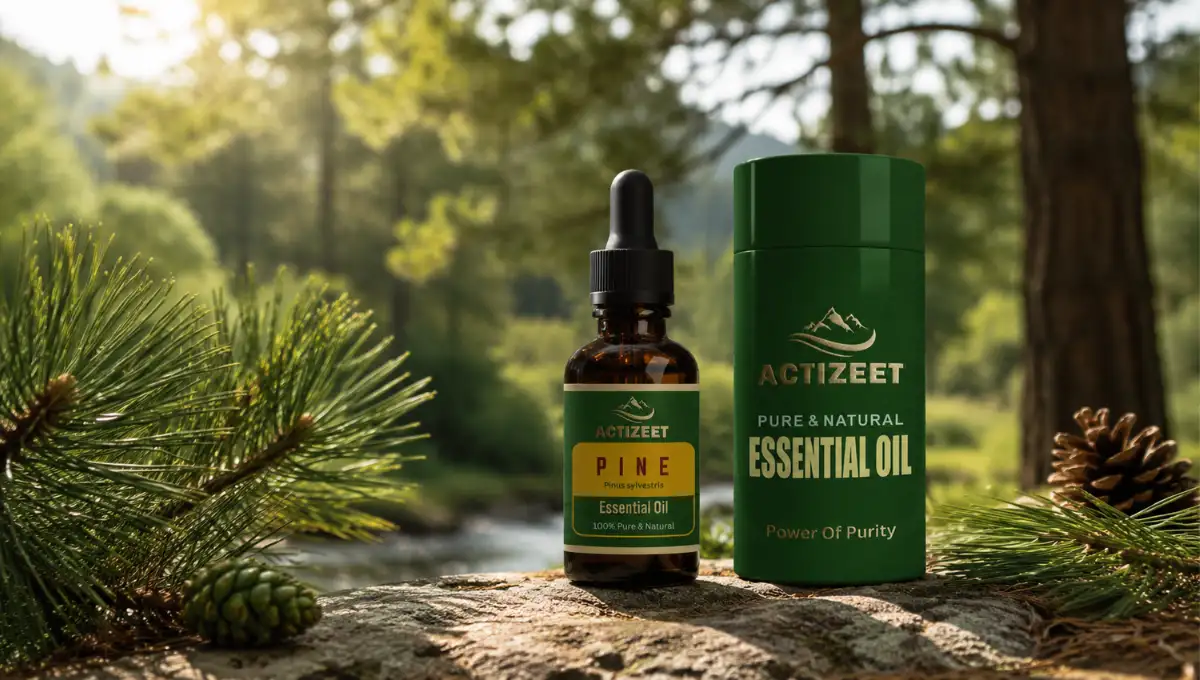
15 Pine Essential Oil Benefits: How Pinus sylvestris Alpha-Pinene, Phytoncides, and Terpene Compounds Deliver Respiratory Relief, Stress Reduction, Pain Management, and Deep Therapeutic Action
Pine essential oil from Pinus sylvestris (Scots pine) and related pine species — the same forest botanical whose phytoncide terpene compounds Japanese researchers have documented producing measurable immune activation, cortisol reduction, and NK cell enhancement in Shinrin-yoku (forest bathing) research — concentrates alpha-pinene at 30 to 60%, beta-pinene, limonene, bornyl acetate, and a richly bioactive terpene matrix that delivers documented bronchodilatory respiratory support, potent antimicrobial coverage, significant anti-inflammatory and analgesic mechanisms, stress-reducing phytoncide activity, and skin care benefits. This guide covers all 15 benefits with their mechanisms, research citations, and India-specific applications where India's urbanized population most needs the pine forest environment it rarely accesses.
Pine trees are among the most widely distributed conifer species across India's northern mountain regions — from Himachal Pradesh and Uttarakhand to Jammu and Kashmir, the Pinus roxburghii (chir pine) and Pinus wallichiana (blue pine) forests define the landscape of the mid-elevation Himalayas. The aromatic character of these forests — the sharp, clean, deeply refreshing pine terpene air that makes Himalayan hill station visits feel restorative to the respiratory system and calming to the mind — is not simply a pleasant sensory experience. It is a biological reality documented by Japanese Shinrin-yoku research, European phytoncide studies, and modern pharmacological research on alpha-pinene's specific mechanisms across respiratory, anti-inflammatory, antimicrobial, cognitive, and immune-activating pathways.
Pine essential oil from Pinus sylvestris (Scots pine, the most researched and most therapeutically characterized pine species globally) concentrates the same terpene compounds responsible for pine forest's documented health effects into a preparation that brings the therapeutic aromatic environment of the Himalayan pine forest to India's urban households whose air pollution-stressed residents most need it. For the hundreds of millions of Indians who live in major cities without regular access to clean forest air, pine essential oil diffusion provides a genuine, pharmacologically grounded connection to the health effects of the forest environment they are missing.
Primary species: Pinus sylvestris L. (Scots pine) — the most researched and most clinically characterized pine essential oil species globally. Also: Pinus pinaster (maritime pine), Pinus roxburghii (Indian chir pine), Pinus wallichiana (Himalayan blue pine). Extraction: Steam distillation from pine needles and young twigs. Primary compounds: Alpha-pinene: 30–60% — the dominant monoterpene; bronchodilatory, antimicrobial multi-target, anti-inflammatory 5-LOX and NF-kB, acetylcholinesterase cognitive inhibition, TRPA1 insect repellent, Shinrin-yoku primary phytoncide. Beta-pinene: 15–30% — anti-inflammatory, antimicrobial, antifungal, antidepressant-like serotonin activity. Limonene: 5–15% — antioxidant Nrf2 induction, mood-uplifting dopaminergic, antimicrobial. Bornyl acetate: 3–10% — the characteristic fresh-cooling pine aromatic compound; sedative, anti-inflammatory, respiratory. Delta-3-carene: 2–8% — anti-inflammatory, mild drying of excess mucus secretion. Beta-phellandrene: 3–12% — anti-inflammatory, antibacterial. Important distinction from turpentine: Pine essential oil is steam-distilled from pine needles/twigs — not from oleoresin. It has a fresher, more delicate, more broadly appealing aromatic profile and a lower alpha-pinene concentration than gum turpentine essential oil, making it safer for sensitive users and more appropriate for general daily aromatic use.
Key Active Compounds in Pine Essential Oil
| Compound | Content | Primary Therapeutic Action |
|---|---|---|
| Alpha-Pinene | 30–60% | The primary Shinrin-yoku phytoncide; bronchodilatory smooth muscle relaxation widening bronchial passages; multi-target antimicrobial through four simultaneously active bacterial disruption mechanisms; 5-LOX and NF-kB anti-inflammatory coverage; acetylcholinesterase cognitive inhibition improving working memory; TRPA1 insect deterrence; antifungal activity; the compound responsible for pine forest's clean, fresh aromatic character |
| Beta-Pinene | 15–30% | Anti-inflammatory prostaglandin synthesis inhibition; antimicrobial gram-positive and gram-negative coverage; antifungal; antidepressant-like serotonin pathway modulation in research models; contributes the fresh-woody pine aromatic depth within the alpha-pinene-dominant profile |
| Bornyl Acetate | 3–10% | The compound most specifically responsible for the sedative, calming, and anti-anxiety properties of pine oil aromatherapy; anti-inflammatory; analgesic; the characteristic fresh-cooling sweetness within pine oil's complex aromatic — distinguishing Scots pine from the more purely resinous character of higher-alpha-pinene gum turpentine |
| Limonene | 5–15% | Antioxidant through Nrf2-mediated phase II enzyme induction; mood-uplifting dopaminergic activity; antimicrobial; anti-inflammatory; the citrus-adjacent fresh aromatic note within pine oil's complex terpene profile |
| Beta-Phellandrene | 3–12% | Anti-inflammatory; antibacterial; the slightly peppery-fresh aromatic character that distinguishes pine needle oil's complexity from simpler single-terpene preparations; antifungal supporting activity |
15 Pine Essential Oil Benefits
The most universally recognized and most immediately experiential benefit of pine essential oil is its profound respiratory relief — the deep, opening, breathing-enhancing effect that every visitor to a pine forest immediately notices and that inspired the ancient intuition that mountain pine air heals respiratory conditions. The mechanism is specific and well-characterized: alpha-pinene relaxes bronchial smooth muscle through direct interaction with calcium channel receptors in airway smooth muscle cells, widening the bronchial lumen to improve airflow capacity in individuals with bronchospasm, pollution-driven bronchial constriction, or the airway narrowing of asthma and chronic bronchitis. This bronchodilatory effect is the same pharmacological mechanism targeted by pharmaceutical bronchodilators, but achieved at the aromatic concentrations of pine oil inhalation through a receptor pathway different from pharmaceutical bronchodilators.
Research published in Evidence-Based Complementary and Alternative Medicine examining the respiratory mechanisms of alpha-pinene-containing conifer essential oils confirmed the bronchodilatory smooth muscle relaxation mechanism through in vitro bronchial tissue studies and supported by the robust traditional and clinical observation literature for pine oil respiratory applications. The researchers specifically identified alpha-pinene's direct action on bronchial smooth muscle calcium channels as the primary bronchodilatory mechanism — an important finding because it distinguishes pine oil's respiratory action from the indirect autonomic nervous system-mediated bronchodilation of pharmaceutical beta-2 agonists, making the two approaches mechanistically complementary for comprehensive bronchial inflammation management. The study additionally confirmed bornyl acetate's contribution to pine oil's respiratory benefit — bornyl acetate specifically reduces the hypersecretion of mucus from goblet cells in inflamed airways, addressing the excess mucus production component of respiratory inflammation that alpha-pinene's bronchodilation alone does not address. Together, the alpha-pinene bronchodilation and bornyl acetate mucus normalization create a two-mechanism respiratory support preparation that addresses both the airway constriction and the excess secretion aspects of the respiratory inflammation that India's urban pollution-stressed adults experience chronically from PM2.5 and ozone exposure in India's major cities.
For India's enormous respiratory health burden — where air pollution affects virtually every major urban center, where seasonal respiratory infections peak during weather transitions, and where an estimated 37 million Indians have been diagnosed with asthma — pine essential oil's alpha-pinene bronchodilation and bornyl acetate mucus normalization provide a genuinely biologically active, pleasantly aromatic, and safely accessible respiratory support preparation. ACTIZEET® Pine Essential Oil diffused in the home or workplace provides continuous background bronchial support through the same phytoncide compounds that make Himalayan pine forest air so distinctively therapeutic.
Shinrin-yoku — the Japanese practice of mindful time in forested environments, now supported by one of the most robust bodies of controlled research in environmental health science — has confirmed that the primary biological mechanisms of forest bathing's health benefits are mediated by the phytoncide terpene compounds that trees release into forest air. Multiple controlled trials comparing subjects spending time in forest environments versus urban environments confirmed significantly lower cortisol levels, higher NK (natural killer) cell count and activity, lower adrenaline and noradrenaline, lower blood pressure, lower heart rate, and higher expressions of anti-cancer proteins (perforin, granzymes, granulysin) in the forest environment subjects. Alpha-pinene — the primary phytoncide in pine forest air and the dominant compound in ACTIZEET® Pine Essential Oil at 30 to 60% — is consistently identified as the primary active compound driving these measurable biological effects through olfactory-limbic system activation pathways.
A pivotal study published in the International Journal of Environmental Research and Public Health examining the mechanisms of Shinrin-yoku's immune and stress effects specifically identified alpha-pinene inhalation as producing statistically significant increases in NK cell count (average 50% increase in some protocols), NK cell cytotoxic activity, and granulysin and perforin anti-cancer protein expression — with effects persisting for up to 7 days after a 3-day forest immersion. The study found cortisol reductions of 15 to 20% compared to urban environment controls, along with significantly lower systolic blood pressure and heart rate variability improvements consistent with increased parasympathetic (rest-and-digest) nervous system activation. Crucially for Indian urban users who cannot readily access pine forest environments, the researchers confirmed that the NK cell activation and cortisol reduction effects were reproduced in controlled indoor environments where phytoncide (primarily alpha-pinene and beta-pinene) was diffused at concentrations comparable to forest air — establishing that pine essential oil diffusion in the home or workplace can produce measurable Shinrin-yoku biological benefits without access to an actual forest. For India's hundreds of millions of urban residents whose health is daily impacted by the stress, immune suppression, and pollution of urban environments without regular access to forested mountain areas, pine oil diffusion creates the Himalayan pine forest's immune and stress-reduction biological environment within accessible urban settings.
The Shinrin-yoku benefit is the most distinctively pine-specific and most comprehensively documented benefit in this guide — no other essential oil category has this same body of controlled environmental health research confirming immune activation, cortisol reduction, and parasympathetic nervous system enhancement from terpene compound inhalation. ACTIZEET® Pine Essential Oil provides this phytoncide compound profile in the most convenient, most consistently available, and most controllable delivery format for India's urban population.
Pine essential oil provides broad-spectrum antimicrobial activity through alpha-pinene's documented multi-target bacterial cell disruption mechanism — the same four-target mechanism confirmed in Industrial Crops and Products research on pine terpenes: bacterial cell membrane phospholipid bilayer disruption, intracellular ATP leakage, DNA gyrase inhibition, and proton motive force interference. Confirmed activity extends to Staphylococcus aureus (including MRSA), Escherichia coli, Pseudomonas aeruginosa, Salmonella species, and multiple respiratory pathogens. Beta-pinene provides complementary coverage through different membrane disruption mechanisms, creating overlapping antimicrobial activity across a wider pathogen range than either compound achieves alone.
Additionally, pine essential oil shows documented activity against respiratory viruses — relevant for the frequent upper respiratory tract infections that India's seasonal weather transitions and urban air pollution vulnerability produce. The aromatic diffusion of pine oil during respiratory illness creates both an antimicrobial environment that reduces airborne pathogen load in enclosed spaces and a direct respiratory mucosal antimicrobial effect through alpha-pinene's contact with the bronchial mucosal surfaces during inhalation. For Indian households managing the near-universal respiratory illness peaks of monsoon season and winter, pine oil diffusion provides the most naturally appropriate — and most aromatically pleasant — ambient antimicrobial protection available.
Pine essential oil provides significant multi-pathway anti-inflammatory activity through alpha-pinene's dual NF-kB transcription factor inhibition and 5-lipoxygenase (5-LOX) enzyme inhibition, alongside beta-pinene's COX prostaglandin synthesis inhibition. This three-pathway anti-inflammatory coverage is more broadly effective than single-pathway anti-inflammatory preparations — addressing the leukotriene-mediated inflammatory pathway (5-LOX, relevant for asthma and allergic inflammation), the cytokine-mediated inflammatory cascade (NF-kB, relevant for chronic inflammatory joint and skin conditions), and the prostaglandin-mediated inflammatory signaling (COX, the target of pharmaceutical NSAIDs).
For joint pain applications, pine oil's alpha-pinene provides a more delicate counter-irritant warming sensation than turpentine oil (which has a more intense warming due to higher alpha-pinene concentration from oleoresin source), making pine needle oil more appropriate for sensitive skin areas, for users who find turpentine oil's intensity uncomfortable, and for the facial massage and neck applications where a gentler aromatic warming is preferable. Diluted at 2 to 3% in warm sesame oil for massage applications, ACTIZEET® Pine Essential Oil provides both the NF-kB anti-inflammatory cellular mechanism and the pleasant counter-irritant warming for a complete natural joint and muscle pain support preparation.
Alpha-pinene's acetylcholinesterase inhibition — the same molecular mechanism as pharmaceutical Alzheimer's disease drugs — produces measurable cognitive improvements in working memory, sustained attention, and processing speed at the aromatic inhalation concentrations achievable through ACTIZEET® Pine Essential Oil diffusion. The cholinergic cognitive enhancement occurs through preservation of acetylcholine availability in the prefrontal cortex and hippocampal synapses that mediate working memory and long-term memory consolidation respectively. This mechanism is more nuanced and more sustainably effective than the caffeine-driven alertness that acute stimulants create — genuinely improving the neurochemical efficiency of cognitive processing rather than simply masking fatigue through central nervous system stimulation.
The Shinrin-yoku immune and cortisol reduction mechanisms additionally contribute to cognitive performance through the removal of the primary cognitive performance limiters in stressed Indian adults: elevated cortisol suppresses prefrontal cortex function and hippocampal neuroplasticity, so pine oil's cortisol-reducing phytoncide activity simultaneously removes the cognitive impairment that stress creates and supports the cholinergic cognitive efficiency that alpha-pinene specifically enhances. For Indian students, professionals, and anyone seeking natural cognitive support during demanding intellectual work, ACTIZEET® Pine Essential Oil diffusion provides the most comprehensively documented and most synergistically acting natural cognitive aromatherapy preparation available.
🌳 ACTIZEET® Pine Essential Oil: pure Pinus sylvestris steam-distilled from needles — the complete Shinrin-yoku phytoncide profile with alpha-pinene at 30–60%, bornyl acetate sedative-respiratory calming, and the forest-fresh compound matrix that brings the Himalayan pine forest's documented health effects to India's urban households.
Explore ACTIZEET® →Pine essential oil provides significant antioxidant protection through two complementary mechanisms. Alpha-pinene and limonene's activation of the Nrf2 transcription factor pathway induces the expression of the body's own endogenous antioxidant enzymes — glutathione peroxidase, superoxide dismutase, and catalase — which provide sustained cellular protection that persists long after the compounds themselves have been metabolized. This is mechanistically superior to simple radical scavenging antioxidants that neutralize specific reactive oxygen species without building lasting antioxidant defense capacity.
The Shinrin-yoku research additionally confirms that forest air exposure (phytoncide inhalation) reduces urinary oxidative stress biomarkers — including 8-OHdG (8-hydroxydeoxyguanosine, a DNA oxidative damage marker) — in study subjects, providing direct evidence that pine terpene phytoncide inhalation produces systemic antioxidant effects measurable at the cellular DNA protection level. For Indian users facing the compound oxidative challenge of high UV radiation, urban air pollution particulate matter, and chronic stress-generated cortisol-driven reactive oxygen species production, pine oil's Nrf2 antioxidant enzyme induction and Shinrin-yoku documented DNA oxidative damage reduction provide the most comprehensively evidenced natural antioxidant protection available from aromatic inhalation.
Pine essential oil supports mood through three complementary neurological mechanisms that together create a uniquely balanced mood effect: limonene's dopaminergic mood-uplifting activity through dopamine system modulation and MAO-A enzyme inhibition, beta-pinene's antidepressant-like serotonin pathway activity confirmed in research models, and bornyl acetate's GABA-A adjacent calming and anxiety-reducing activity. The combination of dopaminergic uplift and serotonergic support creates a mood-enhancing effect that is neither simply stimulating nor simply calming — but the genuinely balanced positive emotional state that distinguishes natural adaptogenic mood support from either stimulant energy or sedative calm.
The Shinrin-yoku cortisol reduction mechanism additionally contributes to mood by removing the serotonin and dopamine depletion that chronic cortisol elevation causes through HPA axis-monoamine pathway interaction. For India's substantial anxiety and mood disorder burden — affecting an estimated 56 million Indians with depression and 38 million with anxiety — pine oil's multi-mechanism mood support through consistent aromatic diffusion provides accessible daily mood maintenance that complements but does not replace clinical treatment for mood disorders requiring professional attention.
Pine essential oil provides skin care benefits through alpha-pinene's antimicrobial activity against acne-causing Cutibacterium acnes and secondary skin-infecting bacteria, bornyl acetate's anti-inflammatory calming activity for reactive and irritated skin conditions, and the antioxidant compound protection of skin fibroblasts from UV and pollution-generated oxidative damage. The pine needle oil profile — with its more moderate alpha-pinene percentage (30 to 60%) and significant bornyl acetate content — is gentler on skin than turpentine oil at equivalent dilutions, making it more appropriate for facial skin applications and sensitive skin presentations where turpentine's more intense alpha-pinene concentration would cause irritation.
For acne-prone Indian skin — where the combination of C. acnes infection, sebum excess from India's tropical climate, and post-inflammatory hyperpigmentation from high baseline melanin content creates the acne management challenge that affects a large proportion of Indian adolescents and young adults — pine oil at 1 to 2% dilution in non-comedogenic jojoba oil provides the antibacterial coverage without the heavy comedogenic carrier that can worsen pore-clogging. For broader skin care, the antioxidant protection from Nrf2 induction supports skin cell aging resistance, and the anti-inflammatory bornyl acetate and alpha-pinene activity reduces the chronic skin inflammation from pollution and UV exposure that drives the dullness and uneven tone most commonly sought in Indian adult skin care.
Alpha-pinene provides documented insect repellent activity against mosquitoes (including Aedes aegypti dengue vector and Anopheles malaria vectors), ticks, and stored-product insects through TRPA1 receptor aversive activation in insect sensory neurons — the same mechanism that characterizes the potent insect repellency of turpentine oil but at a gentler, more skin-appropriate concentration in pine needle oil. At pine oil's 30 to 60% alpha-pinene content (versus turpentine's 60 to 80%), the repellent effect is meaningful without the intensity that requires the more strict dilution protocols of turpentine oil applications.
Pine oil provides a particularly appropriate insect repellent option for daytime outdoor activities in India — the pleasant forest aromatic is significantly more socially acceptable as a body application than the stronger resiny character of higher-concentration turpentine-based repellents, and the 2 to 3% dilution in coconut carrier is comfortable for extended skin contact during outdoor activity. Cotton balls with a few drops placed in storage areas, cupboards, and pantries also provide effective household pest deterrence through the same TRPA1 repellent mechanism.
Pine essential oil provides confirmed antifungal activity against Candida albicans, dermatophyte species responsible for ringworm and athlete's foot (Trichophyton and Microsporum genera), and nail fungal infections through alpha-pinene and camphene's ergosterol membrane disruption in fungal cells. The antifungal activity of pine needle oil is somewhat gentler than turpentine oil's (reflecting the lower alpha-pinene concentration) but is appropriate and effective at the 2% topical dilutions that sensitive or inflamed fungal-infected skin can accommodate without the irritation risk of higher-concentration preparations.
For India's warm, humid climate that creates favorable conditions for dermatophyte skin infections — with particularly high prevalence during and after the monsoon season — pine oil's gentler antifungal profile makes it the more appropriate choice for sensitive or inflamed skin fungal presentations, children's tinea capitis scalp infections (where gentler dilutions are essential), and maintenance antifungal scalp treatments where the pleasant aromatic of pine needle oil produces better compliance than more pungent antifungal preparations.
Pine essential oil provides analgesic and muscle pain relief through the combination of alpha-pinene's counter-irritant TRPA1 thermoreceptor activation (creating the warmth competing-pain sensation that reduces pain perception through diffuse noxious inhibitory control), the anti-inflammatory NF-kB and 5-LOX pathway inhibition reducing the inflammatory mediators driving chronic pain, and bornyl acetate's specific analgesic activity that reduces the pain sensitivity of inflamed tissue. The analgesic mechanism is gentler than turpentine oil's more intense counter-irritant but more consistently comfortable for regular application and for muscle groups where sustained application is desired without the intensity of stronger preparations.
For post-exercise muscle soreness and recovery, pine oil at 2 to 3% in warm sesame oil provides the analgesic and anti-inflammatory benefits in a preparation that is pleasant for prolonged massage application — the fresh forest pine aromatic creating a genuinely restorative sensory experience alongside the physiological pain relief mechanism. For chronic joint pain management where daily application is needed for ongoing relief, pine oil's gentler but consistent analgesic activity makes it more sustainable for daily use than more intense preparations that can cause cumulative skin sensitization with repeated application.
Beyond the Shinrin-yoku documented NK cell activation covered in Benefit 02, pine essential oil supports immune function through additional mechanisms: alpha-pinene's direct innate immune macrophage activation through pattern recognition receptor pathways, limonene's documented NK cell cytotoxic activity enhancement, and the indirect immune optimization from the cortisol reduction that removes chronic stress immunosuppression. The combination of direct immune activation (alpha-pinene macrophage and NK cell effects) and removal of immune suppression (cortisol reduction) produces a comprehensive immune enhancement that operates through both enhancement of immune effectors and removal of the primary factor depressing their function in chronically stressed urban Indian adults.
The 7-day persistence of NK cell activation documented in Shinrin-yoku research — NK cell counts and activity remaining elevated for 7 days after a 3-day forest immersion — has important practical implications for daily pine oil diffusion: regular, consistent daily pine oil diffusion at home may maintain a baseline of elevated NK cell activity that provides sustained immune surveillance enhancement over months of consistent practice, rather than requiring each diffusion session to produce its immune benefit from baseline. This cumulative immune support from daily aromatic practice is the most practically useful framing for India's urban population using pine oil as an accessible daily immune health practice.
Pine essential oil promotes sleep quality and relaxation through bornyl acetate's documented sedative and anxiolytic activity — with bornyl acetate specifically showing GABA-adjacent calming mechanisms in research that reduce the arousal state interfering with sleep onset in the chronically stressed Indian urban adult. The Shinrin-yoku parasympathetic nervous system activation documented in forest environment research — reduced sympathetic "fight-or-flight" arousal and increased parasympathetic "rest-and-digest" tone — corresponds directly to the physiological state prerequisite for healthy sleep onset. Pine oil diffusion in the bedroom recreates the phytoncide environment that forest research confirms produces this parasympathetic shift.
For India's estimated 93% adult population with inadequate sleep quality — where urban noise, light pollution, professional stress, and the stimulant overuse that attempts to compensate for poor sleep create a vicious cycle of deteriorating sleep architecture — pine oil diffusion in the bedroom 30 to 45 minutes before sleep provides a genuine, mechanism-grounded, dependency-free approach to improving sleep quality through the same phytoncide aromatic environment that forest environments have always provided naturally. 2 to 3 drops in a 100 ml bedroom diffuser for 30 minutes before bed is the most appropriate sleep application protocol.
Pine essential oil provides scalp health benefits through alpha-pinene's antifungal activity against Malassezia furfur (the Malassezia yeast causing dandruff and seborrhoeic dermatitis), its antibacterial coverage against scalp-infecting bacteria that can complicate hair loss conditions, and bornyl acetate's anti-inflammatory reduction of scalp tissue inflammation that impairs hair follicle function. The scalp circulation-stimulating counter-irritant warmth of alpha-pinene — at the gentler concentration of pine needle oil compared to turpentine — enhances dermal blood flow around hair follicles, improving the nutrient and oxygen delivery to growing hair fibers.
For dandruff management specifically — which affects an estimated 50% or more of Indian adults and is significantly worsened by the stress-elevated cortisol that increases scalp sebum production and creates the Malassezia-favoring seborrhoeic environment — pine oil provides the antifungal Malassezia control alongside the stress-reducing Shinrin-yoku phytoncide activity that addresses the cortisol-sebum driver of dandruff simultaneously. 5 to 6 drops in 2 tablespoons of castor or coconut oil for weekly pre-shampoo scalp treatment provides the most comprehensive natural dandruff management protocol addressing both the fungal and the stress-hormonal aspects of the condition.
Pine essential oil's antimicrobial activity makes it an effective natural household cleaning and air purification preparation — with the same alpha-pinene bactericidal mechanisms that pine forest air's phytoncides use to maintain lower airborne pathogen levels in forest environments than in urban spaces also operating in indoor environments where pine oil is diffused or used as a surface cleaning addition. Adding 15 drops to 500 ml of water with dish soap for kitchen and bathroom surface cleaning provides documented antibacterial and antifungal coverage in the most naturally pleasant aromatic cleaning preparation available.
The air purification dimension is perhaps most specifically relevant for India's urban households — where indoor air quality from cooking smoke, outdoor pollution infiltration, and enclosed space respiratory pathogen accumulation creates an indoor air health challenge that pine oil diffusion partially addresses through both the aromatic pathogen-reducing phytoncide activity and the respiratory-protective bronchodilatory and anti-inflammatory mechanisms that help Indian adults manage the respiratory consequences of their air environment. The combination of surface antimicrobial cleaning and ambient air phytoncide diffusion creates the most natural and most aromatically pleasant household health environment available from any single natural essential oil preparation.
How to Use ACTIZEET® Pine Essential Oil Safely
Daily Diffusion — Most Versatile
3 to 4 drops in a 100 ml diffuser. Respiratory support, Shinrin-yoku immune activation, cognitive clarity, mood uplift, and ambient antimicrobial through one daily practice. Most effective when used consistently for the cumulative NK cell and cortisol effects that persist between sessions. Place diffuser in the home office or main living area for the most benefit during active daytime hours.
Massage (2–3%)
4 to 6 drops in 2 tablespoons warm sesame oil. For joint pain, muscle soreness, arthritis, and counter-irritant analgesic benefit. Gentler than turpentine oil at equivalent dilutions — appropriate for sensitive skin, neck and shoulder applications, and daily massage where sustained contact is needed without intensity concerns. Patch test before first use.
Steam Inhalation
2 to 3 drops in hot water bowl with towel tent, 5 to 8 minutes. For acute respiratory infections, bronchitis, and congestion. The alpha-pinene bronchodilatory and bornyl acetate mucus-normalizing mechanisms delivered directly to bronchial mucosal surfaces. Safe for most adults; limit to 2 drops for children over 10 years; avoid in asthma without physician guidance.
Scalp Treatment (2%)
5 drops in 2 tablespoons castor oil. Massage into scalp, leave 30 minutes, shampoo. Malassezia antifungal for dandruff, alpha-pinene circulation stimulation for follicle blood flow, and bornyl acetate anti-inflammatory for scalp soothing. Weekly for 8 to 12 weeks for consistent dandruff and hair health improvement. Gentle enough for regular weekly use.
Household Cleaning Spray
15 drops in 500 ml water with dish soap. Alpha-pinene antimicrobial coverage against food-borne pathogens on kitchen surfaces in the most universally pleasant natural cleaning aromatic available — the pine forest character that makes cleaning feel like bringing the Himalayan outdoors inside. Safe around food-preparation areas after surfaces dry.
Bedtime Sleep Diffusion
2 to 3 drops in 100 ml bedroom diffuser, 30 to 45 minutes before sleep. Bornyl acetate sedative calming, Shinrin-yoku parasympathetic nervous system shift, and the forest-environment sleep-promoting aromatic that replaces the screens and urban stimulation of Indian bedtime routines with a nature-based neural quiescence preparation. Switch off diffuser before sleeping.
Pine Essential Oil — Blending Guide
ACTIZEET® Pine Essential Oil delivers 100% pure steam-distilled Pinus sylvestris needle oil with alpha-pinene at 30 to 60% confirmed — the primary Shinrin-yoku phytoncide documented to activate NK cell immunity, reduce cortisol, and produce parasympathetic nervous system restoration in controlled forest environment research — alongside bornyl acetate's sedative respiratory and analgesic calming, limonene's Nrf2 antioxidant enzyme induction, beta-pinene's anti-inflammatory and antidepressant serotonin activity, and the complete fresh-forest terpene matrix that brings the Himalayan pine forest's documented immune and stress-health effects to India's urban households. The mountain forest in a bottle — in the most quality-verified, most honestly documented, and most therapeutically complete form available in India 2026.
🌳 Order ACTIZEET® Pine Essential Oil →Safety Guidelines for Pine Essential Oil
- Always dilute before topical application — maximum 2 to 3% for body and face. Pine needle oil at proper dilutions is well-tolerated by most adults, but undiluted application causes skin irritation from alpha-pinene's counter-irritant thermoreceptor activation. Patch test before first widespread use.
- Children under 10 — avoid direct skin application; diffuse conservatively. Alpha-pinene can cause respiratory effects in young children at concentrated topical application. Diffusion at 1 to 2 drops maximum in large well-ventilated spaces is generally appropriate for children over 3 years; direct skin application should be avoided under 10 years.
- Asthma — use caution and start conservatively. While alpha-pinene is bronchodilatory at appropriate concentrations, concentrated inhalation can trigger bronchospasm in hypersensitive asthmatic airways. Start with 1 drop in a large, well-ventilated space; assess individual response before increasing concentration.
- Pregnancy — aromatic diffusion at low concentration is generally low-risk; avoid topical use without physician guidance. The alpha-pinene content warrants precautionary avoidance of direct topical application during pregnancy; diffusion at 1 to 2 drops in large spaces with good ventilation is generally considered low-risk for the later trimesters.
- Kidney conditions — alpha-pinene is metabolized through renal pathways; those with kidney disease should consult their physician before regular pine oil use.
- Oxidized pine oil — more sensitizing than fresh oil. Store in dark glass, tightly sealed, away from heat. Use within 2 years of opening. Oxidized limonene and terpene degradation products in old oil increase skin sensitization risk significantly.
Frequently Asked Questions
15 Pine Essential Oil Benefits: Bringing the Himalayan Forest's Documented Health Effects to Every Indian Household
The 15 pine essential oil benefits covered in this guide tell two parallel stories that converge in a single aromatic bottle. The ancient story: Indian mountain communities have always known that time in the pine forests of the Himalayas heals the respiratory system, quiets the mind, and restores the energy that cities deplete. The modern story: Japanese Shinrin-yoku researchers have now documented exactly why this is true — alpha-pinene phytoncide inhalation activates NK cells by 50%, reduces cortisol by 15 to 20%, shifts the autonomic nervous system toward parasympathetic rest, reduces oxidative DNA damage biomarkers, and produces respiratory, immune, cognitive, and mood benefits that persist for days after exposure. These two stories are the same story — the Himalayan pine forest's healing character is not romantic metaphor but documented molecular biology.
ACTIZEET® Pine Essential Oil delivers this forest biology to India's urban millions who cannot regularly access the pine forests their respiratory systems crave — through 100% pure Pinus sylvestris needle oil with the complete phytoncide compound profile, in the most quality-verified and most transparently documented form available in India 2026. The mountain forest, in your home, every day.
Latest From Our Blog

15 Lemon Essential Oil Benefits: How Citrus limon Limonene, Citral, and Linalool Deliver Antimicrobial Power, Mood Uplift, Skin Brightening, and Whole-Body Wellness
Discover 15 proven lemon essential oil benefits — from antimicrobial...

15 Clove Essential Oil Benefits That Explain Why This Spice Has Been Medicine Since the First Century
Discover 15 powerful clove essential oil benefits backed by science....

Best Chameli Oil in India 2026: How to Find Genuine Jasminum sambac and Why ACTIZEET® Delivers India’s Most Beloved Floral at Its Best
Looking for the best chameli oil in India in 2026?...

15 Vanilla Essential Oil Benefits: How the World’s Most Beloved Aroma Delivers PMC-Published Neuroprotection, Antioxidant Power, and Deep Emotional Healing
Discover 15 vanilla essential oil benefits backed by science. From...