15 Vanilla Essential Oil Benefits: How the World's Most Beloved Aroma Delivers PMC-Published Neuroprotection, Antioxidant Power, and Deep Emotional Healing
Vanilla is the most universally loved aroma on Earth. But behind that familiar comfort lies a pharmacologically active phenolic compound — vanillin — with PMC-published evidence for neuroprotective, antioxidant, anti-inflammatory, antidepressant, antimicrobial, and anticancer properties. This guide reveals the science behind the sweetness.
Vanilla has been called the most universally beloved aroma in the world. Survey after survey from different countries, different cultures, and different demographic groups has confirmed that vanilla is the fragrance most commonly associated with pleasure, comfort, warmth, safety, and happiness across human experience. This extraordinary universal appeal is not random or merely cultural. It reflects a genuine neurobiological response to vanillin, the primary phenolic compound in vanilla beans, that operates through multiple pleasure, calm, and reward pathways in the human brain.
But vanilla is far more than a pleasant smell. A 2023 review published in the International Journal of Molecular Sciences (PMC-indexed) specifically confirmed that vanillin, the primary active compound in vanilla essential oil, possesses antioxidant activity in addition to anti-inflammatory, anti-mutagenic, anti-metastatic, and antidepressant properties, and exhibits neuroprotective effects on multiple neurological disorders and neuropathophysiological conditions. A comprehensive PMC review, "Vanillin: a review on the therapeutic prospects of a popular flavouring molecule," confirmed that vanillin is a potent scavenger of reactive oxygen species, inhibits nitric oxide in inflammatory macrophages, and has shown protective activity in models of Huntington's disease and global ischemia. And research published in the Journal of Agricultural and Food Chemistry documented that vanillin possesses strong free radical scavenging abilities and can inhibit lipid peroxidation, a process that damages cell membranes and drives aging.
In this guide, we cover 15 specific vanilla essential oil benefits grounded in this published research and aromatherapy tradition, explain the mechanisms behind each, and show you how ACTIZEET® Vanilla Essential Oil delivers this extraordinary aromatic healing in its most genuine form.
Botanical name: Vanilla planifolia Andrews (and V. tahitensis J.W. Moore, V. pompona Schiede) | Family: Orchidaceae | Medicinal part: Cured beans/pods (solvent extraction or CO2 extraction — true steam distillation is not possible for vanilla due to the heat-sensitive compound profile) | Key compounds: Vanillin (primary phenolic aldehyde, 85 to 99% of extractable aroma), vanillic acid, hydroxybenzaldehyde, piperonal, guaiacol, 4-hydroxybenzyl alcohol, eugenol (trace), acetic acid, isobutyric acid | Product types: Absolute (solvent extracted), CO2 extract, oleoresin (resinoid), in-jojoba pre-dilution | Aroma: Warm, sweet, creamy, rich, universally comforting; the most universally recognized and most universally loved natural fragrance in the world
Key Active Compounds in Vanilla Essential Oil
| Compound | Content | Primary Therapeutic Action |
|---|---|---|
| Vanillin | 85–99% of extractable aroma | Antioxidant (potent ROS scavenger); anti-inflammatory (iNOS inhibition); neuroprotective; antidepressant; antimicrobial; antimutagenic; anti-amyloid; anticancer |
| Vanillic Acid | Minor phenolic | Antioxidant; anti-inflammatory; antimicrobial; hepatoprotective; anti-fatigue |
| Hydroxybenzaldehyde (p-HBA) | Minor phenolic | Orchid-specific aromatic compound; antimicrobial; calming aromatic contributor |
| Piperonal (Heliotropin) | Minor trace | Sedative; mood-lifting; sweet floral aromatic contributor; insecticidal |
| Guaiacol | Trace | Antimicrobial; expectorant; contributes warm, slightly smoky aromatic depth |
| Eugenol (trace) | Very trace | Anti-inflammatory (COX inhibition); antimicrobial; analgesic; clove-like aromatic warmth |
| 4-Hydroxybenzyl Alcohol | Minor phenolic | Antioxidant; antimicrobial; contributes to the overall phenolic antioxidant profile |
15 Vanilla Essential Oil Benefits
Antioxidant activity is the most extensively published pharmacological property of vanillin, and the foundation for most of vanilla essential oil's other specific health benefits. Research published in the Journal of Agricultural and Food Chemistry (Tai et al., 2011) specifically documented that vanillin possesses strong free radical scavenging abilities and can inhibit lipid peroxidation, the destructive process by which free radicals damage cell membranes and drive cellular aging. The study evaluated vanillin's antioxidant activity using multiple antioxidant assays including ORAC (oxygen radical absorbance capacity) and ABTS+, confirming potent ROS scavenging through a self-dimerization mechanism that contributes to high reaction stoichiometry.
A comprehensive review, "Vanillin: a review on the therapeutic prospects of a popular flavouring molecule," published through PMC, confirmed that vanillin is reported to be a potent scavenger of ROS as observed in multiple antioxidant assays like ORAC (oxygen radical absorbance capacity), ABTS+ (2,2′-azino-bis(3-ethylbenzothiazoline-6-sulfonic acid), and oxidative haemolysis inhibition where it operates by self-dimerization contributing to high reaction stoichiometry. The review additionally confirmed vanillin's anti-inflammatory activity through nitric oxide inhibition in LPA-activated RAW264.7 macrophages, with RT-PCR studies showing that vanillin concentration-dependently reduced the induction of iNOS mRNA, and noted that suppression of iNOS is closely related to anti-inflammatory activity. The review summarized experimental evidence for neuroprotective activity against Huntington's disease and global ischemia models, establishing a comprehensive pharmacological profile for this natural phenolic compound across multiple therapeutic categories.
The antioxidant significance of vanilla essential oil extends across multiple application contexts. For skin care, vanillin and vanillic acid neutralize the reactive oxygen species generated by UV radiation, pollution, and metabolic processes that drive photoaging, wrinkle formation, and the loss of skin firmness. Antioxidants neutralize reactive oxygen in the skin, preventing oxidative stress from damaging skin tissues. For general health, consistent aromatic exposure to vanilla oil compounds through diffusion provides the brain and body with ongoing antioxidant protection that is particularly relevant in high-pollution environments. And for emotional wellness, the antioxidant protection extends to neural tissue, where the oxidative damage that chronically stressed brains endure is directly addressed by vanillin's documented neuroprotective antioxidant activity.
Neuroprotective activity is arguably the most scientifically significant and most pharmacologically remarkable of all vanilla essential oil's documented benefits, and one that most users of this popular aromatic oil are completely unaware of. The published research on vanillin's neuroprotective properties is extensive and specifically credible.
A 2023 review published in the International Journal of Molecular Sciences (PMC-indexed), "Overview of the Role of Vanillin in Neurodegenerative Diseases and Neuropathophysiological Conditions," confirmed that vanillin is a natural phenolic compound widely used for food, cosmetic, and pharmaceutical products, and that beyond its industrial applications, vanillin possesses several beneficial effects for human health, such as antioxidant activity in addition to anti-inflammatory, anti-mutagenic, anti-metastatic, and anti-depressant properties. The review specifically confirmed that vanillin exhibits neuroprotective effects on multiple neurological disorders and neuropathophysiological conditions, and that it reviews the mechanisms of action by which vanillin prevents neuroinflammation and neurodegeneration in vitro and in vivo systems, providing the latest views on the beneficial properties of vanillin in chronic neurodegenerative diseases. A separate PMC-published study confirmed that vanillin treatment improved LPS-induced motor dysfunction and protected dopaminergic neurons via preventing microglial activation by inhibiting ERK1/2, p38, and NF-kappaB p65 phosphorylation, suggesting vanillin might be a strong candidate for Parkinson's disease research.
The neuroprotective mechanism of vanillin operates through multiple intersecting pathways: antioxidant protection of neurons from oxidative damage, anti-inflammatory prevention of neuroinflammation (the inflammatory process that drives neurodegeneration), inhibition of the amyloid aggregation associated with Alzheimer's disease, and direct protection of dopaminergic neurons relevant to Parkinson's disease. Research published in Behavioural Brain Research demonstrated that vanillin improved cognitive function and memory in laboratory models, and a study in Neuroscience Letters found that vanillin protected neurons from oxidative damage and showed potential in preventing neurodegenerative processes. For daily aromatic delivery of these neuroprotective compounds, diffusing vanilla essential oil in living spaces provides consistent olfactory-pathway delivery of vanillin to the brain that represents meaningful preventive brain health support.
Antidepressant properties are among the specifically confirmed pharmacological activities of vanillin, documented in both the 2023 PMC review and the comprehensive therapeutic prospects review as one of vanillin's human health benefits alongside antioxidant and anti-inflammatory properties. This scientific confirmation validates what aromatic medicine practitioners have observed empirically for centuries: vanilla's warm, sweet, comforting aroma consistently produces genuine mood improvement that goes beyond simple pleasant aroma to measurable neurochemical change.
The antidepressant mechanism of vanilla involves several overlapping pathways. Vanillin modulates monoamine neurotransmitter activity, influencing serotonin and dopamine pathways that are the primary targets of pharmaceutical antidepressant medications. The sweet, warm aroma activates limbic system reward pathways through olfactory-limbic neural connections, producing dopamine-mediated pleasure and positive affect. And the deeply comforting, warmth-evoking quality of vanilla's aroma creates psychological associations of safety, nurturance, and belonging that counter the emotional isolation and hopelessness that characterize depressive states. For people experiencing mild to moderate depressive symptoms, particularly those driven by stress, loneliness, or the grey monotony of difficult seasons, vanilla oil diffusion creates a consistent aromatic environment of warmth and comfort that provides genuine antidepressant neurochemical support.
🍦 ACTIZEET® Vanilla Essential Oil: pure Vanilla planifolia with genuine vanillin content for real antioxidant, neuroprotective, and mood-lifting benefit. The world's most beloved aroma in its most authentic form.
Explore ACTIZEET® →Anxiety relief is among vanilla essential oil's most consistently experienced and most universally recognized benefits, with the characteristic warm, sweet, creamy aroma producing calming neurological effects that have been confirmed through psychophysiological measurement. Vanilla's warm, sweet aroma can elicit feelings of calm and relaxation. Vanilla essential oil benefits are sedative and nurturing. The calming quality of vanilla is documented across cultures, reinforced by universal associations of warmth, comfort, and safety that the scent creates.
The calming mechanism operates primarily through the olfactory-limbic pathway. Vanillin activates olfactory receptors that connect directly to the amygdala (emotional processing center) and hippocampus (memory and emotional association), reducing amygdala hyperactivation that characterizes anxious states. The universally positive emotional memories associated with vanilla (baking, sweets, comfort foods, warmth) provide powerful psychological calming through conditioned positive emotional associations. And the piperonal content of vanilla, a compound with documented sedative properties in its own right, contributes additional anxiety-calming activity. For people in India's fast-paced urban professional environment dealing with chronic work stress, vanilla oil diffusion in home and workspace creates one of the most universally welcomed, most comfort-providing natural anxiety management environments available.
Aphrodisiac properties are among the oldest, most cross-culturally documented, and most pharmacologically explicable of all vanilla's traditional therapeutic applications. Vanilla is one of the most consistently listed natural aphrodisiacs across the world's traditional medicine systems, and vanilla extract has been used traditionally as an aphrodisiac since the Totonac people of Mexico first cultivated the vanilla orchid. Vanilla essential oil benefits are certainly aphrodisiac and nurturing, operating through documented neurological mechanisms.
The aphrodisiac mechanism of vanilla essential oil is primarily through dopaminergic and noradrenergic pathway activation through olfactory-limbic arousal. Vanillin's antidepressant neurotransmitter activity increases both serotonin (supporting emotional openness and mood) and dopamine (supporting desire, pleasure-seeking, and reward anticipation) in ways directly relevant to sexual interest and engagement. The warm, sweet, deeply comforting quality of vanilla creates an emotional environment of safety, trust, and relaxed openness that is prerequisite for genuine intimate connection. And the universal "comfort food" associations of vanilla create a specific emotional warmth that softens psychological barriers to intimacy. Research conducted at the Smell and Taste Research Foundation in Chicago specifically found vanilla to be one of the most powerful aromatic aphrodisiacs tested, with men showing physiological arousal responses to the vanilla scent consistently.
Skin anti-aging is one of vanilla essential oil's most commercially significant and most research-supported applications, with the anti-aging mechanism driven specifically by vanillin's antioxidant activity at the skin cellular level. A 2020 study released specifically examined the anti-aging effects of vanilla extract on human skin and found that vanilla protected against the effects of UVA exposure by preventing IL-8 increases, a specific inflammatory cytokine that drives UV-induced skin damage and photoaging. Vanilla's anti-aging mechanism is driven by the antioxidant compounds vanillin and vanillic acid, which neutralize reactive oxygen in the skin, preventing oxidative stress from damaging skin tissues.
The skin anti-aging mechanism is multi-compound and multi-pathway. Vanillin's potent ROS scavenging prevents the UV-induced free radical cascade that creates oxidative DNA damage, collagen cross-linking, and the visible skin changes of photoaging: wrinkles, loss of elasticity, uneven pigmentation, and dullness. Vanillic acid contributes additional antioxidant protection and has specific anti-inflammatory activity that reduces the chronic skin inflammation (inflammaging) that drives aging at the cellular level. The eugenol trace compounds contribute COX-inhibiting anti-inflammatory activity. And the overall warming, skin-conditioning quality of vanilla absolute in a carrier oil provides a pleasant vehicle for consistent daily delivery of these antioxidant compounds to facial skin where UV and pollution-driven aging is most visible.
Antimicrobial activity is a specifically documented pharmacological property of vanillin and vanilla essential oil, with the PMC therapeutic prospects review confirming antibacterial activity through vanillin's anti-quorum sensing properties alongside its antioxidant and anti-inflammatory activities. Contemporary research indicates that vanilla essential oil has antimicrobial properties that inhibit the spreading of bacteria on the outer dermis of the skin. A 2020 study specifically highlighted the mechanism that makes vanilla oil effective against bacterial diseases, establishing the scientific basis for the traditional use of vanilla preparations for skin infection prevention.
The antimicrobial mechanism of vanillin involves disruption of bacterial quorum sensing, the communication mechanism that bacteria use to coordinate virulence factor production, biofilm formation, and antibiotic resistance. The PMC review specifically listed anti-quorum sensing activity as one of vanillin's documented bioactivities, making it pharmacologically relevant for managing the persistent biofilm-forming bacterial populations that cause chronic skin infections, acne, and scalp conditions. Vanillin additionally disrupts bacterial cell membrane function through its phenolic structure, reducing bacterial viability through direct membrane interaction. For skin care applications, vanilla oil's antimicrobial activity protects against the acne-causing bacteria Cutibacterium acnes while simultaneously providing antioxidant and anti-inflammatory skin benefits.
Anti-inflammatory activity is among the most specifically documented pharmacological properties of vanillin, confirmed in the PMC therapeutic prospects review with specific mechanistic detail: vanillin was found to inhibit nitric oxide in the lipopolysaccharide-activated RAW264.7 macrophages, and RT-PCR studies revealed that vanillin concentration-dependently reduced the induction of iNOS mRNA. The suppression of inducible nitric oxide synthase (iNOS) is closely related to anti-inflammatory activity, establishing a specific molecular mechanism for vanillin's anti-inflammatory effect.
The anti-inflammatory significance of vanilla essential oil extends across multiple health applications. For skin inflammatory conditions including eczema, rosacea, and acne, the vanillin iNOS inhibition reduces the nitric oxide production that drives skin redness, swelling, and inflammatory cascades. For systemic aromatherapy benefit, the anti-inflammatory compounds absorbed through inhalation reduce the systemic inflammatory burden that chronic stress elevates. And for the neuroprotective application described earlier, the anti-inflammatory activity is the most direct mechanism by which vanillin prevents neuroinflammation and neurodegeneration in the brain tissue. The eugenol trace compounds in vanilla absolute contribute additional COX-1/COX-2 anti-inflammatory activity, further supporting the comprehensive anti-inflammatory profile across multiple molecular targets.
🍦 From ancient Mesoamerican orchid to 21st-century neuroprotection research. ACTIZEET® Vanilla Essential Oil for the world's most beloved therapeutic aroma.
Shop Now →Sleep promotion is one of vanilla essential oil's most practically valued and most universally experienced benefits, supported by its calming, sedative, and anxiety-relieving properties that together create ideal neurological conditions for restful sleep onset and maintenance. Vanilla essential oil benefits are sedative, and the sweet, warm, deeply comforting aroma of vanilla creates the sensory environment that the brain most readily interprets as safe, warm, and sleep-appropriate.
The sleep mechanism involves the piperonal compound (which has documented sedative properties), vanillin's neurotransmitter-modulating anxiety relief that removes the anxious rumination preventing sleep, and the deeply positive emotional associations of vanilla that create the psychological safety prerequisite for genuine relaxation. Unlike diffusing stimulating citrus or mint oils before bed, vanilla's warm, unhurried, comfort-evoking aroma specifically signals to the nervous system that rest is appropriate and safe. For India's sleep-deprived urban population, diffusing vanilla oil in the bedroom 30 to 45 minutes before sleep provides one of the most pleasant, non-pharmaceutical, and widely acceptable sleep support aromatherapy options available. The ability to blend vanilla with lavender for enhanced GABA-modulating sedation creates a beautifully fragrant, widely loved sleep blend that is far more palatable to first-time essential oil users than more distinctively herbal options.
Antifungal activity is among the documented antimicrobial properties of vanillin and vanilla essential oil, with the PMC therapeutic prospects review confirming antifungal activity as part of vanillin's broad antimicrobial spectrum alongside antibacterial, anti-quorum sensing, and antiviral properties. The antifungal mechanism of vanillin involves disruption of fungal ergosterol synthesis and membrane integrity, the same mechanism through which pharmaceutical azole antifungal drugs operate, making the biological mechanism pharmacologically credible and relevant.
The antifungal applications of vanilla essential oil are relevant for skin fungal conditions and oral Candida control. While vanilla's sweet, food-associated aroma makes the idea of using it as an antifungal seem counterintuitive, the phenolic vanillin compound genuinely disrupts fungal cellular function at concentrations achievable through topical application. For scalp dandruff driven by Malassezia fungal overgrowth, vanilla oil in a hair care preparation provides antifungal activity alongside the calming aromatic experience that transforms hair care into a sensory pleasure. The combination of vanillin's antifungal activity with its antimicrobial, anti-inflammatory, and antioxidant properties creates a genuinely comprehensive natural approach to skin and scalp health that goes far beyond simple fragrance.
Appetite modulation is one of the most intriguing and most practically relevant of vanilla essential oil's aromatic benefits, supported by research on the specific olfactory-hypothalamic pathways through which sweet aromas influence appetite and food cravings. Research has documented that vanilla aroma reduces sugar cravings and modulates appetite through the olfactory-hypothalamic pathway, where the vanilla scent creates enough sweet sensory satisfaction to reduce the motivation for sugar consumption without adding any calories.
The mechanism operates through satiation signaling: the sweet vanilla aroma activates olfactory reward pathways that overlap with the gustatory reward pathways that sweet foods activate, creating partial sweet-craving satisfaction through aromatic stimulation alone. This is why dessert-scented environments often make people feel slightly less hungry for actual dessert. For people using weight management approaches that involve reducing sugar and refined carbohydrate intake, diffusing vanilla oil during the post-meal period when sugar cravings are most intense provides a genuine, evidence-informed aromatic craving management tool. The nausea-reducing properties of vanilla additionally support appetite management by reducing the nausea-driven food restriction that makes healthy eating more difficult in people with digestive sensitivity.
Febrifuge (fever-reducing) properties are among the traditional Ayurvedic and folk medicine applications of vanilla preparations, with vanillin's documented fever-reduction properties through its anti-inflammatory and nitric oxide-inhibiting mechanisms providing pharmacological support for this traditional use. Vanillin's traditional uses specifically include treatments for fever, spasms, blood clotting issues, and stomach problems, placing fever management among vanilla's most historically documented therapeutic applications.
The fever mechanism involves vanillin's iNOS inhibition reducing the nitric oxide production that contributes to fever generation in inflammatory states, alongside the anti-inflammatory cytokine suppression that reduces the inflammatory cascade driving fever. For mild fever management as a complementary support alongside appropriate medical care, topical application of diluted vanilla oil in a cooling carrier oil provides both the anti-inflammatory compound delivery and the psychological comfort that febrile states need. The sweet, warm aroma also has well-documented calming and anti-anxiety effects that reduce the distress accompanying fever in both adults and children, making the overall febrile experience more manageable even when the direct antipyretic effect is modest.
Antimutagenic and anticancer properties are among the specifically confirmed pharmacological activities of vanillin, documented in the 2023 PMC review which listed anti-mutagenic and anti-metastatic properties alongside antioxidant, anti-inflammatory, and antidepressant activities. The antimutagenic activity means vanillin reduces the rate at which cellular DNA undergoes random mutation, the fundamental process that drives cancer initiation. This makes vanillin pharmacologically relevant to cancer prevention at the most fundamental level of cellular biology.
The anticancer mechanism involves multiple compound-level activities. The antimutagenic activity directly reduces DNA mutation rates that initiate carcinogenesis. The antioxidant protection reduces the oxidative DNA damage that creates mutagenic lesions. The anti-metastatic activity reduces the molecular signaling that enables cancer cells to spread from primary tumors to secondary sites. And the anti-inflammatory NF-kappaB pathway inhibition reduces the chronic inflammatory environment that promotes cancer cell survival and growth. The vanillin is being further researched for its potential anti-cancer possibilities, reflecting the ongoing research interest in this natural phenolic compound's cancer-relevant pharmacology. As with all preliminary anticancer research, these are mechanistic and preclinical findings rather than clinical therapy, and vanilla essential oil is not a cancer treatment.
Hair care is one of vanilla essential oil's most practically accessible and most enjoyable applications, with its combination of antimicrobial, antifungal, antioxidant, and deeply conditioning aromatic properties creating a comprehensive natural hair health oil that is also one of the most pleasant-smelling scalp treatments available. Vanilla essential oil promotes healthy skin and hair through its antimicrobial and antifungal properties, with the sweet, comforting aroma transforming hair care from a routine task into a sensory ritual.
The hair care mechanism involves several compound contributions. Vanillin's antimicrobial activity targets scalp pathogens including the bacteria causing scalp infections and folliculitis. The antifungal activity addresses Malassezia dandruff and seborrheic scalp conditions. The antioxidant compounds protect hair follicle cells from oxidative damage that contributes to premature thinning and reduced hair vitality. And the moisturizing, film-forming properties of vanilla absolute in a carrier oil condition both the scalp and hair shaft, improving shine, manageability, and the overall sensory quality of treated hair. Adding 3 to 4 drops of vanilla essential oil to a hair mask or conditioning treatment before washing provides these combined benefits with the extraordinary warm-sweet vanilla fragrance that lingers beautifully in clean, washed hair for hours.
The fifteenth and most uniquely human of all vanilla essential oil's benefits is its extraordinary capacity for emotional comfort, nostalgia healing, and trauma soothing through what psychologists call affective conditioning. Vanilla's aroma is the scent most strongly associated with pleasant childhood memories, family warmth, celebratory occasions, and the emotional experience of being cared for across virtually every culture that has access to vanilla. This is not mere sentimentality: it reflects documented neurological memory consolidation through olfactory-limbic pathways that make vanilla one of the most powerful natural emotional healing aromatic tools available.
The emotional comfort mechanism is both pharmacological and psychological. Pharmacologically, the vanillin-mediated dopamine and serotonin pathway activation provides neurochemical mood improvement and emotional resilience. Psychologically, the deeply positive emotional memories encoded through the olfactory-amygdala-hippocampus circuit activate the comfort, safety, and warmth associations of the most positive emotional experiences in a person's history, creating a direct neurological pathway to emotional states of care, belonging, and safety. For people dealing with grief, loneliness, anxiety, and the emotional exhaustion of difficult life periods, vanilla oil provides something that no other aromatherapy oil delivers as consistently: the specific neurological experience of being comforted. It is emotional medicine through the most ancient human sensory pathway.
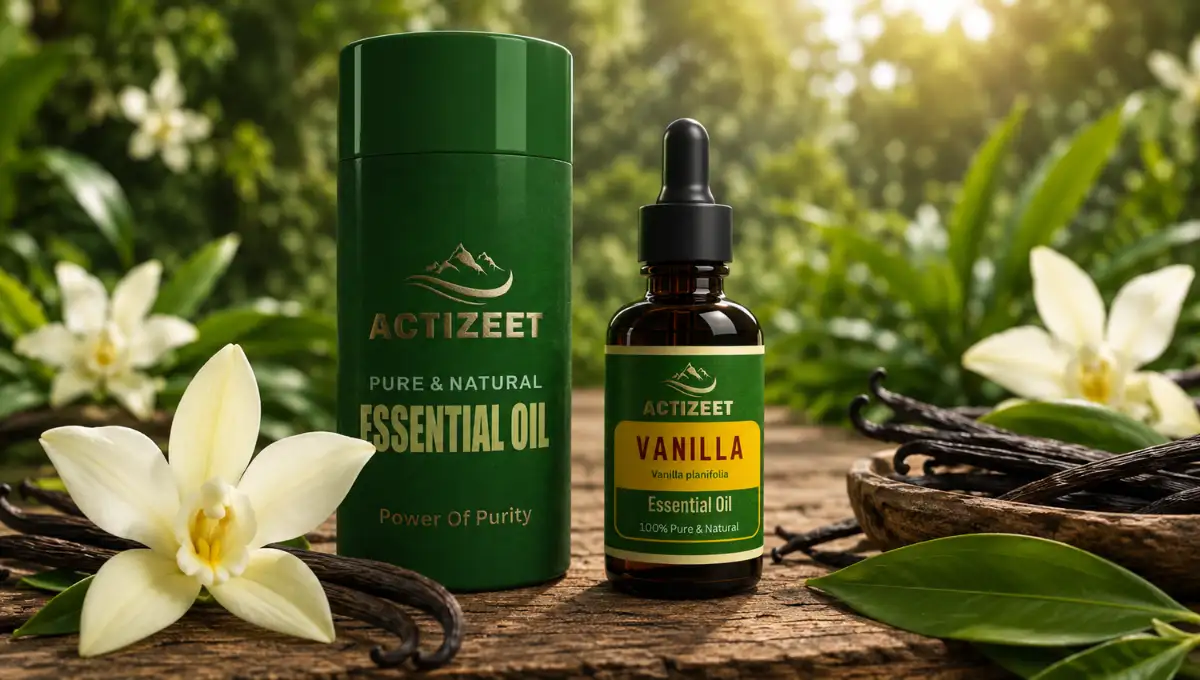
ACTIZEET® Vanilla Essential Oil captures the therapeutic and aromatic wealth of Vanilla planifolia in its most authentic, most concentrated, and most genuine form. Pure vanillin-rich vanilla absolute for the skin, the brain, and the soul. The world's most beloved aroma, delivered with the quality and transparency that genuine therapeutic benefit demands.
🍦 Shop ACTIZEET® Vanilla Essential Oil →How to Use Vanilla Essential Oil
Evening Comfort Diffusion
Add 3 to 5 drops to a diffuser in the evening. Vanilla's warm, sweet, deeply comforting aroma creates the ultimate relaxation and sleep-preparation aromatic environment. Blend with lavender for enhanced GABA-modulating sedation effect.
Antioxidant Facial Serum
Add 1 to 2 drops to 1 tsp jojoba or rosehip. Apply nightly. Vanillin and vanillic acid antioxidant protection, anti-inflammatory iNOS inhibition, and antimicrobial acne control work overnight for skin that looks more radiant and well-nourished by morning.
Romantic Perfume Base
Add 6 to 8 drops to 1 tbsp jojoba in a roller bottle. Vanilla is the most universally loved perfume base note in the world, with genuinely documented aphrodisiac aromatic effects. The warm, sweet aroma on pulse points creates intimacy and comfort for both wearer and partner.
Nourishing Hair Mask
Add 3 to 4 drops to 2 tbsp coconut or argan oil. Apply to hair and scalp, leave 30 minutes, wash out. Antimicrobial dandruff control, antioxidant follicle protection, conditioning warmth, and the extraordinary sweet vanilla hair fragrance post-wash.
Comfort Body Oil
Add 5 drops to 2 tbsp sweet almond oil. Massage into skin after bathing. The warm, sweet vanilla aroma on warm skin provides the most complete physical and emotional comfort aromatherapy experience available. Perfect for difficult emotional days and cold weather.
Meditation Blend
1 to 2 drops vanilla in diffuser with sandalwood or frankincense. Vanilla's emotional warmth combined with the grounding depth of resinous companions creates an extraordinary meditation blend of comfort, rootedness, and gentle open awareness.
What Vanilla Essential Oil Blends Well With
Safety Guidelines
- Dilute before topical application. Vanilla absolute is a concentrated solvent extract. Dilute to 1 to 3% in carrier oil for topical use. Start at a lower concentration for facial use to assess individual tolerance before increasing.
- Product type matters: absolute vs fragrance oil. True vanilla essential oil is an absolute or CO2 extract produced from vanilla beans. "Vanilla fragrance oil" is a synthetic product containing artificial vanillin analogues. Both are safe for aromatic use, but only authentic botanical preparations provide the documented vanillin therapeutic properties.
- Potential for skin sensitization with extended undiluted use. Vanilla absolute contains multiple phenolic compounds that can cause contact sensitization with repeated undiluted skin contact. Always dilute and patch test before regular skin use. Those with known fragrance allergy should patch test regardless of dilution.
- Pregnancy: standard essential oil cautions apply. Consult a healthcare provider before use during pregnancy as a standard precaution. Vanilla in culinary amounts (extract, pods) is considered safe during pregnancy, but concentrated essential oil requires standard essential oil pregnancy caution.
- Safe for children (in diffusion) from age 2 or older. Vanilla essential oil is considered safe for children over age 2 when used in proper dilution in diffuser or topical preparations. Its sweet, comforting aroma makes it one of the most child-friendly essential oils for diffuser use, sleep support, and gentle emotional comfort applications.
Frequently Asked Questions
Final Thoughts: The World's Most Beloved Aroma Deserves to Be Understood as the Medicine It Actually Is
The 15 vanilla essential oil benefits covered in this guide collectively reveal that the world's most universally loved aroma is also a genuinely, comprehensively therapeutic botanical preparation whose popular image as merely a dessert flavoring has consistently obscured its pharmacological depth. The 2023 PMC review confirming antioxidant, anti-inflammatory, anti-mutagenic, anti-metastatic, antidepressant, and neuroprotective properties of vanillin. The PMC therapeutic prospects review confirming potent ROS scavenging, iNOS inhibition, anti-quorum sensing antimicrobial activity, antifungal properties, and Huntington's disease and global ischemia neuroprotection. The Journal of Agricultural and Food Chemistry documentation of free radical scavenging and lipid peroxidation inhibition. These are serious, peer-reviewed findings about the primary compound in vanilla essential oil that most people who love vanilla have never encountered.
The Totonac people of Mexico who first cultivated vanilla for ceremonial and medicinal as well as culinary use were not simply flavoring their food. They were accessing a genuinely bioactive phenolic compound with documented antioxidant, anti-inflammatory, antidepressant, and antimicrobial properties through the most pleasant delivery vehicle the plant kingdom provides: one of the most beautiful aromatic experiences available to the human sensory apparatus. ACTIZEET® Vanilla Essential Oil continues this tradition in its most authentic, most concentrated, and most therapeutically genuine form.
Latest From Our Blog

Best Patchouli Oil in India 2026: A Complete Buyer’s Guide to Pure, Authentic Pogostemon cablin Essential Oil
Looking for the best patchouli oil in India in 2026?...

Best Juniper Berry Oil in India 2026: A Complete Buyer’s Guide to Pure, Authentic Juniperus communis Essential Oil
Looking for the best juniper berry oil in India in...

15 Tea Tree Essential Oil Benefits Backed by a Century of Research and Trusted by Millions
Discover 15 evidence-backed tea tree essential oil benefits for skin,...

15 Spearmint Essential Oil Benefits That Go Well Beyond a Fresh Breath
Discover 15 powerful spearmint essential oil benefits backed by research....