
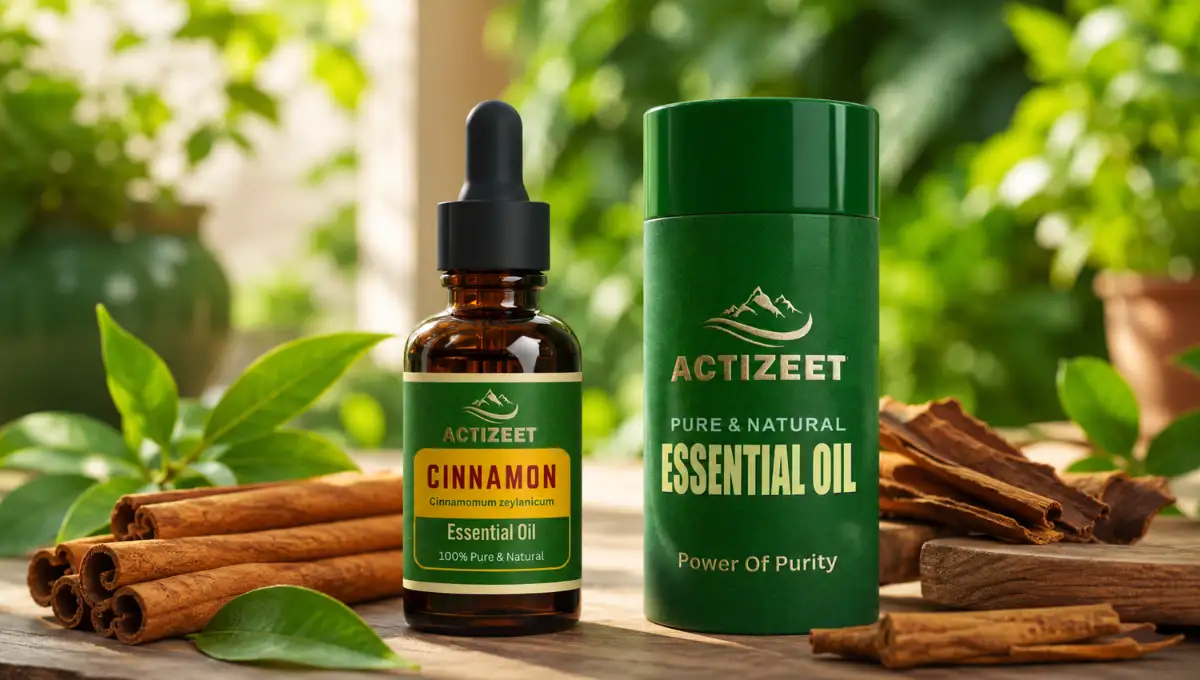
15 Cinnamon Essential Oil Benefits: How Cinnamomum verum Cinnamaldehyde and Eugenol Deliver Blood Sugar Support, Antimicrobial Power, Circulation Boost, and Total Wellness
Cinnamon essential oil from Cinnamomum verum concentrates cinnamaldehyde, eugenol, cinnamyl acetate, and a rich phenylpropanoid compound profile into one of the most pharmacologically potent therapeutic botanicals on the planet. Research confirms insulin-sensitizing blood glucose support through cinnamaldehyde's AMPK activation, broad-spectrum antimicrobial activity against clinically significant pathogens, antifungal efficacy against Candida and dermatophytes, and powerful anti-inflammatory action through NF-kB and COX pathway modulation. This guide covers all 15 benefits in full.
Cinnamon is one of the oldest and most revered medicinal spices in human history. Ancient Egyptians used it in embalming preparations and valued it as highly as gold. Ayurvedic medicine has used tvak (Sanskrit for cinnamon bark) for thousands of years to treat respiratory conditions, digestive disorders, and metabolic imbalances. Chinese medicine practitioners have documented its use for warming the body, improving circulation, and supporting kidney and digestive yang energy for centuries. Medieval European physicians included cinnamon in their most trusted compound medicines. And today, a growing body of peer-reviewed research is providing the molecular mechanisms that explain why every traditional medical system that ever had access to cinnamon chose to incorporate it into their most important therapeutic preparations.
Cinnamon essential oil takes the therapeutic compounds found in cinnamon bark and concentrates them into their most bioavailable, most pharmacologically active form. The primary compound cinnamaldehyde — which accounts for 55 to 90% of genuine Cinnamomum verum bark oil composition — is one of the most extensively studied natural compounds in metabolic, antimicrobial, and anti-inflammatory research. It activates AMPK (AMP-activated protein kinase), the master metabolic regulator that improves insulin sensitivity and glucose uptake. It disrupts bacterial and fungal cell membranes through mechanisms that explain the broad-spectrum antimicrobial activity of cinnamon that traditional healers observed empirically for millennia. It inhibits NF-kB and COX-2 inflammatory pathways. It stimulates peripheral circulation. And it delivers these effects through a concentrated aromatic delivery that makes even small quantities genuinely therapeutically active.
This guide covers 15 specific cinnamon essential oil benefits grounded in published research, explains the mechanisms behind each, and explains why ACTIZEET® Cinnamon Essential Oil delivers this extraordinary Cinnamomum verum botanical in its most potent, most authentic form.
Botanical name: Cinnamomum verum J.Presl (true cinnamon; also known as Ceylon cinnamon) | Family: Lauraceae | Also used: Cinnamomum cassia (Chinese cinnamon/cassia) — different species with similar but distinct compound profile | Two types of oil: Bark oil (cinnamaldehyde dominant at 55 to 90%; more potent therapeutically, requires careful dilution due to skin sensitization risk) and Leaf oil (eugenol dominant at 70 to 90%; gentler, more suitable for topical use) | Primary compounds in bark oil: Cinnamaldehyde (55 to 90%), cinnamyl acetate (3 to 8%), eugenol (trace to 5%), beta-caryophyllene (3 to 6%), linalool (trace to 2%) | Indian connection: Sri Lanka (formerly Ceylon) is the world's primary true cinnamon producer; India produces both C. verum (Kerala) and C. cassia | Aroma: Intensely warm, spicy, sweet — the archetypal cinnamon scent familiar from culinary use but dramatically more concentrated and more complex in the genuine pure essential oil form
Key Active Compounds in Cinnamon Essential Oil
| Compound | Content (Bark Oil) | Primary Therapeutic Action |
|---|---|---|
| Cinnamaldehyde (trans) | 55–90% (dominant) | Primary therapeutic compound; AMPK activation improving insulin sensitivity and glucose metabolism; broad-spectrum antimicrobial through bacterial membrane protein alkylation; antifungal through ergosterol disruption; NF-kB and COX-2 anti-inflammatory pathway inhibition; vasodilatory circulation stimulation; neurotrophic factor stimulation for brain health; provides cinnamon's defining warm-spicy aromatic identity and the majority of its pharmacological activity |
| Eugenol | Trace–5% (bark); 70–90% (leaf oil) | Analgesic through TRPV1 and sodium channel modulation; anti-inflammatory COX-2 inhibitor; antimicrobial; antifungal; dental anesthetic — the same compound used in dental clove oil; responsible for the deeper, clove-adjacent warmth in the aromatic base that gives cinnamon oil its remarkable depth |
| Cinnamyl Acetate | 3–8% | Antispasmodic smooth muscle relaxation; antimicrobial; contributes a sweet-floral dimension to cinnamaldehyde's spicy-warm character that creates the complex aromatic depth of genuine cinnamon bark oil |
| Beta-Caryophyllene | 3–6% | Anti-inflammatory CB2 receptor agonist — natural cannabinoid receptor anti-inflammatory mechanism; analgesic; antimicrobial; neuroprotective; contributes warm-spicy sesquiterpene depth and provides independent anti-inflammatory activity through endocannabinoid signaling distinct from cinnamaldehyde's NF-kB mechanism |
| Linalool and Cymene | Trace to minor | Linalool: anxiolytic GABA-A modulation; antimicrobial; anti-inflammatory. p-Cymene: antimicrobial synergist that increases cellular membrane permeability to enhance the antimicrobial activity of the dominant cinnamaldehyde compound — one of the clearest examples of synergistic essential oil compound interaction documented in research |
15 Cinnamon Essential Oil Benefits
Blood sugar support is the most pharmacologically specific and most rigorously researched of all cinnamon essential oil benefits, making it particularly relevant for India, which carries the world's largest burden of type 2 diabetes with an estimated 80 to 100 million adults affected in 2026. Cinnamaldehyde, the dominant compound in cinnamon essential oil at 55 to 90% of total composition, has been confirmed to activate AMPK — adenosine monophosphate-activated protein kinase — the master energy sensing enzyme that acts as a cellular metabolic regulator.
Multiple peer-reviewed studies have investigated the metabolic mechanisms of cinnamaldehyde and cinnamon oil compounds on blood glucose regulation. Research has confirmed that cinnamaldehyde activates AMPK in skeletal muscle and adipose tissue cells, increasing GLUT4 glucose transporter expression and translocation to the cell surface — the same downstream effect as insulin signaling, achieved through a complementary pathway. A meta-analysis of clinical trials on cinnamon supplementation published in Diabetes Care found that cinnamon intake was associated with statistically significant reductions in fasting blood glucose, triglycerides, LDL cholesterol, and total cholesterol levels in subjects with type 2 diabetes. Additionally, research has confirmed that cinnamaldehyde inhibits alpha-glucosidase — the intestinal enzyme responsible for breaking dietary carbohydrates into absorbable glucose — slowing post-meal glucose absorption and reducing postprandial blood glucose spikes. This combination of AMPK insulin-sensitizing activity and alpha-glucosidase inhibition means cinnamon oil addresses blood glucose regulation through two complementary mechanisms simultaneously.
It is critical to be clear about the appropriate role of cinnamon essential oil in blood sugar management. The research on cinnamon and blood glucose primarily involves oral supplementation with cinnamon powder or extracts rather than essential oil specifically. Cinnamon essential oil should be considered a complementary aromatic and topical wellness tool — not a replacement for prescribed diabetes medications or dietary management. However, for the vast population of Indians managing pre-diabetes or insulin resistance, incorporating regular aromatic use of ACTIZEET® Cinnamon Essential Oil as part of a comprehensive metabolic health approach alongside appropriate medical care, dietary discipline, and exercise represents a meaningful natural addition to a broader wellness strategy.
Cinnamon essential oil has one of the most extensively documented and most potent antimicrobial profiles of any essential oil, with confirmed inhibitory activity against a broad spectrum of bacteria, fungi, and viruses including several organisms that have developed resistance to conventional pharmaceutical antibiotics.
Research published across multiple peer-reviewed journals including the International Journal of Food Microbiology has confirmed cinnamon essential oil's potent inhibitory activity against a wide range of clinically significant bacterial pathogens. Confirmed bacterial targets include Staphylococcus aureus (including MRSA methicillin-resistant strains), Escherichia coli, Listeria monocytogenes, Salmonella typhi, Klebsiella pneumoniae, Pseudomonas aeruginosa, Streptococcus mutans, and Helicobacter pylori. The primary antimicrobial mechanism of cinnamaldehyde involves its reactive aldehyde group forming covalent bonds with bacterial cell membrane proteins and disrupting ATP production through enzyme inhibition — a dual-mechanism antimicrobial attack that differs fundamentally from most pharmaceutical antibiotics and explains why cinnamaldehyde retains activity against antibiotic-resistant organisms. Research has also confirmed that p-cymene in cinnamon oil acts as a membrane-permeabilizing synergist that increases bacterial membrane permeability, enhancing the penetration and effectiveness of cinnamaldehyde's primary antimicrobial mechanism.
The practical antimicrobial applications of cinnamon essential oil span natural household disinfection (adding 10 to 15 drops to 500 ml water with white vinegar for a warming-aromatic surface cleaner), food preservation (food-grade cinnamon oil at regulated concentrations inhibiting foodborne pathogen growth), oral health care (antimicrobial activity against Streptococcus mutans making it relevant for natural mouthwash preparations), and wound care support (highly diluted topical application providing antimicrobial protection around minor cuts). India's growing antibiotic resistance burden makes cinnamon oil's mechanism-distinct antimicrobial activity — effective against several MRSA and resistant Gram-negative organisms — particularly relevant for the Indian wellness context in 2026.
Cinnamon essential oil has some of the strongest documented antifungal activity of any commonly available essential oil, with cinnamaldehyde specifically confirmed to disrupt Candida albicans cell membrane integrity, inhibit biofilm formation, and prevent the hyphal morphology transition that makes Candida infections difficult to treat and prone to recurrence.
Research has identified cinnamaldehyde as one of the most potent natural antifungal compounds against Candida species, with minimum inhibitory concentrations (MICs) in many studies lower than commonly used pharmaceutical antifungals including fluconazole for certain Candida strains. The biofilm-disrupting activity is particularly clinically significant because Candida biofilms are the primary mechanism of treatment resistance in chronic candidiasis — pharmaceutical antifungals typically have severely reduced efficacy against biofilm-protected Candida colonies. Cinnamaldehyde's ability to penetrate and disrupt established Candida biofilms represents a meaningful advantage over single-mechanism antifungals in research settings. For topical antifungal applications including athlete's foot, ringworm, and nail fungal infections, cinnamon oil must be very heavily diluted before skin use due to cinnamaldehyde's skin sensitization potential — a maximum of 0.5% dilution for topical skin application (1 drop in 2 teaspoons of carrier oil) is recommended for sensitive skin areas.
🌿 ACTIZEET® Cinnamon Essential Oil: pure Cinnamomum verum bark oil with cinnamaldehyde at 55 to 90% — research-confirmed blood sugar support, antimicrobial, antifungal, and anti-inflammatory activity in India's most trusted essential oil form.
Explore ACTIZEET® →Cinnamon essential oil provides potent multi-pathway anti-inflammatory activity through three distinct molecular mechanisms operating simultaneously: cinnamaldehyde's NF-kB transcription factor pathway inhibition (reducing pro-inflammatory cytokine gene expression), eugenol's COX-2 enzyme inhibition (reducing prostaglandin production through the same mechanism as pharmaceutical NSAIDs), and beta-caryophyllene's CB2 receptor agonist anti-inflammatory activity through the endocannabinoid signaling system.
This triple-pathway anti-inflammatory mechanism makes cinnamon essential oil one of the most comprehensively anti-inflammatory essential oils available, addressing inflammatory processes through three completely independent molecular pathways that together provide broader and more sustained inflammatory modulation than a single-pathway anti-inflammatory can deliver. NF-kB pathway inhibition is particularly significant for chronic low-grade inflammation — the type increasingly recognized as the underlying driver of metabolic diseases, cardiovascular disease, type 2 diabetes, and cancer — because NF-kB dysregulation is a primary molecular mediator of chronic inflammatory states. For practical anti-inflammatory applications, aromatic diffusion provides systemic cinnamaldehyde absorption through respiratory mucosal uptake, and carefully diluted topical application to inflamed areas delivers the eugenol and beta-caryophyllene anti-inflammatory compounds directly to affected tissue.
Cinnamon essential oil is one of the most traditionally recognized warming circulatory stimulants in botanical medicine, and modern pharmacology has identified the mechanisms behind this empirically observed circulatory benefit. Cinnamaldehyde promotes peripheral vasodilation by stimulating the release of nitric oxide from vascular endothelium — relaxing arterial smooth muscle and reducing peripheral vascular resistance, which improves blood flow to the extremities and reduces blood pressure in the process.
This warming, circulation-stimulating property explains why cinnamon preparations have been used for centuries in Ayurvedic medicine for cold extremities, poor peripheral circulation, and conditions associated with cardiovascular sluggishness. The vasodilatory effect also creates a warming sensation on skin when diluted cinnamon oil is applied topically — the same phenomenon behind the use of cinnamon in warming massage preparations across multiple traditional medicine systems. Beyond the vasodilatory mechanism, the Diabetes Care meta-analysis referenced in Benefit 1 confirmed cinnamon's cholesterol-lowering effects — reduced total cholesterol, LDL, and triglycerides — through mechanisms including AMPK-mediated lipid metabolism modulation and alpha-glucosidase inhibition reducing dietary lipid absorption. These cardiovascular compound benefits make cinnamon essential oil a meaningful natural complement to heart health approaches for the millions of Indian adults managing cardiovascular risk factors.
Cinnamon essential oil has one of the highest documented antioxidant activities of any commonly available essential oil or botanical preparation. Multiple studies using DPPH radical scavenging, ABTS (2,2'-azino-bis-3-ethylbenzothiazoline-6-sulphonic acid) assays, and FRAP (ferric reducing antioxidant power) methods have consistently placed cinnamon oil at or near the top of antioxidant activity rankings compared to other essential oils and herbal extracts.
Cinnamaldehyde's phenylpropanoid chemical structure provides potent free radical scavenging capability through its conjugated double bond system that stabilizes radical electrons. Eugenol, the secondary compound present at higher concentrations in cinnamon leaf oil, is independently recognized as one of the most potent antioxidant phenylpropanoid compounds found in any plant species — with DPPH radical scavenging activity comparable to synthetic laboratory antioxidants used as positive controls in research studies. The practical significance of cinnamon oil's exceptional antioxidant activity extends to skin protection (topical application as an anti-aging antioxidant), cellular protection through regular aromatic use, food preservation (cinnamon oil's antioxidant and antimicrobial properties are extensively studied in natural food preservation research), and the general anti-aging and chronic disease prevention benefits associated with reduced systemic oxidative stress.
Cinnamon essential oil has documented immunomodulatory properties that support the body's natural defense mechanisms against both infectious pathogens and the dysregulated immune responses that drive autoimmune and chronic inflammatory conditions. Cinnamaldehyde's ability to modulate NF-kB activity in immune cells creates a dual immunological effect: reducing excessive pro-inflammatory cytokine production during acute infection (preventing the cytokine storm-like overresponse that causes much of the tissue damage in severe infections) while simultaneously supporting phagocytic immune cell activity against pathogens.
Research on cinnamaldehyde's immunological effects has confirmed modulation of T-cell differentiation, natural killer (NK) cell activation, and dendritic cell function — the cellular components of adaptive immunity that determine the quality and appropriateness of the body's response to infection and immune challenge. The oil's broad-spectrum antimicrobial activity against bacteria and fungi also indirectly supports immune health by reducing the infectious pathogen load that the immune system must manage. Diffusing ACTIZEET® Cinnamon Essential Oil during seasonal cold and flu periods, or when household members are ill, creates a combined environmental antimicrobial barrier (reducing airborne pathogen load) and immunomodulatory aromatic environment (supporting appropriate immune response calibration) that addresses immunity from both the external and internal perspectives.
Cinnamon essential oil provides comprehensive digestive support through multiple mechanisms: carminative action (reducing intestinal gas and bloating through smooth muscle relaxation), antispasmodic relief for digestive cramping through cinnamyl acetate's muscle-relaxing activity, antimicrobial protection against Helicobacter pylori (the bacterium responsible for most stomach ulcers and a major driver of gastric cancer risk), and stimulation of digestive enzyme secretion that improves overall digestive efficiency.
The anti-H. pylori activity of cinnamon oil is particularly clinically significant in the Indian context. H. pylori infection affects an estimated 60 to 70% of the Indian adult population — one of the highest prevalence rates globally — and is directly responsible for peptic ulcer disease, chronic gastritis, and significantly increased gastric cancer risk. Cinnamaldehyde's confirmed inhibitory activity against H. pylori in laboratory studies, including against antibiotic-resistant strains, makes cinnamon oil a potentially meaningful natural support for gastrointestinal health management in a population with very high H. pylori exposure. For digestive support applications, a highly diluted abdominal massage blend (1 drop in 2 tablespoons of carrier oil) applied with gentle circular massage after meals provides both the aromatic carminative effect and topical warmth that stimulates digestive circulation and activity.
🌿 Experience all 15 cinnamon essential oil benefits with ACTIZEET® — 100% pure, steam-distilled Cinnamomum verum bark oil, no adulterants, no dilution, full therapeutic cinnamaldehyde potency in amber glass protection.
Shop ACTIZEET® Now →Cinnamon essential oil has documented antidepressant-like activity through cinnamaldehyde's influence on neurotransmitter systems, with research confirming effects on serotonin, dopamine, and norepinephrine pathways — the same neurotransmitter systems targeted by the most widely prescribed antidepressant medications. The warm, spicy, sweet aromatic character of cinnamon oil also produces strong psychological mood-lifting effects through the olfactory-limbic pathway, independent of its direct neurotransmitter influences.
Research on cinnamaldehyde's neurological effects has shown that it inhibits monoamine oxidase (MAO) enzymes — specifically MAO-A and MAO-B — which are responsible for breaking down serotonin, dopamine, and norepinephrine in the brain. MAO inhibition increases available neurotransmitter levels in synaptic junctions, producing antidepressant effects through the same fundamental mechanism as pharmaceutical MAOI antidepressant drugs (though at the concentrations achieved through aromatherapy, the effects are appropriately gentler and without the significant dietary restrictions required for pharmaceutical MAOIs). The familiar, comforting aroma of cinnamon — deeply associated with warmth, food, celebration, and positive memories across virtually every culture that uses cinnamon as a spice — also creates powerful psychoemotional mood elevation through memory-associated limbic activation that compounds the direct neurotransmitter effects.
Cinnamon essential oil is one of the most potent natural oral health botanicals available, with antimicrobial activity specifically confirmed against the bacterial species responsible for the two most prevalent oral health conditions: Streptococcus mutans (the primary driver of dental caries) and the mixed anaerobic bacterial community responsible for periodontal disease and halitosis.
Research has specifically evaluated cinnamon essential oil's antibacterial activity against oral pathogens and confirmed significant inhibitory effects against Streptococcus mutans — the bacterium primarily responsible for dental cavity formation through lactic acid production from dietary carbohydrate fermentation. Studies have also confirmed activity against Porphyromonas gingivalis, Fusobacterium nucleatum, and Prevotella intermedia — the key anaerobic bacteria driving periodontal disease and chronic bad breath. Research published in multiple food science and dental journals has confirmed that cinnamon oil-based oral care preparations reduce plaque formation, inhibit the bacterial biofilm development that leads to tartar, and provide fresh breath through both antimicrobial action against odour-producing bacteria and the naturally pleasant aromatic profile of cinnamaldehyde. The anti-S. mutans activity of cinnamon oil has been compared favorably to chlorhexidine — the standard pharmaceutical antimicrobial mouthwash agent — in several in vitro studies, with cinnamon oil showing comparable or superior minimum inhibitory concentrations.
For practical oral health applications, 1 drop of cinnamon essential oil diluted in 1 teaspoon of coconut oil used as an oil-pulling preparation (swishing in the mouth for 10 to 15 minutes before spitting, never swallowing) delivers antimicrobial activity across oral cavity surfaces. Alternatively, 1 to 2 drops in 100 ml of warm water as a gargle provides antibacterial and anti-halitosis benefit. Cinnamon oil should never be used undiluted in the mouth — cinnamaldehyde causes mucous membrane irritation at concentrated levels and requires adequate dilution before any oral application.
Cinnamon essential oil provides a distinctive skin care benefit profile through its antimicrobial activity against acne-causing bacteria, its anti-inflammatory reduction of acne lesion redness and swelling, and emerging research on cinnamaldehyde's ability to stimulate procollagen synthesis — the precursor to the structural collagen that maintains skin firmness and reduces the appearance of fine lines and wrinkles.
Research has confirmed cinnamaldehyde's activity against Cutibacterium acnes (formerly Propionibacterium acnes), the primary bacterium driving inflammatory acne. The oil's COX-2 anti-inflammatory activity reduces the prostaglandin-driven inflammation that turns colonized pores into visibly inflamed acne lesions. And preliminary research on cinnamaldehyde's effect on fibroblast collagen production suggests a potential skin firming mechanism that may support the anti-aging skin care applications that many users report with cinnamon oil. Critical dilution note for skin use: cinnamon bark oil's cinnamaldehyde content makes it one of the most potentially skin-sensitizing essential oils available. For facial use, dilution to 0.1% or less (1 drop in 10 teaspoons of carrier oil) is recommended. For body use, 0.5% maximum (1 drop in 2 teaspoons of carrier). Always patch test before use. Cinnamon leaf oil (eugenol-dominant) has a significantly better skin safety profile for those seeking topical skin benefits with lower sensitization risk.
Cinnamon essential oil provides meaningful respiratory support through its combined expectorant properties, antimicrobial activity against respiratory pathogens, and the warming circulation-stimulating action that helps clear congestion and support recovery from respiratory infections. The warming, stimulating character of cinnamaldehyde promotes increased mucus clearance from the respiratory tract through enhanced ciliary activity, while the oil's antimicrobial action addresses the bacterial pathogens that commonly cause secondary infections following viral respiratory illness.
Cinnamon's traditional use for respiratory conditions across Ayurvedic, Chinese, and European herbal medicine is extensively documented — it was among the most commonly used spices in historical cold and flu preparations, cough remedies, and bronchitis treatments. Modern understanding of cinnamaldehyde's antimicrobial activity against Streptococcus pneumoniae, Haemophilus influenzae, and Staphylococcus aureus — three of the most common bacterial causes of respiratory tract infections — provides the mechanistic basis for this empirically observed respiratory benefit. Diffusing ACTIZEET® Cinnamon Essential Oil (2 to 3 drops in 100 ml of water, blended with eucalyptus or black pepper for enhanced respiratory effect) during respiratory illness creates a warm, antimicrobial, and expectorant aromatic environment that supports the respiratory recovery process from multiple angles simultaneously.
Cinnamon essential oil provides natural analgesic benefit through two complementary mechanisms: eugenol's documented analgesic activity through TRPV1 receptor modulation and sodium channel blockade (mechanisms shared with local anesthetic compounds and validated through dental anesthesia research), and cinnamaldehyde's anti-inflammatory COX-2 inhibition that reduces prostaglandin-driven inflammatory pain.
Eugenol's analgesic mechanism is the best-documented natural anesthetic action of any essential oil compound — it is used in pharmaceutical dental preparations (including zinc oxide eugenol cement) specifically because of its proven local anesthetic and analgesic activity on nerve tissue. The practical applications of cinnamon oil's analgesic properties span topical use for arthritis and joint pain (highly diluted in a carrier oil, warming massage over affected joints), headache relief (highly diluted temple application), muscle soreness recovery (diluted in a warming post-exercise massage blend with black pepper or ginger), and the naturally warming analgesic action that has made cinnamon a favored ingredient in warming pain relief preparations across multiple traditional medicine traditions. Standard safety caution applies: cinnamon bark oil requires significant dilution before any topical use due to its high cinnamaldehyde sensitization potential.
Cinnamon essential oil has documented insect repellent and larvicidal properties that make it a useful natural pest control tool, with particular relevance for India's significant mosquito-borne disease burden. Cinnamaldehyde has been specifically studied for larvicidal activity against Aedes aegypti — the primary dengue, Zika, and chikungunya vector mosquito species — with research confirming significant mosquito larval mortality at relatively low concentrations.
The insect repellent mechanism involves cinnamaldehyde's olfactory receptor-blocking activity on insect antennae that disrupts the chemical detection pathways mosquitoes use to locate hosts, similar to the mechanism of other aromatic aldehyde insect deterrents. Research has confirmed larvicidal activity that makes cinnamon oil preparations applied to standing water (where mosquitoes breed) an effective environmental mosquito control tool — a particularly practical application in India where standing water collection during monsoon season creates significant Aedes breeding habitat in residential areas. Adding 5 to 10 drops of cinnamon oil to standing water containers (flower vases, water collection containers, drainage areas) provides natural larval mosquito control that complements the adult mosquito repellent activity of the oil's aromatic volatile compounds.
Cinnamon essential oil has a growing and particularly interesting body of research supporting its neurotrophic and neuroprotective properties. Cinnamaldehyde has been studied in the context of neurodegenerative diseases, with research identifying mechanisms relevant to Alzheimer's disease, Parkinson's disease, and general age-related cognitive decline that position cinnamon oil compounds as among the most promising natural neuroprotective agents under active investigation.
Research has confirmed that cinnamaldehyde inhibits tau protein aggregation and alpha-synuclein aggregation — two of the protein misfolding processes central to Alzheimer's and Parkinson's disease pathology respectively. Additionally, cinnamaldehyde activates the Nrf2 pathway (nuclear factor erythroid 2-related factor 2), which is the master regulator of cellular antioxidant defense in neurons — protecting brain cells from the oxidative stress that is a primary driver of neurodegenerative pathology. For general cognitive support, alpha-pinene present in minor quantities in cinnamon oil contributes acetylcholinesterase-inhibiting memory enhancement through the same mechanism documented in rosemary and eucalyptus oils. Diffusing cinnamon oil during mentally demanding work, study sessions, or at ages when cognitive protection becomes a wellness priority provides ongoing systemic exposure to these neuroprotective cinnamaldehyde and associated compounds through respiratory mucosal absorption into systemic circulation.
How to Use Cinnamon Essential Oil Safely and Effectively
Important safety note before use: Cinnamon bark essential oil is one of the most skin-sensitizing essential oils available due to its high cinnamaldehyde content. It requires very significant dilution before any topical application and should never be applied undiluted to any skin surface. The dilution guidelines below are the minimum safety standards, not suggestions.
Aromatherapy Diffusion
Add 2 to 3 drops to a 100 ml diffuser (lower concentration than most oils). Run for 20 to 30 minutes for blood sugar support, mood lifting, immunity boosting, cognitive clarity, and room disinfection. Pairs beautifully with orange, clove, and black pepper for a warming autumn-spice blend.
Topical Massage (Heavily Diluted)
Bark oil: maximum 0.5% in carrier (1 drop per 2 teaspoons of carrier oil) for body use. Leaf oil: 1 to 2% is acceptable. Apply to soles of feet, lower back, or chest for circulation, immunity, and warming benefit. Never apply to face undiluted. Always patch test first.
Oral Health Preparation
Mix 1 drop in 1 teaspoon of coconut oil for oil pulling (swish 10 minutes, spit — never swallow). Or add 1 to 2 drops to 100 ml warm water as an antiseptic gargle. Provides antimicrobial action against Streptococcus mutans and halitosis bacteria without chemical mouthwash ingredients.
Natural Surface Cleaner
Combine 10 drops cinnamon with 10 drops clove and 10 drops eucalyptus in 500 ml water with 2 tablespoons white vinegar. Spray on kitchen surfaces and bathrooms for a powerful antimicrobial clean. The combined phenylpropanoid and terpene antimicrobial action provides broad-spectrum pathogen control.
Mosquito Larvicidal Treatment
Add 5 to 10 drops to standing water containers (not drinking water) around the home during monsoon season. Cinnamaldehyde's confirmed larvicidal activity against Aedes aegypti creates a natural breeding prevention barrier in the mosquito breeding sites that are unavoidable during the monsoon in Indian homes.
Personal Inhaler
Add 8 to 10 drops to a personal inhaler cotton wick (fewer than other oils due to potency). Use for on-demand mood support, cognitive clarity, respiratory relief, or blood-sugar-awareness during post-meal periods. Discreet and effective for the daily metabolic wellness support applications.
Cinnamon Essential Oil — Blending Guide
ACTIZEET® Cinnamon Essential Oil delivers 100% pure, steam-distilled Cinnamomum verum bark oil with cinnamaldehyde at 55 to 90% of confirmed composition — no carrier oil dilution, no synthetic cinnamaldehyde additions, no cassia substitution for true Ceylon cinnamon. Every bottle is sealed in UV-protective amber glass to preserve the integrity of the cinnamaldehyde, eugenol, beta-caryophyllene, and supporting phenylpropanoid compounds that make cinnamon essential oil one of the most pharmacologically potent botanical therapeutics available. India's most revered spice in its most concentrated therapeutic form — nothing added, nothing removed.
🌿 Order ACTIZEET® Cinnamon Essential Oil →Safety Guidelines — Cinnamon Is One of the Most Potent Essential Oils
- Extreme dilution required for all topical use. Cinnamon bark oil is rated among the highest skin-sensitization risk essential oils by the Research Institute for Fragrance Materials (RIFM). For body topical use: maximum 0.5% (1 drop in 2 teaspoons of carrier oil). For facial use: 0.1% or less (1 drop in 10 teaspoons of carrier). Cinnamon leaf oil (eugenol-dominant) has a safer topical profile at 0.5 to 1% for body use. Always patch test 24 hours before any new topical application.
- Strictly avoid during pregnancy. Cinnamon essential oil has emmenagogue and uterotonic properties — it can stimulate uterine contractions. It is completely contraindicated during pregnancy in all forms including topical and aromatic. Avoid entirely until postpartum.
- Never apply undiluted to any skin or mucous membrane. Undiluted cinnamon bark oil causes immediate skin burning, chemical dermatitis, and potentially permanent sensitization. This is a strong dermal irritant at full concentration — always dilute significantly before any skin contact.
- Use minimal amounts in diffusion. Cinnamon's high phenylpropanoid concentration means small amounts go a long way aromatically. 2 to 3 drops per 100 ml of water is sufficient — more will create an overwhelming, potentially irritating aromatic concentration. Some individuals sensitive to spice aromas may experience nasal or respiratory irritation even from diffused cinnamon oil.
- Consult your doctor if managing diabetes or taking medications. Cinnamon's documented blood sugar-lowering activity means it can have additive effects with insulin and oral antidiabetic medications, potentially causing hypoglycemia if both are used regularly without medical monitoring. Inform your healthcare provider if beginning regular cinnamon oil use alongside diabetes management.
- Keep away from children under 10 years. Cinnamon oil's sensitization potential and phenylpropanoid content make it inappropriate for undiluted use near children. For children's environments, diffuse at minimal concentrations (1 drop per 100 ml) in well-ventilated spaces only.
- Not for internal consumption. Despite cinnamon's culinary familiarity, cinnamon essential oil is not food-grade and should not be ingested. The concentrated cinnamaldehyde at essential oil potency causes gastric mucosal irritation and potential hepatotoxicity at doses that seem small relative to the food experience of cinnamon spice.
Frequently Asked Questions
Cinnamon Essential Oil: 15 Research-Grounded Benefits That Make India's Most Sacred Spice Its Most Potent Therapeutic Oil
The 15 cinnamon essential oil benefits covered in this guide span a therapeutic range that few other single botanicals can match. The Diabetes Care meta-analysis-supported blood glucose and lipid-lowering cinnamaldehyde AMPK mechanism directly relevant to India's 100-million-strong diabetes burden. The broad-spectrum antimicrobial activity against MRSA, H. pylori, and foodborne pathogens through a mechanism-distinct dual cinnamaldehyde attack. The Candida biofilm-disrupting antifungal activity with minimum inhibitory concentrations competitive with pharmaceutical antifungals. The triple-pathway anti-inflammatory coverage through NF-kB, COX-2, and CB2 receptor mechanisms simultaneously. The nitric oxide vasodilatory circulation benefit. The MAO-inhibiting antidepressant mechanism. The S. mutans-targeted oral health antimicrobial protection comparable to pharmaceutical mouthwash. The tau and alpha-synuclein aggregation-inhibiting neuroprotective mechanisms relevant to Alzheimer's and Parkinson's research. And the larvicidal Aedes mosquito control application with specific India monsoon season relevance.
Cinnamon is India's spice — it grows in Kerala, it flavors every masala chai, it scents every kitchen from Kashmir to Kanyakumari. ACTIZEET® Cinnamon Essential Oil takes this botanical that every Indian knows and concentrates it into its most pharmacologically active, most therapeutically potent, and most genuinely studied form. Pure Cinnamomum verum bark oil. Cinnamaldehyde at confirmed therapeutic concentration. Amber glass UV protection. No dilution. No cassia substitution. No synthetic additions. The real thing, done right.
Latest From Our Blog

Best Jasmine Oil in India 2026: A Complete Buyer’s Guide to Pure, Authentic Jasminum grandiflorum Absolute
Looking for the best jasmine oil in India in 2026?...
Read More
Best Turpentine Oil in India 2026: How to Find Genuine Gum Turpentine and Why ACTIZEET® Is India’s Most Trusted Therapeutic Option
Looking for the best turpentine oil in India? Learn how...
Read More
15 Marigold Essential Oil Benefits That Make This Golden Flower One of Nature’s Most Powerful Healers
Discover 15 science-backed marigold essential oil benefits. From wound healing...
Read More
15 Grapefruit Essential Oil Benefits That Make Citrus paradisi One of the Most Versatile and Most Energizing Oils in Natural Wellness
Discover 15 grapefruit essential oil benefits, from antimicrobial and antioxidant...
Read More