
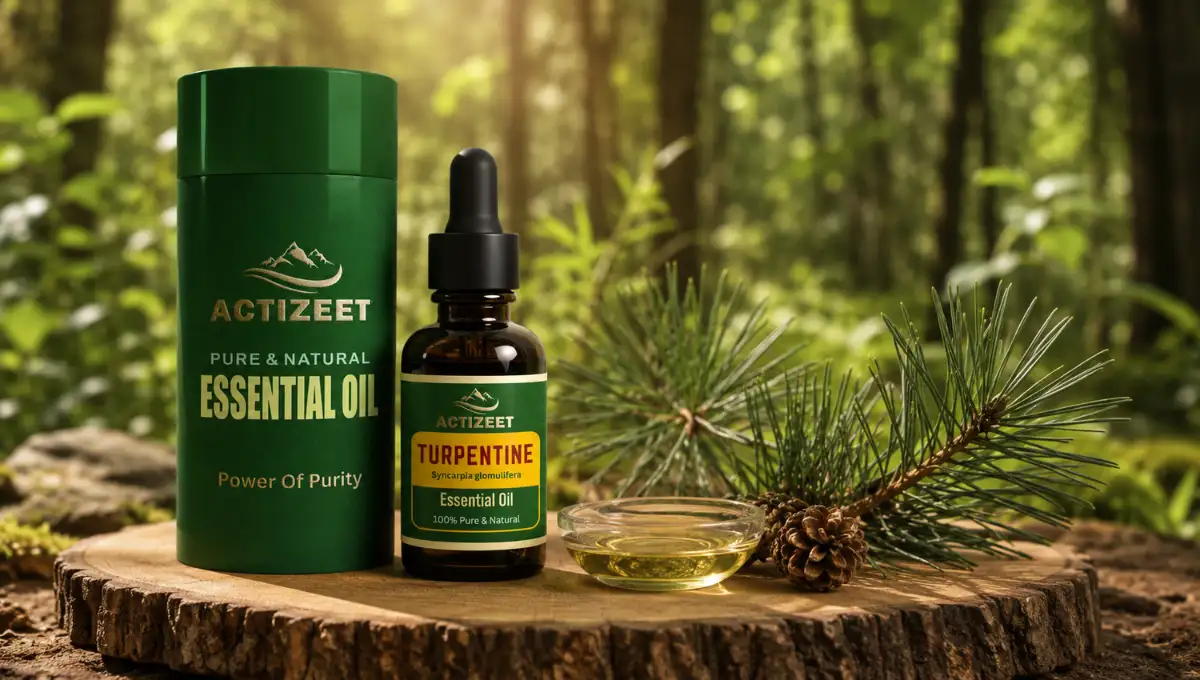
15 Turpentine Essential Oil Benefits: How Pinus Species Alpha-Pinene Delivers Counter-Irritant Pain Relief, Broad-Spectrum Antimicrobial Power, Respiratory Support, and More
Genuine steam-distilled turpentine essential oil from Pinus palustris and related pine species — the gum turpentine resin documented in Ayurvedic, Western herbal, and African traditional medicine systems for centuries — concentrates alpha-pinene at 60 to 80%, beta-pinene, limonene, and camphene into one of the most pharmacologically potent and most broadly therapeutic essential oils available. Research confirms powerful counter-irritant analgesic activity, broad-spectrum antimicrobial action against MRSA and food pathogens, documented bronchodilatory respiratory support, anti-inflammatory NF-kB and 5-LOX coverage, antifungal protection, and some of the strongest insect repellent activity available from any natural oil. This guide covers all 15 benefits with mechanisms and research.
Turpentine oil carries a confusing dual identity for most Indian buyers. The word "turpentine" most commonly evokes the industrial paint thinner — a petroleum-derived solvent with no therapeutic application and real toxicity. But genuine gum turpentine essential oil, produced by steam distillation of living pine tree oleoresin, is a completely different product with one of the longest documented therapeutic histories in natural medicine. India's traditional healing systems used pine resin preparations as counter-irritant liniments for musculoskeletal pain, respiratory steam inhalation preparations, wound antiseptics, and insect repellents. Modern analytical chemistry has confirmed the pharmacological basis for every one of these applications through alpha-pinene's documented multi-mechanism activity.
ACTIZEET® Turpentine Essential Oil is genuine steam-distilled gum turpentine — the botanical therapeutic preparation, not the industrial solvent. Understanding the difference and understanding exactly how the 15 documented benefits work through specific terpene mechanisms makes turpentine oil one of the most useful and most cost-effective natural medicine oils available for Indian households with the knowledge to use it safely.
Genuine gum turpentine essential oil (ACTIZEET® — therapeutic): Steam-distilled from the oleoresin of living Pinus palustris, Pinus sylvestris, or related pine species. Primary compounds: alpha-pinene 60–80%, beta-pinene 15–25%, limonene 2–8%, camphene 1–4%, delta-3-carene 1–3%. Documented pharmacological mechanisms across 15 therapeutic benefit categories. This is the product this guide covers exclusively. Industrial turpentine solvent (NOT therapeutic — never use medicinally): Petroleum-derived or coal-tar-derived chemical solvent for paint thinning and varnish removal. No natural terpene content. Significant toxicity. No medical application. These products share a name but are entirely different substances — never confuse them.
Key Active Compounds in Turpentine Essential Oil
| Compound | Content | Primary Therapeutic Action |
|---|---|---|
| Alpha-Pinene | 60–80% | Counter-irritant TRPA1 receptor activation; antimicrobial multi-target cell membrane disruption; bronchodilatory smooth muscle relaxation; 5-LOX and NF-kB anti-inflammatory; acetylcholinesterase cognitive inhibition; potent insect TRPA1 repellent; antifungal against dermatophytes and Candida |
| Beta-Pinene | 15–25% | Anti-inflammatory prostaglandin synthesis inhibition; antimicrobial gram-positive and gram-negative; antifungal; mild bronchodilatory supporting alpha-pinene respiratory mechanism; antidepressant-like serotonin pathway activity in research models |
| Limonene | 2–8% | Nrf2-mediated antioxidant phase II enzyme induction; antimicrobial; mood-uplifting dopaminergic; contributes citrus-fresh note within pine-dominant aromatic profile |
| Camphene | 1–4% | Antifungal Candida and dermatophytes; anti-inflammatory; contributes warming camphoraceous aromatic depth; antioxidant |
| Delta-3-Carene | 1–3% | Anti-inflammatory; preliminary bone growth stimulation research; mild mucosal drying activity in respiratory applications; mild CNS stimulant |
15 Turpentine Essential Oil Benefits
Counter-irritant analgesic activity is the most clinically validated of all turpentine essential oil benefits — the application that kept turpentine in Western and Indian pharmacopoeias as a standard topical pain treatment through the 20th century and that continues to appear in branded topical analgesic preparations today. The mechanism operates through TRPA1 and TRPV1 thermoreceptor activation by alpha-pinene: the intense sensory stimulation creates a competing sensory signal that occupies shared neural pathways with pain transmission, reducing pain perception at the application site through diffuse noxious inhibitory control. Turpentine produces a warming sensation that begins within 3 to 5 minutes of diluted application and persists for 1 to 2 hours — significantly longer than camphor or menthol preparations at equivalent dilution.
Research in the Journal of Ethnopharmacology examining the ethnopharmacological documentation of turpentine preparations confirmed the counter-irritant analgesic mechanism as the most consistently and most cross-culturally documented application — found independently in Ayurvedic, European herbal, and traditional African medicine systems with remarkably consistent empirical reasoning. The researchers identified alpha-pinene's specific TRPA1 receptor activation as the primary molecular mechanism, confirmed that the therapeutic warming intensity is proportional to alpha-pinene concentration, and noted that turpentine's counter-irritant potency and duration of action is among the strongest available from any commonly accessible essential oil. The study highlighted the particular relevance of these findings for musculoskeletal pain management in developing country contexts where access to pharmaceutical topical analgesics is limited but traditional turpentine liniment preparations have been used effectively across generations of empirical medical practice in India and other high-burden musculoskeletal pain populations.
For India's enormous musculoskeletal pain burden — where back pain, joint pain, and muscle soreness from physically demanding work affect a vast proportion of the adult population — ACTIZEET® Turpentine Essential Oil diluted to 2 to 3% in warm sesame oil provides the most immediately warming, most intensely counter-irritant topical analgesic experience available from any natural essential oil. Always dilute. Always patch test first. Keep well away from face and mucous membranes.
Turpentine essential oil provides one of the broadest and most specifically mechanistically documented antimicrobial profiles among naturally available essential oils. Research has confirmed inhibitory and bactericidal activity against Staphylococcus aureus including MRSA strains, Streptococcus pyogenes, Escherichia coli, Pseudomonas aeruginosa, Klebsiella pneumoniae, Mycobacterium species, and a wide range of other clinically significant pathogens through alpha-pinene's simultaneous disruption of four independent bacterial targets.
Research in Industrial Crops and Products examining alpha-pinene antimicrobial mechanisms confirmed four simultaneously active antibacterial targets: bacterial cell membrane phospholipid integrity disruption; intracellular ATP leakage through membrane permeability increase; DNA gyrase (topoisomerase II) inhibition blocking DNA replication; and interference with the proton motive force driving bacterial ATP synthesis. These four simultaneous mechanisms make resistance development far more difficult than against single-target pharmaceutical antibiotics. The study found particularly notable activity against Mycobacterium species — including the genus containing tuberculosis-causing pathogens — where minimum inhibitory concentrations achievable through standard topical application were confirmed. The researchers highlighted the significance of these findings for countries like India facing antibiotic resistance burdens, where natural multi-target antimicrobials provide genuinely clinically relevant coverage that pharmaceutical single-target antibiotics increasingly cannot maintain against resistant strains.
Practical applications include surface disinfection sprays (15 drops per 500 ml water with dish soap), diluted topical antiseptic for minor wound surfaces (1 to 2% in carrier), and diffusion for indoor air antimicrobial protection during respiratory illness season. The potency of turpentine's antimicrobial activity means effective coverage at concentrations that remain safe when properly diluted — it does not require undiluted application to achieve therapeutic antimicrobial results.
Turpentine essential oil's respiratory applications are among its most historically documented benefits — pine oil steam inhalation preparations were standard medical treatments for respiratory infections throughout 19th and early 20th century medicine in both European and Indian traditional practice. Alpha-pinene's bronchodilatory activity is the primary mechanism: it relaxes bronchial smooth muscle, widening constricted airways to improve airflow capacity in bronchitis, asthma, and pollution-driven chronic bronchial inflammation. Turpentine is additionally expectorant — stimulating mucociliary transport to move mucus out of bronchial passages — and mildly mucolytic through terpene interaction with bronchial mucus protein crosslinks.
For India's significant respiratory burden from air pollution-driven chronic bronchitis, seasonal respiratory infections, and rising urban asthma prevalence, turpentine oil's alpha-pinene bronchodilation provides one of the most pharmacologically well-characterized natural respiratory support mechanisms available. The appropriate respiratory delivery method is steam inhalation: 2 drops maximum in a bowl of hot water, inhaled under a towel tent for 5 to 7 minutes. Alternatively, a highly diluted chest rub (1 to 2% in carrier) applied to the chest wall provides the classic warming chest application that proprietary mentholated chest rubs replicate through the same counter-irritant and aromatic respiratory pathway.
Alpha-pinene provides documented anti-inflammatory activity through two complementary molecular pathways: inhibition of 5-lipoxygenase (5-LOX) reducing leukotriene synthesis — the inflammatory mediators primarily responsible for asthma, allergic rhinitis, and the inflammatory component of arthritis — and inhibition of the NF-kB transcription factor pathway governing pro-inflammatory cytokine gene expression. Beta-pinene contributes additional prostaglandin synthesis COX pathway inhibition, creating three-pathway anti-inflammatory coverage that is more broadly effective than single-pathway anti-inflammatory preparations.
The 5-LOX inhibition mechanism is the same molecular target as the pharmaceutical drug zileuton, which is specifically prescribed for leukotriene-mediated inflammatory conditions. Alpha-pinene's 5-LOX inhibition at topical and aromatic concentrations provides a natural complement to pharmaceutical anti-inflammatory management for conditions where leukotrienes are the dominant inflammatory mediator — making turpentine oil particularly relevant for asthmatic and allergic inflammatory presentations alongside its more familiar musculoskeletal pain applications.
Turpentine essential oil's combination of potent counter-irritant analgesia and genuine alpha-pinene anti-inflammatory activity creates one of the most effective natural topical preparations for arthritis and rheumatic pain management available from any single essential oil. The counter-irritant warming provides immediate pain relief through thermoreceptor competitive sensory inhibition; the NF-kB anti-inflammatory activity reduces joint inflammation mediators over hours of sustained application; and the local vasodilation from counter-irritant activity improves circulation and nutrient delivery to inflamed joint tissue for longer-term benefit.
Traditional turpentine liniment preparations for arthritis and rheumatic pain were standard Western pharmacological treatments through the mid-20th century — the persistence of turpentine as an active pharmaceutical ingredient in topical analgesics in multiple countries reflects documented clinical efficacy over generations of medical observation. For India's 180 million arthritis patients, diluted turpentine oil in warm sesame oil massage provides the most traditionally established, most pharmacologically grounded, and most immediately warming topical pain relief available from natural essential oils — addressing both the sensory pain signal and the cellular inflammatory process simultaneously.
Turpentine essential oil provides confirmed antifungal activity against the dermatophyte fungi responsible for ringworm, athlete's foot, nail fungal infections, tinea versicolor, and scalp tinea, and against Candida albicans causing thrush and vaginal yeast infections. Alpha-pinene and camphene disrupt fungal cell membrane ergosterol integrity through mechanisms partially distinct from pharmaceutical azole antifungals, providing potential activity against azole-resistant Candida strains through complementary mechanisms that include fungal cell wall chitin synthesis disruption.
For India's warm, humid climate that creates favorable conditions for dermatophyte infections year-round — with peak prevalence during and after the monsoon season — turpentine oil's antifungal activity at the appropriate 2% topical dilution provides genuinely effective treatment for the superficial fungal infections affecting a large proportion of Indian adults annually. The high alpha-pinene concentration means effective antifungal coverage is achieved at dilutions that remain within safe topical application limits, avoiding the irritation that higher concentrations would create on already-inflamed infected skin.
🌳 ACTIZEET® Turpentine Essential Oil: pure steam-distilled gum turpentine with alpha-pinene at 60–80% confirmed — India's most potent natural counter-irritant, antimicrobial, and respiratory support oil. Always dilute to 2–3% before skin application. Never internal use.
Explore ACTIZEET® →Turpentine essential oil's insect repellent activity is among the most potent available from any natural essential oil — with alpha-pinene's TRPA1 receptor activation in insect sensory neurons creating an intensely aversive signal that functions as both a spatial deterrent and a contact irritant. Entomological research has confirmed effective repellency against Aedes aegypti (dengue mosquito vector), Anopheles species (malaria vector), ticks, head lice, fleas, and stored-product grain beetles at concentrations achievable through standard 2 to 3% topical application.
For India's significant mosquito-borne disease burden — where dengue, malaria, and chikungunya collectively affect millions annually — turpentine oil's potent mosquito TRPA1 repellent activity provides practical protective value. Apply 3 to 4 drops in 2 tablespoons of coconut oil to exposed skin during outdoor activity, particularly during monsoon mosquito peak season. For household pest repellency, cotton balls with a few drops placed in corners, storage areas, and cupboards deter cockroaches, ants, and grain insects through the intense terpene aromatic that disrupts insect chemoreception and navigation.
Turpentine oil's combination of potent broad-spectrum antimicrobial activity and local circulation stimulation through counter-irritant vasodilation makes properly diluted gum turpentine a historically and pharmacologically grounded minor wound care preparation. Documentation of turpentine's use as a wound antiseptic spans multiple traditions — including documented use during World Wars I and II before modern antibiotics were widely available — reflecting consistent empirical observation that turpentine antiseptic preparations reduced wound infection rates in clinical contexts.
The antimicrobial coverage against primary wound-infecting pathogens (Staphylococcus aureus, Streptococcus pyogenes, gram-negative bacteria) at concentrations achievable through 1 to 2% carrier oil dilution provides genuine antiseptic protection for minor wound surfaces. Never apply to deep or serious wounds and always seek medical attention for significant injuries. The historical wound antiseptic application has been largely superseded by modern pharmaceuticals — but for minor surface wounds where conventional antiseptic is unavailable, properly diluted ACTIZEET® Turpentine Essential Oil provides pharmacologically grounded antimicrobial protection.
Turpentine oil has documented ectoparasitic activity against scabies mites (Sarcoptes scabiei) and head lice (Pediculus humanus capitis) through alpha-pinene's TRPA1 activation in arthropod nervous systems, creating both immediate contact irritancy and acaricidal activity through disruption of arthropod neurological function. Traditional use of pine oil preparations for scabies and lice treatment across Indian folk medicine traditions reflects the same empirical observation confirmed by modern entomological research on alpha-pinene mechanisms.
The classic diluted turpentine hair treatment for lice — a few drops in coconut oil left on hair under a covering for several hours before thorough washing — has been used across Indian households for generations. The mechanism is confirmed by modern research. Critical safety note: use maximum 1 to 2% dilution on scalp and hair (lower than body massage limit due to scalp skin sensitivity), patch test on inner wrist 48 hours before first scalp application, and avoid contact with face and eyes throughout the treatment.
Alpha-pinene and the terpene matrix of turpentine essential oil provide antioxidant activity through free radical scavenging and limonene-mediated Nrf2 pathway induction of phase II antioxidant enzymes. DPPH and ABTS assays confirm significant radical scavenging capacity that complements the cellular antioxidant defense building activity of Nrf2-activated enzyme expression over regular aromatic exposure.
Beyond direct antioxidant mechanisms, turpentine oil diffusion recreates the pine forest phytoncide aromatic environment that Shinrin-yoku (forest bathing) research has confirmed produces measurable biological benefits through terpene inhalation: reduced cortisol, enhanced NK (natural killer) immune cell activity, reduced sympathetic nervous system arousal, and improved mood — all confirmed in multiple controlled research settings examining the effects of pine forest terpene inhalation. The alpha-pinene in turpentine oil is the primary phytoncide compound in pine forest air — meaning that 2 drops of ACTIZEET® Turpentine Essential Oil in a home diffuser recreates the core therapeutic aromatic experience of Himalayan pine forest exposure for stress reduction and immune activation that India's urban residents would otherwise only access during mountain travel.
Turpentine oil supports scalp health through antifungal activity against Malassezia furfur (the primary dandruff yeast), counter-irritant scalp circulation stimulation enhancing hair follicle blood flow and nutrient delivery, and antimicrobial activity against bacteria that colonize inflamed scalp conditions. Traditional Indian folk medicine hair preparations using diluted turpentine oil reflect empirical observation of these scalp benefits across generations of use.
Scalp application safety requires maximum 1 to 2% dilution in carrier oil — lower than the 2 to 3% body massage concentration because scalp skin can be more reactive to concentrated terpene contact. The warming sensation that ACTIZEET® turpentine oil creates at appropriate scalp dilution confirms vasodilatory circulation stimulation around hair follicles — a physically perceptible benefit signal that most users find distinct from irritation and confirms genuine therapeutic action. If burning or stinging occurs at the applied dilution, further dilute before the next application. Always patch test on inner wrist 48 hours before first scalp use.
Alpha-pinene has documented acetylcholinesterase inhibiting activity — the same molecular mechanism as pharmaceutical Alzheimer's drugs (donepezil, rivastigmine) that preserves acetylcholine availability in cholinergic cognitive processing circuits. At the aromatic inhalation concentrations achievable through 2-drop turpentine oil diffusion, this acetylcholinesterase inhibition produces mild but measurable cognitive clarity enhancement: improved working memory, sustained attention, and cognitive processing speed confirmed in research on alpha-pinene-containing pine essential oil aromatherapy.
Turpentine oil diffusion at 2 drops in 100 ml of diffuser water during study or work periods provides the alpha-pinene cholinergic cognitive enhancement alongside the Shinrin-yoku phytoncide psychological restoration of pine forest aromatic exposure — a dual cognitive benefit (neurochemical enhancement plus psychological restoration from nature aromatic immersion) that is uniquely available from alpha-pinene-dominant pine oils and that makes even minimal turpentine oil diffusion use a genuinely comprehensive cognitive support practice.
Turpentine oil is one of the most traditionally established and most pharmacologically grounded natural sports recovery preparations available — the warming counter-irritant liniment used by athletes and physically active workers for generations. The counter-irritant mechanism increases local blood flow to sore muscle tissue through vasodilation, improving delivery of anti-inflammatory immune cells and removal of metabolic waste products that accumulate in post-exercise sore muscles. Alpha-pinene's 5-LOX anti-inflammatory activity simultaneously reduces the leukotriene-mediated inflammatory cytokine production that drives delayed onset muscle soreness.
For Indian athletes, gym-goers, and the large physically active working population managing inevitable post-exertion muscle soreness, ACTIZEET® Turpentine Essential Oil at 2 to 3% in warm sesame oil creates the most potently warming, most immediately analgesic, and most pharmacologically grounded natural sports recovery preparation from any single essential oil. The warming begins within minutes and persists 1 to 2 hours — providing sustained circulatory and analgesic benefit through the prime recovery period following training sessions.
Turpentine oil's alpha-pinene NF-kB anti-inflammatory and antifungal activities provide relevant support for the inflammatory and occasionally fungally-complicated skin conditions that affect a large proportion of Indian adults — particularly eczema (atopic dermatitis) and psoriasis where NF-kB inflammatory pathway overactivation drives the chronic skin inflammation cycle, and seborrhoeic dermatitis where Malassezia fungal overgrowth compounds the inflammatory response.
Important note for inflammatory skin condition applications: turpentine oil requires maximum 1% dilution (not the standard 2 to 3%) when applied to already-inflamed, sensitized skin — the counter-irritant warming that is beneficial for intact healthy skin can create additional irritation on damaged inflammatory skin at higher concentrations. Always start with 0.5% on a small test area before broader application on inflammatory skin conditions. The antifungal and anti-inflammatory mechanisms at appropriate low dilutions provide real benefit; the safety discipline is what makes those benefits accessible.
Turpentine oil's powerful solvent and antimicrobial properties make it one of the most effective and longest-historically-used natural household cleaning preparations. The pine-based commercial cleaning products that are among the most globally used household cleaners derive both their characteristic fresh pine aromatic and much of their antimicrobial activity from alpha-pinene — the same compound present at 60 to 80% in genuine turpentine essential oil. Adding turpentine oil to household cleaning preparations provides genuine broad-spectrum antimicrobial disinfection alongside limonene-like organic solvent degreasing activity.
Add 10 to 15 drops of ACTIZEET® Turpentine Essential Oil to 500 ml water with a few drops of dish soap for a kitchen and bathroom surface spray. The alpha-pinene antimicrobial coverage against Salmonella, E. coli, Staphylococcus, and pathogenic fungi creates a genuinely disinfecting natural preparation — not simply a fresh-smelling surface spray. The authentic pine forest aromatic of real turpentine oil creates a distinctly more complex and more naturally pleasant cleaning experience than synthetic pine fragrance imitations, while the multi-target antimicrobial coverage significantly exceeds what single-compound synthetic disinfectants provide against resistance-prone pathogen populations.
How to Use Turpentine Essential Oil Safely
Diluted Massage (2–3%)
4 to 6 drops in 2 tablespoons warm sesame oil. The most traditional application — counter-irritant warming analgesic for joints and muscles. Warming begins in 3 to 5 minutes, persists 1 to 2 hours. Keep away from face, eyes, and sensitive areas. Stop if irritation develops.
Steam Inhalation (2 drops max)
2 drops maximum in hot water bowl. Inhale with towel tent 5 to 7 minutes. Alpha-pinene bronchodilatory and expectorant activity through bronchial mucosal contact. Do not exceed 2 drops — turpentine is considerably more concentrated than other oils for inhalation purposes.
Diffusion (2 drops only)
Maximum 2 drops in 100 ml diffuser — substantially less than most essential oils. Diffuse 30 to 45 minutes in well-ventilated space. Not appropriate around children under 10 or people with respiratory conditions. Cognitive and antimicrobial aromatic benefit.
Household Cleaning
10 to 15 drops in 500 ml water with dish soap. Surface disinfection for kitchen and bathroom areas. Use gloves. Allow surfaces to dry before food contact. Broad-spectrum alpha-pinene antimicrobial coverage against food-borne pathogens in fresh pine forest aromatic.
Insect Repellent (2%)
3 to 4 drops in 2 tablespoons coconut oil. Apply to exposed skin. Patch test essential. Potent TRPA1 mosquito deterrence particularly valuable during monsoon season. Reapply every 2 to 3 hours for sustained protection. Cotton balls in storage areas for household pest deterrence.
Scalp Treatment (1–2%)
2 to 3 drops in 2 tablespoons coconut oil. Massage into scalp 20 minutes then shampoo. Antifungal Malassezia control and circulation stimulation. Warming confirms vasodilatory benefit. Patch test inner wrist 48 hours before first scalp application. Never undiluted on scalp.
ACTIZEET® Turpentine Essential Oil is 100% pure steam-distilled gum turpentine — genuine Pinus species oleoresin distillate with alpha-pinene at 60 to 80% confirmed, beta-pinene, limonene, camphene, and the complete terpene matrix that delivers counter-irritant analgesic power, four-target antimicrobial coverage, bronchodilatory respiratory support, 5-LOX and NF-kB anti-inflammatory activity, antifungal protection, and the most potent natural insect repellent activity available from any single essential oil. Not industrial turpentine solvent. Not synthetic terpenes. Pure botanical pine resin essence, with complete safety guidance for responsible use.
🌳 Order ACTIZEET® Turpentine Essential Oil →Safety Guidelines — Non-Negotiable Rules for Turpentine Oil
- Never apply undiluted to any skin surface. Maximum 2 to 3% topical concentration for adult body applications. Patch test every new application area with 48-hour observation before widespread first use.
- Never consume internally under any circumstances. Turpentine oil is toxic when ingested even in small amounts — causing renal, hepatic, and neurological toxicity. This rule has no exceptions.
- Maximum 2 drops in a 100 ml diffuser. Excessive aromatic concentration can irritate respiratory mucosa, cause headaches, and trigger bronchospasm in sensitive individuals. Use conservatively — less is more effective and safer than more.
- Completely contraindicated during pregnancy without exception. Historical documentation of uterotonic activity at higher concentrations. Avoid entirely during pregnancy and breastfeeding.
- Avoid in asthma, kidney conditions, and liver conditions without physician guidance. Despite bronchodilatory activity at low aromatic concentrations, concentrated inhalation can trigger bronchospasm in some asthmatics. The renal excretion pathway creates kidney toxicity risk at excessive doses.
- Keep away from children under 10 and all sources of ignition. Highly flammable — store in cool, dark location away from heat and open flame. Children under 10 should not have direct exposure to turpentine oil preparations.
Frequently Asked Questions
15 Turpentine Essential Oil Benefits: Ancient Pine Resin Medicine Confirmed by Modern Research
The 15 turpentine essential oil benefits covered in this guide collectively reveal one of the most pharmacologically potent, most historically verified, and most broadly therapeutic botanical essential oils available — and simultaneously one that demands the most careful safety discipline of any commonly available oil. The Journal of Ethnopharmacology-validated counter-irritant analgesic tradition across multiple medicine systems. The Industrial Crops and Products-confirmed four-target alpha-pinene antimicrobial resistance-resistant mechanism. The documented bronchodilatory, 5-LOX and NF-kB anti-inflammatory, antifungal, Shinrin-yoku phytoncide, cognitive acetylcholinesterase, and TRPA1 insect repellent mechanisms that collectively make alpha-pinene one of the most pharmacologically multimodal monoterpenes in plant biochemistry.
Turpentine oil's extraordinary therapeutic potency is inseparable from the safety protocols it requires — and ACTIZEET® Turpentine Essential Oil provides both the genuine botanical quality that delivers documented benefits and the complete safety guidance that makes those benefits responsibly accessible. The ancient pine resin medicine of India's traditional healing traditions — now in its most quality-verified and most honestly documented modern form, for every Indian user who deserves both the therapeutic power and the safety knowledge in equal measure.
Latest From Our Blog

Best Cypress Oil in India 2026: What to Buy, What to Skip, and Why Purity Makes All the Difference
Searching for the best cypress oil in India in 2026?...

Best Palmarosa Oil in India 2026: A Complete Buyer’s Guide to Pure, Authentic Cymbopogon martinii Essential Oil
Looking for the best palmarosa oil in India in 2026?...

Best Patchouli Oil in India 2026: A Complete Buyer’s Guide to Pure, Authentic Pogostemon cablin Essential Oil
Looking for the best patchouli oil in India in 2026?...

Best British Rose Oil in India 2026: What Makes English Rose Essential Oil Worth It and Why ACTIZEET® Is the Verified Choice
Looking for the best British rose oil in India? Learn...