
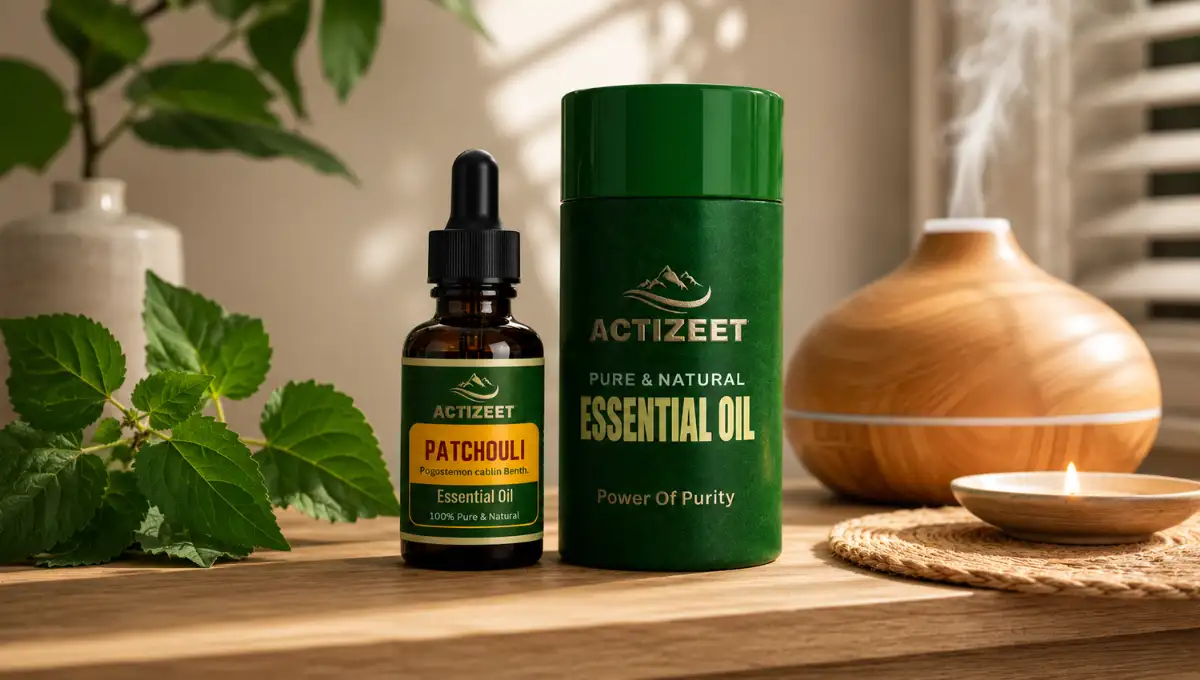
Best Patchouli Oil in India 2026: A Complete Buyer's Guide to Pure, Authentic Pogostemon cablin Essential Oil
Patchouli is the most pharmacologically complex, most aromatically distinctive, and most frequently misunderstood essential oil in the Indian market in 2026. With PMC-published anti-inflammatory, gut microbiota, and antimicrobial research confirming its extraordinary therapeutic depth, knowing how to identify genuine quality matters more here than for almost any other oil.
Patchouli essential oil from Pogostemon cablin holds a unique position in India's 2026 wellness market. It is simultaneously one of the world's most sought-after ingredients in luxury perfumery (present in a very large proportion of the global fragrance industry's base compositions), one of the most pharmacologically documented essential oils in contemporary research (with PMC-published studies confirming anti-inflammatory leukocyte modulation, gut microbiota prebiotic-like effects, and broad-spectrum antimicrobial activity), and one of the most frequently misrepresented in terms of product quality and variety.
India's own research institution, CSIR-CIMAP in Lucknow, has developed a specifically Indian patchouli cultivar called CIM-Utkrisht and published research in ScienceDirect confirming its antimicrobial activity and significant TNF-alpha anti-inflammatory reduction, establishing that India has genuine domestic botanical research credibility with this plant. Yet the vast majority of patchouli oil sold in India in 2026 ranges from genuine Indonesian-sourced Pogostemon cablin to low-grade diluted preparations and, in some cases, synthetic patchouli fragrance compounds with no genuine botanical content at all.
This guide gives every Indian buyer the knowledge to find genuine quality patchouli oil in 2026 and understand exactly what makes authentic therapeutic patchouli different from the alternatives.
What Makes Patchouli Oil Genuinely Therapeutic in 2026?
Botanical name: Pogostemon cablin (Blanco) Benth. | Family: Lamiaceae | Primary origin: Indonesia (approximately 90% of global supply), with additional production in China, India, Malaysia | Medicinal part: Dried aerial parts/leaves (steam distillation) | Primary compound: Patchoulol/Patchouli alcohol (35 to 40%) | Other key compounds: Alpha-bulnesene (18 to 22%), alpha-guaiene (10 to 14%), seychellene (7 to 10%), alpha-patchoulene, pogostone, pachypodol, norpatchoulenol | Quality marker: Norpatchoulenol presence is diagnostic for genuine P. cablin oil | Aroma: Deep, earthy, woody, slightly sweet-musky; one of the most persistent natural aromatic compounds; improves with aging
The therapeutic identity of patchouli essential oil is defined by its extraordinary sesquiterpene complexity. Unlike single-dominant-compound oils like peppermint (menthol) or eucalyptus (cineole), patchouli's therapeutic profile emerges from the synergistic interaction of patchoulol, alpha-bulnesene, alpha-guaiene, seychellene, pogostone, and pachypodol working across multiple simultaneous biological pathways. This complexity is what makes patchouli difficult to adulterate convincingly with synthetic alternatives: the full aromatic and biological profile requires all compounds in the right ratios, and synthetic patchouli fragrance compounds typically replicate only the aromatic surface character without the therapeutic compound depth.
Dark vs Light Patchouli Oil: The Important Quality Distinction Indian Buyers Need in 2026
One of the most common quality questions among Indian patchouli oil buyers is the difference between dark patchouli and light patchouli oil, and which type is better for different applications.
| Feature | Dark Patchouli Oil | Light Patchouli Oil |
|---|---|---|
| Color | Deep amber to dark brown; becomes darker and richer with age | Pale yellow to light amber; lighter color throughout shelf life |
| Production | Steam-distilled through iron or steel equipment; iron contact creates characteristic dark color from iron-sesquiterpene interaction | Steam-distilled through non-reactive equipment; no metal-sesquiterpene color reaction |
| Patchoulol content | Both types contain similar patchoulol percentages from same P. cablin source material | Similar patchoulol to dark; color difference does not indicate compound difference |
| Aroma | Often considered richer, more complex, more traditionally "patchouli" by perfumers; especially favored for aged patchouli | Cleaner, somewhat fresher interpretation; preferred by some for skin care formulations |
| Best for | Perfumery base note; aged collector patchouli; traditional aromatic applications; lovers of classic deep patchouli | Skin care formulations where color matters; blending with lighter oils; buyers who prefer fresher character |
| Therapeutic equivalence | Both are therapeutically equivalent from same quality source material; neither is superior for anti-inflammatory or antimicrobial applications | Same as dark for therapeutic purposes; choice is primarily aromatic and cosmetic preference |
The most important quality distinction for Indian buyers in 2026 is not dark versus light but genuine Pogostemon cablin versus synthetic patchouli fragrance. Both dark and light patchouli can be either genuine or adulterated. The species verification and compound profile are the critical quality variables, not the color.
Six Quality Markers for the Best Patchouli Oil in India in 2026
Botanical Name
Must show Pogostemon cablin specifically. Not just "patchouli oil" or "pacholi oil." The Latin name provides species verification that distinguishes genuine P. cablin from synthetic fragrance compounds or from related species with different compound profiles.
Dried Leaf / Aerial Part Steam Distillation
Must specify steam distillation from dried aerial parts or leaves. The drying process is critical for maximum patchoulol development. Steam distillation from fresh undried material produces an inferior oil with lower patchoulol content and less therapeutic depth.
Complex Deep Earthy Aroma
Genuine P. cablin essential oil has a deeply complex, warm, earthy-woody-musky character with multiple aromatic layers that are not reproducible with single synthetic aroma chemicals. Simple, flat, or chemical "earthy" aromas indicate synthetic fragrance rather than genuine botanical distillation.
Origin Specified
Indonesia (90% of global supply), China, India, or Malaysia should be stated. Indonesian patchouli from Sumatra and Sulawesi is the global standard. Indian CSIR-CIMAP cultivar is a documented genuine alternative. Unspecified origin cannot be verified.
Viscous Consistency
Genuine patchouli oil has a notable viscosity: thicker and slower-flowing than most essential oils, particularly as it ages and deepens. Very thin, freely flowing patchouli products are diluted in carrier oil without disclosure.
Brand Quality Transparency
Legitimate patchouli brands provide species name, plant part, origin, extraction method, and for premium products, patchoulol percentage. This level of disclosure separates serious botanical brands from fragrance-oil resellers with therapeutic-sounding labels.
Why Patchouli Oil Is Gaining Serious Attention in India's 2026 Wellness Market
For India's Growing Natural Perfumery and Attar Renaissance
India's attar tradition is experiencing a genuine renaissance in 2026, with Indian consumers increasingly choosing natural botanical fragrance over synthetic perfumes for reasons of health awareness, ethical sourcing, and aromatic authenticity. Patchouli occupies an irreplaceable position in this revival as the world's most essential natural base note and fixative. Every serious Indian attar and natural perfumery composition becomes deeper, more complex, more long-lasting, and more aromatically sophisticated with the addition of even a small amount of genuine patchouli absolute. The same qualities that make patchouli essential to global luxury perfumery houses from Chanel to Guerlain, specifically its extraordinary persistence, its multi-layered aromatic depth, and its ability to anchor and extend lighter aromatic compounds, apply equally in India's artisan attar tradition. For Indian natural perfumery enthusiasts, authentic patchouli is not optional but foundational.
For India's Anti-Aging and Skin Repair Market
India's natural skin care market in 2026 is characterized by increasing scientific sophistication, with consumers demanding ingredient-level transparency and pharmacological credibility rather than just botanical marketing appeal. Patchouli oil delivers this credibility: the ScienceDirect-published anti-inflammatory leukocyte study, the PMC-published gut health research, the cicatrisant cell regeneration activity, the antifungal properties for skin fungal conditions, the documented antimicrobial acne management activity, and the antioxidant flavonoid compounds all provide a genuinely pharmacologically credible basis for premium skin care formulation. For India's enormous market for post-acne scar treatment, hormonal acne management, and anti-aging skin care for UV-damaged Indian skin, patchouli oil's multi-mechanism skin therapeutic profile positions it as one of the most seriously credible natural skin care actives available in 2026.
For India's Mental Health and Stress Management Needs
The PMC pachypodol review confirming that patchouli oil is used in aromatherapy for depression and stress, the traditional Chinese and Indian medicine documentation of its sedative and nerve-soothing properties, and the consistent aromatherapy literature confirming its grounding, anxiety-calming, and emotional-stabilizing benefits all make patchouli one of the most pharmacologically credible natural mental health support oils available. For India's large population of people dealing with anxiety, depression, stress-related insomnia, and emotional instability, consistent daily patchouli aromatherapy provides the deeply grounding, parasympathetic-activating, limbic-calming support that is particularly valuable in a culture that often still carries stigma around formal mental health treatment.
🌿 ACTIZEET® Patchouli Essential Oil: authenticated Pogostemon cablin with genuine patchoulol-rich sesquiterpene profile for India's most pharmacologically complex aromatic botanical experience in 2026.
Explore ACTIZEET® →How to Get the Best Results From Patchouli Oil in India in 2026
Evening Diffusion
2 to 4 drops MAXIMUM in a water diffuser. Patchouli is intensely aromatic: start with 2 drops in a large room. The deeply earthy, grounding evening diffusion creates the most settling, most anxiety-calming home aromatic environment available in natural aromatherapy.
Nightly Skin Serum
1 drop in 1 tsp rosehip or jojoba oil. Apply after cleansing. Cicatrisant, antioxidant, anti-inflammatory, and antimicrobial compounds work overnight for skin regeneration, scar reduction, and anti-aging protection that compounds beautifully over consistent weeks of use.
Signature Fragrance Roller
6 to 8 drops in 1 tbsp jojoba in a roller bottle. Patchouli is one of the most persistent natural aromatic compounds, lasting 12+ hours on warm skin and developing from earthy-bright to warm-musky-sweet over the day. India's most complex natural personal fragrance.
Relaxation Body Massage
4 drops in 2 tsp carrier oil. Full-body or back massage. The anti-inflammatory analgesic compounds address physical tension while the deeply grounding aromatic experience simultaneously addresses emotional and psychological stress held in the body.
Meditation Practice
2 drops in diffuser or 1 diluted drop on inner wrists before practice. Patchouli creates the most deeply grounded, most earth-connected meditative aromatic environment available in natural aromatherapy, particularly powerful in combination with sandalwood or frankincense.
Natural Wardrobe Protector
Place 2 to 3 drops on cotton balls in wardrobe corners. The documented insect-repellent seychellene compounds protect stored fabrics from moth and insect damage while imparting a subtle, sophisticated aromatic character to stored clothing. The traditional Indian and Southeast Asian textile protection method, in concentrated form.
What to Avoid When Buying Patchouli Oil in India in 2026
- Synthetic "patchouli fragrance oil" sold as essential oil. Synthetic patchouli aroma chemicals (primarily norpatchoulenol analogues and various synthetic sesquiterpene compounds) can approximate the earthy-musky character of genuine patchouli oil for casual aromatic use. They contain none of the pharmacologically active patchoulol, pogostone, pachypodol, or other compounds responsible for patchouli's documented anti-inflammatory, antimicrobial, cicatrisant, gut health, and mood-supporting properties. The definitive test: look for "Pogostemon cablin" on the ingredient label. If it says only "patchouli fragrance oil," "patchouli oil blend," or simply lists synthetic aroma chemicals, it is not genuine patchouli essential oil regardless of how it is marketed.
- Very thin, freely-flowing products sold as pure patchouli essential oil. Genuine steam-distilled patchouli oil has a notably thick, slow-flowing consistency due to its high sesquiterpene content. As it ages, this viscosity typically increases. A product labeled as pure patchouli essential oil that flows as freely as water or light carrier oil is either significantly diluted in carrier oil without disclosure, or is a fragrance oil with minimal genuine botanical content.
- Products using excessively high amounts in diffusion. This is the most common user mistake that creates negative patchouli associations. More than 4 to 5 drops in a standard 200 ml water diffuser in an average room creates an overwhelming, headache-inducing aromatic experience that is genuinely unpleasant and that has convinced many Indian consumers they "don't like patchouli." The correctly dosed patchouli experience at 2 to 3 drops is warm, complex, and deeply pleasant. The overdosed experience is the reason for most negative patchouli reviews.
- Products without species name or origin disclosure. In a market where patchouli is one of the most valuable fragrance ingredients and therefore one of the most incentivized targets for adulteration and misrepresentation, botanical name and geographic origin disclosure is the minimum accountability standard for legitimate brands. Any patchouli product that cannot confirm Pogostemon cablin species and provide geographic origin information is hiding quality variables that matter for both therapeutic and aromatic authenticity.
- Assuming all "Indonesian patchouli" is premium quality. While Indonesia produces approximately 90% of the world's patchouli and its best qualities are among the finest available, Indonesian patchouli quality varies significantly by region (Sumatra and Sulawesi produce different quality profiles), by plant age at harvest, by drying method, and by distillation practices. "Indonesian patchouli" as a label is a geographic designation, not a quality guarantee. The brand's sourcing relationships and quality verification practices determine whether the Indonesian patchouli in a specific product is premium or commodity grade.
ACTIZEET® — Best Patchouli Oil in India 2026
ACTIZEET® Patchouli Essential Oil is steam-distilled from authenticated Pogostemon cablin dried aerial parts with clear botanical species specification, verified origin transparency, genuine patchoulol-rich sesquiterpene complexity, and the deeply warm, earthy, multi-layered aromatic character that immediately distinguishes authentic botanical patchouli from synthetic fragrance preparations. India's most trusted choice for genuine therapeutic patchouli oil in 2026.
🌿 Buy ACTIZEET® Patchouli Essential Oil →Why ACTIZEET® Is the Right Patchouli Oil Choice for India in 2026
- Verified Pogostemon cablin species with dried aerial part steam distillation confirmed. ACTIZEET® provides the botanical name and production method specification that confirms buyers are receiving genuine therapeutic-quality P. cablin essential oil with the patchoulol, pogostone, and pachypodol profile documented in published pharmacological research
- Genuine complex multi-layered earthy aromatic character confirming authentic sesquiterpene depth. The deeply complex, warm, earthy-woody-musky aromatic profile with multiple aromatic layers that evolves beautifully over hours on skin is the most immediately perceptible quality distinction between ACTIZEET® genuine patchouli and synthetic fragrance or diluted alternatives
- Appropriate viscous consistency confirming undiluted single-ingredient botanical purity. ACTIZEET® Patchouli Essential Oil's characteristic thickness reflects the genuine high sesquiterpene content of authentic patchouli at full strength, without carrier oil dilution that would reduce both aromatic quality and therapeutic patchoulol concentration
- Origin and production transparency that serious buyers deserve. ACTIZEET® provides the geographic and botanical sourcing information that allows buyers to make informed quality decisions rather than relying on attractive packaging and claims without verifiable substance
- India's trusted aromatherapy brand with consistent quality across its full therapeutic essential oil range. Actizeet.in maintains the botanical authentication, quality disclosure, and consumer accountability standards across its complete essential oil catalogue that India's most informed wellness buyers expect from a genuinely trustworthy source in 2026
Frequently Asked Questions
Finding the best patchouli oil in India in 2026 requires two non-negotiable knowledge points: verification of genuine Pogostemon cablin botanical identity through species name disclosure, and the ability to identify authentic sesquiterpene depth through the complex, multi-layered, warm-earthy aromatic character that no synthetic alternative fully replicates. ACTIZEET® Patchouli Essential Oil delivers both with the botanical transparency, quality consistency, and aromatic authenticity that India's most discerning wellness, skin care, and natural fragrance buyers deserve. Whether your interest is pharmacological skin care, emotional grounding and mental wellness, natural perfumery creation, or the simple pleasure of one of the world's most extraordinary and most complex aromatic experiences, genuine patchouli is a worthy investment that will only deepen in value with time.
LATEST FROM OUR BLOG

15 Chameli Essential Oil Benefits: How Jasminum sambac Linalool, Benzyl Acetate, and Jasmone Deliver Anxiety Relief, Skin Radiance, Aphrodisiac Power, and Deep Wellness
Discover 15 proven chameli essential oil benefits—from anxiety relief and...

Best Clove Oil in India 2026: A Complete Buyer’s Guide to Pure, Authentic Syzygium aromaticum Essential Oil
Looking for the best clove oil in India in 2026?...

Best Juniper Berry Oil in India 2026: A Complete Buyer’s Guide to Pure, Authentic Juniperus communis Essential Oil
Looking for the best juniper berry oil in India in...

Best Lime Oil in India 2026: Why FCF Steam-Distilled Is the Only Safe Choice, How to Verify Limonene Quality, and Why ACTIZEET® Is India’s Most Trusted Option
Looking for the best lime oil in India? Learn the...