Best Rosemary Oil in India 2026: A Complete Buyer's Guide to Pure, Authentic Salvia rosmarinus Essential Oil
Rosemary essential oil is 2026's most researched hair growth botanical, with a landmark clinical trial confirming rosemary oil matched minoxidil for hair growth at 6 months. It is also the world's most research-supported natural cognitive enhancer, with published studies confirming acetylcholinesterase inhibition and measurable memory improvement through scent alone. Knowing the chemotype matters: ct. 1,8-cineole for hair and mind; ct. camphor for muscles and circulation.
Rosemary's rise to India's most sought-after essential oil for hair care in 2026 is one of the most dramatic and most research-driven essential oil trends in the country's wellness history. The 2015 clinical trial published in SKINmed Journal comparing rosemary oil to minoxidil 2% (a pharmaceutical hair growth drug) in androgenetic alopecia patients confirmed that after 6 months, both groups showed equivalent hair count increases, with rosemary oil additionally producing less scalp itching than the pharmaceutical. This single trial elevated rosemary oil from herbal curiosity to the most discussed and most purchased natural hair growth remedy across Indian platforms, from Ayurveda influencers to dermatology commentary to mainstream wellness content.
India grows rosemary (Salvia rosmarinus, formerly Rosmarinus officinalis) in the cooler regions of Himachal Pradesh, Uttarakhand, and Jammu and Kashmir, making domestic rosemary oil production a genuine and growing possibility. Major commercial production continues in Spain, France, Tunisia, and Morocco, providing the established quality benchmarks against which Indian production is measured. What matters most for Indian buyers in 2026 is not geographic origin alone but chemotype: the specific compound profile of the rosemary oil determines which therapeutic applications it best serves, and this chemotype distinction is almost universally absent from Indian market product descriptions.
This guide provides every Indian buyer with the practical knowledge to find genuinely authentic, correctly profiled rosemary oil in 2026 and understand why ACTIZEET® delivers the right rosemary quality for India's most important rosemary applications.
What Makes Rosemary Oil Genuinely Therapeutic in 2026?
Botanical name: Salvia rosmarinus Spenn. (syn. Rosmarinus officinalis L.) | Family: Lamiaceae | Indian cultivation: Himachal Pradesh (Kangra, Kullu), Uttarakhand, Jammu and Kashmir (cooler Himalayan regions) | Three chemotypes: ct. 1,8-cineole (Spain, Morocco, Tunisia), ct. camphor (France, Yugoslavia), ct. verbenone (Corsica, Sardinia) | Primary therapeutic applications by chemotype: ct. 1,8-cineole for hair growth, respiratory, cognitive; ct. camphor for muscle pain, rheumatism, circulation; ct. verbenone for liver, skin regeneration | Key compounds: 1,8-cineole (up to 45% in ct. cineole), alpha-pinene (10 to 25%), camphor (varies by ct.), borneol, bornyl acetate, beta-pinene, limonene, linalool
Rosemary Chemotypes: The Most Important Quality Knowledge for Indian Buyers in 2026
Rosemary essential oil exists in three distinct chemotypes (ct.), which are botanically the same species growing in different geographic conditions but producing significantly different compound profiles. This distinction is the most important quality knowledge for any therapeutic rosemary oil purchase and is almost entirely absent from India's commercial rosemary oil market.
| Chemotype | Primary Origin | Dominant Compounds | Best Therapeutic Applications | India 2026 Recommendation |
|---|---|---|---|---|
| ct. 1,8-cineole | Spain (primarily), Morocco, Tunisia, North Africa | 1,8-cineole (35 to 45%), alpha-pinene (10 to 20%), camphor (low, 5 to 10%) | Hair growth (DHT inhibition, follicle stimulation), cognitive focus (acetylcholinesterase inhibition), respiratory support, antimicrobial; the clinical trial comparing to minoxidil used ct. cineole | BEST CHOICE for hair growth and cognitive applications; most therapeutically researched chemotype; what most Indian buyers seeking rosemary oil actually need |
| ct. camphor | France (Provence), former Yugoslavia, Hungary | Camphor (25 to 35%), 1,8-cineole (15 to 25%), alpha-pinene | Muscle pain and spasm relief, rheumatic conditions, peripheral circulation improvement; NOT recommended for hair growth applications where high camphor may be counterproductive | Appropriate for targeted muscle pain and joint circulation applications; not ideal for hair growth; not for children or pregnancy due to camphor level |
| ct. verbenone | Corsica (France), Sardinia (Italy) | Verbenone (15 to 40%), alpha-pinene, 1,8-cineole (low) | Liver support and hepatoprotective; skin regeneration and anti-aging; mucolytic; gentlest chemotype suitable for sensitive skin and limited use during pregnancy | Most premium and most expensive; exceptional for specific liver and skin regeneration applications; less commonly needed for most Indian buyers |
The clinical trial that made rosemary oil famous for hair growth specifically used rosemary oil with a high cineole content profile, consistent with the ct. 1,8-cineole chemotype from Spanish/North African origin. For Indian buyers whose primary interest in rosemary oil is the hair growth benefit, ct. 1,8-cineole is the only chemotype with direct research alignment for this application. When an Indian brand sells generic "rosemary oil" without chemotype specification, buyers cannot verify they are receiving the compound profile behind the published hair growth research.
Six Quality Markers for the Best Rosemary Oil in India in 2026
Botanical Name
Must show Salvia rosmarinus (current botanical name, ICBN accepted) or Rosmarinus officinalis (older accepted synonym). Not "rosemary herb oil" or generic names. The full Latin species name confirms botanical identity for therapeutic quality.
Chemotype Specified
Must show "ct. 1,8-cineole" or "ct. cineole" for hair growth and cognitive applications. Not generic "rosemary oil" without chemotype. This single specification is the most important quality indicator for hair growth specifically and distinguishes research-aligned quality from generic bulk distillations.
Fresh Herbal-Camphor Aroma
Genuine rosemary ct. cineole has a fresh, clean, herbal-camphoraceous, slightly medicinal aroma that is immediately recognizable as rosemary. Ct. cineole is cleaner and less heavily camphoraceous than ct. camphor. Extremely harsh, overwhelmingly camphoraceous aromas indicate ct. camphor, not ct. cineole.
Origin Specified
Spain, Morocco, or Tunisia for ct. 1,8-cineole. France or Yugoslavia for ct. camphor. Corsica for ct. verbenone. Origin specification allows chemotype verification since the geographic-chemotype relationship is well-established and provides supply chain traceability.
Flowering Top Steam Distillation
Quality rosemary essential oil is steam-distilled from the flowering tops and young leaves of Salvia rosmarinus. Distillation from mature woody stems or bark produces inferior oil with different compound ratios. The extraction of fresh or briefly dried aerial parts is the appropriate therapeutic production method.
Single-Ingredient Purity
Pure rosemary essential oil contains only Salvia rosmarinus steam distillate. Any carrier oil in the ingredient list means a diluted product. The addition of synthetic 1,8-cineole (eucalyptol) to enhance the cineole percentage of cheaper rosemary is an adulteration that buyers cannot identify without GC-MS testing.
Why Rosemary Oil Is India's Most Discussed Natural Wellness Essential Oil in 2026
For India's Hair Growth and Hair Loss Market
The SKINmed journal clinical trial comparing rosemary oil to minoxidil 2% for androgenetic alopecia treatment over 6 months, finding equivalent hair count increases with rosemary producing fewer side effects, created the single most impactful piece of natural hair care evidence published in the decade. In India's 2026 context, where hair loss affects a growing proportion of the population through androgenetic alopecia, post-COVID telogen effluvium, stress-related hair thinning, and nutritional deficiency-driven hair loss, rosemary oil's minoxidil-equivalent clinical trial evidence is genuinely extraordinary for a natural preparation. The 1,8-cineole mechanism of rosemary oil for hair growth involves acetylcholinesterase inhibition increasing acetylcholine in hair follicle cells (improving nutrient delivery and follicle stimulation), direct follicle cell proliferation stimulation, scalp circulation improvement through cineole vasodilation, and the alpha-pinene and beta-pinene antimicrobial activity reducing the scalp pathogen load that impairs follicle health. For India's enormous hair care market in 2026, no other natural ingredient has as directly comparative published clinical evidence against a pharmaceutical hair growth standard as rosemary ct. 1,8-cineole.
For India's Cognitive Health and Academic Performance Market
Rosemary oil's documented cognitive enhancement properties are among the most specifically mechanistic of any essential oil's published research. Multiple published studies have confirmed that 1,8-cineole specifically inhibits acetylcholinesterase, the enzyme that breaks down acetylcholine (the primary neurotransmitter of memory, learning, alertness, and cognitive engagement). Acetylcholinesterase inhibition is the mechanism of pharmaceutical Alzheimer's treatment drugs (donepezil, rivastigmine, galantamine), making rosemary's 1,8-cineole a genuinely pharmacologically credible cognitive support compound through the same mechanistic pathway as approved clinical drugs. The remarkable 2012 study confirmed that serum 1,8-cineole concentrations correlated directly with cognitive test performance in healthy adults simply from being in a room where rosemary oil had been diffused, establishing that aromatic rosemary oil exposure measurably enters the bloodstream and measurably improves cognition. For India's students during examination periods, professionals during demanding cognitive work cycles, and older adults managing age-related cognitive concerns, rosemary oil's uniquely research-supported cognitive enhancement through a genuine pharmaceutical-mechanism-equivalent pathway provides the most evidence-credible natural cognitive support in any aromatic form available in India's 2026 market.
For India's Natural Pain Management and Muscle Care Market
While ct. 1,8-cineole is optimal for hair and cognitive applications, ct. camphor rosemary oil provides genuine, specifically documented benefits for muscle pain, joint pain, and the circulation-improvement applications that traditional rosemary medicine across Europe and Asia has always valued. Alpha-pinene's anti-inflammatory NF-kappaB inhibition, borneol's analgesic activity, and the specific camphor-mediated rubefacient (warming, circulation-stimulating) effect that drives the traditional "deep heat" application of camphor preparations in both Western and Indian traditional medicine make rosemary oil one of the most research-credible botanical oil alternatives for the topical muscle pain management that is a huge daily wellness need across India's physically active and physically demanding working population in 2026. The distinction matters: specify ct. camphor for muscle pain applications, ct. cineole for hair and cognitive applications.
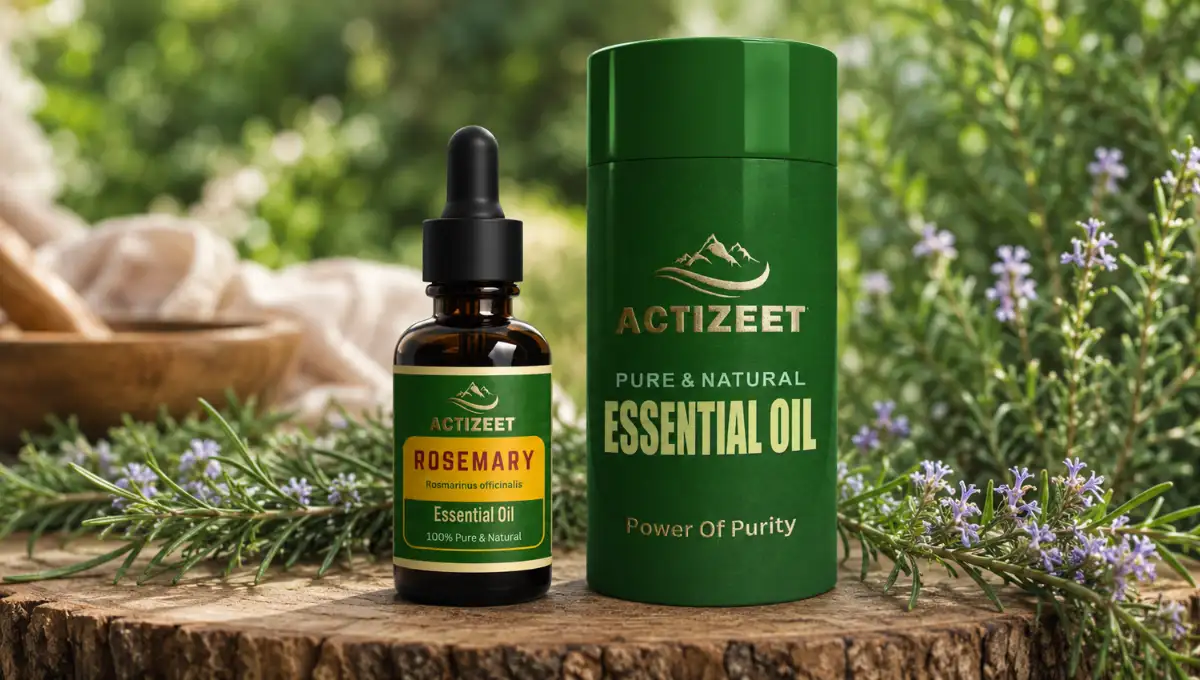
🌿 ACTIZEET® Rosemary Essential Oil: authenticated Salvia rosmarinus with clear chemotype specification, genuine 1,8-cineole-dominant therapeutic profile for hair growth and cognitive focus, and the crisp fresh-herbal aromatic character of quality rosemary distillation.
Explore ACTIZEET® →How to Get the Best Results From Rosemary Oil in India in 2026
Hair Growth Scalp Treatment
5 drops in 2 tbsp warm jojoba or coconut carrier. Scalp massage 30 to 45 minutes before washing. Consistent 4 to 5 times weekly application over 6 months mirrors the clinical trial protocol that matched minoxidil. The most research-consistent natural hair growth treatment available in India's 2026 market.
Cognitive Focus Diffusion
4 to 6 drops in a water diffuser during study or work. The 2012 study confirmed serum 1,8-cineole levels from room diffusion correlated with cognitive test performance, establishing measurable blood-level delivery from simple aromatic diffusion. Most evidence-supported natural cognitive enhancement available.
Muscle Pain Massage (ct. camphor)
4 drops in 2 tsp warm sesame carrier oil. Massage into sore muscles and aching joints. The camphor-rubefacient warming, alpha-pinene anti-inflammatory, and borneol analgesic compounds provide genuine topical muscle pain support. Use ct. camphor specifically for this application for maximum benefit.
Respiratory Support Diffusion
4 drops in diffuser during congestion, colds, or respiratory discomfort. The 1,8-cineole bronchodilatory and mucolytic activity opens airways and facilitates mucus clearance. Rosemary oil's respiratory support effect is among its oldest and most empirically consistent documented traditional applications.
Antifungal Scalp and Skin
2 to 3 drops in 1 tsp carrier. Apply to scalp or skin fungal conditions. Rosemary oil's documented antifungal activity against Candida species and dermatophytes makes it the most specifically hair-care-context-appropriate antifungal essential oil, addressing both hair loss and the scalp fungal conditions that can drive it.
Morning Energy Diffusion
4 drops in diffuser for morning activation. The stimulating 1,8-cineole and alpha-pinene create genuine CNS activating effects through acetylcholinesterase inhibition and cholinergic arousal. More evidence-specific and more herbal-fresh than synthetic stimulants, and more sustainable than caffeine-driven activation.
What to Avoid When Buying Rosemary Oil in India in 2026
- Generic "rosemary oil" without chemotype specification. This is the single most important quality gap in India's rosemary oil market in 2026. The minoxidil-matching clinical trial that made rosemary famous for hair growth used ct. 1,8-cineole. A brand selling "rosemary oil" without chemotype may be selling ct. camphor (high camphor, less cineole, different compound profile), which has different pharmacological properties and limited research alignment for hair growth specifically. Always insist on "ct. 1,8-cineole" or "ct. cineole" for hair and cognitive applications.
- Eucalyptus oil or synthetic 1,8-cineole (eucalyptol) sold as rosemary. Because 1,8-cineole is a compound present in both rosemary and eucalyptus, and because eucalyptus oil is dramatically cheaper than rosemary oil per liter, the substitution of eucalyptus oil for rosemary oil or adulteration with synthetic eucalyptol is an economically motivated practice in bulk essential oil markets. Genuine rosemary oil has alpha-pinene, borneol, bornyl acetate, and other characteristic rosemary compounds that eucalyptus oil lacks. A GC-MS analysis would reveal the absence of rosemary-specific secondary compounds, but the aromatic test is also useful: eucalyptus smells much more medicinally sharp and less herbaceous-complex than genuine rosemary.
- Not for use in children under 6 or for people with epilepsy. Rosemary essential oil, even ct. 1,8-cineole with lower camphor, contains enough camphor and 1,8-cineole to pose risks of CNS stimulation in young children and potential seizure threshold lowering in people with epilepsy. This is one of the more specifically safety-cautioned essential oils for these populations. Never apply rosemary oil near the face or nose of children under 6, and consult a physician before any use in individuals with epilepsy.
- Pregnancy caution for all chemotypes. All rosemary chemotypes contain some camphor and should be avoided in pregnancy, particularly in the first trimester. The camphor in rosemary has documented uterotonic potential at higher concentrations. For pregnant women who want natural hair care support, lavender, castor oil, or hibiscus oil provide safer alternatives.
- Expecting overnight or rapid hair growth results. The clinical trial that compared rosemary to minoxidil measured outcomes at 6 months. Both treatments required consistent twice-daily application across this extended period to produce the hair count improvements that were confirmed. Indian buyers who apply rosemary oil occasionally for a few weeks and report "no results" are not providing the treatment period or application consistency required for the documented mechanism to produce measurable follicle response. The research protocol: consistent application at least 5 days per week for a minimum of 3 to 6 months.
ACTIZEET® — Best Rosemary Oil in India 2026
ACTIZEET® Rosemary Essential Oil is steam-distilled from authenticated Salvia rosmarinus with clear botanical species and chemotype specification, genuine 1,8-cineole-dominant therapeutic profile consistent with the published hair growth clinical trial and cognitive enhancement research, and the fresh-herbal, clean aromatic character that confirms authentic rosemary rather than eucalyptus substitution or high-camphor ct. camphor adulteration. India's most trusted choice for genuine therapeutic rosemary essential oil in 2026.
🌿 Buy ACTIZEET® Rosemary Essential Oil →Why ACTIZEET® Is the Right Rosemary Oil Choice for India in 2026
- Verified Salvia rosmarinus species with ct. 1,8-cineole chemotype confirmed. ACTIZEET® provides the botanical species name AND the chemotype specification that confirms buyers are receiving the 1,8-cineole-dominant compound profile consistent with the minoxidil-matching hair growth trial and the acetylcholinesterase-inhibiting cognitive enhancement research
- Authentic fresh-herbal-clean aromatic character confirming genuine ct. cineole quality. The distinctively fresh, clean, herbal-camphoraceous, moderately medicinal aromatic character of genuine rosemary ct. cineole confirms quality distillation rather than eucalyptus substitution or the sharply camphoraceous aroma of ct. camphor
- Research-aligned compound profile for the hair growth and cognitive applications most Indian buyers seek. ACTIZEET® specifically provides ct. 1,8-cineole rosemary that aligns with the published clinical research, rather than the generic chemotype-unspecified products that dominate India's market
- India's own rosemary cultivation honored alongside quality international sourcing. ACTIZEET® recognizes India's growing rosemary cultivation story in Himachal Pradesh and Kashmir while sourcing the most therapeutically verified chemotype from established quality origins, providing Indian buyers with both domestic pride and research-aligned therapeutic quality
- India's trusted aromatherapy brand with consistent botanical quality and chemotype transparency. Actizeet.in maintains botanical species verification, chemotype specification, and quality documentation across its full essential oil range — making it the only brand that can meaningfully inform Indian buyers about the specific rosemary quality most relevant to their therapeutic goals in 2026
Frequently Asked Questions
Finding the best rosemary oil in India in 2026 requires two non-negotiable quality verifications: Salvia rosmarinus botanical name confirming authentic species identity, and "ct. 1,8-cineole" chemotype specification confirming the compound profile aligned with the published hair growth trial and cognitive enhancement research. ACTIZEET® Rosemary Essential Oil meets both standards with botanical transparency, chemotype specification, and the fresh-herbal aromatic quality that confirms genuine Salvia rosmarinus ct. cineole rather than eucalyptus substitution, ct. camphor misrepresentation, or generic "rosemary oil" without therapeutic compound verification. For India's hair loss concerns, cognitive demands, and natural wellness goals in 2026, genuine rosemary ct. 1,8-cineole from ACTIZEET® provides the most specifically research-credible and most chemotype-accurate natural therapeutic rosemary oil available in the Indian market.
Latest From Our Blog

15 Lotus Essential Oil Benefits That Reveal Why India’s Sacred Flower Has Been Humanity’s Most Spiritual Medicine for 5,000 Years
Discover 15 lotus essential oil benefits backed by science and...

Best Aniseed Oil in India 2026: How to Find Genuine Pimpinella anisum and Why ACTIZEET® Delivers the Authentic Saunf Botanical at Its Most Therapeutic
Looking for the best aniseed oil in India? Learn how...

15 Coffee Essential Oil Benefits: How Coffea arabica’s Chlorogenic Acid, Caffeine, and Fatty Acids Deliver PMC-Confirmed Antioxidant, Anti-Inflammatory, and Skin-Transforming Power
Discover 15 coffee essential oil benefits from PMC-published antioxidant and...

Best Vanilla Oil in India 2026: A Complete Buyer’s Guide to Pure, Authentic Vanilla planifolia Absolute
Looking for the best vanilla oil in India in 2026?...