

Weight loss is one of the most searched health topics in the world. People try everything from restrictive diets to intense exercise regimens, and many find that despite their best efforts, the results are slow, inconsistent, or frustratingly short-lived. What most conventional weight loss advice misses is that the body’s ability to lose fat is not just a matter of calories in versus calories out. Hormones, stress, sleep, metabolism, and cellular energy all play deeply interconnected roles.
This is where ashwagandha enters the conversation.
Ashwagandha, one of the most revered herbs in Ayurvedic medicine, has been used for over 3,000 years to restore balance, build resilience, and support the body through physical and mental stress. In recent years, researchers have begun examining how this ancient adaptogen intersects with modern weight management challenges, and the findings are genuinely interesting.
This guide takes a thorough, honest look at the connection between ashwagandha and weight loss. You will find out what the science actually says, which mechanisms are most relevant, how to use ashwagandha correctly, and what to realistically expect from supplementation.
What Is Ashwagandha and Why Is It Relevant to Weight Loss?
Ashwagandha, botanically known as Withania somnifera, is a small evergreen shrub native to India, North Africa, and parts of the Mediterranean. Its root and berries have been central to Ayurvedic medicine for millennia, classified as a rasayana, a class of herbs that support longevity, vitality, and deep physiological restoration.
The plant’s primary active compounds are withanolides, a group of naturally occurring steroidal lactones that are responsible for most of ashwagandha’s biological activity. These compounds work on multiple systems in the body simultaneously, which is what makes ashwagandha an adaptogen rather than a simple single-action herb.
The connection between ashwagandha and weight loss is not a straightforward stimulant-based mechanism like caffeine or green tea extract. Instead, ashwagandha works on the root causes that often make weight management so difficult in the first place: chronic stress, elevated cortisol, poor sleep, low energy, impaired thyroid function, and muscle loss. By addressing these underlying factors, ashwagandha creates physiological conditions that are genuinely more conducive to healthy body composition.
How Ashwagandha Supports Weight Loss: The Key Mechanisms
1. Reduces Cortisol, the Primary Driver of Stress-Related Weight Gain
This is the most direct and well-researched connection between ashwagandha and weight loss. Cortisol is the body’s primary stress hormone, and while it serves essential functions in short bursts, chronically elevated cortisol is one of the most significant contributors to weight gain, particularly around the abdomen.
High cortisol levels trigger increased appetite, particularly cravings for high-calorie, high-sugar foods. They promote fat storage in visceral adipose tissue, the deep belly fat that surrounds internal organs and is most associated with metabolic disease. They also impair insulin sensitivity, which makes it harder for cells to use glucose efficiently and easier for the body to store excess calories as fat.
Multiple clinical trials have confirmed that ashwagandha significantly reduces cortisol levels with consistent supplementation. A landmark randomized, double-blind, placebo-controlled study published in the Indian Journal of Psychological Medicine found that participants who took 300 mg of ashwagandha root extract twice daily for 60 days experienced a 27.9 percent reduction in serum cortisol levels compared to those on placebo.
For people who are gaining weight despite eating reasonably well, or who find that stress consistently derails their weight management efforts, reducing cortisol through ashwagandha supplementation can break a cycle that no amount of calorie counting alone will fix.
2. Reduces Stress-Induced Emotional Eating and Food Cravings
Directly connected to the cortisol mechanism is ashwagandha’s effect on emotional eating and food cravings. Chronic stress does not just make the body store more fat. It also alters brain chemistry in ways that increase the drive to eat, particularly sugary, fatty, and salty foods that activate the brain’s reward pathways.
A clinical study published in the Journal of Evidence-Based Integrative Medicine found that adults who took ashwagandha root extract experienced significant reductions in perceived stress, food cravings, and scores on the Eating Behavior Scale over an eight-week period. Participants also showed meaningful reductions in body weight and body mass index compared to the placebo group.
This finding is significant because it suggests ashwagandha’s weight management benefits operate partly through behavioral pathways. When you feel less stressed and more emotionally settled, you are less likely to reach for food as a coping mechanism.
3. Supports Thyroid Function and Metabolic Rate
The thyroid gland is the primary regulator of metabolic rate. When thyroid function is suboptimal, the body’s ability to burn calories efficiently is significantly impaired. Even mildly low thyroid hormone levels, a condition known as subclinical hypothyroidism, can result in unexplained weight gain, persistent fatigue, cold intolerance, and difficulty losing weight despite appropriate caloric restriction.
Research suggests that ashwagandha may support healthy thyroid hormone production. A study published in the Journal of Alternative and Complementary Medicine found that adults with subclinical hypothyroidism who took 600 mg of ashwagandha root extract daily for eight weeks showed significant improvements in serum thyroid hormone levels (T3 and T4) and thyroid-stimulating hormone (TSH) compared to those on placebo.
For people whose weight struggles are rooted in sluggish thyroid function, ashwagandha’s thyroid-supportive properties make it a particularly relevant supplement. It should be noted that anyone with a diagnosed thyroid condition should discuss ashwagandha use with their healthcare provider before beginning supplementation.
4. Builds Muscle Mass and Improves Body Composition
One of ashwagandha’s most robustly studied benefits in the context of physical performance and weight management is its ability to support muscle development and improve overall body composition. More muscle mass means a higher resting metabolic rate, which means the body burns more calories even at rest.
A well-designed clinical trial published in the Journal of the International Society of Sports Nutrition found that men who supplemented with 300 mg of ashwagandha root extract twice daily during a resistance training program gained significantly more muscle mass and strength than those on placebo. They also showed greater reductions in body fat percentage and exercise-induced muscle damage.
The mechanisms behind this involve ashwagandha’s influence on testosterone production, reduction of exercise-related cortisol spikes, and support for muscle protein synthesis. For both men and women who are using exercise as part of a weight management strategy, ashwagandha can meaningfully enhance the physical results of that effort.
5. Improves Sleep Quality, Which Directly Impacts Weight
The relationship between sleep and weight is firmly established in the research literature. Poor or insufficient sleep elevates ghrelin, the hormone that stimulates appetite, while suppressing leptin, the hormone that signals fullness. The result is increased hunger and reduced satisfaction from food, a recipe for overeating even when the intention is to eat less.
Poor sleep also impairs glucose metabolism, increases cortisol, and reduces the body’s capacity for fat oxidation overnight. People who consistently sleep less than seven hours per night are measurably more likely to carry excess body fat than those who sleep adequately.
Ashwagandha has been shown in multiple studies to improve both sleep quality and sleep onset. A study published in PLOS ONE found that adults who took 600 mg of ashwagandha root extract daily for eight weeks reported significant improvements in sleep quality, sleep onset latency, and morning alertness compared to those on placebo.
By improving sleep, ashwagandha indirectly but meaningfully supports the hormonal conditions that make weight management significantly easier.
6. Increases Energy Levels and Physical Endurance
Fatigue is one of the most common barriers to regular exercise. When you are chronically tired, the last thing you want to do is work out. Ashwagandha’s support for mitochondrial energy production and its cortisol-lowering effects combine to produce a genuine increase in usable energy and physical endurance.
A clinical study found that adults who took ashwagandha experienced significant improvements in cardiorespiratory endurance, measured by VO2 max, compared to placebo. Another study found meaningful improvements in physical performance metrics including velocity, strength, and recovery time.
More energy means more consistent exercise. More consistent exercise means better caloric expenditure and muscle maintenance. The cumulative effect on body composition over months of supplementation can be substantial.
7. Supports Healthy Insulin Sensitivity
Insulin resistance is a major driver of stubborn weight gain, particularly in the abdominal region. When cells become less sensitive to insulin, the pancreas must produce more of it to manage blood sugar. High insulin levels signal the body to store fat rather than burn it.
Ashwagandha has demonstrated the ability to improve insulin sensitivity and support healthy blood glucose regulation. Research on its hypoglycemic properties has found that withanolides can enhance glucose uptake by cells and support more efficient carbohydrate metabolism. This contributes to a more favorable metabolic environment for fat loss and makes ashwagandha a relevant supplement for people dealing with insulin resistance, pre-diabetes, or type 2 diabetes alongside weight management goals.
- Select options This product has multiple variants. The options may be chosen on the product page
Pure Herbs
Ashwagandha Capsules
₹900.00 – ₹2,100.00Price range: ₹900.00 through ₹2,100.00 Incl. GST
Select options This product has multiple variants. The options may be chosen on the product page
What the Research Says: Clinical Evidence for Ashwagandha and Weight Loss
The clinical evidence supporting ashwagandha and weight loss outcomes is more substantial than many people realize. While ashwagandha is not a standalone fat-burning supplement in the stimulant tradition, multiple well-designed human trials have shown measurable improvements in body weight and composition with consistent supplementation.
A key 2017 study in the Journal of Evidence-Based Integrative Medicine specifically examined overweight adults under chronic stress. Participants taking 300 mg of ashwagandha root extract twice daily for eight weeks showed statistically significant reductions in body weight, BMI, and waist circumference compared to placebo. Crucially, these changes occurred without any mandated changes to diet or exercise, suggesting that ashwagandha’s hormonal and metabolic effects alone were sufficient to shift body composition in the study period.
Another 2021 study published in Medicine found that ashwagandha supplementation in overweight adults led to meaningful reductions in body weight and improvements in wellbeing scores, with the effects being mediated largely through reductions in perceived stress and cortisol.
These findings do not position ashwagandha as a magic weight loss pill. They position it as a legitimate tool for addressing the hormonal and physiological barriers that prevent many people from losing weight despite genuine effort.
Ashwagandha for Belly Fat: Is It Specifically Effective?
One of the most common questions in the ashwagandha and weight loss conversation is whether it specifically targets belly fat. The answer is yes, to a meaningful degree, though the mechanism is indirect.
Visceral fat, the deep abdominal fat that accumulates around internal organs, is closely tied to cortisol levels. Cortisol selectively promotes fat storage in the abdominal region because visceral fat cells have a high density of cortisol receptors. This is why people under chronic stress tend to gain weight specifically around the middle, even if overall caloric intake has not changed dramatically.
Because ashwagandha is one of the most effective natural cortisol-lowering supplements available, it directly addresses the hormonal driver of visceral fat accumulation. The clinical study mentioned earlier that showed reductions in waist circumference alongside body weight and BMI provides direct evidence for this mechanism in action.

- Select options This product has multiple variants. The options may be chosen on the product page
Pure Herbs
Ashwagandha Powder
₹900.00 – ₹2,100.00Price range: ₹900.00 through ₹2,100.00 Incl. GST
Select options This product has multiple variants. The options may be chosen on the product page
How to Use Ashwagandha for Weight Loss
Getting the most from ashwagandha for weight management requires using it correctly and consistently. Here are the most important factors:
Recommended dosage: Most clinical studies on ashwagandha and weight loss have used doses of 300 mg to 600 mg of standardized root extract daily. This is the evidence-based range for achieving the cortisol-reducing and metabolic benefits most relevant to weight management.
When to take it: Ashwagandha can be taken once or twice daily depending on the dose. Many people find taking it in the morning with breakfast helps with sustained energy and stress management throughout the day. Taking a second dose in the evening, around 30 to 60 minutes before bed, can support sleep quality simultaneously.
Form matters: Ashwagandha is available in capsules, powders, and liquid extracts. For weight management specifically, standardized root extract in capsule form is the most convenient and ensures consistent dosing. Ashwagandha powder can also be mixed into warm milk, smoothies, or coffee, though the taste is strong and earthy.
Consistency is essential: Ashwagandha is not a quick-fix supplement. Its cortisol-reducing and metabolic benefits build over weeks of consistent use. Most studies that showed significant weight-related results ran for eight to twelve weeks of daily supplementation. Expect to give it at least two to three months of dedicated use before making a full assessment.
Combine with lifestyle factors: Ashwagandha works most powerfully as part of a broader wellness strategy. Pairing it with a whole-food diet, regular physical activity, adequate sleep, and stress management practices will amplify its effects significantly compared to taking it in isolation.
Who Benefits Most from Ashwagandha for Weight Management?
Ashwagandha’s weight management benefits are most pronounced for specific groups:
Stressed and burned-out individuals who are gaining weight despite not overeating, particularly around the abdomen, will likely see the most dramatic results from ashwagandha’s cortisol-lowering effects.
People with thyroid issues who have a sluggish metabolism as a result of suboptimal thyroid hormone levels may benefit from ashwagandha’s thyroid-supportive properties.
Emotional eaters who reach for food in response to stress, anxiety, or overwhelm may find that ashwagandha’s anxiolytic effects reduce the emotional triggers that drive excess caloric intake.
Athletes and active individuals looking to improve body composition through better muscle growth, faster recovery, and higher exercise endurance will benefit from ashwagandha’s performance-enhancing effects.
People with poor sleep whose hormonal hunger and satiety signals are disrupted by insufficient or low-quality sleep may see meaningful improvements in appetite regulation through ashwagandha’s sleep-supportive effects.
Precautions and Who Should Avoid Ashwagandha
Ashwagandha is well-tolerated by most healthy adults when used at recommended doses. However, there are situations that warrant caution:
Pregnant women should avoid ashwagandha as it has historically been associated with uterine contractions and is not considered safe during pregnancy. People with autoimmune conditions such as lupus, rheumatoid arthritis, or Hashimoto’s thyroiditis should consult a doctor before use as ashwagandha may stimulate immune activity. Those on thyroid medication need to be aware that ashwagandha can affect thyroid hormone levels and should monitor closely. Individuals on sedative medications, blood sugar-lowering drugs, or immunosuppressants should discuss potential interactions with their healthcare provider. People with nightshade allergies should also exercise caution as ashwagandha belongs to the nightshade family.
Why Quality Determines Whether Ashwagandha Works
Here is something the wellness marketing world does not emphasize enough: not all ashwagandha products deliver the withanolide concentration needed to produce the effects seen in clinical research. Many commercial products use leaf extract rather than root extract, or contain such small amounts of active withanolides that the physiological effect is negligible.
When you choose an ashwagandha supplement for weight management or any other therapeutic purpose, what matters is:
The product should use root extract rather than leaf extract, as the root contains the highest concentration of therapeutic withanolides. It should clearly state its withanolide percentage, with 5 percent being the minimum to look for in a therapeutic product. It should contain no fillers, binders, artificial additives, or unnecessary ingredients. It should come from a brand with transparent sourcing and quality verification processes.
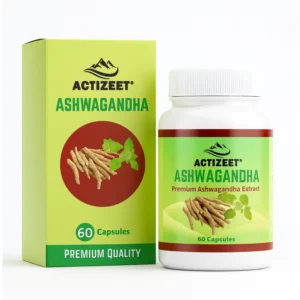
ACTIZEET® Ashwagandha: Purity and Potency for Real Results
For anyone serious about using ashwagandha as part of a weight management and wellness strategy, ACTIZEET® is a brand that consistently delivers on the standards that actually matter.
ACTIZEET® sources its ashwagandha from authentic Ayurvedic cultivation regions in India, where the plant grows in conditions that maximize its withanolide content. Their ashwagandha is root-derived, standardized for potency, and rigorously processed without synthetic additives, fillers, or quality shortcuts.
When you take ACTIZEET® ashwagandha, you are getting the active compound levels that clinical research has associated with real outcomes. You are not paying for underdosed capsules padded with filler or leaf-derived powder that misses the therapeutic mark.
Whether your goal is to reduce stress-driven belly fat, improve sleep, support thyroid function, build lean muscle, or simply create better physiological conditions for sustainable weight management, ACTIZEET® ashwagandha gives you the quality foundation that makes those goals achievable.
Visit actizeet.in to explore ACTIZEET® Ashwagandha and their complete range of pure, therapeutic-grade Ayurvedic wellness products.
Frequently Asked Questions
How long does ashwagandha take to show weight loss results?
Most clinical studies show meaningful changes in body weight, cortisol, and body composition after eight to twelve weeks of consistent daily supplementation. Individual results vary based on starting weight, stress levels, diet, activity, and sleep quality.
Can ashwagandha cause weight gain?
In some individuals, particularly those who are underweight or malnourished, ashwagandha may support healthy weight gain by improving appetite and muscle mass. For overweight or obese individuals under chronic stress, the net effect of supplementation is more typically weight reduction. The oil normalizes body systems rather than pushing weight in one fixed direction.
Does ashwagandha boost metabolism directly?
Not through the same pathway as stimulant-based supplements. Its metabolic support is primarily indirect, working through cortisol reduction, thyroid hormone support, muscle mass improvement, and sleep quality enhancement rather than direct thermogenic activity.
Should I take ashwagandha before or after exercise?
Both timings have merit. Taking it before exercise may enhance endurance and reduce cortisol spikes during training. Taking it after exercise may support recovery and reduce post-workout muscle damage. If taking a single daily dose, choose whichever timing fits your routine most consistently.
Can I take ashwagandha with other weight loss supplements?
Ashwagandha is generally compatible with most common wellness supplements. However, be cautious about combining it with other cortisol-lowering or blood sugar-affecting compounds without professional guidance. Always inform your doctor about all supplements you are taking.
Final Thoughts
The conversation around ashwagandha and weight loss is not about hype. It is about understanding what genuinely gets in the way of healthy body composition for most people, and addressing those root causes with evidence-backed tools.
Chronic stress and high cortisol are among the most underappreciated barriers to weight loss. Poor sleep, impaired thyroid function, emotional eating, and low energy levels follow closely behind. Ashwagandha addresses all of these simultaneously, not as a stimulant or a fat burner in the conventional sense, but as a deep physiological restorer that creates the internal conditions where weight management becomes genuinely easier.
If you have been doing everything right on the surface, eating reasonably, exercising regularly, and still finding that the scale will not move or that belly fat keeps accumulating, looking at the hormonal and stress dimension of your health may be the missing piece.
Ashwagandha, used consistently and in a high-quality form, is one of the most accessible ways to address that dimension.
Start with the best. Visit actizeet.in and explore ACTIZEET® Ashwagandha today.
Latest From Our Blog

Ultimate Guide: Ashwagandha Powder & Water Consumption Tips
Discover the benefits of taking ashwagandha powder with water for...

Ashwagandha For Erectile Dysfunction: Benefits, Dosage & Natural Support Guide
Discover how Ashwagandha For Erectile Dysfunction may support stamina, testosterone,...

Can Shilajit And Ashwagandha Be Taken Together?
Can Shilajit And Ashwagandha Be Taken Together? Discover the benefits,...

Optimal Benefits: Ashwagandha Powder on Empty Stomach
Discover the potent benefits of taking ashwagandha powder on an...