
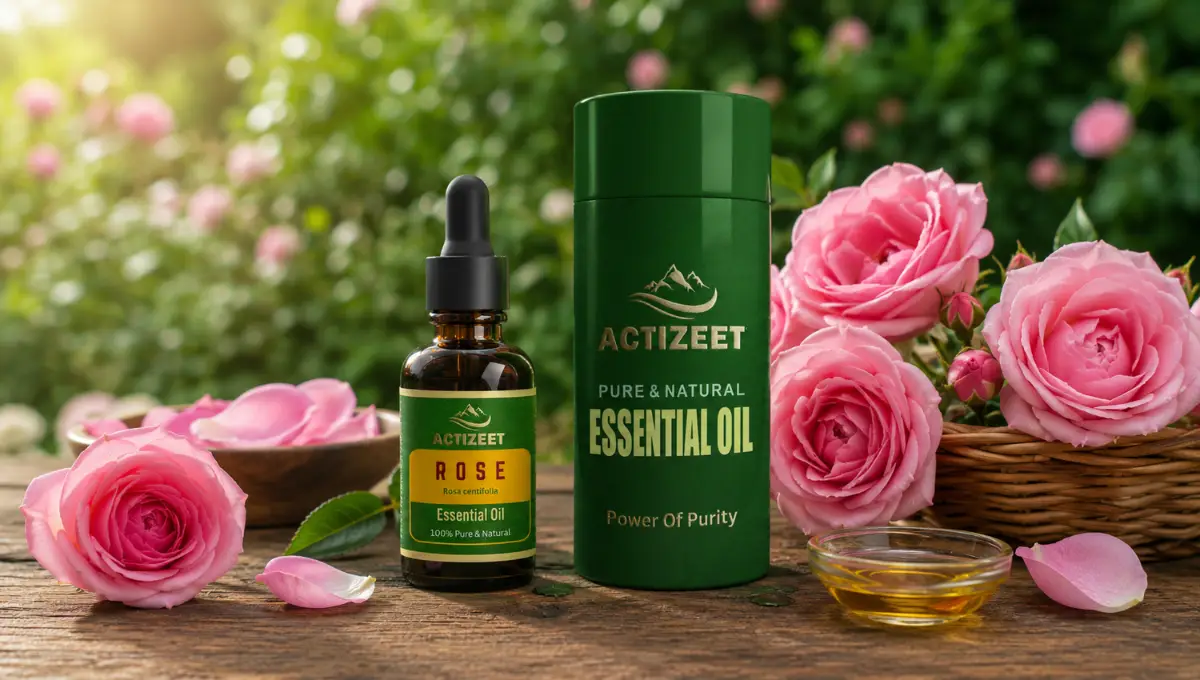
15 Rose Essential Oil Benefits That Explain Why Rosa damascena Has Been Called the Queen of Flowers for 5,000 Years
From the ancient Persian gardens where rose cultivation began over 5,000 years ago, to the 2024 ScienceDirect-published study confirming its antidepressant effects through the serotonergic signaling pathway, rose essential oil remains one of the most clinically researched and most revered of all botanical medicines.
The rose has never needed marketing. For five millennia, across Persian courts, ancient Egyptian temples, Ayurvedic medicine texts, Ottoman pharmaceutical traditions, and the drawing rooms of Victorian England, the rose was simply understood to be the most extraordinary flower on Earth. Not for its visual beauty alone, remarkable as that is, but for the consistent therapeutic observations that every culture made independently: rose preparations calmed anxiety, lifted depression, soothed inflamed skin, promoted healing, supported female reproductive health, and created emotional states of love, openness, and peace that no other botanical reliably achieved.
Modern pharmacology is confirming these ancient observations with increasing precision. A 2021 PMC systematic review of rose oil's therapeutic efficacy documented physiological and psychological relaxation, analgesic, and anti-anxiety effects confirmed across clinical studies. A 2024 study published in ScienceDirect confirmed antidepressant effects of Rosa damascena essential oil mediated through the serotonergic synapse signaling pathway. And a PMC systematic review and meta-analysis confirmed that Rosa damascena aromatherapy effectively alleviates anxiety and depressive moods across multiple clinical populations including childbirth stress, surgical anxiety, and work-related stress.
In this guide, we cover 15 specific rose essential oil benefits grounded in this research, explain the mechanisms behind each one, and show you how ACTIZEET® pure Rose Essential Oil delivers the genuine Rosa damascena experience in every drop.
Rose essential oil is steam-distilled (rose otto) or solvent-extracted (rose absolute) from the fresh petals of Rosa damascena Mill. (Damask rose), the species recognized as producing the highest quality and most therapeutically complete rose oil. It is one of the most labor-intensive essential oils to produce: it takes approximately 3 to 5 tonnes of fresh rose petals, handpicked in the early morning before the sun volatilizes the aromatic compounds, to produce just one kilogram of rose otto. The oil contains over 275 identified compounds. Primary bioactive constituents include citronellol (20 to 35%), geraniol (19 to 26%), nerol, farnesol, linalool, rose oxide, eugenol, methyl eugenol, nonadecane, and phenylethyl alcohol. Each compound contributes distinct therapeutic properties that combine to produce the comprehensive health profile that makes rose oil so revered.
Key Active Compounds in Rose Essential Oil
| Compound | Content | Primary Therapeutic Action |
|---|---|---|
| Citronellol | 20–35% | Calming; antimicrobial; mast cell stabilization (anti-inflammatory/antihistamine); neuroprotective in early research |
| Geraniol | 19–26% | Antioxidant; anti-inflammatory; antimicrobial (skin pathogens); chemopreventive; antifungal |
| Nerol | Present | Antimicrobial; anti-inflammatory; calming aromatic; enhances citronellol and geraniol activity |
| Farnesol | Present | Antibacterial; antifungal; antitumor; skin conditioning; quorum sensing disruption in bacteria |
| Linalool | Present | GABA modulating; anxiolytic; sedative; anti-inflammatory; analgesic |
| Phenylethyl Alcohol | Present | Primary aroma contributor; antimicrobial; mood-lifting; central nervous system calming |
| Rose Oxide | Present | Characteristic fresh rose top note; antimicrobial; contributes to overall therapeutic aromatic profile |
| Eugenol / Methyl Eugenol | Present | Anti-inflammatory (COX inhibition); analgesic; antimicrobial; antioxidant |
15 Rose Essential Oil Benefits
Anxiety relief is the most extensively clinically studied and most consistently confirmed of all rose essential oil benefits. The anxiolytic effects of rose oil are confirmed by a 2004 study published in Pharmacology Biochemistry and Behavior. Rose oil helps boost self-esteem, confidence, and mental strength while efficiently fighting anxiety, and these benefits have been demonstrated across multiple clinical populations in published research.
A comprehensive systematic review and meta-analysis published in PMC, "The effects of Rosa damascene aromatherapy on mood and sleep," analyzed the findings across multiple clinical trials and confirmed that Rosa damascena aromatherapy effectively alleviates anxiety and depressive moods in healthy individuals or those experiencing stressors related to childbirth, surgery, burns, and severe illnesses, while also improving sleep quality. The review also confirmed that studies have demonstrated the efficacy of Damascus rose oil in reducing work-related stress. A 2024 study separately confirmed that inhalation of rose aromatherapy reduces anxiety in heart patients. The breadth of clinical populations across which anxiety benefit has been confirmed, from laboring mothers and surgical patients to healthy adults and cardiac patients, speaks to the robustness and reliability of rose oil's anxiolytic effect across diverse physiological conditions.
The anxiety-relief mechanism operates through citronellol and linalool's GABA receptor modulating activity, reducing the neural excitability that drives anxiety, alongside phenylethyl alcohol's central nervous system calming effect. Inhaling rose oil activates the olfactory-limbic pathway, reducing amygdala reactivity to fear and stress stimuli and promoting the parasympathetic nervous system state that is physiologically incompatible with sustained anxiety. For daily anxiety management, applying 1 to 2 drops diluted in carrier oil to the inner wrists and inhaling, or diffusing rose oil in a workspace, provides consistent aromatic delivery of these anxiolytic compounds throughout the day.
Depression relief is one of rose oil's most exciting emerging clinical applications, with a growing body of research documenting meaningful antidepressant effects. A 2024 study published in ScienceDirect examined the anti-depressive effects of Rosa damascena essential oil in rats and found that it helped alleviate depressive-like behavior. This study specifically identified the serotonergic synapse signaling pathway as the mechanism, meaning rose oil's antidepressant effect works by supporting serotonin neurotransmitter function in a mechanism directly relevant to human depression.
A 2017 review of clinical studies also found that rose oil may help reduce symptoms of depression across the studied populations. A double-blind, randomized, placebo-controlled clinical trial published in 2015 found impressive results from rose oil for 60 male patients with major depressive disorder who were experiencing sexual dysfunction as a result of SSRIs, with the rose oil addressing both the depression-related sexual side effects and emotional wellbeing. The serotonergic pathway mechanism identified in the 2024 ScienceDirect study explains why rose oil's antidepressant effects are mechanistically plausible: serotonin availability is the same target as pharmaceutical antidepressants, though through a natural botanical aromatic mechanism rather than chemical reuptake inhibition.
Rose essential oil is one of the most prized anti-aging ingredients in luxury skin care, and its reputation is built on a compound profile that addresses multiple drivers of skin aging simultaneously. The oil is rich in antioxidants, vitamins, and other skin-loving compounds, making it an ideal choice for promoting healthy, glowing skin. It helps to soothe dry, irritated, and sensitive skin and maintains healthy skin structure.
The anti-aging mechanisms are comprehensive. Geraniol's antioxidant and anti-inflammatory properties protect collagen and elastin from the free radical degradation and inflammatory enzyme activity that cause wrinkles, loss of firmness, and skin roughness. Citronellol's mast cell stabilization reduces the chronic low-grade skin inflammation that accelerates visible aging. Farnesol provides skin conditioning and barrier-supporting properties. And the overall antioxidant profile of 275-plus compounds provides comprehensive protection from UV-induced oxidative damage that is the primary driver of photoaging. For anti-aging skin care, 2 drops of rose oil diluted in rosehip seed oil applied nightly creates one of the most clinically credible natural anti-aging preparations available.
🌸 ACTIZEET® Rose Essential Oil: pure Rosa damascena for genuine anxiety relief, skin rejuvenation, and emotional healing. The Queen of Oils, authenticated.
Explore ACTIZEET® →Pain management is a clinically confirmed application of rose oil, supported by a systematic review and meta-analysis. A systematic review and meta-analysis published in Complementary Therapies in Medicine found that aromatherapy with Damask rose alleviates adults' acute pain severity across multiple randomized controlled trials. This is a high level of evidence, a meta-analysis of RCTs, for a natural aromatherapy intervention for pain management.
The analgesic mechanism involves multiple compounds. Eugenol and methyl eugenol provide direct COX enzyme inhibition, reducing prostaglandin synthesis and pain signaling similar to pharmaceutical NSAIDs. Linalool has documented analgesic activity through opioid pathway interaction. Citronellol contributes anti-inflammatory pain reduction through its mast cell stabilization, reducing the histamine and inflammatory mediator release that sensitizes pain receptors. The PMC therapeutic efficacy review confirmed that rose oil had physiological and psychological relaxation, analgesic, and anti-anxiety effects, with the analgesic finding directly reflecting the clinical pain management evidence from the meta-analysis. For topical pain relief, rose oil diluted in a carrier oil and massaged into painful areas provides both the direct analgesic compound delivery and the mood-lifting aromatic benefit that contributes to pain perception reduction through psychological mechanisms.
Skin hydration and soothing are among the most practically experienced and most widely recognized of all rose essential oil benefits for skin care. Rose essential oil is known to help soothe dry, irritated, and sensitive skin, with this recognition consistent across both traditional skin care practice and contemporary cosmetic science. Rose oil helps control skin texture and keratinocyte differentiation-related skin diseases, including psoriasis and atopic dermatitis, where disrupted keratinocyte differentiation is the underlying pathological mechanism.
The hydration mechanism involves multiple compound contributions. Phenylethyl alcohol has humectant-like properties that help the skin retain moisture. The anti-inflammatory compounds reduce the reactive inflammation that impairs skin barrier function and contributes to the increased transepidermal water loss that drives chronic dry skin. And the antimicrobial compounds, particularly farnesol and geraniol, help maintain the healthy skin microbiome that is essential for intact barrier function. For sensitive, reactive, or chronically dry Indian skin types, rose oil diluted in a carrier creates a genuinely soothing, barrier-supporting preparation that addresses both the inflammatory and the moisture-retention dimensions of skin sensitivity simultaneously.
Hormonal support and women's health are among the most culturally consistent traditional applications of rose and among the most interesting emerging areas of contemporary rose oil research. Research suggests that rose oil may help balance sex hormones, which can contribute to increased sex drive and reproductive health. Rose oil can improve acne, balance hormones, relieve anxiety, and improve depression as interconnected outcomes in women, reflecting the recognized connection between hormonal balance and these clinical presentations.
The hormonal mechanism involves several pathways. Rose oil's anxiolytic effects reduce cortisol, the stress hormone whose chronic elevation suppresses reproductive hormone production through HPA-HPG axis interaction. The direct phytochemical compounds in rose oil, particularly the geraniol and citronellol fractions, may have mild phytoestrogenic activity that supports estrogen signaling in tissues where it is insufficient. The anti-depressant serotonergic activity is relevant to hormonal health because serotonin and sex hormones are bidirectionally connected: serotonin supports hormonal stability, and balanced hormones support serotonin production. The research on Iranian universities showing that rose oil can help lower anxiety during labor reflects this intersection of hormonal, emotional, and physiological women's health support in a clinically acute context.
Anti-inflammatory activity is one of rose oil's most fundamental and most broadly applicable pharmacological properties, relevant across skin inflammation, systemic inflammatory conditions, nervous system neuroinflammation, and the vascular inflammation that drives cardiovascular disease. Rose essential oil has potent anti-inflammatory effects confirmed in multiple research contexts.
The anti-inflammatory mechanisms are multi-compound and multi-pathway. A study has demonstrated the inhibitory action of citronellol on the degranulation of mast cells and the release of large quantities of histamine which promotes inflammatory responses. This mast cell stabilization mechanism is particularly relevant for allergic skin conditions, rosacea, and inflammatory skin disorders where histamine is a primary driver of visible inflammation. Geraniol independently demonstrates anti-inflammatory properties including activity against skin pathogens in laboratory and animal studies. Eugenol contributes COX-1 and COX-2 inhibition (the NSAID mechanism). And the potential bioactive compounds including quercetin-gentioside and isoquercitrin exhibit antioxidant and anti-inflammatory properties, with some compounds positively affecting the cardiovascular and immune systems, as confirmed in the PMC systematic review of rose aromatherapy.
🌸 From ancient Persia to contemporary clinical research, the rose endures as nature's most complete floral healer. ACTIZEET® Rose Essential Oil brings it to you pure.
Shop Now →Aphrodisiac properties are among the most ancient, most cross-cultural, and most practically recognized of all rose's therapeutic associations. The romantic and uplifting scent of rose essential oil is believed to have aphrodisiac qualities, promoting feelings of love and intimacy. Because it acts as an anti-anxiety agent, rose essential oil can greatly help men with sexual dysfunction related to performance anxiety and stress. A double-blind, randomized, placebo-controlled clinical trial specifically documented improvement in SSRI-related sexual dysfunction in male patients with major depressive disorder who received rose oil treatment.
The aphrodisiac mechanism is primarily psychological and neurochemical rather than directly hormonal. The serotonergic antidepressant activity addresses one of the primary drivers of reduced libido: depression and SSRI side effects that dampen sexual interest. The anxiolytic effects eliminate the performance anxiety that is the most common psychogenic cause of erectile dysfunction and reduced sexual engagement in both men and women. The mood-lifting dopaminergic and serotonergic aromatic effects create the positive emotional state that is prerequisite to genuine desire and intimacy. And the romantic, historically love-associated fragrance creates the psychological and environmental context of openness and connection that supports healthy sexual expression. Rose's reputation as the flower of love, spanning 5,000 years of human culture, reflects empirical observation of these real neurobiological effects.
Wound healing and scar reduction are recognized traditional and pharmacological applications of rose preparations. Rose essential oil makes scars and after-marks from boils, acne, and pox on the skin fade quickly. This includes fading of stretch marks, surgery scars, and fat cracks associated with pregnancy and delivery. Traditionally, rose oil has been used for wound healing and general skin health across multiple independent healing traditions.
The wound healing mechanisms involve several compound-specific activities. Geraniol demonstrates chemopreventive effects and antibacterial properties that protect wounds from the bacterial colonization that causes infection and delays healing. Farnesol's antibacterial and antifungal properties provide additional wound antimicrobial protection. Eugenol's anti-inflammatory COX inhibition moderates the inflammatory phase of wound healing, preventing excessive inflammation from damaging new tissue formation. And the antioxidant compounds protect newly forming scar tissue from oxidative damage that impairs healing quality. The vitamin-like compounds and skin conditioning properties of the overall formulation support the restoration of normal skin structure over the healing scar tissue. Diluted rose oil applied to healing wounds and newly formed scars consistently reduces the visible appearance of scarring and supports more complete skin restoration.
Antimicrobial activity is a specifically documented pharmacological property of rose essential oil compounds, with multiple primary constituents having published antimicrobial evidence. Rose oil possesses anti-inflammatory and antiseptic properties, making it effective in treating skin conditions like eczema, rosacea, and acne. The antiseptic recognition reflects the documented antimicrobial activity of the oil's primary compounds.
Geraniol demonstrates antimicrobial activity including activity against skin pathogens in published research. Farnesol has documented quorum sensing disruption activity, interfering with the bacterial communication mechanism that coordinates virulence and biofilm formation across multiple pathogenic bacteria. Citronellol has both antibacterial and antifungal properties. Farnesol additionally acts against Candida species and dermatophytes responsible for skin fungal infections. The combined antimicrobial profile creates broad-spectrum coverage across bacteria, fungi, and multiple pathogen types relevant to skin infections, wound contamination, and the oral health applications for which rose preparations have traditionally been valued across multiple medical traditions. For daily skin care, rose oil provides gentle, skin-compatible antimicrobial protection that reduces pathogenic skin bacteria without disrupting the beneficial commensal microbiome that healthy skin depends on.
Sleep improvement is one of the clinically confirmed outcomes of rose oil aromatherapy, specifically documented in the PMC systematic review and meta-analysis that analyzed the effects of Rosa damascena aromatherapy on mood and sleep together. Clinical research indicates that Rosa damascena aromatherapy improves sleep quality across clinical populations.
The sleep-supporting mechanisms work through multiple complementary pathways. Linalool's GABA receptor modulating activity reduces the neural excitability that prevents sleep onset, the same mechanism as pharmaceutical benzodiazepine sleep aids but through a gentle, non-dependency-forming natural compound. The anxiolytic effects remove the anxiety-driven rumination that commonly prevents people from falling asleep. Citronellol's calming properties support the parasympathetic nervous system shift from waking alertness to sleep readiness. And the emotional relief from stress and depression that rose oil provides throughout the day reduces the accumulated emotional tension that impairs sleep initiation and quality at night. For sleep support, diffusing rose oil in the bedroom for 30 minutes before sleeping, or applying diluted rose oil to the inner wrists and soles of the feet at bedtime, delivers these sleep-supporting aromatic compounds for the natural, non-pharmaceutical sleep improvement that the research documents.
Migraine and headache relief is one of the more specifically researched pain applications of rose essential oil, with a dedicated randomized controlled trial published to investigate this application. A randomized double-blinded placebo-controlled cross-over trial found evidence for the therapeutic efficacy of topical Rosa damascena oil for migraine headache. This is a clinically rigorous study design for a specific pain application, reflecting the scientific interest in rose oil's analgesic properties for one of the most prevalent and most treatment-resistant pain conditions.
The migraine mechanism involves several of rose oil's documented activities working together. The anti-inflammatory compounds reduce the neurogenic inflammation in cranial blood vessels that underlies migraine pain. The anxiolytic effects reduce the psychological stress that is a primary migraine trigger for many sufferers. The analgesic linalool and eugenol provide direct pain signal reduction. And the calming, sensory-regulating aromatic effect addresses the sensory hypersensitivity that characterizes migraines at their worst. For headache application, diluted rose oil applied to the temples, back of the neck, and inner wrists provides topical and aromatic delivery of these anti-migraine compounds with the gentle, skin-compatible profile appropriate for use on sensitized skin during a migraine episode.
Acne management is a widely recognized practical application of rose essential oil, and it is pharmacologically well-grounded in the oil's compound profile. Rose oil can improve acne as one of its documented skin benefits, and the mechanisms explaining this clinical observation are clearly identifiable in rose oil's bioactive compound profile.
The antimicrobial compounds, particularly farnesol and geraniol, target Cutibacterium acnes, the bacterium that colonizes blocked follicles and triggers inflammatory acne. Citronellol's mast cell stabilization reduces the histamine-mediated inflammation that produces acne lesion redness and swelling. The anti-inflammatory eugenol provides additional lesion-level COX-mediated anti-inflammatory relief. And the skin-conditioning, barrier-supporting properties help normalize the sebum production and pore environment that determines acne frequency. For Indian skin specifically, where hormonal acne is particularly common and hyperpigmented acne marks can persist for months, rose oil's combination of acne prevention, lesion reduction, and wound healing scar-fading properties creates a comprehensive multi-stage acne management approach in a single botanical ingredient.
The spiritual and emotional healing dimensions of rose essential oil are among its most culturally universal and most personally transformative applications. The history of Rosa damascena traces back over 5,000 years to the Middle East, particularly in Persia, where rose was cultivated for fragrance and therapeutic properties. Used in ancient Egyptian rituals, throughout the Roman Empire, and across Hindu, Islamic, Jewish, and Christian spiritual traditions, rose has been regarded as a flower of the divine, sacred to multiple deities of love, beauty, and healing across independent religious traditions worldwide.
This universal spiritual association reflects empirical observation of rose oil's genuine emotional therapeutic effects: its documented ability to reduce anxiety, lift depression, create emotional openness, and promote feelings of love and connection through its serotonergic, dopaminergic, and GABA-modulating aromatic compound activity. The neurological state that rose oil creates, calm, open, connected, emotionally available, and gently uplifted, is exactly the state that spiritual practice across traditions attempts to cultivate. Rose oil does not create this state through belief or cultural association alone; it creates neurobiological conditions that are genuinely conducive to the emotional healing that spiritual practice aims for.
Antioxidant activity is a broadly confirmed property of rose oil's bioactive compound profile, relevant across skin protection, cardiovascular health, immune support, and the general cellular health maintenance that underlies healthy aging. Rose oil contains antioxidants that fight off free radicals which encourage skin damage and skin aging, and free radicals can cause damage to skin tissue, which results in wrinkles, lines, and dehydration.
A comprehensive PMC review titled "Therapeutic efficacy of rose oil: A comprehensive review of clinical evidence" confirmed that rose oil had physiological and psychological relaxation, analgesic, and anti-anxiety effects documented across clinical studies. The review also identified rose oil's rich composition of over 275 constituents as the basis for its broad therapeutic profile, with geraniol specifically confirmed to have antioxidant, anti-inflammatory, and antimicrobial properties including chemopreventive effects in animal models. Additionally, potential bioactive compounds including Methoxymaenin A, Isoquercitrin, Afzelin, Cyanidin-3-O-glucoside, Quercetin-gentioside, and Damarenone exhibit antioxidant and anti-inflammatory properties, with some compounds positively affecting the cardiovascular and immune systems. This comprehensive antioxidant profile from multiple compound classes provides protection across multiple cellular compartments and against multiple free radical species simultaneously.
Geraniol's documented chemopreventive effects in animal models of skin cancer reflect the anti-tumorigenic dimension of its antioxidant and anti-inflammatory activity. The quercetin-derived compounds provide cardiovascular-protective antioxidant activity similar to that documented for quercetin as an independent supplement. And the comprehensive antioxidant coverage across all 275-plus compounds provides systemic oxidative stress protection whenever rose oil is inhaled aromatically or absorbed through skin application, contributing to the broad-spectrum cellular health benefits that explain rose oil's reputation as a Rasayana-level rejuvenating botanical in Ayurvedic medicine.
ACTIZEET® Rose Essential Oil is extracted from authentic Rosa damascena petals at peak bloom, preserving the full 275-plus compound profile that drives all 15 benefits in this guide. Pure, concentrated, free from synthetic additives. The Queen of Essential Oils, in a bottle that delivers what five millennia of reverence and twenty-first century clinical research both confirm.
🌸 Shop ACTIZEET® Rose Essential Oil →How to Use Rose Essential Oil
Rose essential oil is precious, potent, and genuinely luxury-grade. A little goes a very long way. Less is always more with authentic rose otto.
Aromatherapy Diffusion
Add just 2 to 3 drops to a water diffuser. Rose oil is intensely aromatic and fewer drops deliver a more refined, elegant aromatic experience than heavy diffusion. Use for anxiety relief, mood uplift, depression support, and sleep improvement. Blend with frankincense for deep emotional healing.
Anti-Aging Facial Serum
Dilute 1 to 2 drops in one teaspoon of rosehip seed oil. Apply nightly after cleansing. The combined anti-aging mechanisms of rose oil and rosehip seed's vitamin A and C create one of the most powerful natural anti-aging facial preparations available. Visible skin improvement within 4 to 6 weeks.
Calming Massage Blend
Add 2 drops to two teaspoons of sweet almond or jojoba oil. Massage into the neck, shoulders, and chest for anxiety relief, pain management, and mood uplift. The skin absorption delivers anti-inflammatory and analgesic compounds while the aromatic quality provides simultaneous limbic system therapeutic benefit.
Luxurious Bath Ritual
Add 3 drops to one tablespoon of carrier oil or bath salts before dissolving in warm bath water. The combination of aromatic rose diffusion from the steam and skin-level delivery creates one of the most comprehensively calming and skin-nourishing bath experiences available from any essential oil.
Personal Fragrance
Add 6 to 8 drops to one tablespoon of jojoba in a roller bottle. Apply to pulse points. The warm, complex, evolving rose fragrance is one of the world's most beloved natural perfumes. Theraapeutic anxiety, mood, and aphrodisiac benefits delivered all day through skin absorption and micro-diffusion.
Temple Headache Relief
Dilute 1 drop in one teaspoon of carrier oil. Apply gently to temples, the base of the skull, and inner wrists at the first sign of headache or migraine. The randomized controlled trial evidence for migraine relief reflects the anti-inflammatory, analgesic, and calming mechanisms that make this one of rose oil's most clinically validated pain applications.
What Rose Essential Oil Blends Well With
Safety Guidelines
- Always dilute thoroughly before topical application. Rose essential oil is one of the most precious and most potent essential oils. A 1 to 2% maximum dilution for facial use (2 drops per teaspoon of carrier oil). For body use, 2 to 3%. Never apply undiluted rose oil directly to large skin areas, as sensitization can develop with repeated undiluted exposure.
- Patch test before first facial use. Apply a small diluted amount to the inner wrist and wait 24 hours. Despite being generally gentle on skin, individual sensitivities vary. People with known rose family (Rosaceae) plant allergies should exercise particular caution.
- Pregnancy caution. Consult a healthcare provider before use during pregnancy. While rose oil has been studied in childbirth contexts (for anxiety reduction in laboring mothers) under clinical supervision, unsupervised use especially in the first trimester warrants medical guidance.
- Less is more: rose oil is very potent aromatically. Two to three drops in a full water diffuser is sufficient. Overuse of rose oil in an enclosed space can actually create sensory overwhelm and headache rather than the gentle therapeutic benefit that smaller amounts provide. Rose oil's aromatic intensity makes it one of the oils where using too little is far preferable to using too much.
- Quality matters most for rose. Rose is one of the most commonly adulterated essential oils on the market. Synthetic rose fragrance and diluted products provide none of the therapeutic benefits documented in the research cited in this guide. Always purchase from brands that clearly identify the species as Rosa damascena and the extraction as rose otto or rose absolute. ACTIZEET® provides this verification as a quality standard.
Frequently Asked Questions
Final Thoughts: The Queen of Oils Has Earned Her Crown Through 5,000 Years of Human Experience and Growing Clinical Evidence
The 15 rose essential oil benefits covered in this guide represent a botanical that has maintained an unbroken chain of therapeutic reverence from ancient Persia to contemporary clinical research laboratories, and for deeply pharmacological reasons. The PMC systematic review confirming physiological relaxation, analgesic, and anti-anxiety effects. The PMC meta-analysis confirming anxiety and sleep improvement across multiple clinical populations including childbirth, surgery, and cardiac patients. The 2024 ScienceDirect study confirming antidepressant effects through the serotonergic signaling pathway. The randomized controlled trial on migraine relief. The meta-analysis on acute pain reduction. These are published, peer-reviewed clinical findings that explain why ancient wisdom was correct.
What makes rose essential oil particularly compelling is the breadth of its action across both physical and psychological dimensions of health, and the way these dimensions reinforce each other. The anti-anxiety effects support sleep. The sleep improvement supports immune function and hormonal balance. The hormonal support reduces acne. The antioxidant protection prevents skin aging. And the emotional healing creates the neurobiological conditions in which all of the body's other self-repair mechanisms operate most effectively.
The Queen of Essential Oils has earned her title. ACTIZEET® Rose Essential Oil, from pure, authentic Rosa damascena petals, brings this extraordinary therapeutic heritage into your daily wellness and beauty practice in the most genuine and accessible form possible.
Latest From Our Blog

Best Ginger Oil in India 2026: A Complete Buyer’s Guide to Pure, Authentic Zingiber officinale Essential Oil
Looking for the best ginger oil in India in 2026?...

15 Oudh (Agarwood) Essential Oil Benefits: How One of Earth’s Rarest Botanicals Delivers PMC-Confirmed Anti-Inflammatory, Antimicrobial, Anxiolytic, and Sacred Healing Properties
Discover 15 Oudh agarwood essential oil benefits, from PMC-confirmed antimicrobial...

Best Wintergreen Oil in India 2026: A Complete Buyer’s Guide to Pure, Authentic Gaultheria procumbens Essential Oil
Looking for the best wintergreen oil in India in 2026?...

Best Fennel Seed Oil in India 2026: What to Buy, What to Avoid, and Why Purity Is Everything
Looking for the best fennel seed oil in India in...