
Shatavari for Women: Ayurveda's Most Powerful Female Herb, Backed by Modern Clinical Research
Called the "Queen of Herbs," Asparagus racemosus has supported women's health from puberty through menopause for over 5,000 years. Today, randomized clinical trials confirm what Ayurvedic practitioners always knew: Shatavari is genuinely effective for female hormonal health.
In Sanskrit, Shatavari means "one who has a hundred husbands," a phrase that speaks not to romance but to the herb's legendary ability to strengthen a woman's body, fertility, and vitality to a remarkable degree. It has been the premier female tonic in Ayurveda for millennia, classified as a Rasayana (rejuvenating compound) and specifically named the queen to complement Ashwagandha's role as the king among adaptogenic herbs.
What makes Shatavari's story compelling in 2025 is the convergence of an ancient herbal tradition with contemporary clinical science. A randomized, double-blind, placebo-controlled trial conducted in 2024 across India and the United States confirmed Shatavari root extract as safe and effective for managing menopausal symptoms. A PubMed review proposed that Shatavari may improve hormonal imbalance, PCOS, follicular growth, oocyte quality, and infertility by reducing oxidative stress. Clinical trials conducted between 2023 and 2024 showed statistically significant improvements in hormonal biomarkers including FSH reduction and estradiol increase after 60 days of consistent use.
This guide covers what Shatavari is, how it works across the full span of a woman's reproductive life, what the research confirms, and how to use ACTIZEET® Shatavari products effectively and safely.
Asparagus racemosus is a perennial climbing plant native to India, the Himalayas, and tropical Africa. Its tuberous roots are the primary medicinal part and contain a rich array of bioactive compounds including Shatavarins I-IV (steroidal saponins with phytoestrogenic activity), racemosol, quercetin, rutin, kaempferol (flavonoids), asparagamine A, racemofuran, sarsasapogenin, and mucilage polysaccharides. The Shatavarins are the most studied compounds and are responsible for the herb's phytoestrogenic, galactagogue (lactation-promoting), and adaptogenic properties. Standardized preparations are typically standardized to a minimum Shatavarin content of 5%.
Shatavari Across a Woman's Entire Lifecycle
One of the most distinctive qualities of Shatavari among herbal tonics is that it is not condition-specific. It is appropriate and beneficial at every major stage of a woman's reproductive life, addressing the unique hormonal challenges and physiological needs of each phase.
Adolescence
Supports regular menstrual cycle establishment, relieves painful periods, and nourishes the developing female reproductive system during puberty.
Reproductive Years
Regulates irregular cycles, addresses PCOS and hormonal imbalance, improves egg quality, supports fertility, and maintains reproductive vitality.
Pregnancy
Provides nutritive support, relieves nausea and vomiting, and strengthens the uterine environment. (Use only under qualified medical guidance during pregnancy.)
Postpartum
Most famous for stimulating and sustaining breast milk production, Shatavari is the classic Ayurvedic galactagogue for nursing mothers.
Perimenopause
Eases the hormonal turbulence of the transition, reduces mood swings, hot flashes, sleep disruption, and anxiety as estrogen begins to decline.
Menopause
Provides phytoestrogenic support for post-menopausal symptoms, supports bone density, maintains cognitive clarity, and supports vaginal tissue health.
Hormonal Balance and Menstrual Health
The foundation of most Shatavari benefits for women is its phytoestrogenic activity, driven by its Shatavarin steroidal saponins. These compounds interact with estrogen receptors in the body in a selective, modulating way that helps normalize estrogen levels regardless of direction: they can gently raise estrogen activity when levels are low (as in menopause), and help moderate the estrogen dominance that drives many premenstrual and menstrual symptoms when levels are excessive.
Beyond estrogenic activity, Shatavari influences the broader hormonal ecosystem in ways that are particularly relevant for women dealing with menstrual irregularity. Clinical trials conducted between 2023 and 2024 showed statistically significant improvements in hormonal biomarkers, including reduction in follicle-stimulating hormone (FSH) and increase in estradiol levels after 60 days of consistent use. FSH elevation is a marker of declining ovarian reserve and poor ovarian response: when Shatavari helps reduce excessive FSH, it reflects improved ovarian responsiveness and more balanced hormonal signaling.
For Painful Periods (Dysmenorrhea)
Shatavari's antispasmodic properties help relax uterine smooth muscle, reducing the painful cramps that characterize dysmenorrhea. Its anti-inflammatory compounds reduce the prostaglandin-driven inflammation that amplifies menstrual pain. And its adaptogenic properties lower the stress-driven cortisol elevation that worsens both the physical and psychological experience of painful periods. Many women notice meaningful improvement in menstrual pain within two to three cycles of consistent Shatavari use.
For Irregular Cycles
Irregular menstrual cycles are almost always driven by underlying hormonal imbalance, whether from stress, PCOS, thyroid dysfunction, or simply the cumulative effects of modern life on the body's delicate endocrine rhythms. Shatavari's tridoshic adaptogenic quality, its ability to support whatever direction the body's hormonal balance needs to shift, makes it one of the most broadly applicable herbs for cycle regulation across diverse causes of irregularity.
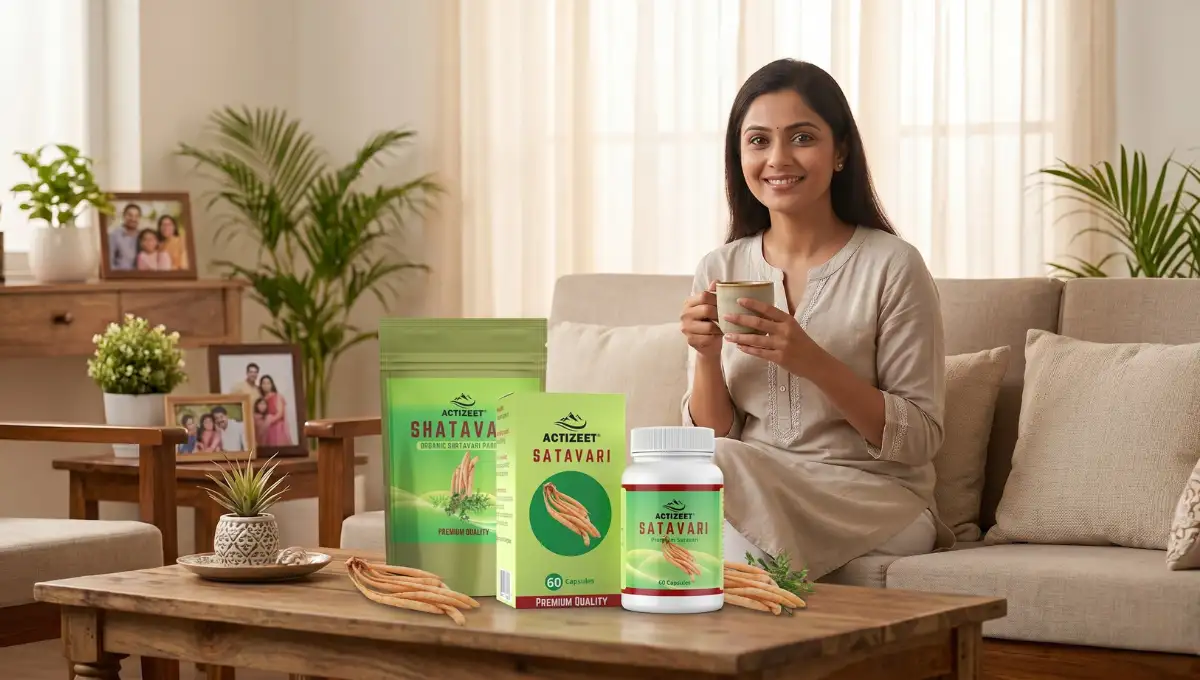
🌿 ACTIZEET® Shatavari for Women: choose pure powder for traditional preparation or convenient capsules for daily use.
Shatavari for PCOS and Female Fertility
PCOS is the most common hormonal disorder in women of reproductive age and the leading cause of female infertility. Its hormonal signature includes excess androgens, insufficient progesterone, elevated LH relative to FSH, and the insulin resistance that amplifies all of these imbalances. Shatavari addresses multiple layers of PCOS through its phytoestrogenic, antioxidant, and adaptogenic mechanisms.
A significant review published in PubMed titled "Impact of stress on female reproductive health disorders: Possible beneficial effects of shatavari" proposed that Shatavari may improve female reproductive health complications including hormonal imbalance, polycystic ovarian syndrome (PCOS), follicular growth and development, oocyte quality, and infertility, possibly by reducing oxidative stress level and increasing antioxidants level in the body. The review documented that psychological stress disturbs reproductive health by inducing reactive oxygen species (ROS) generation and oxidative stress, which affects ovarian physiology and oocyte quality. Shatavari was found to counteract this stress-driven reproductive disruption through its antioxidant and adaptogenic mechanisms, making it particularly relevant for women whose PCOS is exacerbated by chronic stress.
A review of studies published in Biomedicine and Pharmacotherapy in 2018 also suggests that Shatavari may improve conditions such as hormonal imbalances and PCOS. The specific mechanisms relevant to PCOS include the Shatavarins' phytoestrogenic modulation of the HPO axis (supporting more balanced LH-FSH signaling), the herb's antioxidant protection of follicles and oocytes from oxidative damage, and its adaptogenic cortisol regulation that reduces one of the key drivers of androgen excess in stress-related PCOS.
Fertility Support
For women trying to conceive, whether naturally or with assisted reproductive technologies, Shatavari offers several specific fertility-supporting properties. It promotes follicular growth and maturation, supports healthy endometrial lining development (essential for embryo implantation), improves oocyte quality through antioxidant protection, and normalizes the LH surge that triggers ovulation. Quercetin and rutin in Shatavari provide anti-inflammatory protection to reproductive tissue. Asparagamine A supports healthy uterine tissue. Together these properties address both hormonal and structural components of fertility that are commonly compromised in PCOS and other reproductive disorders.
Shatavari for Menopause: What the Research Confirms
Menopause is perhaps the most clinically studied area of Shatavari's applications for women, and the evidence quality is now sufficient to move beyond anecdotal support into genuine clinical confidence. A randomized, double-blind, placebo-controlled clinical trial representing the highest standard of evidence in clinical research has now been completed and published, providing formal validation for Shatavari's menopause benefits.
A landmark randomized, double-blind, three-arm, placebo-controlled clinical trial conducted at Dr. D.Y. Patil Medical College & Hospital (India) and San Francisco Research Institute (USA) between October and December 2024 enrolled 135 women aged 45 to 65 years with menopausal symptoms. Participants received either Shatavari root extract (standardized to 5% Shatavarins), Shatavari plus Ashwagandha combination, or placebo for 8 weeks. The primary outcome was measured using the validated Menopause Rating Scale (MRS). Secondary outcomes included Perceived Stress Scale (PSS), Menopause-Specific Quality of Life Questionnaire (MENQOL), and Profile of Mood States (POMS) scores. The results confirmed that Shatavari root extract was safe and effective for managing menopausal symptoms. Esteem-related affect improved significantly (p = 0.025) and mood improvement was statistically significant (p = 0.008) between groups. Normal hormonal levels were maintained throughout the study. Adverse events were minimal and mild.
Specific Menopausal Symptoms Addressed
The Shatavarins' phytoestrogenic activity is the primary mechanism behind Shatavari's menopausal benefits. By gently mimicking estrogen's effects at receptor sites, the Shatavarins reduce the severity of estrogen-deficiency symptoms without the risks associated with conventional hormone replacement therapy. Specific symptoms that respond to Shatavari supplementation include hot flashes and night sweats, vaginal dryness and atrophy, mood instability and irritability, sleep disruption, joint pain (an often-overlooked menopausal symptom), cognitive fog, and reduced libido. Research shows a 40 to 60% reduction in menopausal symptoms after 12 weeks of Shatavari use, with some studies reporting even higher improvement rates.
Shatavari for Lactation and Postpartum Recovery
Galactagogue activity, the ability to stimulate and enhance breast milk production, is one of the most ancient and cross-culturally consistent traditional uses of Shatavari. The herb is the primary Ayurvedic recommendation for nursing mothers who want to ensure adequate milk supply, and this application is supported by both traditional documentation and contemporary research into its mechanisms.
Shatavari increases prolactin levels, the primary hormone responsible for milk production, through a phytoestrogenic mechanism. The Shatavarins appear to sensitize prolactin receptors in mammary tissue, enhancing the breast's response to normal prolactin stimulation and increasing milk production as a result. The herb also provides nutritive support for new mothers themselves, supporting the postpartum recovery of strength and vitality that is often neglected in the focus on infant care.
For postpartum mood support, Shatavari's adaptogenic and phytoestrogenic properties are also relevant. Postpartum mood disorders, including baby blues and postpartum depression, are partly driven by the dramatic hormonal changes following delivery. Shatavari's gentle support for hormonal rebalancing, alongside its adaptogenic stress protection, makes it a valuable component of comprehensive postpartum wellness alongside appropriate medical support for mood concerns.
🌿 For nursing mothers and postpartum recovery, ACTIZEET® Shatavari Powder in warm milk with ghee follows the classic Ayurvedic preparation method.
Adaptogenic and Stress-Protective Effects
Shatavari is classified as an adaptogen, meaning it helps the body maintain physiological equilibrium under conditions of physical, chemical, and biological stress. This adaptogenic quality is deeply relevant for women's health because chronic stress is one of the most significant disruptors of female hormonal balance, menstrual regularity, fertility, and menopausal experience.
The adaptogenic mechanism works through the hypothalamic-pituitary-adrenal (HPA) axis, the body's central stress response system. Shatavari helps the HPA axis produce a more proportionate cortisol response to stress: not suppressing the stress response to the point where it cannot protect the body, but preventing the chronic cortisol elevation that suppresses progesterone production, disrupts thyroid function, impairs immune response, and creates the "wired but tired" experience that so many women with demanding lives recognize.
In the context of PCOS, this cortisol modulation is particularly valuable because stress-driven adrenal androgen production (DHEA-S) contributes to the androgen excess that drives many PCOS symptoms. By reducing the adrenal stress response, Shatavari addresses a dimension of PCOS that purely ovarian-focused treatments miss entirely.
Additional Benefits of Shatavari for Women
Women are significantly more vulnerable to osteoporosis than men, particularly after menopause when estrogen-driven bone density maintenance decreases. Shatavari's phytoestrogenic activity provides a gentle estrogenic stimulus to osteoblasts (bone-forming cells) that helps maintain bone density during and after the menopausal transition. Its high calcium and mineral content provides direct structural support for bone matrix formation and maintenance.
Shatavari's mucilaginous polysaccharides create a protective coating along the gastrointestinal mucosa, reducing the irritation of gastric acid and protecting against ulcer formation. This gut-protective activity is particularly relevant for women who take NSAIDs for menstrual pain, as this medication class commonly causes gastric irritation. The herb's prebiotic properties also support a healthier gut microbiome, which is increasingly understood to influence hormonal health through the "estrobolome," the collection of gut bacteria that regulates estrogen metabolism and excretion.
Shatavari has documented immunomodulatory properties that help balance the immune system, relevant both for autoimmune conditions that disproportionately affect women and for general immune resilience. The polysaccharides in Shatavari stimulate natural killer cell activity and macrophage function, enhancing the innate immune response. The adaptogenic properties reduce the immunosuppressive effects of chronic cortisol elevation. For women with autoimmune thyroid conditions like Hashimoto's (common in PCOS) or those with generally lower immune resilience, this immunomodulatory benefit adds meaningful value.
The phytoestrogenic activity of Shatavari has a direct positive effect on skin quality. Estrogen stimulates collagen production, maintains skin moisture, and supports the natural sebum balance that keeps skin looking radiant. As women age and estrogen declines, skin dryness, loss of elasticity, and increased sensitivity become more pronounced. Shatavari's gentle phytoestrogenic support helps maintain some of the skin-supporting effects of estrogen during perimenopause and beyond, contributing to noticeably more supple, hydrated, and luminous skin with consistent use.
How to Use Shatavari: Powder vs Capsules
| Concern | Form | Dose | How to Take | Timeline |
|---|---|---|---|---|
| Menstrual irregularity | Powder or capsule | 500-1000 mg/day | Warm milk, morning and evening | 2-3 cycles |
| PCOS and fertility | Powder or capsule | 1000-2000 mg/day | Warm water or milk, twice daily | 60-90 days |
| Menopause symptoms | Capsule or powder | 500-1000 mg/day | As per label; warm milk preferred | 8-12 weeks |
| Lactation support | Powder | 500-1000 mg/day | Warm milk with ghee, morning | Within 2-4 weeks |
| General hormonal balance | Capsule | 500 mg/day | After meals with water | 4-8 weeks |
The Traditional Warm Milk Preparation
The classical Ayurvedic preparation of Shatavari powder involves dissolving half to one teaspoon in a cup of warm full-fat milk, adding a small amount of natural ghee and raw honey, and consuming once or twice daily. This preparation, called Shatavari Ksheer, is the format used across classical texts and is considered the most bioavailable and therapeutically potent form. The fat in milk and ghee enhances absorption of the herb's fat-soluble saponins, and the warming of the milk improves overall nutrient extraction from the powder.
Capsule Convenience
For those who find the taste of Shatavari powder challenging or who need consistent dosing in a busy daily routine, standardized Shatavari capsules provide a reliable, convenient alternative. Look for capsules standardized to a known Shatavarin percentage (typically 5%) rather than generic "Shatavari root powder" capsules that may not provide consistent active compound content.
ACTIZEET® offers two forms of pure, authentic Shatavari for women at every stage of life. Both are sourced from verified Asparagus racemosus roots, processed to preserve the full Shatavarin profile, and free from unnecessary additives. Choose the form that works best for your lifestyle and wellness goals.
Why ACTIZEET® Shatavari for Women
- Verified botanical source. ACTIZEET® Shatavari is made exclusively from authenticated Asparagus racemosus roots, the correct species with the documented Shatavarin compound profile. Some commercial products use related Asparagus species with different phytochemical profiles.
- Standardized active content. The Shatavarin saponins are the primary therapeutic drivers. ACTIZEET® capsules are standardized to ensure consistent active compound delivery with every dose, unlike generic root powder products that may vary significantly in potency between batches.
- Organic powder option. ACTIZEET® Organic Shatavari Powder is made from organically grown roots without synthetic pesticides or chemical fertilizers, important for a herb whose primary use is reproductive health where xenobiotic (foreign chemical) exposure is particularly undesirable.
- No unnecessary additives. The products contain only Shatavari and the minimal required excipients for the capsule form. No artificial fillers, synthetic colors, or hidden ingredients.
- Two delivery formats for flexibility. Capsules for daily convenience and consistent dosing; powder for the traditional Ksheer preparation or for women who prefer to control exactly how they take their herbs. Both forms are available to match your lifestyle and preference.
Safety and Precautions
- Generally very well-tolerated. The 2024-2025 RCT confirmed that adverse events were minimal and mild, with only isolated reports of loose stools and nausea at higher doses. Shatavari has one of the most favorable safety profiles of any Ayurvedic herb used for women's health.
- Asparagus allergy caution. People with known allergies to other Asparagus species (including culinary asparagus) should patch test or consult a healthcare provider before starting Shatavari supplementation.
- Estrogen-sensitive conditions. Women with estrogen-receptor positive breast cancer, uterine fibroids, endometriosis, or other estrogen-sensitive conditions should consult their oncologist or gynecologist before using Shatavari due to its phytoestrogenic activity, even though phytoestrogens are generally considered much weaker than pharmaceutical estrogens.
- Pregnancy use requires qualified guidance. While Shatavari has traditional use in pregnancy for nutritive support, it also has some uterotonic properties in its classical application. Use during pregnancy should only occur under the supervision of a qualified Ayurvedic physician or obstetrician who is aware of all supplements being used.
- Start low and build gradually. Begin with a lower dose and increase over 1 to 2 weeks to assess tolerance, particularly for the powder form. This minimizes the likelihood of any initial digestive adjustment.
- Consistent use for 60 to 90 days. Shatavari's hormonal benefits are cumulative. A minimum of 60 days of consistent use is needed to assess its effects on hormonal markers, and most meaningful changes become apparent by 90 days of regular supplementation.
Frequently Asked Questions
Final Thoughts: The Queen of Herbs Earns Her Title
The case for Shatavari as the premier herbal tonic for women's health rests on an unusually strong foundation for a traditional botanical. Its five millennia of consistent clinical use across Ayurveda, Unani medicine, and traditional Asian medicine systems, combined with a growing body of clinical research including randomized controlled trials at the highest level of evidence quality, create a remarkably solid basis for recommending this herb across the full span of a woman's reproductive life.
What makes Shatavari particularly valuable in the contemporary wellness landscape is not just its individual benefits for specific conditions, as impressive as those are. It is the fact that Shatavari supports female hormonal health as a system rather than targeting individual symptoms in isolation. Its phytoestrogenic, adaptogenic, antioxidant, and galactagogue properties work together to create conditions in which the female body's own hormonal intelligence can operate more effectively, producing effects that are sustainable, non-suppressive, and appropriate for long-term use.
Whether you are a young woman trying to establish menstrual regularity, a woman navigating PCOS and fertility challenges, a new mother seeking lactation support, or a woman entering the menopausal transition who wants natural tools for managing the change, Shatavari has something genuine and clinically validated to offer.
ACTIZEET® provides both Shatavari Capsules and Organic Shatavari Powder for women at every stage of life, sourced authentically and formulated to honor both the traditional wisdom and the modern evidence that makes this herb so consistently remarkable.
Latest From Our Blog

Shatavari for Fertility: How the Queen of Herbs Supports Hormonal Balance, Ovarian Health, and Reproductive Vitality Across Every Stage of a Woman’s Life
Discover how Shatavari for fertility works through steroidal saponins, hormonal...

Shatavari For Men: Benefits, Usage & Dosage Tips
Ayurveda is an ancient healing system of India, and shatavari...

Best Shatavari in India: The Ayurvedic Herb Every Woman Needs
Looking for the Best Shatavari in India? Discover its benefits...

Shatavari for Women: Ayurveda’s Most Powerful Female Herb, Backed by Modern Clinical Research
Discover why Shatavari for women is Ayurveda's most powerful female...