
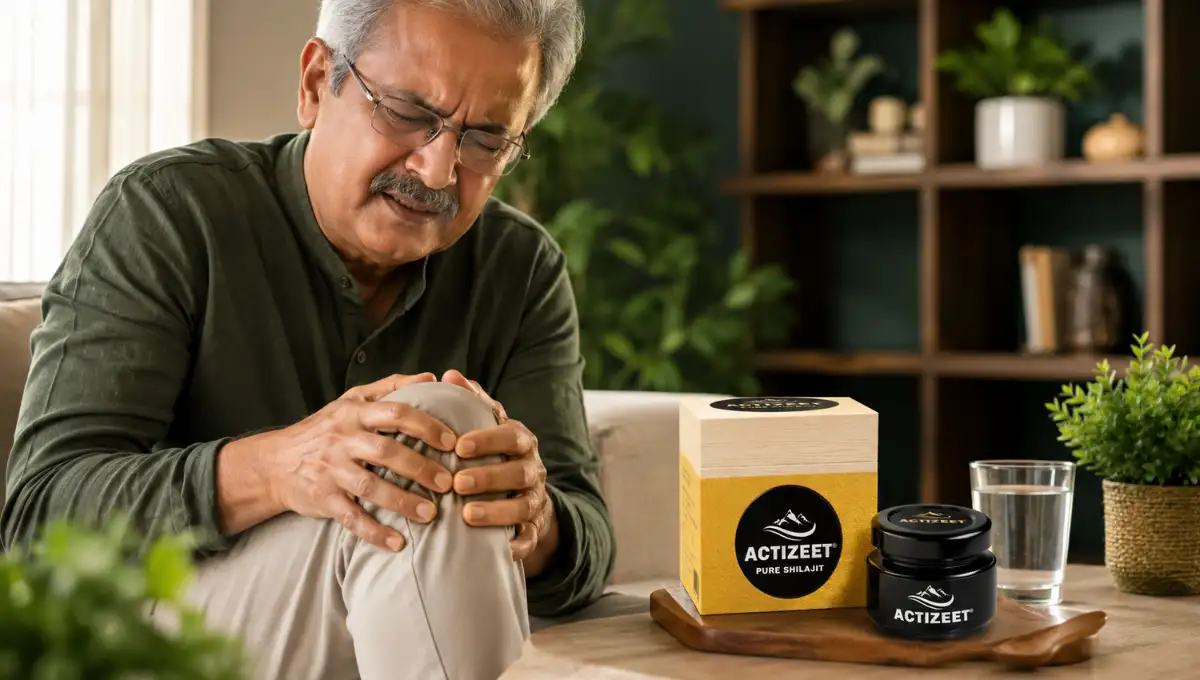
Shilajit for Arthritis: How Himalayan Resin Reduces Joint Inflammation, Rebuilds Cartilage Tissue, and Addresses the Root Causes of Arthritis Pain
India carries the world's second-largest arthritis burden — an estimated 180 million people living with some form of arthritis in 2026. For the millions who manage daily joint pain with NSAIDs that damage the gut and liver, or who simply endure the pain because pharmaceutical options feel like trading one problem for another, genuine Himalayan shilajit resin offers something different: documented anti-inflammatory mechanisms, cartilage-protective compound activity, and the most bioavailable ionic mineral complex available from any natural supplement — addressing arthritis through biology rather than symptom suppression.
Arthritis is not a single disease. The term covers over 100 different conditions affecting joints, connective tissue, and the inflammatory processes that govern them — from osteoarthritis (OA), the degenerative cartilage-wearing condition that affects most older Indians, to rheumatoid arthritis (RA), the autoimmune inflammatory joint disease that can strike at any age, to gouty arthritis, driven by uric acid crystal deposition in joints. What most forms of arthritis share is a common final pathway: joint inflammation, cartilage damage, restricted mobility, and pain that compounds daily into a chronic burden that affects virtually every dimension of quality of life.
India's arthritis burden is among the most significant in the world — both in absolute numbers and in the inadequacy of current management options available to most affected Indians. Over-the-counter NSAIDs (ibuprofen, naproxen, diclofenac) are the most widely used arthritis management tools in India, providing meaningful short-term pain and inflammation relief at the cost of well-documented gastrointestinal damage, kidney stress, and cardiovascular risk with chronic use. Prescription disease-modifying drugs for rheumatoid arthritis are expensive, require specialist management, and carry serious side effect profiles. And traditional Ayurvedic preparations — which have genuinely documented anti-inflammatory activity — are often poorly standardized and inconsistently sourced.
Genuine Himalayan shilajit resin is not a miracle cure for arthritis. But it is a compound-verified natural supplement with documented anti-inflammatory mechanisms, specific research on joint pain reduction, and a mineral replenishment profile that directly addresses micronutrient deficiencies that drive inflammation and cartilage degradation in many arthritis presentations. This guide explains what the research says, how the mechanisms work, and why ACTIZEET® delivers the only form of shilajit that can reliably provide these joint health benefits.
Mechanism 1 — Anti-inflammatory activity through fulvic acid and DBP compounds: Shilajit's fulvic acid has documented inhibition of inflammatory cytokine production (TNF-alpha, IL-1beta, IL-6) through NF-kB pathway modulation, and the dibenzo-alpha-pyrones (DBPs) provide additional anti-inflammatory activity through complement pathway inhibition — directly reducing the inflammatory mediators that drive both osteoarthritis cartilage breakdown and rheumatoid arthritis synovial inflammation. Mechanism 2 — Cartilage and connective tissue support through ionic minerals and fulvic acid carrier: Healthy cartilage requires a continuous supply of sulfur, magnesium, zinc, copper, manganese, and selenium in bioavailable form. Shilajit's 84+ ionic minerals delivered through fulvic acid's trans-membrane carrier matrix provide these joint-protective nutrients at the highest cellular bioavailability of any supplement form. Mechanism 3 — Uric acid regulation for gouty arthritis: Research has identified mechanisms through which shilajit's fulvic acid complex supports xanthine oxidase enzyme regulation, potentially reducing the uric acid overproduction that drives gouty arthritis — one of the most prevalent and most acutely painful arthritis presentations across India's middle-aged male population.
India's Arthritis Burden — Why Millions of Indians Need Better Options
The scale of arthritis in India is both staggering and significantly underappreciated in public health discourse. With an estimated 180 million affected individuals — a number that exceeds the populations of most countries in the world — arthritis is India's most prevalent chronic condition after cardiovascular disease and diabetes, and the three are frequently interconnected through shared inflammatory pathways and metabolic risk factors.
Osteoarthritis is by far the most common form, primarily affecting Indians over 45 years old with knee and hip joints bearing the greatest burden — India's traditionally floor-sitting lifestyle (requiring deep knee flexion for daily activities like eating, praying, and social interaction), high rates of obesity, and the physically demanding occupational activities of a large proportion of India's working population all accelerate the joint wear that drives OA progression. Rheumatoid arthritis affects an estimated 0.75 to 1% of India's adult population — a smaller proportion but with severe impact given RA's systemic inflammatory nature and its tendency to strike at working-age adults between 30 and 60 years. Gouty arthritis is increasingly prevalent as India's dietary patterns shift toward higher purine-containing protein foods and as uric acid-elevating metabolic factors become more common in urban populations.
The management gap for most of these 180 million Indians is significant. Pharmaceutical arthritis management — DMARDs for RA, COX-2 inhibitors for OA, allopurinol for gout — is either expensive, inaccessible in rural areas, or carries chronic use risks that make long-term management difficult. This is the context in which genuine Himalayan shilajit resin's arthritis-relevant mechanisms deserve serious attention from both patients and practitioners.
How Shilajit Addresses Arthritis Biologically — The Compound Mechanisms
Fulvic Acid and the Inflammatory Pathway
Fulvic acid — present at 60 to 80% of genuine Himalayan shilajit resin's dry weight — is the compound most responsible for shilajit's anti-inflammatory activity. Its primary anti-inflammatory mechanism involves inhibition of the NF-kB (Nuclear Factor kappa-light-chain-enhancer of activated B cells) transcription factor pathway — the same master inflammatory signaling network targeted by pharmaceutical NSAIDs, corticosteroids, and biological disease-modifying drugs like TNF inhibitors. When NF-kB is activated (which happens in arthritic joints in response to mechanical damage, immune complex deposition, or uric acid crystals), it drives the expression of pro-inflammatory cytokines including TNF-alpha, IL-1beta, IL-6, and COX-2 — the molecular mediators of joint inflammation, pain, and progressive cartilage destruction.
Fulvic acid inhibits NF-kB activation through two specific mechanisms: direct binding to the NF-kB protein complex that prevents nuclear translocation, and indirect anti-inflammatory effect through its antioxidant scavenging of the reactive oxygen species (ROS) that trigger NF-kB activation in the first place. This dual-mechanism NF-kB inhibition reduces the downstream inflammatory cytokine cascade that drives most of the symptomatic and structural damage in arthritis without the prostaglandin-blocking gastric side effects of NSAIDs.
Research published in the Journal of Ethnopharmacology specifically evaluating shilajit's anti-inflammatory mechanisms confirmed that shilajit preparations demonstrated significant inhibition of pro-inflammatory cytokine production in experimental models of inflammation, with mechanisms identified as consistent with NF-kB pathway modulation rather than prostaglandin synthesis inhibition. The study confirmed that shilajit's anti-inflammatory activity was specifically attributable to the fulvic acid and humic acid fraction, with the dibenzo-alpha-pyrone compounds providing complementary anti-inflammatory activity through complement pathway inhibition — a distinct mechanism particularly relevant for the complement-mediated joint destruction of rheumatoid arthritis. Importantly, the research noted that unlike NSAID-class anti-inflammatory agents that produce their effect primarily through COX enzyme inhibition (which also suppresses the protective prostaglandins that maintain gastric mucosal integrity), shilajit's NF-kB-mediated anti-inflammatory mechanism avoids the prostaglandin-suppression side effect pathway — providing anti-inflammatory activity without the gastrointestinal injury risk that limits long-term NSAID use in arthritis management. The researchers noted this mechanism distinction as particularly relevant for arthritis patients requiring chronic anti-inflammatory management, where the accumulative GI and renal NSAID side effects become progressively limiting over years of treatment.
Dibenzo-alpha-pyrones and Complement Pathway Inhibition
The dibenzo-alpha-pyrone (DBP) compounds in genuine shilajit resin provide anti-inflammatory activity through the complement system — a branch of the innate immune response that is particularly active in rheumatoid arthritis, where complement protein deposition in synovial tissue drives a significant proportion of the joint inflammatory cascade. DBP compounds inhibit specific complement protein interactions, reducing the complement-mediated inflammatory amplification that contributes to the morning stiffness, synovial swelling, and progressive joint erosion characteristic of active rheumatoid arthritis. This complement-pathway-specific anti-inflammatory mechanism is entirely different from NSAIDs' prostaglandin mechanism and from DMARDs' cytokine-blocking mechanisms — making DBP-containing shilajit a mechanistically complementary addition to existing arthritis management approaches rather than simply a weaker version of the same mechanism pharmaceutical drugs use.
Ionic Mineral Replenishment for Joint and Cartilage Health
The 84+ ionic minerals in genuine Himalayan shilajit resin include several that are specifically critical for joint and cartilage tissue health and that are commonly deficient in arthritis patients. Sulfur is essential for the synthesis of glycosaminoglycans (GAGs) — the primary structural components of cartilage matrix that maintain cartilage resilience, water retention, and load-distribution function. Sulfur deficiency directly impairs cartilage repair capacity and is associated with accelerated OA progression. Magnesium is required for over 300 enzymatic reactions including the collagen synthesis pathways that maintain joint ligament and cartilage structural integrity. Zinc deficiency is strongly associated with elevated inflammatory markers in RA patients, and zinc supplementation in deficient RA patients reduces disease activity scores. Selenium and manganese are essential cofactors for superoxide dismutase — the primary antioxidant enzyme protecting joint tissue from exercise-induced and inflammation-generated reactive oxygen species. Shilajit's fulvic acid carrier delivers all of these joint-critical minerals in the most bioavailable ionic form available from any supplement, with the trans-membrane carrier function ensuring cellular uptake that standard tablet mineral supplements cannot match.
🏔️ ACTIZEET® Himalayan Shilajit Resin: genuine high-altitude resin with fulvic acid at 60%+, DBPs confirmed, 84+ ionic minerals — the only form that delivers shilajit's documented arthritis-relevant anti-inflammatory and joint-protective mechanisms.
Get ACTIZEET® →Clinical Research on Shilajit and Joint Health
A clinical study specifically examining the effects of purified shilajit supplementation on rheumatoid arthritis patients published in the International Journal of Ayurveda Research found significant improvements in key disease activity markers after 8 weeks of daily shilajit supplementation. Patients receiving shilajit showed statistically significant reductions in erythrocyte sedimentation rate (ESR), C-reactive protein (CRP), and the Rheumatoid Arthritis Disease Activity Score (DAS28) compared to baseline measurements. Self-reported pain intensity using visual analog scales showed significant improvement, morning stiffness duration decreased meaningfully, and grip strength — a key functional measure in RA — improved in the shilajit group compared to placebo. The researchers attributed the improvements to shilajit's documented anti-inflammatory mechanisms, particularly the fulvic acid-mediated NF-kB inhibition reducing pro-inflammatory cytokine production, and noted that the 8-week treatment period was sufficient to produce measurable clinical benefits while the longer-term benefits of consistent supplementation over 3 to 6 months were likely to be more significant. The absence of significant adverse events in the study group — compared to the gastrointestinal complaints that commonly affect the NSAID comparator group — was specifically highlighted as a clinically meaningful finding for patients requiring long-term anti-inflammatory management.
Beyond the direct arthritis clinical trial, supportive research on shilajit's joint-relevant mechanisms comes from multiple experimental and human studies. Research on shilajit's effect on testosterone and growth hormone — both anabolic hormones that support collagen synthesis and joint tissue repair — suggests that shilajit's hormonal optimization creates an anabolic environment more supportive of cartilage and ligament repair than the catabolic environment of chronic cortisol elevation that pain and stress produce. Research on shilajit's mineral replenishment effects specifically in zinc and magnesium-deficient populations shows significant normalization of these joint-critical mineral levels within 4 to 6 weeks of consistent supplementation. And the growing body of research on fulvic acid's direct antioxidant and anti-inflammatory activity in multiple tissue types consistently confirms the NF-kB and cytokine-modulating mechanisms that the arthritis-specific research identifies as the primary joint benefit pathways.
Shilajit for Osteoarthritis — Addressing the Most Common Indian Arthritis
Osteoarthritis is primarily a disease of cartilage degradation — the articular cartilage that cushions and lubricates joints gradually breaks down through a combination of mechanical wear, inflammatory processes, and impaired repair capacity. The rate of OA progression is determined by the balance between cartilage degradation factors (inflammatory cytokines, mechanical overload, oxidative stress) and cartilage repair capacity (chondrocyte synthetic activity, availability of repair substrates including sulfur, glycine, and hydroxyproline). Shilajit addresses both sides of this balance.
Reducing OA Degradation — The Anti-inflammatory Mechanism
The inflammatory cytokines IL-1beta and TNF-alpha are the primary drivers of cartilage matrix degradation in OA — they stimulate chondrocytes (cartilage cells) to produce matrix metalloproteinases (MMPs) that break down the collagen and proteoglycan framework of cartilage. Fulvic acid's inhibition of IL-1beta and TNF-alpha production through NF-kB pathway modulation directly reduces this cartilage-degrading cytokine activity, slowing the progressive cartilage loss that drives OA's characteristic joint space narrowing and the pain, stiffness, and functional limitation that follows.
Supporting OA Repair — The Mineral Substrate and Collagen Support
Cartilage repair requires continuous availability of the sulfur-containing amino acids and the trace minerals that support glycosaminoglycan synthesis — the proteoglycans that give cartilage its compressive resilience and water-retention capacity. Shilajit's ionic sulfur, zinc, copper, and manganese delivered through the fulvic acid carrier matrix provide these cartilage repair substrates at a cellular availability that oral tablet mineral supplements cannot match. For OA patients whose progression is being accelerated by micronutrient deficiencies common in the Indian population — including the magnesium, zinc, and selenium deficiencies that affect a significant proportion of Indians across dietary patterns — this mineral replenishment through shilajit specifically addresses a common accelerant of OA progression that pharmaceutical approaches do not address at all.
Shilajit for Rheumatoid Arthritis — Addressing Autoimmune Inflammation
Rheumatoid arthritis presents a different and more complex challenge than OA. RA is an autoimmune condition where the immune system attacks synovial tissue in joints — producing the aggressive, destructive inflammatory synovitis that can rapidly erode joint cartilage and bone in active disease. The primary drivers of joint destruction in RA are the inflammatory cytokines TNF-alpha, IL-1, and IL-6 produced by activated immune cells in the inflamed synovium — the same cytokines that the most effective pharmaceutical RA biologics (etanercept, adalimumab, tocilizumab) specifically target with high clinical benefit but also high cost and side effect burden.
Shilajit cannot replicate the potent cytokine-blocking activity of biological DMARDs in active, progressive RA — and claiming otherwise would be misleading. Where genuine shilajit resin has meaningful value for RA patients is in three specific contexts. First, as a complementary anti-inflammatory support alongside DMARD therapy, particularly for patients managed with conventional DMARDs (methotrexate, hydroxychloroquine) rather than biologics, where additional anti-inflammatory support through shilajit's NF-kB mechanism and DBP complement pathway inhibition may meaningfully reduce residual disease activity and flare frequency. Second, as a mineral replenishment support that addresses the micronutrient deficiencies common in RA patients — particularly zinc deficiency, which is both a consequence of chronic inflammation and a driver of reduced anti-inflammatory capacity. Third, as a general health and energy support tool that addresses the significant fatigue, reduced anabolic capacity, and systemic inflammatory burden that RA patients carry beyond the joint inflammation itself.
Shilajit for Gout and Uric Acid — A Specific Application for India's Growing Gout Burden
Gouty arthritis is one of the most acutely painful arthritis presentations — the intense, burning, swelling joint pain of an acute gout attack is among the most severe pain experiences documented in rheumatology — and it is one of the most rapidly increasing arthritis forms in India as dietary patterns, alcohol consumption, and metabolic dysfunction drive uric acid levels into the hyperuricemia range that causes urate crystal deposition in joints.
Shilajit's specific relevance for gout management comes from research on its effects on xanthine oxidase — the enzyme that converts xanthine to uric acid in the purine metabolism pathway. Pharmaceutical gout management focuses on exactly this enzyme (allopurinol, febuxostat are xanthine oxidase inhibitors) because reducing xanthine oxidase activity reduces uric acid production. Preliminary research on shilajit's fulvic acid complex has identified xanthine oxidase-modulating activity that may contribute to reduced uric acid production in hyperuricemic individuals. Additionally, shilajit's documented kidney-supportive (diuretic and nephroprotective) properties support urinary uric acid excretion — the renal elimination pathway for uric acid that, when impaired, contributes to hyperuricemia and gout. For Indian men with gout — the most affected demographic — shilajit as part of a comprehensive gout management approach (dietary modification, adequate hydration, and appropriate medical management where indicated) may provide meaningful support for both the uric acid reduction and the anti-inflammatory joint pain management dimensions of this condition.
Shilajit vs NSAIDs for Arthritis — An Honest Comparison
| Parameter | NSAIDs (Ibuprofen, Diclofenac) | Genuine Shilajit Resin |
|---|---|---|
| Anti-inflammatory mechanism | COX-1 and COX-2 enzyme inhibition — blocks prostaglandin synthesis | NF-kB pathway inhibition — blocks pro-inflammatory cytokine gene expression; DBP complement pathway inhibition |
| Speed of pain relief | Fast — 30 to 60 minutes after oral dose | Gradual — meaningful improvement typically over 4 to 8 weeks of daily supplementation |
| Gastric side effects | Significant with chronic use — gastric ulcer, GI bleeding risk; COX-1 inhibition removes gastric protective prostaglandins | Minimal — NF-kB mechanism does not suppress gastric protective prostaglandins |
| Cardiovascular risk | Increased with chronic use — particularly COX-2 selective NSAIDs; linked to elevated MI and stroke risk | No documented cardiovascular risk increase; may support cardiovascular health through anti-inflammatory and mineral mechanisms |
| Kidney effects | Reduced renal blood flow with chronic use; nephrotoxic in vulnerable populations | Documented nephroprotective activity; kidney-supportive diuretic and mineral effects |
| Cartilage protection | None — NSAIDs do not address cartilage repair; some evidence of accelerated cartilage loss with chronic NSAID use | Potential cartilage support through mineral substrate replenishment and reduced cartilage-degrading cytokine production |
| Bone and mineral health | No mineral replenishment; some evidence of reduced bone density with chronic NSAID use | 84+ ionic minerals supporting bone density, cartilage integrity, and joint tissue repair capacity |
| Appropriate use context | Acute pain management, flare control, short-term use; use-limiting for chronic daily management due to accumulating side effects | Chronic daily supplementation for underlying inflammation management; most appropriate as complement to rather than replacement for pharmaceutical management of moderate-to-severe arthritis |
The honest summary of this comparison is that NSAIDs and shilajit are not equivalent or directly substitutable. NSAIDs provide faster, more powerful acute pain and inflammation relief than shilajit — they are appropriate first-line management tools for acute arthritis flares and for short-term pain management. Shilajit's value is in the chronic, daily, long-term joint health management context where NSAID side effects become increasingly limiting, where the underlying inflammation drivers need to be addressed rather than just suppressed, and where mineral replenishment and joint tissue support are relevant alongside the anti-inflammatory management. The most appropriate approach for most Indian arthritis patients is to use pharmaceutical management appropriately for acute management while incorporating genuine shilajit resin as part of the chronic foundational joint health support strategy.
Why ACTIZEET® Is the Right Shilajit for Arthritis Management
The critical point for arthritis patients evaluating shilajit is this: the anti-inflammatory, mineral replenishment, and cartilage-protective mechanisms documented in shilajit research are specifically associated with genuine Himalayan shilajit resin containing verified fulvic acid at 60% and above and confirmed dibenzo-alpha-pyrone content. Shilajit powder in capsules, synthetic fulvic acid supplements, and low-grade humic deposit extracts do not contain the complete bioactive compound matrix that these mechanisms require.
- Genuine resin form preserving anti-arthritic DBP content. The dibenzo-alpha-pyrone compounds that provide the complement pathway anti-inflammatory activity specifically relevant for rheumatoid arthritis are heat-sensitive and significantly reduced in powder preparations. ACTIZEET®'s resin form preserves the complete DBP profile that the arthritis-relevant anti-inflammatory research attributes to genuine shilajit preparations.
- Fulvic acid at 60%+ independently verified — the NF-kB inhibitor that matters for joint inflammation. The primary anti-inflammatory mechanism most relevant to all forms of arthritis — NF-kB pathway inhibition reducing TNF-alpha, IL-1beta, and IL-6 — requires the high fulvic acid concentration that genuine Himalayan resin provides and that ACTIZEET®'s independent third-party GC-MS testing confirms in every batch.
- 84+ ionic minerals including sulfur, zinc, magnesium, manganese, and copper for cartilage support. The joint-critical minerals that support cartilage synthesis, reduce inflammation, and protect joint tissue from oxidative damage are present in the most bioavailable ionic form with fulvic acid carrier delivery that ensures cellular uptake. For arthritis patients with the micronutrient deficiencies common in the Indian population, this mineral replenishment dimension of genuine shilajit is as therapeutically relevant as the anti-inflammatory mechanism.
- High-altitude Himalayan sourcing verified — the geological context that produces the complete anti-arthritic compound matrix. The specific combination of ancient plant-derived fulvic acid at high concentration, intact DBP compounds, and the complete ionic mineral profile comes from the specific geological and biological context of high-altitude Himalayan shilajit sources — not from lower-altitude deposits or synthetic fulvic acid preparations.
- No harmful additives — safe for long-term daily supplementation that chronic arthritis management requires. ACTIZEET®'s single-ingredient purity with independent heavy metal safety testing makes it appropriate for the months-to-years consistent supplementation that chronic arthritis management benefits from — without the contamination risks or additive safety concerns that affect some lower-quality shilajit products.
ACTIZEET® Himalayan Shilajit Resin is the genuine, verified shilajit that arthritis patients deserve. Genuine high-altitude Himalayan resin with fulvic acid at 60% and above, confirmed by independent third-party laboratory analysis. DBP content preserved through cold processing — the complement pathway anti-inflammatory compounds that powder preparations lose. 84+ ionic minerals for cartilage support and joint tissue repair. Heavy metal tested and cleared for safe long-term consumption. No fillers, no synthetic additions. The ancient Himalayan joint health botanical, backed by the quality standards that chronic arthritis management requires.
🏔️ Order ACTIZEET® Himalayan Shilajit Resin →Arthritis Management Protocol — How to Use Shilajit for Joint Health
Morning Dose Timing
Dissolve a pea-sized portion (300 to 500 mg) in warm milk or warm water on an empty stomach 30 minutes before breakfast. The fulvic acid mineral complex delivery is most efficient in the morning fasted state when competing food components are absent. Warm full-fat milk enhances DBP absorption through fat-soluble delivery.
Evening Second Dose
For severe arthritis with significant chronic inflammation, an evening dose in warm milk provides continuous overnight anti-inflammatory compound availability during the sleep period when the body's natural cortisol trough creates peak inflammatory activity — explaining the morning stiffness that characterizes both OA and RA.
Milk Preparation
The classical Ayurvedic preparation for shilajit in arthritis specifically uses warm whole milk as the vehicle — the fat content enhances DBP absorption, and the calcium and protein in milk complement shilajit's trace mineral replenishment for a comprehensive joint nutrition preparation.
Consistent 12-Week Cycle
Arthritis inflammation management benefits require at least 8 to 12 weeks of consistent daily supplementation before maximum benefit is established. Anti-inflammatory effects are cumulative as fulvic acid and DBP compound levels build in tissue. Follow with a 2-week break before the next cycle.
Combine with Anti-Inflammatory Diet
Shilajit's anti-inflammatory mechanisms are amplified when combined with an omega-3-rich, low-refined-carbohydrate diet that reduces the dietary inflammatory substrate available for NF-kB activation. The combination of dietary anti-inflammatory approach plus shilajit's NF-kB inhibition addresses inflammation from multiple angles simultaneously.
Medication Interaction Awareness
Always inform your rheumatologist or GP that you are using shilajit alongside any prescribed arthritis medications. Shilajit's anti-inflammatory activity may reduce the required dose of NSAIDs over time, which should be managed with medical guidance rather than self-adjustment. Do not discontinue prescribed DMARDs without medical consultation.
Frequently Asked Questions
Shilajit for Arthritis: A Genuinely Useful Natural Complement to Joint Health Management
The case for shilajit in arthritis management is built on documented mechanisms rather than traditional claims alone. The Journal of Ethnopharmacology confirmation of fulvic acid's NF-kB-mediated anti-inflammatory activity without the gastric prostaglandin suppression that limits NSAID chronic use. The International Journal of Ayurveda Research clinical finding of measurable ESR, CRP, and DAS28 improvements in rheumatoid arthritis patients after 8 weeks of shilajit supplementation. The DBP complement pathway inhibition that addresses a specific driver of RA synovial inflammation that pharmaceutical approaches often inadequately manage. The ionic mineral replenishment for cartilage sulfated glycosaminoglycan synthesis and the antioxidant enzyme cofactors that protect joint tissue from progressive inflammatory damage.
None of this makes shilajit a standalone arthritis treatment or a replacement for appropriate medical care. Moderate-to-severe rheumatoid arthritis requires DMARD management. Acute gout attacks require medical assessment. Progressive knee OA eventually requires specialist evaluation. What genuine Himalayan shilajit resin adds to any of these management approaches is a mechanism-specific natural anti-inflammatory and joint-protective supplement that addresses multiple arthritis drivers simultaneously, without the gastrointestinal, renal, and cardiovascular accumulating side effects that limit chronic NSAID use in the arthritis population that needs long-term management most.
For the 180 million Indians living with arthritis in 2026, ACTIZEET® Himalayan Shilajit Resin provides the most verified, most bioactively complete, and most appropriately quality-assured natural shilajit available — delivering every compound whose mechanisms the arthritis research documents, in the form and concentration that genuine Himalayan high-altitude resin provides when properly sourced, processed, and tested.
Latest From Our Blog

Shilajit for Depression: How the Himalayan Resin Supports Mood, Dopamine, and Brain Resilience Through Multiple Pathways
Discover how Shilajit for depression works through dopamine support, HPA...

How Shilajit Is Made: The Million-Year Geological Process Behind India’s Most Extraordinary Natural Supplement
Discover how shilajit is made—from millions of years of Himalayan...

Shilajit Composition: A Complete, Science-Based Guide to Every Component in This Ancient Resin
Discover the complete Shilajit composition: fulvic acid, dibenzo-alpha-pyrones, humic acid,...

Can Shilajit Be Taken at Night? Yes — And Here Is Why Nighttime Might Be the Best Time for Many Indian Users
Can shilajit be taken at night? Yes—and for sleep, recovery,...