
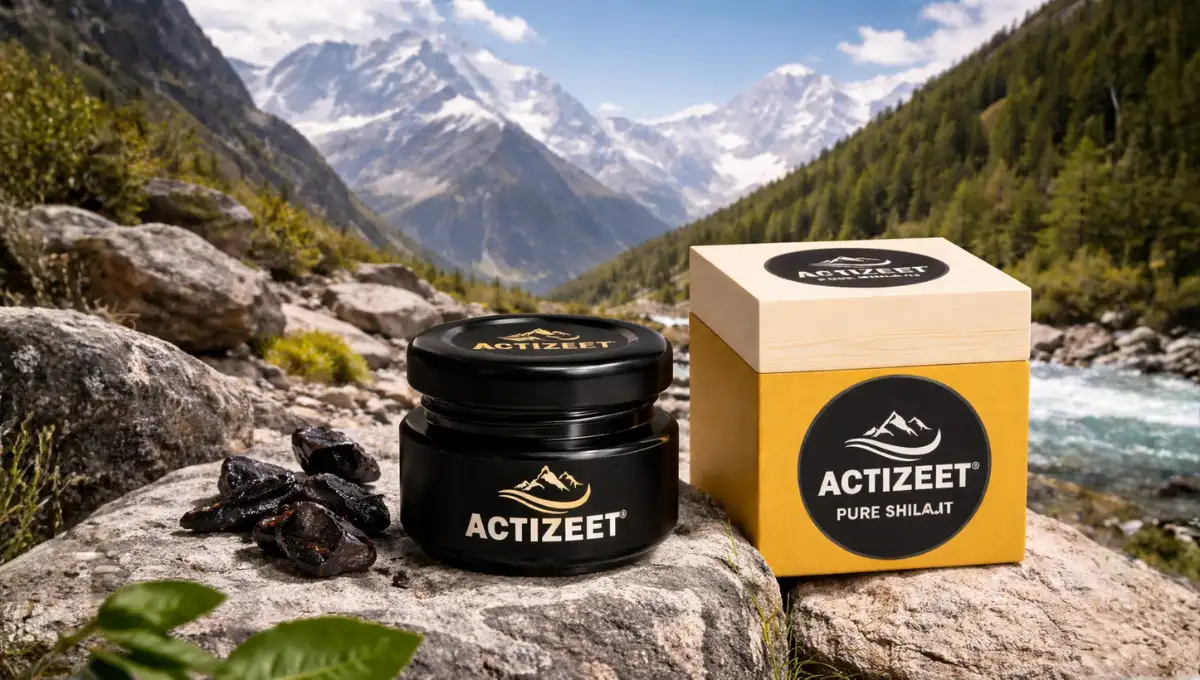
Shilajit is one of the most extraordinary substances in Ayurvedic medicine, and yet most people who use it or consider using it know very little about where it actually comes from. They know it is from the mountains. They know it is black and sticky. They know it is supposed to be powerful. But beyond that, the picture gets fuzzy.
That matters. Because with shilajit, origin is not just a label detail. It is the single most important factor in determining whether the product you are holding is genuinely therapeutic or an expensive imitation that will deliver nothing beyond disappointment.
This guide gives you a thorough, geographically grounded answer to the question of where shilajit is found in India. It covers the specific mountain ranges and regions involved, the geological and ecological conditions that make genuine shilajit possible, how altitude and environmental factors affect quality, and what all of this means when you are making a purchasing decision.
By the end, you will understand shilajit at a level that most consumers never reach, and that knowledge will help you make choices that actually deliver results.
What Is Shilajit and How Does It Form?
Before diving into geography, it helps to understand what shilajit actually is and how it comes to exist. Shilajit is not a mineral ore, a plant extract, or a manufactured compound. It is a complex organic substance that forms over hundreds to thousands of years through a very specific natural process.
In high-altitude mountain environments, plant matter, primarily mosses, lichens, small shrubs, and organic debris, accumulates in rock crevices over long geological periods. As this organic matter is compressed between layers of rock and subjected to the extreme temperature variations that characterize high-altitude environments, cold winters and intense summer heat cycling over centuries, the organic material undergoes a slow humification process. The result is a dense, mineral-saturated resinous substance that gradually seeps out of rock cracks and crevices during the warmer months.
The geological composition of the surrounding rock plays a significant role in shilajit’s final chemical profile. Different rock formations contribute different mineral signatures to the resin, which is one reason why shilajit from different regions can vary considerably in color, consistency, mineral content, and therapeutic potency.
True shilajit is blackish-brown, tar-like in consistency, intensely aromatic, and extraordinarily rich in fulvic acid, humic acid, dibenzo-alpha-pyrones, and over 84 trace minerals in ionic form, meaning they are immediately bioavailable to the human body. The altitude at which it forms, typically between 1,000 and 5,000 meters above sea level, is directly related to the purity and concentration of these bioactive compounds.
Where Shilajit Is Found in India: The Primary Regions
India sits at the foot of some of the world’s most geologically ancient and mineral-rich mountain systems. The country’s connection to shilajit-producing ranges is among the most significant in the world, and several distinct regions within India’s northern and northeastern geography are recognized as authentic shilajit sources.
The Himalayas: India’s Most Important Shilajit Source
The Himalayan mountain range is the primary and most celebrated source of shilajit in India. Stretching across northern India through states including Uttarakhand, Himachal Pradesh, and Jammu and Kashmir, the Indian Himalayas represent thousands of kilometers of high-altitude terrain where the geological and ecological conditions for shilajit formation have existed for millions of years.
The Himalayas are among the youngest and most geologically active mountain ranges on Earth. Their rocks are rich in a layered sedimentary composition that has accumulated the compressed organic matter of ancient plant communities over immense spans of time. This, combined with the dramatic seasonal temperature cycling of high-altitude environments, creates ideal conditions for shilajit humification.
Uttarakhand: This state in the central Himalayas is one of the most important shilajit-producing regions in India. The districts of Chamoli, Pithoragarh, Uttarkashi, and Rudraprayag contain high-altitude zones where shilajit has been harvested for centuries by local communities and Ayurvedic practitioners. The rock formations in this region, particularly the schists and metamorphic rocks of the Greater Himalayan crystalline zone, are associated with shilajit of particularly high fulvic acid concentration.
The Gangotri and Kedarnath areas, sacred to Hindu pilgrims, are also situated in shilajit-rich terrain. Collectors working in these areas have historically harvested shilajit from altitudes exceeding 3,000 meters, where the resin is considered to be at its most concentrated and therapeutically potent.
Himachal Pradesh: The Spiti Valley in Himachal Pradesh is another highly regarded shilajit source. Spiti sits at an average elevation of 3,800 meters and is characterized by an arid, cold desert landscape where geological formations are exposed and accessible in ways that more vegetated lower-altitude zones are not. The Lahaul and Kinnaur districts also contain documented shilajit-producing formations.
Shilajit from the Spiti region is known for its particularly dark color and dense, compact consistency, characteristics that correlate with high mineral concentration and long formation periods.
Jammu and Kashmir: The Jammu and Kashmir region, including the Ladakh area, contains some of the highest-altitude shilajit deposits accessible in India. Ladakh’s landscape is dominated by ancient metamorphic and igneous rock formations at elevations that regularly exceed 4,000 meters. The extreme cold, minimal vegetation, and low humidity of this environment contribute to a very slow and pure formation process.
Shilajit from Ladakh is among the most prized in traditional Ayurvedic medicine. Its high altitude of origin, minimal environmental contamination, and ancient geological substrate produce a resin with a particularly rich and concentrated bioactive profile.
The Vindhya Range: Central Indian Occurrence
Beyond the Himalayas, classical Ayurvedic texts including the Charaka Samhita and Sushruta Samhita also reference shilajit deposits in the Vindhya mountain range, which runs through central India across parts of Madhya Pradesh and Uttar Pradesh.
Vindhyan shilajit is mentioned in ancient texts alongside Himalayan varieties, but it is generally considered to be of lower quality and therapeutic potency. The Vindhya range is significantly older geologically and lower in altitude than the Himalayas, and the shilajit formed there tends to be less concentrated in fulvic acid and bioactive dibenzo-alpha-pyrones.
In the contemporary market, Himalayan shilajit from Uttarakhand, Himachal Pradesh, and Ladakh is almost universally preferred by quality-focused producers and practitioners. The Vindhyan variety is rarely found in commercially available therapeutic products.
The Aravalli Hills: A Minor Historical Source
Ayurvedic literature occasionally references the Aravalli Hills in Rajasthan as a historical source of shilajit. The Aravallis are among the oldest mountain ranges in the world, geologically ancient to the point of being heavily eroded and low in altitude compared to the Himalayas.
Like the Vindhyan variety, Aravalli shilajit is considered a lower-grade material in the classical Ayurvedic classification system. Modern producers focused on therapeutic quality almost exclusively source from the Himalayas.

- Select options This product has multiple variants. The options may be chosen on the product page
Pure shilajit
ACTIZEET Authentic Himalayan Shilajit Resin – Pure & Potent
₹3,750.00 – ₹6,250.00Price range: ₹3,750.00 through ₹6,250.00 Incl. GST
Select options This product has multiple variants. The options may be chosen on the product page
The Classical Ayurvedic Classification by Mountain Source
Ancient Ayurvedic texts did not simply say shilajit comes from the mountains. They developed a detailed classification system that categorized shilajit by its mountain of origin and correlated different sources with different therapeutic properties and qualities.
The Charaka Samhita, one of the foundational texts of Ayurveda, describes four types of shilajit based on origin and associated mineral character:
Sauvarna shilajit (gold-based): Referenced as the highest quality variety, traditionally associated with a reddish color and exceptional therapeutic potency. Associated with high-altitude Himalayan sources.
Rajata shilajit (silver-based): Described as white or light-colored and associated with specific rock formations. Considered of high quality but below Sauvarna grade.
Tamra shilajit (copper-based): Described as bluish and associated with copper-rich geological zones.
Lauha shilajit (iron-based): The most commonly available variety, described as blackish-brown and associated with iron-rich metamorphic rock formations. This is the type most widely harvested today from Himalayan sources and is considered the standard for commercial therapeutic use.
The blackish-brown variety, Lauha shilajit, is what most people encounter in the contemporary wellness market and is the form that has been most extensively researched in modern clinical studies.
Why Altitude Determines Shilajit Quality
The relationship between altitude and shilajit quality is not just traditional belief. It has a sound geological and ecological basis that modern analysis has helped explain.
At higher altitudes, several factors combine to produce a more concentrated and therapeutically potent shilajit:
Lower microbial activity: The cold temperatures and reduced oxygen at high altitudes slow microbial decomposition of organic matter, allowing the humification process to proceed more slowly and completely. This produces a more fully transformed resin with a richer bioactive compound profile.
Greater geological pressure: Higher elevations in the Himalayas are associated with greater compressive geological forces that drive the humification process more intensely and concentrate the resulting resin more effectively.
Reduced environmental contamination: At elevations above 3,000 meters, human agricultural activity, industrial pollution, and vehicular emissions are minimal to nonexistent. The organic matter incorporated into shilajit at these altitudes is free from the pesticide residues, heavy metal pollution, and environmental contaminants that affect lower-altitude zones.
Mineral-rich rock substrates: The specific rock formations of the Greater Himalayan crystalline zone, including garnet-mica schists, gneisses, and quartzites, contribute a distinctive and therapeutically valuable mineral signature to the shilajit formed within them.
Research analyzing shilajit samples from different altitudes has consistently found that higher-altitude samples contain greater concentrations of fulvic acid, the compound most responsible for shilajit’s bioavailability-enhancing and antioxidant effects, as well as higher levels of bioactive dibenzo-alpha-pyrones.
The Seasonal Nature of Shilajit Harvesting
Shilajit does not emerge from rocks year-round. Its collection is a seasonal activity that follows the dramatic temperature cycles of high-altitude Himalayan environments.
During the cold winter months, the resin contracts and remains locked within rock formations. As spring arrives and temperatures begin to rise, the resin becomes more fluid and begins seeping out of rock crevices, exposed on cliff faces and rock surfaces at altitude. The peak collection window typically falls between the late spring and early summer months, when the resin is most accessible and before the monsoon season makes high-altitude collection impractical and dangerous.
Traditional collectors, many from communities that have practiced this harvest for generations, navigate steep and often treacherous terrain at high altitude to scrape the raw resin from rock surfaces. This raw material then undergoes a critical purification process before it is suitable for human consumption.
Raw, unpurified shilajit collected directly from rock surfaces is not safe for consumption. It may contain heavy metals, fungal spores, and other contaminants picked up from the rock environment. Proper purification, which involves dissolving the raw resin in water and filtering out insoluble material through multiple stages, is what makes shilajit safe and therapeutic.
How to Identify Shilajit Genuinely Sourced from Indian Himalayan Regions
The market for shilajit in India is significantly polluted with substandard and fraudulent products. Knowing how to identify genuinely Himalayan-sourced shilajit is essential for anyone serious about getting therapeutic results.
Geographic transparency: Reputable producers of Himalayan shilajit will specify the region of origin, whether Uttarakhand, Himachal Pradesh, Ladakh, or another documented source area. Vague claims like “mountain-sourced” or “Himalayan origin” without specific regional detail are a warning sign.
Altitude documentation: The best producers can specify the approximate altitude range from which their shilajit is collected, typically 3,000 to 5,000 meters for premium material.
Resin form and appearance: Genuine high-altitude Himalayan shilajit in its purified form is dark blackish-brown, semi-soft at room temperature, glossy in appearance, and dissolves cleanly in warm water. Completely hard, powdery, or uniform-looking material is often a sign of poor processing or adulteration.
Aroma: Authentic shilajit has a strong, distinctive, earthy smell that is immediately recognizable. Products with mild, pleasant, or synthetic-smelling aromas are unlikely to be genuine.
Third-party laboratory testing: The most reliable quality signal is independent GC/MS or ICP-MS analysis that verifies the fulvic acid content, mineral profile, and absence of heavy metals and microbial contamination. Brands that publish these results are demonstrating a level of accountability that sets them apart from the majority of the market.
Purification transparency: A trustworthy brand will describe its purification process clearly. Sun purification and water-based filtration are the traditional methods recognized in Ayurvedic processing. Products that are vague about their processing should be treated with skepticism.
The Problem with Low-Altitude and Non-Indian Shilajit
A significant portion of shilajit sold globally, including in India, is sourced from outside the Himalayan region entirely, from sources in Central Asia, Siberia, or lower-altitude areas of the Himalayas. While some of these sources do produce genuine shilajit, the quality and therapeutic potency can vary considerably.
Non-Indian sources are not inherently inferior, but when you are specifically seeking Himalayan shilajit from Indian regions, both for cultural authenticity and for the specific mineral profile that Indian Himalayan geology produces, sourcing verification matters enormously.
Additionally, some products sold as shilajit are manufactured from coal-tar derivatives, humic acid concentrate, or molasses-based compounds that superficially resemble real shilajit but contain none of its therapeutic bioactive compounds. These substitutes are unfortunately common in the low-price segment of the market and present a genuine risk for consumers who do not know what to look for.
ACTIZEET® Pure Himalayan Shilajit: Authentic Origin, Verified Quality
For anyone seeking genuine shilajit from the Himalayan mountains of India, ACTIZEET® represents exactly the kind of transparent, quality-first sourcing that makes a real difference.
ACTIZEET® sources its shilajit from high-altitude Himalayan regions, working with collectors who follow traditional harvesting practices that have been refined over generations. The raw resin is then subjected to a rigorous multi-stage purification process that removes contaminants while preserving the full spectrum of fulvic acid, trace minerals, and bioactive dibenzo-alpha-pyrones that make genuine Himalayan shilajit so therapeutically potent.
What distinguishes ACTIZEET® from the crowded and often unreliable shilajit market is a commitment to authenticity that goes beyond marketing language. ACTIZEET® provides the sourcing transparency and quality verification that informed consumers need to make confident purchasing decisions.
The result is a shilajit product that reflects the true character of high-altitude Himalayan resin: dark, dense, richly aromatic, and packed with the bioactive compounds that have made shilajit a cornerstone of Ayurvedic medicine for thousands of years.
Whether you are buying shilajit for the first time or switching from a product that has not delivered the results you were looking for, ACTIZEET® provides the authentic, high-altitude Himalayan origin and purity that genuine therapeutic benefit requires.
Visit actizeet.in to explore ACTIZEET® Pure Himalayan Shilajit and their complete range of Ayurvedic wellness products.
Frequently Asked Questions
Is Himalayan shilajit from India better than shilajit from other countries?
Indian Himalayan shilajit, particularly from high-altitude zones in Uttarakhand, Himachal Pradesh, and Ladakh, is widely considered among the finest in the world due to the specific geological character of the Greater Himalayan crystalline zone and the extreme altitudes involved. However, shilajit from other Himalayan nations like Nepal and Bhutan, which share the same mountain range, can also be of very high quality.
Can shilajit be found in South India?
No documented shilajit-producing formations exist in South India. The geological and environmental conditions required for shilajit formation, primarily ancient sedimentary or metamorphic rock formations at high altitude with significant organic matter accumulation and extreme temperature cycling, are specific to the Himalayan and related northern Indian mountain systems.
What is the best altitude for shilajit collection in India?
The highest quality shilajit in India is typically collected from altitudes between 3,000 and 5,000 meters above sea level. Below 3,000 meters, the formation conditions are less optimal and the resin is generally considered to be of lower concentration and therapeutic value.
How can I verify that shilajit I am buying is from the Indian Himalayas?
Look for brands that provide specific regional sourcing information, third-party laboratory testing results, and transparent descriptions of their collection and purification processes. Brands that can cite specific districts or valleys within Uttarakhand, Himachal Pradesh, or Ladakh are demonstrating a level of sourcing specificity that gives credibility to their claims.
Does the color of shilajit indicate its quality?
To a meaningful degree, yes. Genuine, high-altitude Himalayan shilajit is typically very dark brown to black with a glossy appearance. Lighter-colored shilajit may indicate lower-altitude origin, insufficient processing, or adulteration. That said, color alone is not a sufficient quality indicator. Laboratory testing remains the most reliable verification method.
Is wild-harvested shilajit better than cultivated shilajit?
Shilajit cannot be cultivated. It is a geological formation that takes centuries to develop and can only be harvested from natural rock formations where it has formed organically. Any product claiming to be cultivated or farmed shilajit is almost certainly not genuine.
Final Thoughts
Understanding where shilajit is found in India is not academic trivia. It is foundational knowledge that helps you make better decisions about one of the most potent natural wellness substances available.
The Indian Himalayas, specifically the high-altitude regions of Uttarakhand, Himachal Pradesh, and Ladakh, represent the gold standard of shilajit origin. The geology, altitude, temperature cycling, and ancient organic substrate of these regions create a resin that genuinely stands apart from lower-quality alternatives.
When you choose shilajit, you are not just choosing a supplement. You are choosing the geological history and ecological conditions encoded in that resin. Choose the source that reflects thousands of years of the right conditions, not just good packaging.
For authentic, high-altitude Himalayan shilajit sourced with the transparency and quality verification that serious wellness consumers deserve, ACTIZEET® is the name to trust.
Visit actizeet.in today and experience the difference that genuine Himalayan origin makes.
Latest From Our Blog

Shilajit Can Stop Nightfall: The Ancient Ayurvedic Solution for Modern Men
Discover how Shilajit can stop nightfall naturally. Learn the causes,...

Which Shilajit is Best for Gym? The Ultimate Guide to Natural Strength and Stamina
Looking for the best Shilajit for gym? Discover how ACTIZEET...

15 Shilajit Benefits Backed by Science: How Himalayan Resin Delivers Testosterone, Energy, Brain Health, Immunity, and Deep Wellness for India
Discover 15 proven shilajit benefits — from testosterone and energy...

What is Humic Acid in Shilajit? Unveiling the Forgotten Force That Works Silently Inside You
What is Humic Acid in Shilajit? Discover how this powerful...