
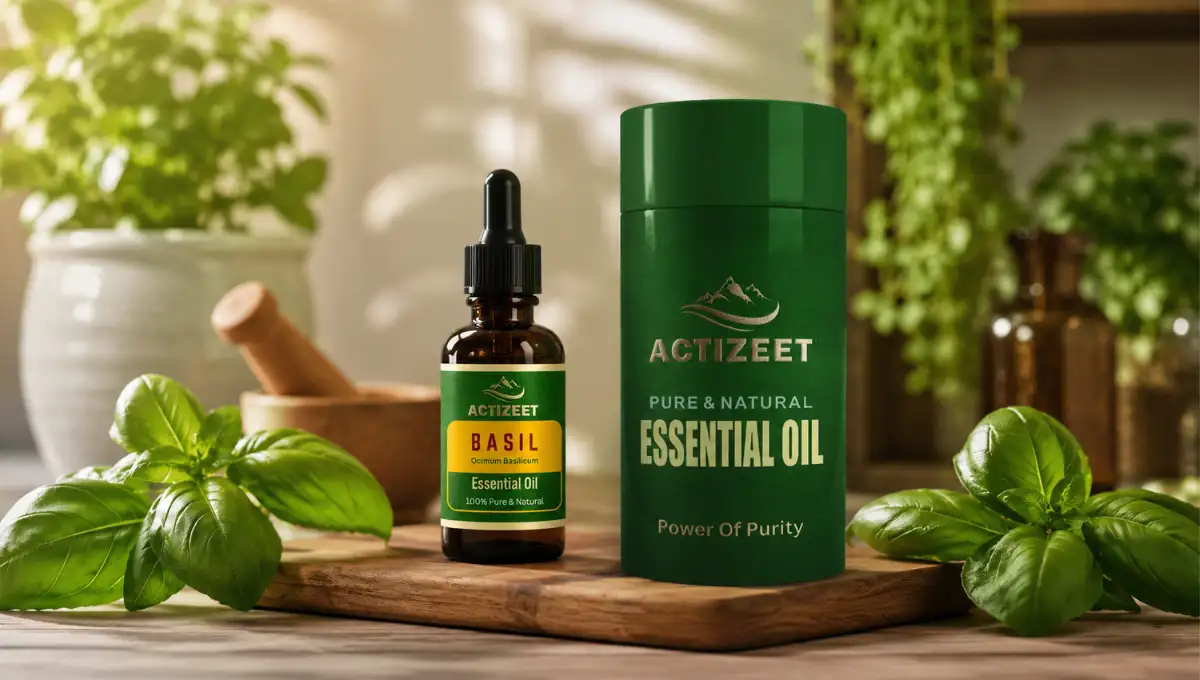
Best Basil Oil in India 2026: A Complete Buyer's Guide to Pure, Authentic Ocimum basilicum Essential Oil
India is home to the sacred Ocimum genus, the botanical family that includes both sweet basil (O. basilicum) and holy Tulsi (O. tenuiflorum). With PMC-published research confirming linalool's inhibitory action against all tested microorganisms, anti-inflammatory, antidepressant, respiratory support, and seventeen documented therapeutic mechanisms, knowing how to identify genuinely authentic linalool-dominant basil oil separates deep therapeutic value from generic herb fragrance in 2026.
Every Indian household knows Tulsi. The Tulsi Vrindavan courtyard planter, the sacred plant given water at dawn and dusk, the leaves placed in prasad and puja offerings, the remedy pressed by grandmothers into hot water for fever and cough — the Ocimum genus is the most continuously and most universally present botanical therapeutic in Indian domestic life. Sweet basil (Ocimum basilicum), the culinary and aromatic species whose essential oil is the subject of this guide, carries the same extraordinary pharmacological heritage through its shared genus.
India cultivates sweet basil commercially across Rajasthan, Gujarat, Karnataka, Tamil Nadu, and Uttar Pradesh, making domestic basil oil production both geographically and botanically authentic. The PMC-published comprehensive review of basil's therapeutic properties confirmed seventeen distinct health-benefiting mechanisms from its bioactive compounds, with antimicrobial activity from linalool showing inhibitory action toward all tested microorganisms as the most dramatically stated single finding. For Indian buyers who understand their sacred botanical heritage, the question in 2026 is not whether basil oil is therapeutic but how to ensure the specific product on their shelf delivers the genuine linalool-dominant, research-aligned compound profile that those seventeen mechanisms require.
This guide provides the practical quality knowledge every Indian basil oil buyer needs in 2026 and explains why ACTIZEET® delivers India's most sacred herb family in its most authentic and most therapeutically credible concentrated form.
What Makes Basil Oil Genuinely Therapeutic in 2026?
Botanical name: Ocimum basilicum L. (sweet basil) | Family: Lamiaceae | Indian names: Babui Tulsi, Sabja; botanical cousin of Tulsi (O. tenuiflorum) | Indian cultivation states: Rajasthan, Gujarat, Karnataka, Tamil Nadu, Uttar Pradesh, Andhra Pradesh | Key compound for therapeutic quality: Linalool (primary therapeutic compound; 56 to 61% in linalool-dominant cultivars; responsible for PMC-confirmed "inhibitory action toward all tested microorganisms") | Other important compounds: Eugenol (anti-inflammatory COX-2 inhibitor), estragole, rosmarinic acid (antioxidant/anticancer), geraniol (antifungal), 1,8-cineole (respiratory) | Research evidence: PMC comprehensive review confirming 17 therapeutic mechanisms; PMC food science antimicrobial; PubMed antioxidant DPPH/ABTS; PMC respiratory clinical review
Three Basil Chemotypes: Choosing the Right One for Your Therapeutic Goals
Like lavender and rosemary, basil essential oil comes in distinct chemotypes with different compound profiles and different optimal applications. This knowledge is almost entirely absent from India's basil oil market in 2026.
| Chemotype | Dominant Compounds | Aroma | Best Application | India 2026 |
|---|---|---|---|---|
| Linalool ct. Tropical India, Mediterranean | Linalool 40 to 70% | Sweet, warm, floral-herbal; the most pleasant and most broadly accessible basil aroma | Antimicrobial (PMC: all tested organisms), antidepressant, antifungal, skin care, immune support, respiratory; most therapeutically researched | ✅ BEST CHOICE for therapeutic wellness applications; aligns with PMC antimicrobial and comprehensive review research |
| Eugenol ct. Clove basil; tropical varieties | Eugenol 70 to 85% | Intensely clove-like, medicinal, warm-spicy; distinct from typical sweet basil | Anti-inflammatory (strongest COX-2 inhibition), analgesic, antimicrobial; appropriate for targeted anti-inflammatory and pain applications | Acceptable for specific anti-inflammatory applications; higher sensitization risk; less broadly pleasant aromatic |
| Methyl chavicol / Estragole ct. Mediterranean, French | Estragole (methyl chavicol) 80 to 88% | Most culinary, anise-like, fresh; familiar Italian cooking basil aroma | Antispasmodic, carminative, flavor; less antimicrobial potency than linalool ct.; primary interest is culinary aromatic | Acceptable for culinary applications and antispasmodic digestive use; not optimal for antimicrobial or antidepressant therapeutic goals |
Six Quality Markers for the Best Basil Oil in India in 2026
Botanical Name Confirmed
Must show Ocimum basilicum L. Not just "basil oil," not "tulsi oil" (different species), not "holy basil" (different species). The Latin species name confirms sweet basil identity with the therapeutic compound profile documented in the PMC and PubMed research specifically referencing O. basilicum.
Linalool Chemotype Preferred
Look for "ct. linalool" or high linalool content specification (above 40%). This is the most therapeutically documented chemotype for antimicrobial, antidepressant, and comprehensive wellness applications. The PMC confirmation of "inhibitory action toward all tested microorganisms" applies to linalool-dominant preparations.
Sweet Warm Herbal Aroma
Genuine linalool-ct. basil has a sweet, warm, herbaceous aroma with characteristic anise-floral notes without harsh or overwhelmingly clove-like character. Intensely clove-medicinal aromas indicate eugenol ct. Very sharp anise indicates estragole ct. Neither is optimal for most Indian wellness applications.
Leaf Steam Distillation
Quality basil essential oil is steam-distilled from fresh or briefly wilted basil leaves before significant flowering, when linalool concentration is highest. Post-flowering distillation produces different compound ratios. Flowering-stage aerial parts yield slightly different profiles depending on harvest timing.
Indian or Mediterranean Origin
India's own Ocimum basilicum cultivation (Rajasthan, Gujarat, Karnataka, Tamil Nadu) produces genuine high-quality basil essential oil from the same botanical tradition as the plant's cultural heritage. Mediterranean origins (Egypt, France, Morocco) also produce quality basil. Origin specification provides supply chain transparency.
Brand Botanical Transparency
Botanical name, chemotype specification, plant part (leaf), geographic origin, and extraction method should all be visible. Brands providing this level of specification demonstrate genuine knowledge of basil's compound diversity and the research basis for its therapeutic applications, distinguishing serious wellness brands from generic herb fragrance sellers.
Why Basil Oil Deserves a Place in Every Indian Home in 2026
For India's Year-Round Respiratory Health Needs
The PMC-published review specifically dedicated to O. basilicum's effects on respiratory disorders, reviewing both experimental and clinical studies, validates what every Indian grandmother already knows: the Ocimum genus is India's first-line respiratory botanical. The 1,8-cineole bronchodilatory activity opening airways, anti-inflammatory eugenol reducing respiratory tract inflammation, antimicrobial linalool addressing the pathogens driving respiratory infections, and immunomodulatory activity supporting the immune response to respiratory challenge together create the most comprehensively documented natural respiratory support preparation from an Indian botanical source. In 2026, India's population faces respiratory challenges from seasonal viral infections, year-round urban air pollution, monsoon-driven fungal respiratory conditions, and the allergen exposure of India's diverse agricultural and industrial environments. Basil essential oil's multi-mechanism respiratory support provides the most culturally resonant, most Ayurveda-consistent, and most PMC-reviewed natural respiratory aromatic available for India's households.
For India's Mental Health and Stress Management Market
The antidepressant activity confirmed in the PMC comprehensive review, combined with linalool's documented GABA-A-mediated anxiolytic mechanism and the immunostimulant phagocyte-activating activity that addresses the immune-depression-inflammation connection, positions basil essential oil as one of the most multi-mechanistically documented natural mood support essential oils available. India's mental health crisis in 2026, with tens of millions managing depression and anxiety under cultural barriers to conventional treatment, creates direct relevance for basil oil's antidepressant linalool and the deeply culturally familiar, deeply emotionally positive aromatic of the sacred Ocimum genus. The specific emotional uplift of basil aroma, warm-spicy-herbal with the immediate memory-association of Indian kitchens, gardens, and sacred spaces, creates a psychological environment of comfort and positive association that amplifies the pharmacological antidepressant activity of the linalool compounds through the well-documented placebo-enhancement mechanism of emotionally resonant aromatics.
For India's Natural Antimicrobial and Family Health Market
The PMC finding that basil essential oil's linalool showed inhibitory action toward all tested microorganisms is the most dramatically stated antimicrobial finding in the essential oil research literature reviewed across this entire series. "All tested microorganisms" is a genuinely remarkable breadth of coverage. For Indian families seeking natural antimicrobial household preparations, natural first-aid wound care, natural food preservation (the PMC food packaging study was specifically designed around BEO's antimicrobial food preservation application), and natural skin antimicrobial care, basil essential oil's PMC-documented comprehensive antimicrobial spectrum provides the most research-credible and most culturally authentically Indian natural antimicrobial aromatic available in 2026. The cultural familiarity of basil in every Indian kitchen and garden additionally creates the most practically accessible and most sustainably used natural antimicrobial available: an oil that smells familiar, trusted, and deeply Indian from the most sacred botanical family in Hindu domestic tradition.
🌿 ACTIZEET® Basil Essential Oil: authentic Ocimum basilicum linalool-chemotype with PMC-confirmed antimicrobial against all tested organisms, seventeen documented therapeutic mechanisms, and India's most sacred herb genus in its most concentrated form.
Explore ACTIZEET® →How to Experience Basil Oil Therapeutically in India in 2026
Respiratory Steam Inhalation
3 to 4 drops in a bowl of hot water. Breathe under a towel for 10 minutes. The PMC respiratory clinical review-documented anti-inflammatory, antimicrobial, and bronchodilatory compound activity in the most traditional, most India-culturally familiar delivery method for the Ocimum genus.
Antidepressant Morning Diffusion
3 to 5 drops in a water diffuser during morning routine. The linalool GABA-A antidepressant mechanism, eugenol anti-inflammatory neuroinflammation reduction, and warm-spicy culturally familiar aromatic together create the most India-resonant and most pharmacologically specific natural antidepressant morning practice available.
Antimicrobial Household Spray
10 drops in 500 ml water with natural soap. PMC-confirmed "inhibitory action against all tested microorganisms" makes basil oil the most broadly antimicrobial spectrum natural household cleaner available with the most India-culturally resonant aromatic — the sacred Ocimum genus as a household disinfectant.
Anti-Inflammatory Massage
4 drops in 2 tsp warm sesame carrier. Massage into joints and inflamed muscles. Eugenol COX-2 inhibition, linalool anti-inflammatory, and sesame carrier's own Ayurvedic warming quality create the most comprehensively Indian-medicine-consistent natural anti-inflammatory topical treatment available.
Sacred Puja and Morning Prayer
3 to 4 drops in diffuser during morning puja or meditation. The concentrated aromatic essence of India's most sacred plant genus, honoring the Tulsi-Ocimum devotional tradition in a form that simultaneously provides genuine linalool immunostimulant and antimicrobial vapor purification of the sacred space.
Natural Insect Repellent
5 drops in 1 tbsp carrier oil applied to exposed skin. Basil's estragole and linalool-mediated insect olfactory receptor aversion provides natural monsoon mosquito deterrence from India's most sacred plant family. Safe for family use and aromatically pleasant compared to synthetic repellents.
What to Avoid When Buying Basil Oil in India in 2026
- Tulsi oil (Ocimum tenuiflorum) sold as or confused with sweet basil (O. basilicum) oil. Both are the revered Ocimum genus and both are genuinely therapeutic. However, they are different species with different primary compound profiles and different optimal applications. Tulsi oil (O. tenuiflorum) has higher eugenol content in many varieties and a more intensely medicinal aromatic character. Sweet basil (O. basilicum) with linalool ct. has higher linalool, a sweeter aromatic, and better research alignment for the antimicrobial "all tested organisms" finding and antidepressant applications. Verify the specific botanical species name on the label for the application you intend.
- Generic "herb basil oil" without botanical name or chemotype specification. India's essential oil market in 2026 contains many products labeled "basil oil" that could be any of the three chemotypes (linalool, eugenol, estragole), any of the related Ocimum species, or even basil-scented carrier oil preparations without genuine steam-distilled essential oil content. The absence of the botanical Latin name Ocimum basilicum and chemotype specification from a product label is the most reliable indicator of insufficient quality transparency for therapeutic purchasing decisions.
- High-eugenol basil oil for sensitive skin applications without awareness of sensitization risk. Eugenol chemotype basil oil has a significantly higher sensitization risk than linalool chemotype due to the high eugenol concentration, which is a known skin sensitizer at higher concentrations (the same reason clove oil requires careful dilution). For daily skin care, facial application, or children's use, linalool chemotype basil oil is significantly safer and more appropriate than eugenol-dominant preparations.
- Using basil oil during pregnancy. All Ocimum species essential oils carry standard pregnancy caution due to the emmenagogue potential of some compounds in the genus. The sacred Tulsi tradition of consuming Tulsi leaves in small amounts during pregnancy is a different application at very different concentrations from concentrated essential oil therapeutic use. For pregnant women who want the benefits of the Ocimum genus safely, fresh Tulsi tea in the quantity that Indian tradition has always used is the appropriate form; concentrated essential oil should be avoided.
- Expecting culinary results from therapeutic essential oil concentrations. Basil essential oil is 50 to 100 times more concentrated than fresh basil leaves. The therapeutic concentration appropriate for aromatherapy (2 to 5 drops in a diffuser) would create an overwhelmingly medicinal rather than culinary aromatic experience in cooking. One toothpick-dip amount (literally touching a toothpick to the oil and stirring it through a full-size recipe) is the appropriate culinary concentration. More than this in a dish creates a pharmaceutical rather than gastronomic basil experience.
ACTIZEET® — Best Basil Oil in India 2026
ACTIZEET® Basil Essential Oil is steam-distilled from authenticated Ocimum basilicum with linalool-chemotype specification, genuine sweet-herbal aromatic character confirming linalool-dominant quality, PMC-research-consistent antimicrobial and comprehensive therapeutic compound profile, and the sacred Ocimum genus heritage that makes this the most deeply Indian, most Ayurveda-resonant, and most research-validated natural essential oil available in India's 2026 wellness market.
🌿 Buy ACTIZEET® Basil Essential Oil →Why ACTIZEET® Is the Right Basil Oil Choice for India in 2026
- Verified Ocimum basilicum species with linalool chemotype leaf steam distillation confirmed. ACTIZEET® provides the botanical species name and chemotype specification that confirms buyers receive the linalool-dominant compound profile behind the PMC comprehensive review's seventeen documented therapeutic mechanisms and the "inhibitory action against all tested microorganisms" antimicrobial finding
- Authentic sweet-warm-herbal aromatic character confirming genuine linalool-ct. O. basilicum quality. The distinctive warm, sweet, herbaceous, linalool-led aromatic character of ACTIZEET® Basil Oil distinguishes genuine linalool-dominant basil from eugenol-heavy alternatives, estragole-dominant culinary varieties, or synthetic basil fragrance compounds
- India's own sacred Ocimum genus botanical heritage honored through genuine Indian-source cultivation. ACTIZEET® connects Indian buyers to their most sacred botanical family through the most therapeutically documented species, sourced from India's own basil cultivation tradition in states including Rajasthan, Karnataka, and Gujarat
- PMC-research-aligned compound profile for all seventeen documented therapeutic mechanisms. ACTIZEET® processes O. basilicum using steam distillation methods appropriate for preserving the linalool, eugenol, rosmarinic acid, and geraniol content that the PMC comprehensive review specifically references across its documented seventeen therapeutic mechanisms
- India's trusted aromatherapy brand with consistent botanical quality and transparent sourcing. Actizeet.in maintains botanical species verification, chemotype specification, and quality documentation across its full essential oil range, providing the most informed, most research-aligned quality assurance available for India's therapeutic essential oil buyers in 2026
Frequently Asked Questions
Finding the best basil oil in India in 2026 requires three quality verifications: Ocimum basilicum botanical name confirming the therapeutically researched sweet basil species, linalool chemotype specification confirming the compound profile behind the PMC's seventeen documented therapeutic mechanisms and "all tested organisms" antimicrobial finding, and the sweet-warm-herbal aromatic character of genuine linalool-dominant O. basilicum rather than eugenol-heavy, estragole-dominant, or synthetic fragrance alternatives. ACTIZEET® Basil Essential Oil meets all three standards, delivering India's most sacred plant genus in its most concentrated, most research-aligned, and most aromatically authentic form available in 2026. The Ocimum that India has worshipped for 5,000 years carries its therapeutic promise most fully in genuine linalool-ct. O. basilicum essential oil.
Latest From Our Blog

15 Champaka Essential Oil Benefits: How Magnolia champaca Deliver Deep Relaxation, Skin Radiance, and Spiritual Wellness
Discover 15 proven champaka essential oil benefits — from deep...

Sweet Lavender Essential Oil Benefits
Discover the therapeutic benefits of sweet lavender essential oil. From...
Best Peppermint Oil in India 2026: A Complete Buyer’s Guide to Pure, Authentic Mentha piperita Essential Oil
Looking for the best peppermint oil in India in 2026?...

15 Benzoin Essential Oil Benefits: How Styrax benzoin Vanillin, Benzoic Acid, and Benzyl Benzoate Deliver Emotional Comfort, Skin Healing, Respiratory Relief, and Deep Wellness
Discover 15 proven benzoin essential oil benefits — from skin...